Brogue
VOICE CONSISTENCY
Loading audio…
Press play to listen along. The line being read lights up as you go.
Show full transcript
Loading transcript…
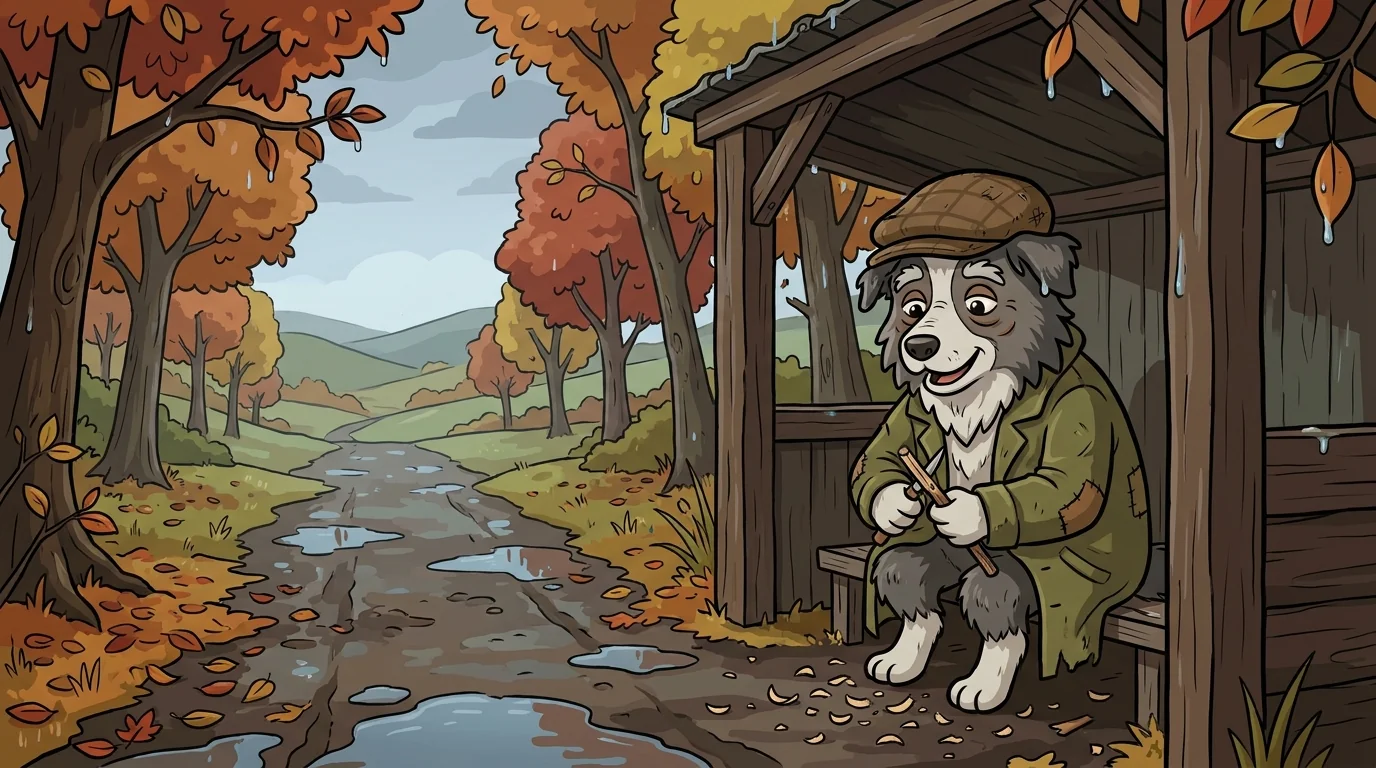
Patter met Brogue on a country road, one autumn afternoon, when the rain had just stopped and the air had gone clean and damp.
Patter had been walking — he walks regularly — when he had seen an elder border-collie sitting under a small wooden lean-to beside the road. The collie had been wearing a worn flat-cap and a long-coat that had clearly seen many seasons. He had been whittling a small stick. He had looked up as Patter approached. He had said: "Ah, lad. Mind ye come in out of the wet."
Patter had said: "Thank you. I am Patter."
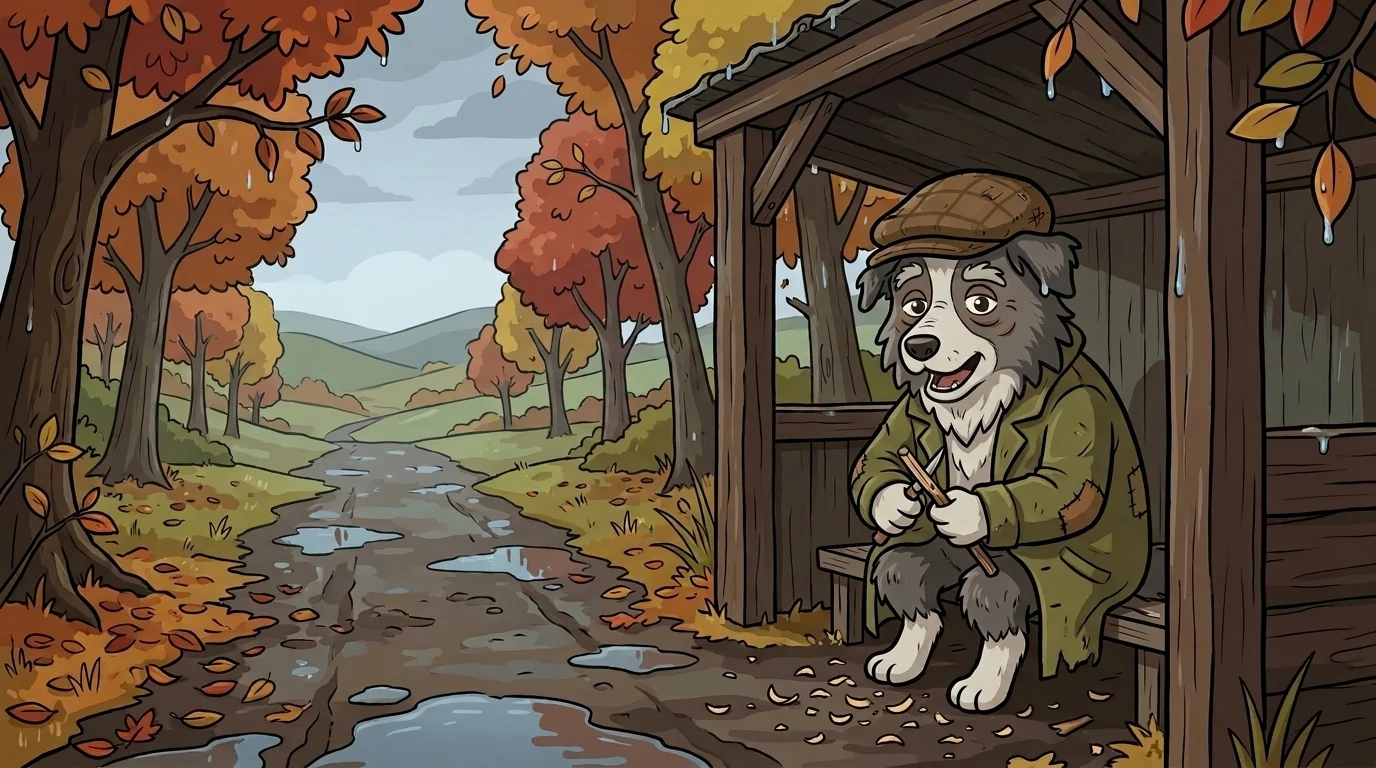
The collie had said: "Aye. I'm Brogue. Sit ye down."
Patter had sat. They had talked for perhaps an hour. In that hour, Patter had noticed something essential for dialogue craft. Brogue's speech had been deeply consistent. He used exactly four or five signature words — "aye," "lad," "mind ye," "in my day," "by and by" — and these signature words had appeared naturally and regularly through every sentence he spoke. His sentence-rhythm had been measured. His vocabulary had been folk-rustic. His attitude had been quiet patience. The combination had been immediately recognizable — you could hear Brogue speaking even with your eyes closed.
This had been, Patter realized, exactly voice consistency. Brogue was himself in every sentence. There was no line he spoke that did not sound like Brogue. If you had to pick Brogue's line out of a paragraph spoken by ten different characters, you could do it instantly.
Patter had said: "You are voice-consistent."
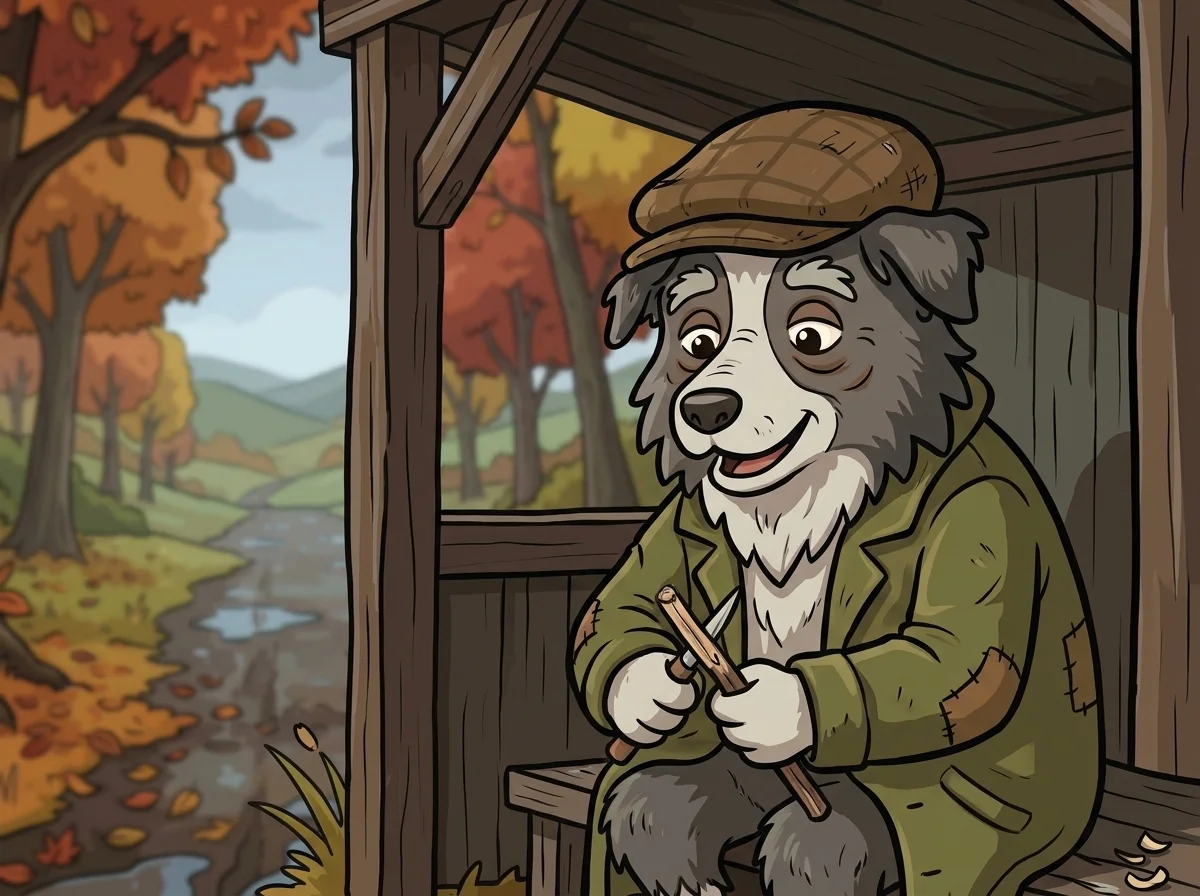
Brogue had said: "Aye, lad. Same voice. Same words. Same lilt. In my day we called it being a person. Now folks call it voice consistency. Either way — it is the same thing."
Patter had said: "Would you come to my pocket-workshop?"
Brogue had said: "By and by. I have stick-whittling to finish."
He had finished. Then he had come. He has been in the workshop ever since — the elder presence, the voice-consistency demonstrator.
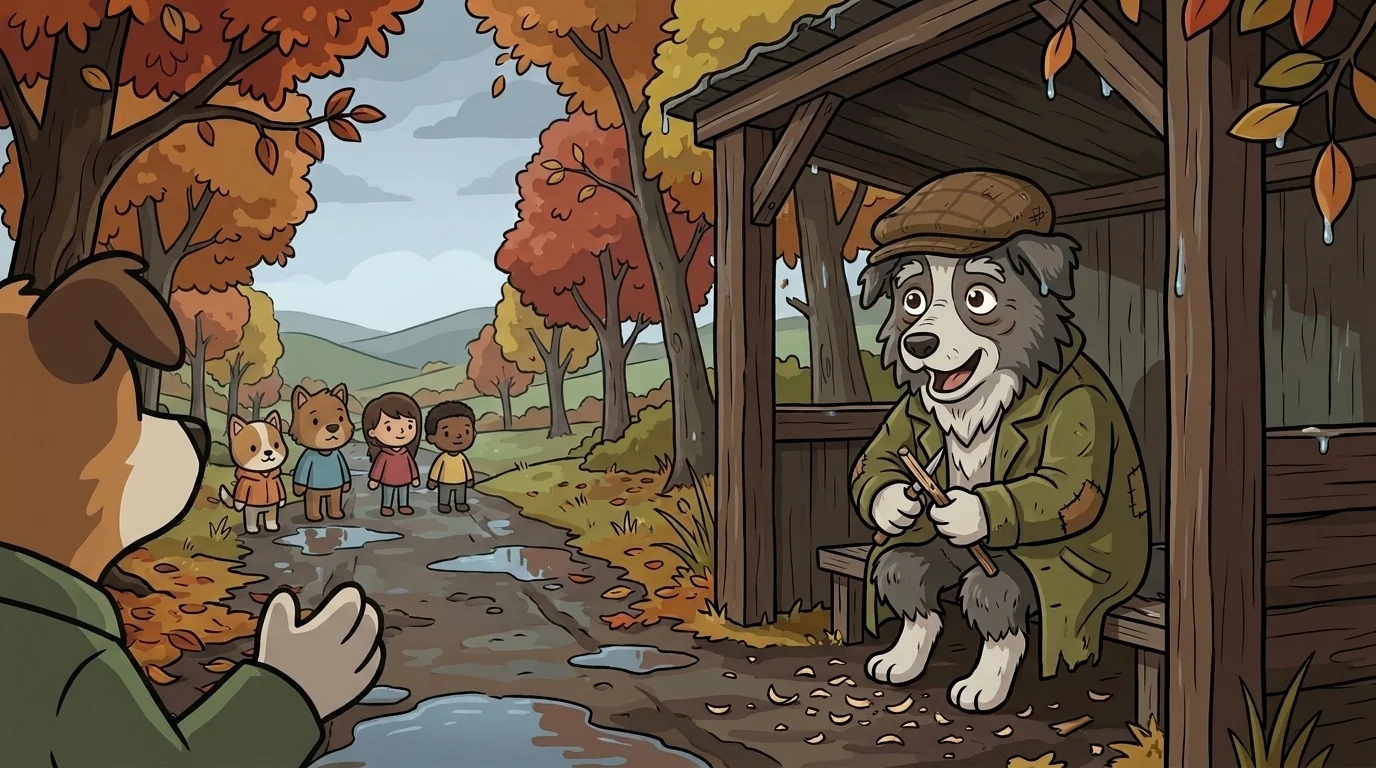
In Patter's introductory lesson on voice consistency, he gestures at Brogue — who is, as always, in his worn flat-cap whittling a small stick — and says: "This is Brogue. Listen to him for one minute. Notice his signature words. Notice his sentence-rhythm. Notice his vocabulary. He is himself in every sentence. That is voice consistency."
Patter then asks Brogue to speak a few lines for the class. Brogue obliges:
"Aye, lad. The weather is fair today. Mind ye not get caught in the wind. In my day we called this kind of afternoon a soft afternoon. Soft because the air is gentle. Soft because the rain has stopped. By and by you will know what I mean."
The students hear Brogue in every sentence. The same signature words. The same rhythm. The same vocabulary. The same attitude. They could not mistake this speech for any other character's speech.
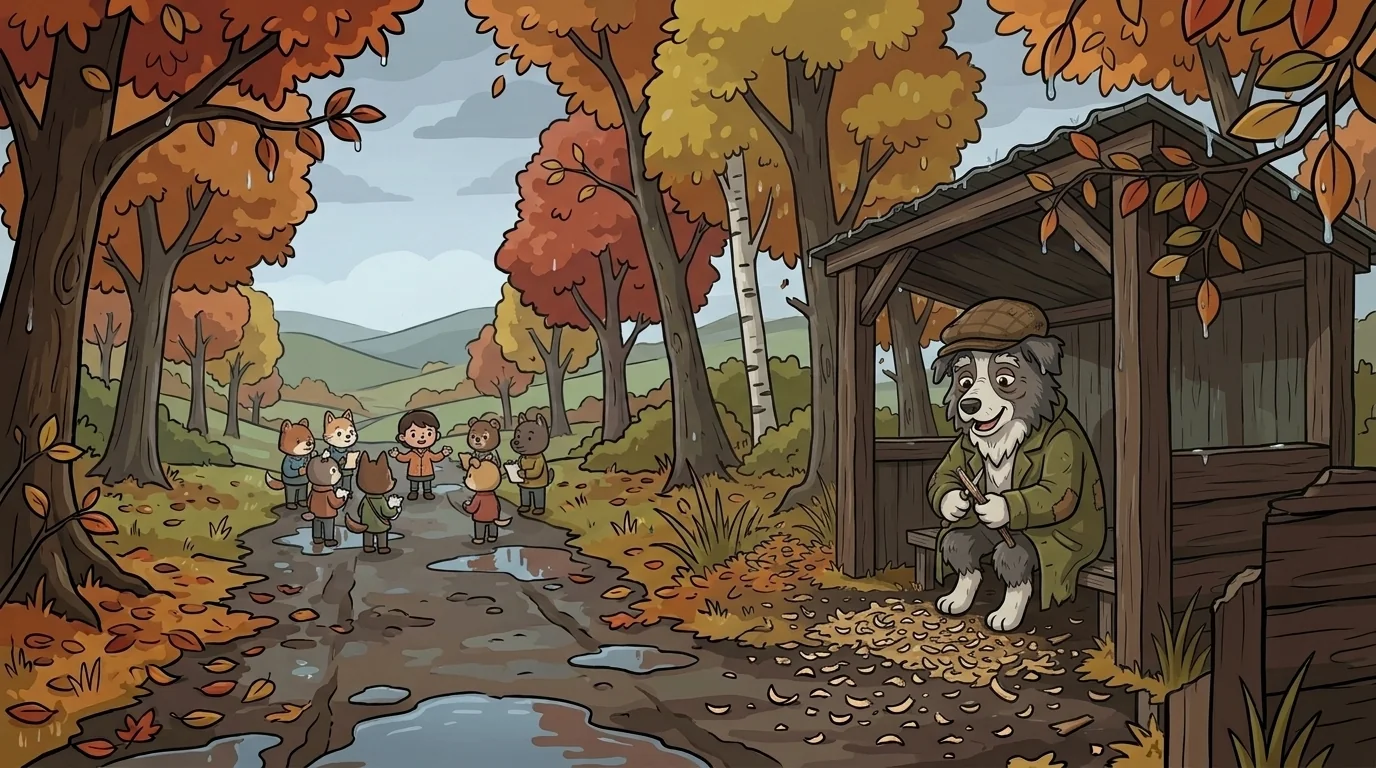
Patter says: "This is what you want in your characters. Voice that is recognizably the same across every line they speak. If your character's lines could be said by anyone in the story, the voice is not yet consistent. The voice should be audibly that character's."
He gives them a practical exercise: "Pick three signature words your character uses regularly. Pick one sentence-rhythm pattern they favor (short clipped lines? long flowing ones? questions? statements?). Pick one vocabulary range (formal? rustic? technical? colloquial?). Then write every line of dialogue for that character with those signatures. You will hear the voice settle."
The students try it. Their characters become recognizable.
Brogue nods. He whittles. He says — in his slow weathered voice — "Aye. The voice is the same. Same words. Same lilt. Same character. By and by you will hear it in your own writing."
When students ask Patter whether voice consistency is hard, Patter says — quoting Brogue — "It is not hard. It is being yourself in every line. Pick the signature words. Pick the rhythm. Pick the vocabulary. Write every line in that voice. The character will settle."
Hear it as an audio drama
A short play starring Brogue, from DialogueQuest. Different voices, same idea. Listen any time after you read.
Loading audio…
Read the drama script
- Narrator: From Spark and Anvil and DialogueQuest — this is Brogue, in chapter 1 of the DialogueQuest cast.
- Narrator: This drama uses an AI-generated voice. Voiced via Gemini 2.5.
- Narrator: Brogue is an elder border-collie. He wears a worn flat-cap and whittles sticks under a small wooden lean-to.
- Narrator: He is a steady, grounding presence. His eyes are keen and ancient. His movements are measured and calm.
- Brogue: Aye, lad. I'm Brogue. Mind ye come in out of the wet for a moment.
- Narrator: Brogue’s voice is deeply consistent. He uses the same signature words and the same unhurried sentence-rhythm in every line he speaks.
- Brogue: In my day, we just called it being a person. Now folks call it voice consistency. It is the same thing, by and by.
- Brogue: Aye. Same voice. Same words. Same lilt. The voice is the character.
- Narrator: Patter met him on a country road. He heard the unique melody in Brogue's voice and knew he had found a teacher.
- Narrator: Patter asked him to join the pocket-workshop. Brogue looked at the road, then at his newly whittled bird.
- Brogue: By and by, lad. I have stick-whittling to finish first.
- Narrator: Now he teaches students. He is himself in every sentence. He is the voice-consistency demonstrator.
- Brogue: Pick the signature words. Pick the rhythm. The character will settle.
- Narrator: Signature words. Sentence-rhythm. Vocabulary. That is how a character's voice becomes audibly their own.
- Brogue: Aye. The voice is the same. The character is the same. By and by, you will hear it.
- Narrator: You've been listening to a Spark and Anvil chapter, written by the Spark and Anvil writing team for ages 9 to 14.
- Narrator: Apps stay free forever.
- Narrator: Curriculum aligned to Common Core English Language Arts.
- Narrator: Released under Creative Commons BY-NC-SA 4.0 for educational reuse. Visit Spark and Anvil for the full transcript.
The DialogueQuest ensemble
Brogue is one of the friends in DialogueQuest. Each friend shows you one idea by how they act; meet them all and you have the whole subject.
-

Sprig
Branch meaningfulness — every choice she makes really changes where the story goes
-

Glance
Subtext — says less than she means; the real feeling sits under the words
-
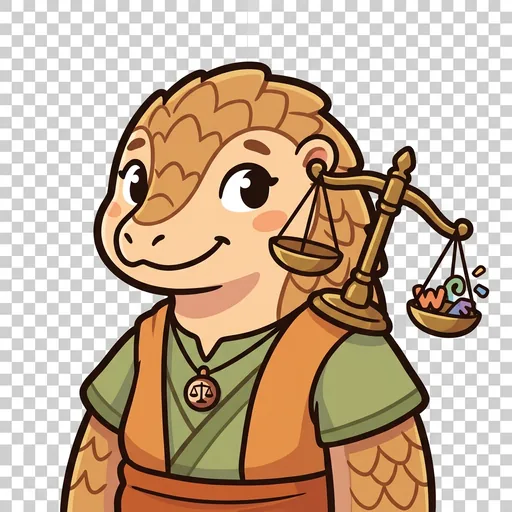
Weigh
Tag balance — keeps 'said' and other tags in balance, so readers always know who is talking
-
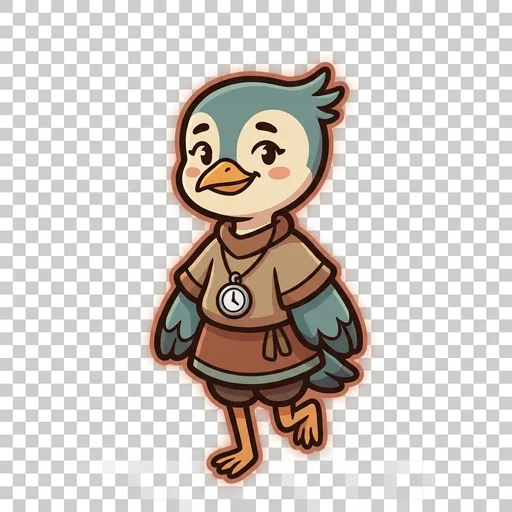
Rest
Rhythm + silence — treats a pause as a line of dialogue itself
-

Prop
Action beats — red-squirrel whose paws are always busy with a small acorn; the little actions between lines show feeling and set the rhythm of a talk
-

Spar
Conflict / friction — pine-marten whose speech bubbles push against the other speaker's; two characters wanting different things is the engine (the push stays kind)
-
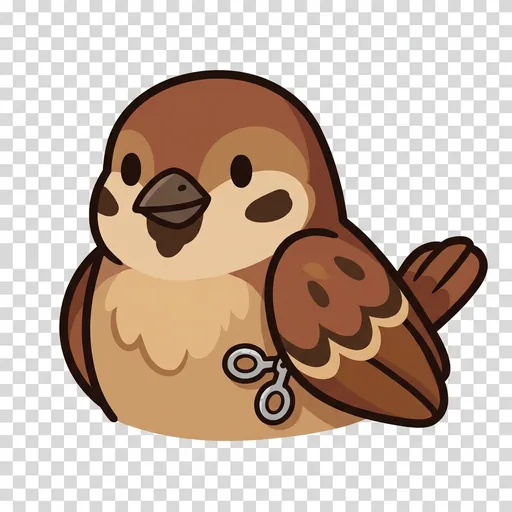
Clip
Economy — sparrow with tiny silver scissors who trims the filler ('hello, how are you, fine') and starts scenes late, right where they get interesting
-

Dash
Interruption / overlap — chipmunk who crashes into the ends of others' lines with a dash when feeling runs too high to wait (used on purpose, sparingly)
-

Aim
Line purpose — kestrel with arrow-shaped speech bubbles that point at what each line is really trying to DO (ask, dodge, persuade), not just say