
Keye
CHROMA KEY (Advanced) — tell the camera to make one flat colour see-through (green, because skin holds almost none), so a window opens through the picture and a new layer shows behind. The believable key lives in three things: an EVENLY LIT wall (no hot-spots or shadows), SEPARATION so the subject doesn't catch green SPILL (and despill to remove what does), and a MATCHED PLATE — the background's light direction, perspective, and haze must agree with the subject, or the eye reads 'sticker on a photo.'
Loading audio…
Press play to listen along. The line being read lights up as you go.
Show full transcript
Loading transcript…
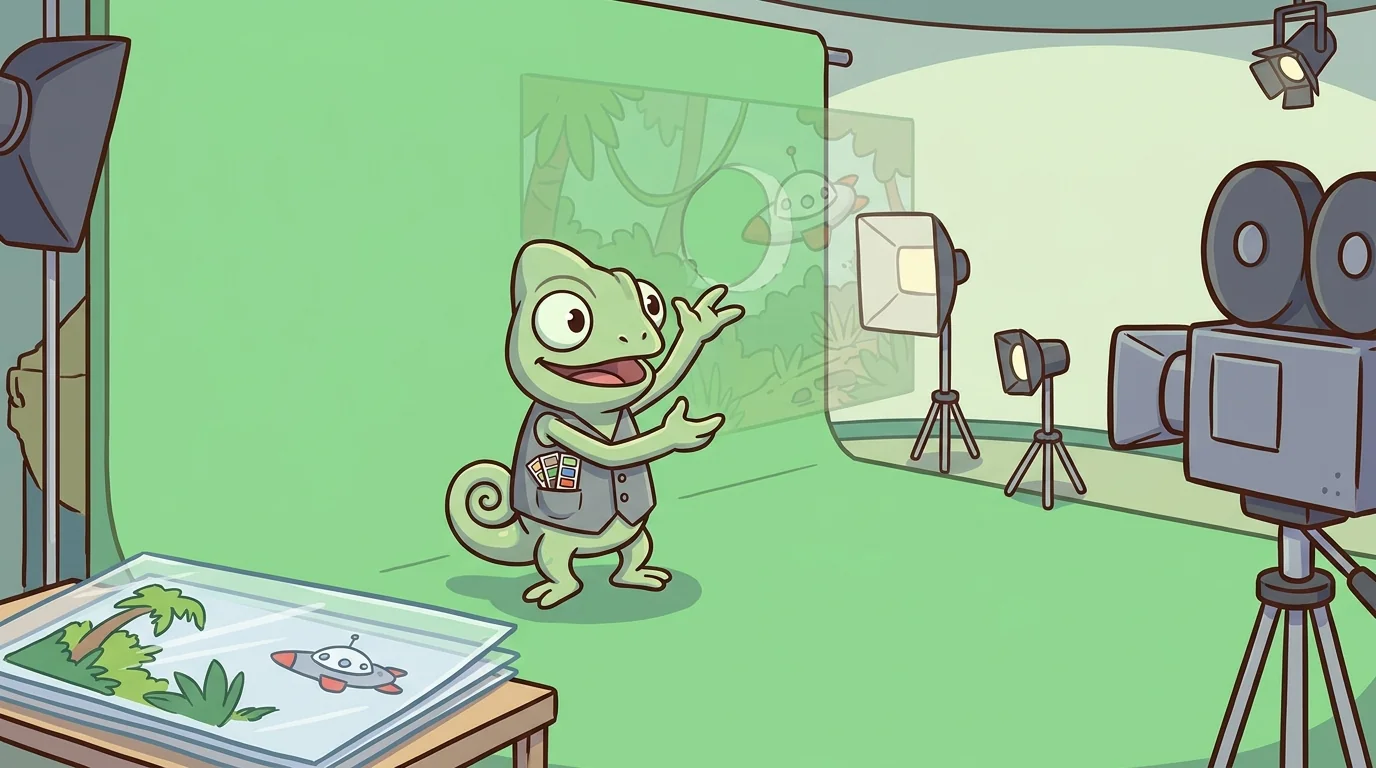
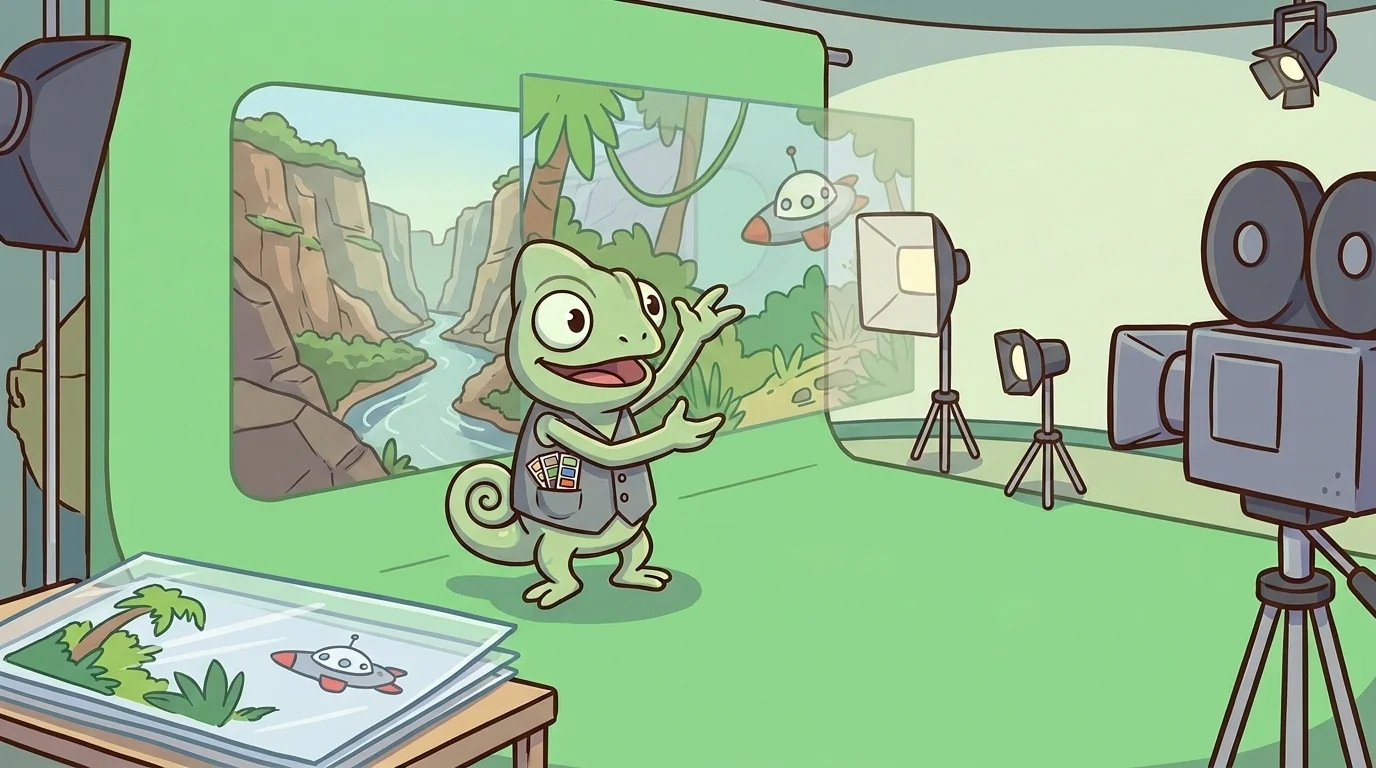
Keye is a small chameleon — pale green all over, on purpose — standing in front of a wall painted the exact same pale green, so the camera almost loses her in it. She wears a tidy grey vest with a swatch-book of colours clipped to the pocket. Behind her, the flat green wall waits like a blank page.
Her craft is chroma key — film a subject against one flat colour, tell the camera to erase exactly that colour, and drop a new world into the hole. "It isn't faking," she says firmly. "It's layering. I'm stacking a picture of me on top of a picture of a jungle, and letting the green get out of the way." The Advanced version, she says, is knowing the three things that separate a clean key from a crumbly one — because "erase the green" is the easy part; making the edge and the composite believable is the craft.
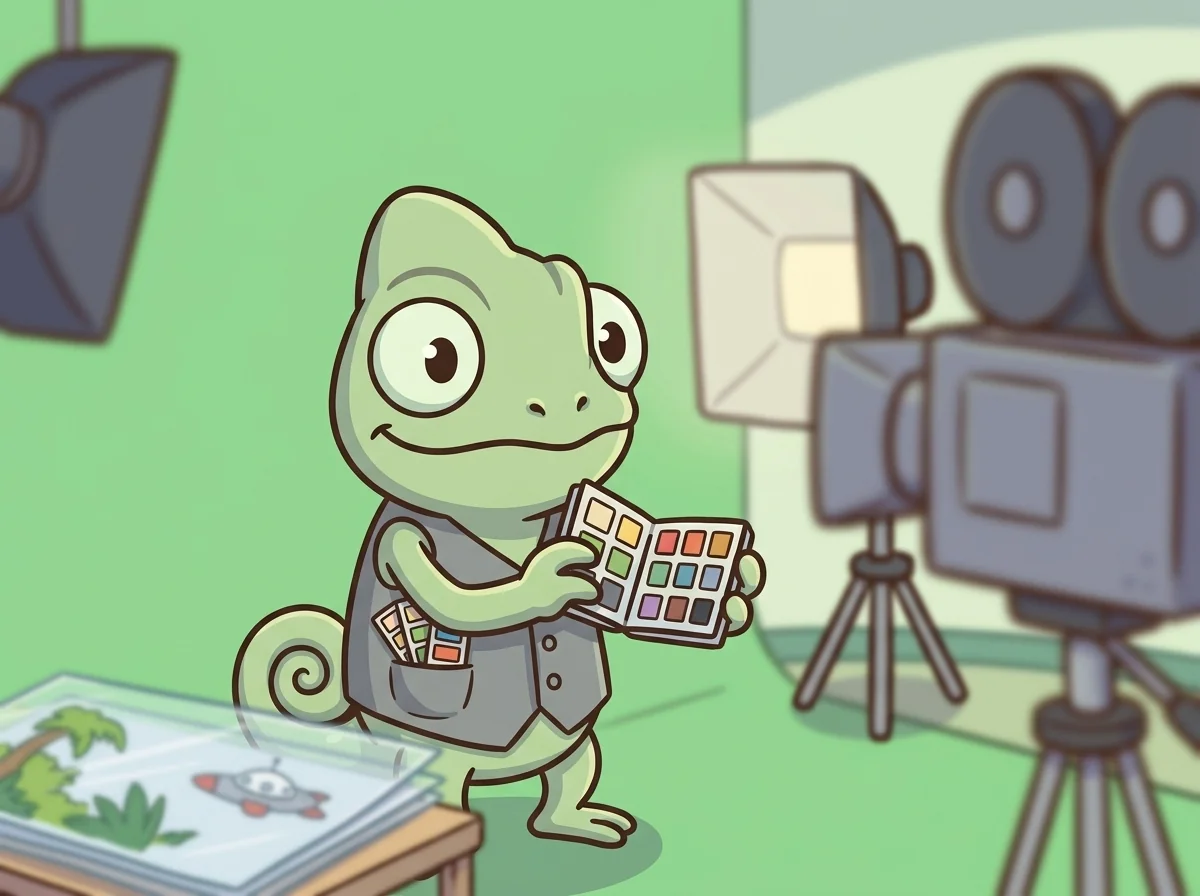
"First, light the wall dead even." She sweeps a paw across it. "The camera keys on one range of green. If the wall has a bright hot-spot in the middle and dark corners, that's several greens, and the camera can't cleanly tell wall from not-wall — the edge around me goes ragged. Flat, even light means one clean colour, means one clean window." Then the choice of green itself: "Green because there's almost no green in a person — skin's pinkish, hair's brown, eyes are brown or blue. Tell the camera 'erase green' and it erases the wall, never me." (She keeps a bright-green scarf as a warning. "Wear green in front of green and the camera erases your tummy. You walk around with a canyon where your middle should be.")
"Second, separation, and despill." She steps a full pace off the wall. "Stand too close and green light bounces off the wall onto my shoulders and hair — that's spill, a green rim that makes me look like I'm glowing at the edges. Standing back cuts most of it; a despill step removes the rest, cooling the green fringe out of my edge so it sits cleanly on the new background." She tips her head. "Spill is the quiet killer — the key looks fine until you notice everyone's got a faint green halo."
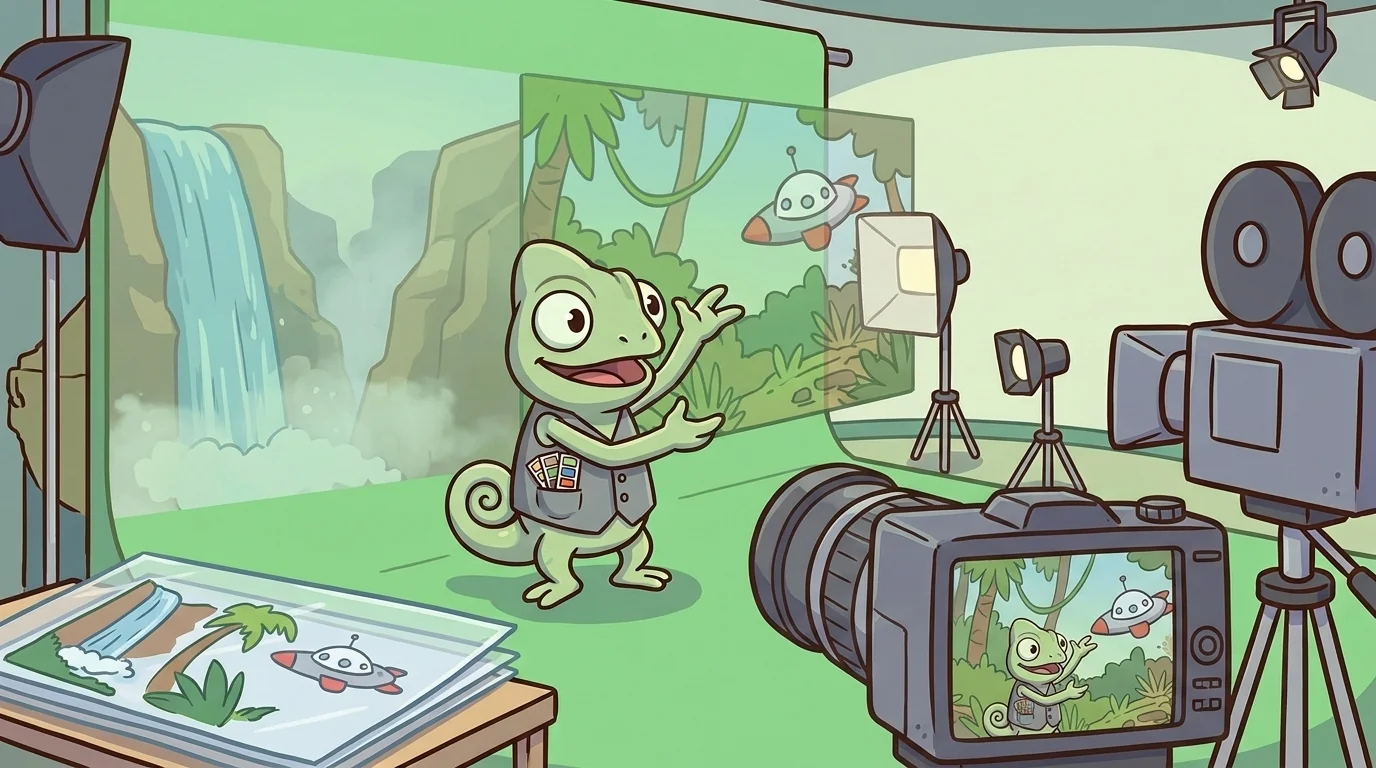
"Third — and this is the one older keyers most forget — match the plate." She drops a canyon behind her. "A perfect window onto the wrong world still breaks the shot. If the canyon's light comes from the right but the studio light on me comes from the left, your eye knows, even if it can't say why. So the background — the plate — and I have to agree: same light direction, same perspective and eyeline, same haze in the distance. Match those, and the eye believes canyon, comet-tail, castle. Miss them, and it's a sticker on a photo."
Keye grew up in a market town of glassblowers and window-makers, whose art was stacking see-through things — a red sheet over a blue made purple on the floor; a clear pane over a painted one let you look through. "A picture isn't one flat thing," they taught. "It's layers, and the magic is choosing which layer you can see through." At EffectsForge, Render asked, "What is chroma key?" "Filming against one flat colour and erasing it to a window," Keye said, "then dropping a world behind. Light the wall even, stand off it and despill the spill, and match the plate's light and perspective. Green because there's none in a person. It's layering, not faking." Render nodded slowly. "You are appointed."
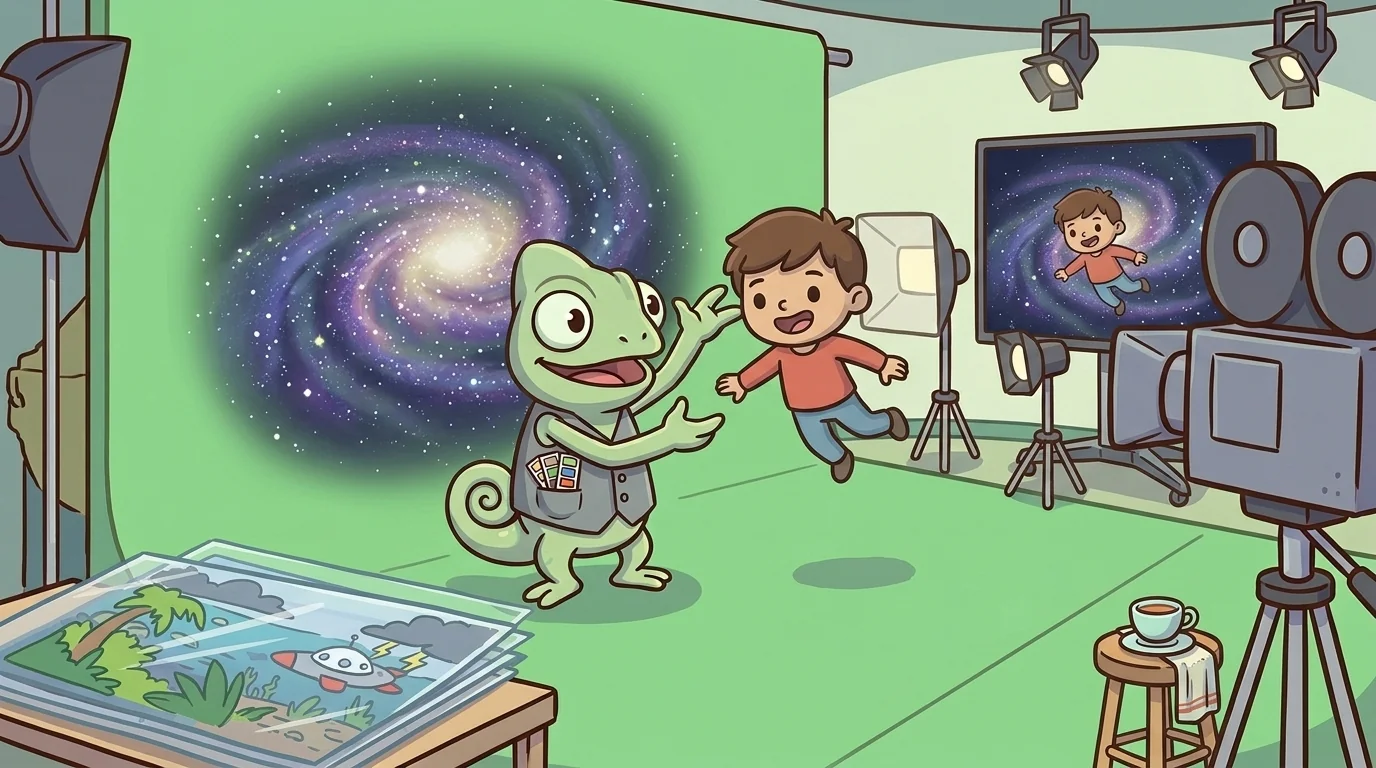
In her workshop she runs the demos in order: an even-lit key with a clean cut-paper edge; the same shot lit patchy, edge gone crumbly, "see how the hair frizzes into green?"; a too-close take glowing with spill, then a step-back-and-despill that cleans it; and finally two composites, one plate-matched and one with the light reversed — "same perfect window, and this one your eye rejects instantly." Her first try that morning had come ringed with green smudges; she'd widened the light, stepped forward, despilled, and gone again. "First keys are always a bit crumbly," she said. "You clean the edge — you don't quit."
"So you're never really in the jungle," a kid said, half-frowning. "Plain green room, tea getting cold on a stool off-camera," Keye laughed. "And yet — watch." She dropped them into a starfield — green wall behind, galaxy on screen — and the kid saw themselves among stars with their feet on the studio floor, and felt the bright tickled zing of that's me, out there, and I never left the room. Then, fussing with their own edge, they left a green smudge along one arm, and the frozen little I-broke-it knot pulled tight — until Keye leaned in: "Widen the light, step forward, despill, go again — crumbly edges clean right up." And the knot came loose into something easy and curious: the gladness of it's fixable, keep playing. That window-into-anywhere zing, plus the freedom to smudge and re-smooth, was to Keye the whole quiet joy of the color that isn't there.
The EffectsForge ensemble
Keye is part of EffectsForge's distributed-narrative cast. Each character embodies a different curricular primitive; together they teach the full subject.
-

Crunch
Foley sound — practical sound effects from everyday objects
-

Trick
Forced perspective — the optical illusion that resizes worlds
-

Skin
Prosthetic makeup — craft + chemistry for character, never realistic injury
-
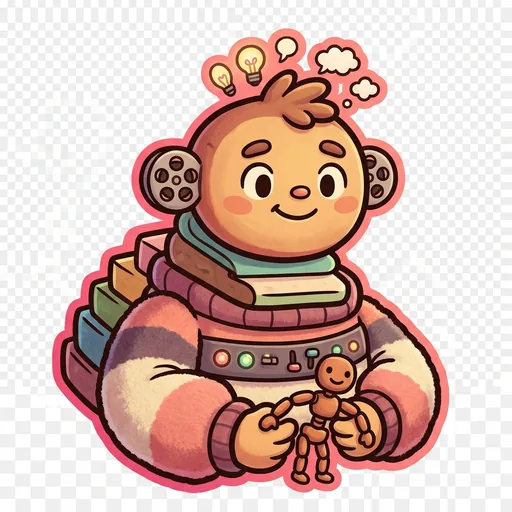
Step
Stop-motion animation — frame by frame, one decision at a time
-
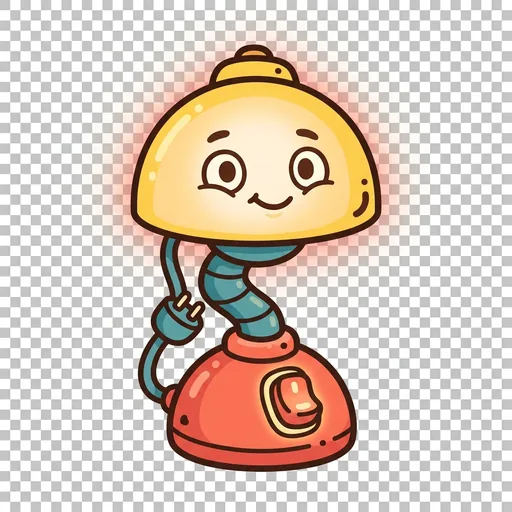
Lamp
Lighting design — the silent author of mood
-

Fogg
Atmospherics — a moth who makes the air itself: fog, rain, wind, drifting haze, so a scene gains depth, mood, and light you can see
-
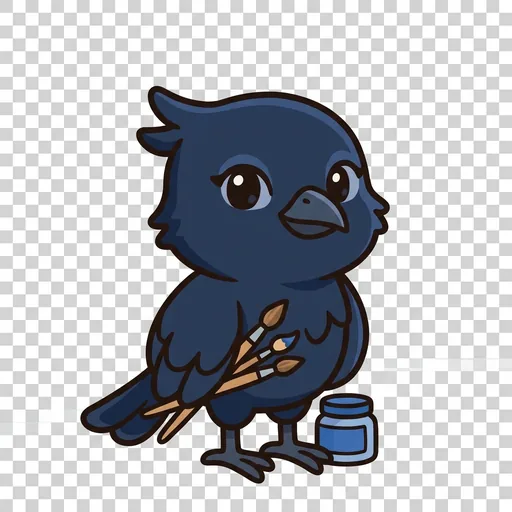
Matte
Matte painting — paints the part of the world too big to build and blends the seam so the eye can't find where the set ends
-

Servo
Animatronics — foam skin over a jointed frame driven by motors and cables, so a built creature breathes, blinks, and moves on cue
-

Titch
Miniatures — builds it small and perfect, shoots it right, and a thing held in two hands reads as enormous on screen