
Care and Kin
THE HEART AND THE WEB — who counts, morally? Care answers that moral worth grows out of the relationships you're in; Kin answers that the circle reaches further still, out to animals, systems, and the living web we belong to.
A story read by Care and Kin
Loading audio…
Press play to listen along. The line being read lights up as you go.
Show full transcript
Loading transcript…
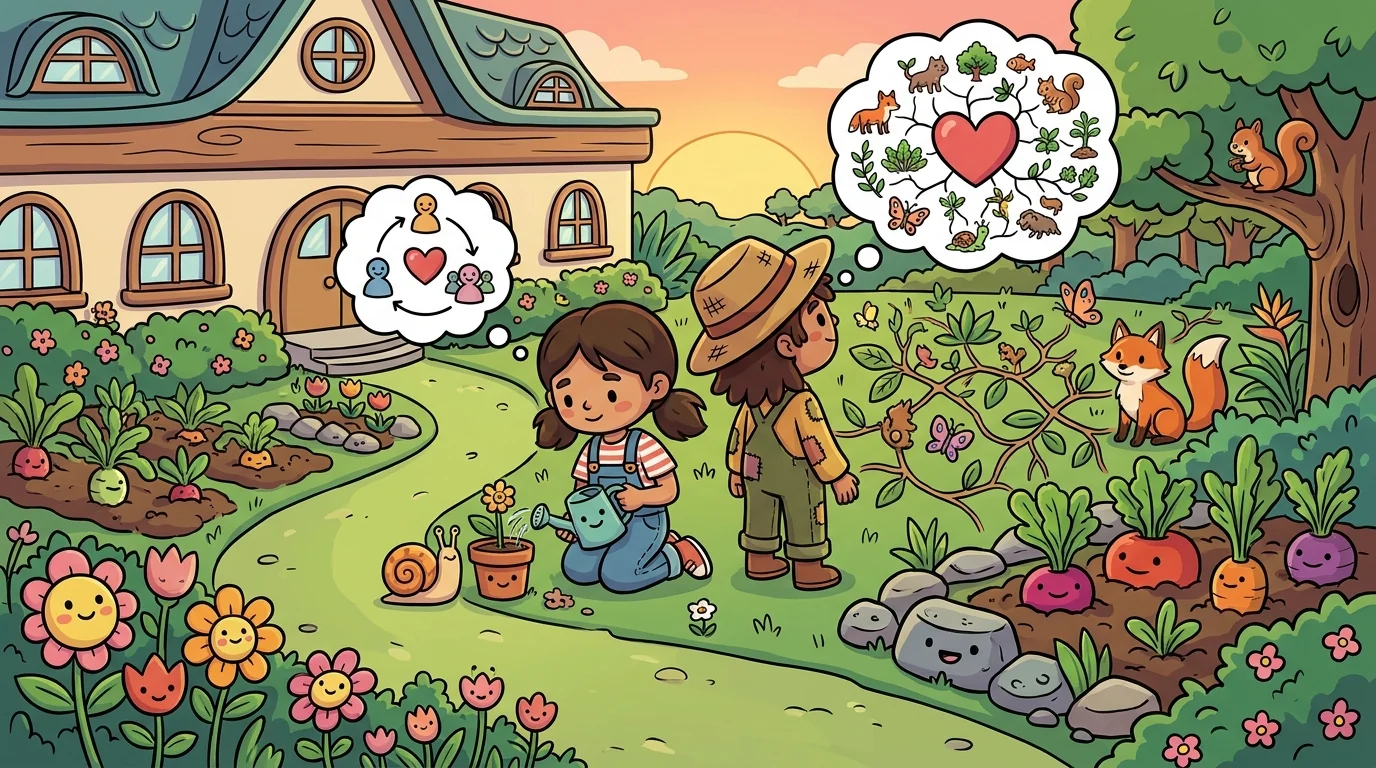
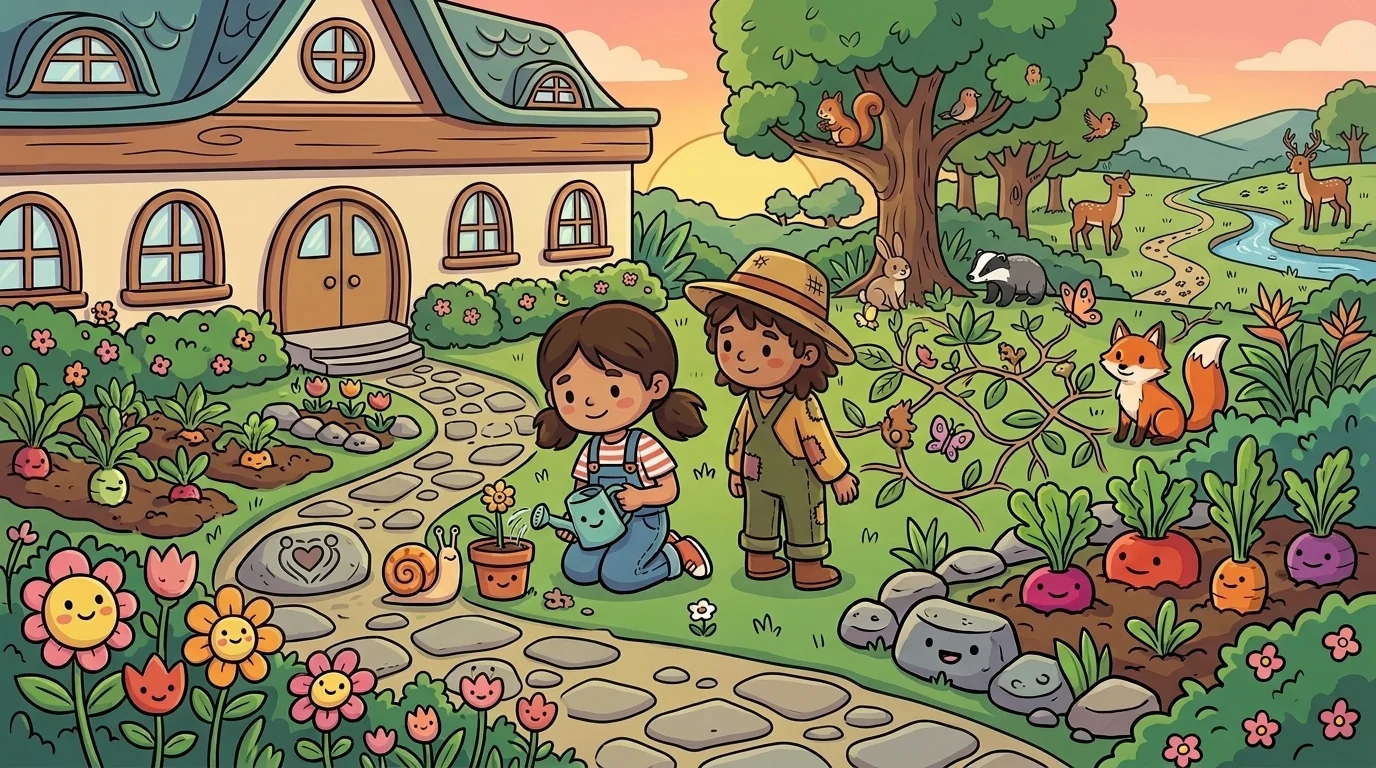
Down a green path at the edge of the ethics hall, two thinkers kept a garden — and both spent their days pressing the same enormous, simple question in two widening ways: who counts, morally? Their traditions have names. Care speaks for care ethics — the relational tradition of Nel Noddings and Carol Gilligan. Kin speaks for environmental ethics — the long project of expanding the moral circle.
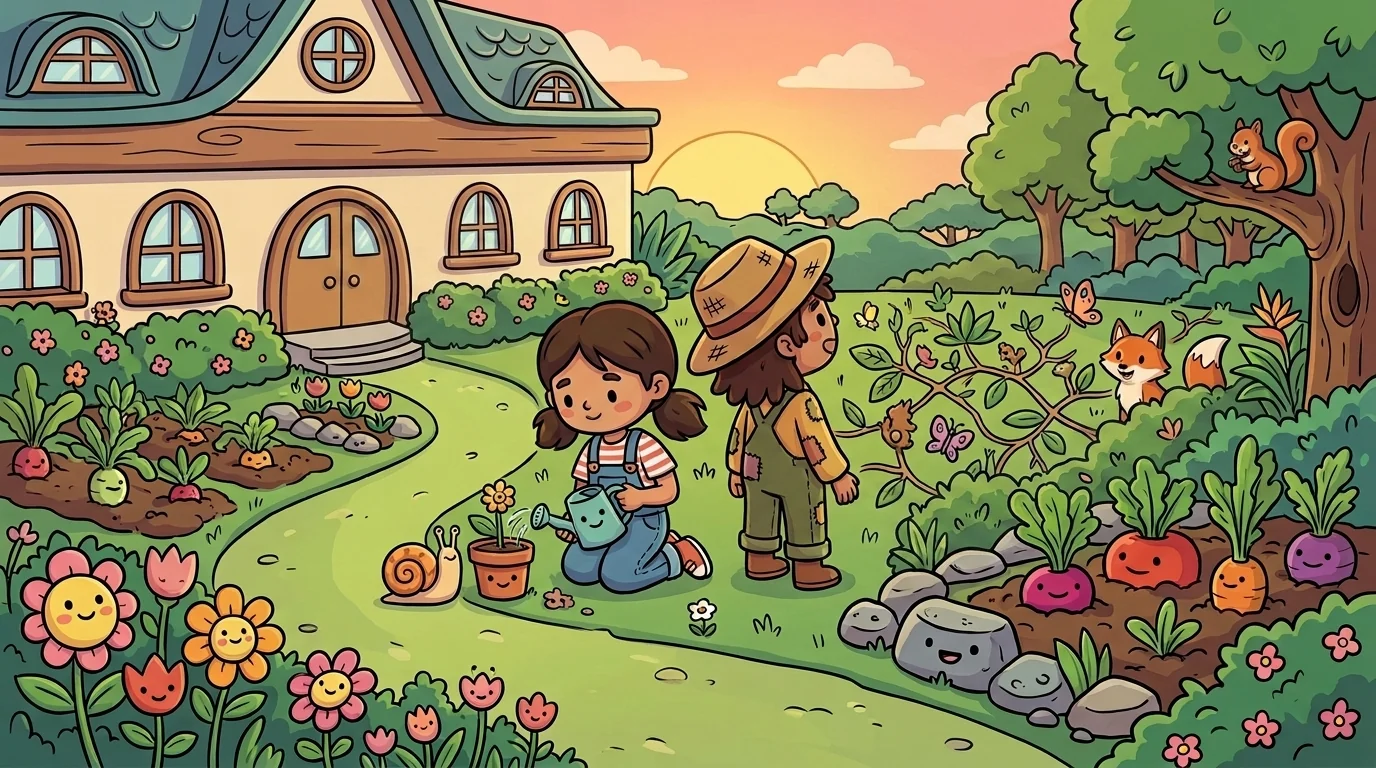
Care knelt among the closest plants; Kin stood where the garden opened into the wild.
"Some traditions start with abstract rules or scales," said Care. "We start somewhere warmer — with the bonds you're already in. Come see how far they reach."
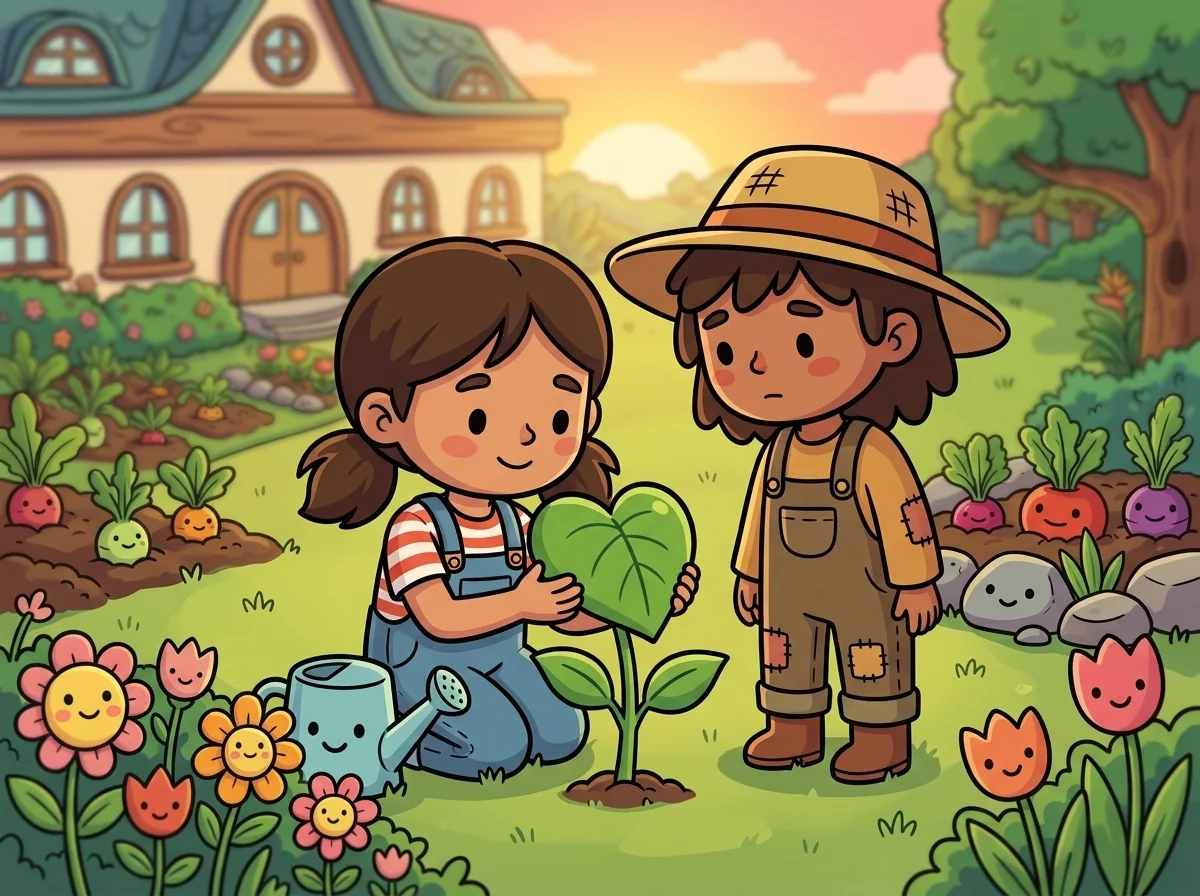
Care went first, tending the nearest plants, because care ethics begins with the relationships right around you.
"Ask most people how they know what's right," said Care, "and they don't recite a principle — they picture a face. A little sister. A best friend. A grandmother." Care cupped a leaf. "Gilligan noticed that a great deal of moral theory was written in the voice of justice and abstract rules — and that a whole other moral voice, one of care and responsibility to particular people, had been treated as lesser when it is not. Noddings built on it: the caring relation, the one-caring attending to the cared-for, comes before the rulebook. Moral worth grows out of concrete responsibility to the people whose lives are tangled with yours — you feed your sister because she's yours, keep a friend's secret because they trusted you. Start there, with who you're actually bound to, and you're already standing in the heart of ethics."
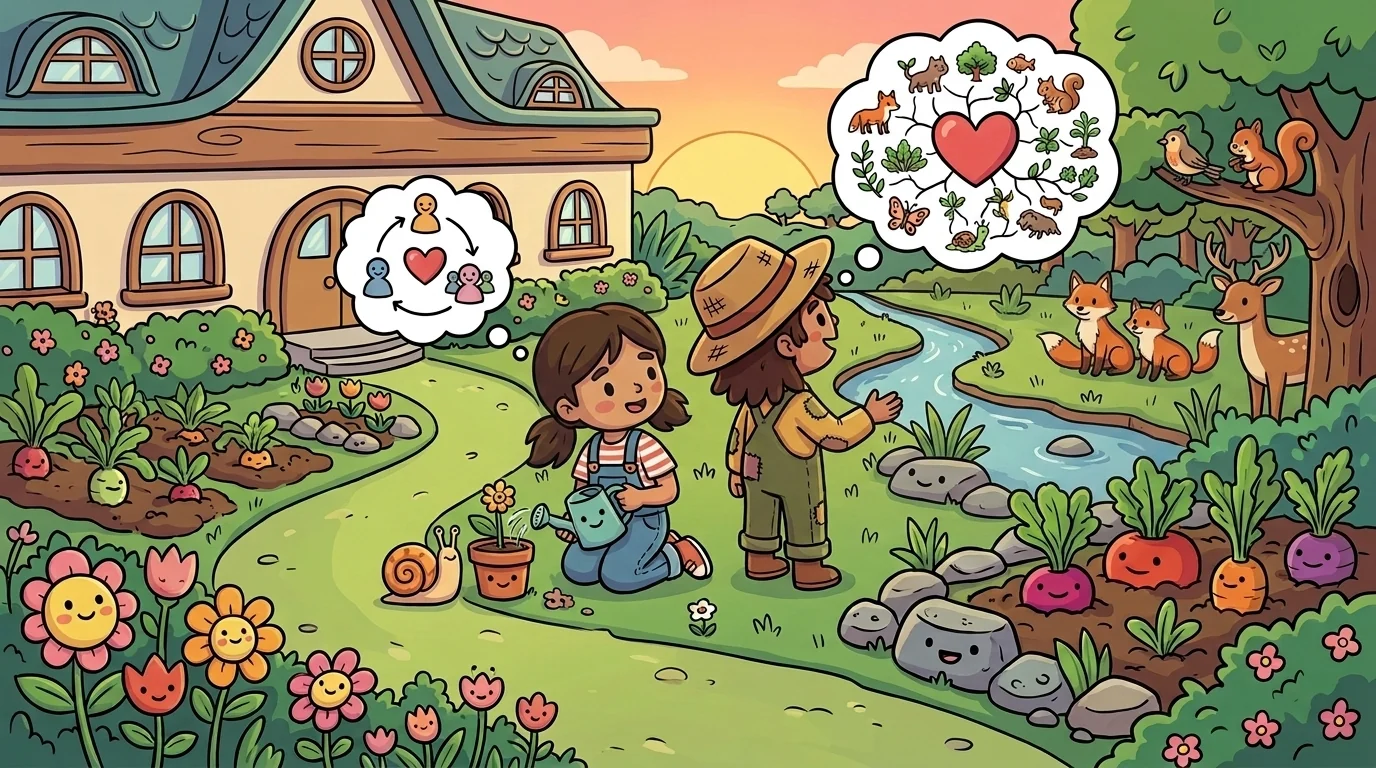
Then Kin, at the garden's edge, asked the next question: and how far does that circle reach?
"Care is right that it begins with the nearest bonds," said Kin, gesturing past the tended plants to the birds, the stream, the trees. "But watch what happens if we don't stop. My tradition asks: if a creature can suffer, flourish, be harmed — does it count? The dog you'd never kick. The forest you'd hate to see paved. The river you wouldn't poison." Kin let the circle widen. "For most of history people drew the circle small — their own family, their own kind — and moral progress has largely been the widening of it: to strangers, to the distant, to those unlike us. Environmental ethics asks us to keep widening — to the animals who feel, the systems we depend on, the whole web we're one strand of. We belong to the living world, not above it, and a circle of concern that remembers that is wider and, I think, truer."
The two stood together — Care with a hand on the nearest seedling, Kin gazing at the whole green tangle — and a visitor understood they weren't really disagreeing. They were the same widening motion at two scales: from the heart outward, and outward, and outward again.
"Good closeness," said Kin.
"Good widening," said Care.
There is a quietly expanding feeling in this corner of ethics — the sense that "who counts?" has no small answer. It starts, warmly, with the people you love and are bound to; then it keeps widening — to strangers, to creatures who feel, to the living world you're a strand of. You don't have to resolve the whole circle at once. But learning to feel it widen — to care for the near, and let that care reach past your own doorstep — is one of the gentlest and most important things a person grows into: a heart that starts near, and keeps opening out.
The EthosForge ensemble
Care and Kin is part of EthosForge's distributed-narrative cast. Each character embodies a different curricular primitive; together they teach the full subject.
-
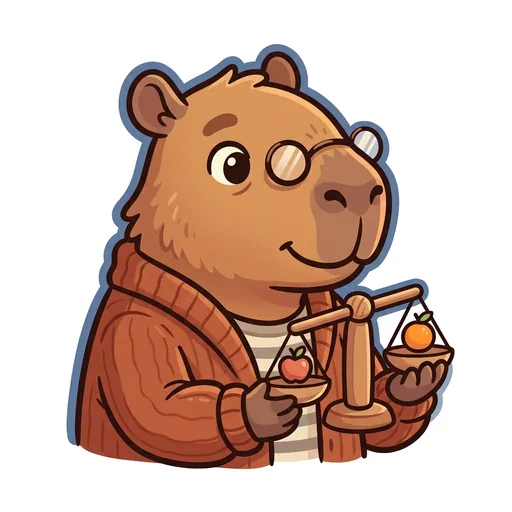
Consequence
Consequentialism / Utilitarianism — calm, methodical; weighs trade-offs; capybara at a balance-scale
-
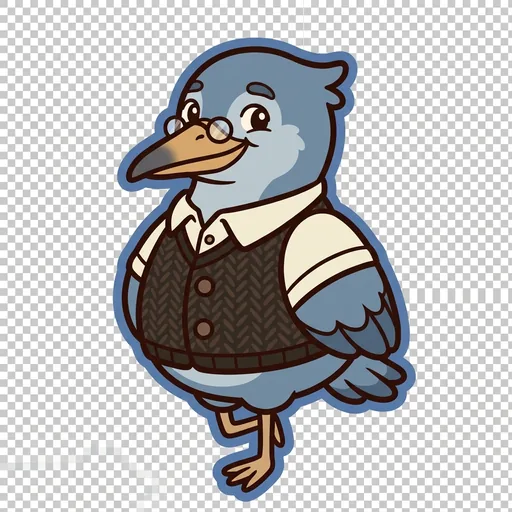
Duty
Deontology / Kantian — upright, principled; sticks to rules even when costly; heron in vest on one leg
-

Virtue
Virtue Ethics / Aristotelian — steady, earnest; 'what kind of person do I want to be?'; badger tending a plant
-

Care
Care Ethics / Noddings + Gilligan — attentive, present; 'ethics begins in relationship'; otter listening beside empty spot
-
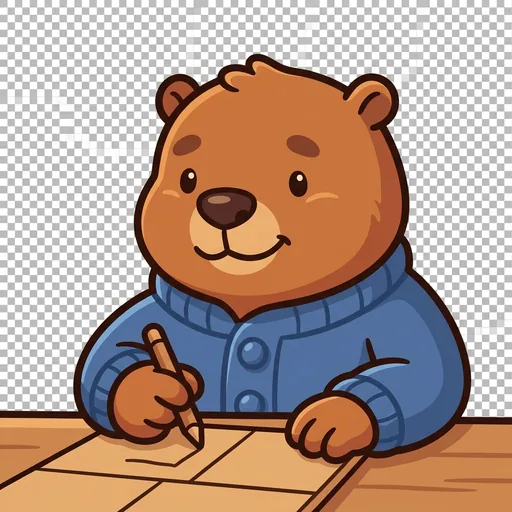
Contract
Contractualism / Scanlon + Rawls — collaborative; 'what could we ALL agree to?'; beaver drawing a fair-rules table
-

Bound
Rights ethics — each person has protections you may not cross, even for a good outcome; pangolin who curls to shield ('some lines you never cross')
-

Kin
Ecological ethics — the circle of concern reaches to animals, living systems, and the not-yet-born; elephant asking 'who else has to live with this?'
-

Tinker
Pragmatism — try a small step, watch what really happens, be willing to change; raccoon with busy testing paws ('try it, watch, be ready to change')
-
Own
Existentialist responsibility — you are free, so you own your choices (never a stick to blame the trapped); sure-footed mountain goat ('you chose it, so you own it')
-

Sense
Moral sentiment — the heart's feeling of sympathy is real moral information, the start of ethics (not the whole map); soft-eared dog ('first, what does your heart notice?')