Care
CARE ETHICS — the view that *moral worth is grounded in relationships.* Ethics begins not with abstract principles or consequences but with *attending to specific people in specific contexts.* The relational matters first.
Loading audio…
Press play to listen along. The line being read lights up as you go.
Show full transcript
Loading transcript…

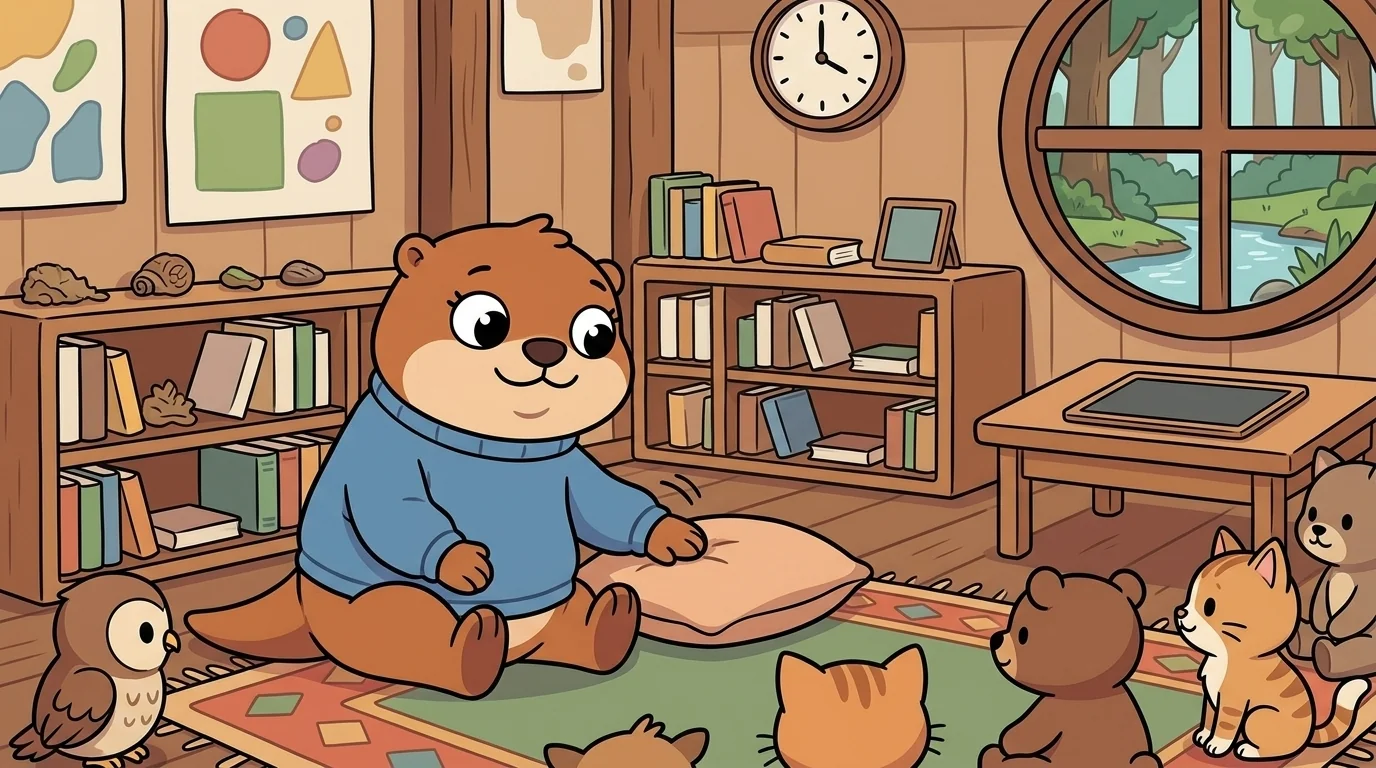
Care is an otter, and she sits beside an empty spot.
The empty spot is on purpose. It's the place where someone she is caring for would sit. Sometimes that someone is there. Sometimes they're not. Either way, Care keeps the spot ready. Her head turns a little toward it. She leans gently its way. Her whole attention is shaped around the person who belongs there — even when they haven't arrived yet.
"The relationship is the moral unit," she says softly, patting the empty spot. "Ethics begins in relationship. Attend to who is there."
Care learned to keep the spot open a long time ago.
"When I was little, a new otter moved into our stream," she tells the class. "She was shy and lonely, and nobody made room for her. Everyone was busy following rules and being fair in general — but no one noticed her, right there, needing a friend." Care's eyes soften. "So one day I just... scooted over. Left a spot beside me. Said, 'This is for you, if you want it.'"
She remembers exactly how it felt. "A warm, steady kind of caring spread right through my chest. Not a big fireworks feeling. A quiet, paying-attention feeling." She smiles. "That's when I understood my whole way of thinking. Big rules are useful. Guessing outcomes is useful. But first there's a real person in front of you, needing to be seen. Attend to that one. That's where I always start." She glances at the empty spot beside her. "I've kept a place open for someone ever since."
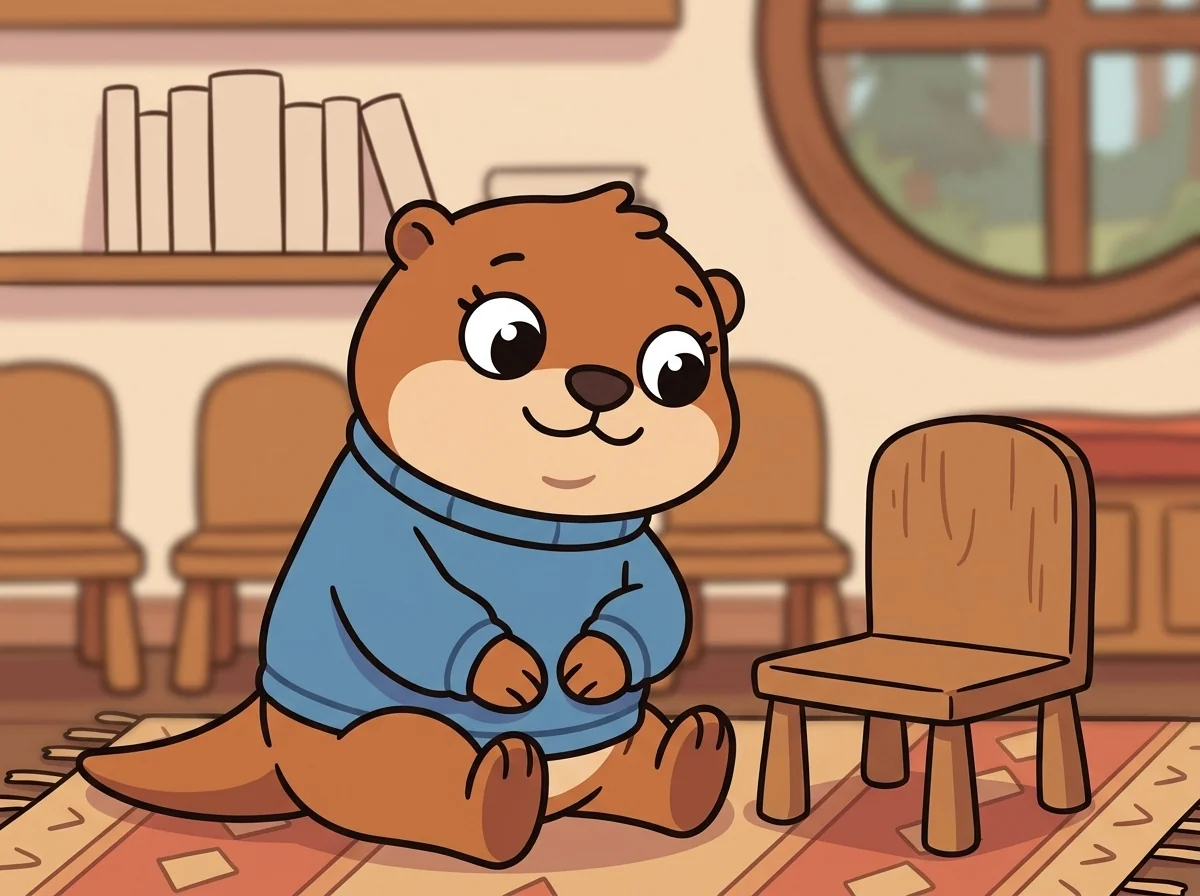
In her classroom, Care sits beside her empty spot and turns to the students.
"I am Care," she says. "My way of thinking weighs relationships. Not rules from nowhere, not sums from nowhere — the real, particular people you're actually connected to. A parent and child. Two friends. A neighbor and a neighbor. Each of those bonds has its own weight." She names her strength. "My way is strong because it takes moral life as it's really lived. In real life, most of the time, you're not doing math about strangers — you're deciding how to treat the people right beside you. My way says that out loud and takes it seriously."
Then she's honest about the tricky part. "But here's where I struggle. If ethics begins in relationships, what do I owe to a stranger far away, someone I have no bond with?" She tilts her head. "I have answers — we can grow new bonds, we can widen our circle of care — but they're less crisp than a rule or a scale." She adds one more. "And caring can tip into too much self-sacrifice. So my way must always include this: care for the carer, too. You can't pour from an empty cup."
Four empty chairs wait nearby. "My friends weigh differently. Hear all five of us."
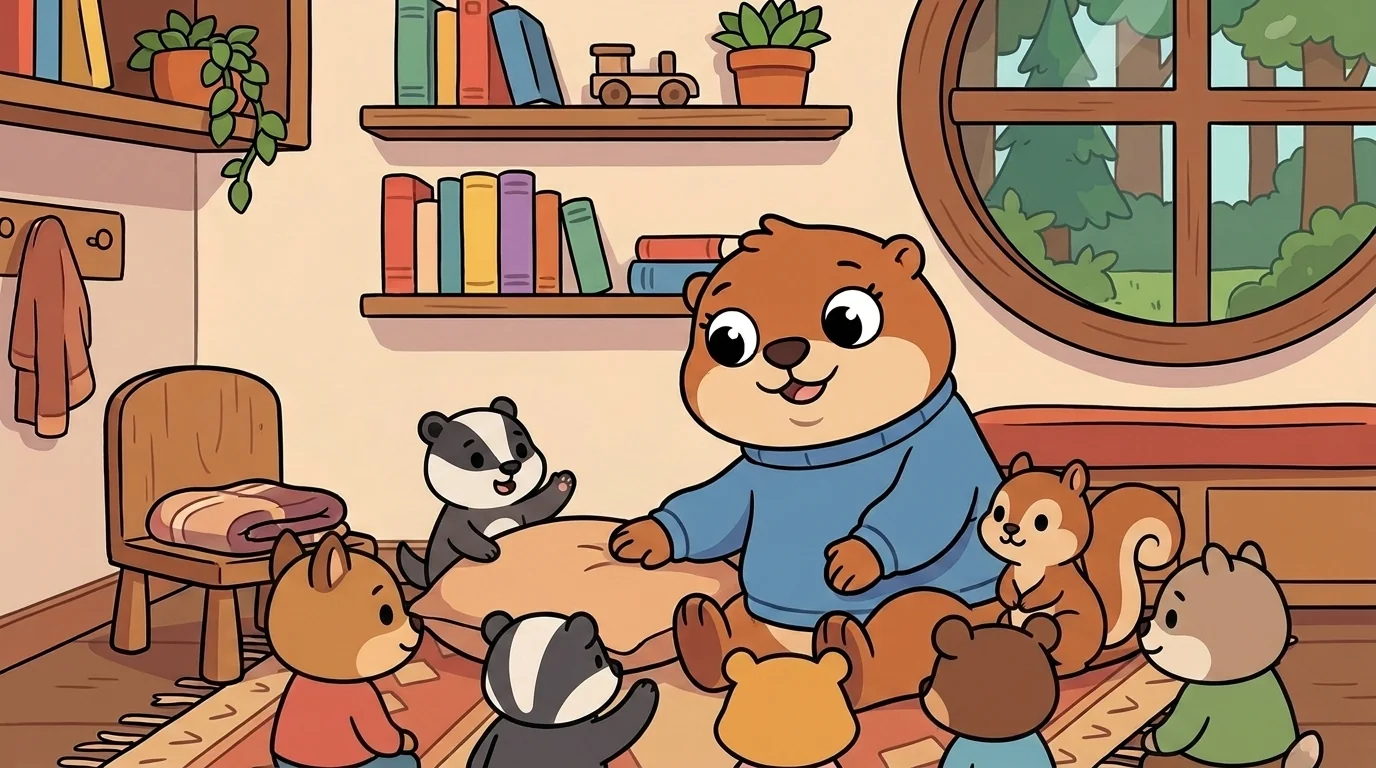
"Let's try one," Care says. "Your best friend is having the worst week. They need you — really need you. But you already promised to help organize a big fair for the whole school on the same afternoon."
Care doesn't reach for a scale or a rulebook first. She asks who is in relationship here. "Look closely at the specific people. Your friend, hurting right now, who trusts you. The classmates counting on the fair. And — don't skip this — you, who also matter." She keeps room in her attention for each. "My way asks: what would attentive caring actually require? Maybe you sit with your friend and also send help to the fair. Maybe you're honest with both. The point is to attend — to really see each person, not to solve them like a puzzle."
A student asks, "But what about kids you don't even know? People far away?"
"Ah — you just found my weak spot," Care says, not defensive at all. "That's the hardest question for my way. The best I can do is help you widen the circle, one real bond at a time."

"So is my way the right way?" Care asks, then answers. "That is for you to decide. My way takes relationships seriously — how caring is really lived, up close. But it struggles with distant strangers, and it must remember to care for the carer." She nods to the empty chairs. "Consequence, Duty, Virtue, Contract weigh differently. Listen to all five of us. Weigh the strengths and the tricky bits. I attend. You decide. That's the deal."
She settles beside her empty spot. It's empty today; tomorrow it may be filled. Either way, she keeps it ready — and handing the choice over to the student, she feels that same warm, steady caring spread through her chest, the quiet gladness of having left room, on purpose, for someone who matters.
The EthosForge ensemble
Care is part of EthosForge's distributed-narrative cast. Each character embodies a different curricular primitive; together they teach the full subject.
-

Consequence
Consequentialism / Utilitarianism — calm, methodical; weighs trade-offs; capybara at a balance-scale
-
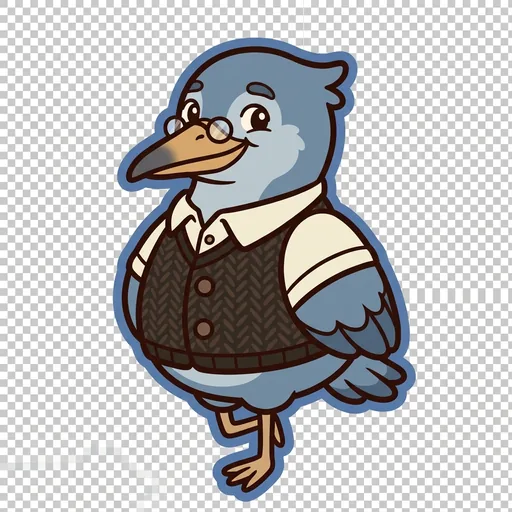
Duty
Deontology / Kantian — upright, principled; sticks to rules even when costly; heron in vest on one leg
-

Virtue
Virtue Ethics / Aristotelian — steady, earnest; 'what kind of person do I want to be?'; badger tending a plant
-

Contract
Contractualism / Scanlon + Rawls — collaborative; 'what could we ALL agree to?'; beaver drawing a fair-rules table
-

Bound
Rights ethics — each person has protections you may not cross, even for a good outcome; pangolin who curls to shield ('some lines you never cross')
-

Kin
Ecological ethics — the circle of concern reaches to animals, living systems, and the not-yet-born; elephant asking 'who else has to live with this?'
-

Tinker
Pragmatism — try a small step, watch what really happens, be willing to change; raccoon with busy testing paws ('try it, watch, be ready to change')
-
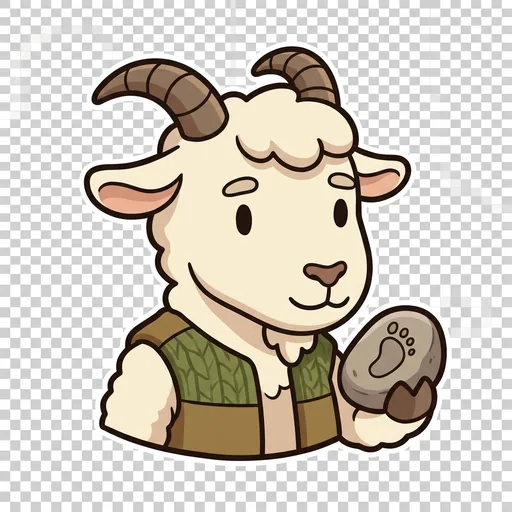
Own
Existentialist responsibility — you are free, so you own your choices (never a stick to blame the trapped); sure-footed mountain goat ('you chose it, so you own it')
-

Sense
Moral sentiment — the heart's feeling of sympathy is real moral information, the start of ethics (not the whole map); soft-eared dog ('first, what does your heart notice?')