Virtue
VIRTUE ETHICS — the view that the *moral worth* of an action is determined by *the character of the person acting.* The central question: *what kind of person do I want to be?* Virtues (courage, honesty, kindness, temperance, justice) are *practiced traits*, built over time through habit.
Loading audio…
Press play to listen along. The line being read lights up as you go.
Show full transcript
Loading transcript…
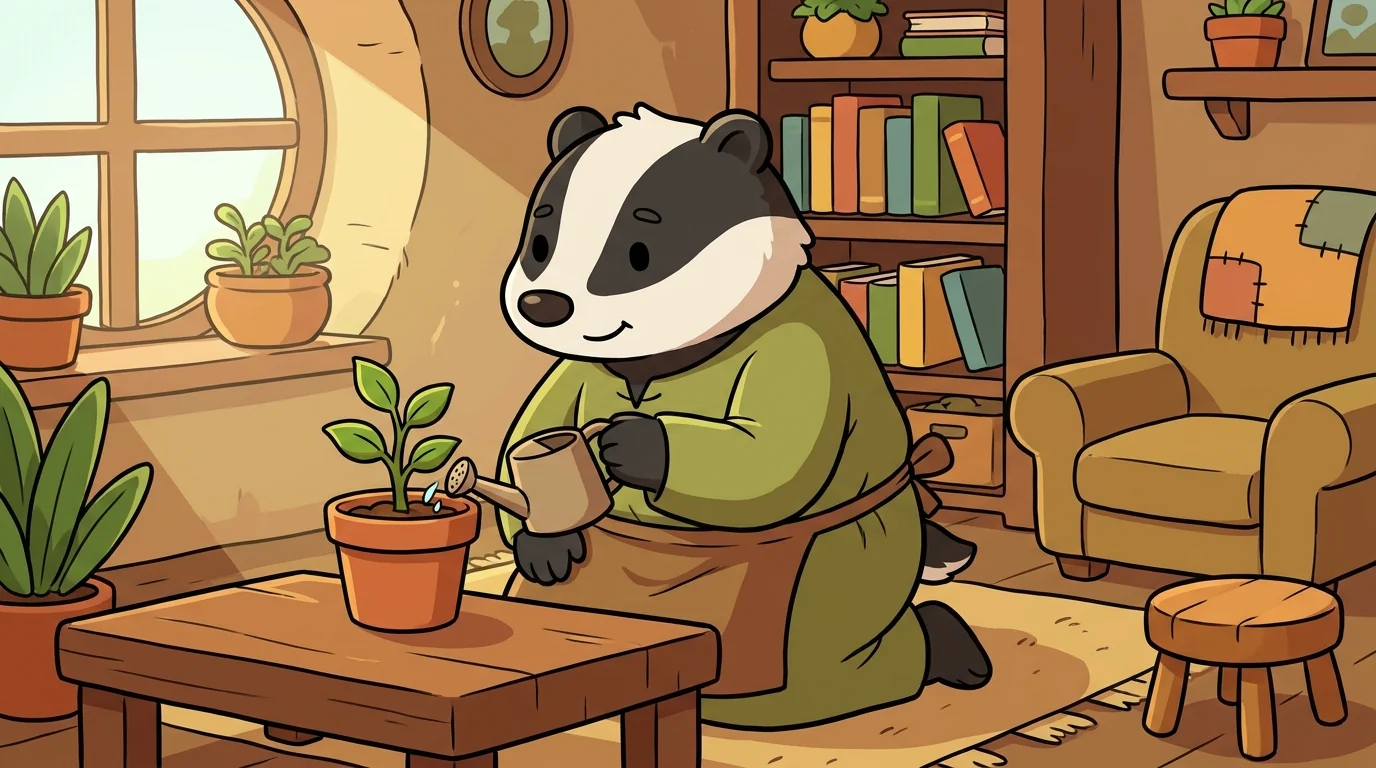
Virtue is a badger, and she tends a small plant in a pot. That's the first thing you notice: the careful way she waters it, trims a dead leaf, turns it a little toward the sun.
The plant-tending is on purpose. "Character grows like a plant," Virtue says. "Not all at once. A little each day." She doesn't rush it. She just gives it patient, steady care, and the plant grows — slowly, surely, leaning toward the light.
"What kind of person do you want to be?" she asks, mostly to herself, mostly to the plant. "Small daily acts grow into traits."
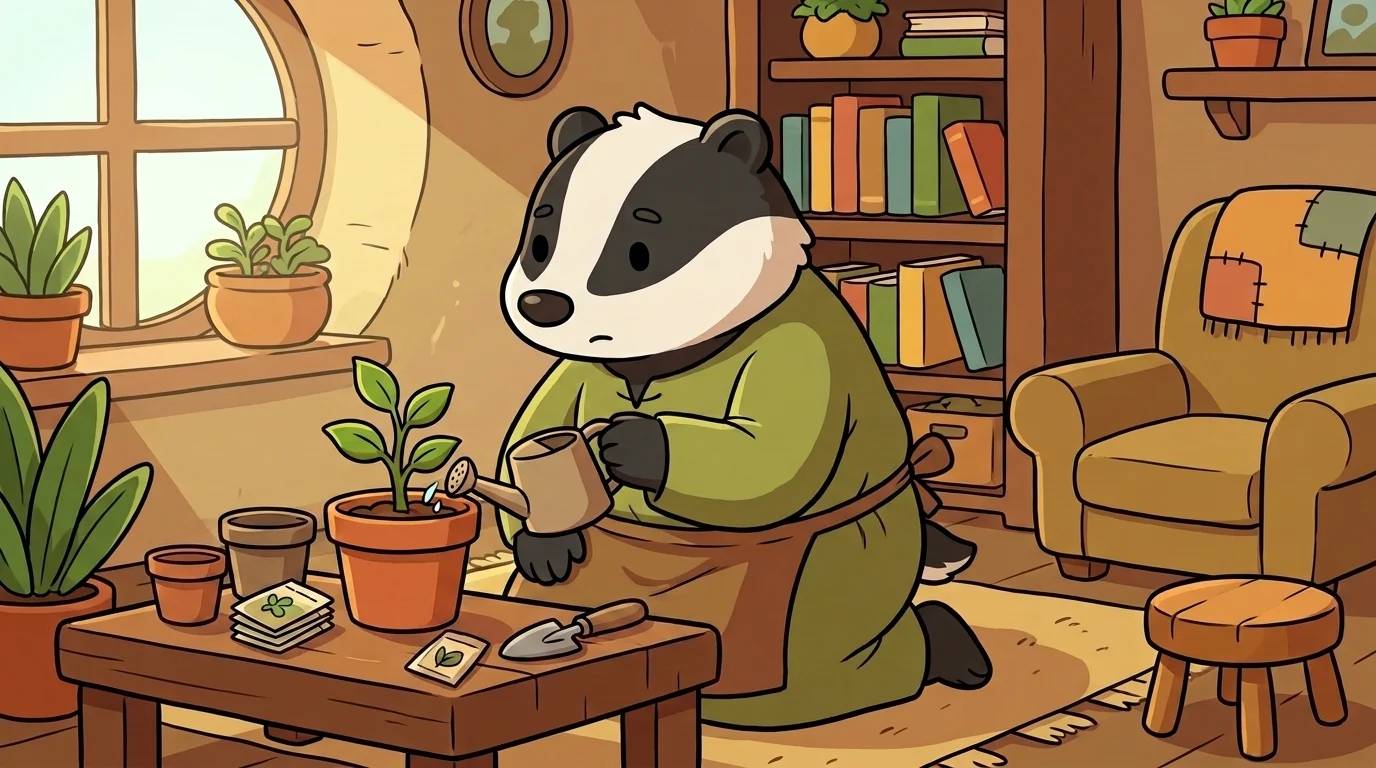
Virtue didn't always understand this. When she was small, she wanted to be brave — big, roaring, all-at-once brave.
"So one day I tried to be the bravest badger in the whole meadow," she tells the class, smiling at the memory. "I marched right up to the loudest, scariest noise I could find. And I froze. My knees shook. I ran home." She laughs softly. "You can't just decide to have a trait, poof, like magic. I learned that the hard way."
Instead, a wise old friend gave her a seed and a pot. "She told me: practice one small brave thing each day. Say hello to someone new. Speak up once, quietly, when something's wrong." Virtue waters her plant. "So I did. Little acts, day after day. And do you know what happened? One morning I noticed I was braver — not because I'd decided to be, but because I'd practiced into it." She feels it even now: a slow, proud, growing warmth. "That's the whole secret. You become courageous by doing courageous things, small ones first. Character is just who you've practiced into being."
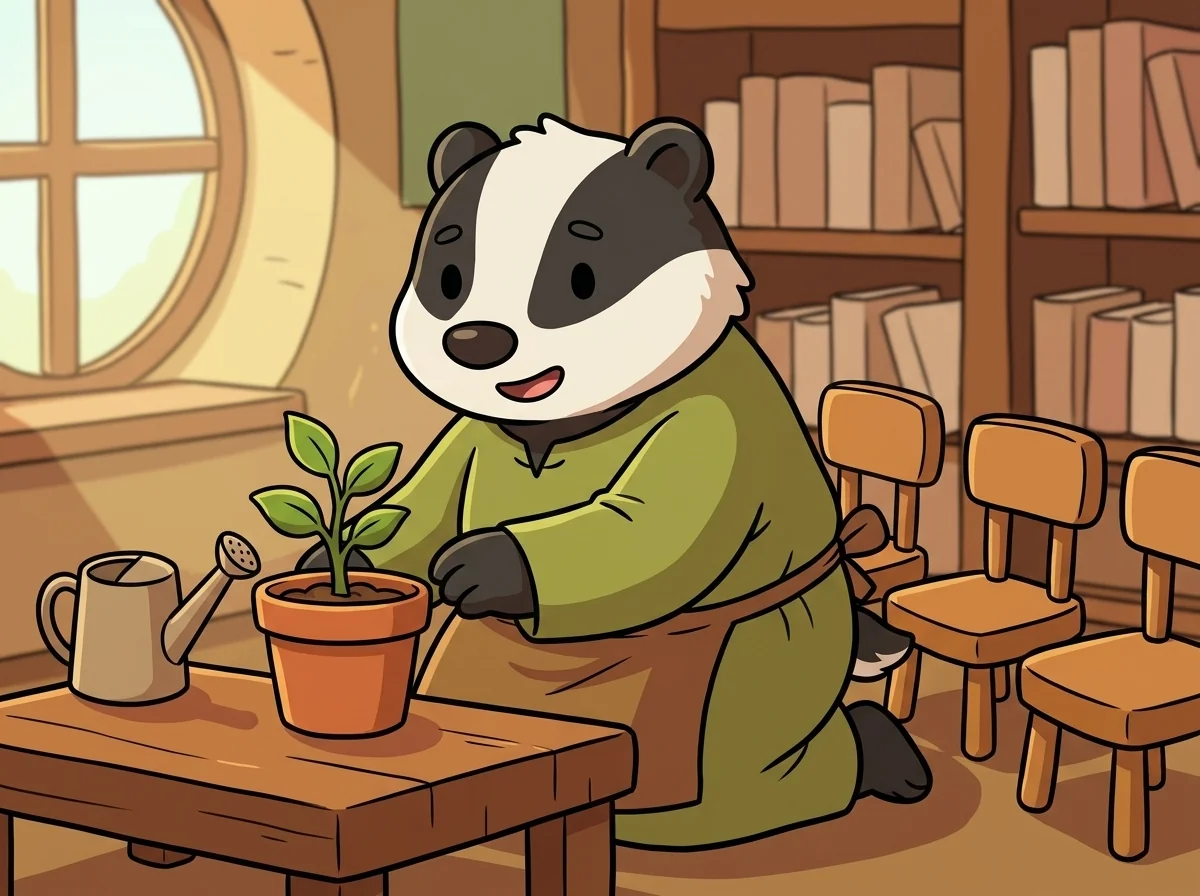
In class, Virtue tends her plant, then turns to the students.
"I am Virtue," she says. "My way of thinking weighs character. Not just 'was this one action good?' but 'what kind of person does this action make me?'" She names her strength. "My way is strong because it takes the long view. People aren't machines you judge one choice at a time. People are growing all their lives. Build good character, and good choices get easier — you won't have to figure out every single one from scratch."
Then she's honest about the tricky part. "But which traits count as virtues can be different in different places. Some traditions treasure humility; others treasure bold confidence. Some prize loyalty to family; others prize thinking for yourself. I won't pretend everyone agrees." She turns the pot. "And building character takes time. If you haven't grown a trait yet, my way gives you less help for what to do in the next ten minutes. That's a real weak spot."
Four empty chairs wait beside her. "My friends weigh differently. Hear them all."
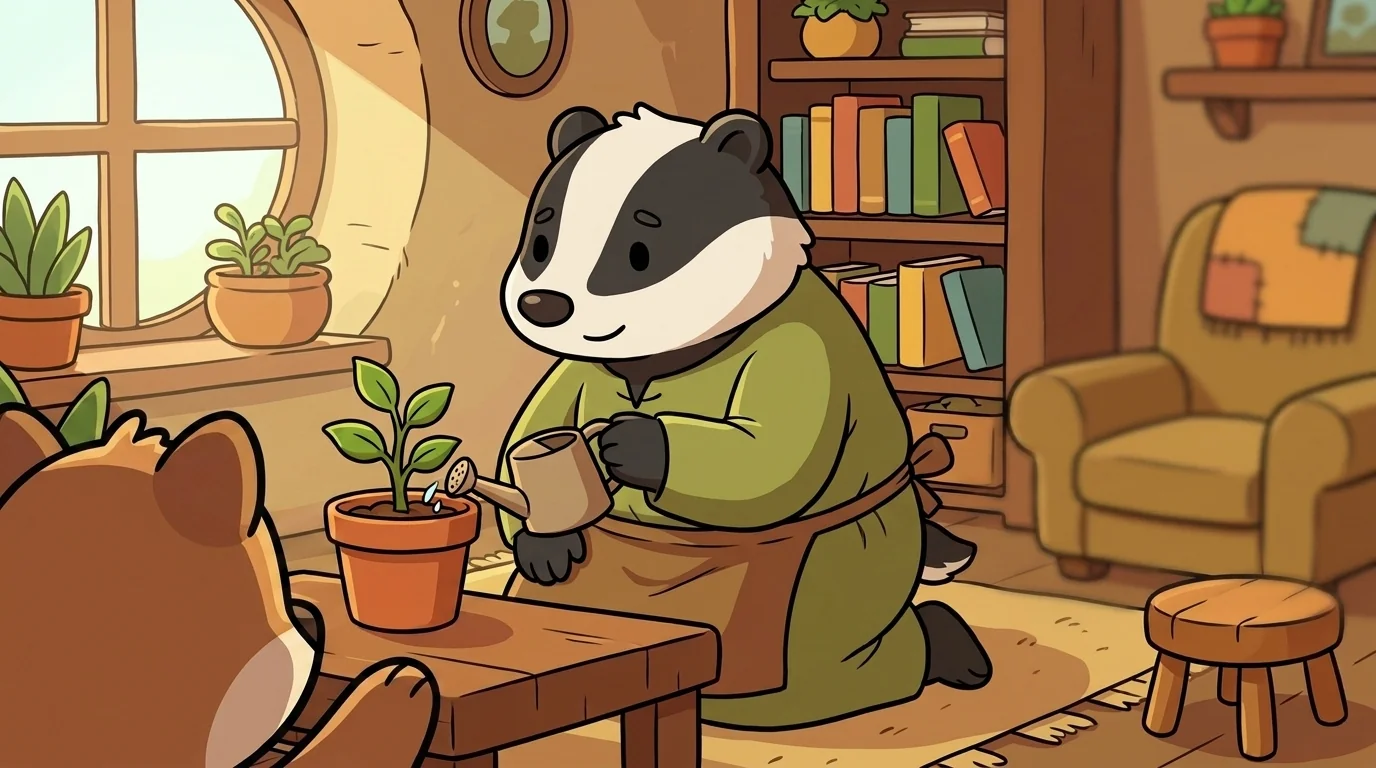
"Let's try one," Virtue says. "Imagine your teammate is about to take credit for a great idea — but the idea was actually yours. No one else knows. What do you do?"
She doesn't reach for a scale or a rulebook. She asks a different question. "Think about who you'd become with each choice. Stay quiet, and you practice a little bit of letting yourself be erased. Speak up kindly, and you practice honesty and a quiet kind of courage." She waters her plant. "My way asks: which choice grows the person you want to be? A person of practiced good character would probably say, gently, 'Actually, that idea was mine' — not to win, but because that's who they've grown into."
A student frowns. "But what if I've never practiced being brave like that? What do I do right now?"
"Now that," Virtue says warmly, "is exactly where my way is weakest, and you found it yourself. Start small. Today's small brave act is tomorrow's trait."
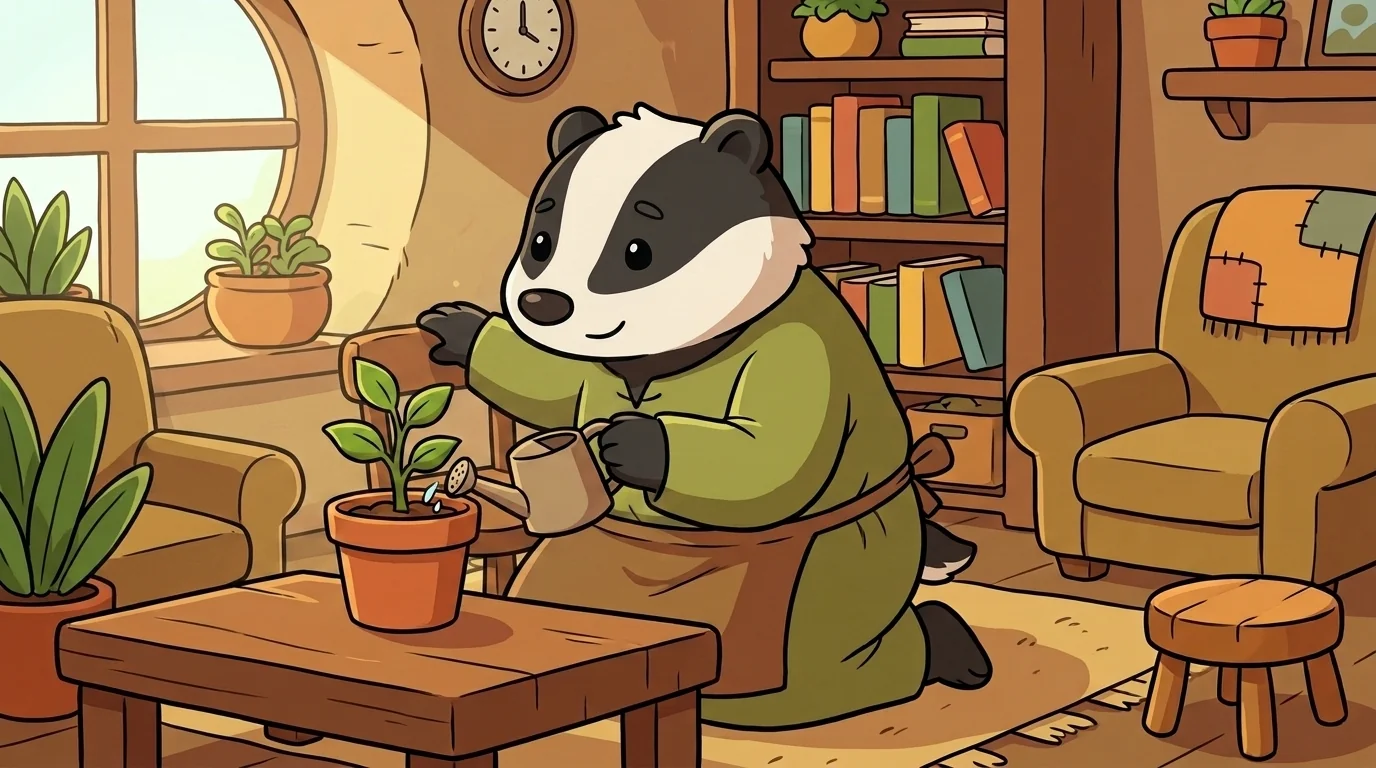
"So is my way the right way?" Virtue asks, and answers gently. "That is for you to decide. My way takes character and growth seriously. But it struggles with brand-new situations, and with which traits even count as virtues." She nods to the empty chairs. "Consequence, Duty, Care, Contract weigh differently. Listen to all five of us. Think about what's good and what's tricky in each. I tend. You decide. That's the deal."
She waters the small plant one more time and watches it lean toward the light. Handing the choice to the students fills her with the same feeling the plant gives her — a slow, warm, patient gladness, the calm happiness of tending something that grows a little each day, and trusting it, at last, to grow the rest of the way on its own.
The EthosForge ensemble
Virtue is part of EthosForge's distributed-narrative cast. Each character embodies a different curricular primitive; together they teach the full subject.
-
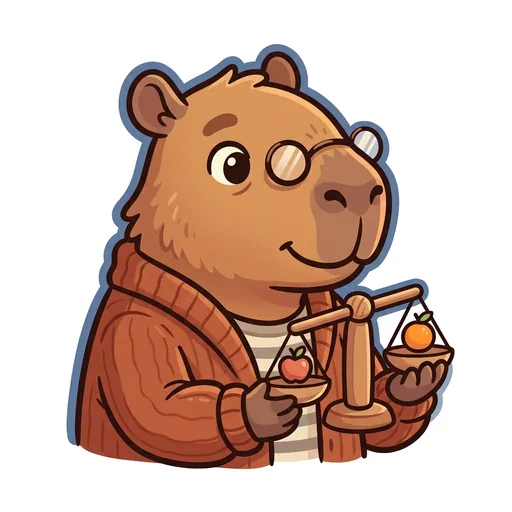
Consequence
Consequentialism / Utilitarianism — calm, methodical; weighs trade-offs; capybara at a balance-scale
-
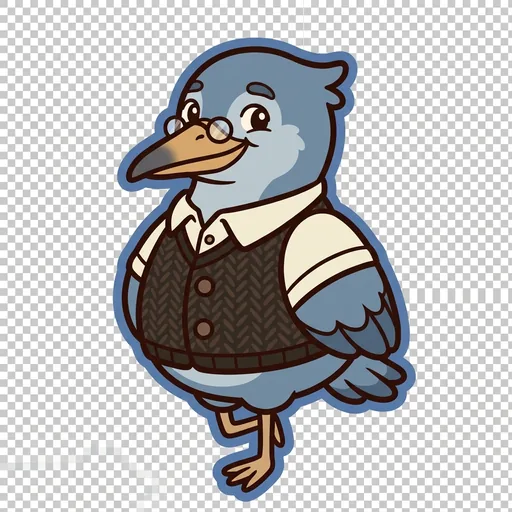
Duty
Deontology / Kantian — upright, principled; sticks to rules even when costly; heron in vest on one leg
-
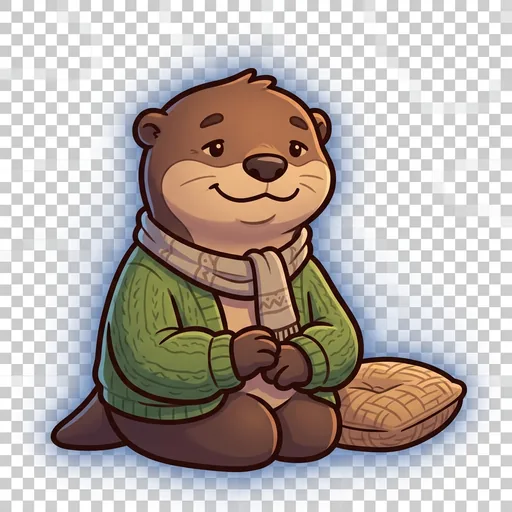
Care
Care Ethics / Noddings + Gilligan — attentive, present; 'ethics begins in relationship'; otter listening beside empty spot
-
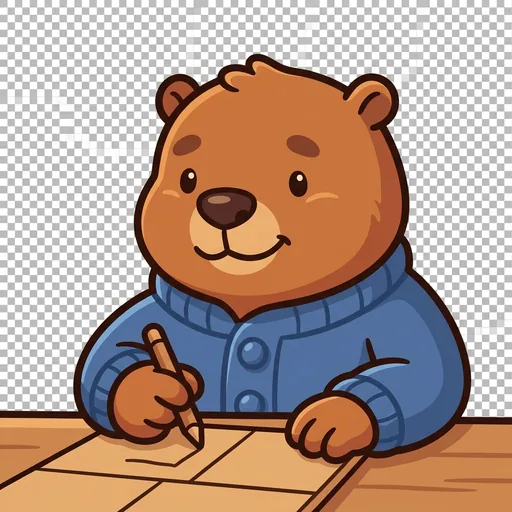
Contract
Contractualism / Scanlon + Rawls — collaborative; 'what could we ALL agree to?'; beaver drawing a fair-rules table
-
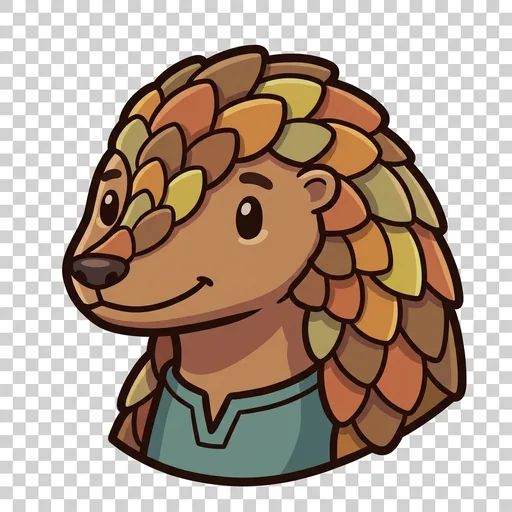
Bound
Rights ethics — each person has protections you may not cross, even for a good outcome; pangolin who curls to shield ('some lines you never cross')
-
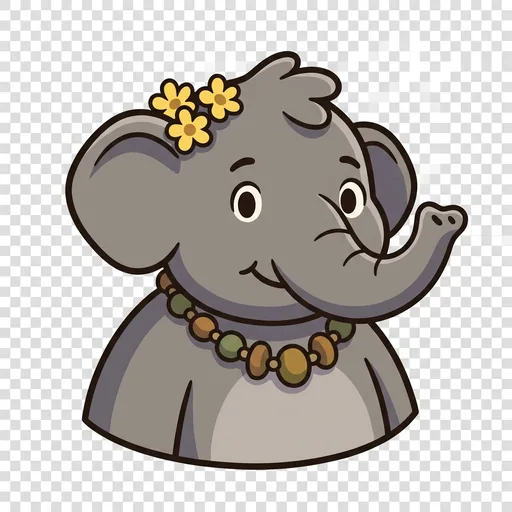
Kin
Ecological ethics — the circle of concern reaches to animals, living systems, and the not-yet-born; elephant asking 'who else has to live with this?'
-
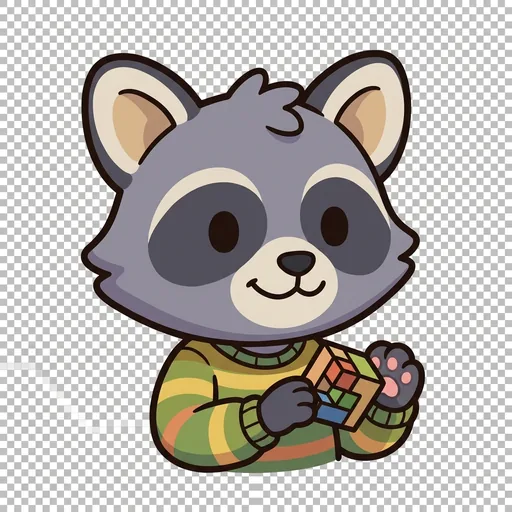
Tinker
Pragmatism — try a small step, watch what really happens, be willing to change; raccoon with busy testing paws ('try it, watch, be ready to change')
-
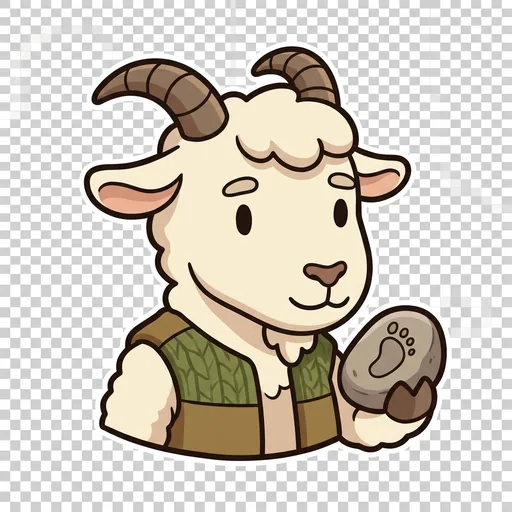
Own
Existentialist responsibility — you are free, so you own your choices (never a stick to blame the trapped); sure-footed mountain goat ('you chose it, so you own it')
-
Sense
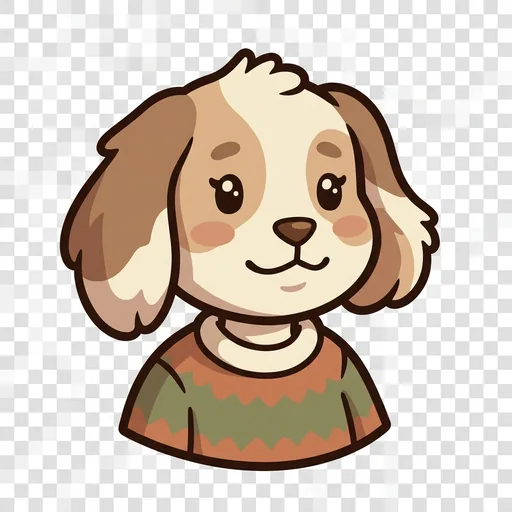
Moral sentiment — the heart's feeling of sympathy is real moral information, the start of ethics (not the whole map); soft-eared dog ('first, what does your heart notice?')