Tow
Pull it home
Loading audio…
Press play to listen along. The line being read lights up as you go.
Show full transcript
Loading transcript…
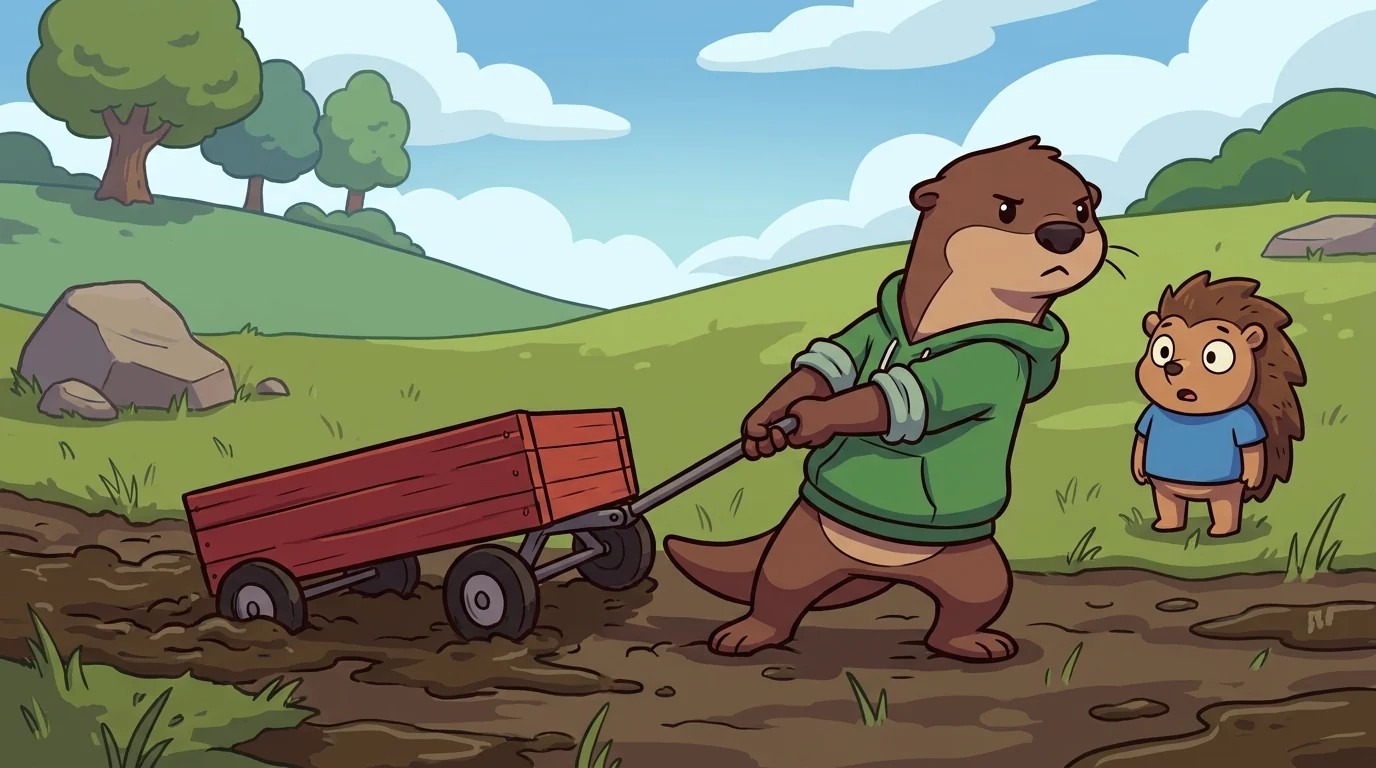
The garden wagon was stuck in the mud at the bottom of the hill, and Tow was the one who went to get it.
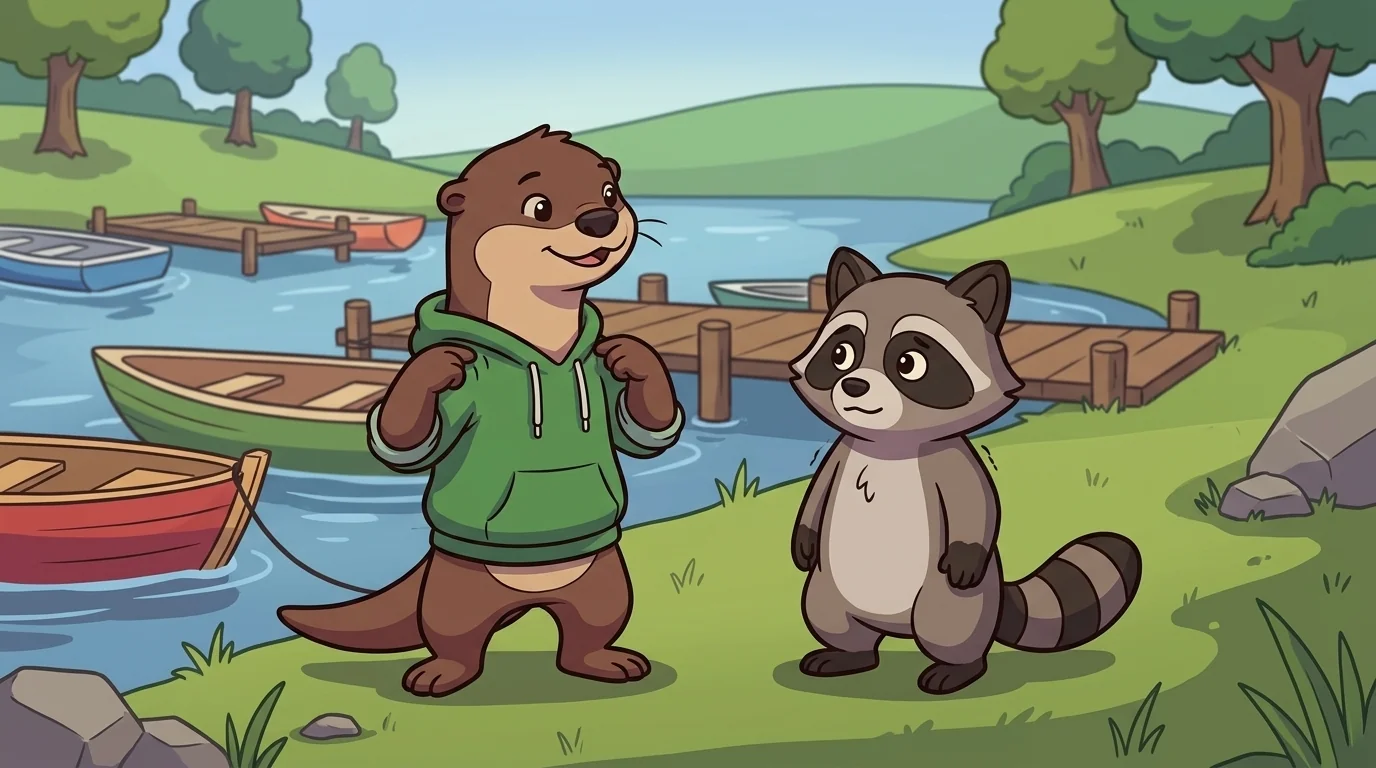
Tow is a river otter, a tween like you, sleek and brown with a cream chin and a loose green hoodie with the sleeves pushed up. She waded to the wagon, took the handle in both paws, planted her feet, and pulled. Not a jerk. Not a yank. A long, steady draw, like reeling in a kite on a windy day.
The wagon sighed out of the mud and rolled after her up the bank.
"How did you do that?" asked a small hedgehog who had been tugging at it for ten minutes. "I pulled as hard as I could and my arms just got tired."
Tow set the wagon down and grinned. "That's the thing," she said. "Your arms are the rope. Your back is the engine." She tapped her own shoulder blades. "Before I pull, I set these down and back, like I'm tucking them into my back pockets. Then I keep my elbows close to my sides and pull the handle toward my middle. The big muscles in my back do the work, and my arms just pass it along."
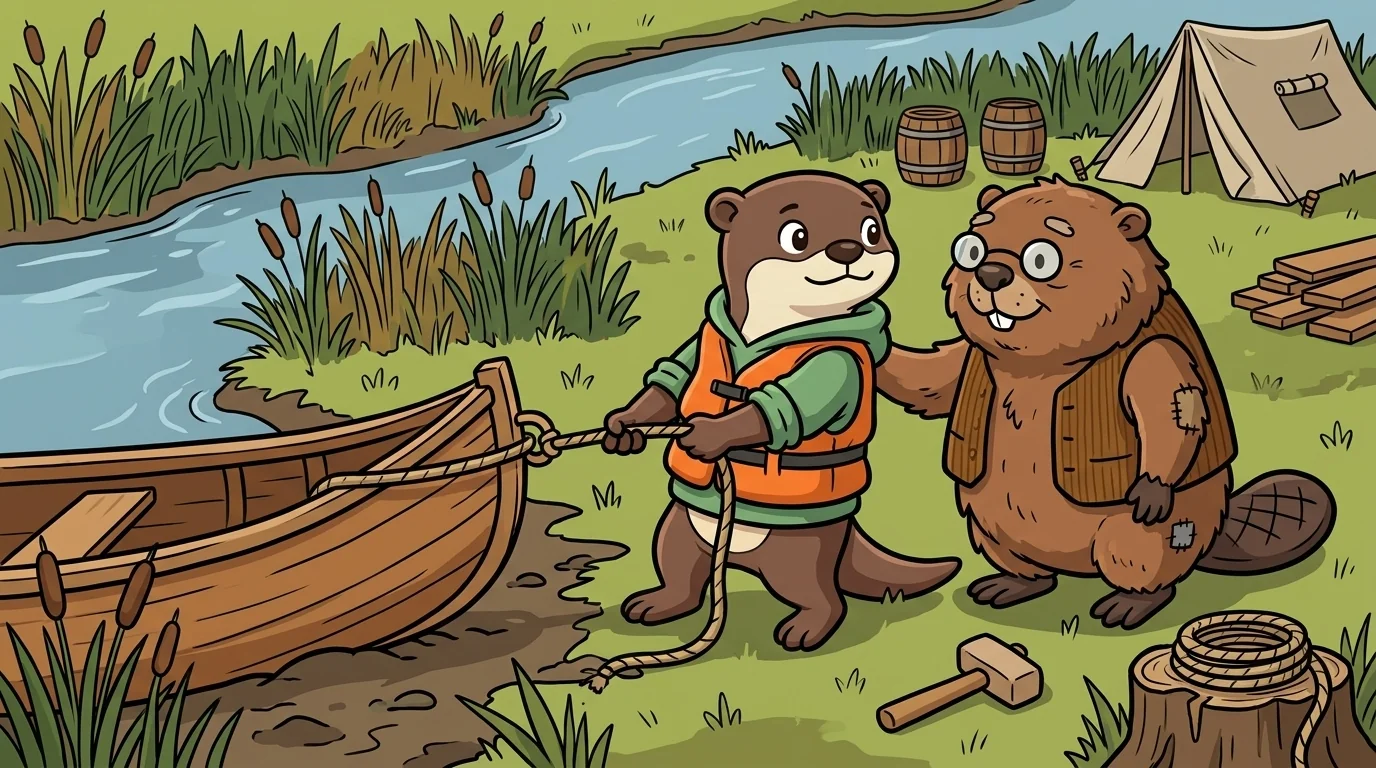
Tow had not always pulled like that.
When she was smaller, she pulled everything with her arms alone. Doors, drawers, the rope on the swing, the stubborn lid of the snack box. She would hunch her shoulders up by her ears, lock her elbows out wide, and heave. Sometimes it worked. Usually her shoulders ached afterwards, and the thing she was pulling hardly moved.
One afternoon she tried to drag a canoe up the riverbank and simply could not. She pulled until her face went hot, and the canoe stayed exactly where it was. She sat down in the reeds, cross and tired, sure she just wasn't strong enough.
An old beaver who mended boats watched for a while, then waddled over. "You're pulling with two little ropes," he said, nodding at her arms, "and leaving the engine switched off." He put a paw on her back. "Drop your shoulders. Squeeze these together, like you're holding a pencil between your shoulder blades. Elbows in, close to your ribs. Now pull the boat toward your belly button."
Tow tried it. Her back woke up, all of it at once, warm and solid. The canoe slid up the bank in one long, smooth draw. She hadn't been weak. She had only been pulling with the smallest part of herself.
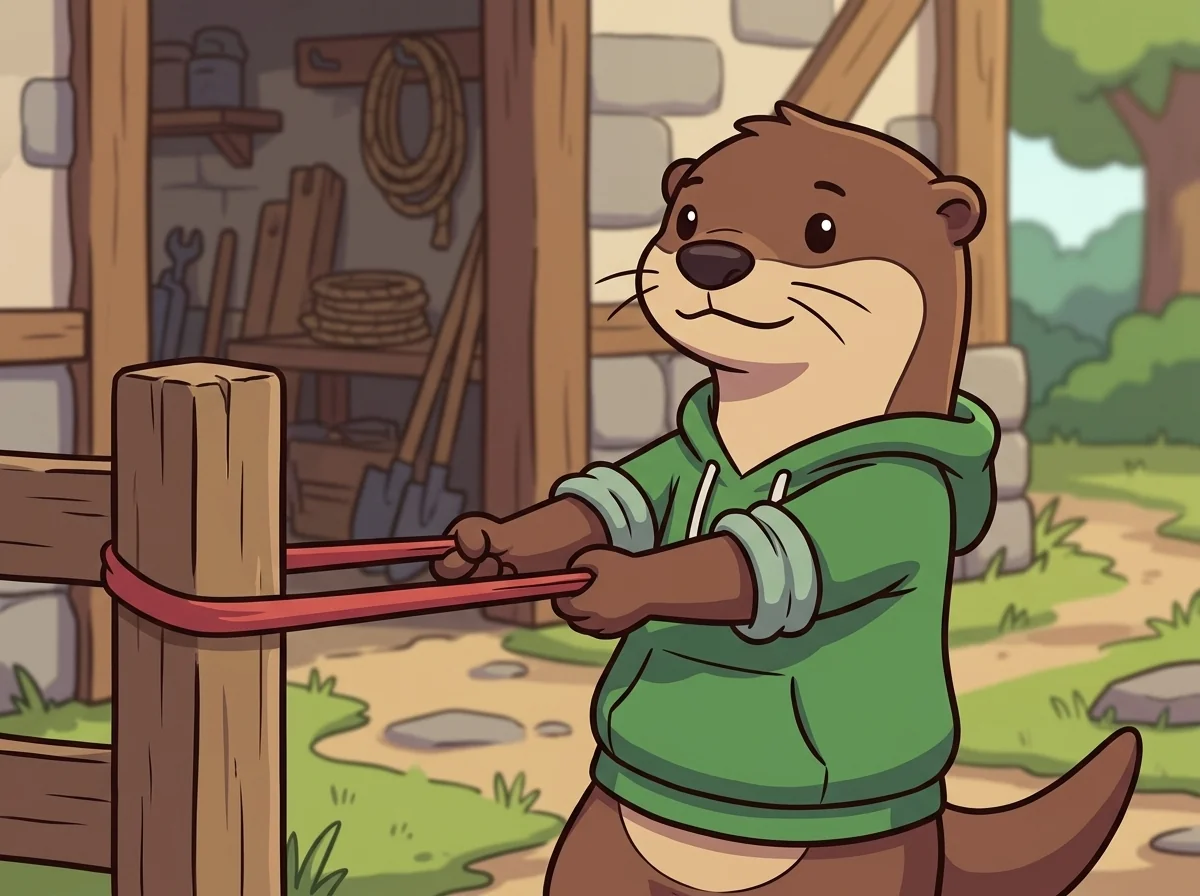
When she was old enough, Tow walked to FitQuest, because it was a place for learning how bodies move.
The mentor met her at the gate and asked her to show what she knew.
Tow didn't make a speech. She looped her paws around a resistance band tied to a post, stepped back, and showed the pull: shoulders down and back, chest proud, elbows brushing her sides, the band drawn smoothly to her middle and let back out slowly, under control.
"Slowly on the way back, too?" the mentor asked.
"The way back is half the pull," Tow said. "If I let it snap, I've skipped half the work."
The mentor smiled. "You belong here."
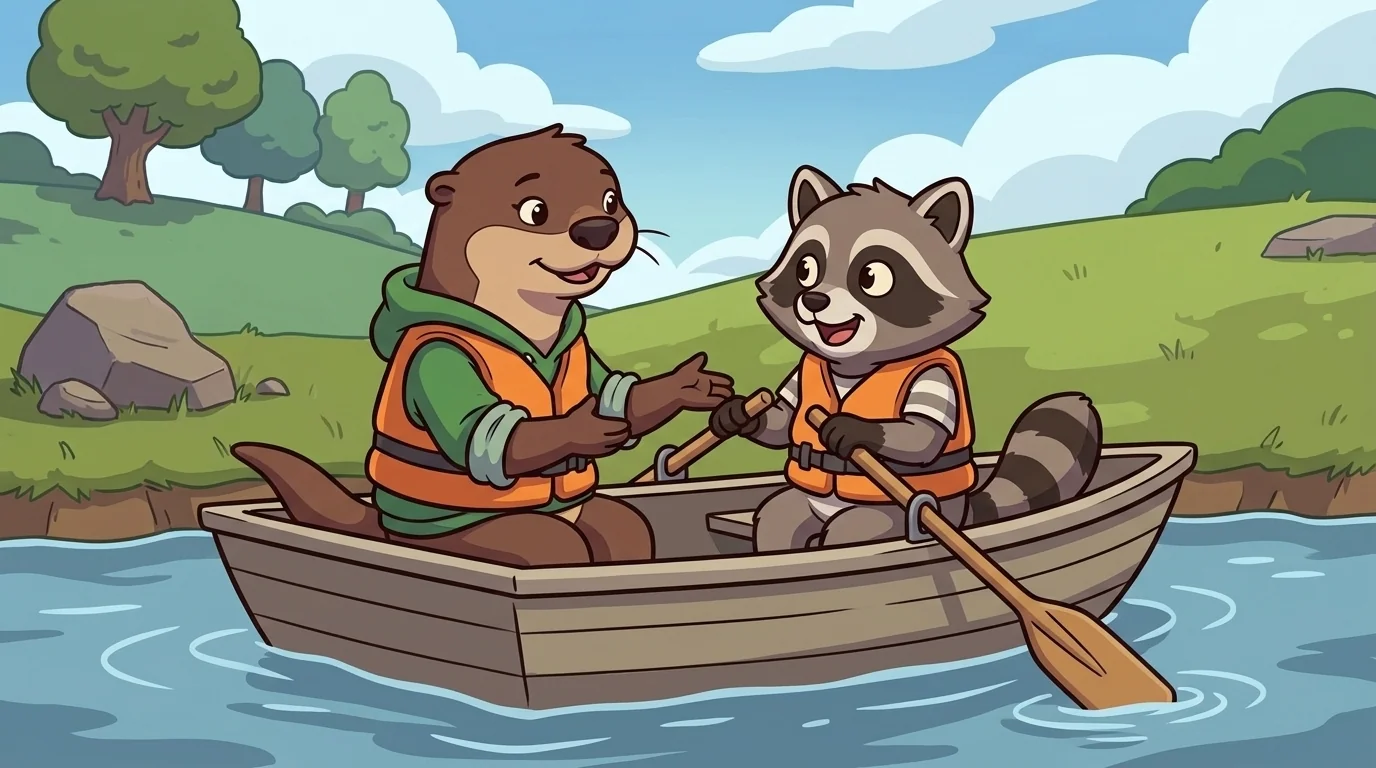
A young raccoon came to Tow one morning, frustrated and rubbing his shoulders.
"Rowing hurts," he said. "Every time I pull the oars my shoulders creep up to my ears and then they ache all day."
Tow knew that ache. "Show me," she said, and sat beside him in the practice boat. He grabbed the oars and heaved, shoulders shrugging up, elbows flying out like wings.
"Okay," Tow said. "Before you pull, put your shoulders in your back pockets." The raccoon blinked, then dropped his shoulders and drew them gently back. "Good. Now keep your elbows close, like you're holding a book under each arm. And pull the handles to your belly, not your chin."
He pulled. The boat surged forward, smooth and strong, and his shoulders stayed low and easy.
"Whoa," he said. "It's easier. How is it easier?"
"Because your back is doing the work it's built for," Tow said, warm and pleased. "Your arms were trying to do a job that belongs to your whole back. Now everybody's helping."
He rowed again, and again, slow on the way out, steady on the way back, and his worried frown turned into a proud, surprised grin.
Later, when the boats were tied up, the raccoon came back with a quiet question.
"When you pull something really heavy," he said, "do you ever feel like you might not be strong enough?"
Tow thought about the canoe in the reeds, and the old beaver's paw on her back.
"I used to feel that a lot," she said, "back when I pulled with just my arms. I thought being strong meant heaving harder." She stretched her shoulders, easy and low. "Now I know it's more like gathering everybody in. When my back, my shoulders and my middle all pull together, there's this calm, connected feeling, like the whole of me is on the same team. The heavy thing isn't a fight anymore. I just bring it home."
The raccoon nodded slowly, and Tow watched the strain leave his shoulders, the very same way, long ago by the river, hers had left too.
The FitQuest ensemble
Tow is one of the friends in FitQuest. Each friend shows you one idea by how they act; meet them all and you have the whole subject.
-
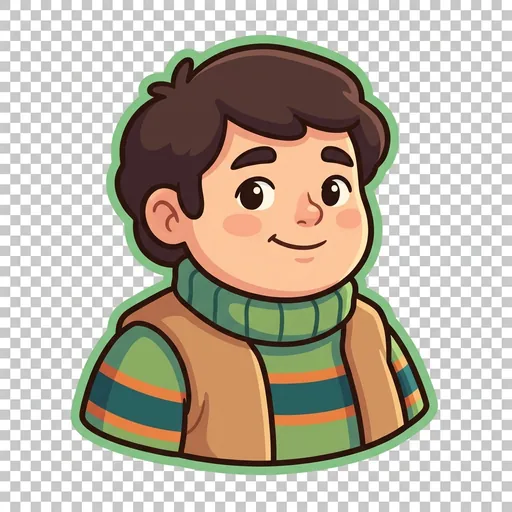
Brace
Core-stability bracing — internal-armor NEVER visible six-pack; no crunches; standing dead-bug demonstrations
-
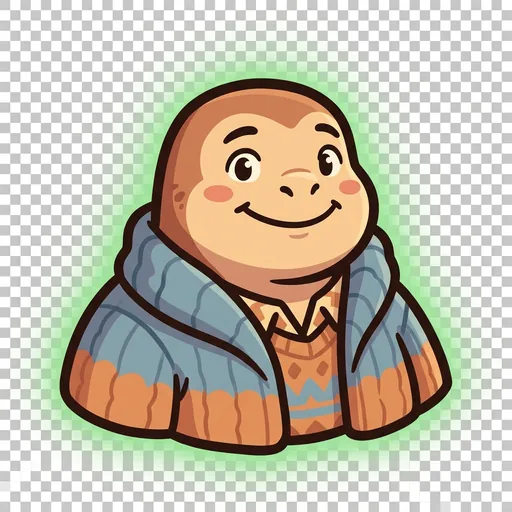
Hinge
Hip-hinge pattern (deadlift / picking-up-groceries) — BENDING-AT-THE-HIP-not-the-spine; anti-back-pain primitive
-
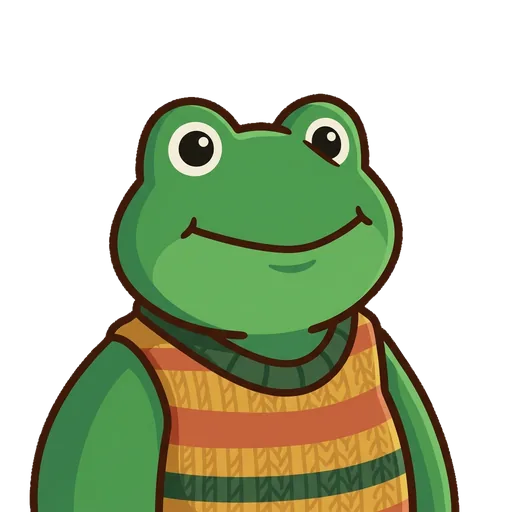
Hunker
The squat; lowering the hips back and down, then standing, with knees tracking over the toes
-
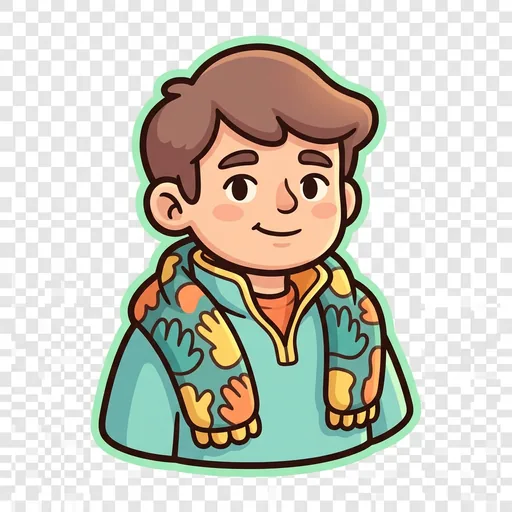
Push
Push-pattern (chest press / push-up / push-door-open) — force-INTO-space; foundational upper-body functional movement
-
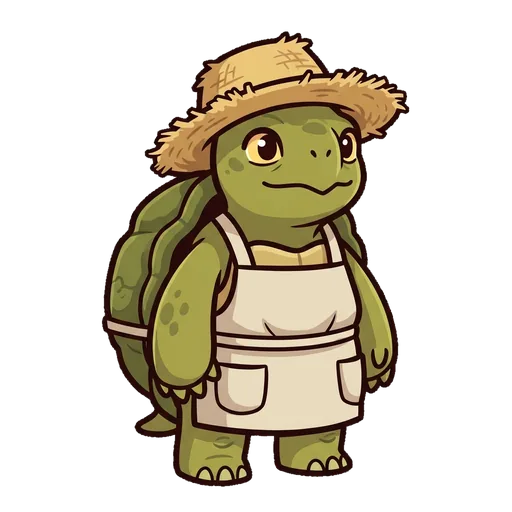
Haul
The carry; moving a load with it held close, posture tall and the middle braced
-
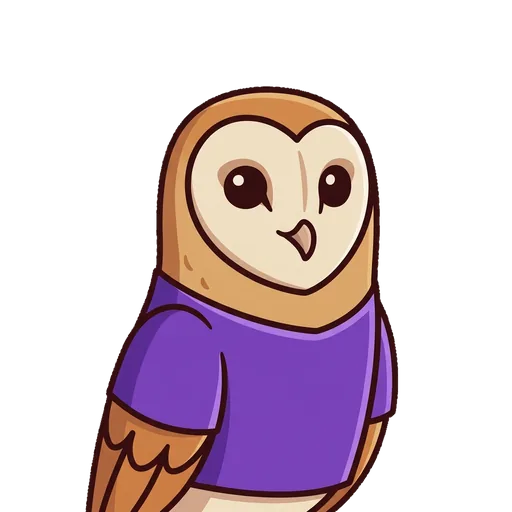
Swivel
Rotation; turning the body with the hips, middle and shoulders moving together
-
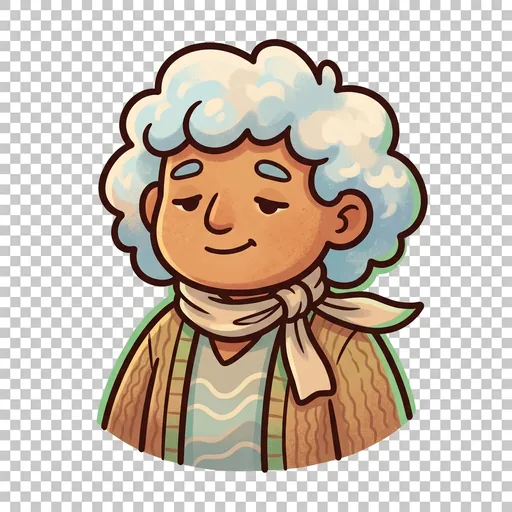
Breath
Breath as foundational locomotor + autonomic-regulation — nasal-breathing default + box-breath + breath-as-tempo
-
Rest
Recovery + sleep + deload as PRACTICE — adaptation LIVES in the rest; anti-hustle counter-message




