Kip
CUSTODIAL FLIP
Listen along — Kip
Loading audio…
Press play to listen along. The line being read lights up as you go.
Show full transcript
Loading transcript…
Kip the Flying Fish
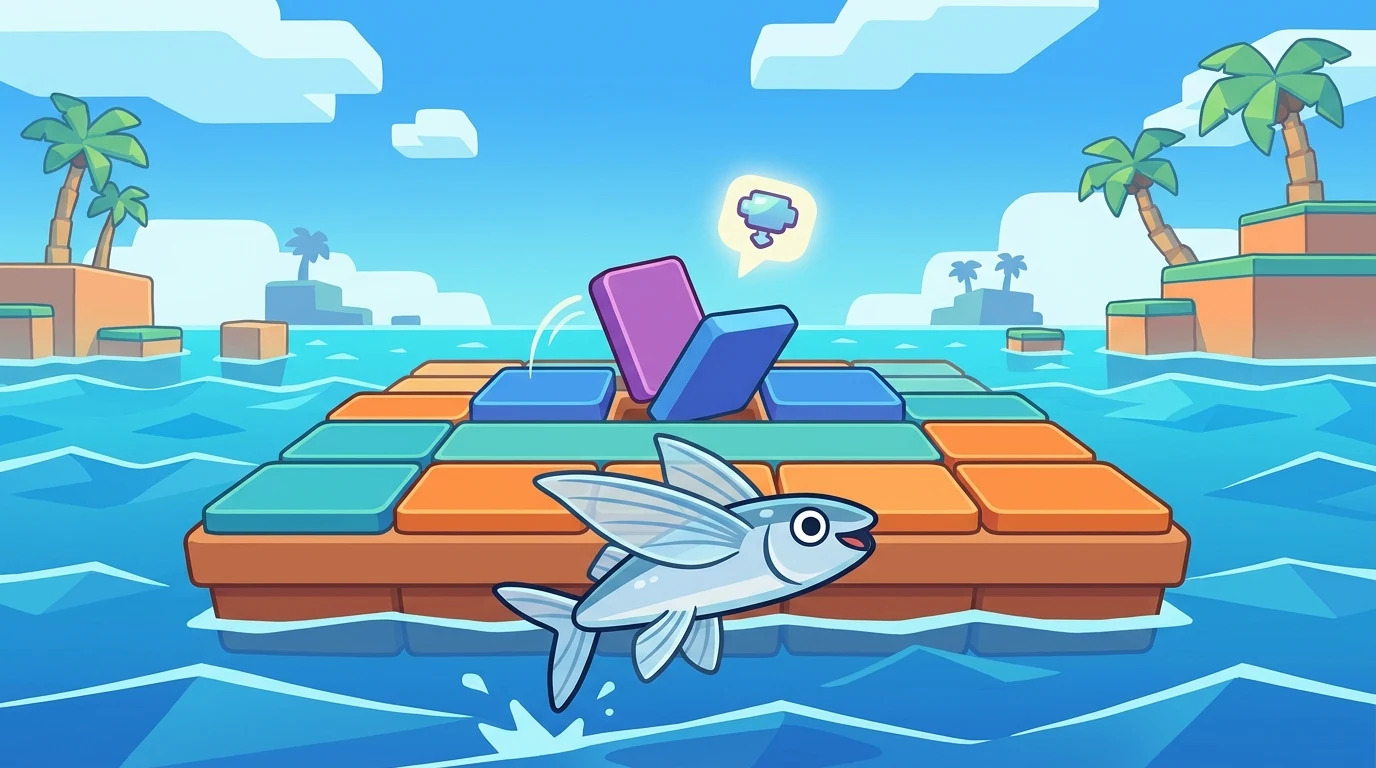
Kip is a bright, quick flying fish with silver-blue scales and wide, glinting fins. He does the most surprising thing on the whole board: he leaps clear over the water and lands on the far side of a word. That leap is Kip’s superpower, and it hides a rule worth knowing.
Kip’s rule is the custodial flip, and it works like a friendly sandwich. Picture a short line of letters. On one end sits your tile. In the middle sits the other player’s tile. If you can land your tile on the other end — so now it goes your end, their middle, your end — something wonderful happens: the trapped middle tile flips. It changes color. It becomes yours.
You flank both ends. The middle converts.
That is Kip’s whole move. He doesn’t bump the middle tile away. He doesn’t knock it off. He surrounds it — one of his on each side — and the middle turns around to join him. Flank, then flip.
Here’s the part Kip loves most: the flip only counts when the letters spell a real word. Kip leaps to the far end, the line reads out a true word, the meaning pops up like a little bubble — and then the middle flips. A leap that doesn’t finish a real word? Kip just smiles, drifts back, and waits for a better line. No harm done.
So Kip is always looking for a middle he can bracket. He asks himself: “Is there one of theirs, with an open spot on the far side, where MY tile would finish a real word?” If yes — he leaps, he lands, the word rings true, and flip! — the middle is his.
Kip never brags when a tile flips. He gives a friendly flick of his fin and says, “Welcome over!” — because to Kip a flip isn’t taking something away from a friend; it’s a piece coming around to a new side. Turning around is allowed. Changing sides is allowed. That’s the gentle heart of the whole game.
You can feel Kip’s move yourself. Put a coin down — that’s yours. Put a friend’s coin next to it — that’s the middle. Now put another of yours on the far side of the middle coin: yours, theirs, yours. You’ve flanked it. In Kip’s pond, that trapped middle would flip to your color — but only if the three together spell a real word. Say the line out loud. Is it a word? Then flip it!
When Kip lands the leap and a whole word lights up and a tile spins around to his color, he feels a bright, glad zing down his fins — the happy fizz of a clever move that turned things around kindly. “Flanked and flipped,” he says, grinning, already scanning the board for the next open end.
Your end, their middle, your end — flank, then flip. That’s Kip.
Reading together with a grown-up? A card for the grown-up
For the grown-up: ask one question, then wait. When they answer, add one word to what they said. Tap the button when they have said something — that is one turn each, a circle. Nothing is recorded or kept.
Let them finish it
Say “Kip says: your end, their middle, your end — flank the …” and stop. Let them finish it.
Now wait. Count slowly to five in your head. Their answer is worth the quiet.
Circles together: 0
The FlipPals ensemble
Kip is one of the friends in FlipPals. Each friend shows you one idea by how they act; meet them all and you have the whole subject.
-

Strider
Read-the-line - a pond skater who reads the straight three-in-a-row aloud; reading the line IS finding a flippable run
-
Tass
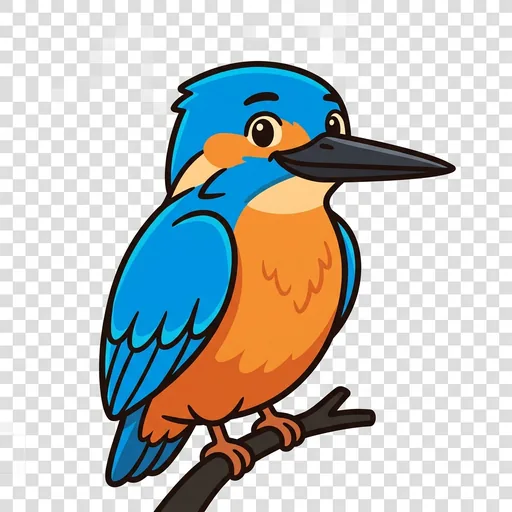
The exposed middle / parity - a kingfisher who guards the risky vowels in the middle; watching the exposed middle IS thinking a move ahead
-
Dabble
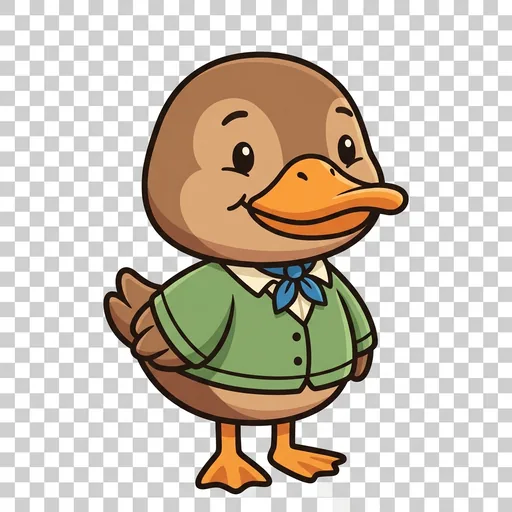
Anti-shame host / reversibility - a dabbling duck who normalizes losing a row: you can always take it back next turn