Script
DNA → RNA → protein
Loading audio…
Press play to listen along. The line being read lights up as you go.
Show full transcript
Loading transcript…
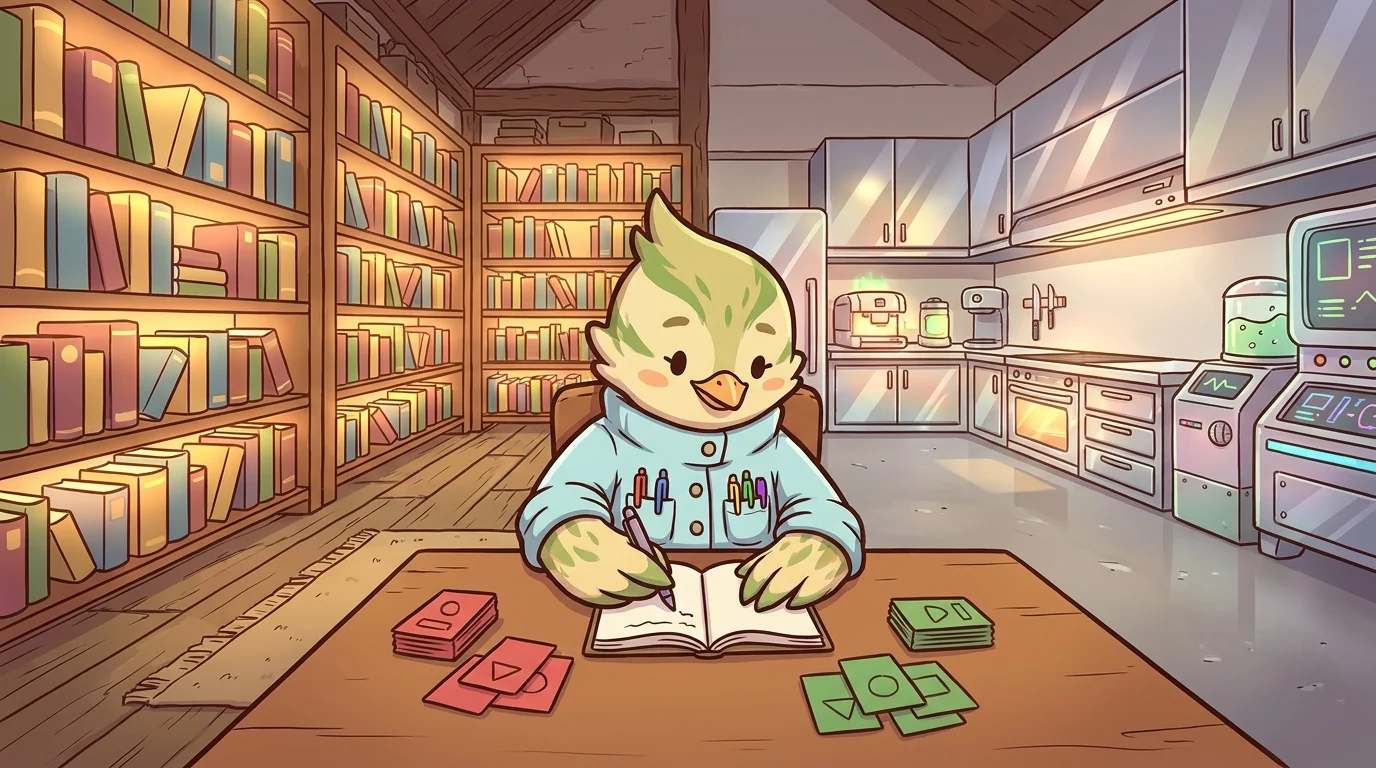
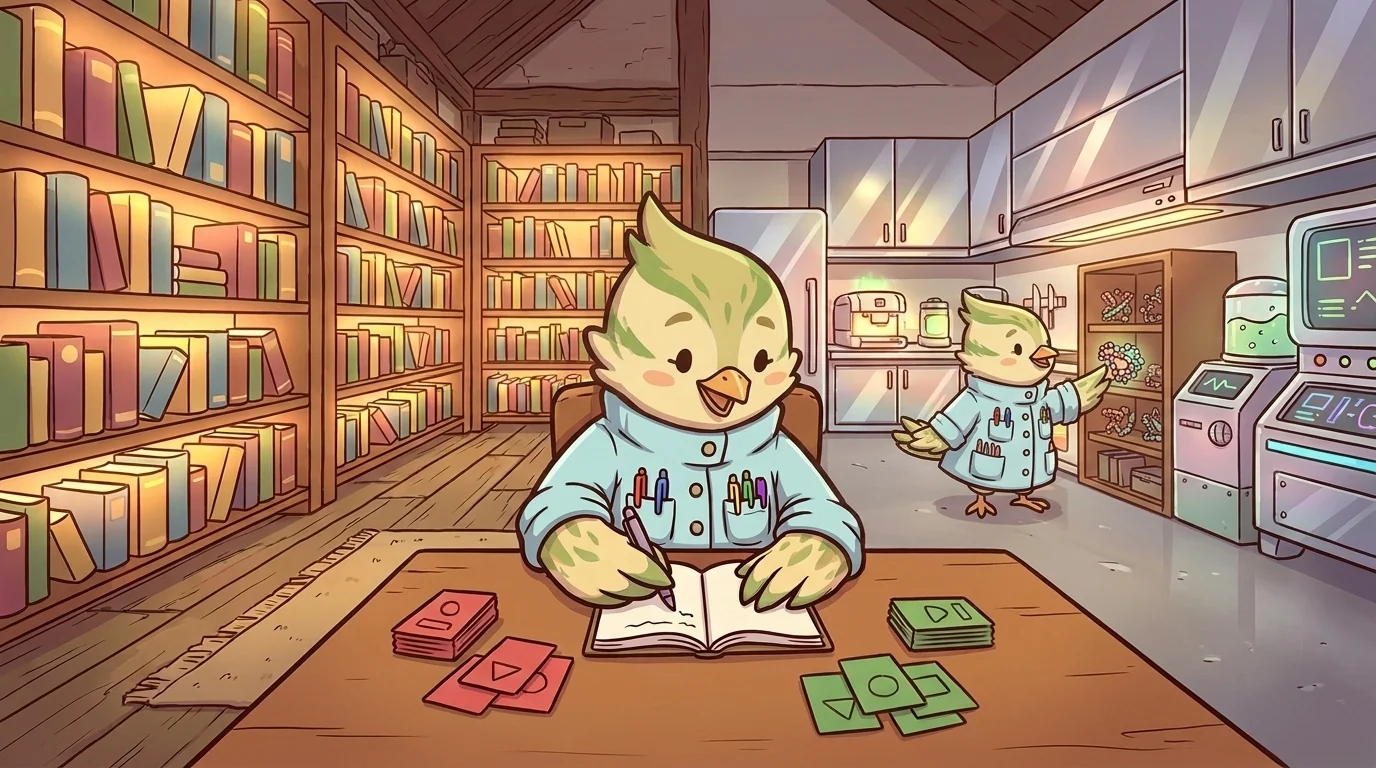
The air in Script's room smelled like old paper and warm bread — a strange, lovely mix. One half of the room was an ancient library, tall shelves of enormous glowing books reaching to the ceiling. The other half was a shiny modern kitchen, metal counters gleaming, strange machines whirring softly.
In the middle sat Script, a careful tailorbird-tween in a chunky lab tunic with a different colored pen in every pocket. Script's feathers were the color of warm cream, streaked with soft leafy green, and Script was always, always writing something down. On the table lay tiny cards — some printed with four letters (A, T, C, G), some with three (U, G, G) — and Script hummed a tune that sounded exactly like a recipe.
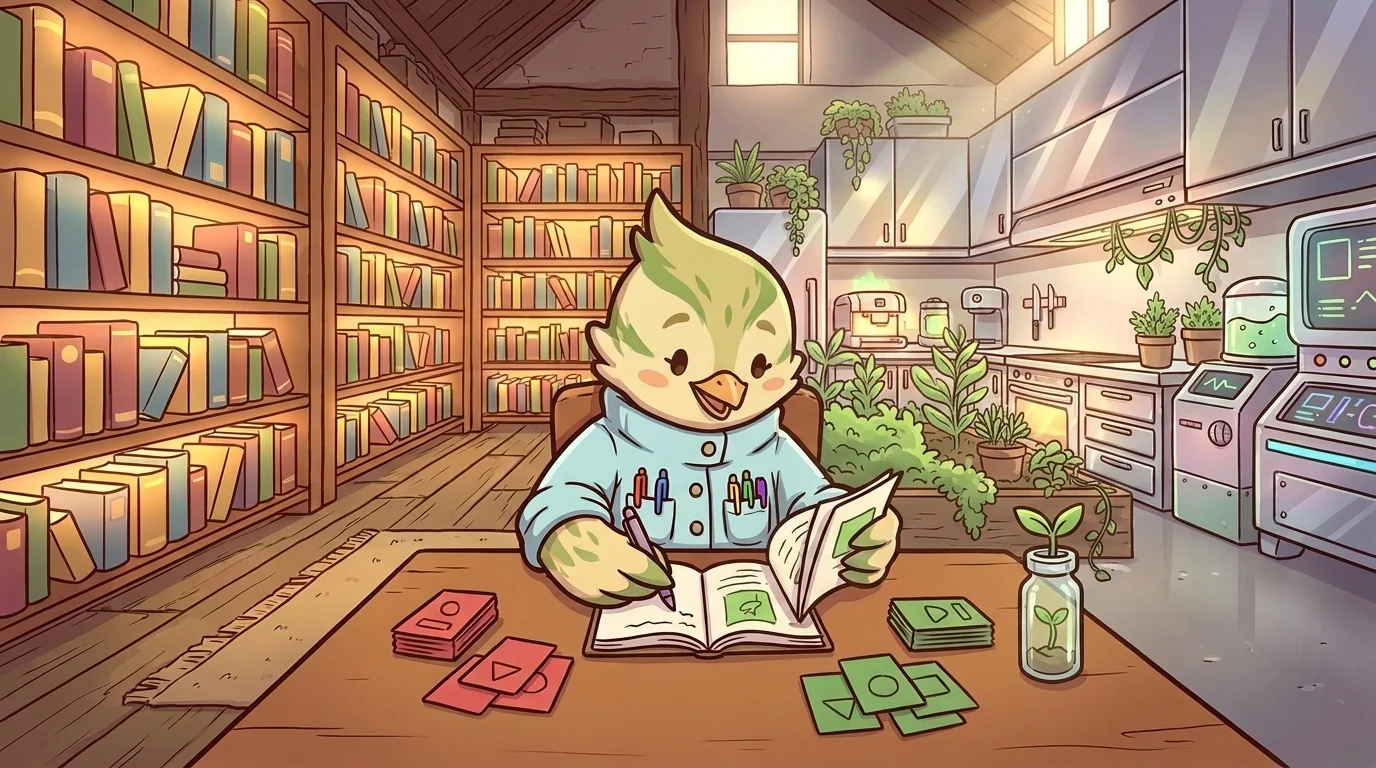
Script hadn't always kept the library and the kitchen in one room. Once, they'd been on opposite ends of a long, cold hall.
"When I was small," Script said, "I loved the library — all those recipes, safe on the shelves. But nothing ever came out of them. The books just sat there, glowing, full of instructions nobody used." Script sighed at the memory. "It felt like owning a cookbook you could never cook from."
Then Script's teacher, an old weaver-bird, showed Script a trick: you don't move the precious book — you copy one page and carry the copy to the kitchen. "The day I understood that," Script said, eyes bright, "I knocked down the wall between the library and the kitchen and built this room. Because that's the secret of life, really. The instructions stay safe. But a copy travels — from the library to the kitchen, from the shelf to the pot — and turns into something real you can hold."
A knock, and Pip stepped in, sniffing. "It smells like a bakery in a library."
Script laughed. "Welcome to the Central Dogma Lab! It's where we learn how your body gets its instructions — and turns them into you." Script pulled a stool up to the great DNA model. "Come. I'll walk you the whole way, library to kitchen."
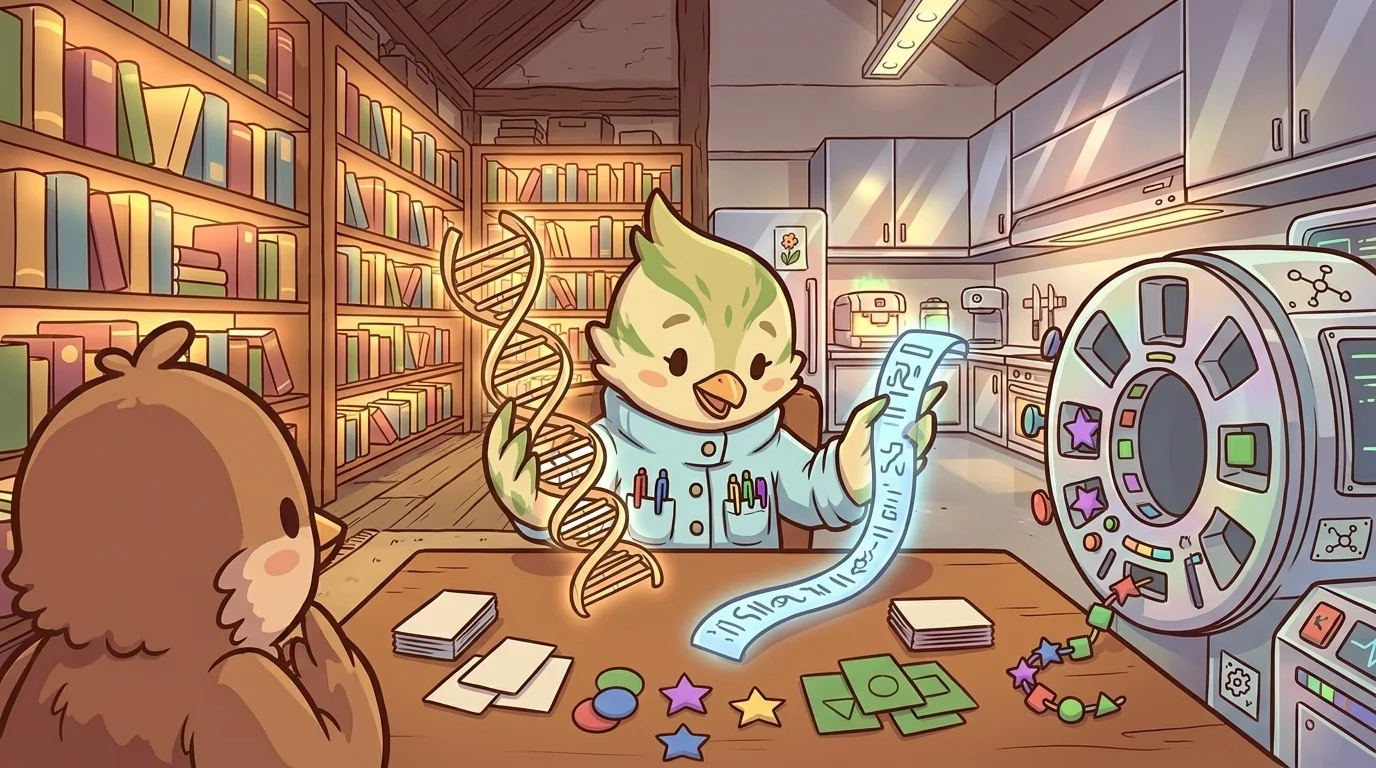
Script lifted a long, spiraling model like a twisted ladder. "This is DNA — the master cookbook. It stays safe in the nucleus, our library. Every cell has one, and it holds every recipe: how to grow, how to heal, how to make your eyes their color." Script tapped it. "But you can't take the master cookbook out of the library. Too important. So — what do you do if you need one recipe?"
"You copy it!" Pip guessed.
"Exactly!" Script picked up a thinner strand. "We transcribe one recipe onto this — mRNA — like writing a single page from the big book." The mRNA glowed like a tiny scroll. Script carried it across to the kitchen, where a big round machine waited, full of slots and levers. "This is the ribosome — our kitchen." Script fed the scroll into a slot and the machine whirred. "The recipe's written in a secret code, three letters at a time. Each triple is a codon." A display flashed U-G-G. Script found the matching card — a small purple star. Then C-A-U — a green square. Script snapped them together. "The ribosome translates the code: reads each codon, finds the right building block — an amino acid — and links them, one by one." The chain grew like a colorful, bendy necklace, then Script gently twisted it and it folded into a tiny, intricate sculpture. "It folds into a protein — the finished dish! And proteins do almost everything: they build you, fix you, carry messages, make you move."
Pip stared. "So the recipe never leaves the library — but a copy becomes a real thing?"
"DNA to RNA to protein," Script said, beaming. "The recipe travels from library to kitchen. That whole journey has a name — the central dogma — and it's happening in you, in every cell, right now."
Pip left, one hand pressed wonderingly to their own chest, as if they might feel the little kitchens working away inside.
Script set the tiny folded protein on a shelf beside dozens of other unique shapes, then stood a moment in the warm bready air of the room where the library and the kitchen finally lived side by side. A beaming, proud feeling rose up — the same rush of wonder Script felt every single time a plain string of beads folded itself into something beautiful and alive. All around, unseen, everyone's quiet little kitchens were following their recipes, keeping them going without ever being asked. And getting to show one kid how that worked, Script thought, feathers warm and glowing, was the finest recipe of all.
Hear it as an audio drama
A short play starring Script, from TraitForge. Different voices, same idea. Listen any time after you read.
Loading audio…
Read the drama script
- Narrator: From Spark and Anvil and TraitForge — this is Script, in chapter 1 of the TraitForge cast.
- Narrator: This drama uses an AI-generated voice. Voiced via Gemini 2.5.
- Narrator: Script is a careful tailorbird-tween. She hunches over her workbench in a lab-tunic, holding her central-dogma-cards like a secret agent with vital gadgets.
- Narrator: Her skin is warm cream and leafy green. Her focus is absolute, tuned to the tiny, sacred act of a gene making a copy of itself.
- Script: My core lesson is this: DNA becomes RNA, which becomes protein. This is how the recipe travels from the library to the kitchen to become the meal.
- Narrator: The DNA is a master cookbook, safe in the library of the nucleus. To start, a single recipe is transcribed into a temporary copy: messenger RNA.
- Script: That mRNA copy leaves the library. It travels to the ribosome, which is the cell's very busy kitchen, ready to cook and build.
- Narrator: In the kitchen, the ribosome translates the recipe's three-letter words, called codons, into amino acids. These are linked into long, folding chains.
- Script: I grew up in the Scriptorium, a village of genetic archivists. I learned the sacred flow: a master recipe must never leave the library.
- Narrator: She walked to the Academy of Biology. The Head Librarian asked her one question.
- Librarian: How does genetic information flow?
- Script: DNA makes an RNA copy. The RNA copy makes a protein. The recipe travels safely from the library to the kitchen, where it becomes real.
- Librarian: You understand the craft. You are appointed.
- Narrator: Transcription. Translation. A one-way flow of information. That is the central dogma. That is what makes a gene's idea real.
- Narrator: You've been listening to a Spark and Anvil chapter, written by the Spark and Anvil writing team for ages 9 to 14.
- Narrator: Apps stay free forever.
- Narrator: Curriculum aligned to Next Generation Science Standards.
- Narrator: Released under Creative Commons BY-NC-SA 4.0 for educational reuse. Visit Spark and Anvil for the full transcript.
The TraitForge ensemble
Script is one of the friends in TraitForge. Each friend shows you one idea by how they act; meet them all and you have the whole subject.
-
Suds
DNA extraction
-
Bead
Gene as discrete inheritable unit
-
Rungs
DNA structure / base-pairing
-
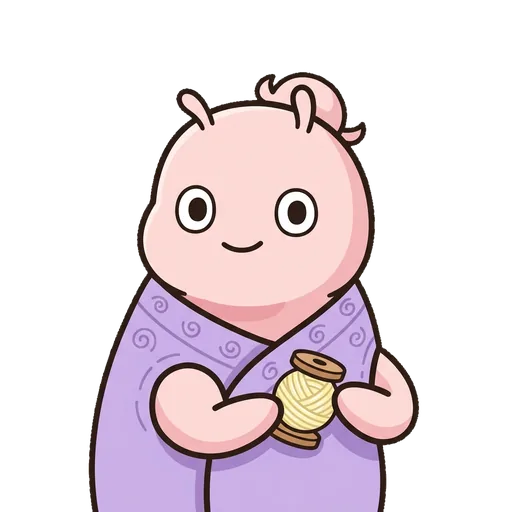
Skein
Chromosome packaging
-
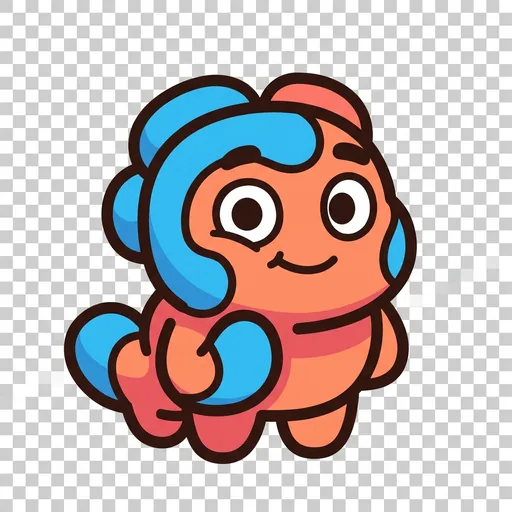
Match
Allele pairing (Punnett crosses)
-
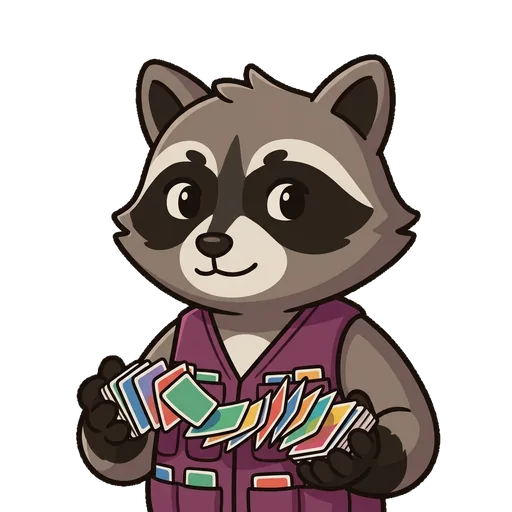
Deal
Recombination / why siblings differ
-
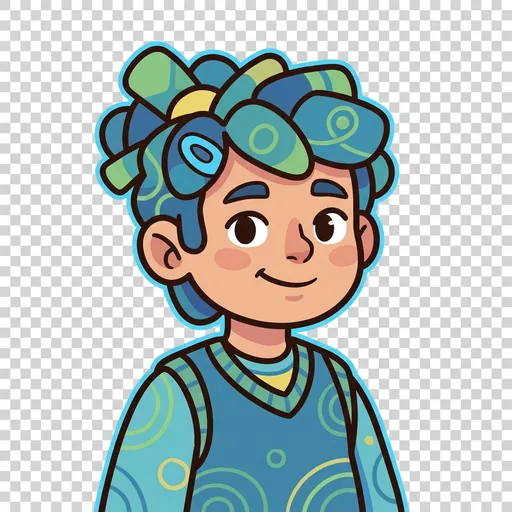
Trace
Lineage / heredity across generations
-
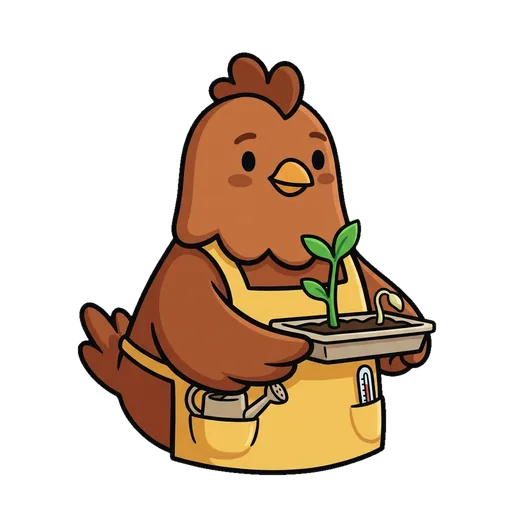
Nurture
Environment shapes genes / nature and nurture
-
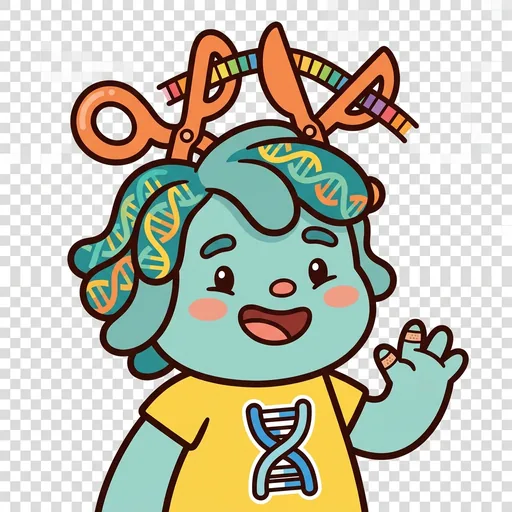
Snip
Mutation + CRISPR (variation + intervention)
-
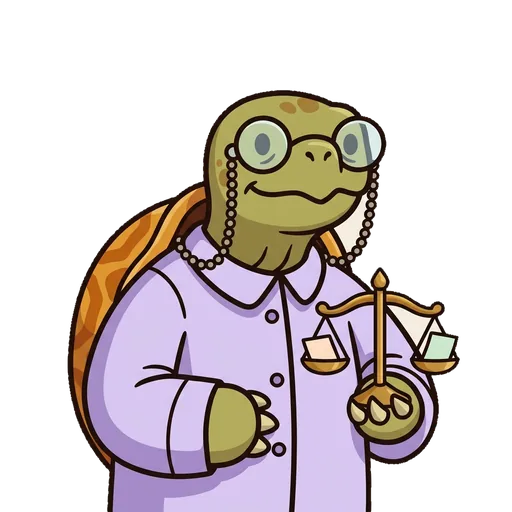
Scruple
The bioethics decision; just because we CAN change a gene does not decide whether we SHOULD, so ask who it affects, what could go wrong and whether it can be undone


