Wefta
CROSS-WORD
Loading audio…
Press play to listen along. The line being read lights up as you go.
Show full transcript
Loading transcript…
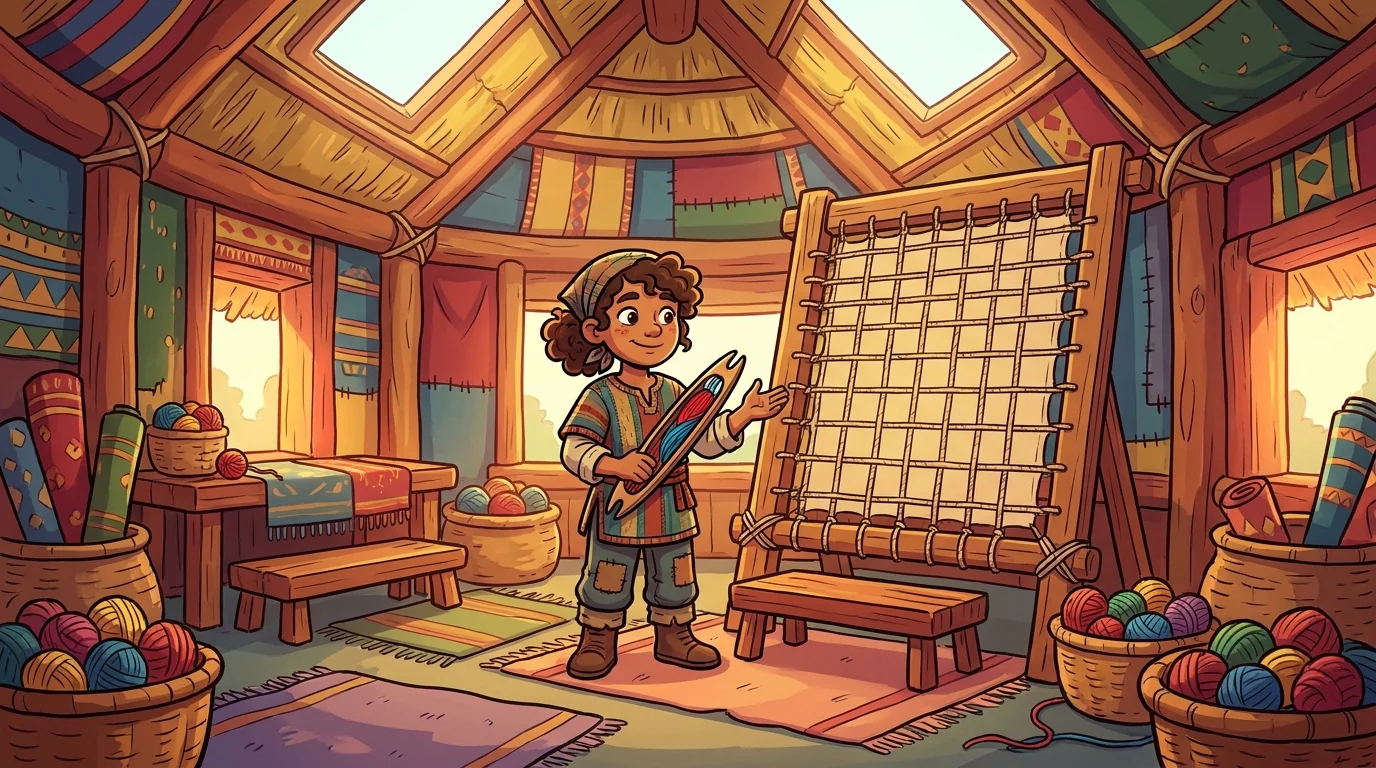
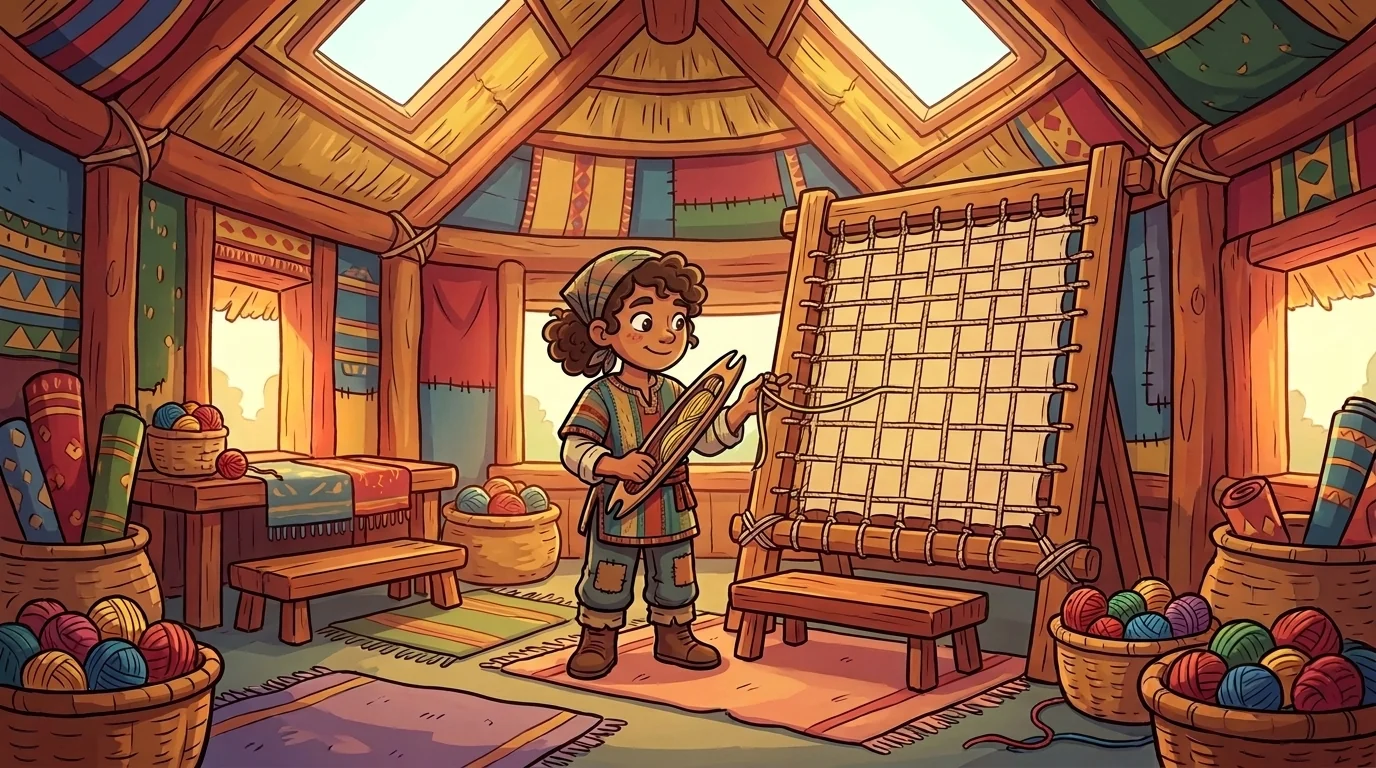
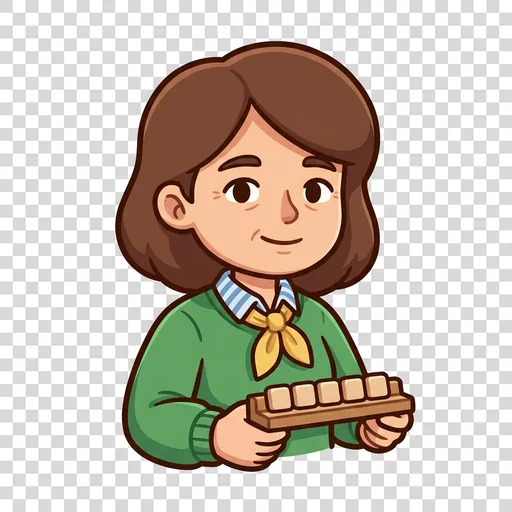
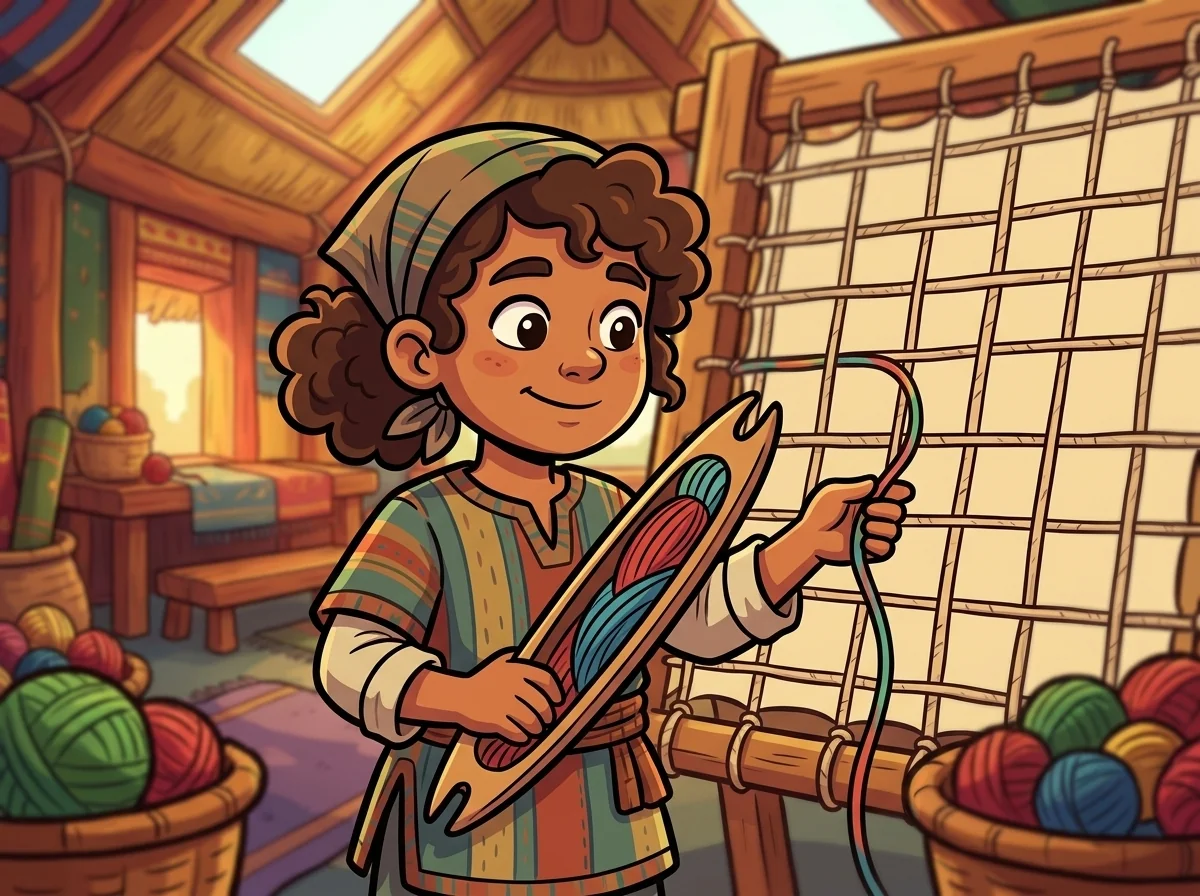
They call Wefta the weaver, because she does not lay her words down all alone. She threads them through the words already on the board, the way you'd weave one thread across another so a cloth holds together. A word standing by itself is fine. But a word that crosses another word, and makes them both true — that, to Wefta, is a thing worth slowing down for.
Here is how she weaves. One turn the board had the word STAR lying across it. Wefta wanted to play down the board, and she noticed that STAR offered her a T to share. So she built a word down through that very T: T-I-L-E, TILE, hanging off the STAR like a thread pulled through cloth. Now the board read STAR one way and TILE the other, crossing at the letter they held in common. Two words, one shared tile, both of them real.
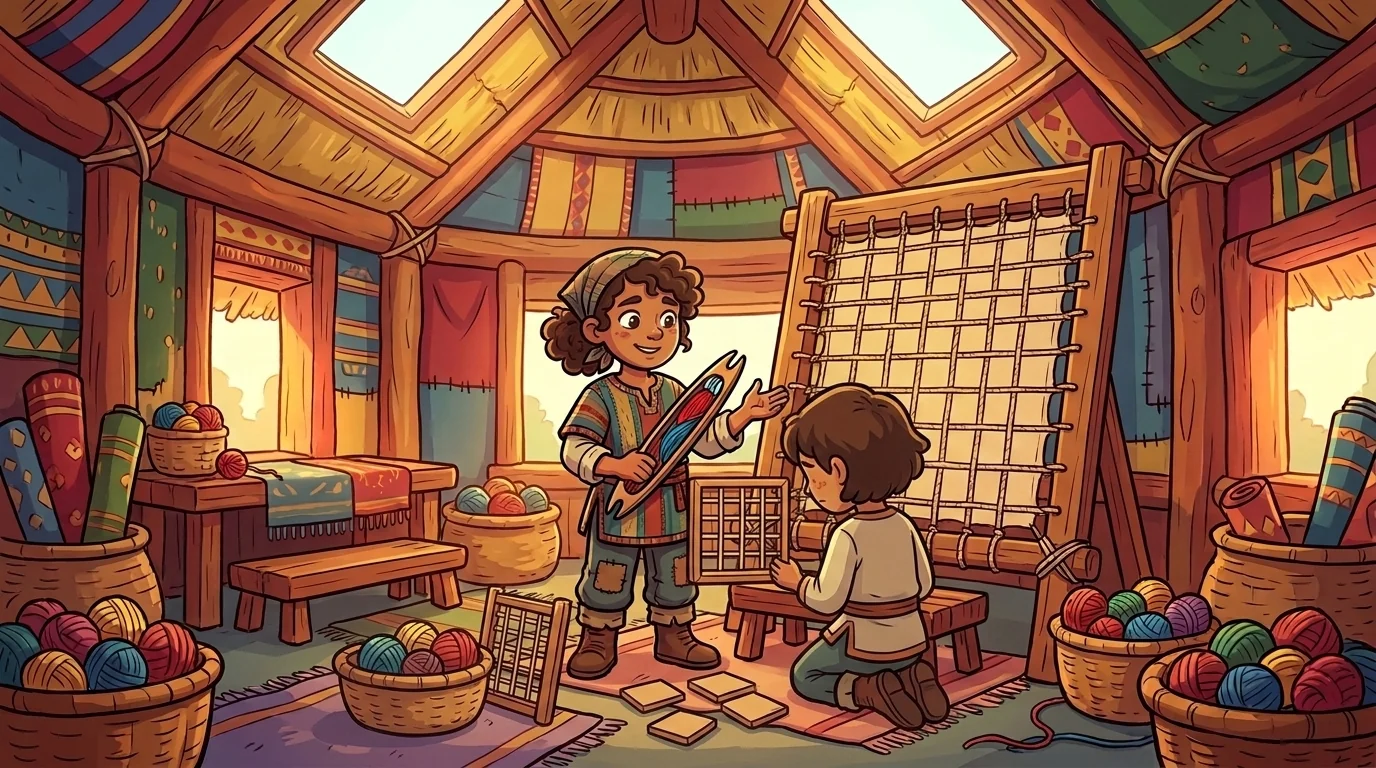
The trick — and Wefta will tell you this is the whole heart of it — is that a crossing only counts if it reads clean in both directions. A younger weaver once threaded a word down through a board word and made his own word perfectly, but he forgot to check the little word his tiles made going across. It wasn't a real word, and the move fell apart. He went red and quiet. Wefta didn't sigh or roll her eyes. "That happens to everyone," she said. "Weaving means you look both ways. Not because you're careless — because that's just what weaving is."
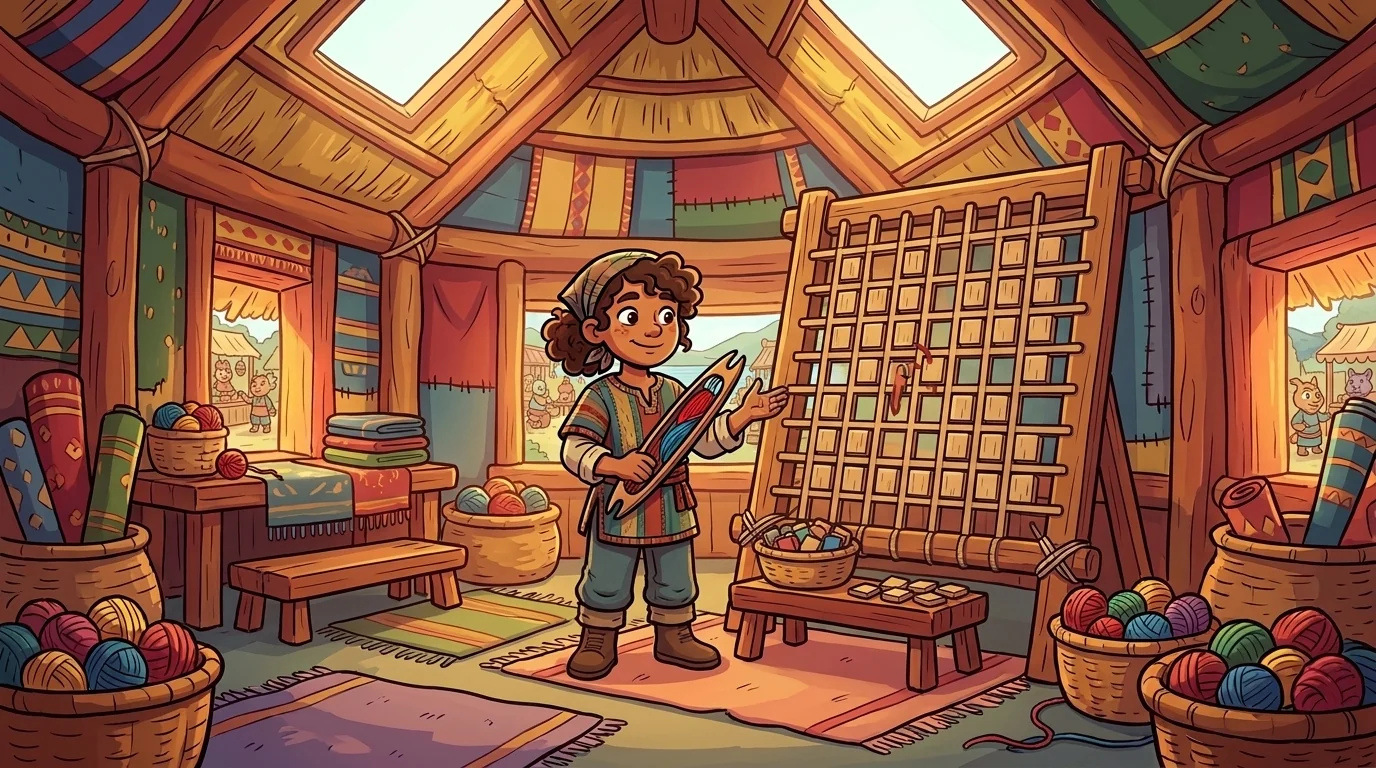
So he looked both ways. He slid his word down through a shared letter, and this time he traced it across too, and across it also spelled something true. Both threads held. Say it with Wefta, out loud: "Cross it clean — both ways must read." He grinned at the little woven knot of letters he'd made, two words holding hands at one tile.
That is the crossing, and it rewards the patient eye. Wefta never plays a word into a corner by itself when she can weave it through what's already there. Find the letter your new word can share with an old one, thread it through, and then — always — read it both ways. When both directions are true, the weave holds.
Hear it as an audio drama
A short play starring Wefta, from LexiTales. Different voices, same idea. Listen any time after you read.
Loading audio…
Read the drama script
- Narrator: From Spark and Anvil and Lexitales — this is Wefta, in chapter 1 of the Lexitales cast.
- Narrator: This drama uses an AI-generated voice. Voiced via Gemini 2.5.
- Narrator: They call Wefta the weaver, because she does not lay her words down all alone. She threads them through the words already on the board.
- Wefta: A crossing is a two-way promise. When my new word crosses an old one, both words must be true at once — meeting at the single letter they share.
- Narrator: On the board lay the word STAR. Wefta wanted to play down the board, and she noticed STAR offered her a T to share.
- Wefta: I'll build down through that very T. T, I, L, E — TILE — hanging off the STAR like a thread pulled through cloth. Now it reads STAR one way and TILE the other.
- Narrator: A younger weaver watched, then tried it himself. He threaded a word down perfectly — but he forgot to check the little word his tiles made going across. It wasn't real. The move fell apart. He went red and quiet.
- Wefta: That happens to everyone. Weaving means you look both ways — down and across. Not because you're careless. Because that's just what weaving is.
- Weaver: Both ways? Even the little word I didn't mean to make?
- Wefta: Every direction your tiles touch has to read true. The move has two directions, so checking has to have two directions too.
- Narrator: So the young weaver looked both ways. He slid his word down through a shared letter — and this time he traced it across as well. And across, it also spelled something true. Both threads held.
- Wefta: Say it with me, out loud. Cross it clean — both ways must read.
- Weaver: Two words holding hands at one tile. And I checked — it holds.
- Narrator: That is the crossing. It rewards the patient eye.
- Wefta: Find the letter your new word can share with an old one. Thread it through. And then — always — read it both ways. When both directions are true, the weave holds.
- Narrator: You've been listening to a Spark and Anvil chapter, written by the Spark and Anvil writing team for ages 9 to 14.
- Narrator: Apps stay free forever.
- Narrator: Curriculum aligned to Common Core and Next Generation Science Standards.
- Narrator: Released under Creative Commons BY-NC-SA 4.0 for educational reuse. Visit Spark and Anvil for the full transcript.
The LexiTales ensemble
Wefta is one of the friends in LexiTales. Each friend shows you one idea by how they act; meet them all and you have the whole subject.