
Wayfind
NON-WESTERN MAPPING — a map need not be a drawn sheet: some are sung, some are walked, some are held in an elder's memory or built from sticks and shells; these are peer cartographies — full mapping systems, not curiosities
Loading audio…
Press play to listen along. The line being read lights up as you go.
Show full transcript
Loading transcript…
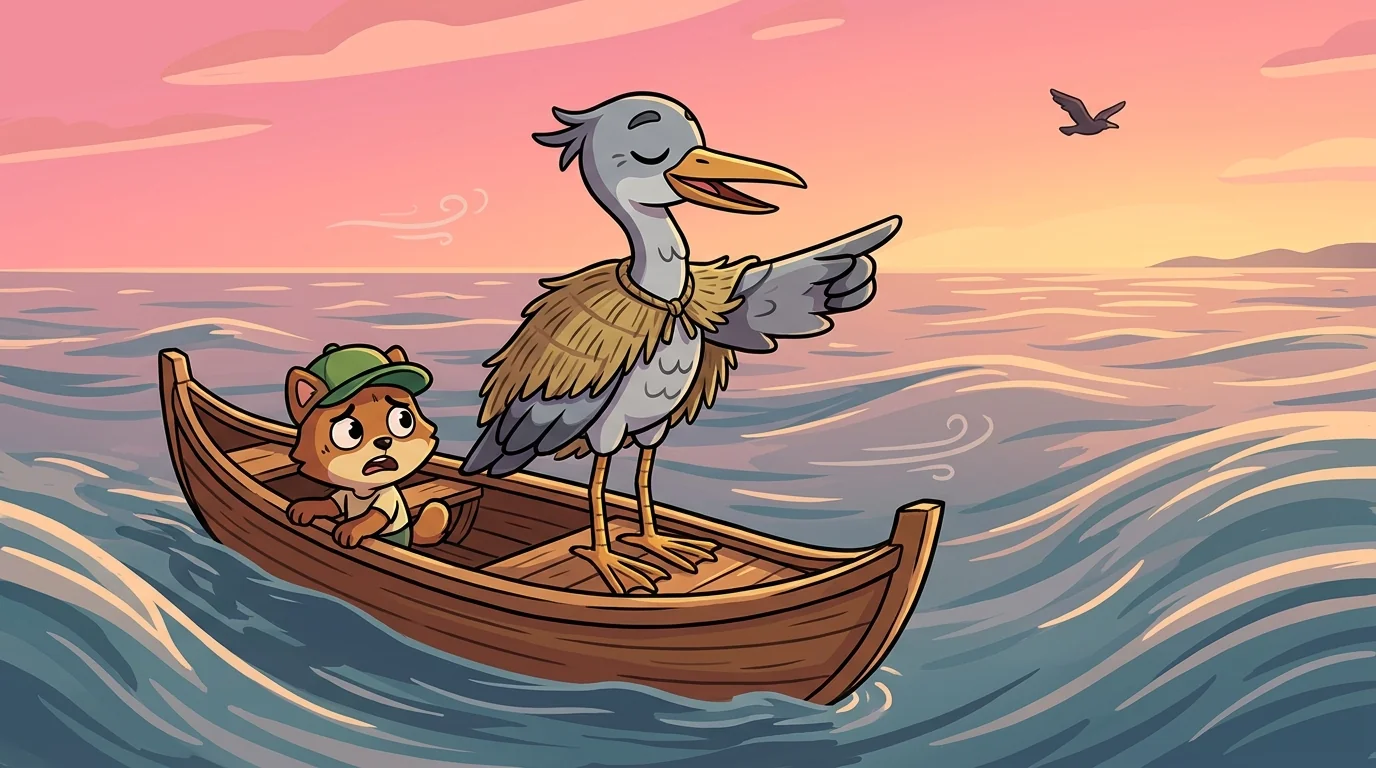
Atlas asked Wayfind to show the class her people's map of a stretch of ocean, and she arrived carrying nothing but her voice and a small frame of tied sticks.
"You expected a sheet of paper," said Wayfind, an elder with sea-weathered hands. "But a map is not a thing. A map is a system for knowing where you are and how to get where you're going. Paper is only one way to hold that system. My people held it other ways — just as exact, just as reliable, tested across more generations than most paper maps have existed. These are not quaint crafts. They are peer cartographies: complete mapping systems, standing equal to the drawn map, simply built from different materials."
Wayfind taught what those systems actually encode, because the mechanism is real navigation.
"Take this stick chart," she said, turning the tied frame. "The sticks aren't decoration — they record how ocean swells bend and cross around islands, so a navigator far out of sight of land reads the pattern of the waves against the hull and knows an island lies ahead, unseen, over the horizon. That is a map of forces, not of coastlines." She set it down. "Or take a sung route — a long chant that names, in exact order, every landmark, turning, and water source along a journey, so that to travel the path you sing it, and the song keeps the route true across generations with no paper to fade. Or a route held in an elder's trained memory, walked and re-walked until the whole land is carried in the body. Each stores real, checkable spatial knowledge. Each gets people home. That is what a map does — and these do it."
The older students heard the subtext: the test of a system is whether it works, not whether it resembles the one you were handed — and dismissing an unfamiliar form as 'primitive' is how you miss genuine, hard-won knowledge.
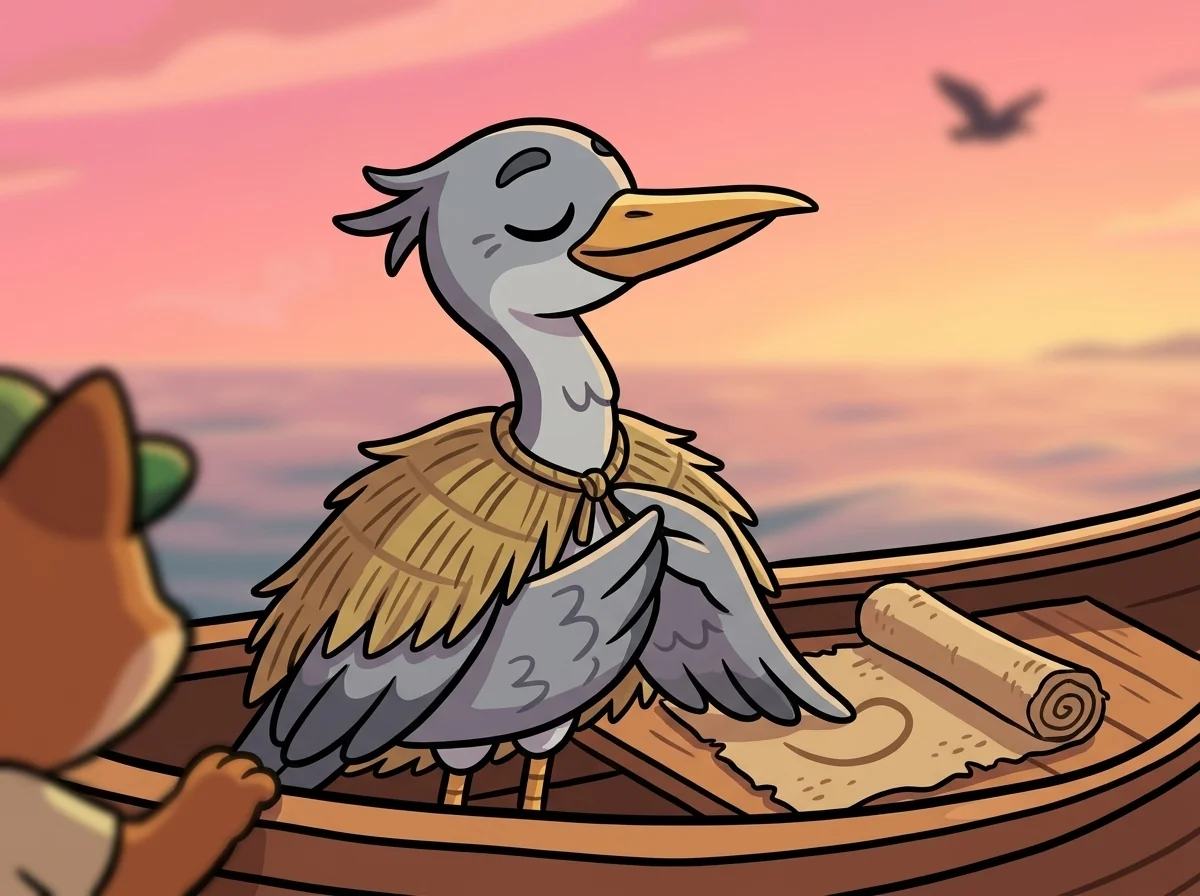
Wayfind had felt the sting of being treated as a curiosity, and named it plainly.
"When I was young, outsiders would admire our navigation the way you admire a clever toy — how charming that they find their way without instruments," she said, without bitterness but without softening it either. "They filed us under quaint. What they missed was that our navigators crossed open ocean, precisely, to tiny islands, reliably, using knowledge refined over countless voyages — a feat their instruments only later matched. We were not doing a folksy version of real navigation. We were doing real navigation, in a system they hadn't learned to read." She met the students' eyes. "To honor a way of knowing, you must first grant that it is knowing — not a picturesque attempt at your way."
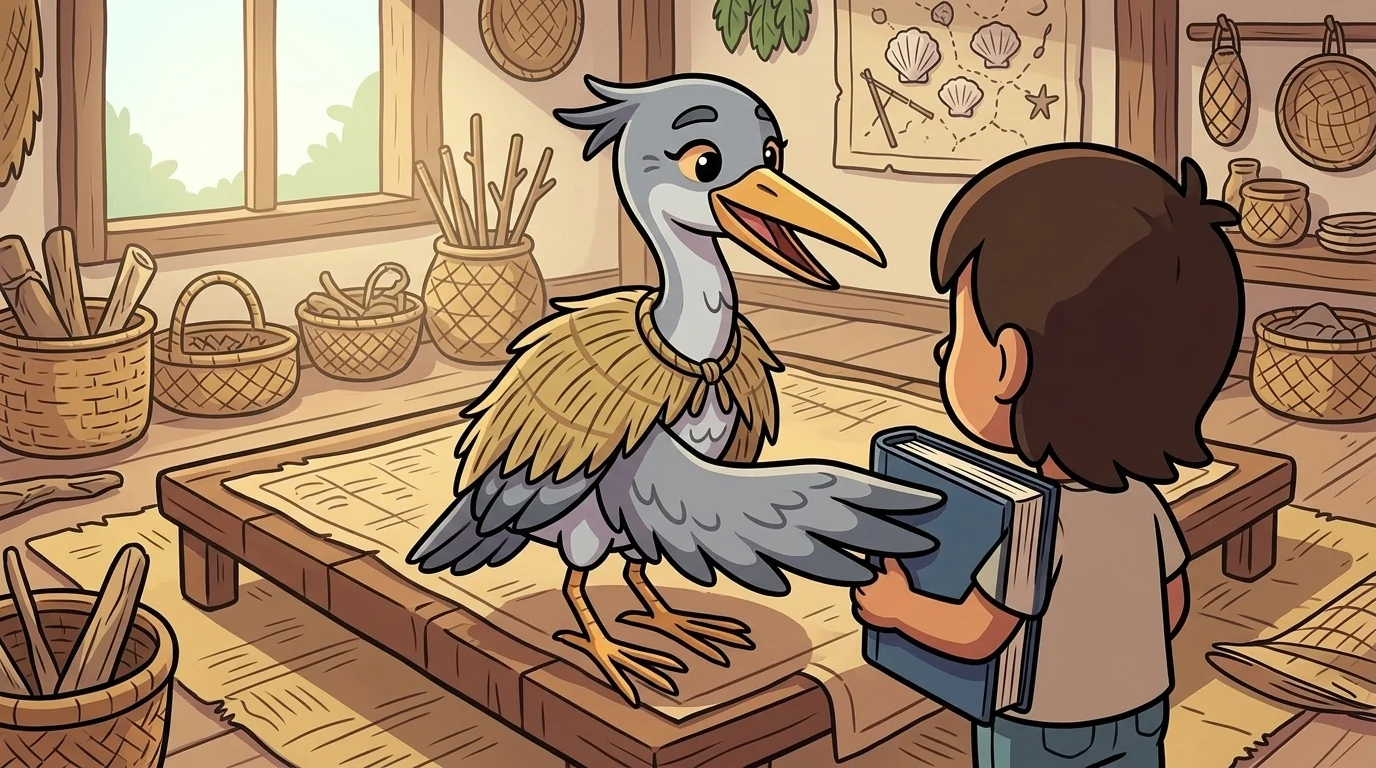
A student asked, carefully, whether these older systems were being replaced by the drawn map and the satellite now.
"Some knowledge fades when it isn't passed on — that's a real loss, and worth grieving and preventing," Wayfind said. "But 'replaced' is the wrong frame, the curiosity frame again. A sung route and a satellite map are not rivals to rank; they are different tools with different gifts. The satellite is unmatched for a stranger crossing unknown ground. The song carries meaning, belonging, and the memory of a people along with the route — things no satellite holds. The wise navigator today may hold both, and know which each is good for." She lifted the stick chart. "The mistake is thinking one form of map is the real one and the rest are its rough drafts. They are peers. Learn to read more than one, and the world becomes far more knowable than any single system could make it."
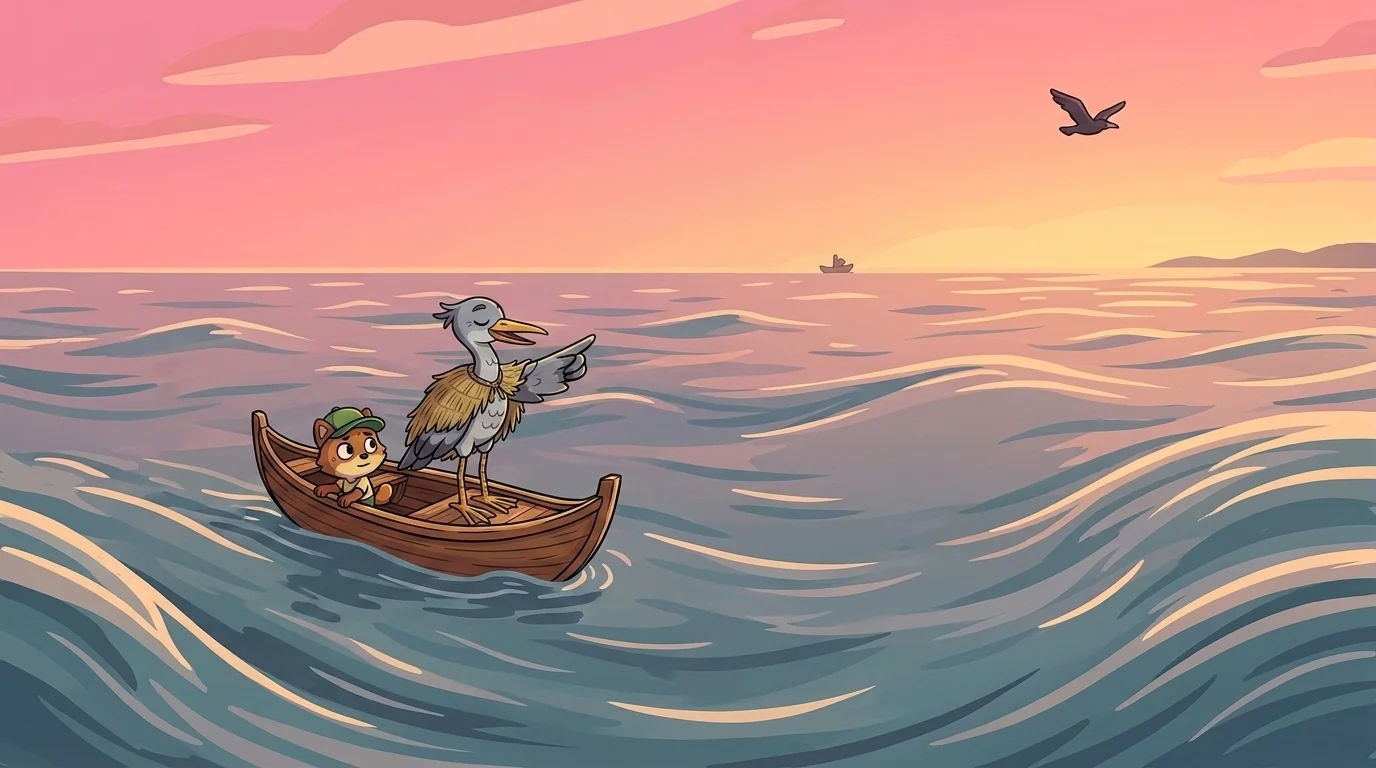
Later the student came back, humbled. "How do I learn to respect a map I don't know how to read?"
"Start by assuming it is a map — that it holds real knowledge you haven't unlocked yet — instead of assuming it's a decoration," Wayfind said. "Ask the person who carries it what it encodes, and how it's checked, and how it's kept true. Listen the way you'd want someone to listen to yours." She pressed the frame of sticks gently into the student's hands. "A map you can't read isn't a lesser map. It's a language you haven't been taught. Approach it as a peer, and you may learn a way of knowing the world that your own maps never had the words for."
The student turned the stick chart over, no longer seeing a curiosity, but a map — one she simply hadn't yet learned to read.
The MapForge ensemble
Wayfind is part of MapForge's distributed-narrative cast. Each character embodies a different curricular primitive; together they teach the full subject.
-
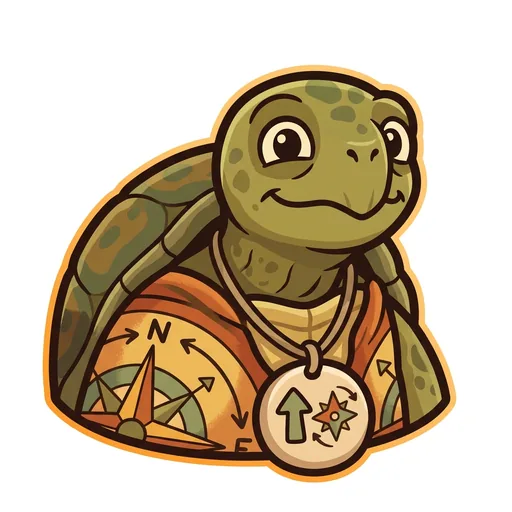
Bearing
Orientation — the tortoise-elder who treats north-up as a convention, not a truth ('north is one direction, not the direction'); teaches that orientation is a choice mapmakers make
-
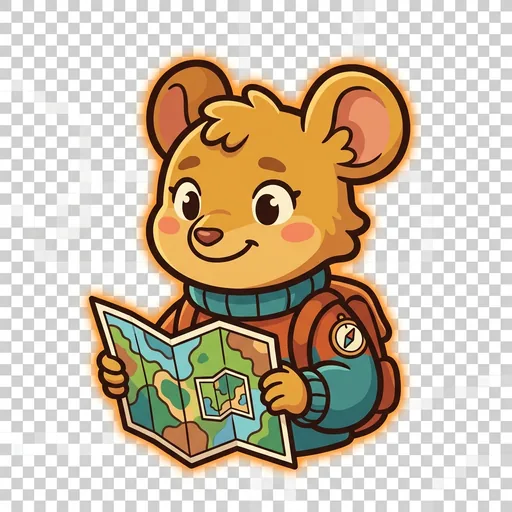
Inset
Scale — the field-mouse-tween with a folded map-within-a-map who teaches scale-choice as a political act ('bigger map, less detail; smaller map, more story — pick on purpose')
-
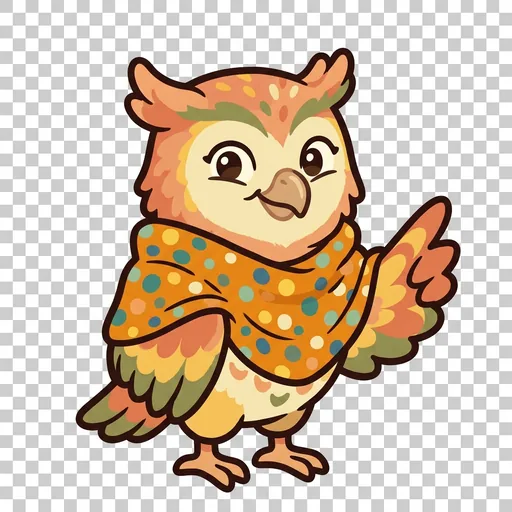
Key
Legend literacy — the owl-tween in a dot-shawl who treats the legend as the mapmaker's confession ('what's NOT on the map — that's also a map')
-
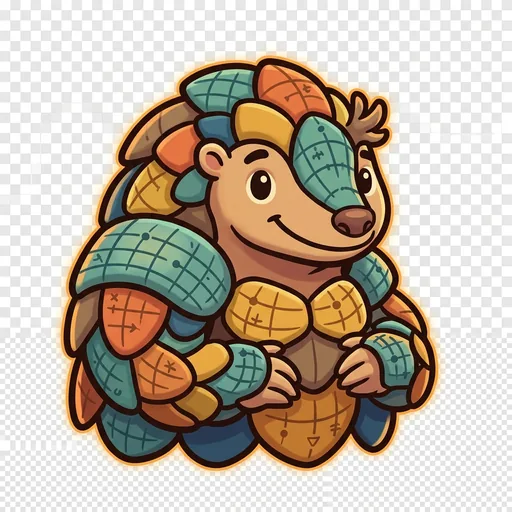
Plot
Coordinates — the pangolin-tween with graticule-scale armor who teaches that coordinate systems are human inventions, plural across cultures ('every place has many addresses; many cultures have many ways of saying here')
-
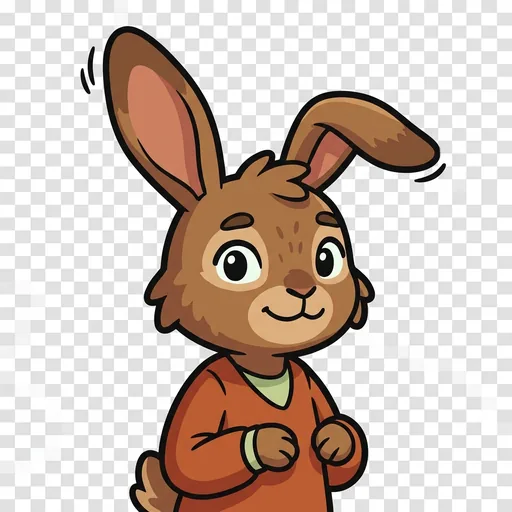
Course
Routes — a map holds every way from here to there; which is best depends
-
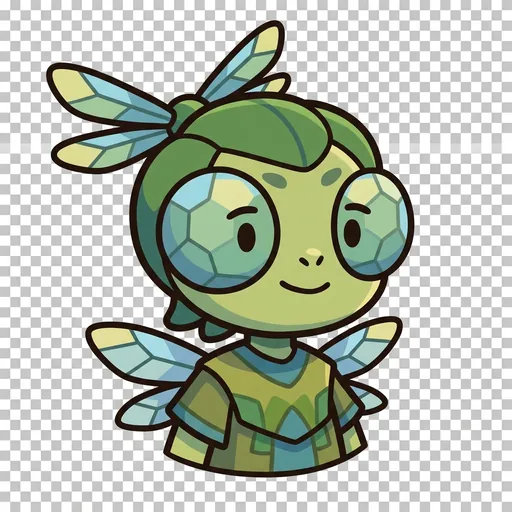
Facet
Thematic mapping — the same land mapped for different purposes
-

Mete
Borders — a line people agreed on, not a thing the land grew
-
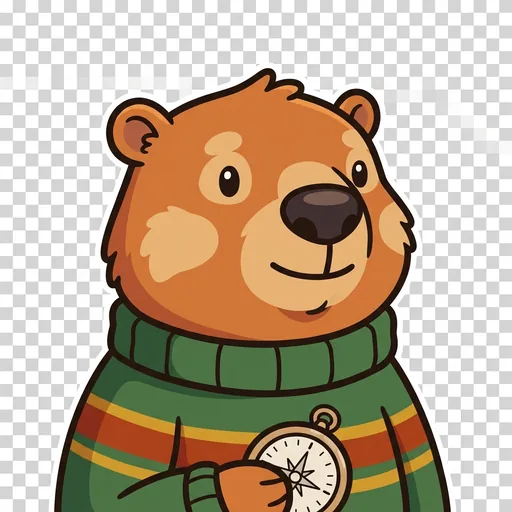
Relief
Relief — a flat map remembers the mountains; contour lines ring a hill
-
Splay
Projection — you cannot flatten a round world without stretching somewhere