Relief
RELIEF — a flat map can remember the mountains. lines that ring a hill are its heights held still; lines crowded close mean steep, lines spread wide mean gentle.
Loading audio…
Press play to listen along. The line being read lights up as you go.
Show full transcript
Loading transcript…
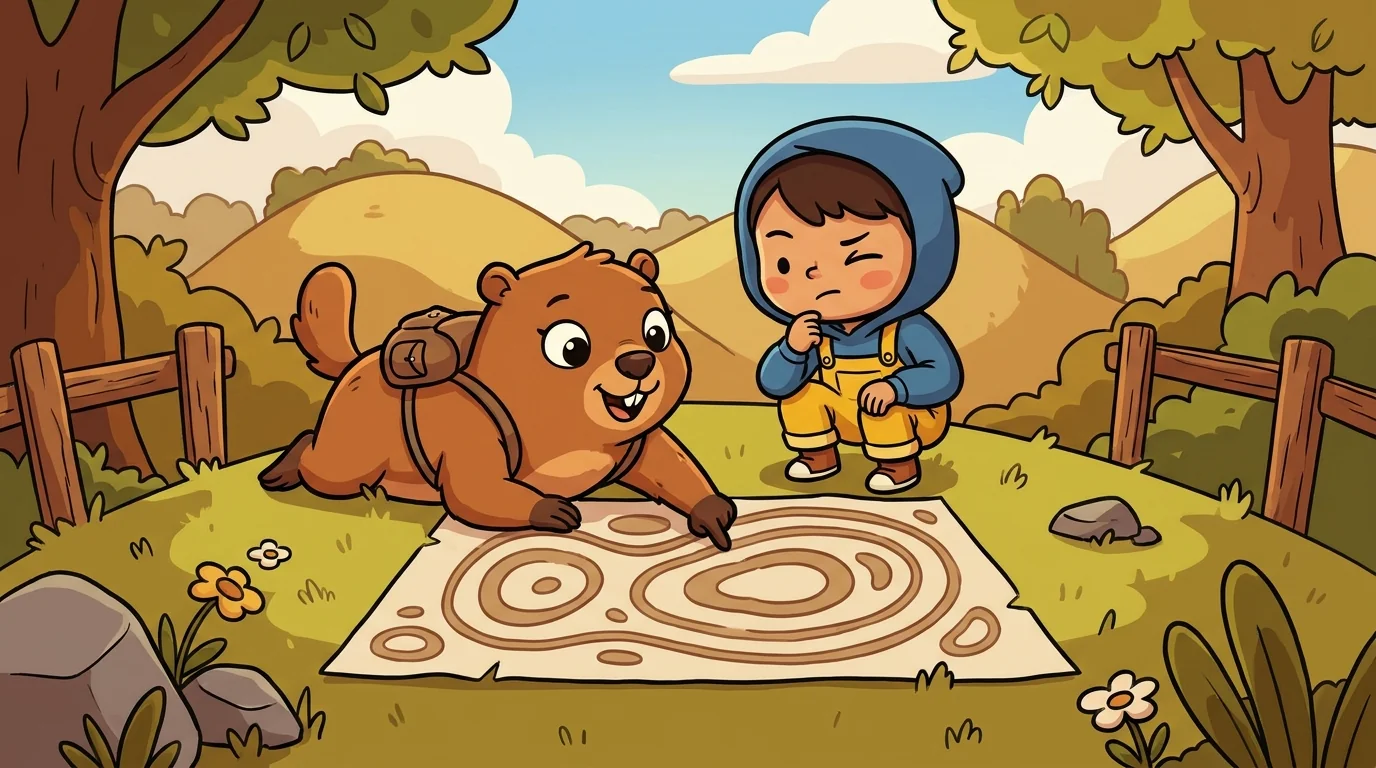
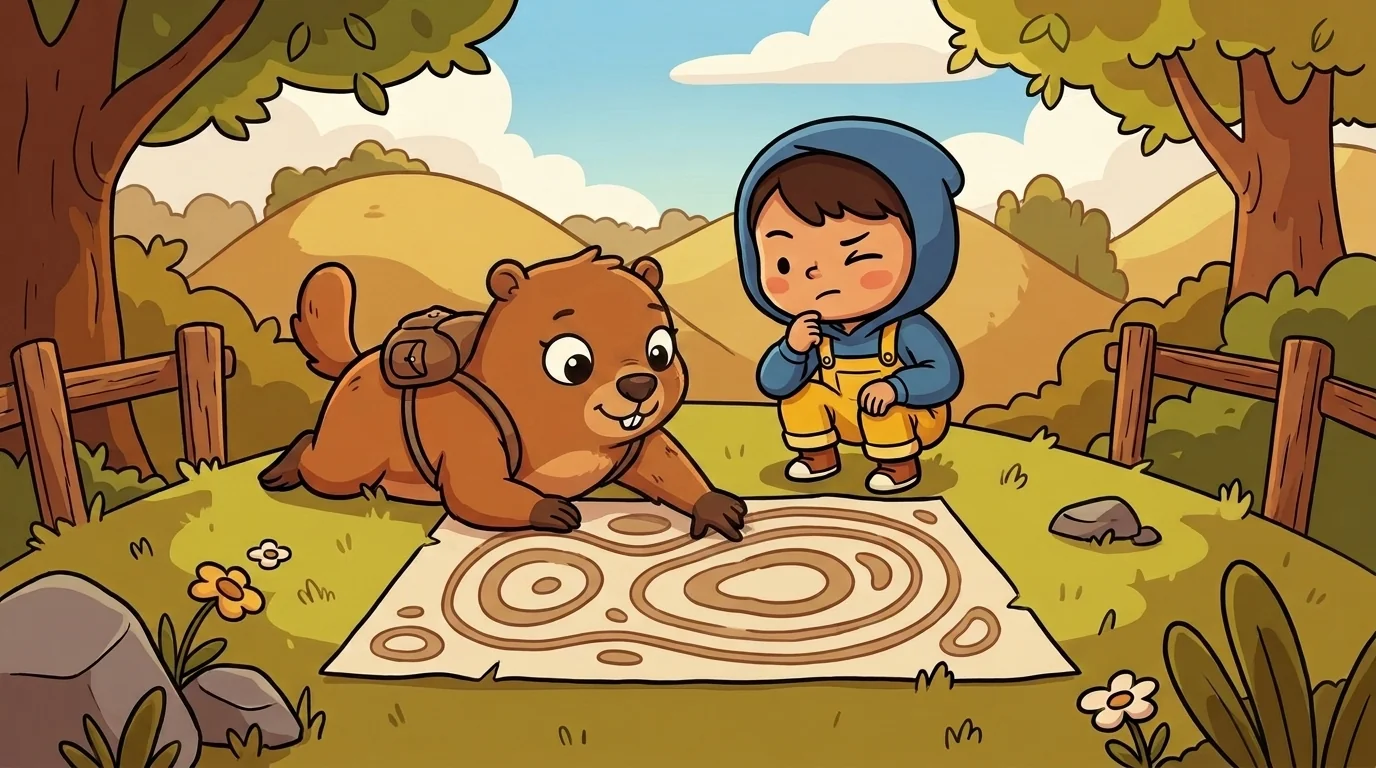
Relief the marmot lay on her belly at the edge of a paper map, nose almost touching it, reading a mountain that wasn't there.
To the young traveler beside her, the map was just a page of thin brown loops, ring inside ring inside ring, like the grain of a cut log. To Relief it was a whole landscape standing up in her mind.
"Here," she said, tapping the middle of the tightest rings. "This is the top. The peak. You feel it?" She ran a claw outward, ring by ring. "And here the rings crowd up close, almost touching — that's a cliff. Steep. You'd need all four paws and your teeth." She slid her claw to where the rings spread out wide and lazy. "But over here they're far apart. That's a gentle slope. You could roll a barrel up it." She looked at the traveler, delighted. "The mountain is standing right here on the flat paper. You only have to know that close-together means steep and far-apart means gentle. Then the whole hill sits up and shows you its shape."
The young traveler squinted. "They're just... circles."
"They're the mountain, sliced," Relief said, "at every height, and each slice traced onto the flat. Imagine the hill sitting in still water, and you mark the waterline. Then the water rises a step, and you mark it again. And again. All those waterlines, stacked on one page — that's the rings. The flat sheet can't grow a bump. So it remembers the bump this way instead. It's the cleverest honesty in all of mapmaking."
Relief had learned to read height before she could read words, and it had once saved her whole burrow.
She grew up on a mountainside where the marmots read the land by living in it — every marmot knew which slopes were gentle enough to graze and which were steep enough to kill. But the knowledge lived in old paws and old memories, and one hard winter the elder who held it most fell ill.
A traveler-fox came through with a survey map, all thin brown loops, and the young marmots laughed at it — a page of scribbles, no use to anyone who could simply look at the mountain. But Relief, small and curious, had lain down and studied it, and slowly the loops stood up in her mind, and she gasped: the map knew the mountain better than the young marmots did. It knew a gentle hidden ramp around the back of the killing cliff — a slope so mild you could walk it in the dark. A route the memory-holders had known once and half-forgotten.
When the storm came and the front slope turned to ice, it was small Relief who led the burrow around the back, up the gentle ramp the crowded-and-spread rings had shown her, every marmot safe. The elder, recovering, held her paw. "You read the mountain off a flat page," she marveled. "Held its whole steepness in your head from a handful of loops."
"The map remembered what we forgot," Relief said. And she felt, under the fright and the cold, a warm astonishment that never left her: a flat sheet, read rightly, could hold a mountain whole — and hand it to someone who'd never climbed it.
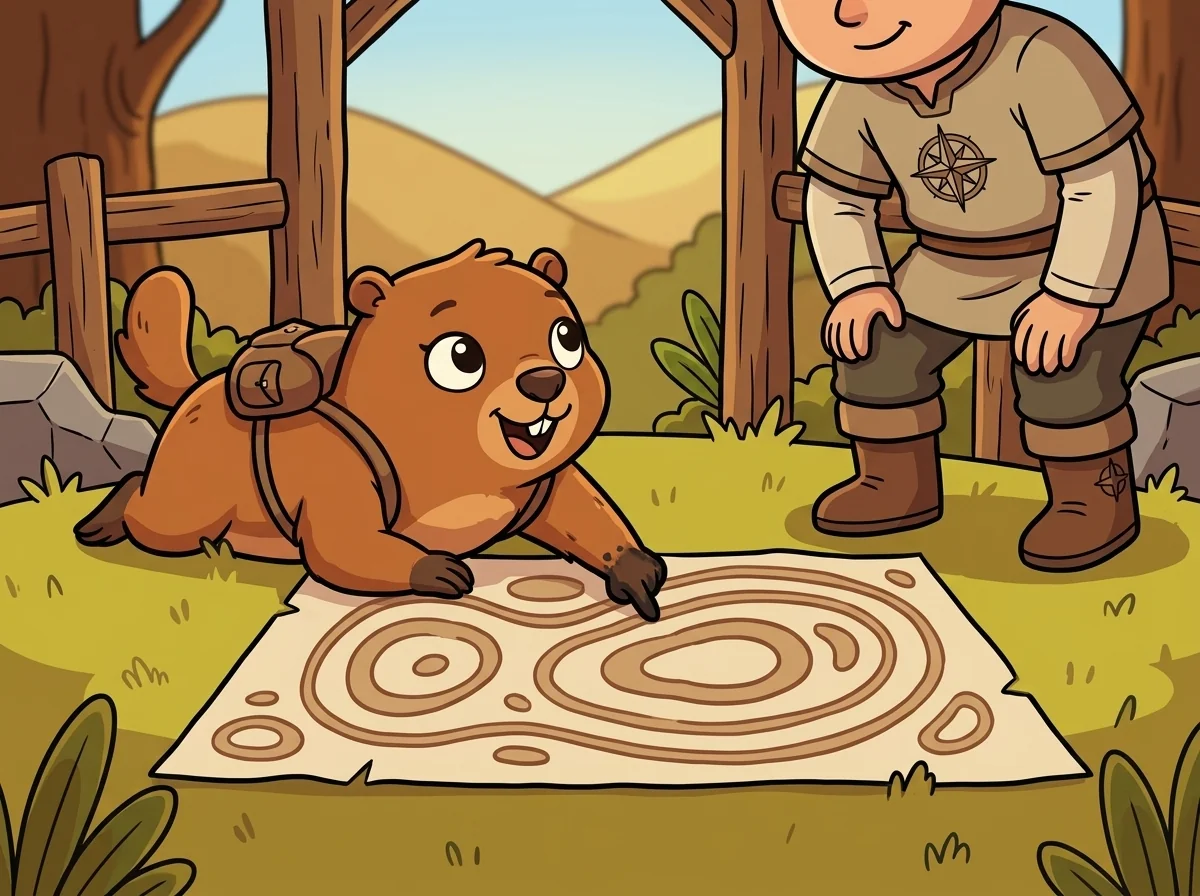
She walked to MapForge grown, sure-pawed and low to the ground, because a guild that studied maps ought to let a flat page keep its mountains.
Atlas met her at the gate and asked only, "How does a flat sheet remember a hill?"
Relief did not answer with words first. She dipped a paw in ink and drew, quickly — a set of loops, tight in the middle, crowded on one side, spread wide on the other. Then she looked up. "It rings the hill at every height and lays the rings flat," she said. "Crowded rings, steep ground. Spread rings, gentle ground. A bare page can't stand a mountain up — so it stacks its shadows, one for every step of height, and any reader who knows the trick can stand the whole mountain up again in their head."
Atlas studied the loops. "And why does that matter to a traveler who has legs and can simply climb?"
"Because the map knows the mountain before the legs do," Relief said. "It can show you the killing cliff and the gentle ramp on the same page, before you've spent a single breath. It turns a surprise into a plan." She tapped the tight rings. "Nobody has to fall off a steep place they could have read about first."
Atlas smiled. "You belong here. A map that can't remember its mountains is only half a map."
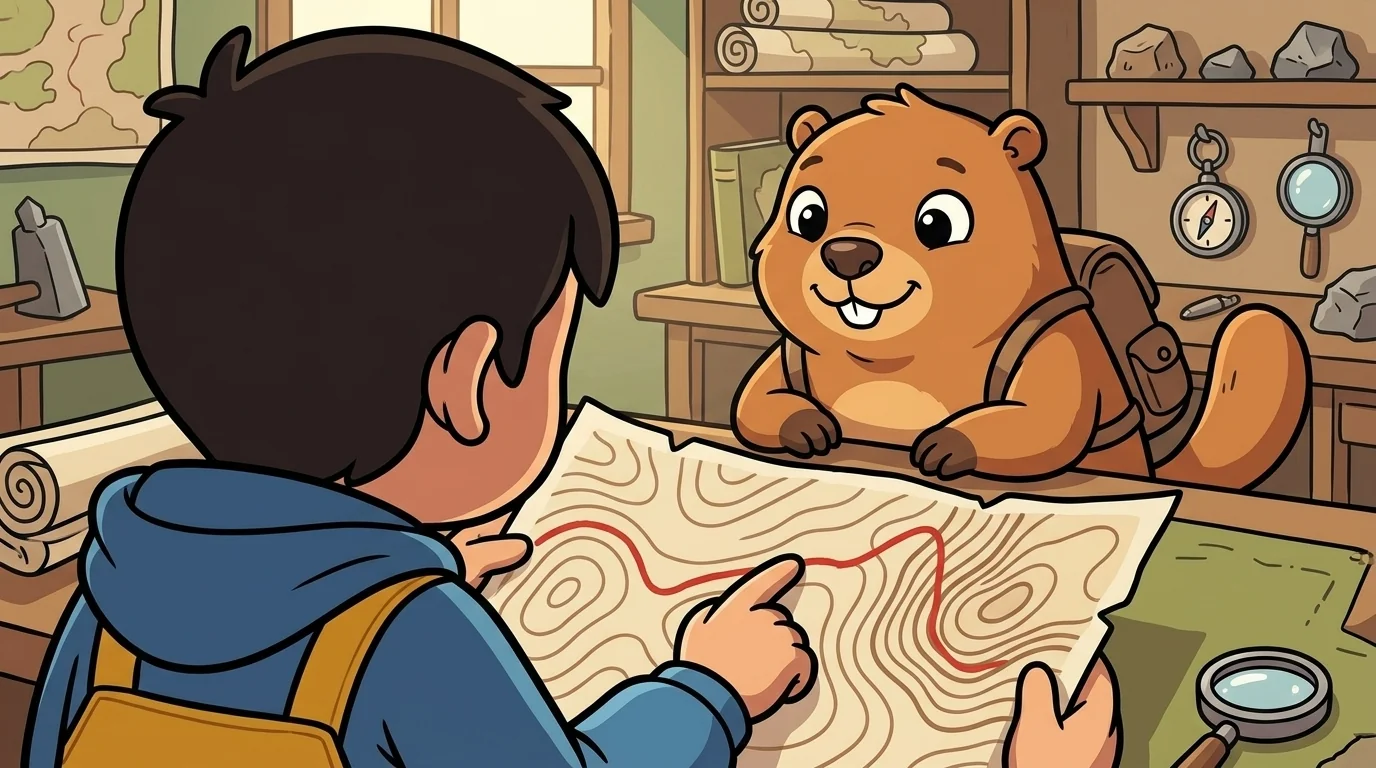
A student slouched into Relief's workshop with a contour map crumpled in his fist. "This is useless," he said. "It's flat. It's a bunch of squiggles. If I want to know a place is steep I'll go there and it'll be steep."
Relief did not argue. She smoothed the crumpled map on the floor. "This trail," she said, tracing a red line someone had drawn across the loops. "You're hiking it tomorrow. Tell me where you'll be gasping and where you'll be strolling. Just from the page."
He scoffed — then, because she waited, he looked. His finger drifted along the red line. "It's... fine here, the loops are far apart." His finger moved. "Then it — oh. Here they all bunch up. Really tight. Like, jammed together." He looked up, a little startled. "That's steep. That's really steep. It's right in the middle of the hike."
"So now you know," Relief said warmly, "to eat your lunch before the bunched-up part, not after. You know to save your legs. You know a hard climb is coming an hour before it arrives — off a flat page you called useless." She tapped the crowded rings. "The mountain told you. It's been telling you the whole time. You just learned to hear it."
The boy looked at the loops that were suddenly a mountain. "I thought I had to be there to know," he said slowly. "But the map already knew."
"The map already knew," Relief agreed. "That's the gift. It hands you the climb before your legs ever meet it."
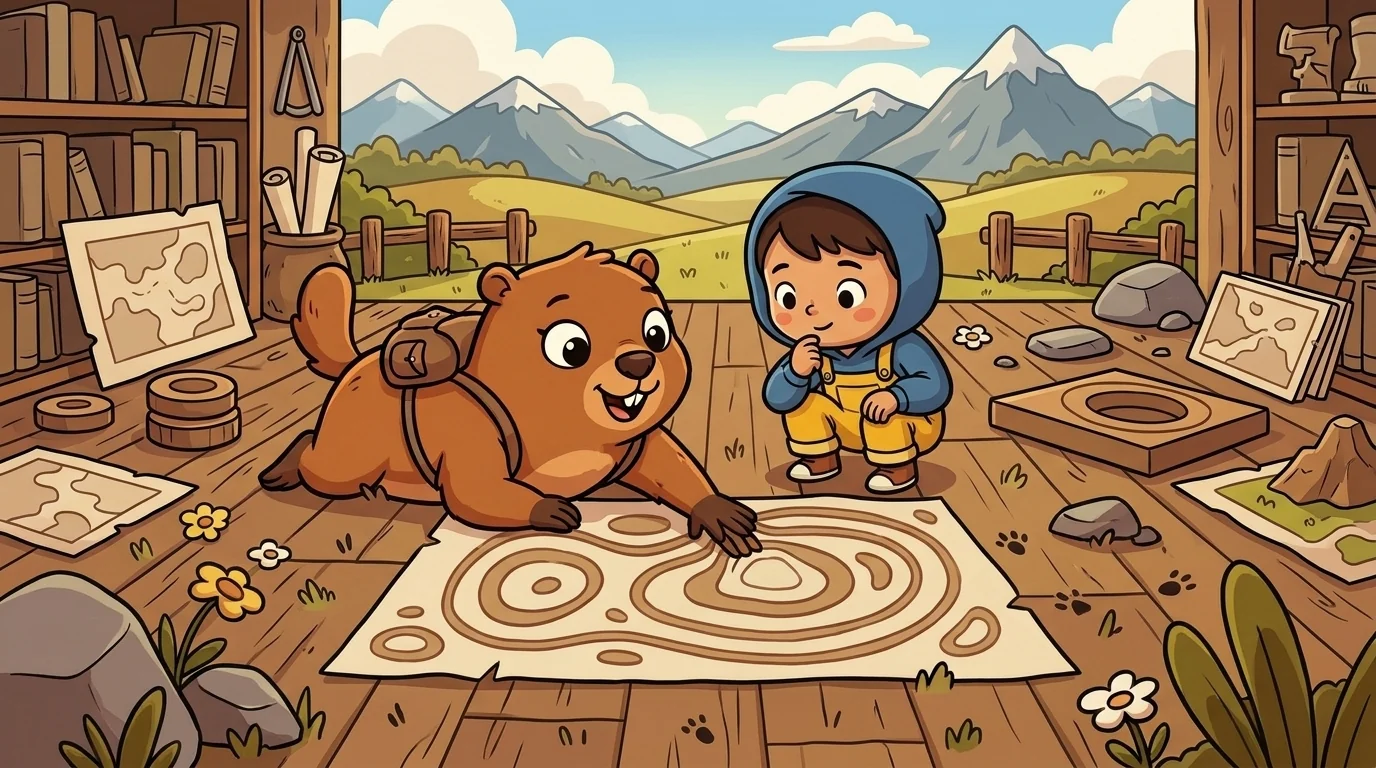
Later, when the workshop was quiet, the boy came back and sat on the floor by the smoothed map.
"How do you see it?" he asked. "The mountain, standing up, off the flat. My eyes just see loops. Yours see the whole hill."
Relief thought of the icy front slope, and the gentle back ramp the rings had shown her in the dark, and her whole burrow walking to safety on a route drawn in thin brown lines.
"When I was small, the loops were scribbles to me too," she said. "Until the night they weren't — until they stood up and showed me a way through a storm that the oldest paws had forgotten. After that I never saw flat again. I look at the rings and I feel the ground under my paws: here it drops away, here it eases, here I'd have to dig in and climb." She pressed her palm flat against the page, and under it, in her mind, was a mountain. "It stops being a page. It starts being a place you can walk before you walk it."
She looked at the boy, and at the loops that had just become a hill for him too, and something in her went soft and glad.
"That's what I love most," she said quietly. "Not that I can read the steepness — anyone can learn the trick. It's that a flat sheet was patient enough to hold a whole mountain still, all its danger and all its gentle places, just waiting for someone to lie down close and let it stand back up." And she felt it settle warm along her spine, steady as level ground: the map had never been flat at all. It had been a mountain the whole time, holding its breath, keeping every height safe until a reader came to set it free.
The MapForge ensemble
Relief is part of MapForge's distributed-narrative cast. Each character embodies a different curricular primitive; together they teach the full subject.
-
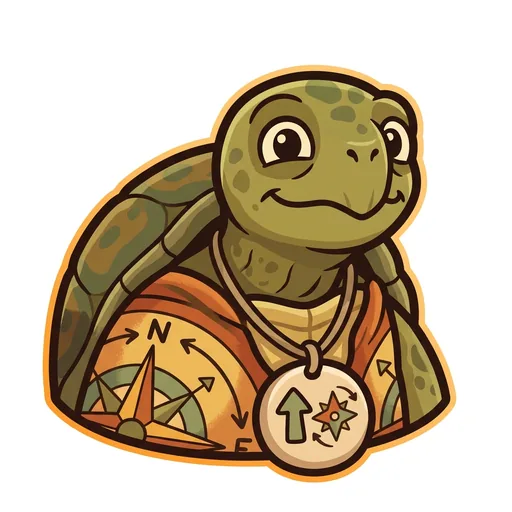
Bearing
Orientation — the tortoise-elder who treats north-up as a convention, not a truth ('north is one direction, not the direction'); teaches that orientation is a choice mapmakers make
-
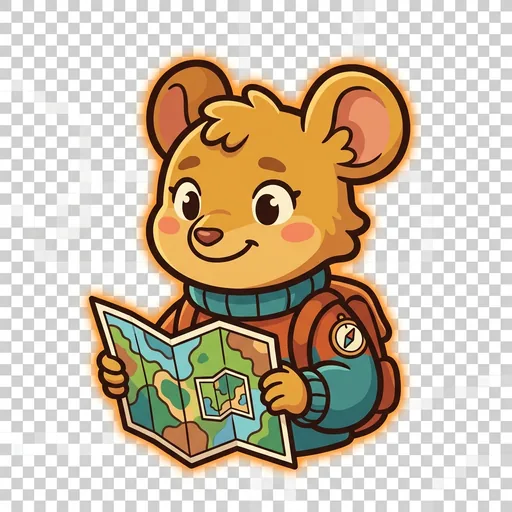
Inset
Scale — the field-mouse-tween with a folded map-within-a-map who teaches scale-choice as a political act ('bigger map, less detail; smaller map, more story — pick on purpose')
-
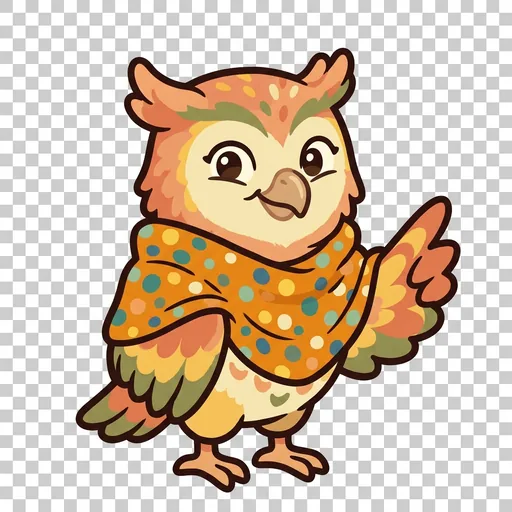
Key
Legend literacy — the owl-tween in a dot-shawl who treats the legend as the mapmaker's confession ('what's NOT on the map — that's also a map')
-
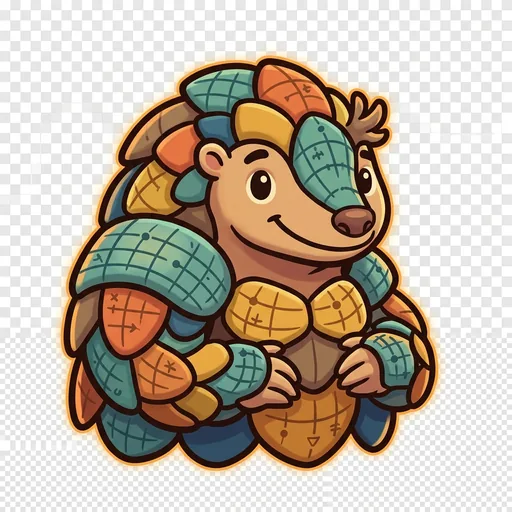
Plot
Coordinates — the pangolin-tween with graticule-scale armor who teaches that coordinate systems are human inventions, plural across cultures ('every place has many addresses; many cultures have many ways of saying here')
-
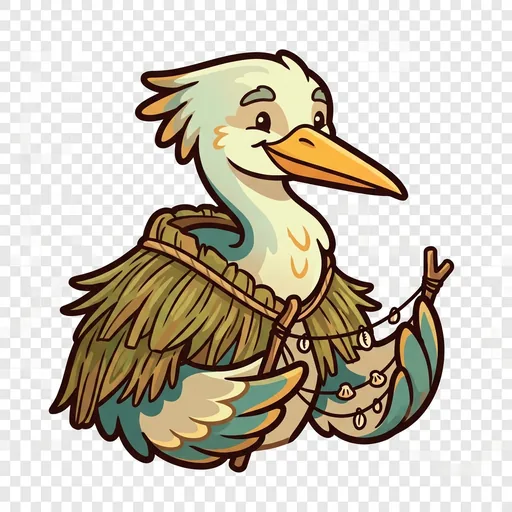
Wayfind
Non-Western mapping traditions — the heron-elder in a woven-grass cloak with stick-chart props who structurally elevates Polynesian wayfinding, Aboriginal songlines, and Indigenous TEK as peer cartographies ('some maps you sing, some you walk, some you only learn from elders')
-
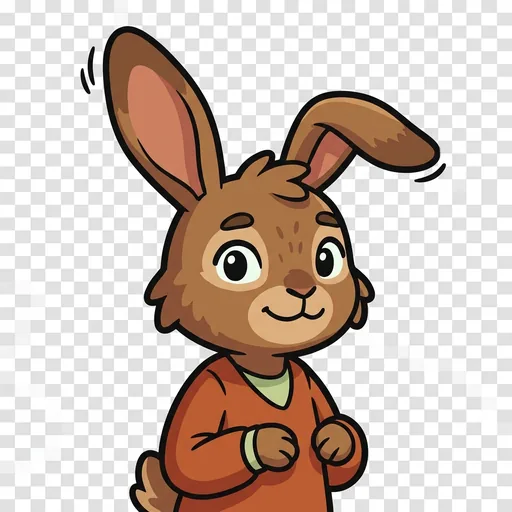
Course
Routes — a map holds every way from here to there; which is best depends
-

Facet
Thematic mapping — the same land mapped for different purposes
-

Mete
Borders — a line people agreed on, not a thing the land grew
-
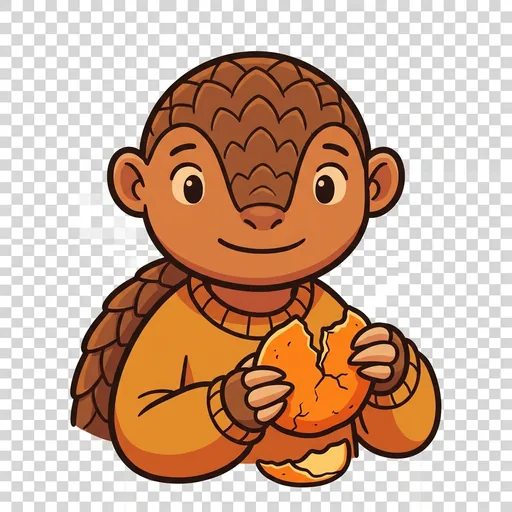
Splay
Projection — you cannot flatten a round world without stretching somewhere