
Carry
CULTURAL-TRANSMISSION — *the idea traveled; every place it visited, it grew.* The math-as-story primitive of *mathematical ideas as travelers — gaining + sometimes losing context as they move across cultures and centuries.*
Loading audio…
Press play to listen along. The line being read lights up as you go.
Show full transcript
Loading transcript…
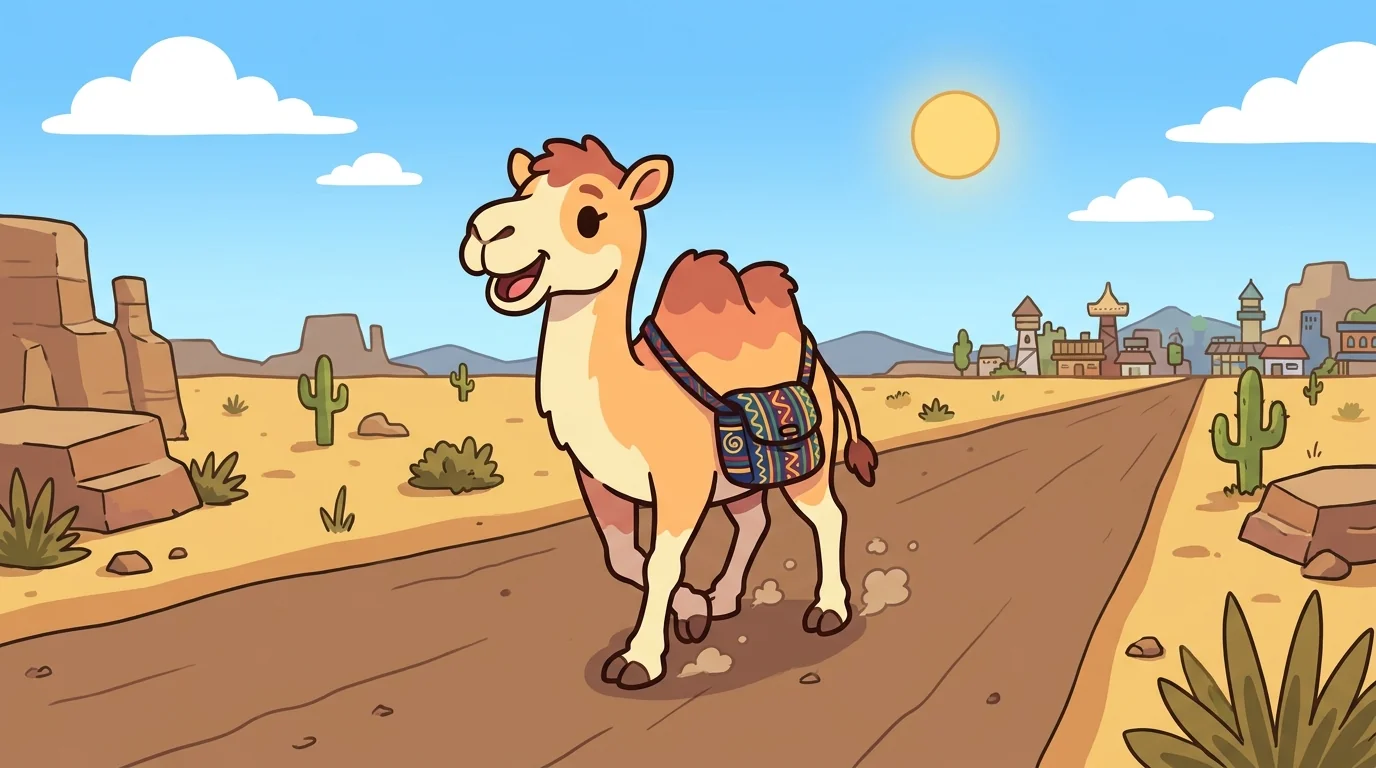
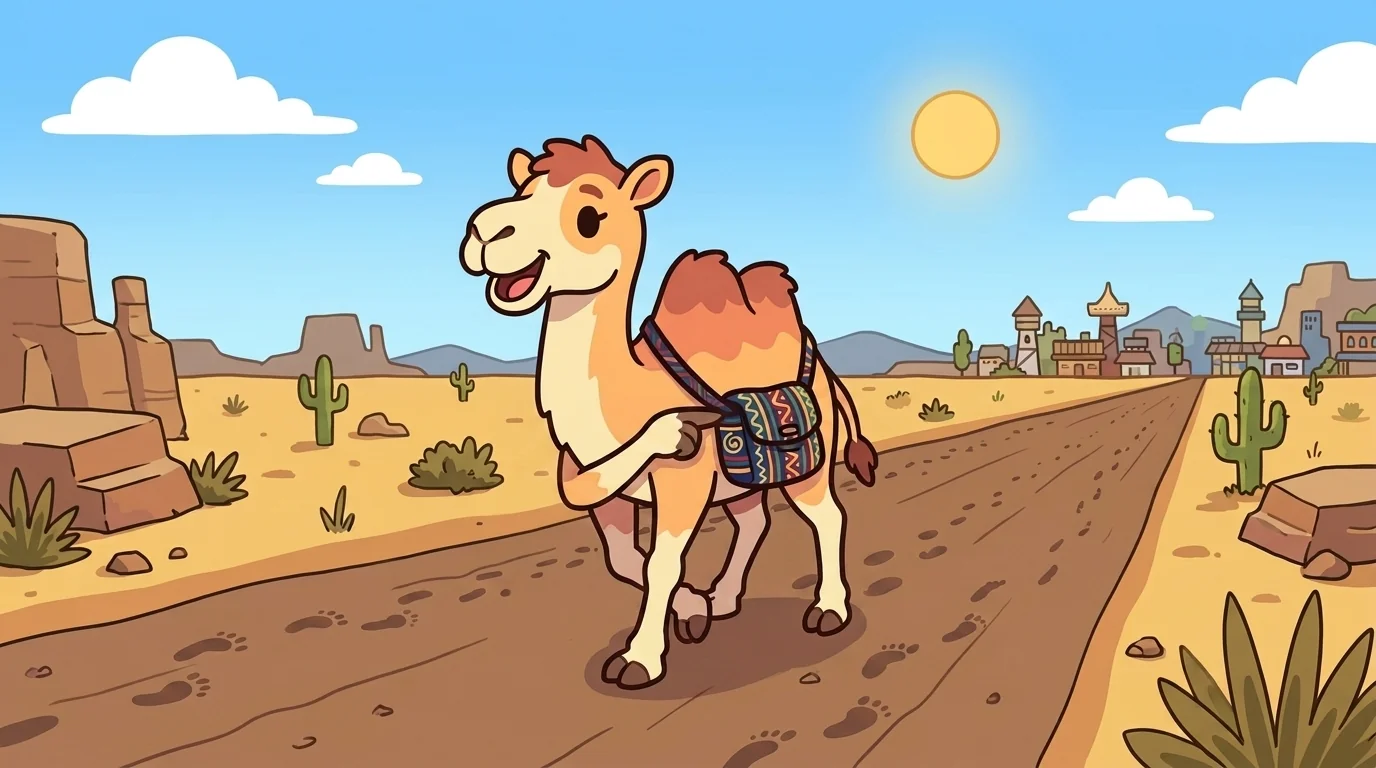
The dust road out of the old market town wound east toward the mountains, and Carry walked it at her usual patient pace, humming a tune she'd picked up three towns back. Her cream and russet fur had gone the color of the road itself. Slung across her shoulder was the woven travel-pack, and every so often she stopped, knelt, and opened it — not to take anything out, but to add.
At a caravanserai that morning a spice-trader had shown her how his people wrote the number for four hundred: a single mark, a loop, three short strokes. Carry had drawn it in the dirt, drawn her own beside it, and found they meant the same amount by a different road. Now, walking, she stitched a new line into the pack's pattern with a bone needle — a thin diagonal, angled to echo the trader's loop. The pattern was already crowded with such lines, each one a place a number had passed through her hands.
"You gained a stroke today," she murmured to the pack, tapping it once. "And I gained a way of seeing the same four hundred that isn't mine, exactly, and isn't only theirs anymore either." She rose, adjusted the strap, and walked on. The mountains did not get closer any faster for worrying, so she did not worry.
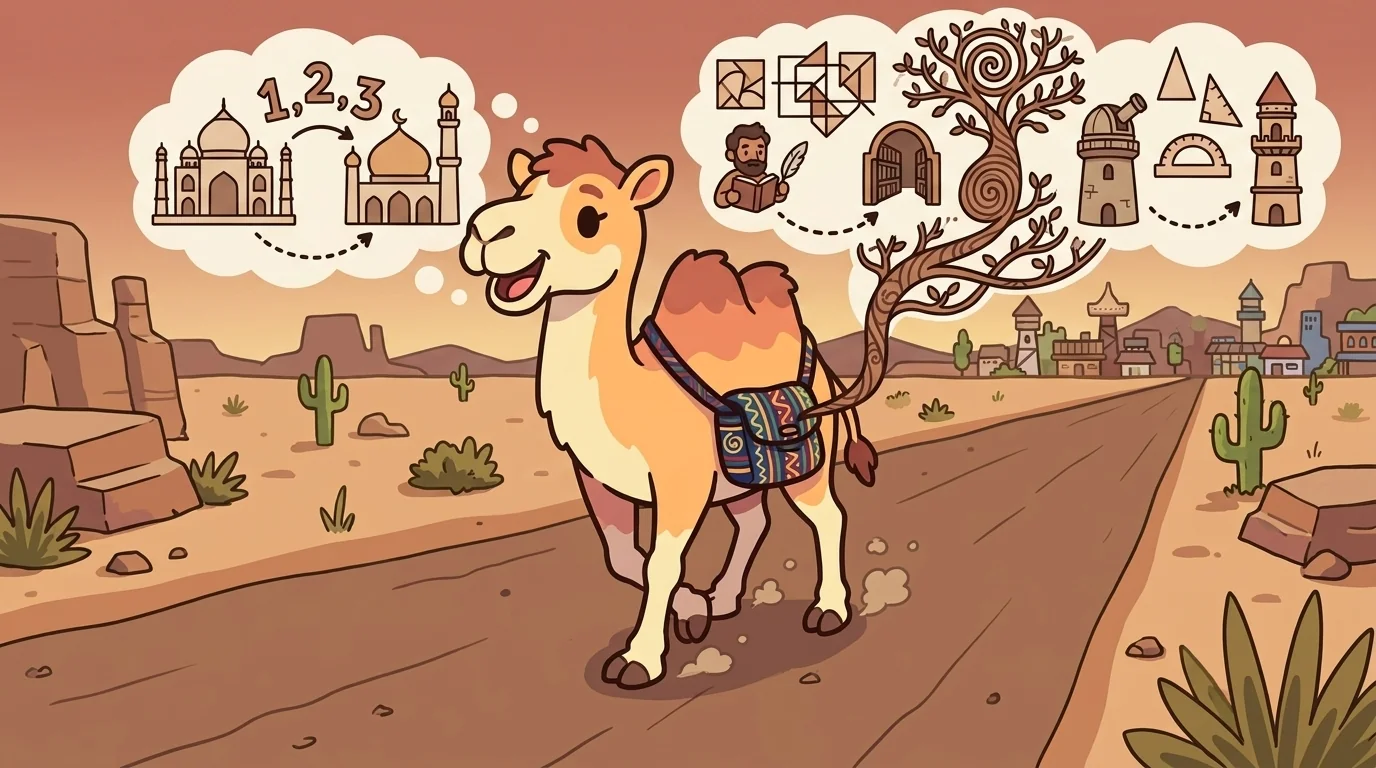
She had learned to carry before she learned to count high.
Her family moved goods along the old routes — salt one season, dyed cloth the next, always ideas riding free between the crates. When Carry was small, no taller than a loaded pannier, she rode atop the cargo and watched her mother trade. Not just cloth. Ways of reckoning. A merchant in one valley tallied on knotted cords; a scribe in the next tallied in wet clay with a wedge; a girl at a well counted on her knuckles, three joints to a finger, and reached twelve on one hand.
"Which is right?" young Carry had asked, indignant, because they could not all be right.
Her mother laughed and let a knotted cord run through her hooves. "Each is right where it grew. Watch what happens when they meet." At the next crossing a caravan from the south stopped beside theirs, and the two camps traded through the night — goods, and the knuckle-count for the knotted cord, and a trick for adding large sums that neither had known whole. By dawn both camps reckoned a little faster than before, and neither could say anymore whose trick it was.
Carry never forgot the feeling of that dawn: the small, dizzy joy of an idea arriving somewhere new and immediately becoming more than it had been. It had gained a context. Somewhere behind it, quietly, it had left one too. She decided then that she would spend her life on the road that made that happen.
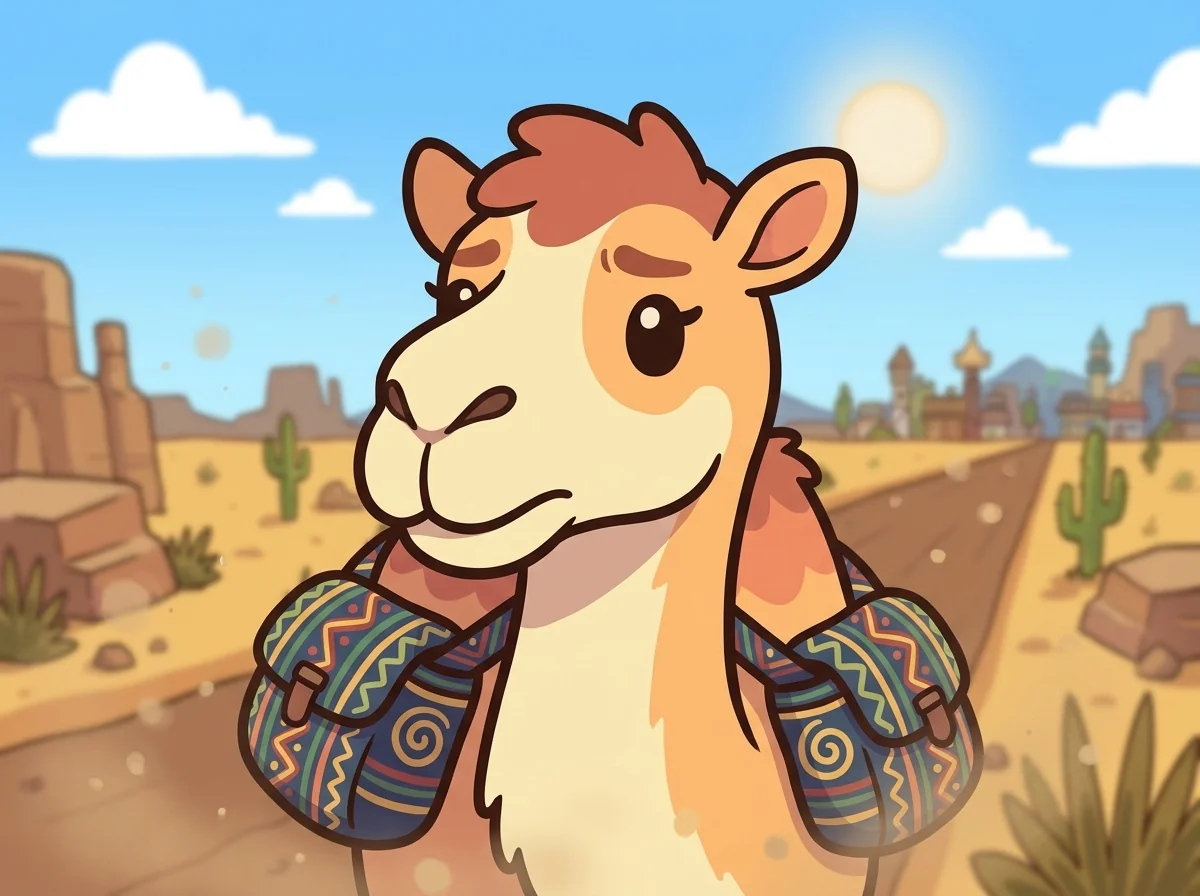
She came to MathLore at twenty-two, road-worn and unhurried, and asked to see the keeper.
Lore was waiting in the archive with ancient, parchment-colored eyes. She did not ask Carry to recite anything. She set a Roman tally-slate on the table — CXLVII beside LIX — and slid a stick of chalk across. "Multiply those," she said. "For me. Now."
Carry looked at the fat Roman letters and did not reach for the chalk. Instead she opened her travel-pack, took out a scrap of cloth, and wrote the same two amounts a different way: 147 and 59, digits stacked in columns, a small round nothing holding the empty places open. Then she multiplied — quickly, cleanly, in the stacked columns, carrying each overflow up into the next place as she went. She turned the cloth around so Lore could read the answer.
"That road came from far away," Carry said quietly. "India, first. Through scholars who wrote in Arabic. A trader's son named Fibonacci carried it into Pisa. It shaped calculations easier than the letters ever could — and it changed a little at every crossing." She rested a hoof on the pack. "I don't own the road. I only walk it, and keep it open."
Lore's eyes moved from the cloth to the pack to Carry's steady face, and she nodded once, slow as a page turning.
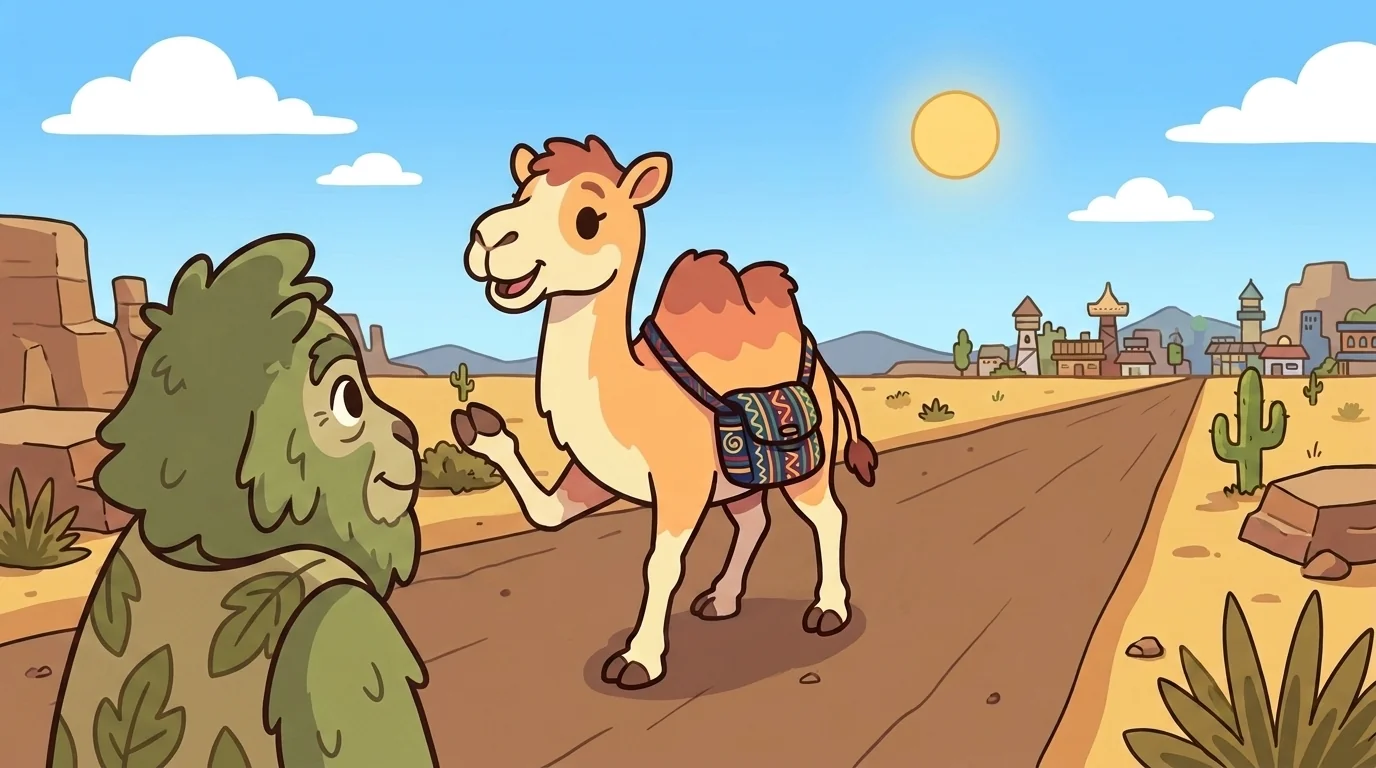
Later a young archivist found Carry in a courtyard chamber, unpacking her pack for a huddle of students, and lingered at the door to listen.
Carry had spread three writings side by side on the stones. "This is the same number in three hands," she told them, tapping each. "Different marks. Same amount. Watch how it travels — and watch what travels with it." She traced the round zero in the middle writing. "This little nothing does real work. Read 105. Now hide the zero — what's left?"
"Fifteen," a student said.
"Fifteen," Carry agreed. "The zero is what holds the one up in the hundreds place instead of letting it slump down to the tens. India worked that out and made it steady. It came west slowly — some places argued with it for a century before they'd let it in. An idea can be true and still have to knock a long time before a door opens." She smiled. "So when it finally opens, honor the ones who kept knocking. The translators. The traders. The bored scribe in a cold room copying a manuscript so it would still exist in a hundred years."
She let them try it themselves — carrying, regrouping, letting overflow climb one place higher — and moved among them, nudging. "You didn't lose the ten," she told one who'd dropped a carry. "You just left it standing at the door. Send it up. There." When a boy asked whether it was stealing, to use numbers his own grandmother had never used, Carry crouched to his height. "It isn't stealing, and it isn't a gift either. It's carriage — hands passing a thing across distance and time — and the carrying always shapes what's carried. Your grandmother's counting is in this too, somewhere down the road. You're a link now. Carry it gently."
The courtyard emptied slowly, until only the young archivist was left, still at the door.
"Doesn't it ever feel strange," she asked, "carrying so many things that started as somebody else's?"
Carry considered the question the way she considered a fork in a road — without hurry. She lifted a fresh writing from the pack, the trader's looped four hundred from that very morning, and turned it in the low light so the archivist could see it catch. "Nothing I carry started as mine," she said. "Not one stroke. And yet none of it is only theirs anymore, because it passed through my hooves and I passed it on changed — a little clearer, a little further along." She tucked it away and rested a hoof against the crowded, woven pattern.
"I used to think that made me small. Just a road between two greater places." She shook her head, and something warm and steady settled in her chest. "But I don't feel small. I feel glad. One patient link in a chain of countless hands, each one carrying something precious a little farther, so the next person down the road can find it waiting — and make it, in turn, their own." She smiled at the girl, and shouldered the pack, and the pattern seemed to hum with the next idea already on the road ahead.
The MathLore ensemble
Carry is part of MathLore's distributed-narrative cast. Each character embodies a different curricular primitive; together they teach the full subject.
-

Heap
Counting-as-first-story — every people figured out their own way to count
-

Spire
Pattern-as-discovery — patterns are everywhere when you slow down enough to see them
-

Vouch
Proof-as-shared-knowledge — show me why; if your why holds up, I'll build on it
-

Home
Math-as-cultural-context — this idea was born somewhere, for someone, with reasons
-
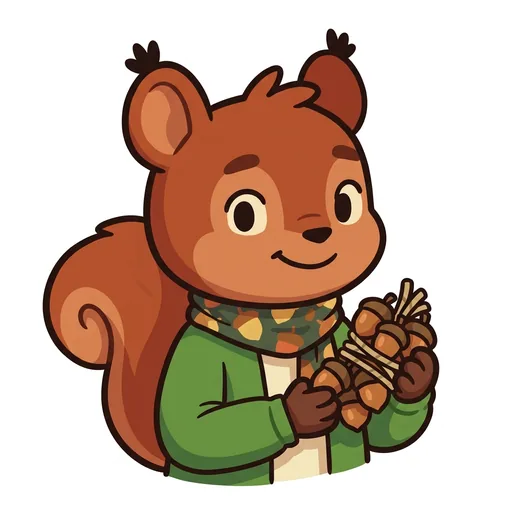
Dozen
Number bases (counting in twelves, tens, or twos — the base is a choice)
-
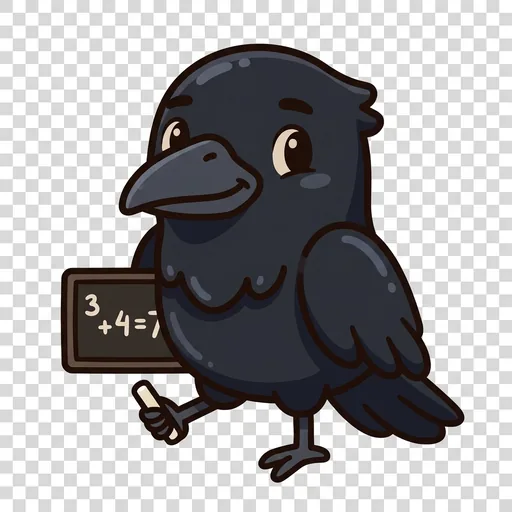
Etch
The invention of notation (writing math down so ideas can travel across time)
-

Frontier
Mathematics is unfinished (there are still open questions no one has answered)
-

Naught
The invention of zero (a symbol for nothing that changed everything)
-
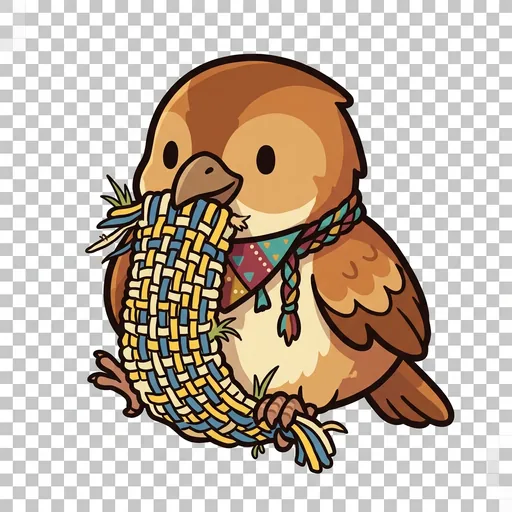
Warp
Math in everyday craft (the geometry hidden in weaving, building, and making)