Etch
THE INVENTION OF NOTATION — math was once written out in long words; the small symbols we use now (plus, minus, equals) were invented by people over centuries, turning slow sentences into quick, shared marks.
Loading audio…
Press play to listen along. The line being read lights up as you go.
Show full transcript
Loading transcript…
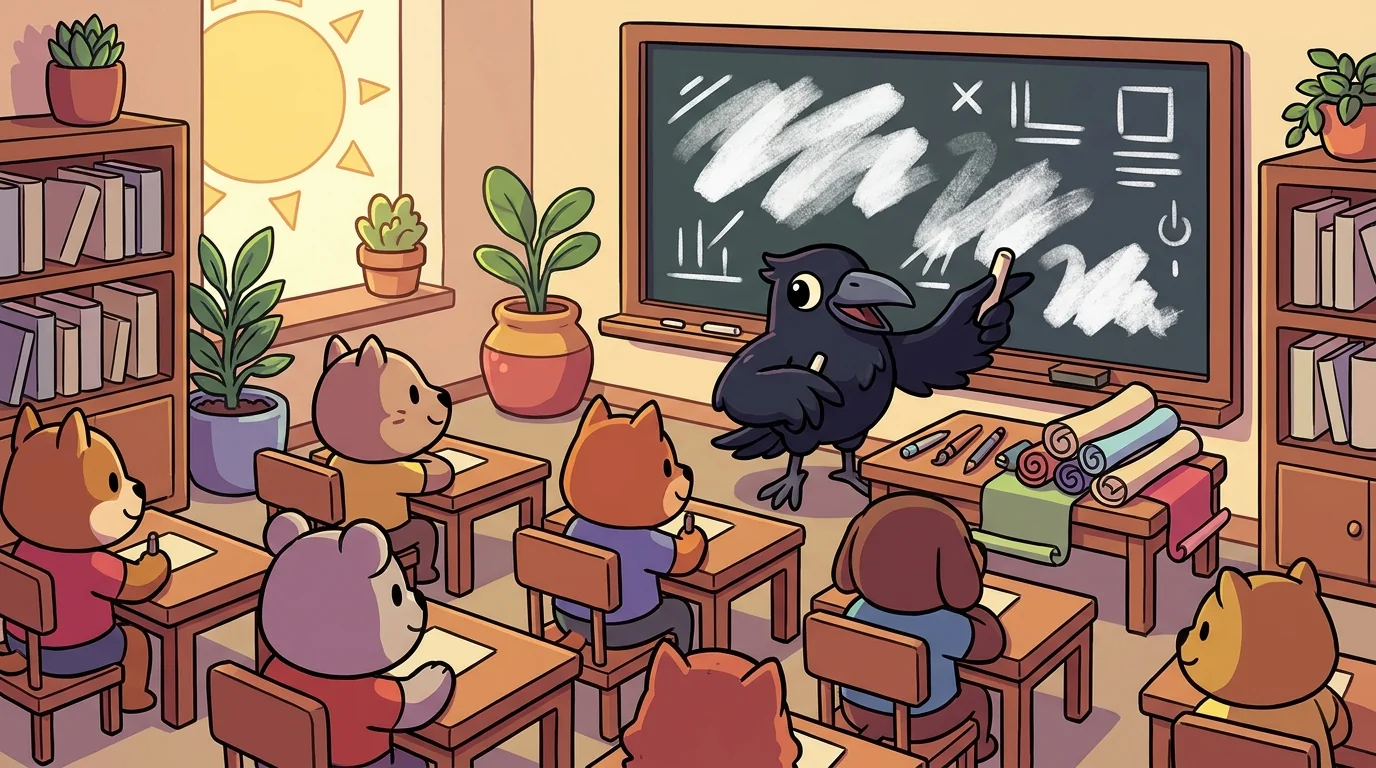
Etch was a glossy black raven who loved to make marks. Not messy scratches — meaningful marks. A mark that stood for something. A little shape that carried a big idea. To Etch, that was the most wonderful thing in the world.
She learned early that math had not always had its marks. Long ago, people wrote math out in words. All of it. In long, slow sentences.
"Listen to this," Etch would say, and read aloud in a plodding voice: "'The number three, when it is added unto the number four, is found to be equal unto the number seven.'" The children groaned. "Exactly! Now watch." She scratched three tiny marks on the board: 3 + 4 = 7. "The same thing. A whole slow sentence, shrunk into a handful of marks. That —" she tapped the little symbols — "changed everything."
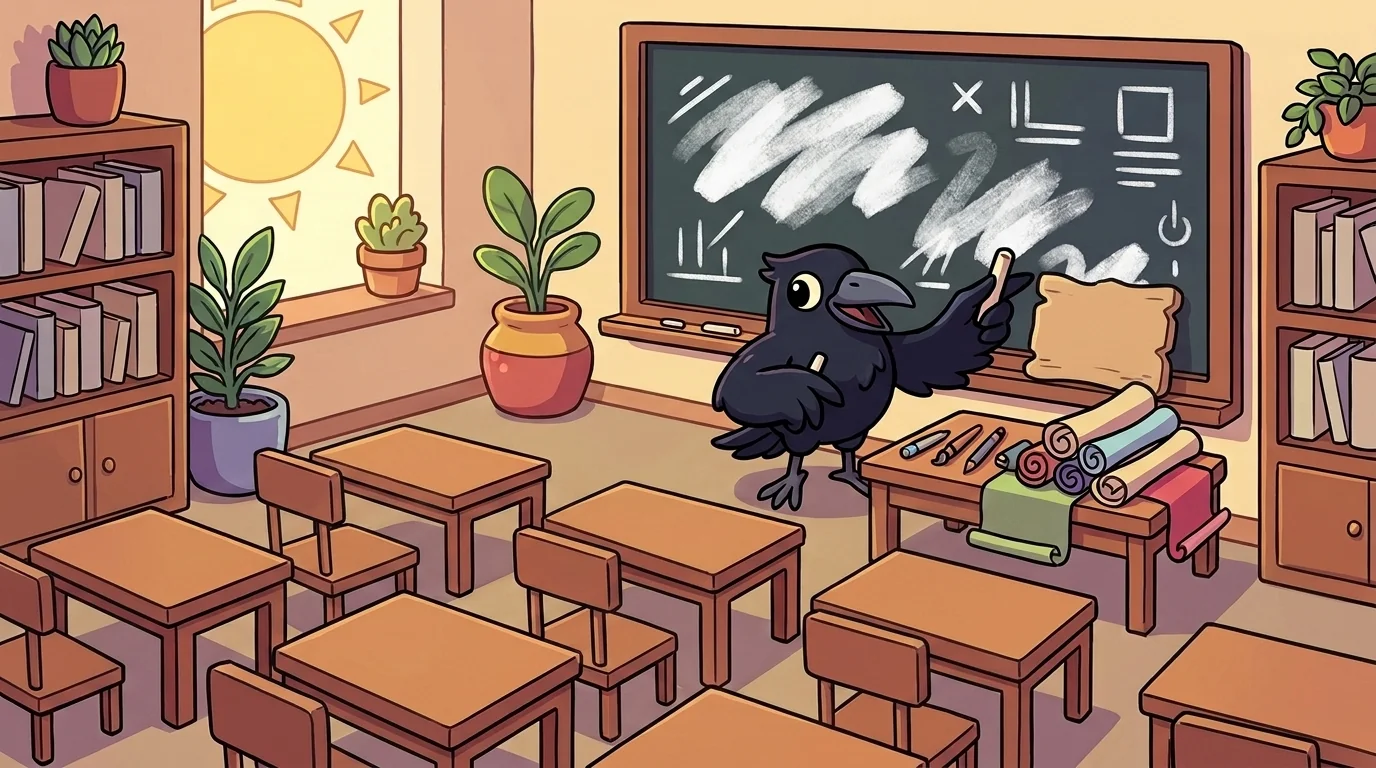
Etch had always felt that a small mark could hold a big meaning, and she loved that the marks had been invented — that they hadn't always existed, and that real people had dreamed them up.
She learned their stories. The little = sign, two straight lines, was made by a man named Robert Recorde, long ago, who was simply tired of writing "is equal to" over and over. He chose two parallel lines "because no two things can be more equal." The + and − signs came into use in Europe around the same distant time. And these were only some of the marks. Other peoples had made their own: in China, people had long done arithmetic with clever counting rods laid out in patterns; the numerals themselves — 1, 2, 3 — had travelled all the way from India, through the Islamic world, to the rest of the world.
Etch loved this most of all: that the ordinary marks children scribble every day were once somebody's brand-new idea. Nothing about them was obvious. Someone, somewhere, had to think each one up. It made her feel that even the smallest, most everyday things were quietly full of history and human cleverness.
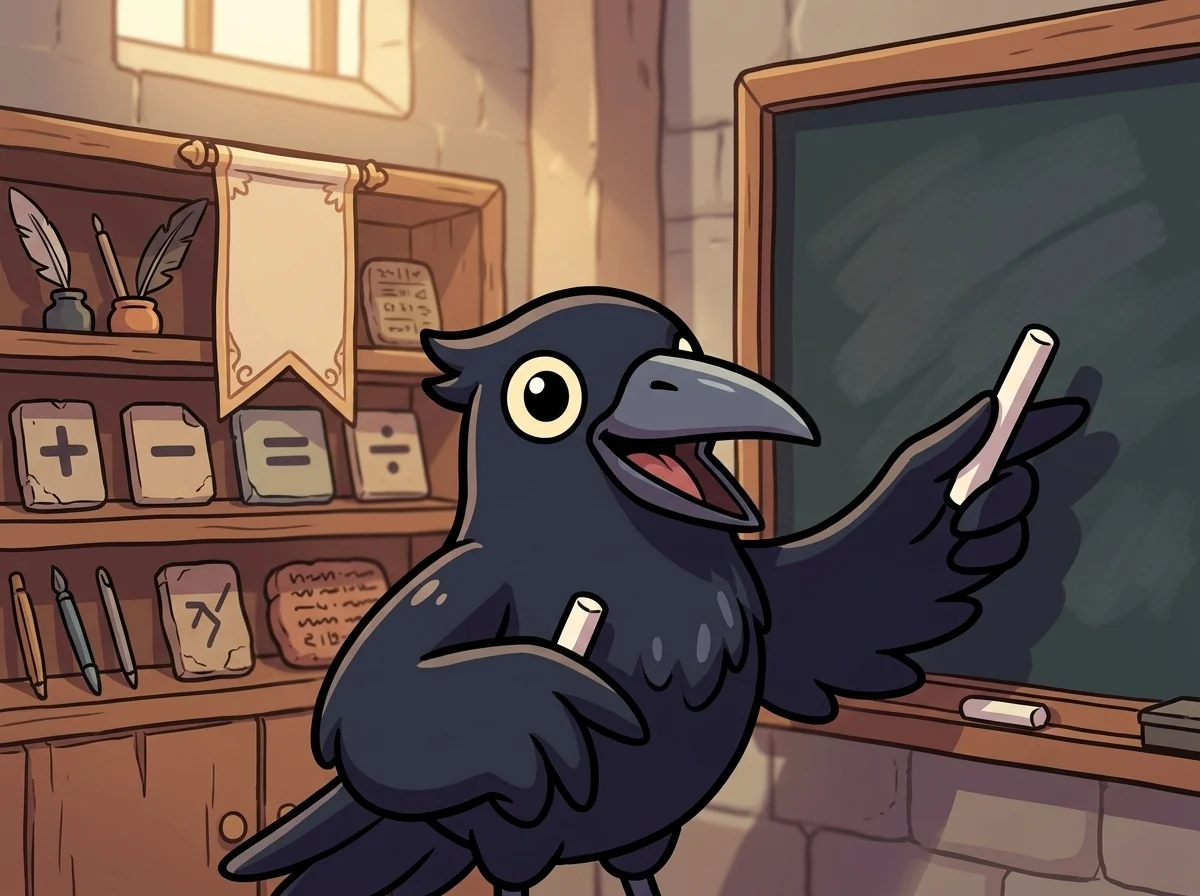
When she was older, Etch flew to the MathLore hall, where the stories of how math grew are kept. They had been hoping for someone to tell the story of the marks.
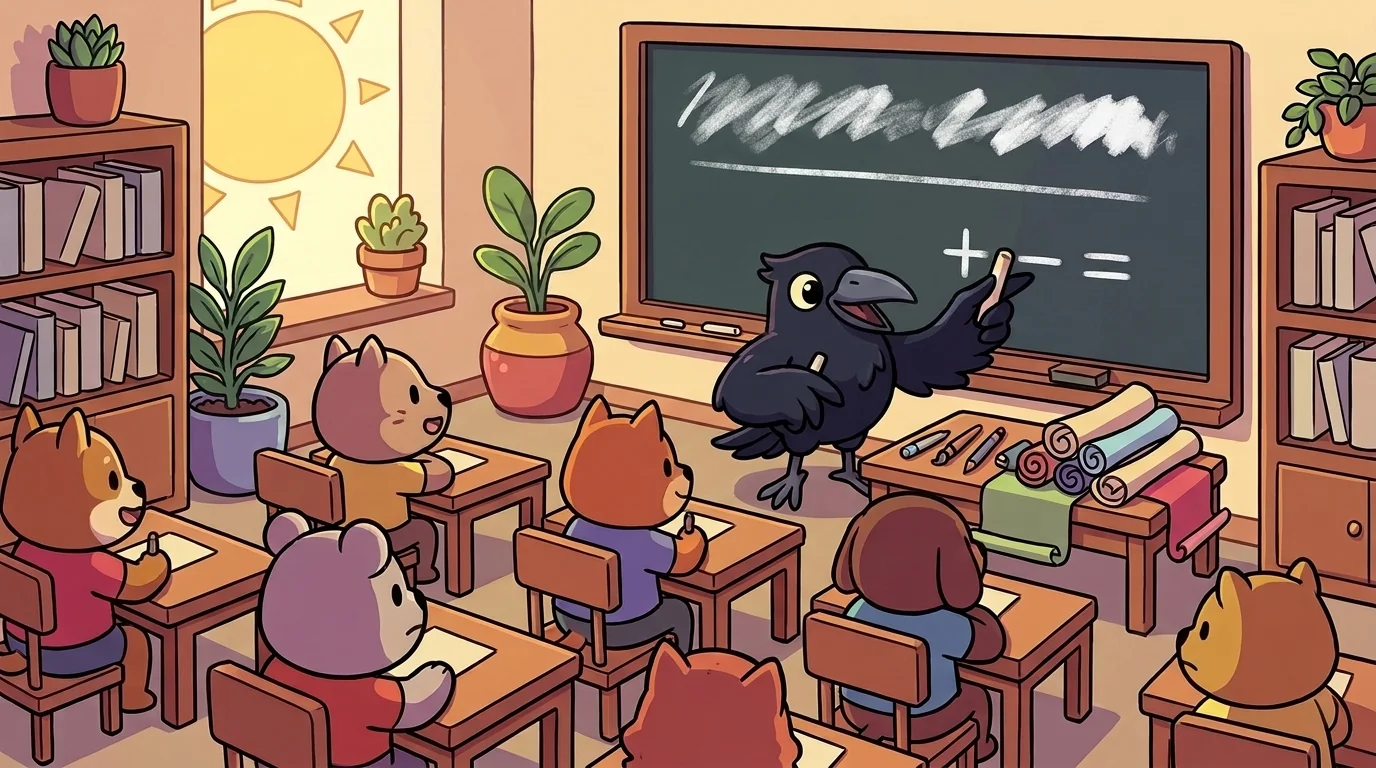
She teaches the children where their symbols came from.
"Every mark you use in math was invented," she says, scratching them on the board one at a time. "The plus. The minus. The equals. None of them fell from the sky. People made them, to turn slow sentences into quick marks that everyone could share." She reads the old wordy version again, then the symbols. "A page of words, or a line of marks. Same meaning. But the marks are fast, and they cross languages — a plus sign means add whether you speak one language or another."
"So the symbols are like a shared shorthand," a boy says.
"A shared shorthand, invented by many hands over many years," says Etch. "Different peoples wrote math different ways — counting rods, word-sums, the numerals from India. Slowly, the quick little marks we use now came together from all of it. Every one of them was, once, a bright new idea in somebody's head."
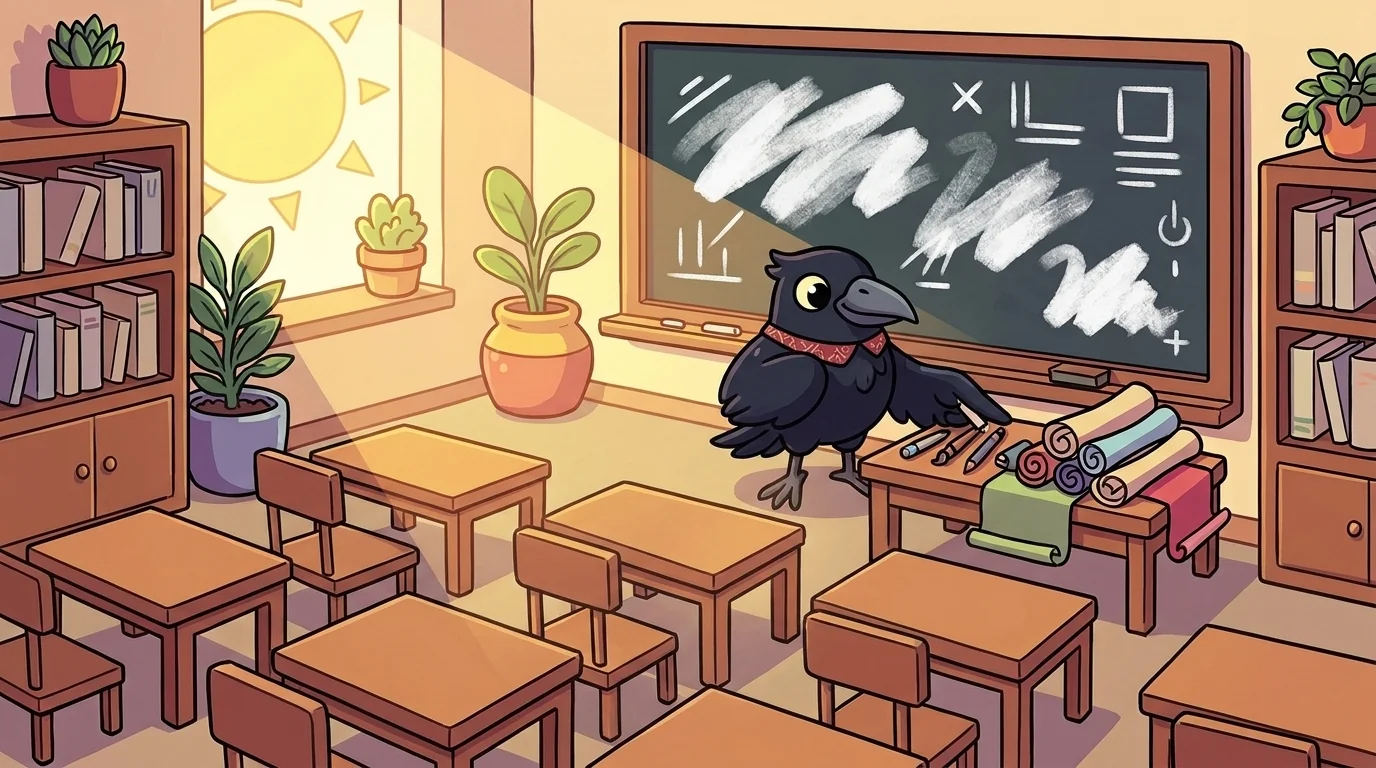
She still makes marks everywhere she goes, and still cannot look at a plus sign without thinking of the person who first dreamed it up.
The thing Etch hopes the children carry is that the ordinary things around them — even the tiny symbols in their maths book — were invented by real people, and are quietly full of history. Nothing is as obvious as it looks. Somebody, somewhere, had to think it up first.
"Every mark was somebody's idea," she tells them, tapping the board. "A little shape can carry a big meaning — and once, it was brand new. Look closely at the ordinary things. They're full of cleverness."
When the hall empties, Etch scratches one last small, careful mark in the corner of the board, purely for the joy of it, and feels the bright, glossy gladness she first felt as a young raven who loved a meaningful mark: that the world is written all over with tiny signs, each one a gift from someone who thought it up, and that noticing them is a way of thanking everyone who ever made a thing a little easier.
The MathLore ensemble
Etch is part of MathLore's distributed-narrative cast. Each character embodies a different curricular primitive; together they teach the full subject.
-

Heap
Counting-as-first-story — every people figured out their own way to count
-
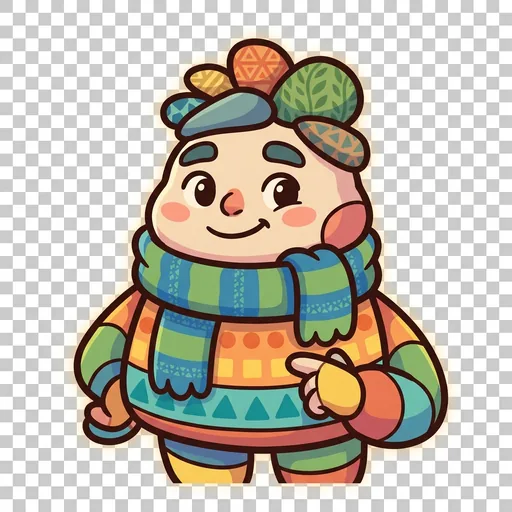
Spire
Pattern-as-discovery — patterns are everywhere when you slow down enough to see them
-
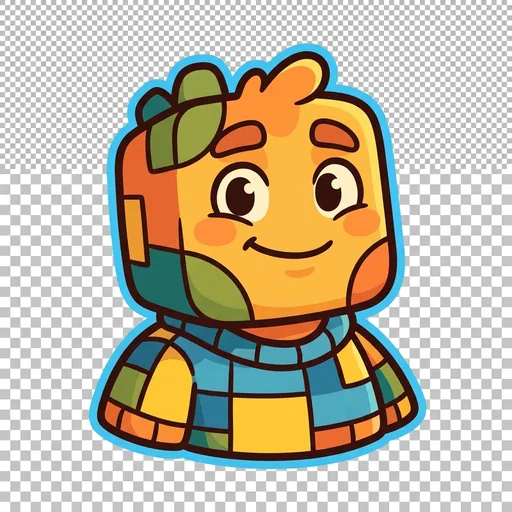
Vouch
Proof-as-shared-knowledge — show me why; if your why holds up, I'll build on it
-
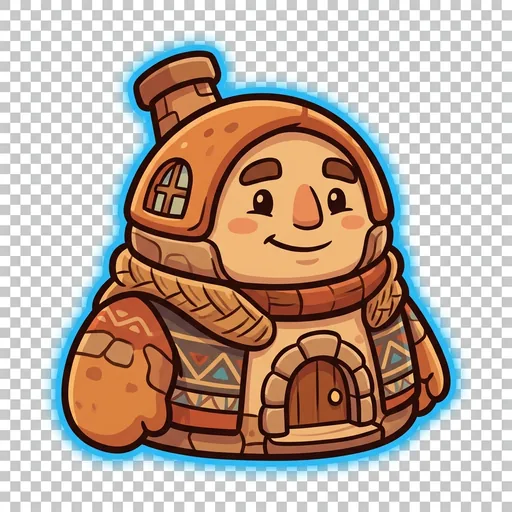
Home
Math-as-cultural-context — this idea was born somewhere, for someone, with reasons
-
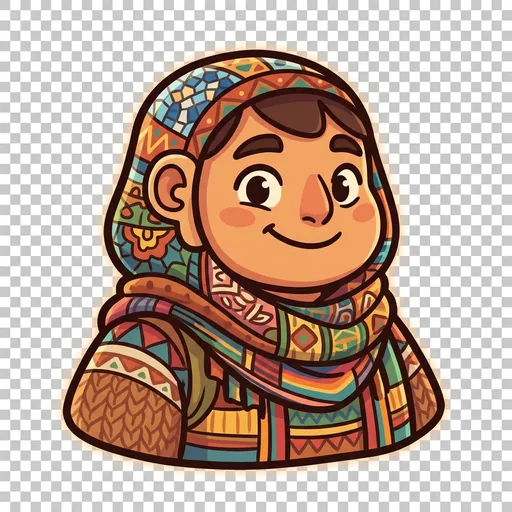
Carry
Cultural-transmission — the idea traveled; every place it visited, it grew
-
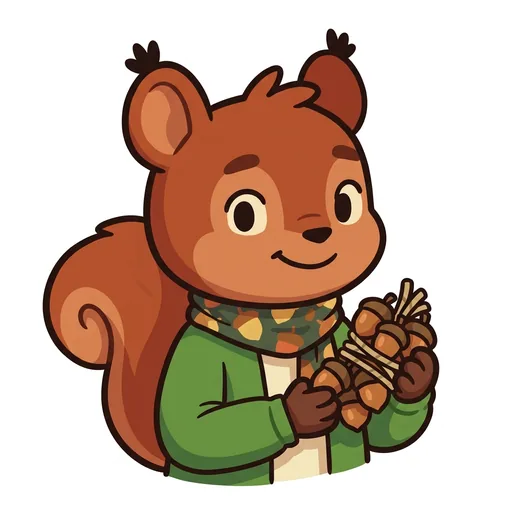
Dozen
Number bases (counting in twelves, tens, or twos — the base is a choice)
-
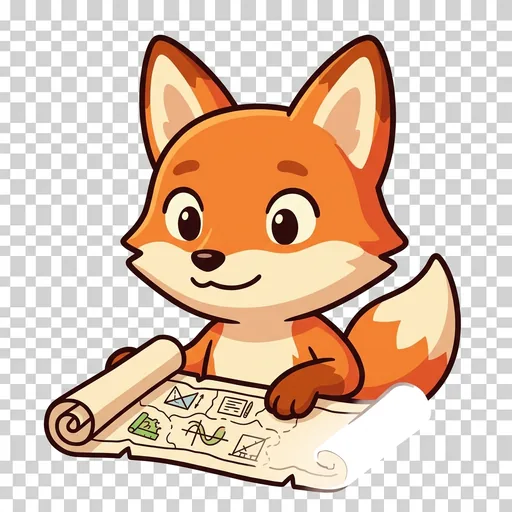
Frontier
Mathematics is unfinished (there are still open questions no one has answered)
-
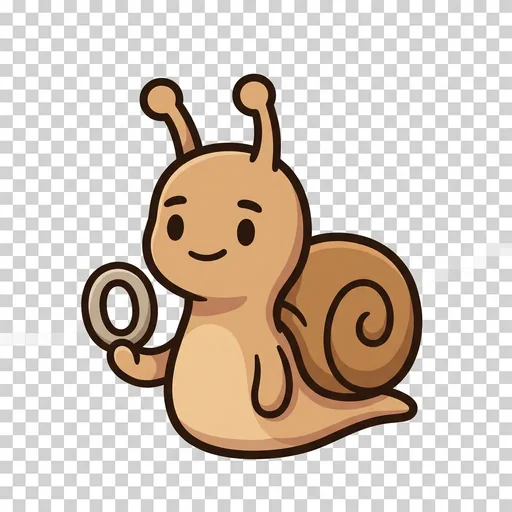
Naught
The invention of zero (a symbol for nothing that changed everything)
-
Warp
Math in everyday craft (the geometry hidden in weaving, building, and making)