Twine
COUNTER-MELODY
Loading audio…
Press play to listen along. The line being read lights up as you go.
Show full transcript
Loading transcript…
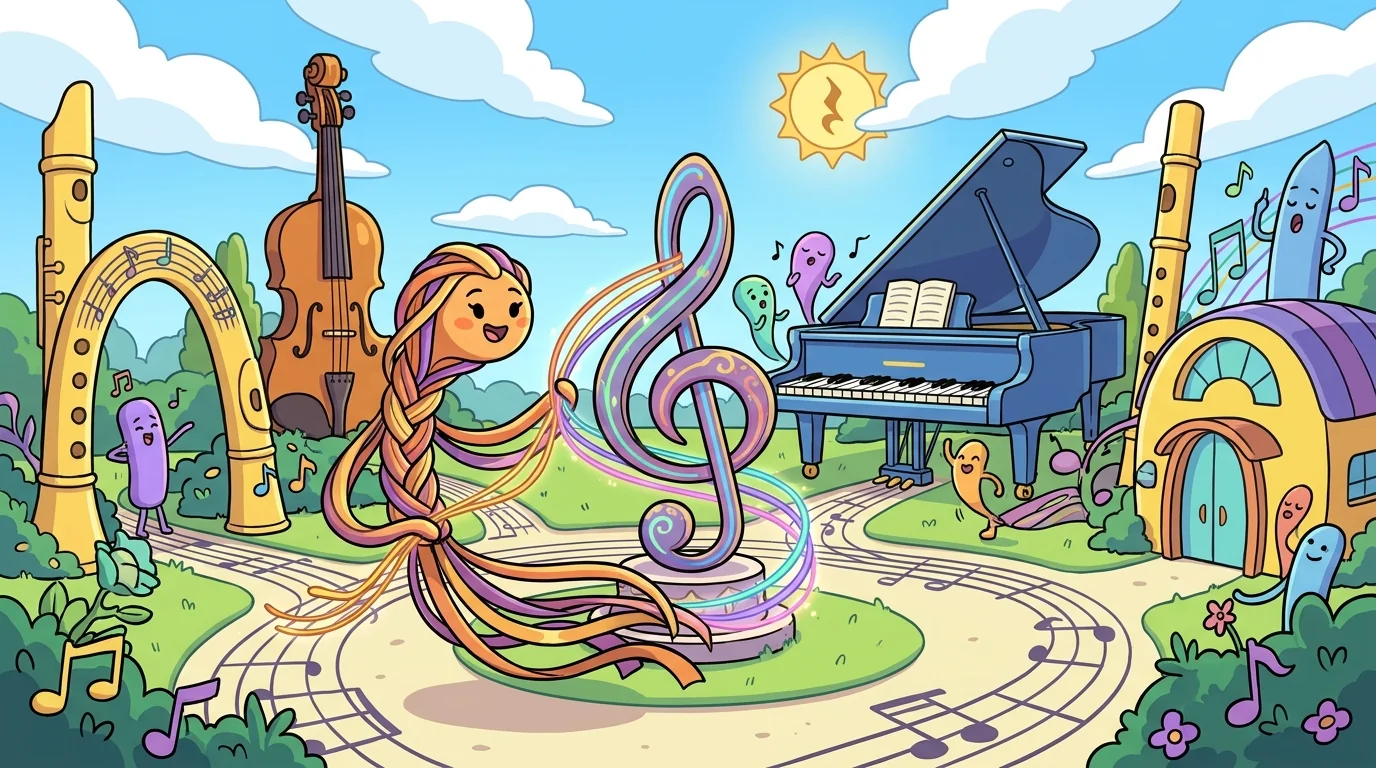
At the MotifLab academy, where a small tune named Trill was the hero of every song, there lived a graceful, quick creature named Twine — and Twine loved to sing her own little tune at the very same time as someone else's.
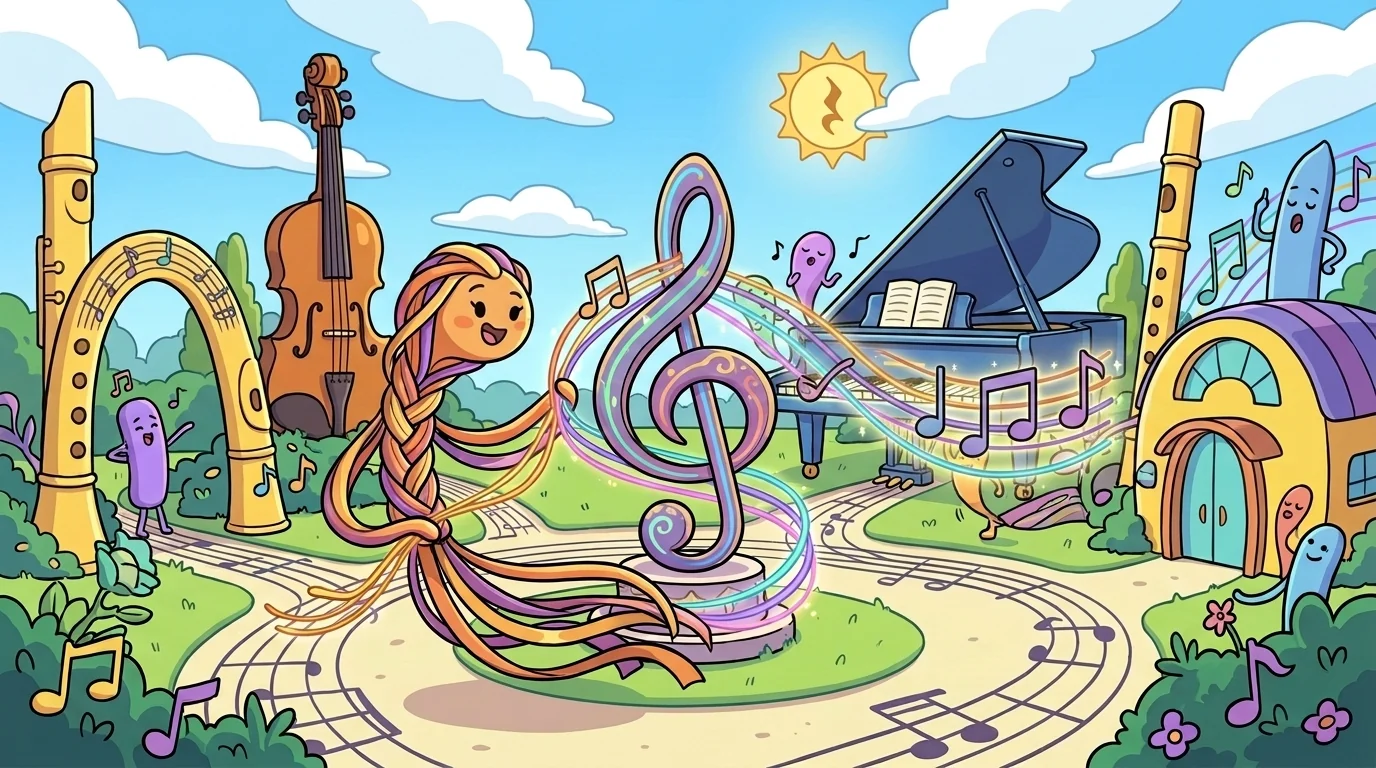
When Trill sang his four-note motif, Twine would slip in beside him with a different melody — not copying Trill, not drowning him out, but weaving around his notes like a second dancer who never once bumped into the first. Where Trill held a note, Twine moved. Where Trill leapt, Twine held still. Two separate tunes, braided into something richer than either one alone.
"There are two melodies at once and they fit!" a young composer said, delighted.
"That's the weave," Twine said, tracing a braiding motion in the air. "I'm Twine. I keep the counter-melody — a second tune that weaves against the first. My own little melody, playing at the same time as the main one. Not copying Trill. Not fighting him. Weaving around him, like two dancers who never collide. Two tunes, braided together."
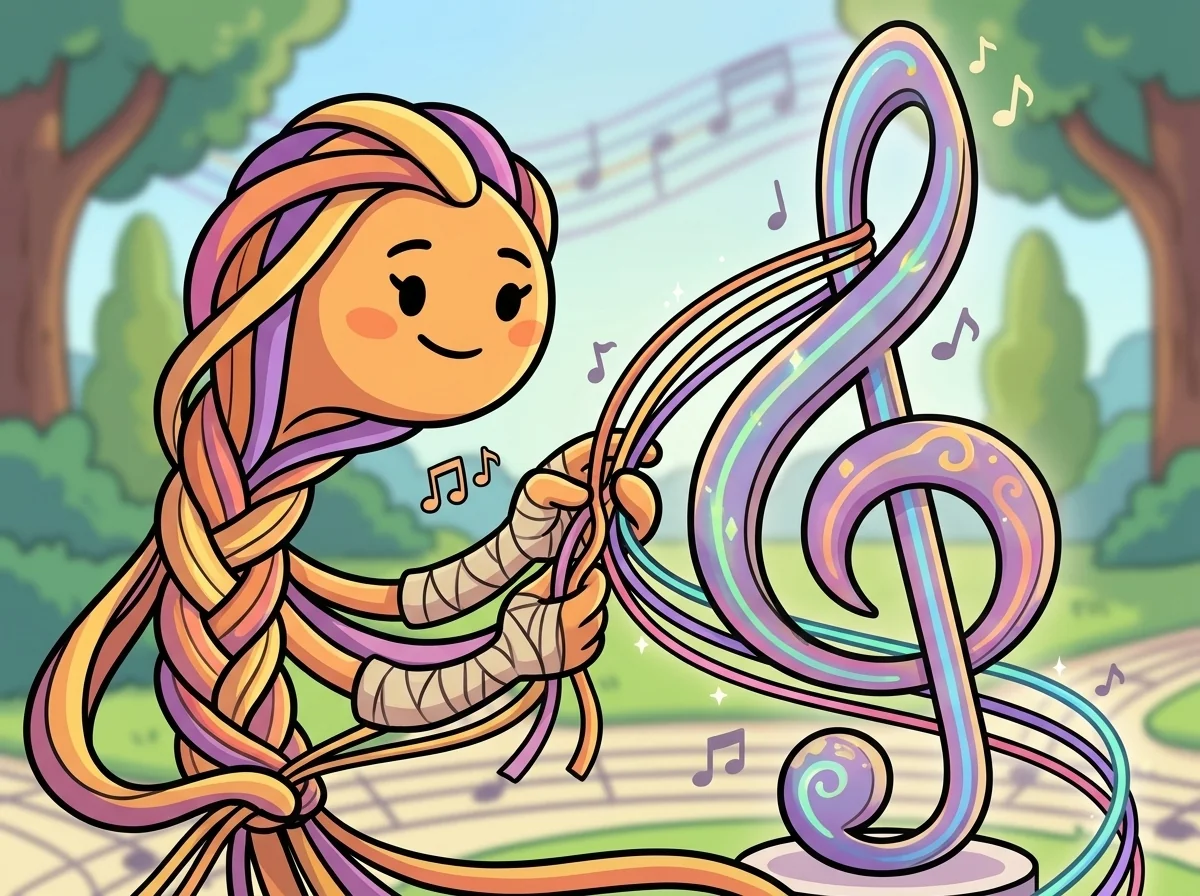
Trill sang his motif. Twine demonstrated the wrong way first: she sang a counter-tune that crowded every one of Trill's notes, both of them busy at once — a tangled, noisy mess. "Too much," she said. "We're stepping on each other." Then she did it right — moving in the gaps, filling the spaces where Trill rested, going still where Trill sang. The two tunes braided into something beautiful. "Hear it? I move where he's still. I rest where he sings. We share the space."
A young composer nodded slowly. "So you have to listen to Trill to know where to go?"
"Constantly," Twine said. "A counter-melody that ignores the main tune is just noise. I have to know Trill's song almost as well as my own — so I can weave into the spaces he leaves, and leave spaces for him."
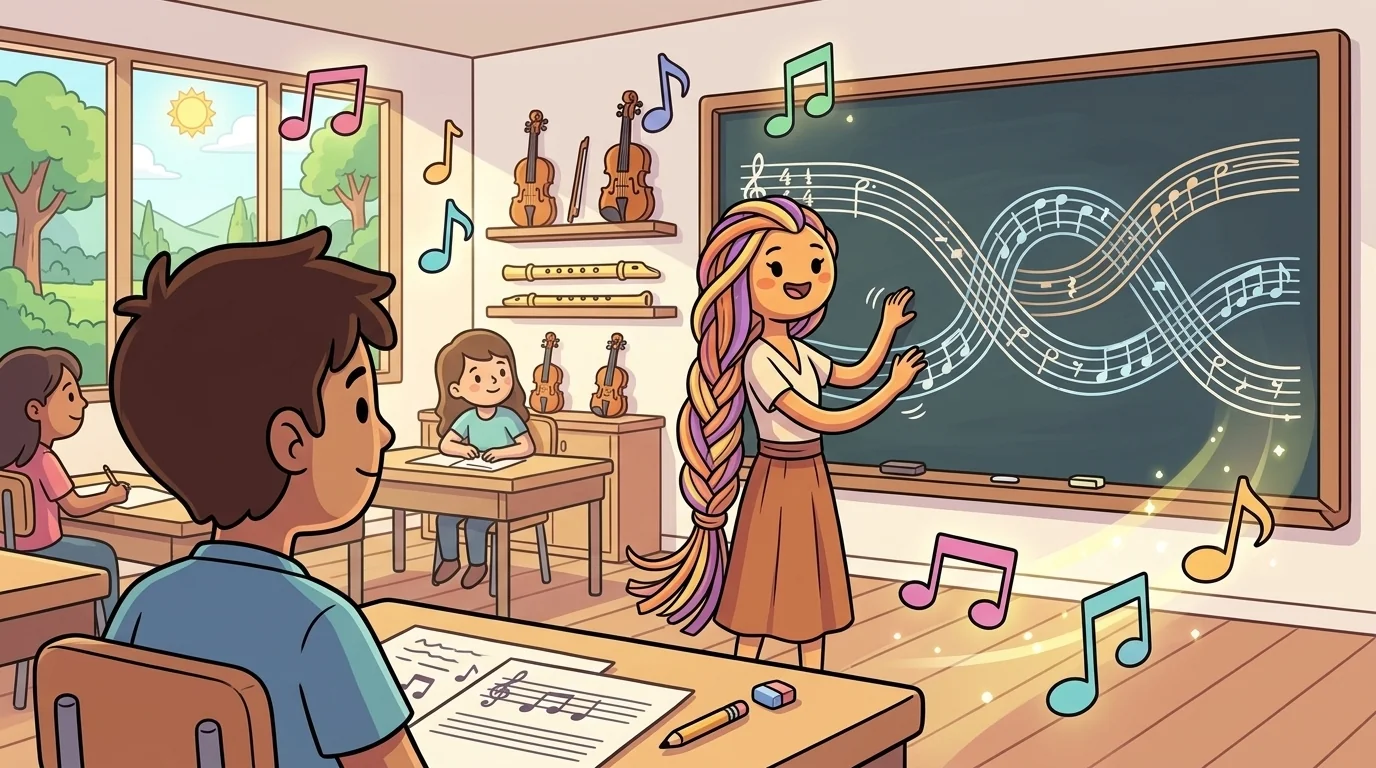
The instructor asked Twine to teach. "The students' pieces are either one lonely tune or two tunes fighting," the instructor said. "Will you teach them to weave?"
Twine was glad to. When she teaches, she gives one rule: "Keep the main melody as the hero. Then write a second little tune to go with it — but make it move in the gaps. When the main tune holds a long note, your counter-tune can dance. When the main tune is busy, your counter-tune should rest. Listen to the main melody the whole time. Weave with it, never over it."
A young composer wrote a gentle counter-tune that moved whenever Trill paused. The two melodies braided together, and the room sighed at how they fit. "It's like they're finishing each other's thoughts," the composer whispered. "That's a counter-melody," Twine smiled. "Two voices, one weave."
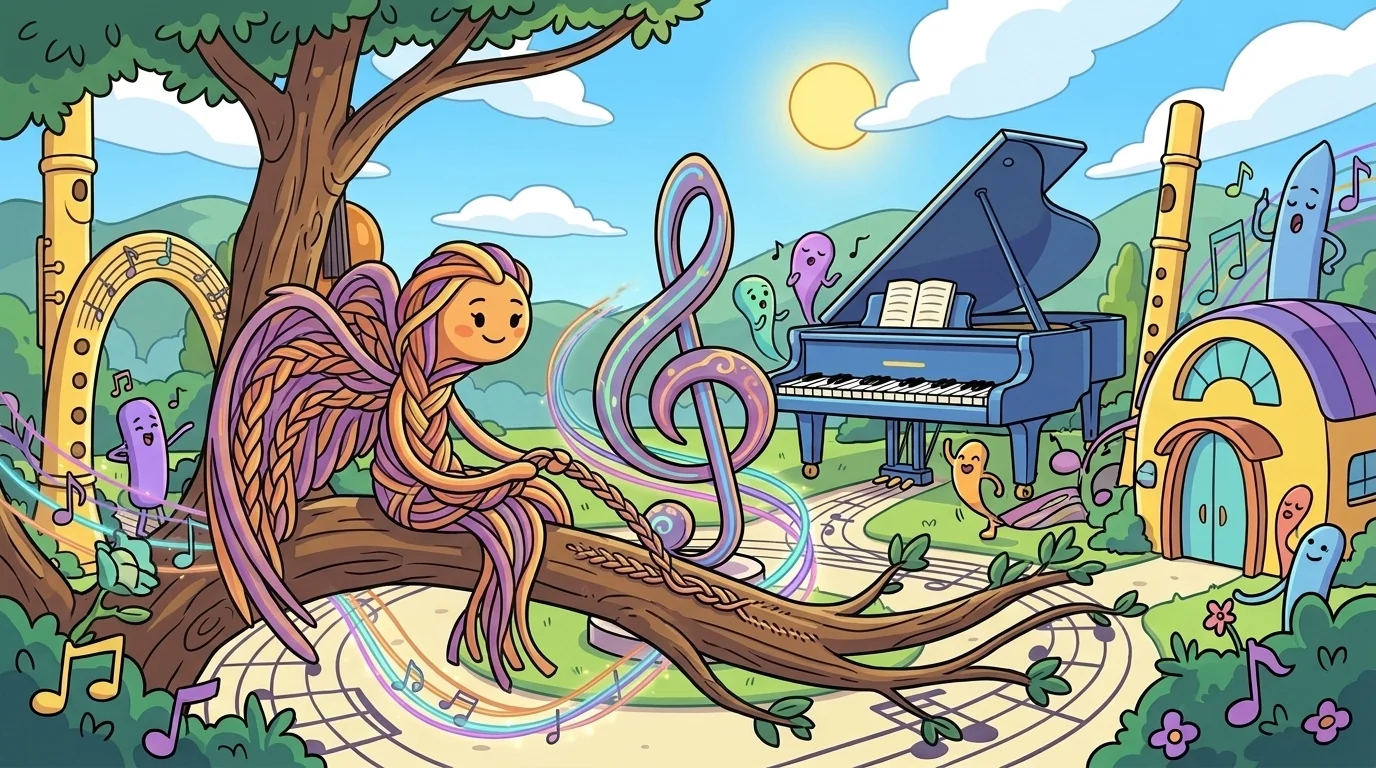
After class, Twine settled onto a branch, idly tracing braiding patterns with one wing, the way she did when she was happy.
For a long time, Twine had carried a quiet worry. She had her own beautiful melody — but she always had to play it around someone else's, in the gaps, in the spaces, never the main event. She'd wondered if always weaving around Trill meant she'd never get to just sing her own song, full and free, in the center.
But resting on her branch, remembering how her counter-tune and Trill's motif had braided into something that made the whole room sigh, Twine felt her worry soften into a warm, woven gladness. Weaving around someone wasn't being lesser — it was making something neither of them could make alone. Her tune and Trill's tune, braided, were richer than either solo. Listening so closely that she could dance in his silences was its own rare art, and the beauty belonged to both of them. A graceful, glowing contentment threaded through her, and she traced one more braid, content, ready to weave into tomorrow's song.
Hear it as an audio drama
A short play starring Twine, from MotifLab. Different voices, same idea. Listen any time after you read.
Loading audio…
Read the drama script
- Narrator: From Spark and Anvil and MotifLab — this is Twine, in chapter 1 of the MotifLab cast.
- Narrator: This drama uses an AI-generated voice. Voiced via Gemini 2.5.
- Narrator: At the MotifLab academy, where a small tune named Trill is the hero of every song, there lives a graceful, quick creature named Twine — and Twine loves to sing her own little tune at the very same time as someone else's.
- Twine: I'm Twine. The element I keep is counter-melody — a second tune that weaves against the first. My own little melody, playing at the same time as the main one. Not copying Trill. Not fighting him. Weaving around him, like two dancers who never collide.
- Narrator: Twine showed the wrong way first — crowding every one of Trill's notes, both of them busy at once, a tangled and noisy mess.
- Twine: Too much — we're stepping on each other. Watch me do it right: I move where he's still. I rest where he sings.
- Narrator: Twine slipped into the gaps of Trill's motif, filling his silences, going quiet when he sang — and the two separate tunes braided into something richer than either alone.
- Trill: Two melodies at once, and they fit! It's like we're finishing each other's thoughts.
- Twine: That's the weave. A counter-melody that ignores the main tune is just noise. I have to know Trill's song almost as well as my own — so I can dance in the spaces he leaves.
- Narrator: Twine once carried a quiet worry: always weaving around someone else's tune, in the gaps, never the main event — she wondered if she'd never just sing her own song, full and free, in the center.
- Twine: But weaving around someone isn't being lesser. It's making something neither of us could make alone. Two tunes, braided, are richer than either solo.
- Narrator: The instructor, Thalia, heard the two tunes braid into one, and smiled.
- Thalia: You make two voices finish one thought, young one. Teach the others to weave, not crowd.
- Twine: Counter-melody — a second tune that weaves against the first. Move in the gaps, rest where the main tune sings, and two voices braid into one weave.
- Narrator: Two voices, one weave — richer than either alone. That is Twine's braided art.
- Narrator: You've been listening to a Spark and Anvil chapter, written by the Spark and Anvil writing team for ages 9 to 14.
- Narrator: Apps stay free forever.
- Narrator: Curriculum aligned to Common Core English Language Arts.
- Narrator: Released under Creative Commons BY-NC-SA 4.0 for educational reuse. Visit Spark and Anvil for the full transcript.
The MotifLab ensemble
Twine is one of the friends in MotifLab. Each friend shows you one idea by how they act; meet them all and you have the whole subject.
-

Trill
The motif itself — visual posture shifts as the motif develops, inverts, fragments
-
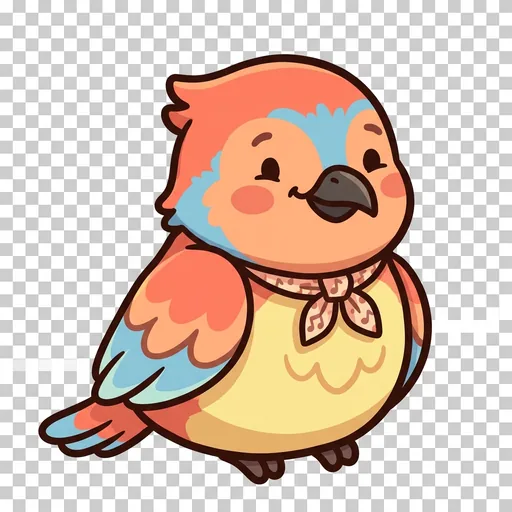
Meld
Harmony — notes that bloom underneath to support the melody
-
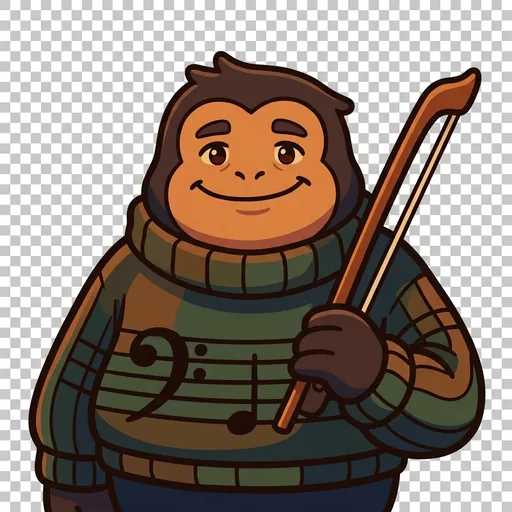
Thrum
Bass — the deep low foundation the whole song stands on
-
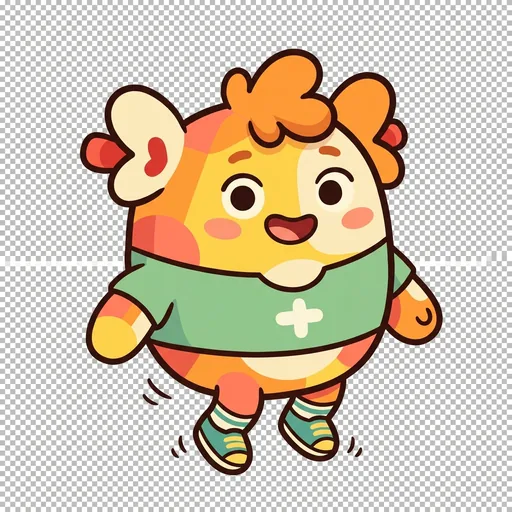
Clap
Rhythm — the steady beat pattern the song walks on
-

Surge
Dynamics — how loud and soft; how a song breathes
-
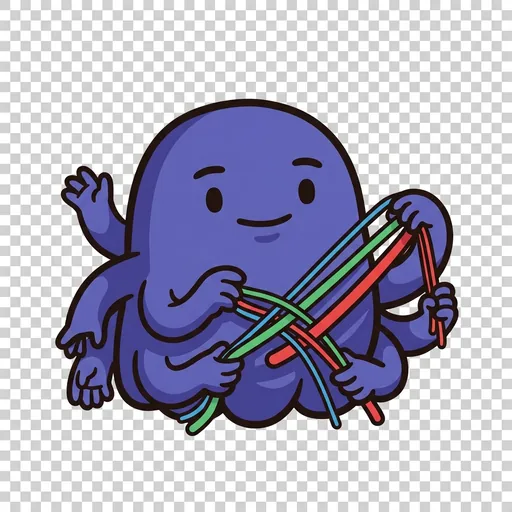
Ply
Texture — how many layers sound at once; thick or thin
-
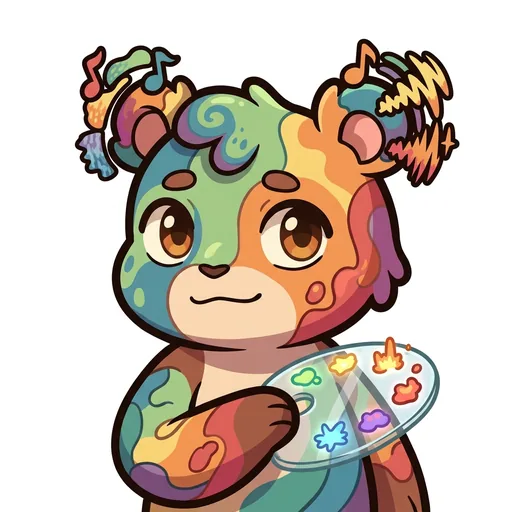
Tint
Timbre — the color or flavor of a sound
-
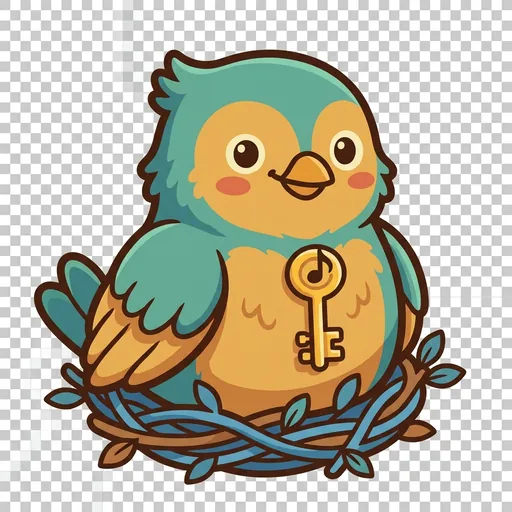
Nest
Key — the home note the song keeps returning to
-
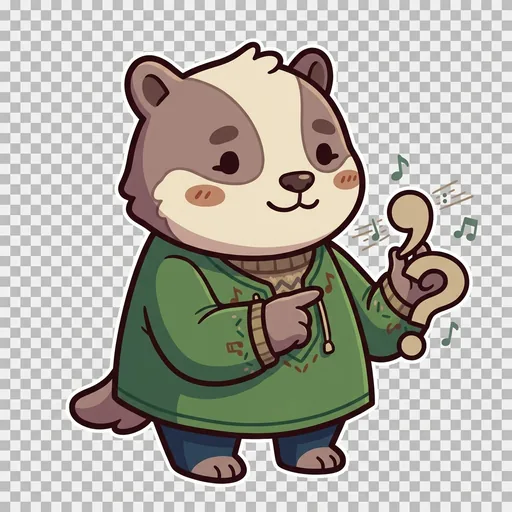
Wend
Cadence — how a phrase comes to rest; the song's punctuation