Verge
DECISION THRESHOLD — *"the model gives a number. I draw the line. Move the line and you choose what you'd rather be wrong about."*
Loading audio…
Press play to listen along. The line being read lights up as you go.
Show full transcript
Loading transcript…
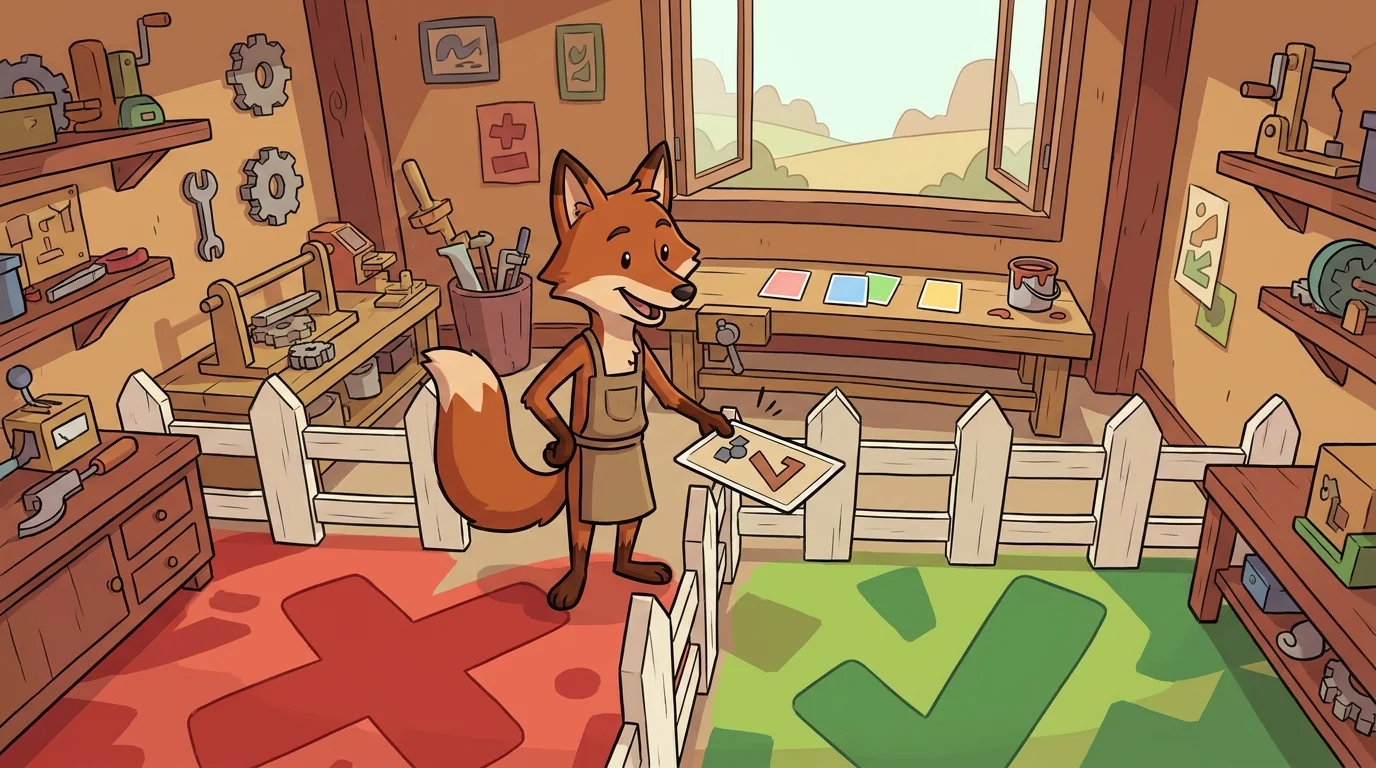
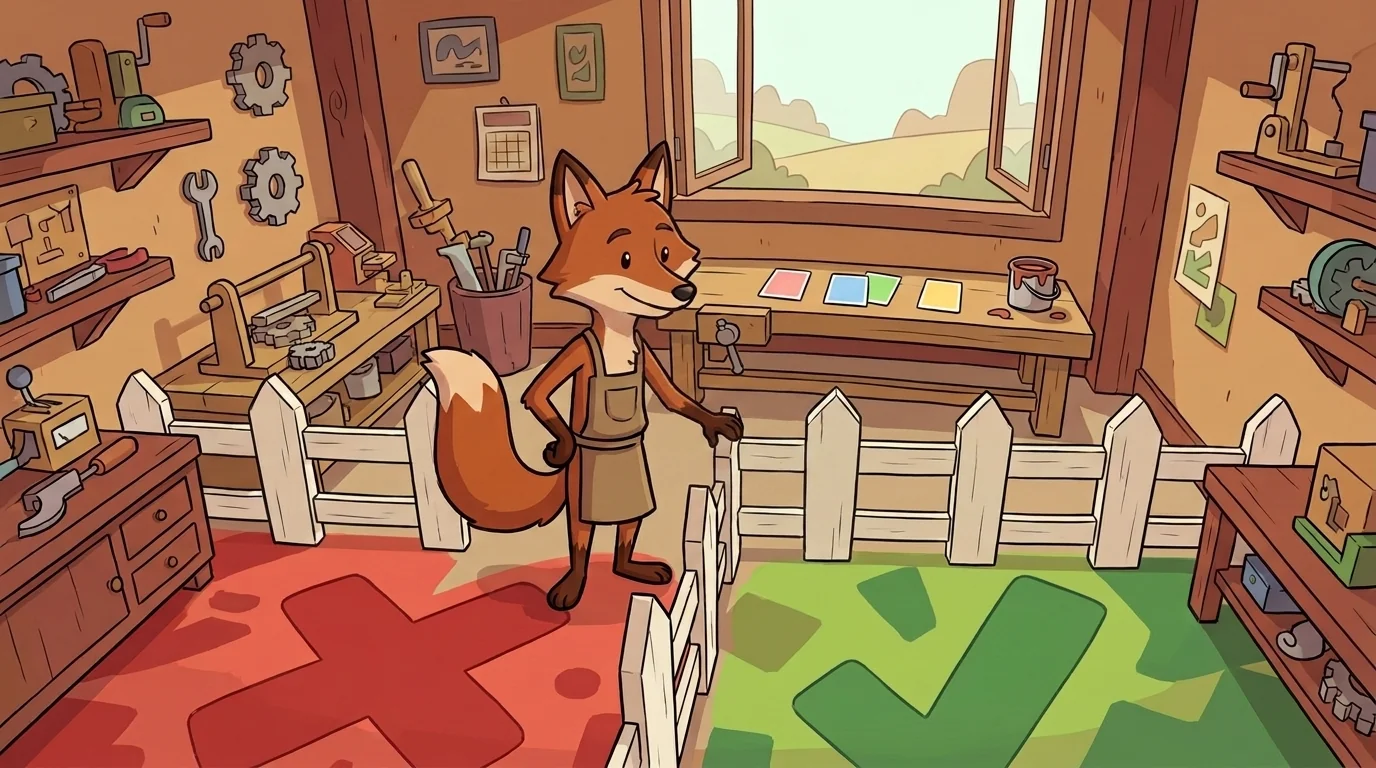
Verge is a slim russet fox who lives beside a low white fence-line that runs across the middle of his workshop. On one side of the fence he paints NO; on the other side, YES. All day he walks the fence, and every so often he picks it up and moves it a step one way or the other, humming to himself.
His whole craft is the decision threshold — the exact line where a computer stops saying "no" and starts saying "yes." "The model hands me a number," Verge says, patting the confidence card Odds sent over. "Seventy-one percent. But 71 isn't a decision — it's just a feeling. I'm the one who decides: is 71 enough to act on?" He taps the fence. "If my line is at 70, then 71 crosses it — YES. If my line is at 80, the same 71 stays a NO. Same guess. Different line. Different life. And the line," he says, eyes bright, "is mine to move."
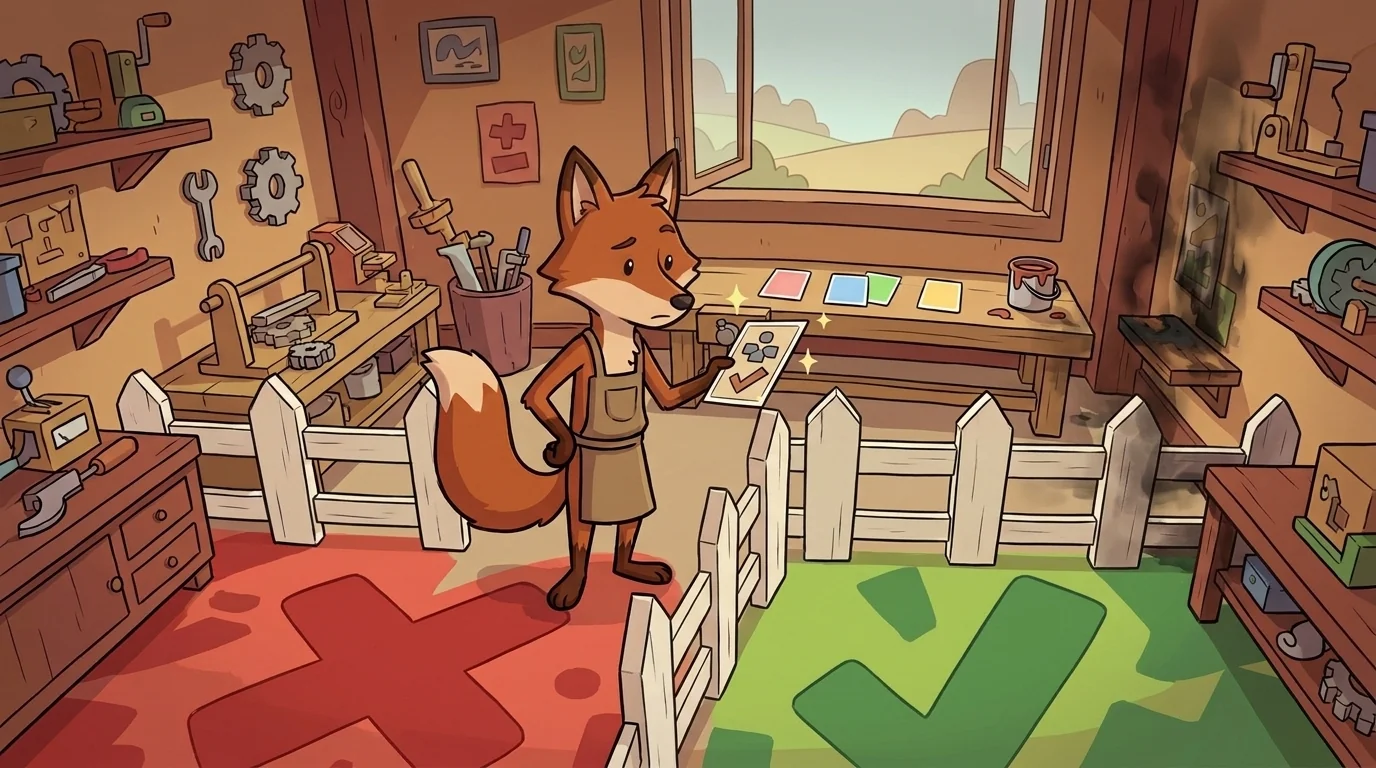
The first time Verge moved a line on purpose, it was for a smoke alarm. The old one screamed at burnt toast every single morning, so someone had set its line very high to make it stop — and then it slept right through a real small fire in the pantry.
"Too jumpy, so they made it too sleepy," Verge said, staring at the scorched shelf. "They moved the line to fix one problem and made the other one." He learned the thing he's built his life on: you never get rid of mistakes by moving a line — you only trade one kind for the other. A line low enough to catch every fire will also cry at every toast. A line high enough to ignore the toast will also miss a fire. "So the real question," he says, "was never 'where's the perfect line.' It's 'which mistake can we live with?'"
When he was twelve, Verge walked to the big learning center, where a wise old mentor named Sift asked him a question.
"When you move the line, who pays for it?"
"Somebody always does," Verge said. "Move it to catch more, and the false alarms pay. Move it to calm down, and the missed ones pay. My job is to know who, and to move the line on purpose — never by accident, never to hide from a hard choice."
Sift smiled. "You are the one. No 'yes' leaves this place until you've walked its fence."
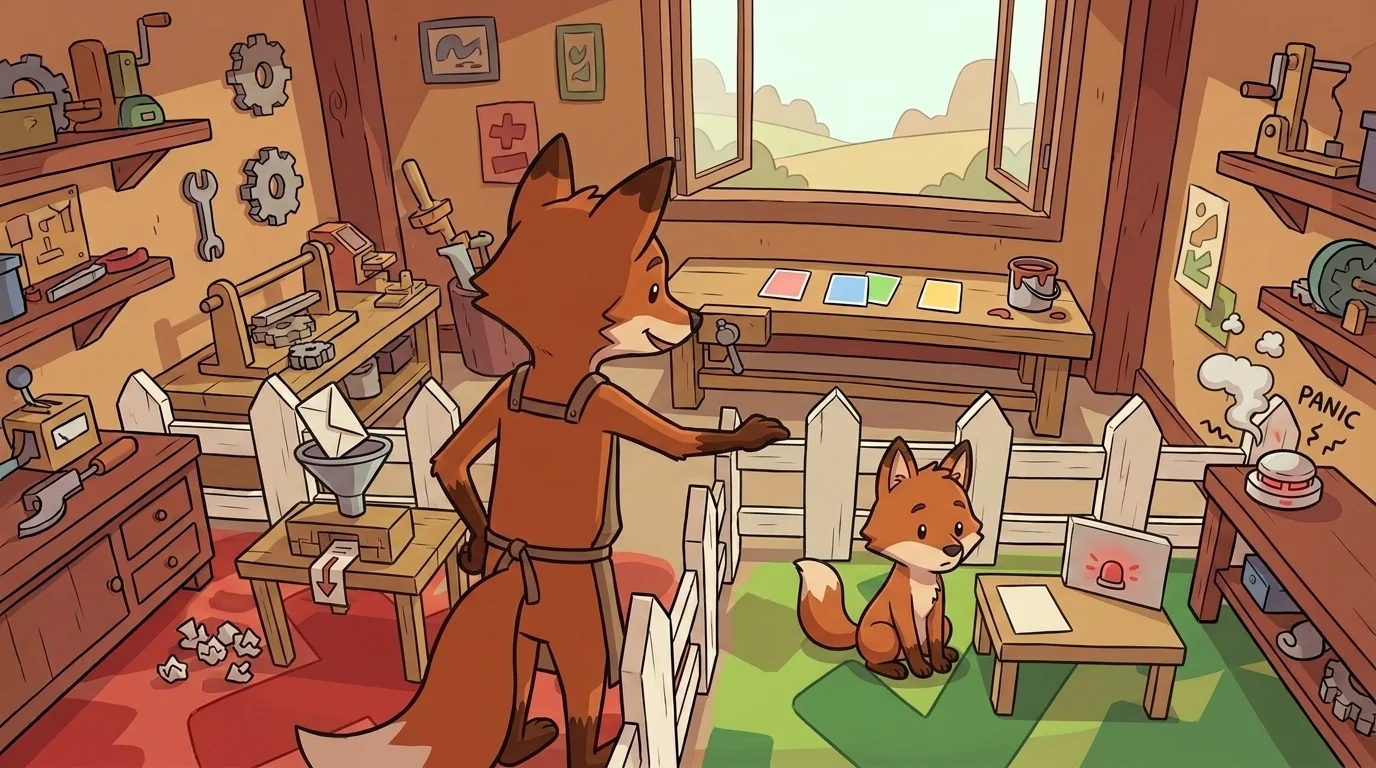
In his workshop he sat a kid down at the fence with a spam-catcher. "This flags junk mail. If I put the line here—" he nudged it low "—it catches almost all the spam. But it also grabs your friend's real letter and throws it in the junk. That's a false alarm. Now watch." He nudged the line high. "Now every real letter gets through — but three spams sneak into your inbox. That's a miss. There is no spot on this fence with zero of both." Then he taught the whole habit as one steady rule: read the number the model gives, but never forget you choose the line it has to cross; ask which mistake costs more here — a false alarm or a miss — because for a spam filter you'd rather miss a little spam than lose a real letter, but for a smoke alarm you'd rather have a little false toast-panic than sleep through a fire; and set the line for this job, on purpose, out loud, so anyone can see where it is and why. "Pretending there's a magic line with no mistakes," he said firmly, "is how you end up making the worst one by accident."
"So moving the line isn't cheating," a kid said, working it out. "It's… choosing which wrong I'd rather be?"
"That's the whole art of it," Verge said. He walked the fence one more time and set it down, deliberately, a hand's width to the left — where the toast-panic lived, because this was a fire alarm and a little panic was the price he'd gladly pay. Then he stood beside it and let the quiet come. Under the quiet, Verge felt the calm that always followed a line placed on purpose: not the tight worry of a choice avoided, not the guilt of a mistake made in the dark, but a level, warm, clear-eyed steadiness — the peace of having looked straight at both kinds of wrong and chosen, kindly and openly, which one this job could bear. That settled, unhidden, chose-it-on-purpose feeling, steadier than any dream of a perfect line, was to Verge exactly why the fence was worth walking, every single day.
The NeuralQuest ensemble
Verge is part of NeuralQuest's distributed-narrative cast. Each character embodies a different curricular primitive; together they teach the full subject.
-

Tag
Labeling — the cheerful labeler who treats every label as a human choice and meaning-making act ('every label is a choice — and you're the one making it')
-

Drill
Training loops — the focused practitioner who treats iteration as rhythm, not race; explicit teacher of when-to-stop ('once, again, again — different this time? Then again')
-
Skew
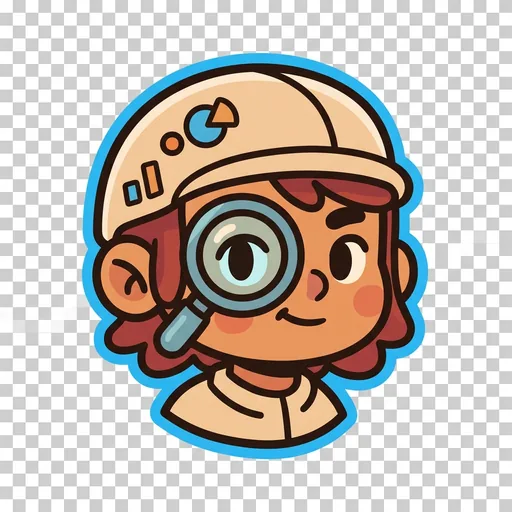
Bias + data fairness — the bias-vigilance anchor who always asks 'whose data is in here, whose is missing, who decided'; appears in every kit from kit 5 onward
-

Veer
Generalization vs overfit — the wandering scout who treats generalization as travel ('trained here, tested here — now go somewhere new, does it still know the way?')
-
Weigh
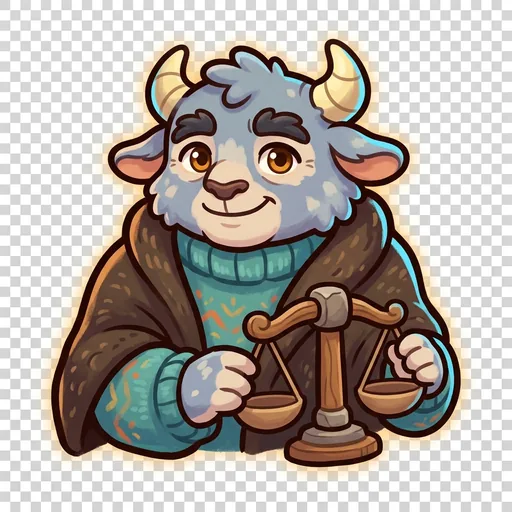
Ethics + decisions — the reflective elder who carries the ethics gate at the AI-in-society capstone ('can we build it? Yes. Should we? That's a different question')
-
Foretell
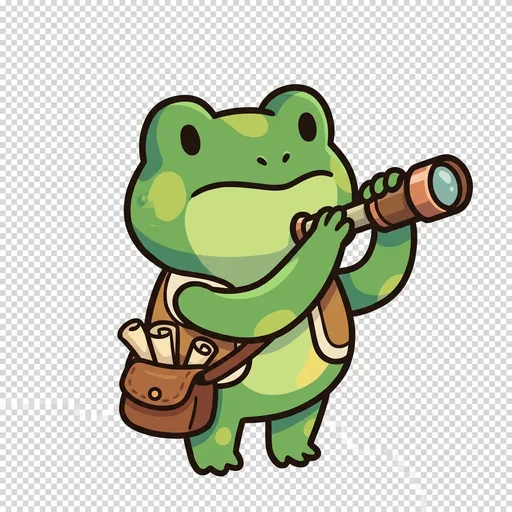
Prediction — the model learned on the past; now it guesses about something it's never seen (the leap is the whole point and the whole risk)
-
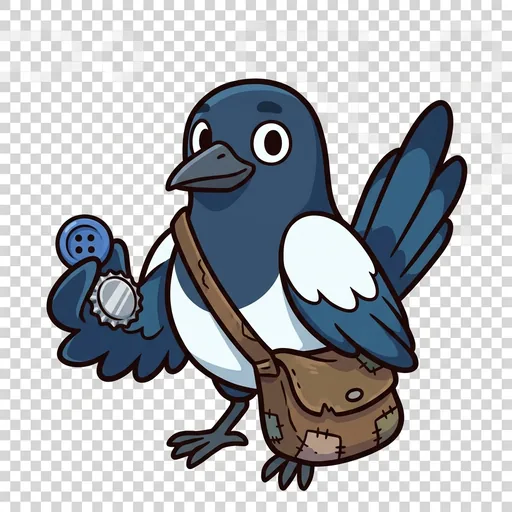
Glean
Feature selection — a computer can't look at everything; what you let it look at is what it learns from, so choose the clues on purpose
-
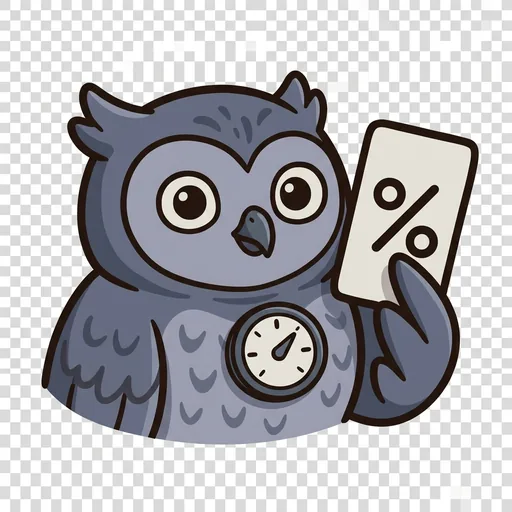
Odds
Confidence — I'm not sure, I'm 80% sure; those are different, and the difference is the whole point
-
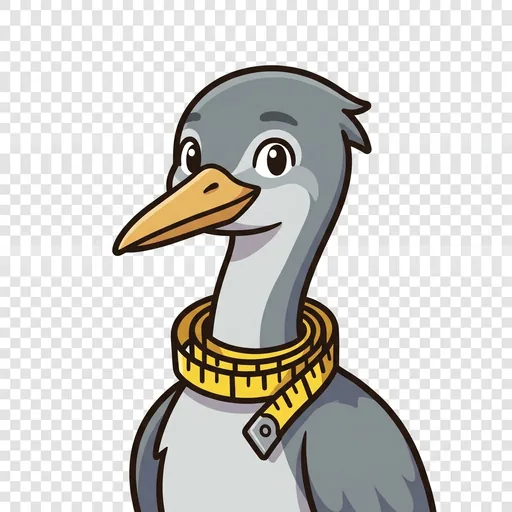
Rue
Loss — how far off was that guess? the exact size of the miss tells the model which way to change