STEM
NeuralQuest
Players train image classifiers, build recommendation systems, discover how bias creeps into data, and explore AI ethics through hands-on experiments. Learn how AI actually works -- not by coding, but by doing. The first gamified AI literacy app for kids on any platform.
▶ Play it nowBuilt for sittings of about 20 minutes on the screen. That is our design budget, not a measurement.
Meet your mentor
Every Spark & Anvil app has a friendly mentor character that demonstrates, asks, and patiently scaffolds learning. On-device AI personalizes the mentor's responses to your kid's progress — never connecting to a server, never collecting data.
Mentored by Sift
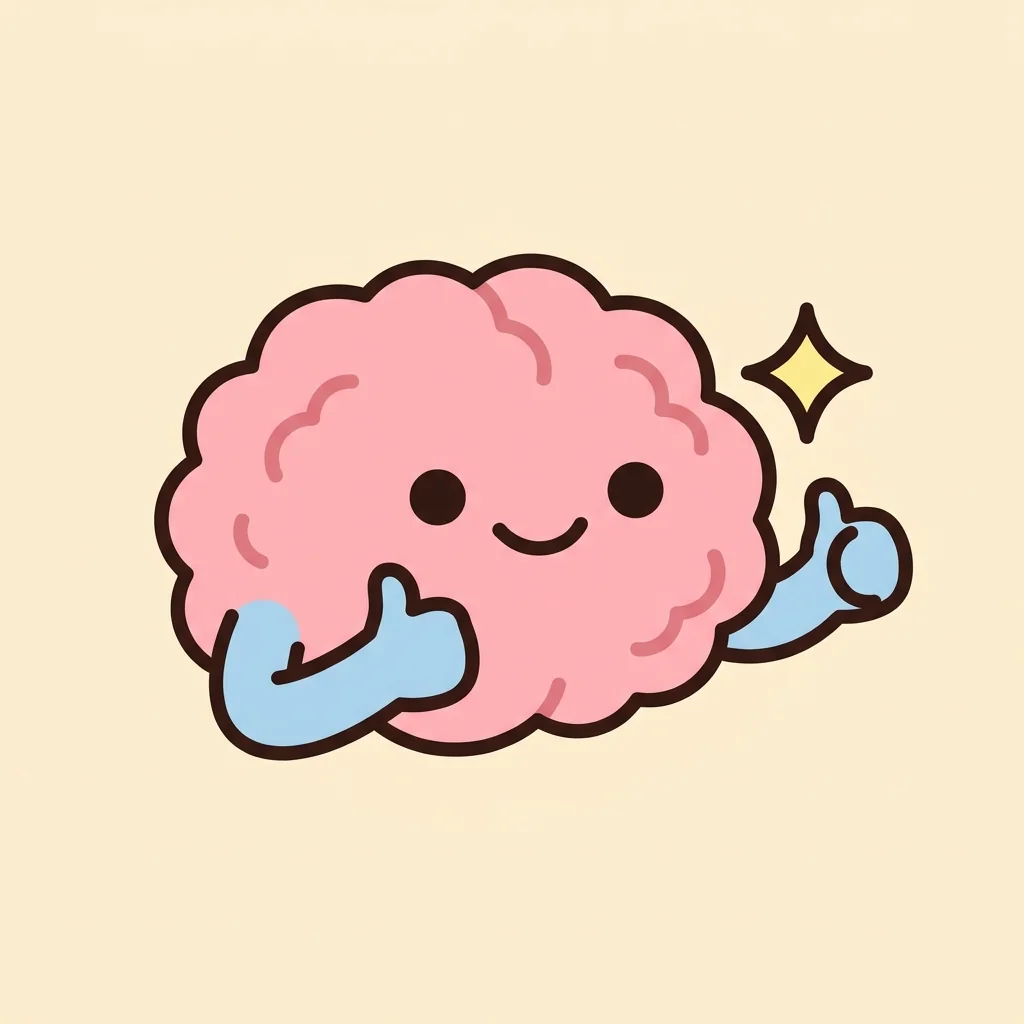
#29B6F6 NeuralQuest teaches you how artificial intelligence actually works -- by doing it yourself! Train image classifiers, build recommendation systems, discover bias in data, and explore AI ethics. You do not need to know how to code. You will learn by running real experiments in a virtual AI research lab.
Characters who teach
Meet the cast
NeuralQuest's characters each teach one step in building an AI model. Tag labels the data, knowing every label is a human choice, Drill runs practice rounds, Skew always asks whose data is missing, Veer checks whether the model works on new cases, and Weigh asks whether we should build it at all. Foretell, Glean, Odds, Rue, and Verge cover predictions, choosing what the model looks at, confidence, measuring how wrong a guess was, and where to draw the decision line. Sift is the mentor who introduces them.
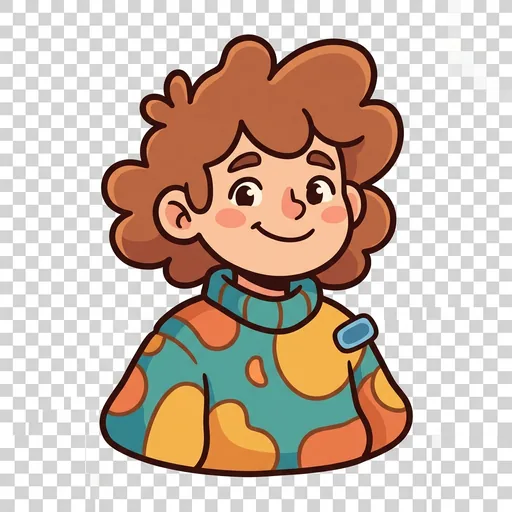
Tag
Labeling — the cheerful labeler who treats every label as a human choice and meaning-making act ('every label is a choice — and you're the one making it')
Read chapter →
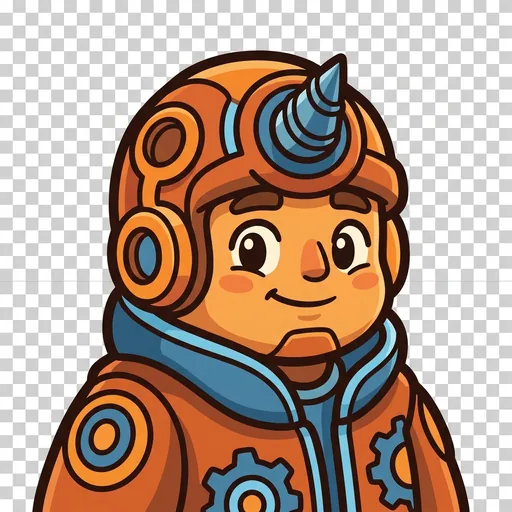
Drill
Training loops — the focused practitioner who treats iteration as rhythm, not race; explicit teacher of when-to-stop ('once, again, again — different this time? Then again')
Read chapter →
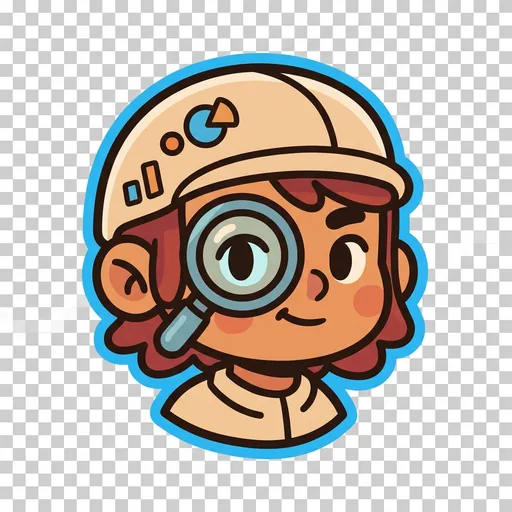
Skew
Bias + data fairness — the bias-vigilance anchor who always asks 'whose data is in here, whose is missing, who decided'; appears in every kit from kit 5 onward
Read chapter →

Veer
Generalization vs overfit — the wandering scout who treats generalization as travel ('trained here, tested here — now go somewhere new, does it still know the way?')
Read chapter →
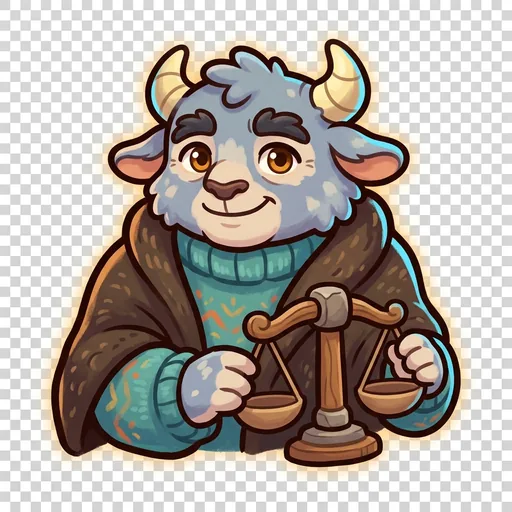
Weigh
Ethics + decisions — the reflective elder who asks the big question at the end ('can we build it? Yes. Should we? That's a different question')
Read chapter →
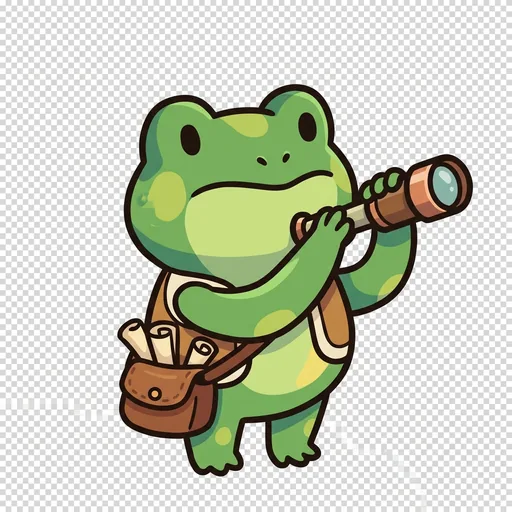
Foretell
Prediction — the model learned on the past; now it guesses about something it's never seen (the leap is the whole point and the whole risk)
Read chapter →
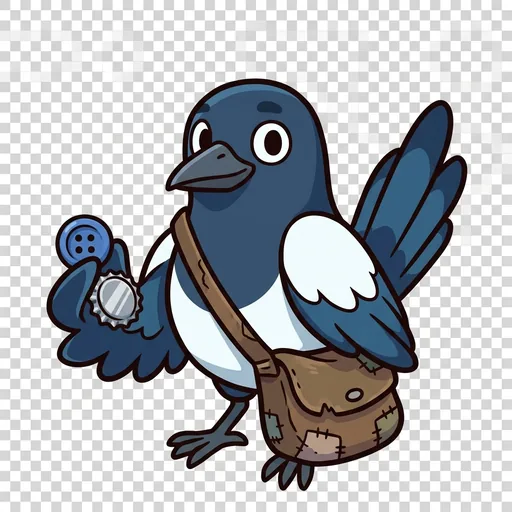
Glean
Feature selection — a computer can't look at everything; what you let it look at is what it learns from, so choose the clues on purpose
Read chapter →
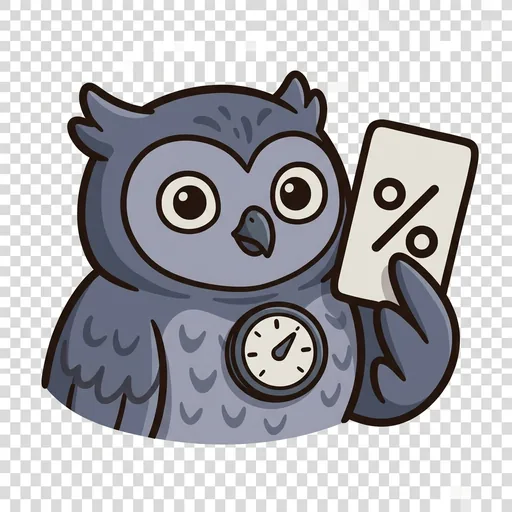
Odds
Confidence — I'm not sure, I'm 80% sure; those are different, and the difference is the whole point
Read chapter →
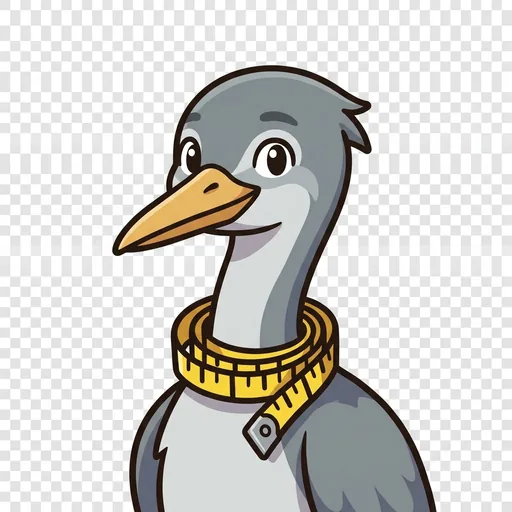
Rue
Loss — how far off was that guess? the exact size of the miss tells the model which way to change
Read chapter →
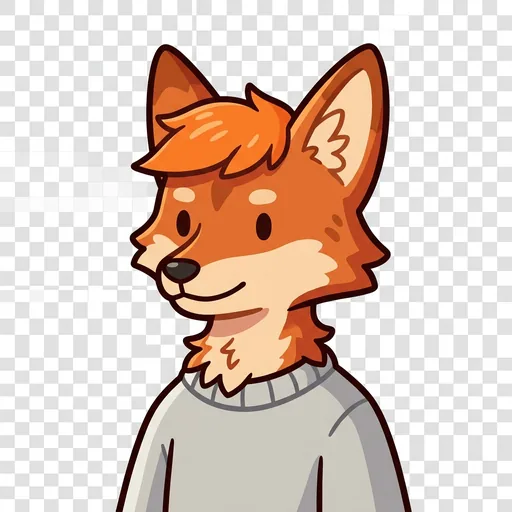
Verge
Decision threshold — the model gives a number, I draw the line; move the line and you choose what you'd rather be wrong about
Read chapter →
Browse all chapters → · What's distributed-narrative methodology? →
What's inside
Training Lab
Collect and label training data, then feed it to a simple AI model. Watch the model learn! Will it get better with more data? What happens if your training data
Classification Lab
Train an image classifier to sort pictures into categories. Take photos or use the built-in datasets. Test your model on new images it has never seen. Can it te
Recommendation Lab
Build a simple recommendation system that suggests things based on patterns. See how apps like Netflix or Spotify figure out what you might like. Then test if t
Ethics Panel
Discuss real AI ethics questions. Should AI make decisions about people? What if an AI is wrong? What about privacy? Think through these big questions with your
Mentored by Sift — on-device AI, no data leaves the device.
How NeuralQuest handles your kid's data
- ✅ All progress, settings, and AI-generated content stays on the device
- ✅ No analytics, no tracking, no third-party SDKs
- ✅ Free — no ads, no in-app purchases
- ✅ No personal information collected from children — in line with COPPA (updated by the 2026 FTC amendments)
- ✅ No chat with strangers — play-together rooms use a short code and preset emotes, never typed messages
NeuralQuest runs on ForgeKit — the open-source Swift Package Manager framework that powers every Spark & Anvil app. ForgeKit ensures consistent accessibility, COPPA compliance, and design language across the portfolio, so your kid's progress and preferences feel coherent across every app they touch.
Coming to the App Store
NeuralQuest is in active development. Email us to hear when it ships — no marketing, no spam, just a one-shot launch announcement.
Email me at launch


