Scrap
SPOT WHAT'S BROKEN
Loading audio…
Press play to listen along. The line being read lights up as you go.
Show full transcript
Loading transcript…
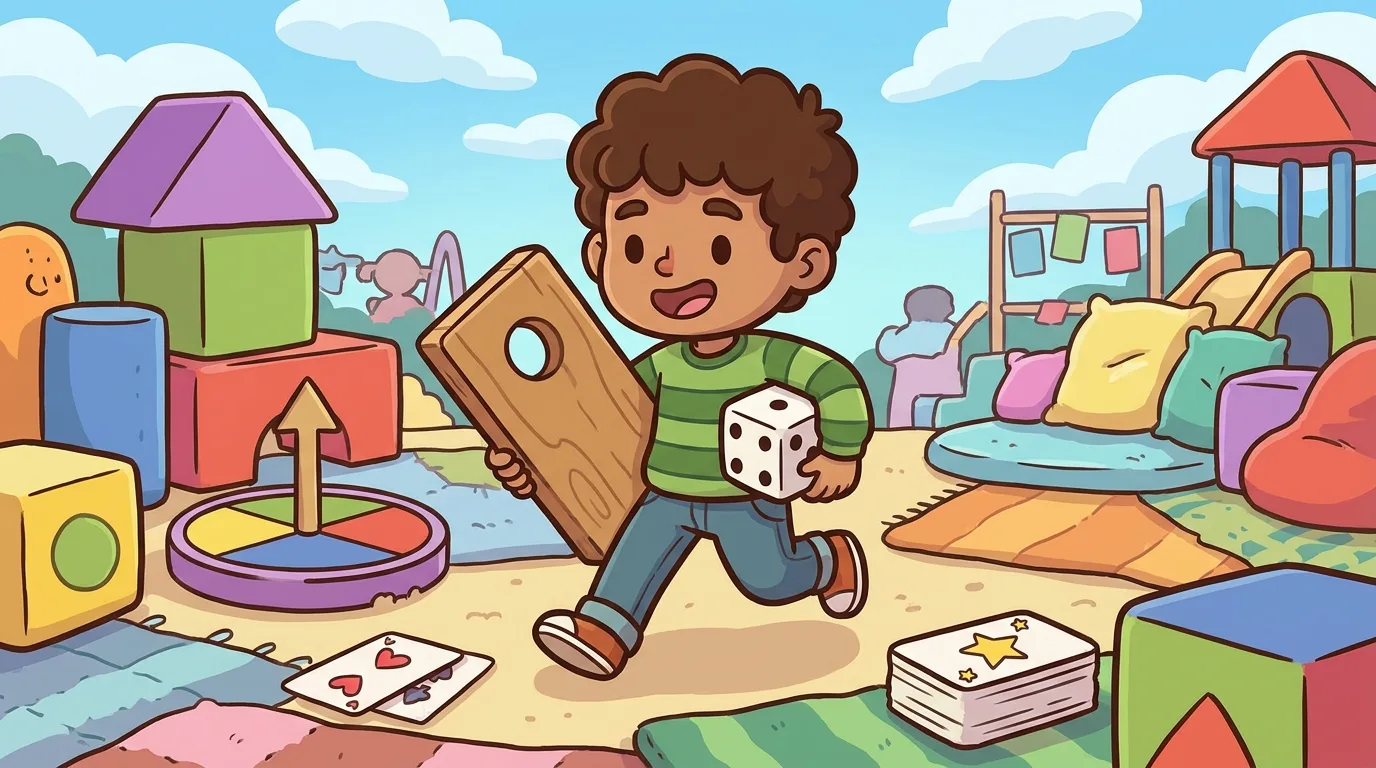
Scrap is a curious boy with bouncy curly hair and a stripy green top, and he always carries something. Today he carries a wooden board in one hand and a big white dice in the other. But the thing he is really excited about is in his pocket.
"OddBits! OddBits!" he calls. "I found a broken one!"
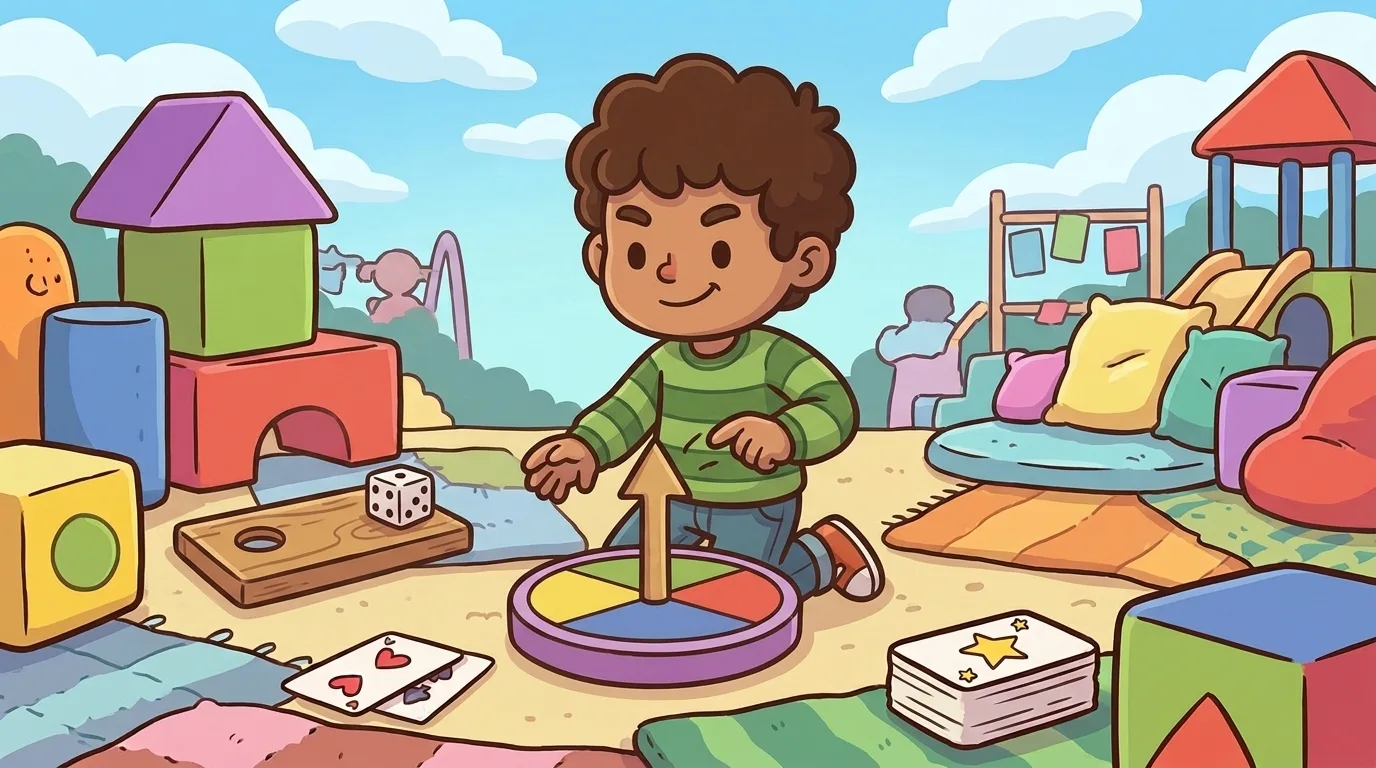
Out comes Scrap's spinner. It is a round card with colours all around, and an arrow in the middle. You flick the arrow, and it should spin, spin, spin, and stop on a colour.
But this arrow is stuck. It only ever points UP.
Flick. Up. Flick. Up. Flick. Still up.
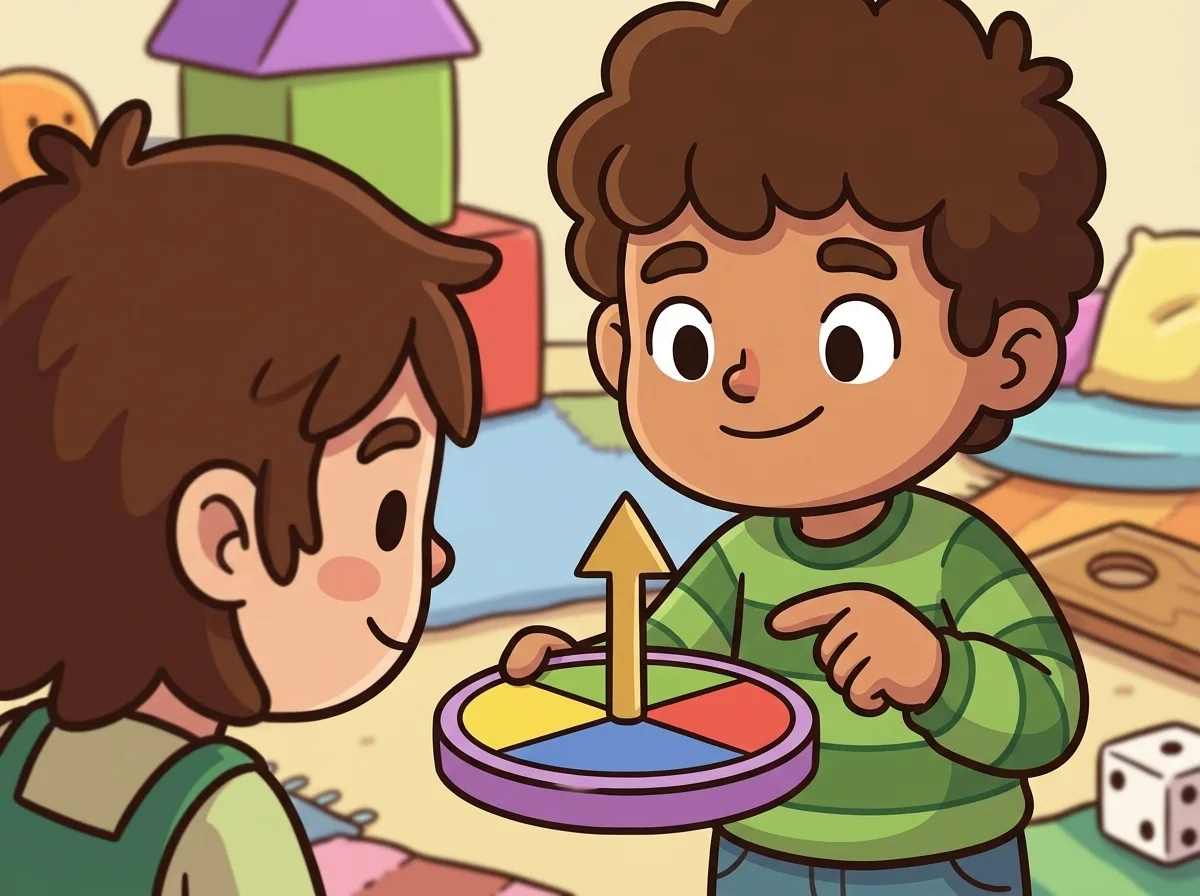
"See?" says Scrap. "It's stuck. It always points up."
OddBits leans in close. "Good looking, Scrap! You found exactly what's broken. The arrow only points up. Now we know what we need a rule for."
That is Scrap's special job. He doesn't just say "it's broken." He looks carefully and says what is broken. Because when you know exactly what's wrong, you can think of a rule to fix it.
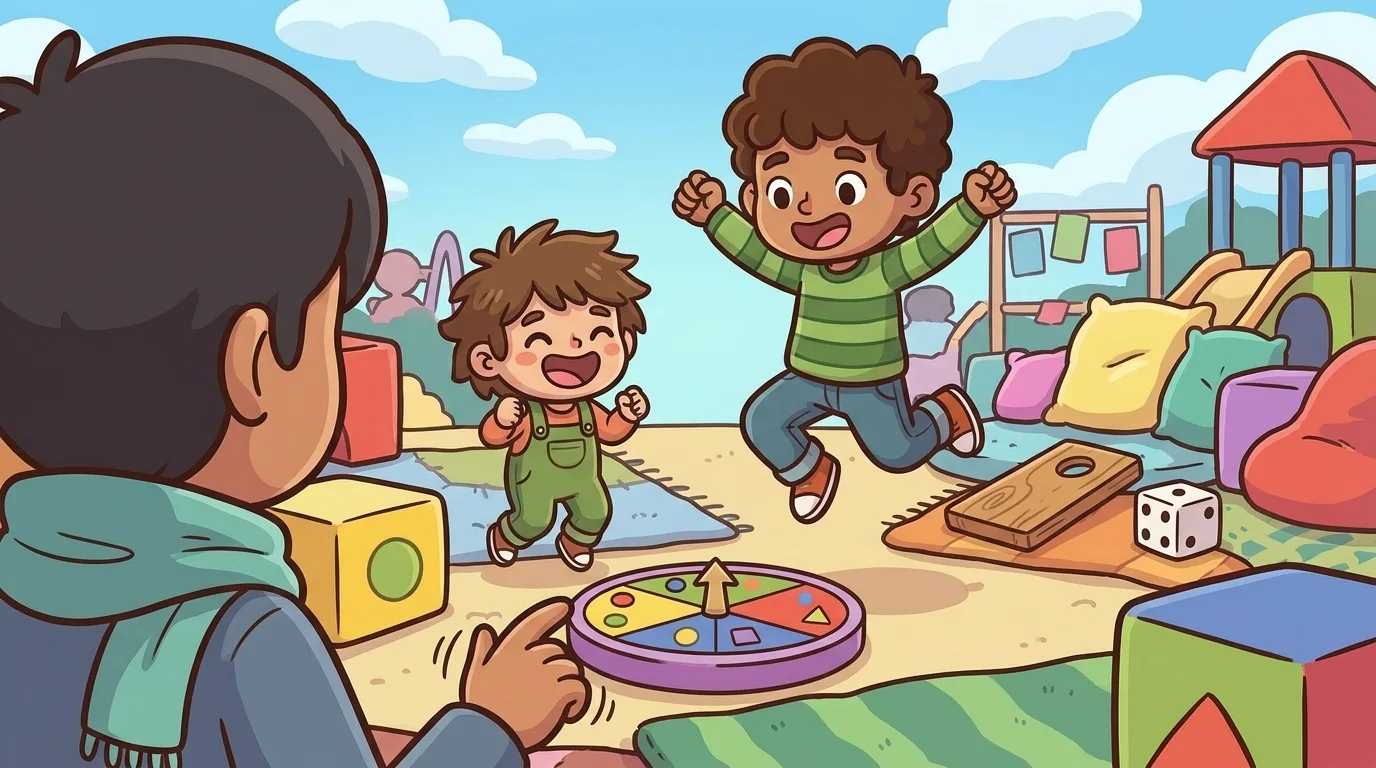
They think together. Then Scrap says, "What if... UP means you take a jump?"
"Up means jump!" laughs OddBits. "Every flick is a jump! Let's try it!"
Flick. Up. JUMP! Flick. Up. JUMP! It isn't broken anymore. It's a jumping game!
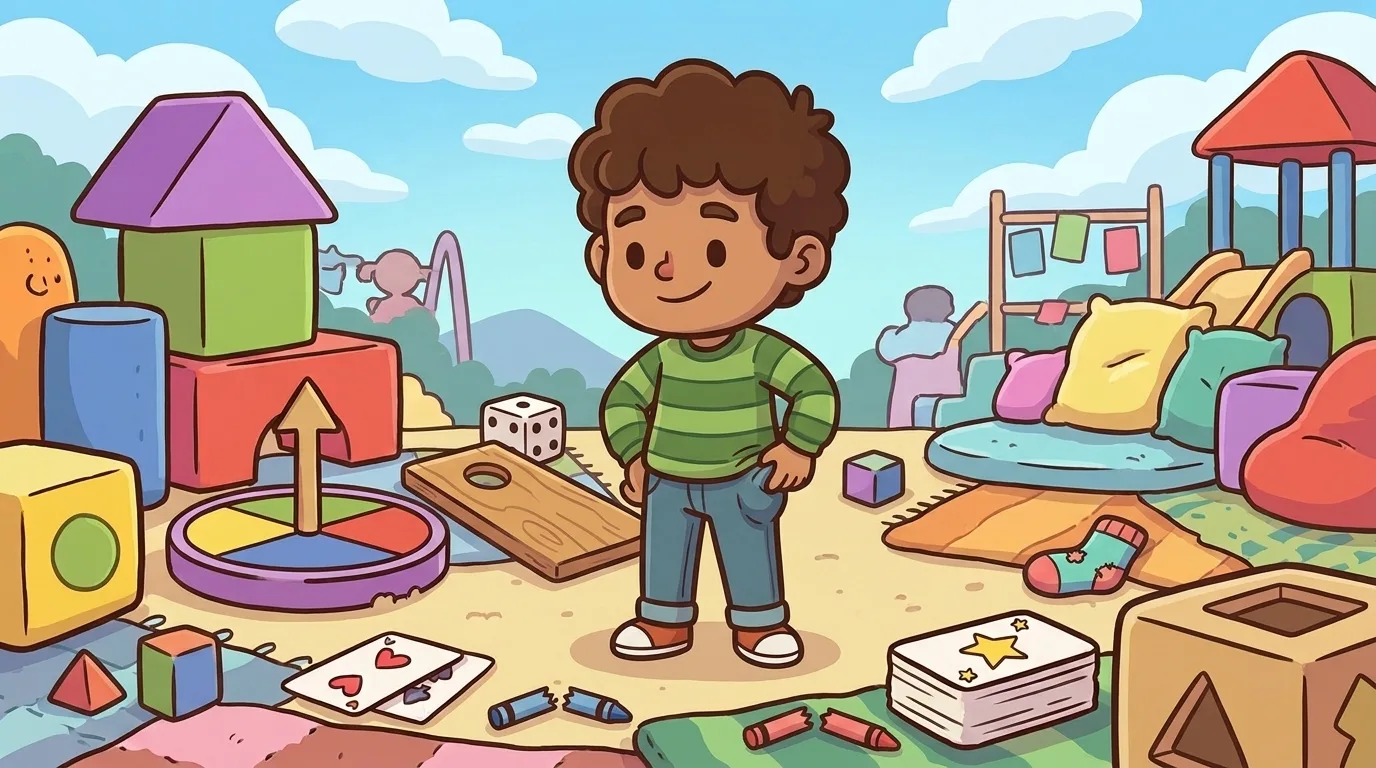
That's Scrap's clever idea.
Look, look, this bit is broken - what rule will make it fun?
A grown-up can play too! Take turns finding something a bit wrong, like a sock with a hole or a crayon that's snapped. Say exactly what's wrong: "The crayon is in two pieces." Then think up a fun way to use it anyway.
Scrap puts his spinner back in his pocket and pats it. He loves finding broken things. Every broken thing is a new game waiting to be made.
Hear it as an audio drama
A short play starring Scrap, from OddBitsPals. Different voices, same idea. Listen any time after you read.
Loading audio…
Read the drama script
- Narrator: From Spark and Anvil and Oddbitspals — this is Scrap, in chapter 1 of the Oddbitspals cast.
- Narrator: This drama uses an AI-generated voice. Voiced via Gemini 2.5.
- Narrator: Scrap was a curious boy who always brought something. Today he brought a spinner.
- Scrap: Look, look! I flick the arrow and it only ever points UP. Flick. Up. Flick. Up!
- Oddbits: Good looking, Scrap! You found exactly what's broken. The arrow only points up.
- Child: Is that important?
- Oddbits: It is! When we know exactly what's broken, we can make a rule for it.
- Scrap: What if... up means you take a jump?
- Oddbits: Up means jump! Every flick is a jump!
- Narrator: Flick. Up. Jump! Flick. Up. Jump! And it wasn't broken anymore. It was a jumping game.
- Narrator: Look, look, this bit is broken. What rule will make it fun? That's Scrap's clever idea.
- Narrator: You've been listening to a Spark and Anvil chapter, written by the Spark and Anvil writing team for ages 9 to 14.
- Narrator: Apps stay free forever.
- Narrator: Curriculum aligned to Common Core and Next Generation Science Standards.
- Narrator: Released under Creative Commons BY-NC-SA 4.0 for educational reuse. Visit Spark and Anvil for the full transcript.
Reading together with a grown-up? A card for the grown-up
For the grown-up: ask one question, then wait. When they answer, add one word to what they said. Tap the button when they have said something — that is one turn each, a circle. Nothing is recorded or kept.
Let them finish it
Say “Scrap says: look, look, this bit is broken - …” and stop. Let them finish it.
Now wait. Count slowly to five in your head. Their answer is worth the quiet.
Circles together: 0
The OddBitsPals ensemble
Scrap is one of the friends in OddBitsPals. Each friend shows you one idea by how they act; meet them all and you have the whole subject.
-
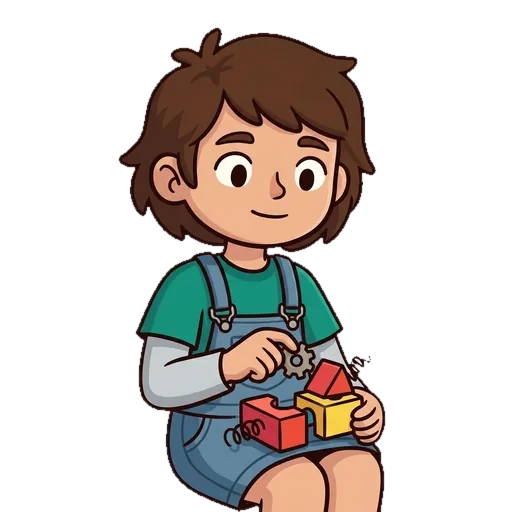
OddBits
loves what's broken — a toy that doesn't work is an invitation to invent the rule (constraint-as-invitation)
-

Mop
Brings another broken bit — there is always something odd to make a rule for (more constraints to invent around)
-
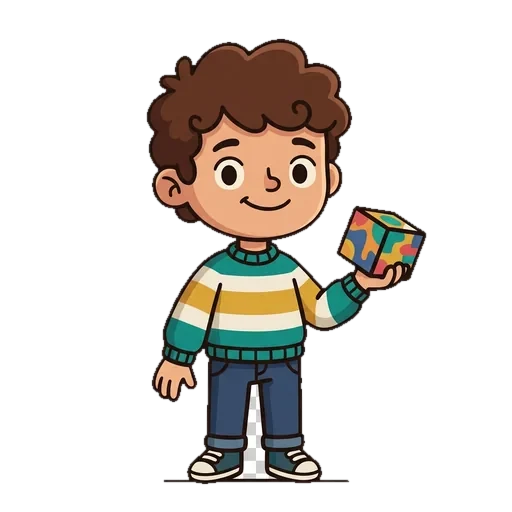
Nib
Tries your invented rule and plays it WRONG, so you get to correct it — teaching the rule is how you know it (protégé loop)