
Renew
RENEW — a living tradition is still growing and changing; it is not a relic behind glass, spoken of in the past tense. Naming the mechanism directly: the salvage paradigm / museumification (treating living cultures as finished or vanished), 'they used to,' and the honest correction — the people are still here, still practicing, still changing it.
Loading audio…
Press play to listen along. The line being read lights up as you go.
Show full transcript
Loading transcript…
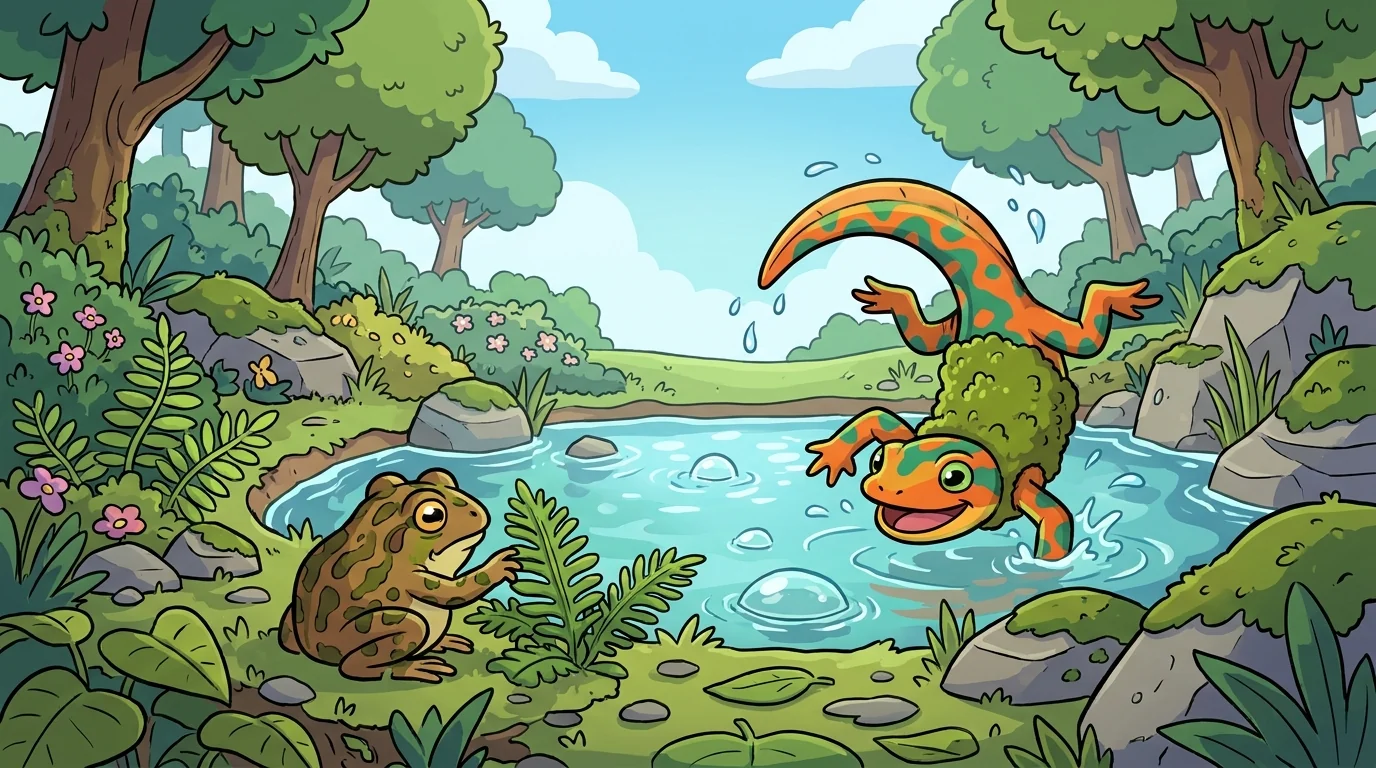
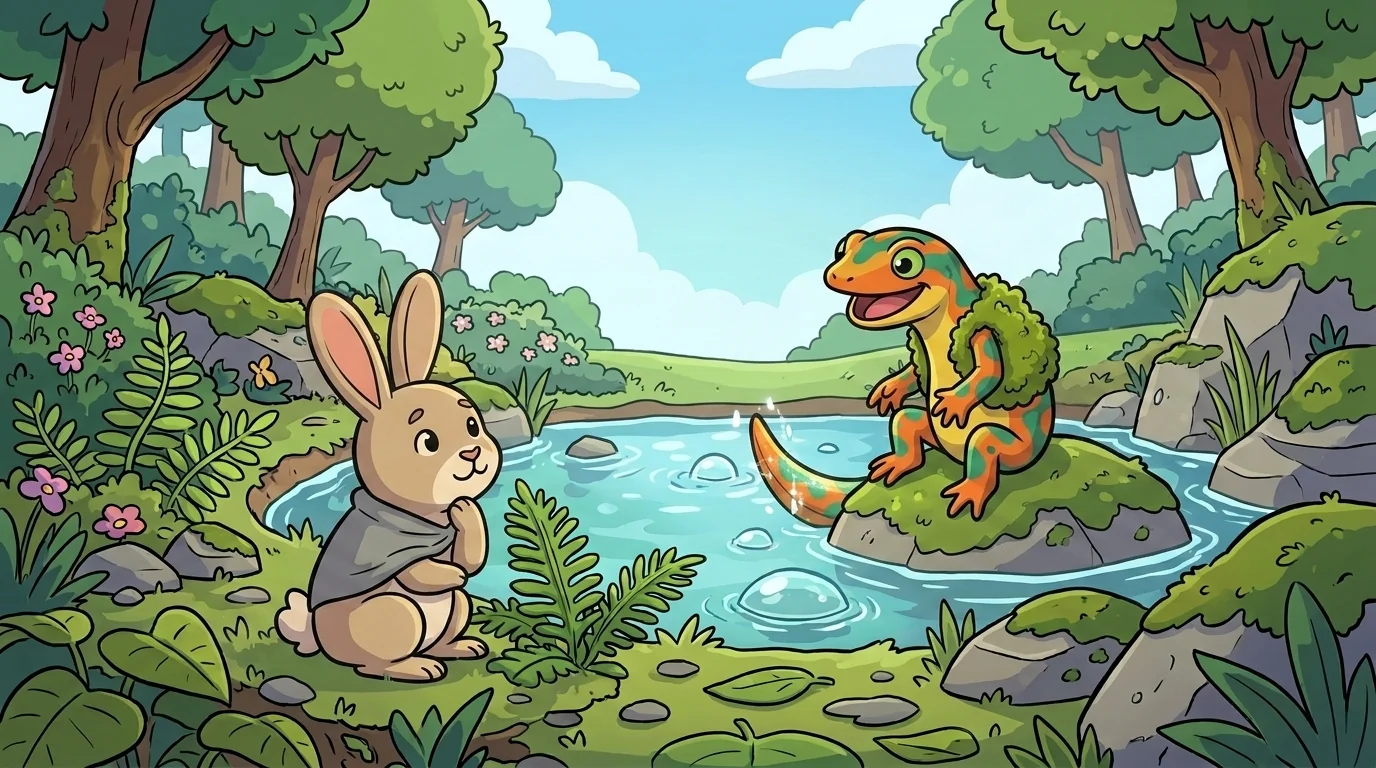
By a spring-fed pool at the forest's edge lived a jewel-bright newt named Renew, in a mossy vest, and the surprising thing about her was that she was never quite finished.
She had a gift her whole family shared: when a part of her was lost or worn, it grew back — new, whole, and hers. A young toad watched her, fascinated. "So you're always fixing yourself back to how you were," he said.
"No," Renew said, and smiled, curling her freshly-grown tail. "Not back. The new part isn't a copy of the old one. It's the next one. I'm not a statue being repaired to match a photograph. I'm a living thing, still becoming." She swished the tail, admiring it. "People make that mistake about traditions all the time. They see an old practice and think of it like something finished — a thing behind glass, in a museum, with a little card that says they used to do this. Past tense. Done." She fixed the toad with a bright eye. "But a living tradition is like my tail. Still growing. Still changing. The people who keep it are right now, not once-upon-a-time. Say used to, and you've quietly turned a living thing into a dead one."
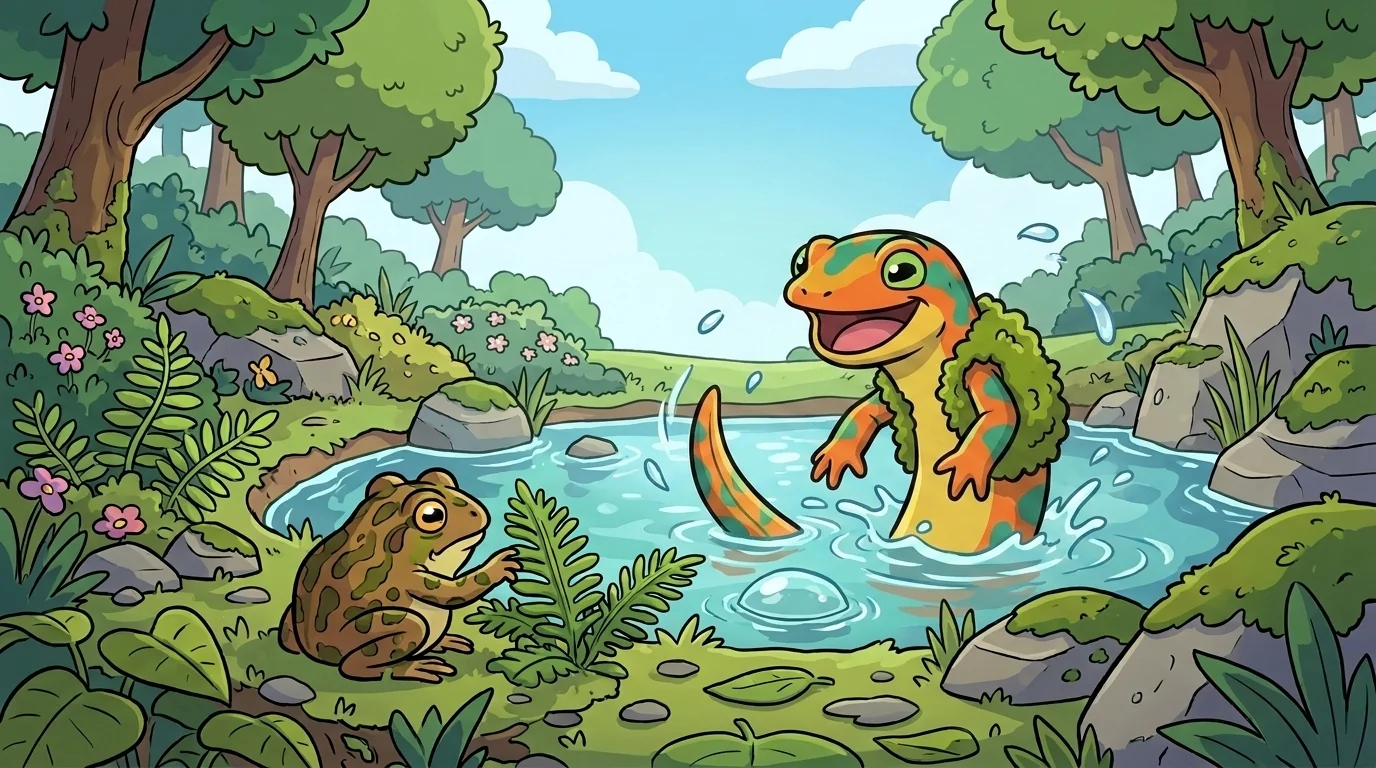
Renew had learned this the hard way, and it had stung.
She'd once met travelers who spoke, very respectfully, about the old weaving-songs of a distant valley — how beautiful they had been, how sad it was that they were gone, how lucky that someone had written them down before they vanished. Renew, young and moved, had repeated it all: the beautiful lost songs, the vanished valley-folk, so sad, so finished.
Then a small bird from that very valley had landed beside her, tilted her head, and said — puzzled, not unkind — "Gone? We sang three of those at the last harvest. My niece added a new verse. We're right here."
Something in Renew's chest had gone tight and hot. She'd stood there having mourned people who were not gone — having spoken of the living as if they were behind glass, and never once checked whether the glass was real.
"Don't carry shame," the valley-bird said. "It's an easy trap — even kind people fall in it. The mistake isn't caring about the songs. It's the past tense. You said were. You said vanished. We are here; we still sing; the songs still grow." She'd smiled. "Next time, before you mourn a thing, look for the people. Usually they're still there — and they'd rather you visited than grieved."
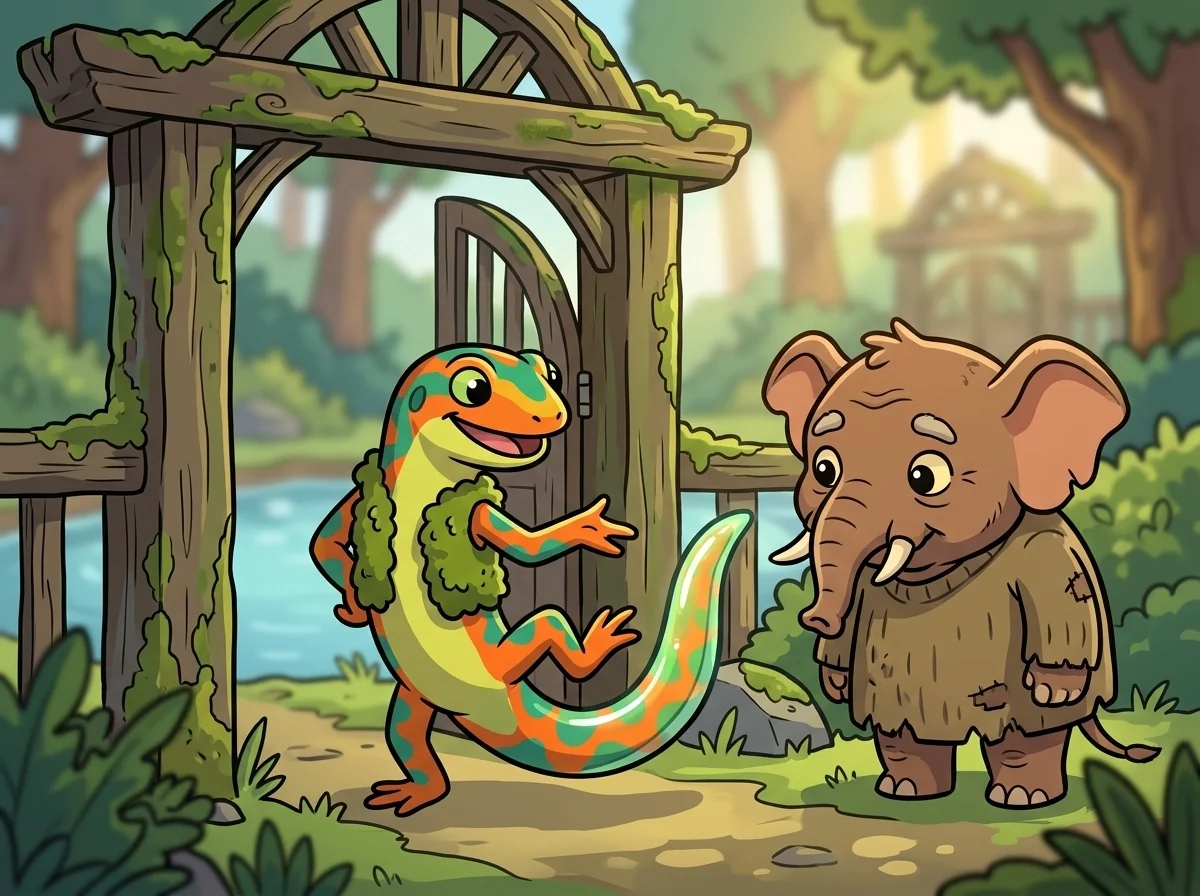
She walked to OriginForge, because a place devoted to where things come from ought to know the difference between finished and still going.
Waykeeper, the old mentor at the gate, asked one plain thing. "What is the living tradition?"
Renew didn't give a speech. She held up her new-grown tail. "Not a repair. A continuing. The old part fed the new; the new isn't a copy, it's the next." She set her small hand flat. "A tradition is the same. Not a relic to preserve exactly. A living practice the people are still changing, right now, in the present tense. If you can only speak of it as they used to — check. Usually the people are still here, and you've just been handed a museum card instead of a doorway."
Waykeeper watched her tail catch the light. "You corrected the tense," he said. "Used to, into still do. Most people never notice the tense at all."
"The tense is where the disrespect hides," Renew said. "Used to buries the living."
He nodded, slow and certain. "Then you'll keep the present tense here. Not to freeze traditions — to keep them breathing."
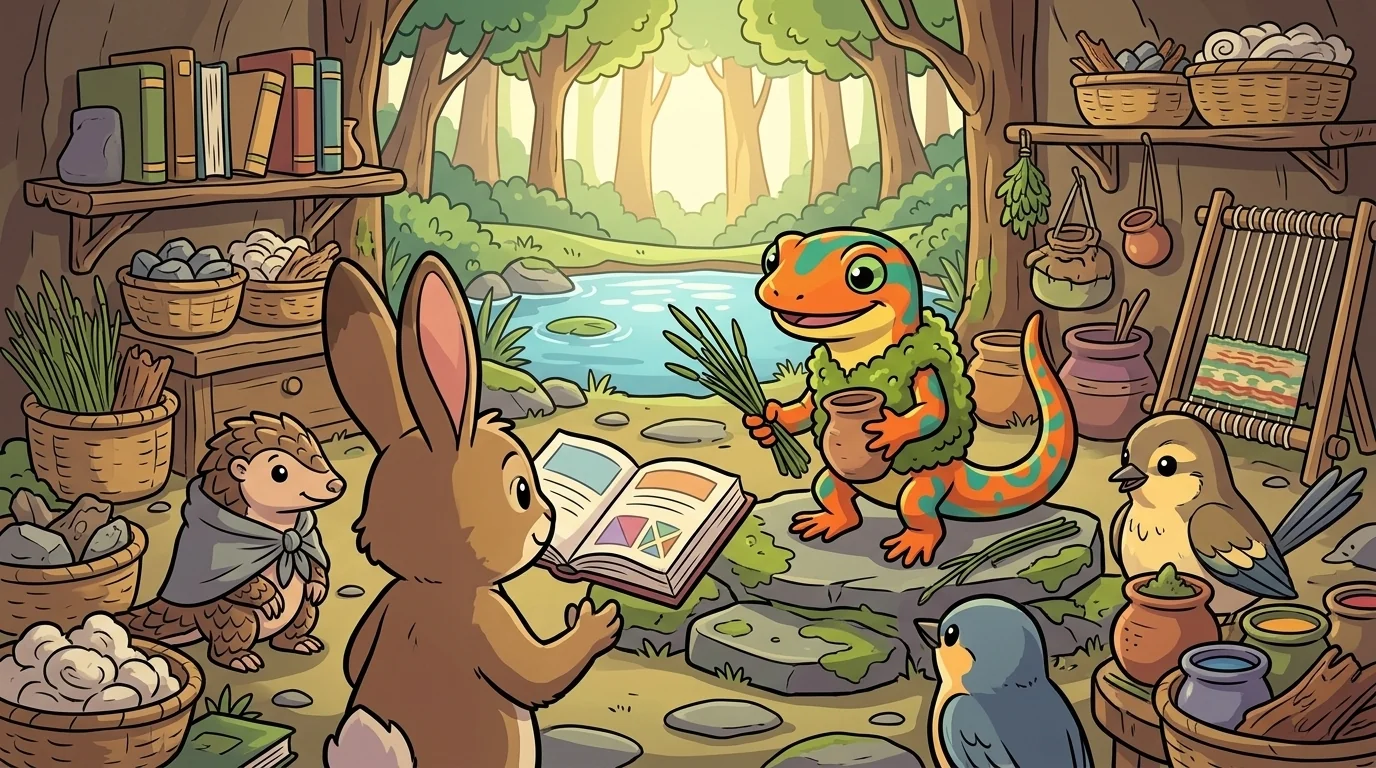
Renew's corner filled with young ones who spoke of far-off practices as beautiful, sad, and over.
A boy came in one day, gentle and mournful. He'd learned of an old craft from a faraway place, he said — such a shame it had died out, such a loss.
"Where did you hear it had died out?" Renew asked.
"A book," he said. "An old one. It said the last of them were fading."
"How old was the book?"
He checked. "...Very old."
"So the book is a photograph," Renew said, "of one moment, long ago. And you've been carrying the photograph as if it were today's news." She grew a tiny new fingertip-scale, just to show him. "Look for the people. Are they truly gone — or did an old book just freeze one moment and someone kept re-printing it?" She smiled. "Go and find out, in the present tense. Do they still practice it? Very often the answer is yes, and changed, and thriving, and nothing like the sad little card said."
The boy frowned, thinking harder than the sad book had made him think. "...I never checked if they were still here. I just believed were."
"That's the truest thing you've said today," Renew said warmly. "And here's the part that surprises people — finding out they're still here isn't a small correction. It's the whole difference between mourning someone and meeting them. One closes a door. The other opens it."
Later, in the honey-colored light, the boy came back, quieter.
"If I shouldn't say they used to," he said, "and I shouldn't freeze it in a book... then how do I honor an old tradition at all?"
Renew thought about her tail, always the next one, never the last.
"In the present tense," she said. "Say they do, not they did. Assume the people are still here until you've truly checked, not the other way round. And when you learn the practice has changed since the old book — don't mourn the change. The change is the life. A tradition that still grows is not a lesser version of some frozen ideal. It's the living thing, doing exactly what living things do." She looked at the spring-fed pool, always moving, never the same water twice. "You don't honor a living thing by pinning it under glass. You honor it by letting it keep growing — and by speaking of it as here, and now, and unfinished."
The boy nodded slow, and Renew watched something ease in him — the same relief she'd felt the day a valley-bird landed and said we're right here. She felt her own small shoulders settle, and a quiet gladness rose behind her ribs: to keep the living in the present tense, to trade a museum card for a doorway — that was a kindness you could offer a hundred times and never wear out.
The OriginForge ensemble
Renew is part of OriginForge's distributed-narrative cast. Each character embodies a different curricular primitive; together they teach the full subject.
-

Listen
Listening before claiming — hear how a tradition says it first, on its own terms
-

Trail
Trail-following — every origin is also a journey; honor the path itself
-
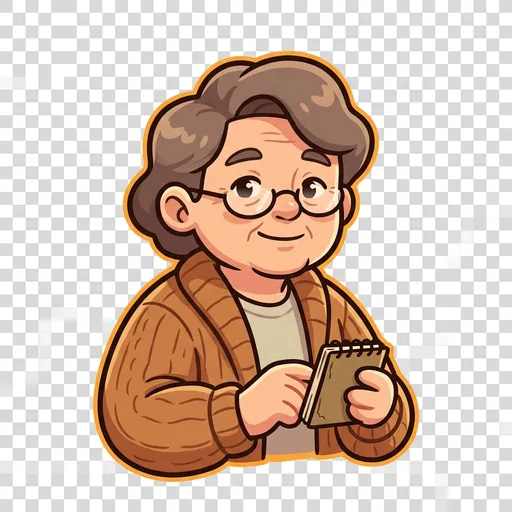
Carry
Carrying-forward — knowledge wasn't found, it was given; honor the hands that passed it
-
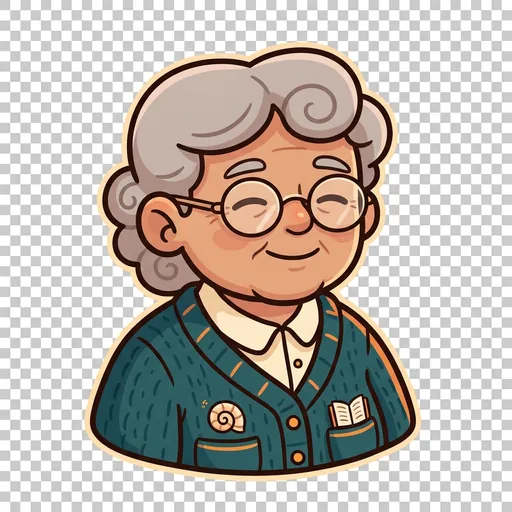
Honor
Honoring multiple truths — science and story answer different questions; both can be true
-

Greet
Greeting — knock before you enter; wait to be invited; ask permission before listening
-
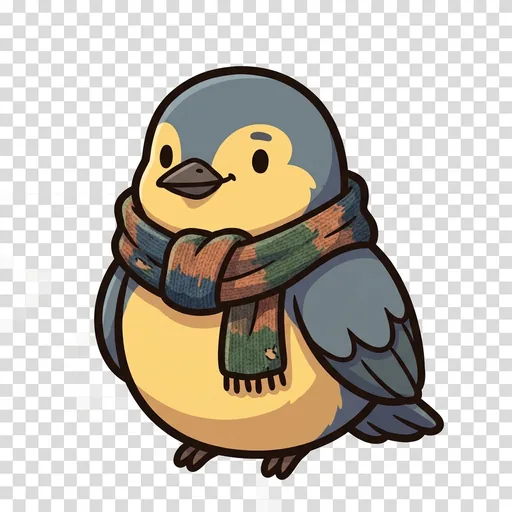
Convey
Faithful transmission — a story crossing tongues spills a little; carry it humbly, and say what you might have lost
-

Return
Reciprocity — knowledge is a relationship, not a taking; when you receive, you also give back
-
Skein
Wholeness — don't pull one thread from the weave; a piece torn from its whole forgets what it meant
-

Spare
Respecting the closed — some knowledge is closed, and closed is not a puzzle to solve; respect the 'not for you'