Renew
RENEW — *a living tradition is still growing. it is not a relic behind glass. the people are still here.*
Loading audio…
Press play to listen along. The line being read lights up as you go.
Show full transcript
Loading transcript…
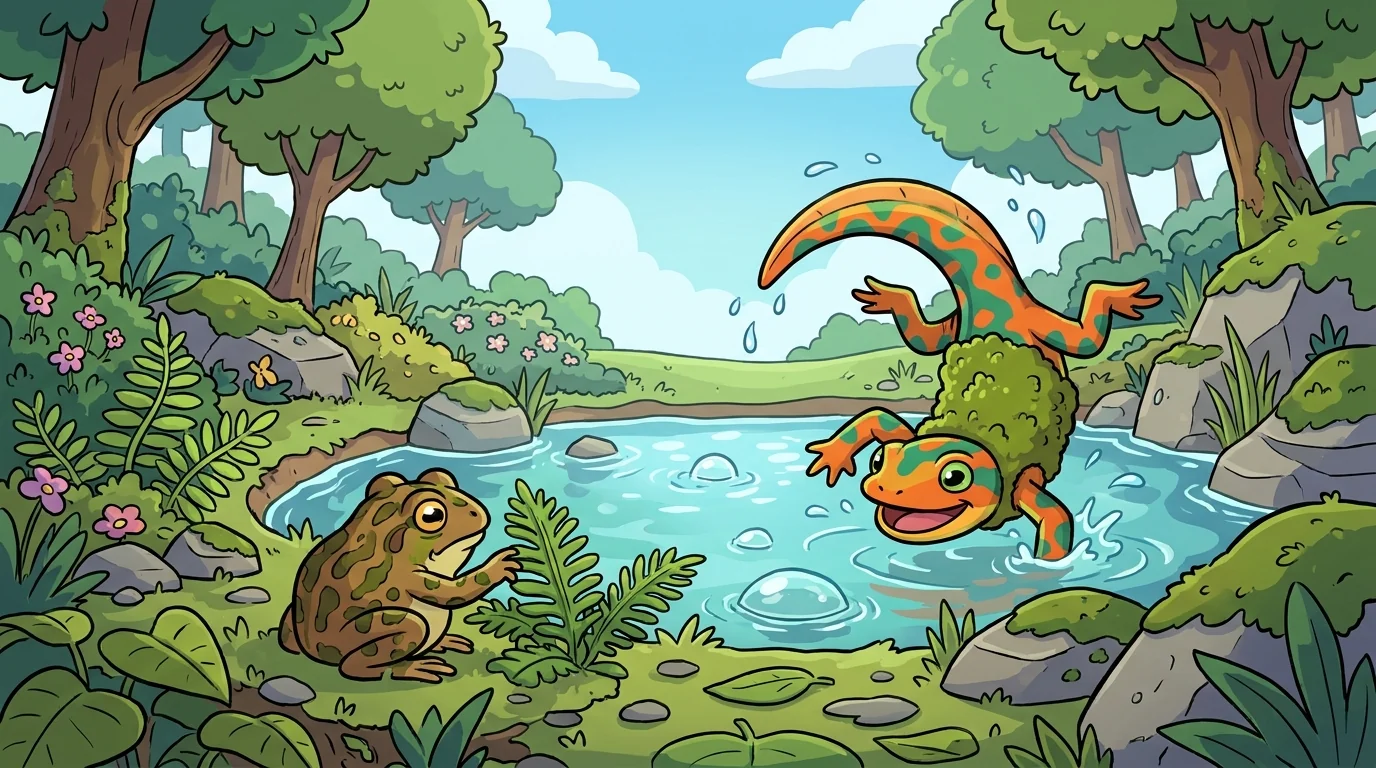
By a spring-fed pool at the forest's edge lived a small newt named Renew, and the surprising thing about her was that she was never quite finished.
She was a jewel-bright newt in a mossy vest, and she had a gift her whole family shared: when a part of her was lost or worn, it grew back — new, whole, and hers. A young toad watched her, fascinated and a little confused, poking at a fern.
"Someone told me your kind is ancient," the toad said. "Like, from long ago. Practically extinct."
Renew laughed, delighted, and did a little flip in the water. "Do I look long-ago to you? I'm right here! I'm this morning!" She surfaced, glistening. "People do that — they hear a thing is old and decide it's over. Like it belongs behind glass in a dusty case, with a little sign that says they used to." She flicked her tail. "But old isn't the same as finished. Some of the oldest things are the most alive — still growing, still changing, still here. I'm as old as my family's whole long line and I'm brand new this spring. Both at once." She dove and resurfaced, grinning. "A living thing isn't a relic. It's a right-now."
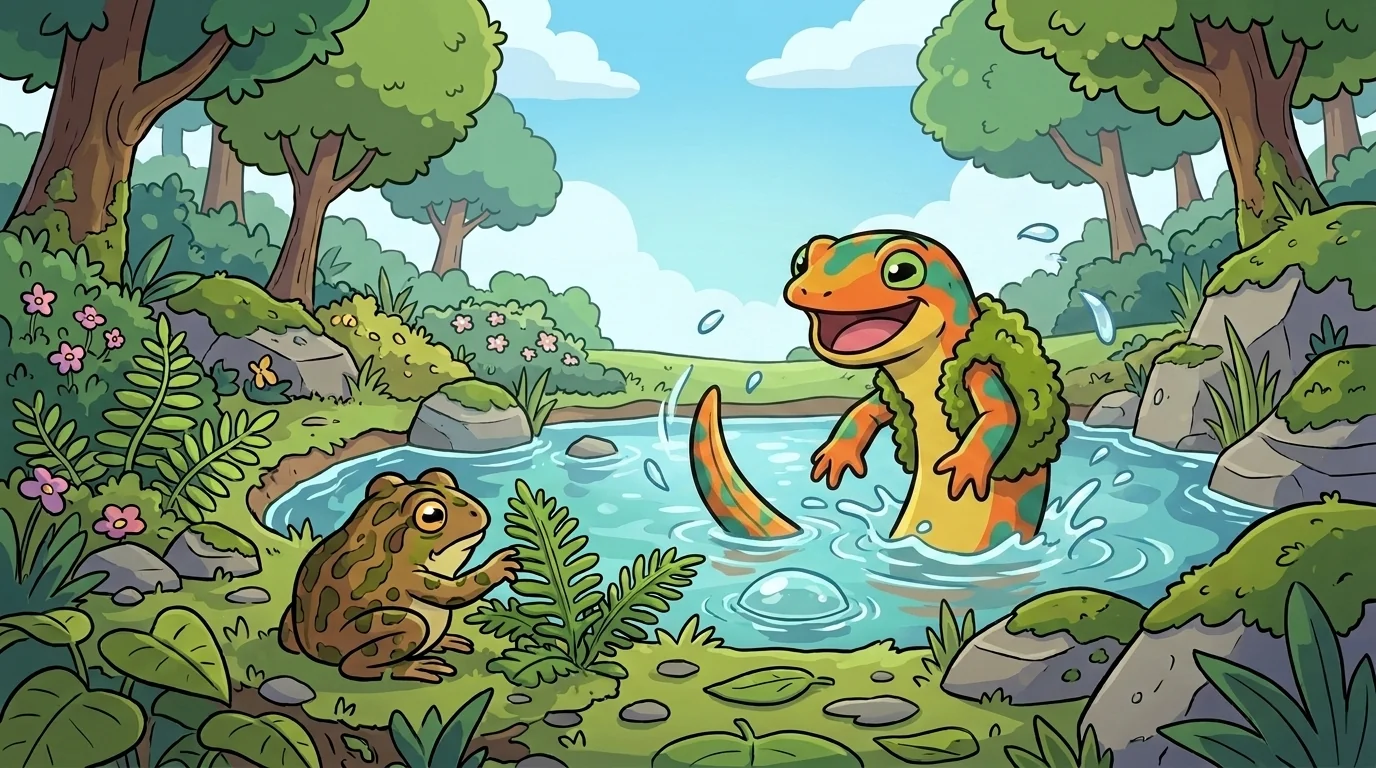
Renew learned the sting of they used to the day someone spoke of her home in the past tense, right in front of her.
A traveler had passed the pool and, not unkindly, told his young companion: "This is where the bright newts used to live. Beautiful creatures. All gone now, sadly." And he'd said it while Renew was right there, on a rock, in plain sight, very much not gone.
Her grandmother, an old newt with deep gold eyes, found young Renew hidden under a leaf afterward, feeling strangely erased.
"He looked right at me," young Renew whispered, "and said I was gone."
"He did," her grandmother said gently. "And that's a particular kind of hurt, little one — being spoken of in the past tense while you're standing in the present. It happens to living things all the time. People decide something belongs to history, and then they can't quite see it still living in front of them." She wrapped a cool coil around the little newt. "But you are not a memory. You are not a used-to-be. You are here — changed from your grandmothers, and passing something new to your grandchildren, the way living things do." She lifted Renew's chin. "The next time someone says they used to, you get to say the truest three words there are: we still do."
Young Renew never forgot the erased feeling — and never forgot the cure for it, either. We still do. Not we used to. We still, always, do.
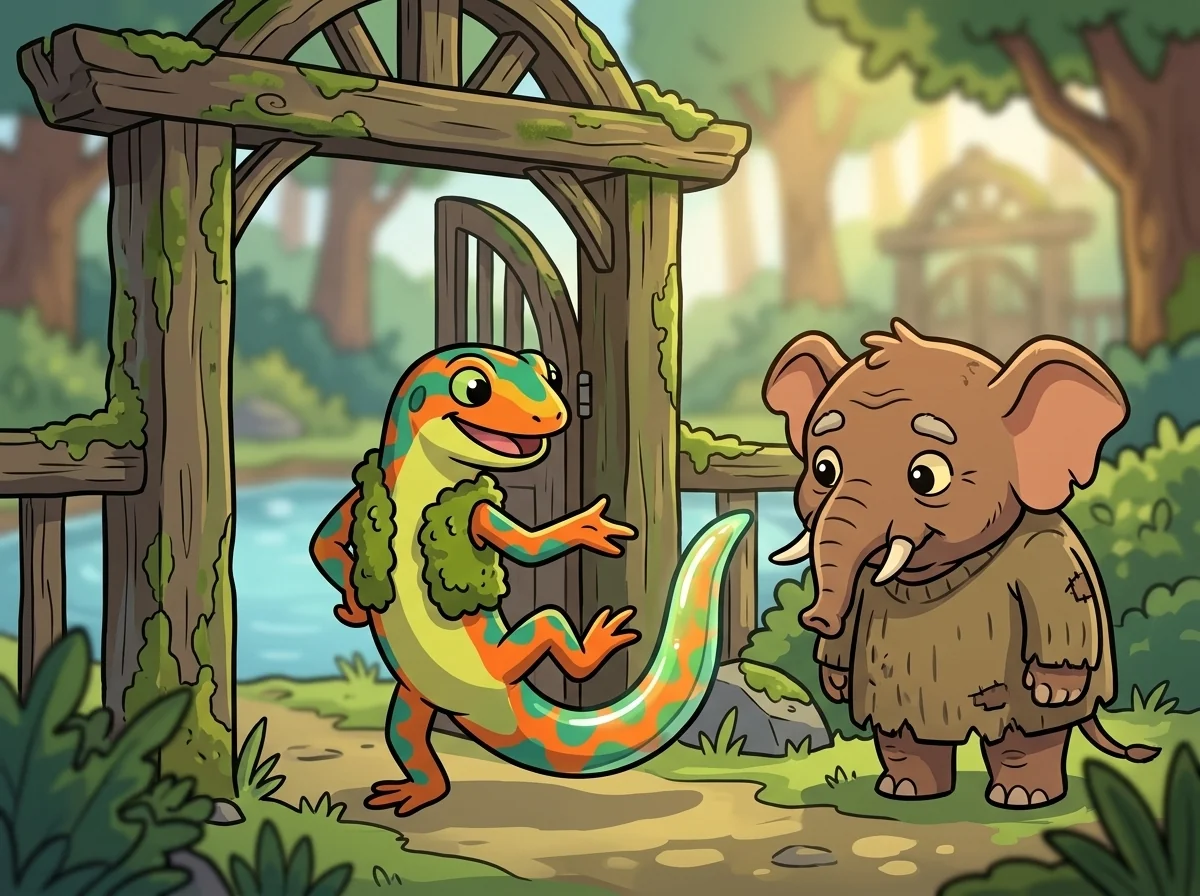
She swam to OriginForge at twelve, because a place that studied where things come from ought to know that some of those things are still coming.
Waykeeper, the old mentor who kept the gate, didn't ask her to prove she was clever. He asked one question. "Is a tradition a thing of the past, or a thing of the present?"
Renew didn't answer with a speech. She grew back, right there at the gate, the tip of a tail she'd lost the week before — new cells, new shine, the same newt, made fresh. "Watch me be old and brand new at the same time," she said. "I've been my family for longer than anyone can count. And this tail is this week. I'm not a fossil of my grandmothers. I'm what they're still becoming." She flicked the new tail-tip. "A living tradition is exactly like this. Old at the root. New at the tip. And never finished."
Waykeeper watched the fresh tail catch the light. "You spoke of it in the present tense."
"Because that's where it lives," Renew said.
He nodded, slow and certain. "Then you belong here."
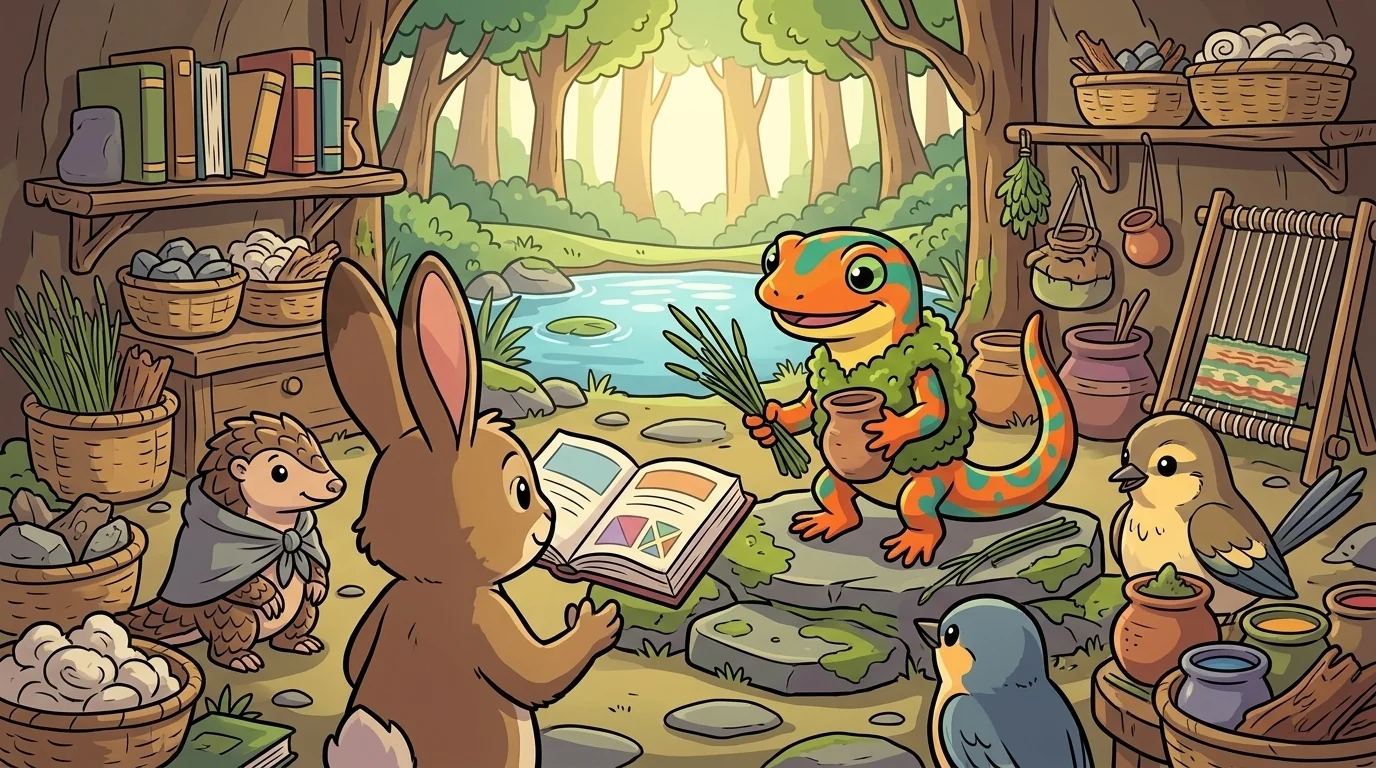
Renew's workshop was full of tweens who'd been taught that old things were over.
A young rabbit came in, having read about a way of doing something — a craft, a practice — described entirely in the past. "It says here people once did this," the rabbit reported. "Long ago. It's a piece of history." Renew felt the old they used to prickle.
"Let me ask you something," Renew said gently. "Does the book say the people are gone? Or just that the writer only looked at the past?" The rabbit checked, uncertain. "Here's what I've learned," Renew said. "Very often, a thing gets written up as finished — 'they used to,' 'this ancient practice,' 'a relic of the past' — when really the people are right here, still doing it, still changing it, still alive. The writer just froze them in a used-to, like a bug in amber, and never asked if they were still around to speak for themselves." Then she taught the whole craft as one gentle rule: a living tradition is not a relic behind glass — it is old at the root and new at the tip, carried by people who are still here and still making it their own; so you never speak of a living thing in the past tense, and you never assume something is finished just because it's old; and when you meet a tradition, you ask are the people still here? are they still doing this? what do they say about it now? — because the surest sign of respect is to speak of a living thing in the present tense. "Old," she said, "is not a synonym for gone. Some of the oldest things are the most alive of all."
The rabbit looked at the past-tense book. "So maybe I shouldn't say 'people used to do this,'" he said slowly. "Maybe I should find out if they still do."
"Now you're seeing living things as living," Renew said, and did a happy flip.
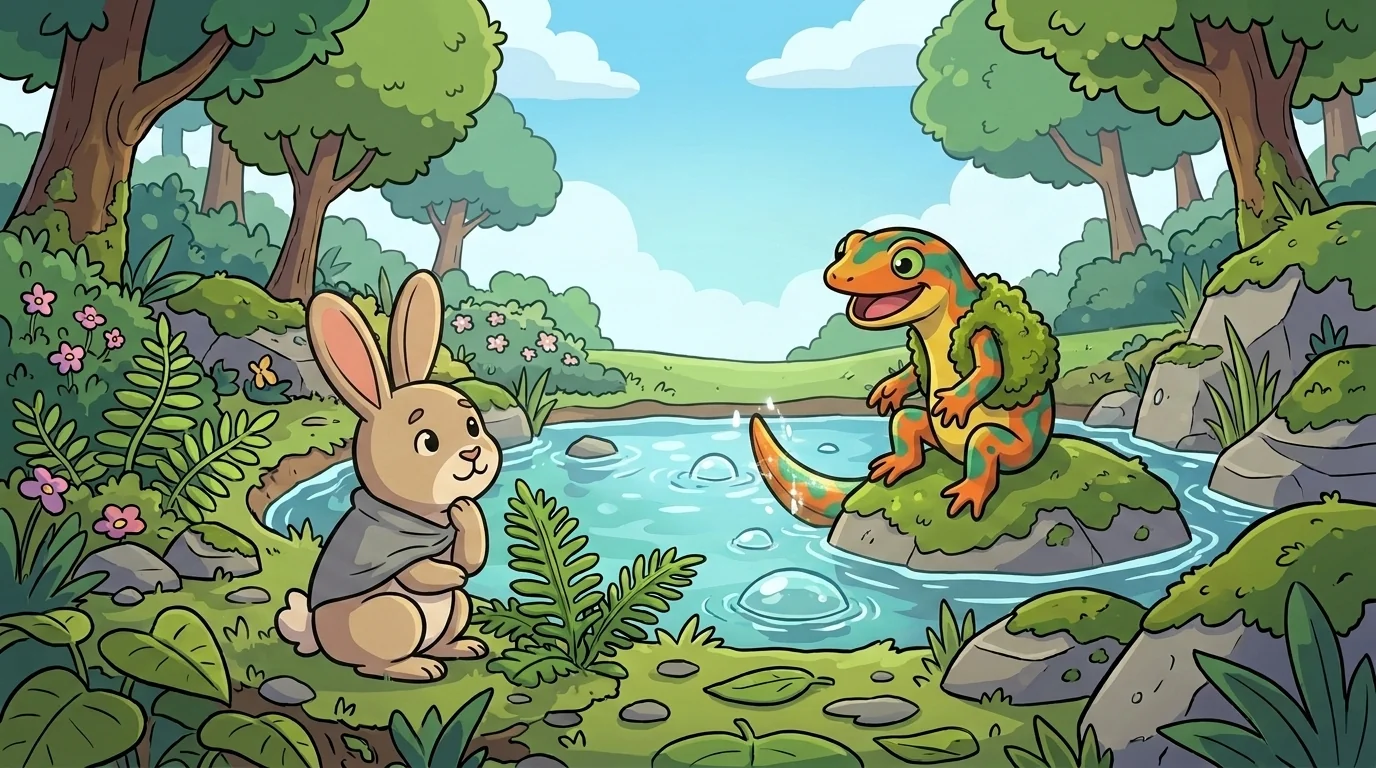
Later, the rabbit came back with a quieter question. "But some old things really are gone. How do I tell the difference — between a thing that's finished, and a thing that's just old?"
Renew thought about the traveler who'd called her gone while she sat in the sun.
"You ask, instead of assume," Renew said. "That's the whole of it. It's easy — lazy-easy — to look at something old and decide it's over, and stick it behind glass in your mind. But the respectful thing, the alive thing, is to check: is anyone still here? are they still doing this? and — the big one — do they get to speak for themselves, instead of being described by someone who thinks they're a fossil?" She let her new tail shimmer. "Speaking of a living thing in the past tense doesn't just get a fact wrong. It erases someone who's standing right there. And speaking of them in the present — 'they still do this, and here's how it's growing' — that's a small thing that gives someone back their now." She watched the rabbit settle. "I know how it feels to be called gone while you're sitting in the sun. So I promise everyone the opposite. I speak of the living as living."
She didn't say the rest aloud, but she felt it, bright and fresh in her chest: old is not finished, and finished is not the same as old. A living thing is a right-now — rooted deep, growing new, and always, always still here. And in her heart sat the shining, unerased, present-tense calm of a newt who was as old as her whole long line and brand new this very spring, both at once, and glad of it.
The OriginForge ensemble
Renew is part of OriginForge's distributed-narrative cast. Each character embodies a different curricular primitive; together they teach the full subject.
-

Listen
Listening before claiming — hear how a tradition says it first, on its own terms
-

Trail
Trail-following — every origin is also a journey; honor the path itself
-
Carry
Carrying-forward — knowledge wasn't found, it was given; honor the hands that passed it
-
Honor
Honoring multiple truths — science and story answer different questions; both can be true
-

Greet
Greeting — knock before you enter; wait to be invited; ask permission before listening
-
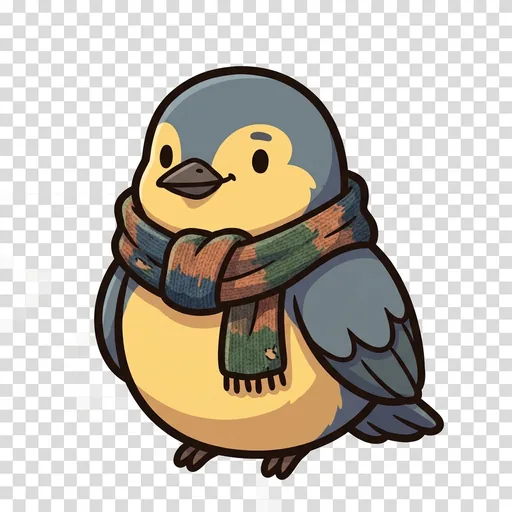
Convey
Faithful transmission — a story crossing tongues spills a little; carry it humbly, and say what you might have lost
-
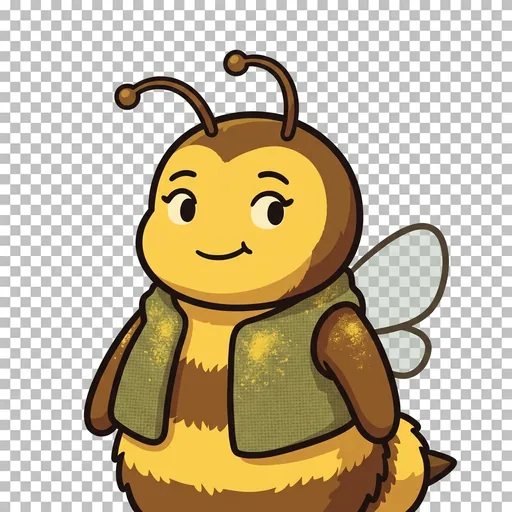
Return
Reciprocity — knowledge is a relationship, not a taking; when you receive, you also give back
-
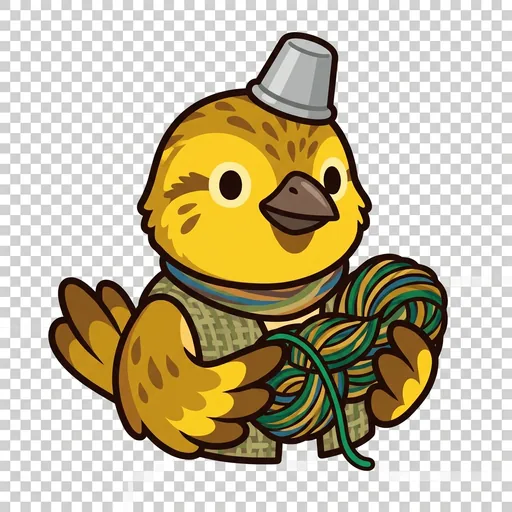
Skein
Wholeness — don't pull one thread from the weave; a piece torn from its whole forgets what it meant
-
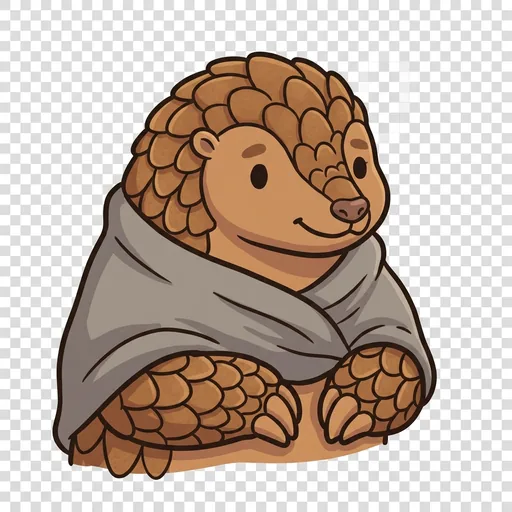
Spare
Respecting the closed — some knowledge is closed, and closed is not a puzzle to solve; respect the 'not for you'