Holdfast and Dashell
DASHELL runs when ahead; HOLDFAST anchors when behind. Together
Loading audio…
Press play to listen along. The line being read lights up as you go.
Show full transcript
Loading transcript…
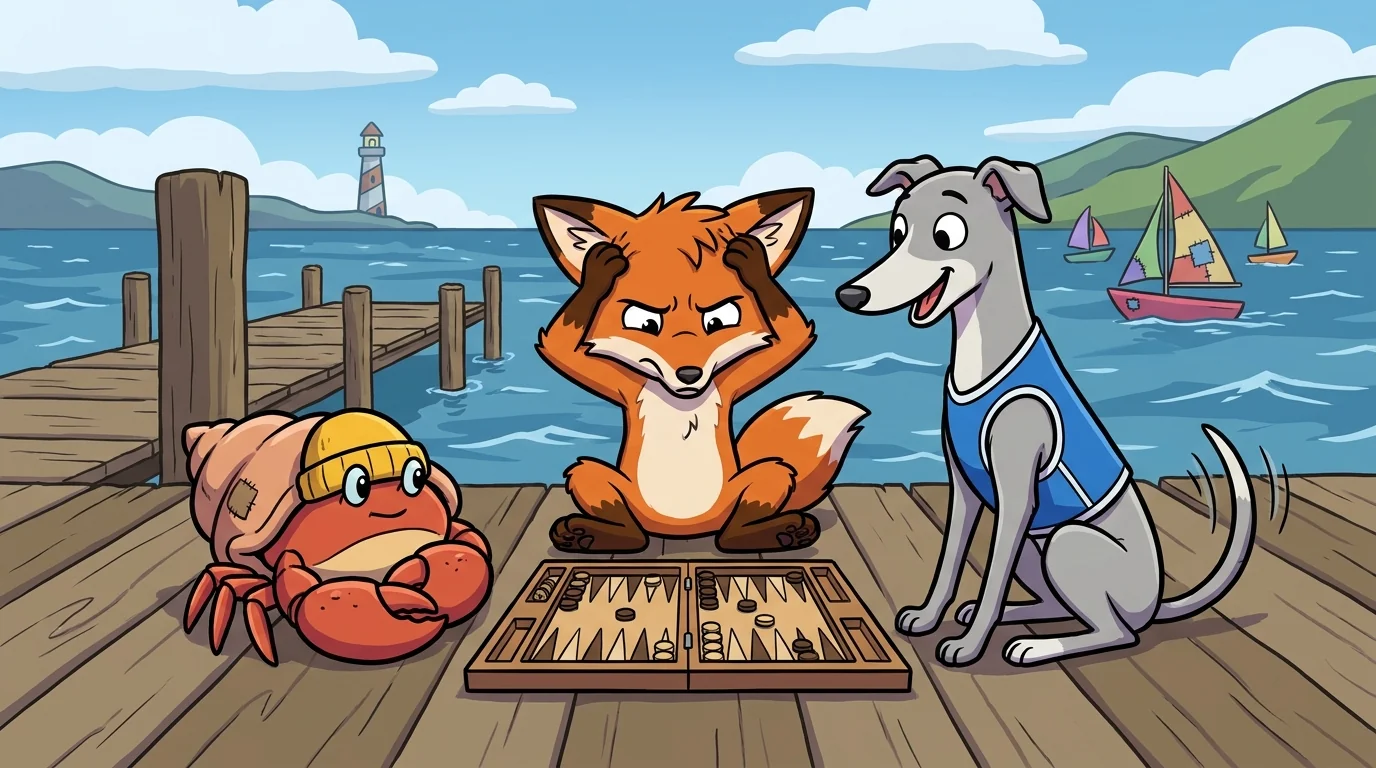
On the little wooden board by Storm Bay, a young fox was doing the same thing in every game no matter what — and losing half of them — and both Holdfast the crab and Dashell the greyhound came to sit with her, because between the two of them lay the one question you have to answer before you do ANYTHING.
"I don't get it," the fox said, exasperated. "Sometimes I run for home and it works great, and sometimes I do the EXACT same thing and lose horribly! Why does the same plan work sometimes and not others?"
Dashell wagged his tail, and Holdfast tucked his claws, and the two of them looked at each other the way friends do who are two answers to one question.
"Because there isn't ONE plan," said Dashell, quick and bright. "There are two — and which one is right depends on the FIRST question you have to ask: am I ahead, or behind? Here's MY half: when you're AHEAD in the race — your pieces have less distance to travel home than hers — you RUN. Race for home, avoid her pieces, don't fight. Running wins when you're winning."
"But here's MINE," said Holdfast, calm and slow, "for the OTHER answer. When you're BEHIND — she's got less distance to go than you — running is hopeless; you can't out-race someone who's ahead. So instead you HOLD. Anchor a safe base in her waters and wait for her to slip, so you can strike. Holding wins when you're losing." He patted an anchored pair. "Same board. Opposite plans. The right one depends on which side of the race you're on."
The fox's eyes went wide. "So that's why the same plan worked sometimes and not others! When I ran and I was AHEAD, it worked — but when I ran and I was BEHIND, it lost! I never asked which one I was!"
"That's the first question of every voyage," the two said together. "Am I ahead, or behind? Answer THAT first — then run if you're ahead, anchor if you're behind. The plan follows the answer."
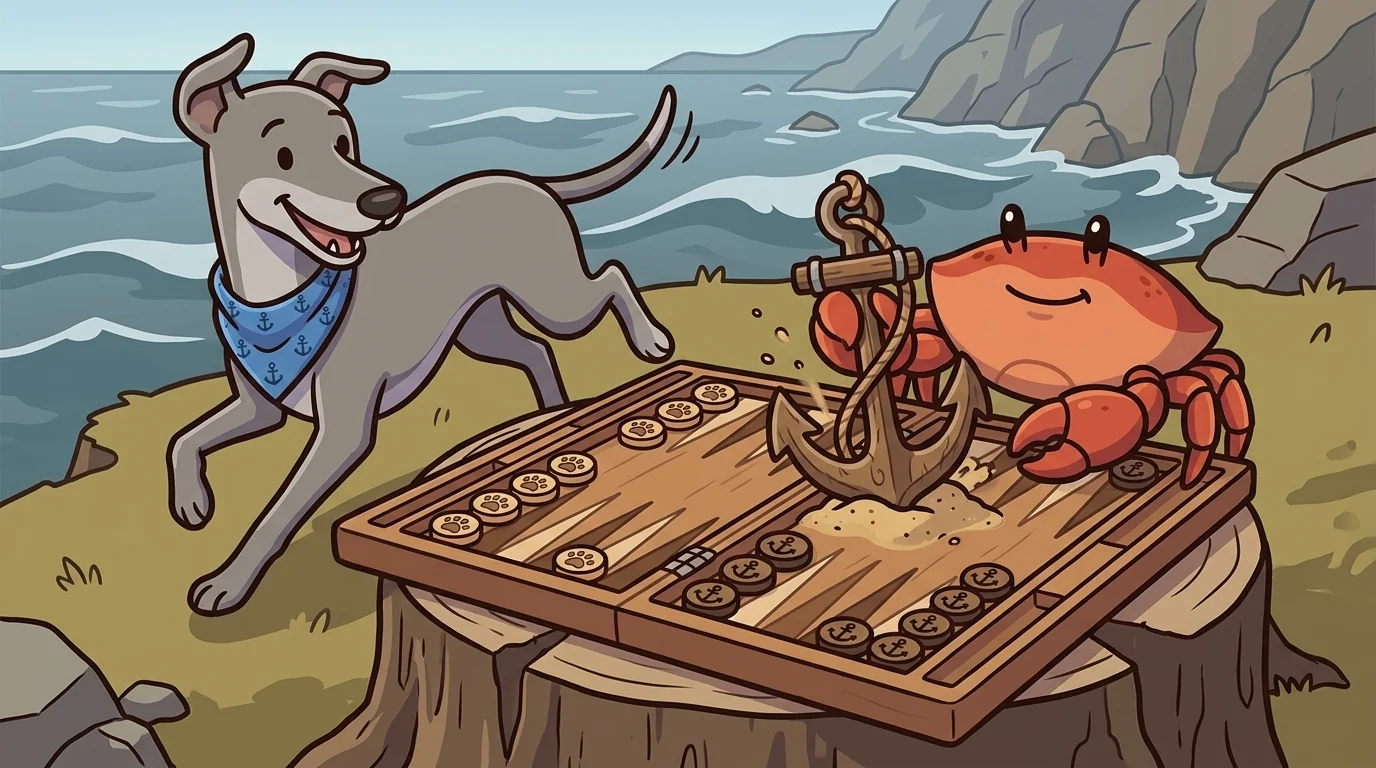
The two of them had each learned only one answer, and lost with it half the time.
Dashell, when young, ran ALWAYS — even when he was behind, where running just raced him faster to a loss. Holdfast, when young, anchored ALWAYS — even when he was ahead, where holding wasted a winning lead he should have run home. Each had one good plan and used it at the wrong times, because neither asked the first question — "am I ahead or behind?" — before choosing.
They'd played a voyage together once, and it clicked. When one of them was clearly ahead, Dashell showed the way: run. When behind, Holdfast showed it: anchor and wait. "My running only works when I'm ahead," Dashell had realized. "And my anchoring only works when I'm behind," Holdfast had said. And together they saw the whole shape of it: neither plan is right or wrong by itself — each is right for ONE situation, and the first thing you must do is figure out which situation you're in. Ahead, you run. Behind, you hold. Read where you stand first; the plan follows.
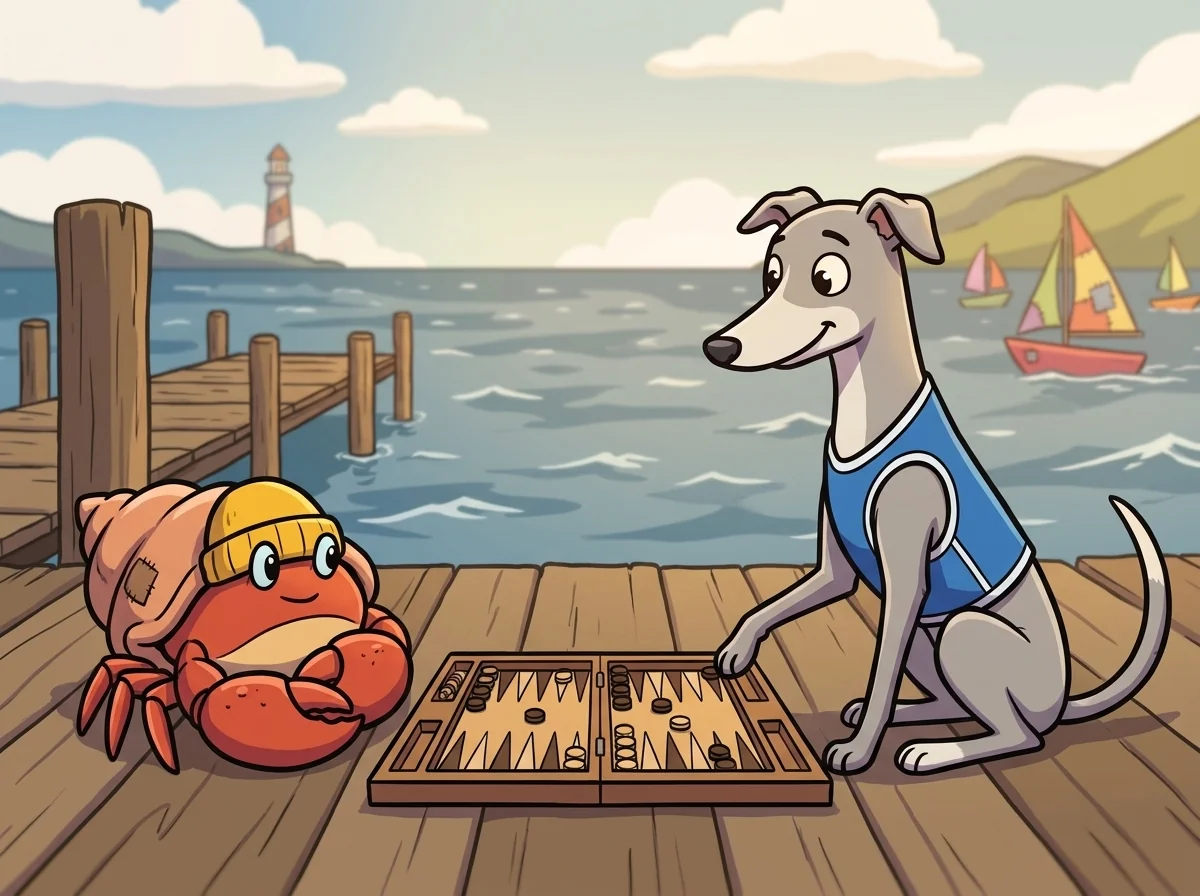
They had walked to PipQuest around the same season, and Peg, the mentor, meeting each at the dock, had watched them play.
Dashell had run a winning race clean home. Peg had nodded: "Ahead, and running. Right."
Holdfast had anchored a losing position and clawed it back. Peg had nodded: "Behind, and holding. Right."
And when the two of them began teaching TOGETHER — first asking "ahead or behind?", then running or anchoring to match — Peg smiled widest, because a voyager who reads where she stands before she chooses her plan almost never picks the wrong one.
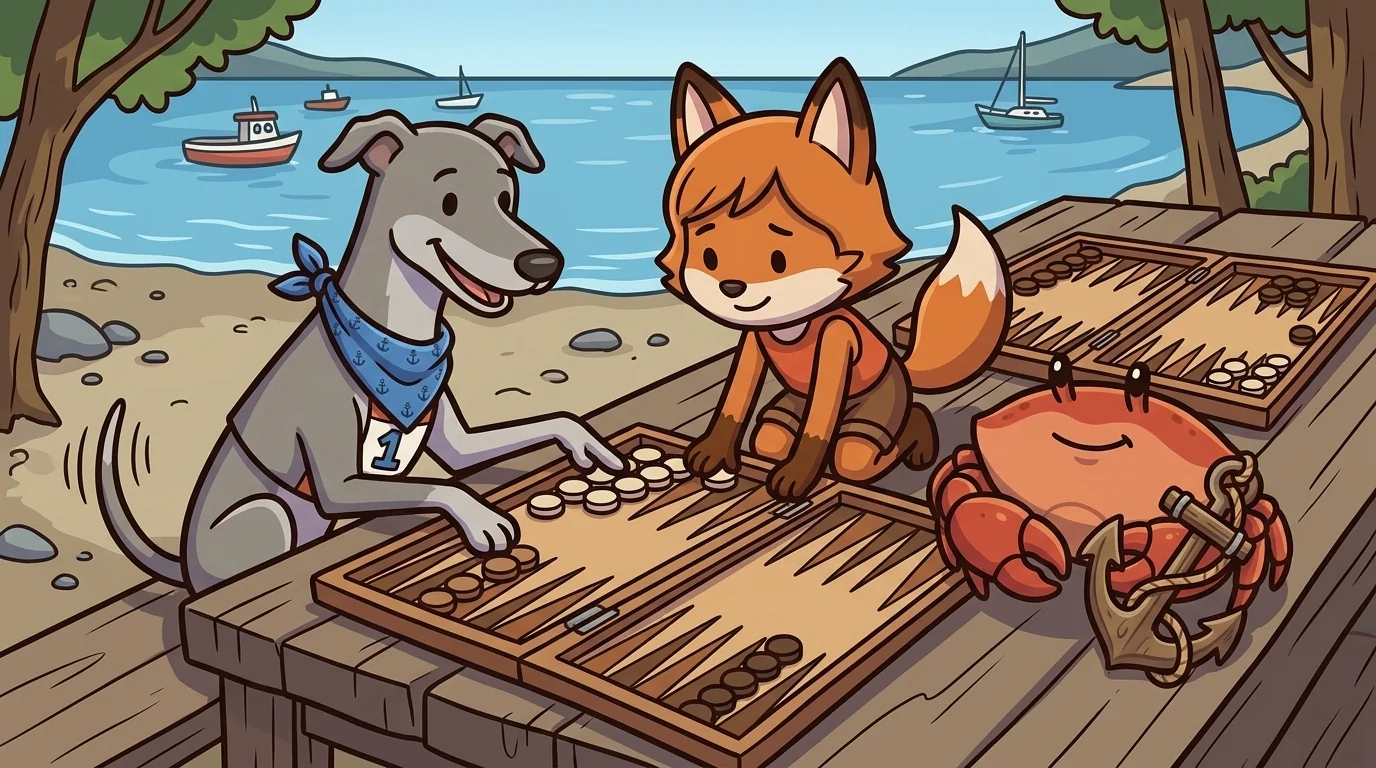
So when the fox couldn't understand why her one plan worked only half the time, the two of them walked it with her.
"First, always ask," said Dashell: "am I ahead or behind? Count the race if you're not sure. Here—" he showed her a position "—you're clearly ahead. So?" "So... I run?" the fox tried. "RUN," Dashell said, and she raced home clean and won.
"Now this one," said Holdfast, showing a losing position. "You're behind. Running won't catch her. So?" "So... I hold my anchor and wait?" the fox tried. "Anchor," Holdfast said, and she held steady, waited, struck when the other player slipped, and clawed the game back.
The fox looked between the two positions — same board, opposite right answers. "Oh! It was never about ONE plan. It's about asking which situation I'm in FIRST — and THEN the right plan is obvious. Ahead: run. Behind: hold!"
"That's the first question," said Dashell.
"Ahead or behind," said Holdfast.
"Ask it first," they finished together, "and the plan follows."
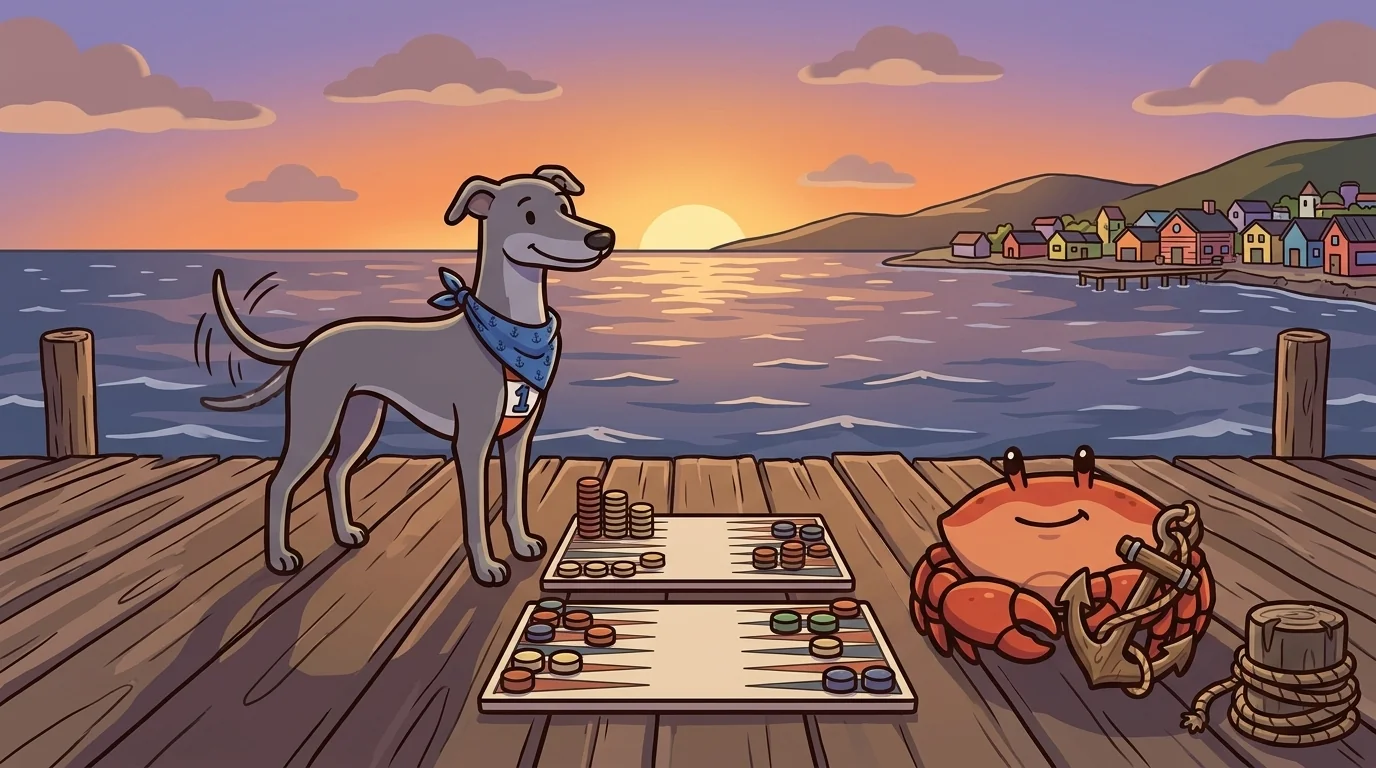
Later, when the board was put away, the fox came back with one quiet question, and found them both there, two positions laid out between them.
"When you figure out where you stand first," she said, "and THEN you know exactly what to do — what does that feel like? It used to feel so random."
Holdfast and Dashell looked at each other, and it was Dashell who answered first.
"Like the fog lifting," he said, tail wagging. "When I ran at random, not asking if I was ahead, half my races blew up and it felt like pure luck. My one plan, used blind, worked half the time."
"And I anchored blind," said Holdfast, "holding even when I was ahead and should've run. My one plan, used blind, ALSO worked only half the time."
"Together, though—" Dashell looked at the two positions.
"—there's a clear, sure, I-know-what-to-do feeling," said Holdfast. "Not the random luck of one blind plan, but the calm of asking where you stand first, and then knowing exactly which plan fits. Ahead, run. Behind, hold. No more guessing why it worked." He tucked his claws; Dashell wagged. "For years I held when I should've run, and he ran when he should've held. Alone, each of us had one plan and no idea when to use it."
"Together," said Dashell, "we've got the whole map — and there's such a steadying calm in reading where you stand before you choose: the randomness gone, replaced by knowing that the right plan always follows the honest answer. Clear. Sure. No more fog. That's my favorite feeling: not one plan used blindly, but asking 'ahead or behind?' first, and always knowing what to do next."
The fox nodded, and the two of them watched the it-felt-so-random frustration settle into something clear on her shoulders — the same fog-lifting calm that each had once found only by learning what the other knew, on a board that finally answered the first question before choosing the plan.
The PipQuest ensemble
Holdfast and Dashell is one of the friends in PipQuest. Each friend shows you one idea by how they act; meet them all and you have the whole subject.
-
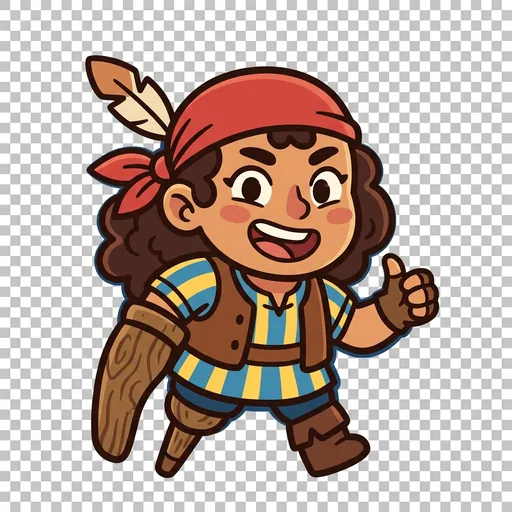
Peglegra the Bold
The brave forward-run — commit the piece and trust the dice
-
Tandem the Careful
The blot / safety in pairs; a lone piece is exposed, paired pieces are safe
-
Bulwark the Steady
Making points / building a prime; a wall of your own points blocks the opponent
-

Rebound the Bright
Re-entering from the bar; when hit and sent home, find the open door and come back
-
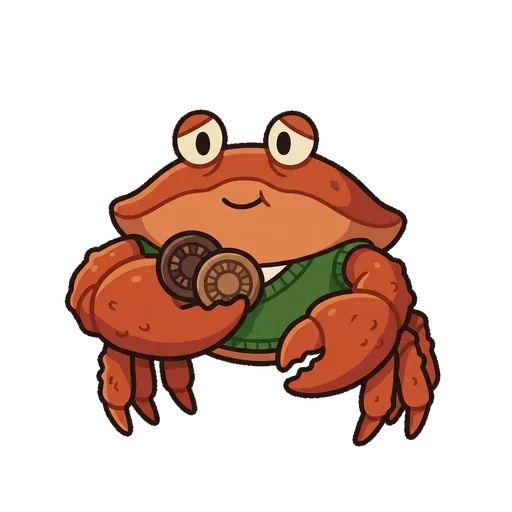
Holdfast the Patient
The anchor / back game; hold a safe base deep in enemy waters when behind
-
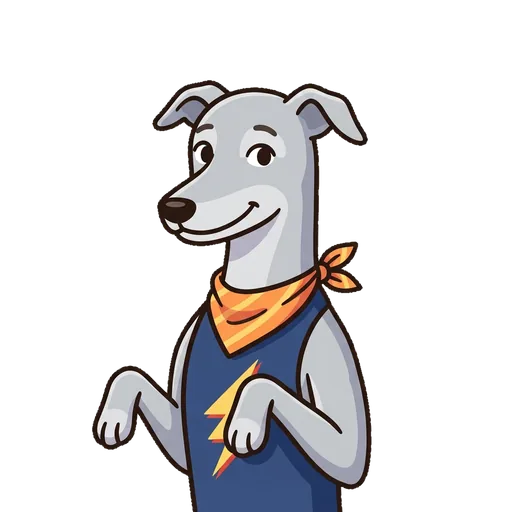
Dashell the Swift
The running game; when ahead, flee for home and avoid contact
-

Chompus the Great
The multi-hit chain — one hit is luck, three is a chain that sends opponents home
-
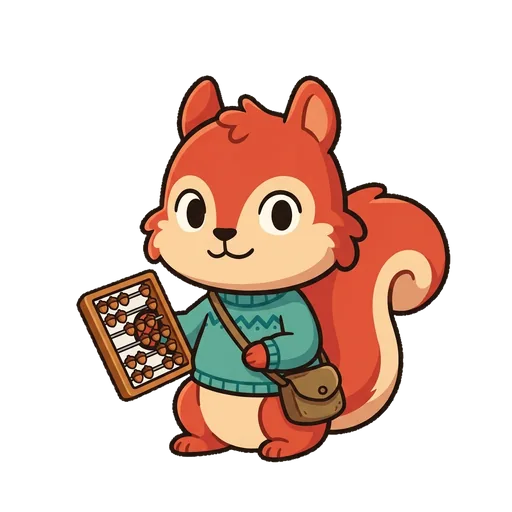
Pipp the Sharp
Pip counting; count how far each side must travel to know who's really ahead
-
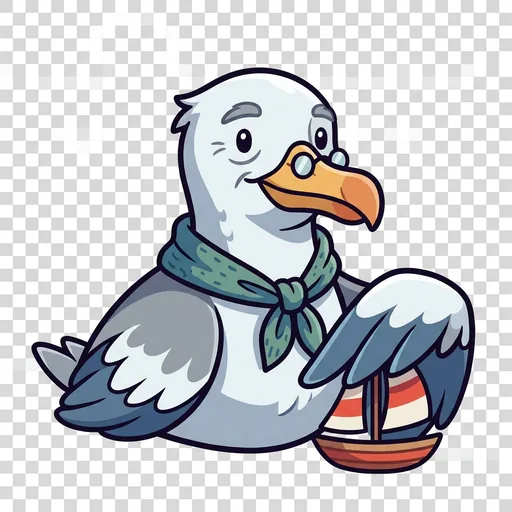
Windward the Wise
The doubling cube — raise the big sail when the tide's truly with you, bow out gracefully when it's not
-
Tuckett the Tidy
Bearing off; the endgame of taking pieces off smoothly, wasting nothing, leaving no gaps


