How are you feeling?
Start here
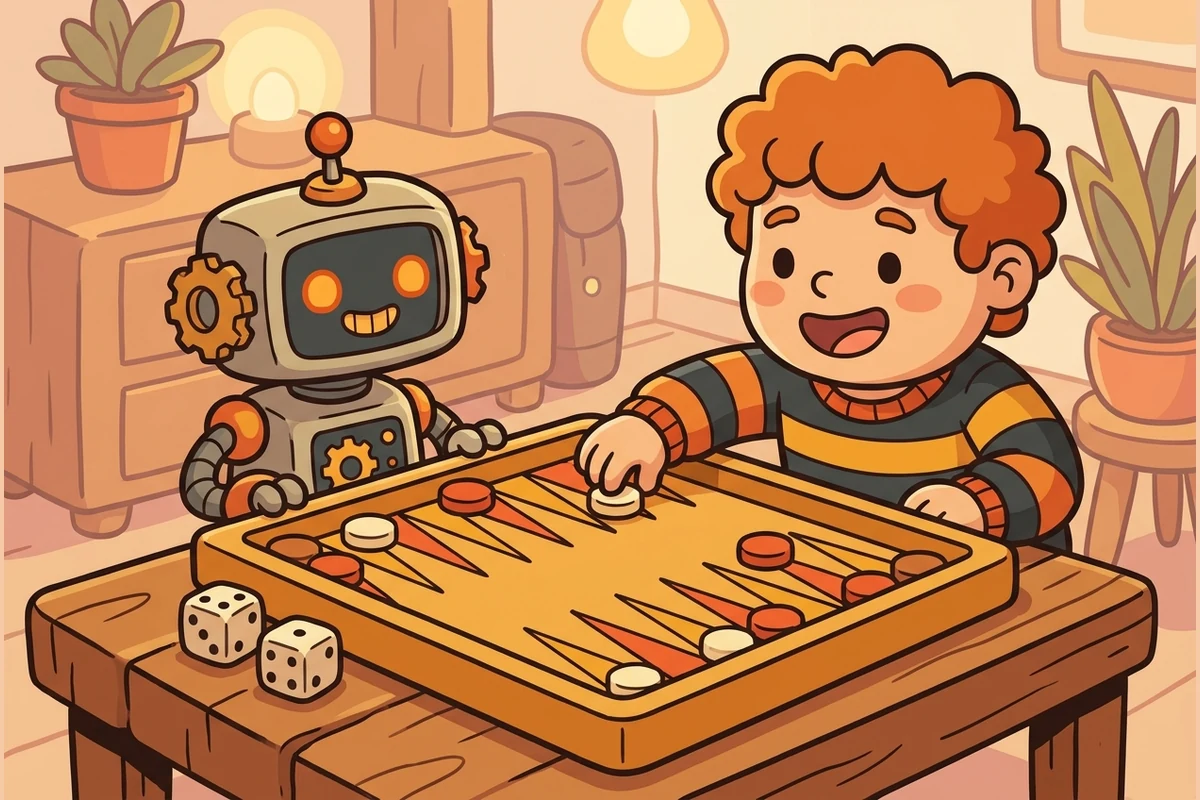 Play a Bot A full game of backgammon against a bot — read the board, count the pip race, make the play.
 Learn to Play Short steps on a real board — the pip race, the point, the hit, and the bar — with a drill at the end.
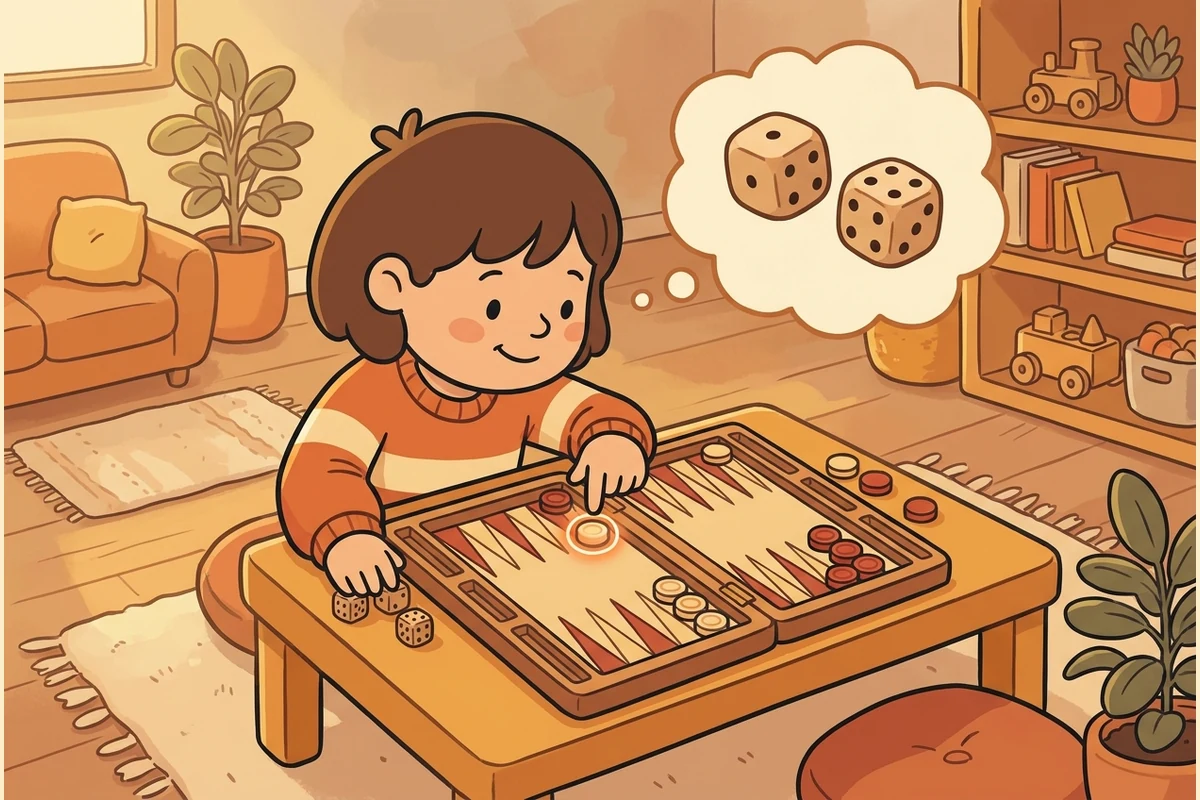 Odds Lab How many of the 36 rolls hit a blot? Read the board and predict the odds before you roll.
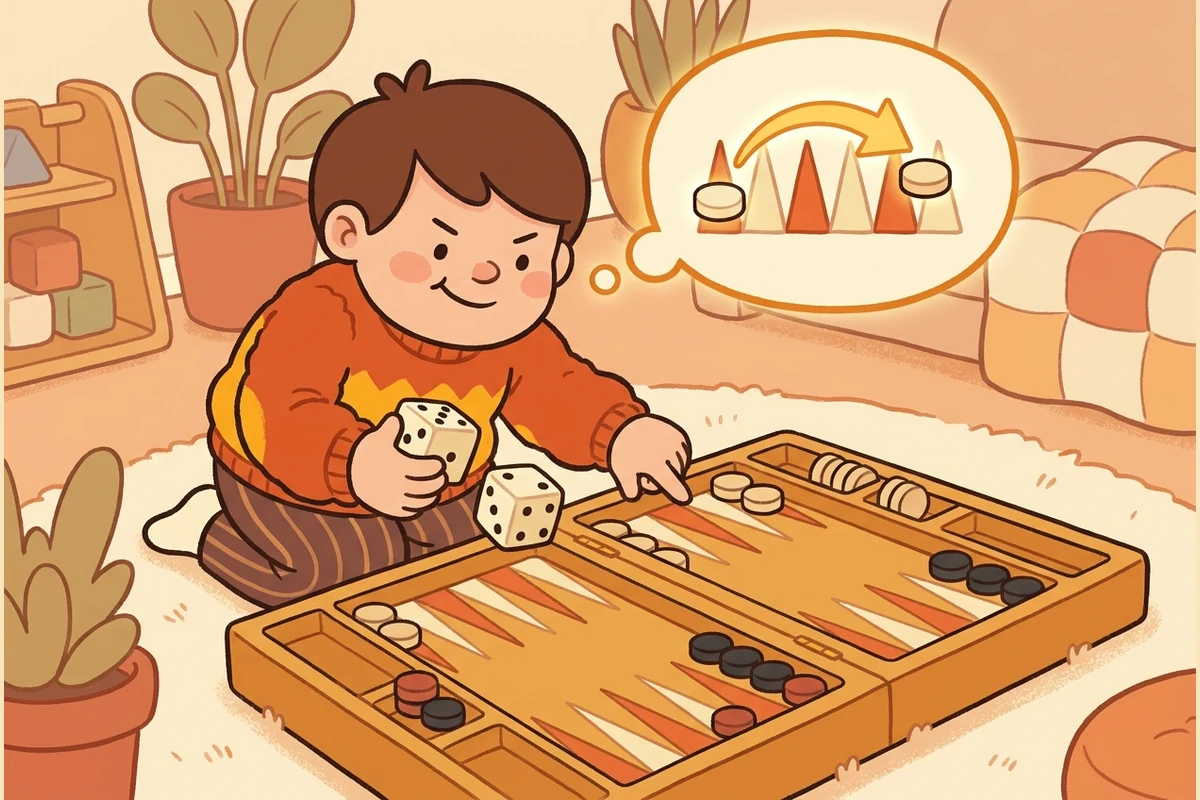 Predict the Roll Call the best play — or the odds of the hit — BEFORE the reveal, then find out why. A guess is the point.
All activities
Play backgammon
Play a Bot A full game of backgammon against a bot — read the board, count the pip race, and make the winning play, not the lucky one. Pass-and-Play Two players share one device and take turns at the board — the same real backgammon, face to face. Nackgammon A backgammon variant — same rules, but a deeper starting anchor for more contact and less early luck. Play a full game vs the bot. Hypergammon A fast backgammon variant — same rules, but just three checkers each, so the game is short and sharp and one well-timed hit can decide it. Play a full game vs the bot. Little Pips (ages 6–8) A gentle, audio-first first taste of backgammon for younger players — roll the dice, hop your checker that many spaces, and race it home. Big spaces, read aloud. Play a Friend Same-device or an online room — a quick match on the same board. My Games Every game you play against the bot is saved on this device — replay it turn by turn and look back at how the race unfolded. Nothing that names you leaves the device.
Read the board
Learn to Play Short steps on a real board — the pip race, the point, the hit, and the bar — with a drill at the end. Nothing timed. Odds Lab How many of the 36 rolls hit a blot? Read the board and predict the odds before you roll — it is math, not luck. Predict the Roll Call the best play — or the odds of the hit — BEFORE the reveal, then find out why. A guess is the point. Board Tactics Sharpen the play — the pip race, safe points, and when to run or hit, one crisp position at a time. Board Studio A free board to set up a position and try ideas — no clock, no score, just the pieces and the dice.
Practice & play
Mixed Practice A short round across the kits you have played — brought back to make it stick. Points Rush A calm minute on what you already know — the clock counts up, stop whenever you like, no penalty for a miss. Quick round — a calm sprint Quick recall of kits you have mastered. Self-paced; turn on a timer only if you want one. Trick Questions Brain-teasers with a twist — spot why the obvious roll is a trap. Teach the Cast Teach a backgammon idea to a cast member still learning it — teaching makes it stick. Pip Quest — the map A progression trail through every kit. Clear each stop of real practice, then move on. Progress Your levels, days active, and how each skill area is coming along — saved on this device.
Concept Kits — 16 kits from the pip race to the doubling cube
Kit 1: The Board & Setup The Board & Setup · 25 questions Kit 2: The Dice & Basic Movement The Dice & Basic Movement · 25 questions Kit 3: Hitting & the Bar Hitting & the Bar · 25 questions Kit 4: Making Points & Primes Making Points & Primes · 25 questions Kit 5: The Pip Count The Pip Count · 25 questions Kit 6: Probability & the Dice Probability & the Dice · 25 questions Kit 7: Bearing Off Bearing Off · 25 questions Kit 8: The Doubling Cube The Doubling Cube · 25 questions Kit 9: Blots, Safety & Risk Blots, Safety & Risk · 25 questions Kit 10: Game Plans Game Plans · 25 questions Kit 11: Opening Rolls & Early Play Opening Rolls & Early Play · 25 questions Kit 12: Cube Strategy & Equity Cube Strategy & Equity · 25 questions Kit 13: Anchors & Back Games Anchors & Back Games · 25 questions Kit 14: Match Play, Gammons & Scoring Match Play, Gammons & Scoring · 25 questions Kit 15: Common Mistakes & Good Habits Common Mistakes & Good Habits · 25 questions Kit 16: Putting It Together Putting It Together · 25 questions
More ways to play
Where this game comes from
Race games (backgammon and its family)
Race games are very old. Senet was played in Egypt about 5,000 years ago. The Royal Game of Ur was played in Mesopotamia about 4,500 years ago. Then came tabula in Rome and nard in Persia.
One thing to hold: A clay tablet, much later than the game, gives rules for the Royal Game of Ur. Irving Finkel, a museum curator, read them.
Why it matters: People have raced pieces with luck and choices for thousands of years. Backgammon’s doubling cube was only added in the 1920s, in New York.
What we don’t know: We don’t know how Senet was played; today’s rules are good guesses.
😄 Brain break
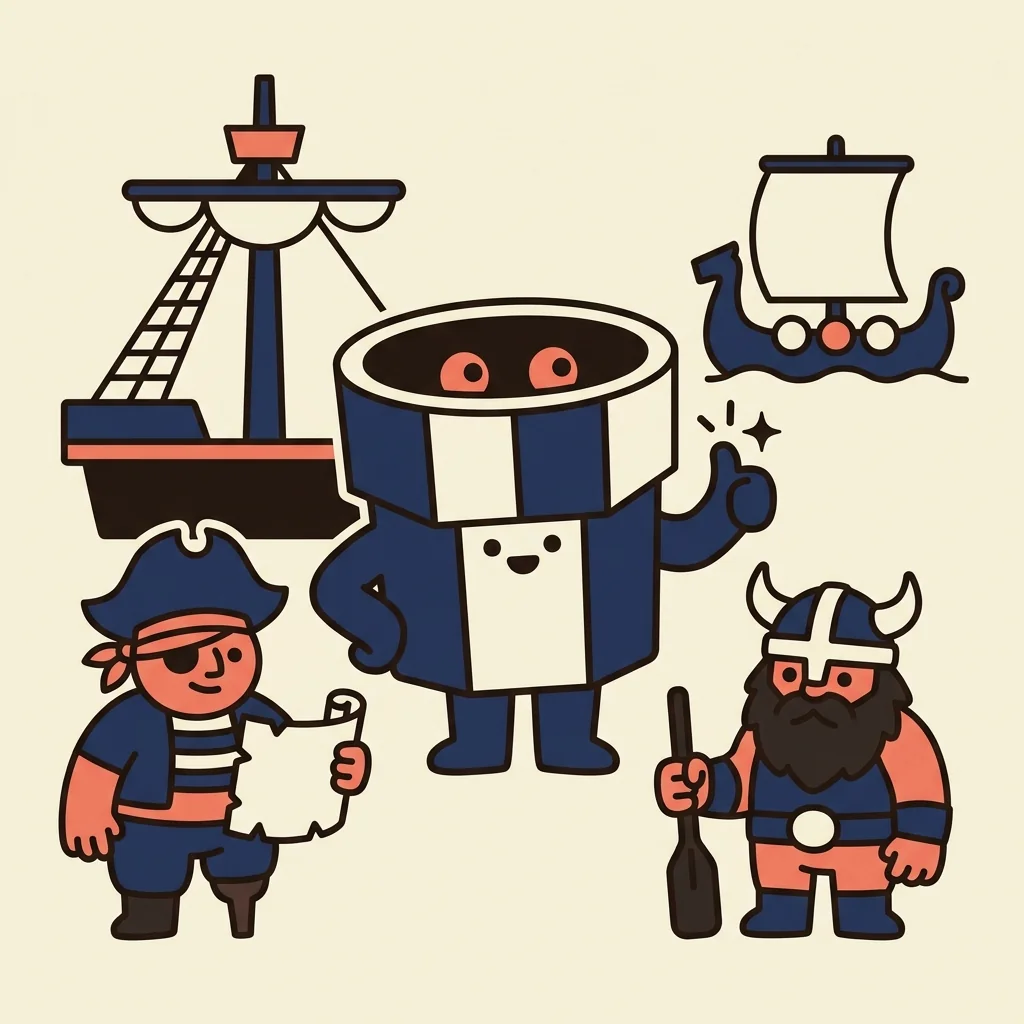
Meet the cast — the characters who teach this
-
 Peglegra the Bold The brave forward-run
-
 Tandem the Careful The blot / safety in pairs; a lone piece is exposed, paired pieces are safe
-
 Bulwark the Steady Making points / building a prime; a wall of your own points blocks the opponent
-
 Rebound the Bright Re-entering from the bar; when hit and sent home, find the open door and come back
-
 Holdfast the Patient The anchor / back game; hold a safe base deep in enemy waters when behind
-
 Dashell the Swift The running game; when ahead, flee for home and avoid contact
-
 Chompus the Great The multi-hit chain
-
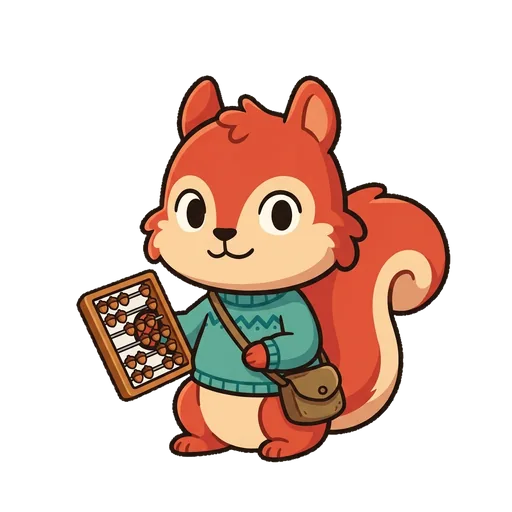 Pipp the Sharp Pip counting; count how far each side must travel to know who's really ahead
-
 Windward the Wise The doubling cube
-
 Tuckett the Tidy Bearing off; the endgame of taking pieces off smoothly, wasting nothing, leaving no gaps
Ensemble stories — the cast together
What next? Pick a door
- More like this TableForge Is your board game fair? StoneSong Does this group have two eyes? CannonTales Can the cannon leap the screen?
- A bit harder DealTales What is your partner telling you? MillSong Can you line up a mill? StrategyForge What is the winning move here?
- Something different LaunchQuest How would you pitch it in seven words? HarmonyForge Which notes make this chord? PauseForge What could you do in the pause?