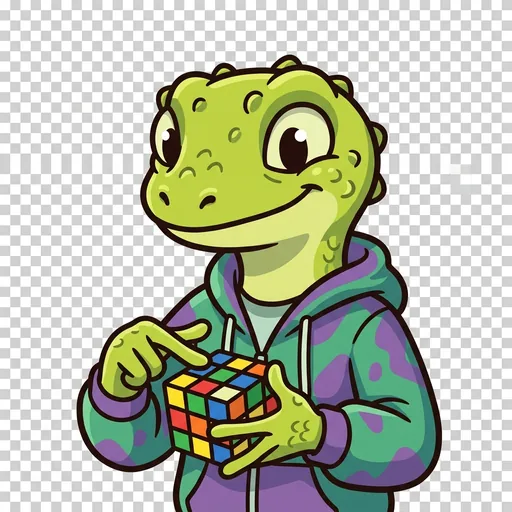
Grip
Resistance fights the flow and turns the fight into heat
Loading audio…
Press play to listen along. The line being read lights up as you go.
Show full transcript
Loading transcript…
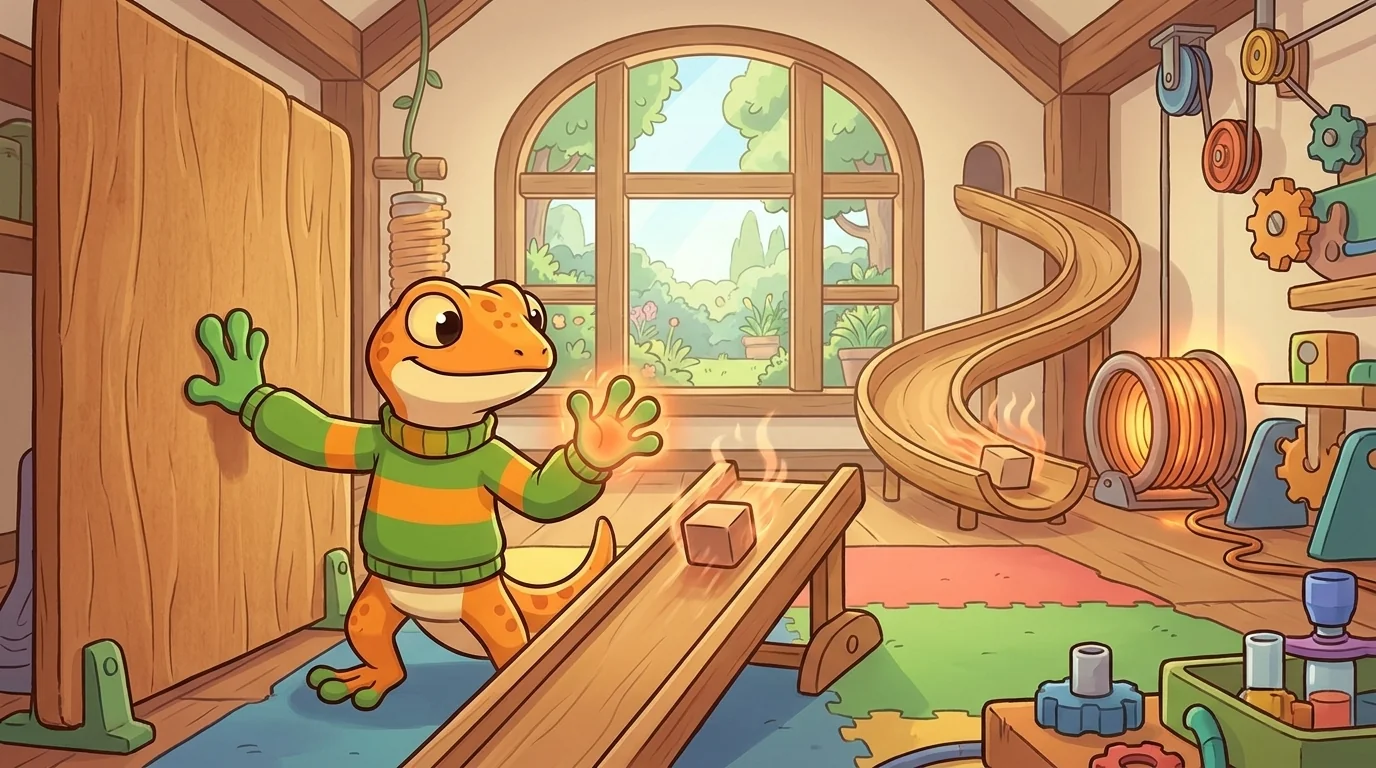
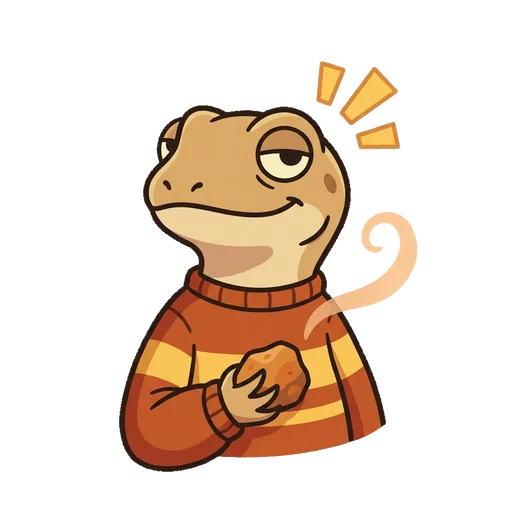
Grip is a small, sticky-toed gecko — patient, warm-eyed, with grippy pads on every finger — who understands the one thing that slows everything down.
His whole craft is resistance — whatever fights a flow. "Nothing flows perfectly free," he says, pressing a grippy pad to the wall. "There's always something pushing back — friction on a slide, drag on a swimmer, resistance in a wire. I'm the fight against the flow." He rubs two pads together. "And here's the surprising part — the fight doesn't just slow things. It warms them. Feel this." His pads grow warm from the rubbing. "When resistance fights a flow, the energy it steals doesn't vanish — it turns into heat. That's why your hands warm up when you rub them, why a slide gets hot when you zip down it, why a wire warms when electricity fights its way through. Resistance is a thief that always leaves the same fingerprint: heat."
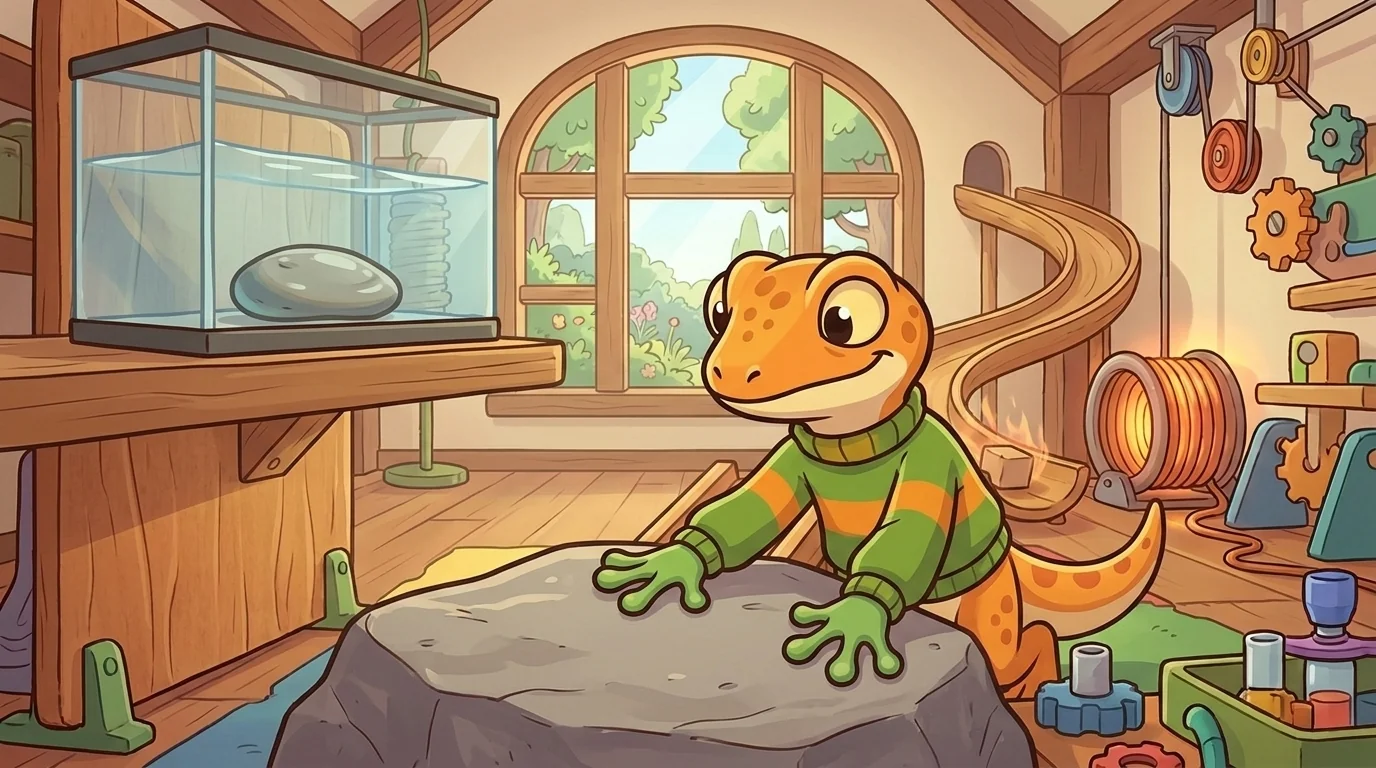
Grip learned to respect resistance the day he lost it entirely.
He was showing off on a smooth wet rock, sure his grippy pads made him unstoppable — and then the rock got so slick, so frictionless, that his pads found nothing to hold, and he slid, helpless, straight off the edge and into the pond. No resistance at all — and he couldn't stop, couldn't steer, couldn't do anything.
His grandmother, an old gecko with wise, half-closed eyes, fished him out.
"I thought less resistance was always better," young Grip spluttered.
"Did you, now," his grandmother said, amused and gentle. "Resistance slowed you down — so you decided it was the enemy. But watch." She set him on a rough, dry rock, and his pads gripped, and suddenly he could climb, and stop, and hold. "Your grip is resistance. The friction that slows a slide is the same friction that lets you walk without falling. Brakes are resistance. A good grip is resistance. Resistance isn't the villain — it's a tool. Sometimes you fight to reduce it, so things flow easier. And sometimes you want it — because without a little friction, you can't hold on to anything at all." She smiled. "The trick is knowing which kind of moment you're in."
Young Grip never again wished resistance away entirely. He learned to ask: is this friction stealing from me, or saving me?
He climbed to PowerForge at twelve, because a place that studied energy ought to respect the thing that fights it.
Volt, his mentor, met him at the gate. "What is resistance?"
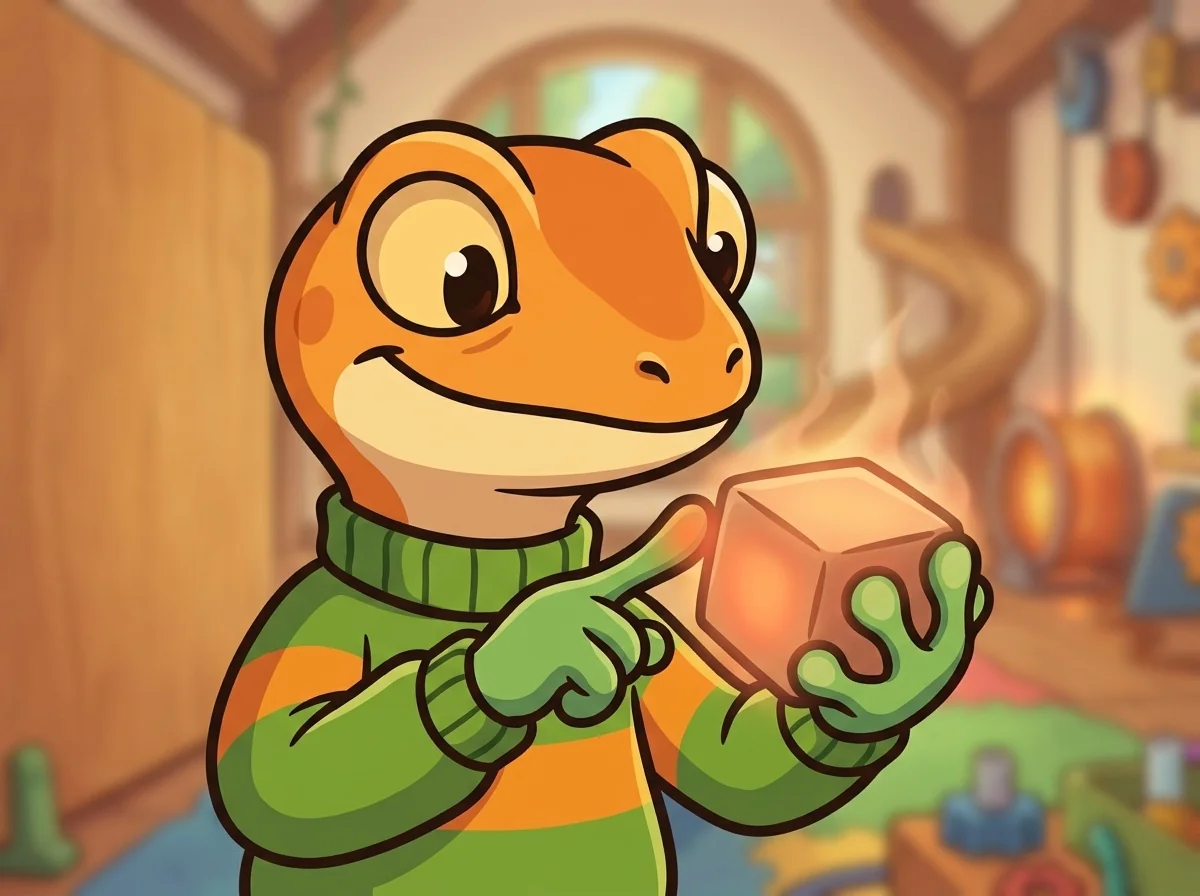
Grip took a smooth board and a rough board, and slid an identical block down each. Down the smooth board: the block zipped, cool to the touch. Down the rough board: the block dragged, slow — and when it stopped, Grip pressed a pad to it. "Warm," he said. "The rough board resisted the block, so the block moved slower — and the energy it lost to the fight turned into heat, right here." He held up the warm block. "Resistance always does two things at once: it slows the flow, and it warms whatever's fighting. Slow, and hot. That's the fingerprint."
Volt felt the warm block. "You are appointed," he said.
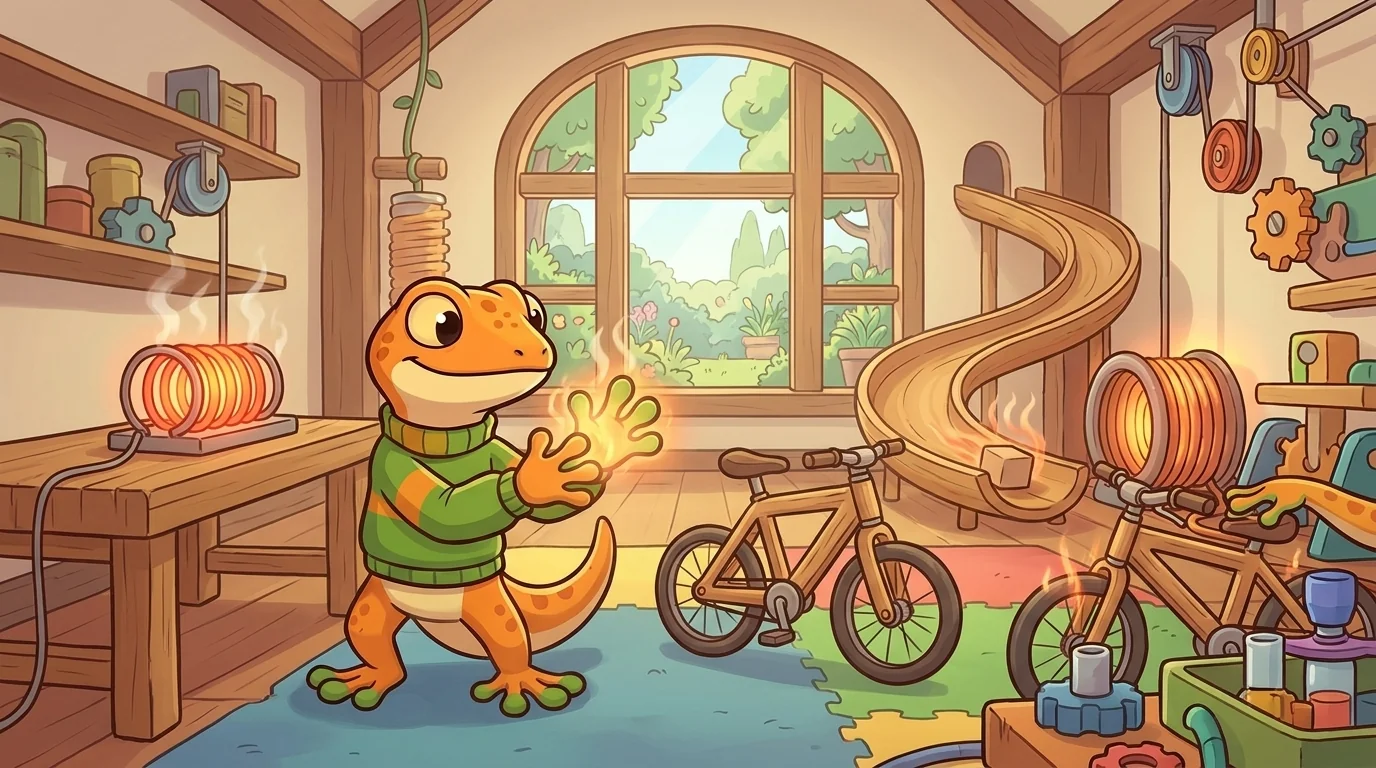
In Grip's workshop, he showed both faces of resistance. First, the thieving face: he ran electricity through a thin, resistive wire, and it glowed hot — "See? The wire fights the current, and the fight becomes heat. That's how a toaster works — it uses resistance to make heat on purpose. But in a power line, that same heat is wasted, so we use fat, low-resistance wires to fight the flow less." Then the helping face: he showed a bike with no brakes (a runaway) and a bike with brakes ("the brakes are just resistance you can turn on — friction that steals the bike's motion-energy and turns it into heat in the brake pads, so you stop"). Then he gave the working rules: resistance always slows a flow and makes heat — that's its permanent fingerprint; sometimes heat is the goal (a toaster, a heater, warming your hands) and you add resistance on purpose; sometimes heat is waste (a hot power line, a hot phone) and you reduce resistance to keep the energy useful; and sometimes the slowing is the whole point (brakes, grip, a parachute), so you want the resistance even though it costs you energy. "A student called friction 'the enemy of energy,'" Grip grinned, pads warm. "But friction is the reason you can walk, stop, and hold on. It's not an enemy. It's a tool with a bill attached — and the bill is always paid in heat."
"So resistance isn't just bad," a student said slowly. "It's the same thing that lets me hold on and stop?"
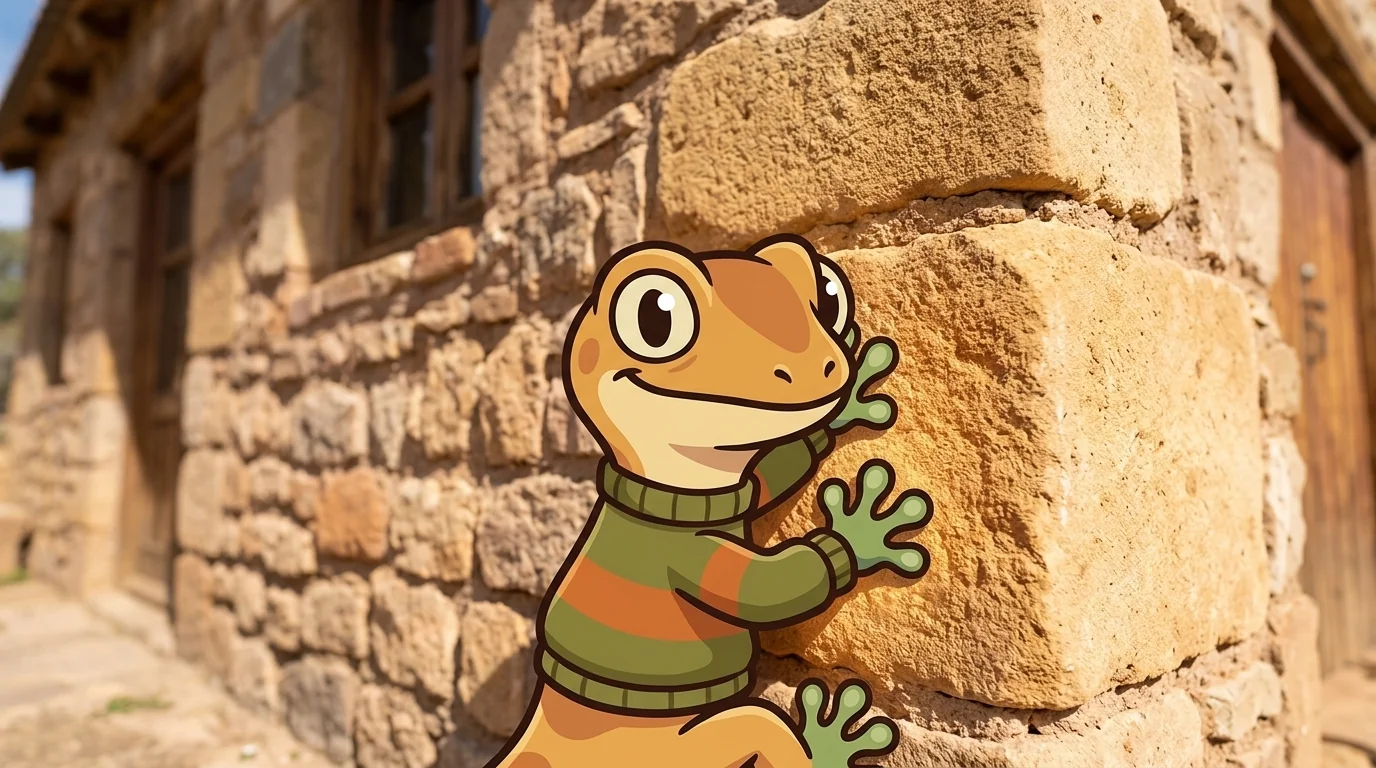
"The very same," Grip said, and he pressed all his grippy pads flat against a warm, rough stone and just... held there, steady, unhurried, feeling the solid friction that let him stay exactly where he chose. There was a warm, settled happiness in the holding — the deep good feeling of a gecko who had stopped resenting the thing that slowed him and started respecting the thing that let him grip the world. It made him feel steady, and safe. That grounded, held-fast, friction-is-a-friend-too warmth — the calm gladness of a creature who could stop and hold on — was, to Grip, the quiet gift hidden inside understanding resistance. "Resistance always slows you and warms you," he said softly, pads flat and steady. "The wisdom is knowing when to fight it — and when to be grateful for it."
The PowerForge ensemble
Grip is one of the friends in PowerForge. Each friend shows you one idea by how they act; meet them all and you have the whole subject.
-

Sprint
Kinetic energy (motion)
-
Perch
Potential energy (stored / position)
-
Trade
Energy conversion (one form → another)
-
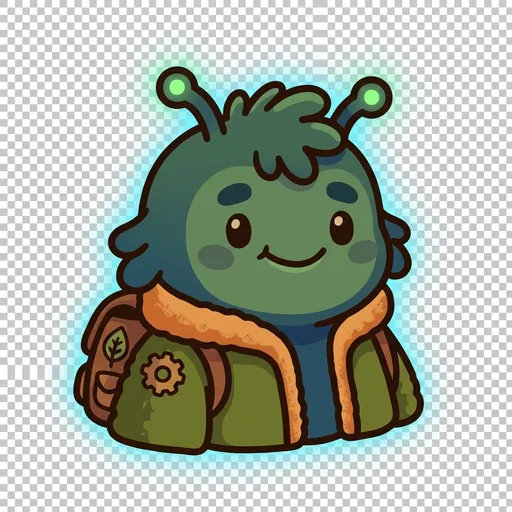
Keep
Conservation / efficiency (the law)
-
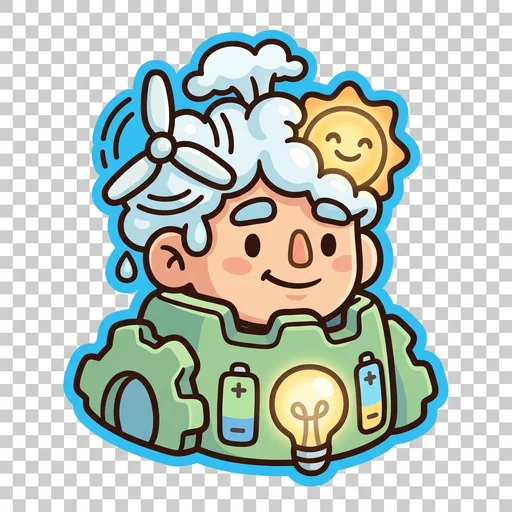
Mix
Source diversification / renewable + storage
-
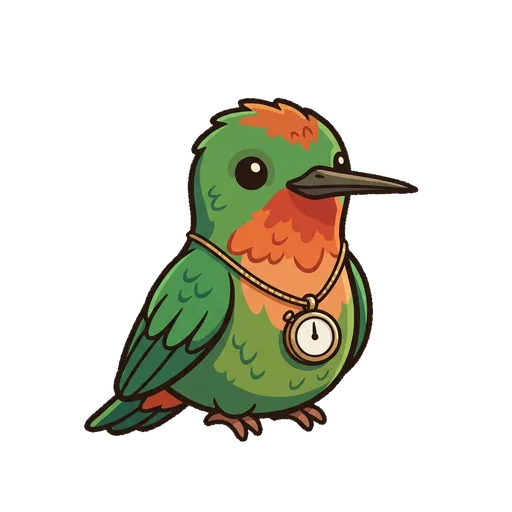
Blaze
Power vs energy / rate
-
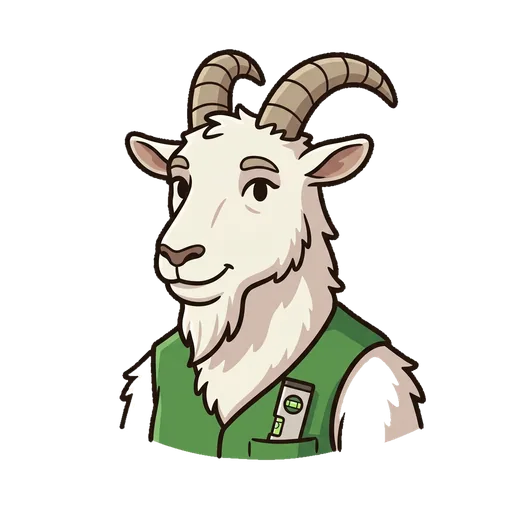
Steep
Potential difference / driving force
-
Scatter
Entropy / spreading
-
Seep
Heat transfer