
Two-Eyed Owl
TWO-EYED OWL — one eye can be closed. two eyes cannot. a group with two TRUE eyes is alive forever; the whole fight is over whether the eyes are real or false.
A story read by Two-Eyed Owl
Loading audio…
Press play to listen along. The line being read lights up as you go.
Show full transcript
Loading transcript…
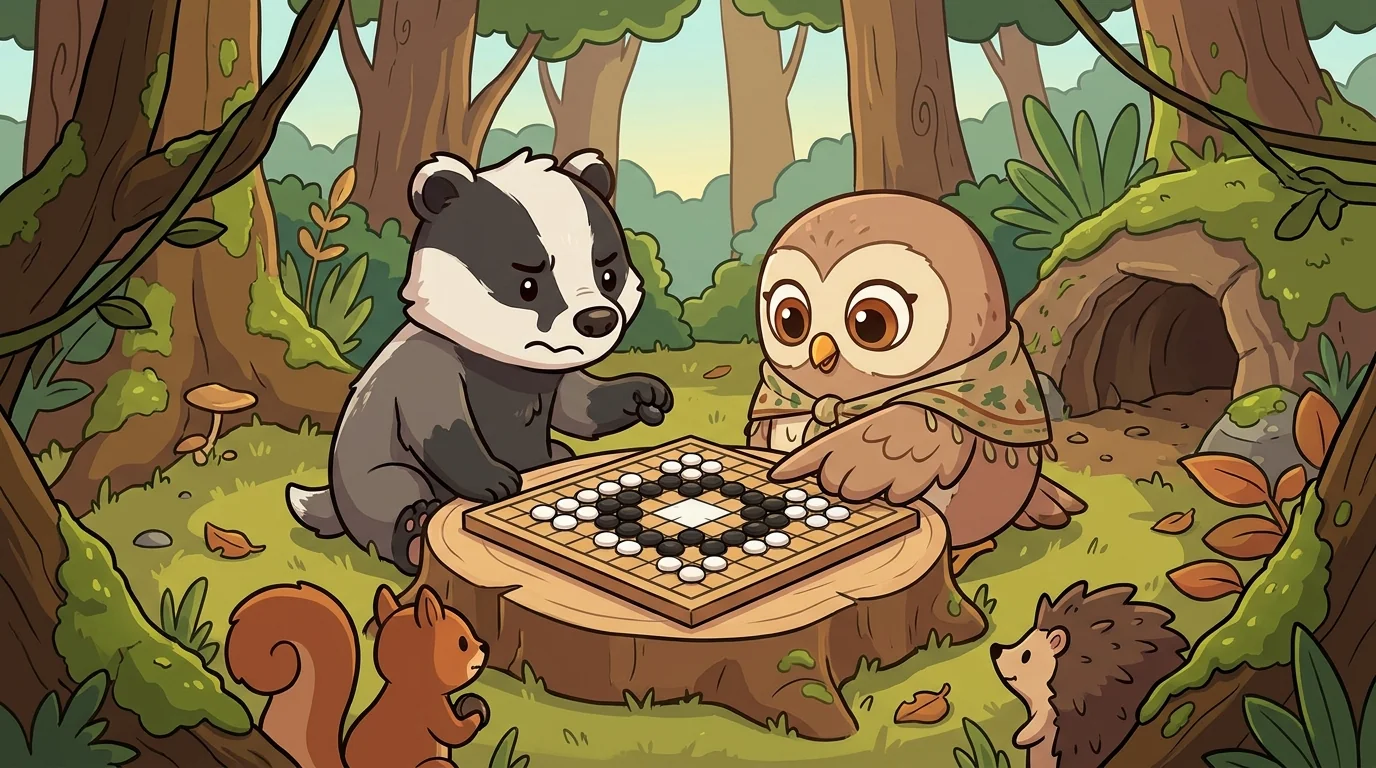
On the board of quiet stones, a young badger was certain his surrounded group was safe because it had "two spaces inside," and Two-Eyed Owl leaned in gently, because one of those two spaces was a lie.
"Two eyes is life," she agreed, round and soft-feathered, her two great eyes missing nothing. "But you have to be sure they're true eyes. Look at this one." She pointed to an empty point inside his group, ringed by his stones. "Every stone around this space is solidly yours, diagonals included. If your enemy ever plays here, the stone dies instantly, all by itself. That is a true eye — a real, permanent hole no enemy can ever fill." Then she pointed at the other space. "But this one. See the corner stone here? It's not yours — it's a cutting point your enemy can capture. And the day they capture it, this 'eye' springs a leak, and the space you thought was safe can be filled. That is a false eye. It looks exactly like a real one, right up until it fails."
The badger went pale under his stripes. "So I don't have two eyes. I have one eye and a rumour of an eye."
"You have one and a half," Two-Eyed Owl said. "And half an eye is death waiting politely. The whole life-and-death fight, always, is about turning your false eyes true — and your enemy's true eyes false."
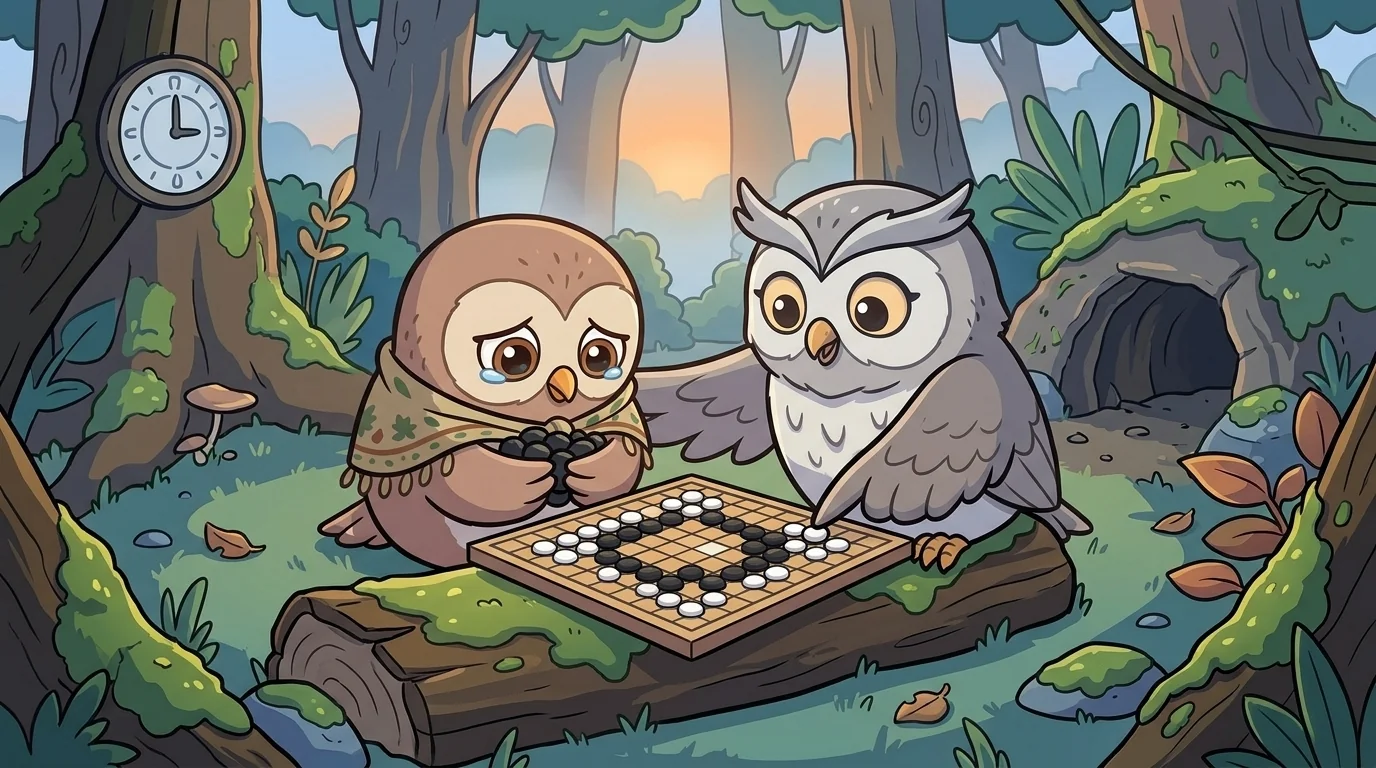
Two-Eyed Owl had learned the difference the worst possible way: by trusting eyes that weren't there.
When she was young she understood the rule — two eyes and you live forever — and she believed she was applying it. She would build a group with two inside spaces, count them, feel safe, and go play elsewhere. And then, again and again, an opponent would quietly capture one small stone she'd overlooked, and the "eye" that stone had been holding would drain away, and her whole group — safe by her count — would die on the board. She'd huddle over the wreckage, sure the rule itself was a trick, that safety was a promise the game never really kept.
An old owl, wide-eyed and patient, settled beside her after one such collapse. "You count your eyes," she said, "but you don't test them. An eye is only real if every stone that surrounds it is unconditionally yours — including the diagonal corners, where the leaks hide." She pointed to the exact stone that had betrayed the young owl. "This was never yours to keep. So this was never an eye. It was a picture of an eye." She turned her great head slowly. "Learn to look at any surrounded space and ask the ruthless question: if my enemy plays here, does their stone die on its own? If yes — true eye, real forever. If they can keep it alive, even by capturing one of your stones first — false eye, and your group is already dead; it just doesn't know yet."
She tapped the board once. "And there is one more thing. In almost every life-and-death fight there is a single most important point — the vital point. Whoever plays it first decides whether the group lives or dies. The defender who finds it makes two true eyes. The attacker who finds it first destroys the second eye before it forms. Find the vital point. It is where the whole life of the group is hiding."
Two-Eyed Owl learned to test every eye and to hunt the vital point — and her groups stopped dying by surprise, because she no longer trusted a space until she'd proven it could not be taken. The doomed, betrayed feeling turned into a deep, examined security. She had not been unlucky. She had been trusting pictures of safety instead of the real thing.
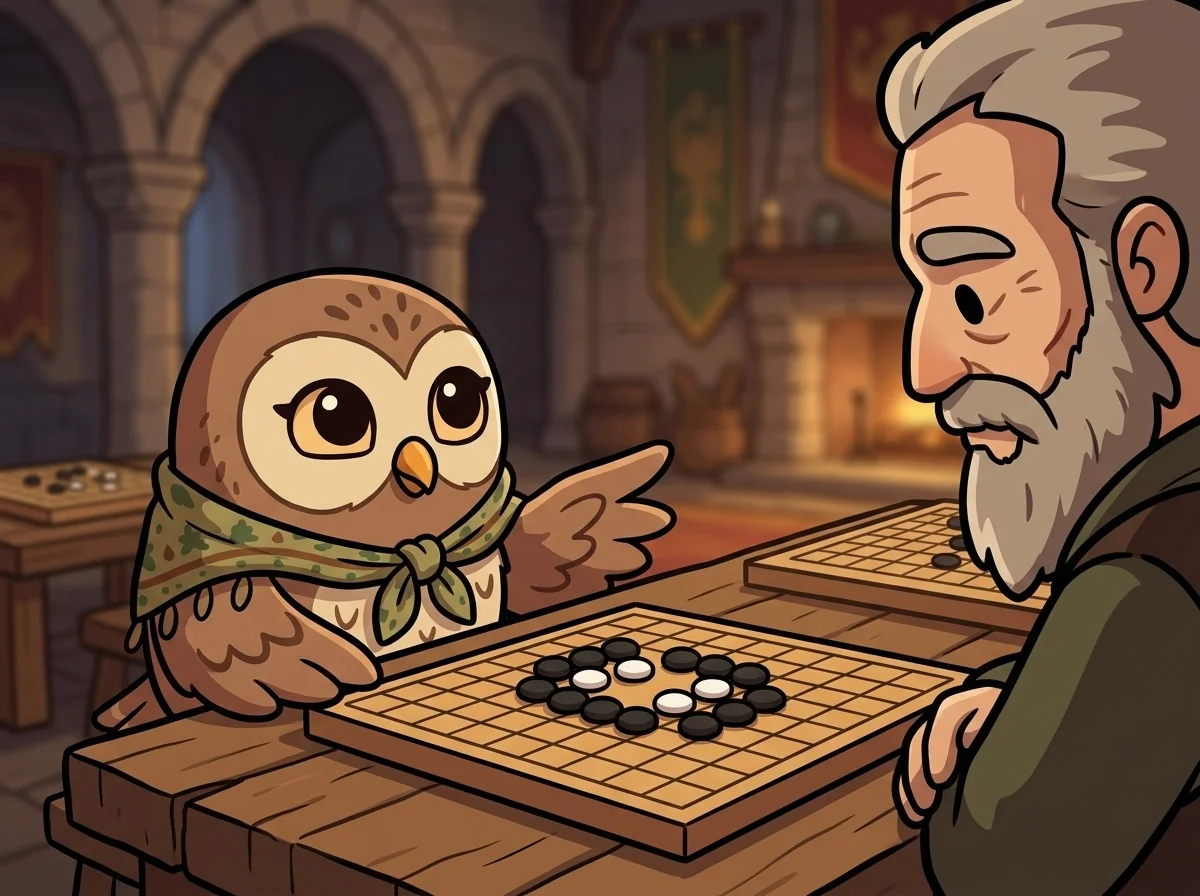
She came to Stonesong round and calm, and Master Snail asked the one question. "Two-Eyed Owl — what do you teach?"
She answered by building a group that looked alive, with two spaces inside, and then quietly capturing a single stone to collapse one of the "eyes" and kill the whole thing. Then she rebuilt it correctly, both eyes true, unkillable. "I teach the difference between looking safe and being safe," she said. "Most students learn 'two eyes lives.' Few learn that half of what looks like an eye is a false one, and that a group can be dead ten moves before it comes off the board. I teach the eye that can tell a true hole from a painted one."
Master Snail regarded the two groups — the one that had died and the one that could not. "Life and death is the root of the whole game," he said. "Every territory, every fight, rests on it. Stay, and teach them to see which of their groups are truly alive."
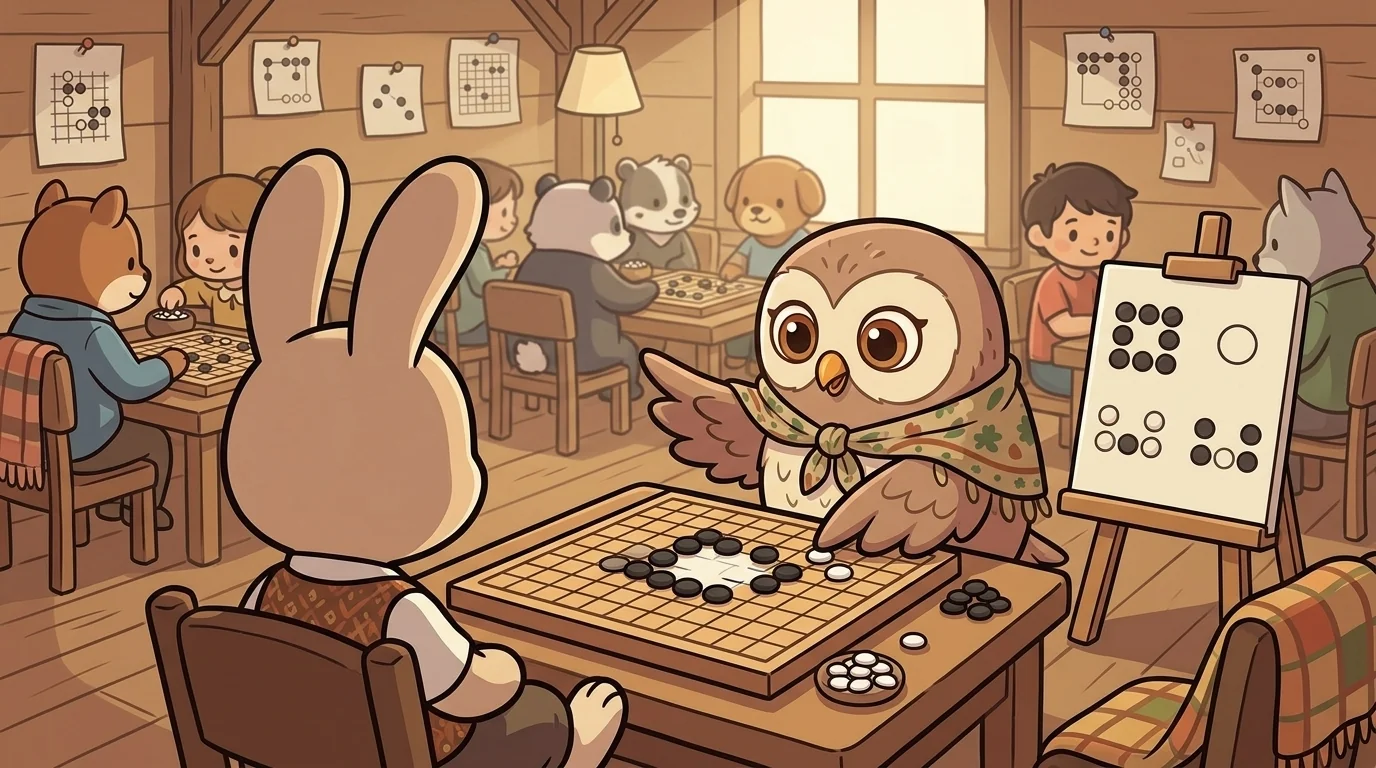
There is a strange, deep corner of life-and-death, and Two-Eyed Owl saved it for the students ready to have their certainty gently broken.
"Sometimes," she told a solemn young marten, "a group cannot make two eyes — and does not die anyway." She set up a tangle where two enemy groups shared the same tiny space, each unable to fill it without killing itself. "Neither of us can capture the other. If either of us plays the last inside point, we lose our own group. So we simply... leave it. Both live, side by side, forever, with no two eyes between them. The old players call it seki — a mutual life, a truce written into the stones themselves." She blinked slowly. "I show you this not to confuse you, but so you never assume 'no two eyes' means 'dead.' The real question is never 'does it have two eyes?' It is 'can my enemy actually kill it?' Usually those are the same question. Sometimes, beautifully, they are not."
The marten stared at the two groups locked in their permanent truce. "So life isn't only two eyes."
"Life is not being capturable," Two-Eyed Owl said. "Two eyes is simply the most common way to get there. Learn the rule first. Then learn the day it bends."
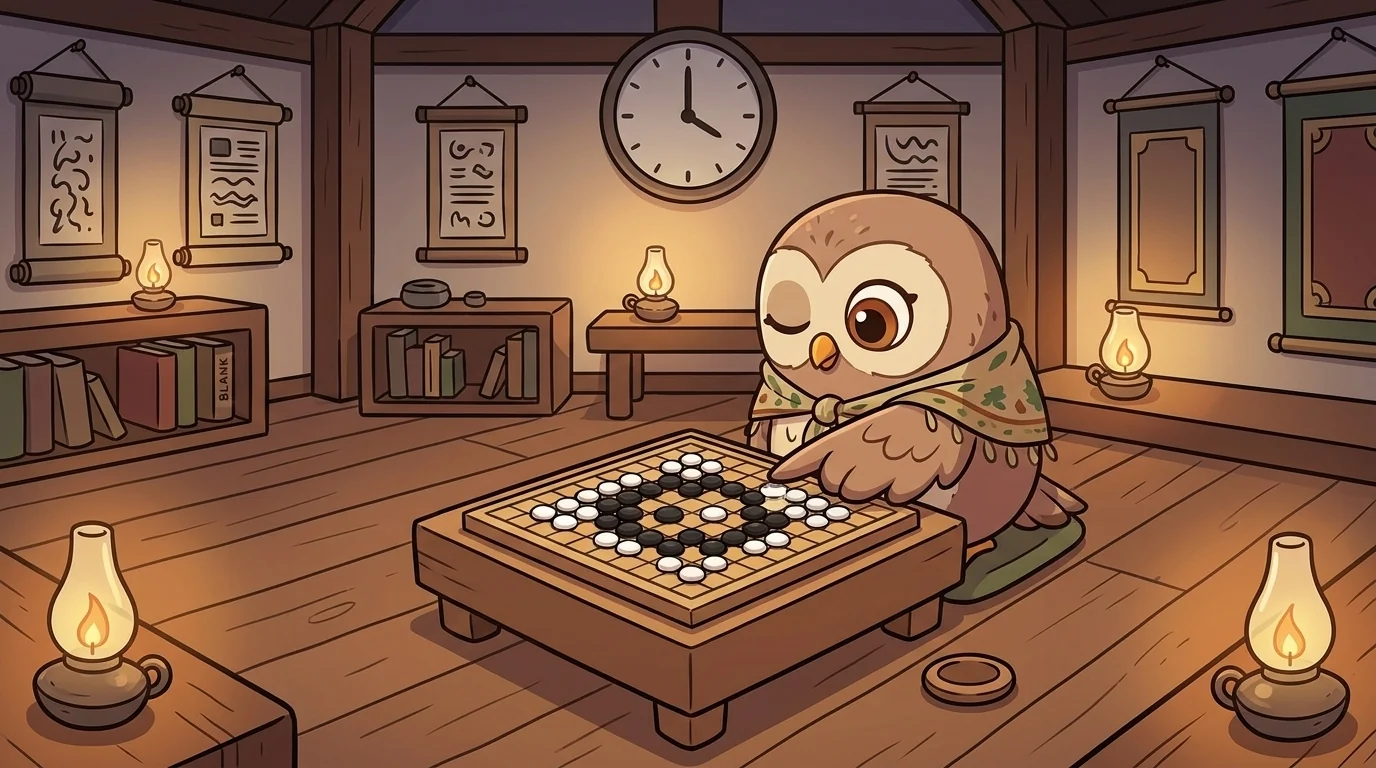
The badger was still looking at his one-and-a-half eyes.
"So I have to make the false one true," he said, "by defending the corner stone, before my enemy captures it and springs the leak." He played the move that made the leaky stone unconditionally his — and the false eye became a true one, and his group, surrounded on every side, went quietly and permanently immortal.
"Now it can be pressed, cut off, buried under enemy stones," Two-Eyed Owl said, "and it will live anyway, because to kill it your enemy must fill two true eyes at once, and no one can play two stones in one turn. That is the deepest safety in the game." She blinked her two great eyes. "One eye can be closed. Two true eyes cannot. Learn to tell the true from the false, find the vital point before your enemy does, and your groups will live no matter what surrounds them."
The badger looked at his group — surrounded, cut off, and utterly alive — and the trapped dread in his chest turned into something settled and unshakeable. He had not been doomed. He had only mistaken a picture of an eye for the real thing.
The StoneSong ensemble
Two-Eyed Owl is part of StoneSong's distributed-narrative cast. Each character embodies a different curricular primitive; together they teach the full subject.
-

Patient Bamboo
Patience and slow growth — long-game positioning
-
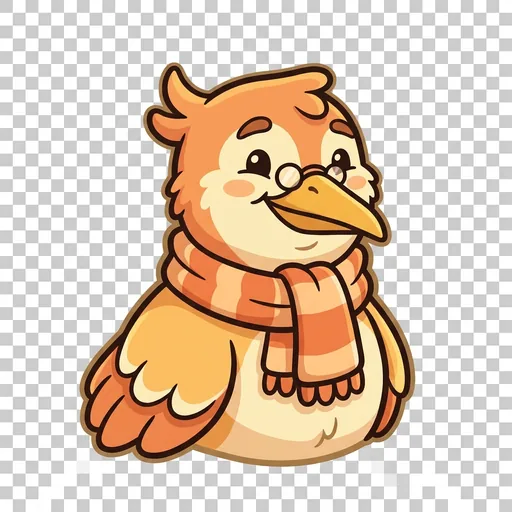
Hungry Crane
Capture instinct — taking what's available
-
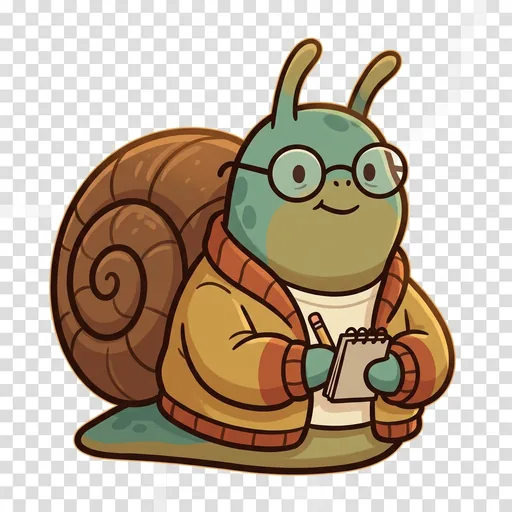
Master Snail
Deliberate strategy — every move considered
-

Sparring Tiger
Aggressive contact — direct attacks and clashes
-
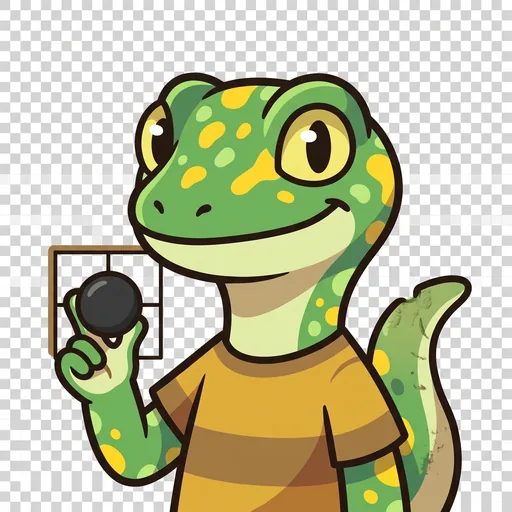
Clever Gecko
Sacrifice — give up the small stone to win the bigger prize
-
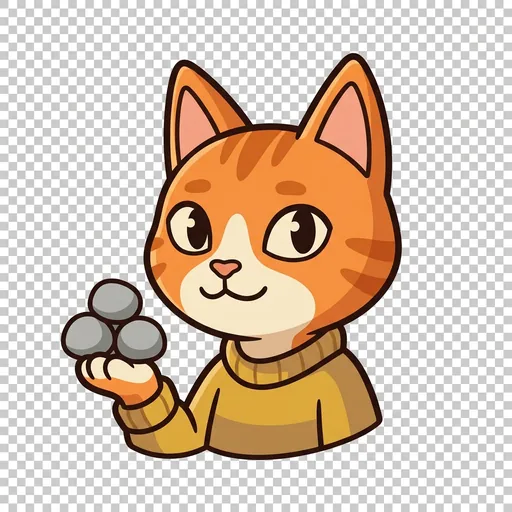
Nimble Cat
Good shape — the most work from the fewest stones
-
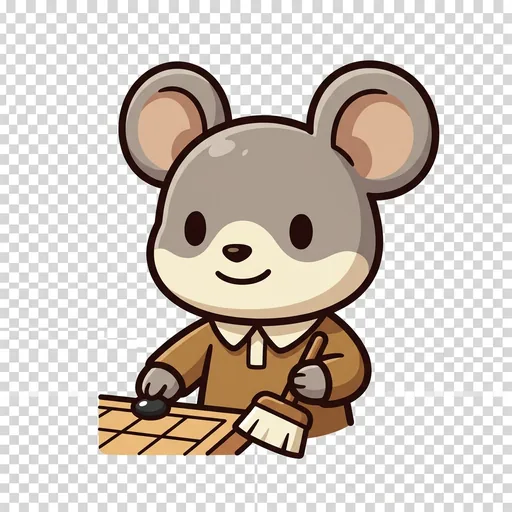
Tidy Mouse
Endgame — the small edge-moves that quietly decide it
-
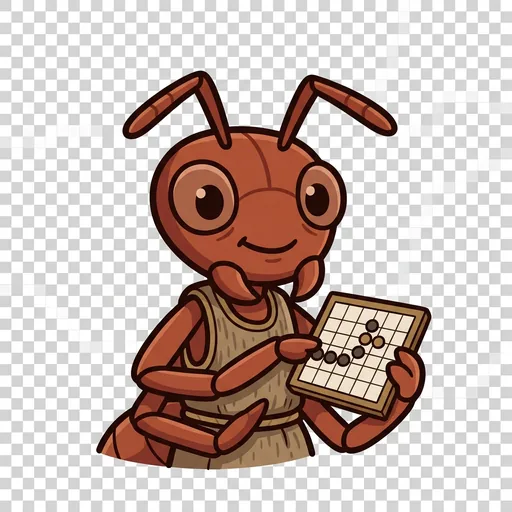
Weaver Ant
Connection — linked stones are strong, cut stones weak
-

Wide Heron
Territory and influence — claiming space by standing wide