
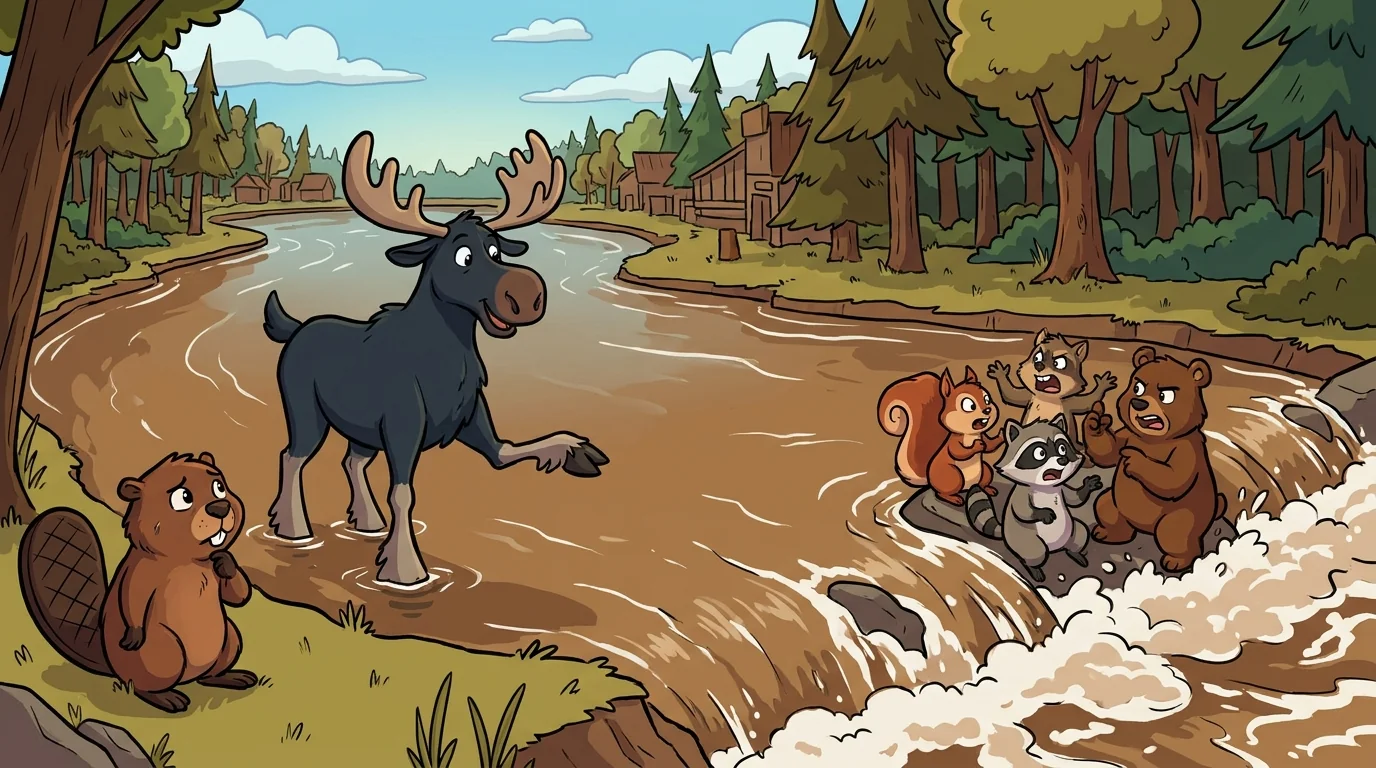
Ford
FORD — don't force the crossing at the loudest place; find where the way in is safe, and enter as a guest.
Listen along — Ford
Loading audio…
Press play to listen along. The line being read lights up as you go.
Show full transcript
Loading transcript…
Chapter 6 — Ford and the Reading of the River
The seminar room at Terravoyage opened onto a balcony above the wide brown river, and Ford had asked the older students to bring their maps out into the wind so they could watch the real water while they talked. She stood at the rail, tall and dark and unhurried, her wide splayed hooves squared under her. “You already know my move,” she said. “Don’t force the crossing at the loudest place. Today I want to show you why the loud place is loud — because once you understand that, you stop needing me to tell you where the ford is. You can read it yourself.”
She pointed downstream to the rapids, where white water leaped and thundered over a narrow throat of rock. “A river carries a fixed amount of water past this town every second — we call that its discharge. When the channel narrows or the bed drops, that same water has to squeeze through a smaller space, so it speeds up. Fast water over rock is what makes the roar. The sound isn’t a warning the river is choosing to give you. It’s just the physics of a strong current with nowhere gentle to go. The rapids are dangerous because they’re loud, and loud because they’re dangerous — same fact, said two ways.”
A tall heron named Wade frowned over his map. “So the safe place is the opposite — where the water spreads out.”
“Exactly.” Ford walked them to the far end of the balcony and pointed to a broad, glinting reach where the river fanned wide and the surface went smooth and rumpled instead of white. “Where a river widens, the same discharge is spread across more channel, so it slows and shallows. Watch the surface: over a true ford you’ll see a low, even riffle — little standing wrinkles of light, not leaping foam — because the water is only knee-deep and running slow over gravel. The gravel itself is a clue. The river drops its stones where it loses speed, so a pale gravel bar just under the surface is the river telling you, in its own language, this is where I am shallow. Loud white foam says stay out. A quiet, gravelly riffle says here is the way across.”
She let them study the two stretches side by side — the roaring throat and the wide bright shallows — until Wade could name, without being told, which was which and why. Then Ford’s voice softened. “There is a second reading, and it matters as much as the first. A ford is a doorway — the place a river lets travelers in. For as long as people have crossed rivers, the ford has been where roads meet water, where the town grows up, where a stranger becomes a guest or a trespasser depending on how he enters. To find the ford is only half the craft. The other half is crossing it the way a guest crosses a threshold: slowly, watching your footing, taking nothing you weren’t offered, leaving the gravel bar as whole as you found it.”
Ford had learned both halves the hard way, and she told them the truth of it. The first time she faced a big river alone, she’d charged the loudest, fastest water, certain the bold way was the right way — and the current had knocked her flat, spun her, and dumped her far downstream, soaked and shaking and sure she simply wasn’t strong enough for crossings. It was her grandfather, an old moose scarred from many rivers, who had walked her downstream to a wide calm shallows and shown her that strength was never charging the roar. “You crossed where the river was shouting,” he’d said. “Shouting is where a river is strongest. Strength is the patience to walk downstream and read for the quiet ford.” She’d crossed the shallows easily that day, and the knocked-flat, not-strong-enough feeling had steadied, for the first time, into a calm and grounded confidence.
“So when you come to any river you don’t know,” Ford finished, folding her map against the wind, “don’t ask where is it narrow and quick — that’s the eye looking for drama. Ask where does it go wide and slow, where is the gravel pale under the ripples, where would the old road have met the water. Read the discharge, read the riffle, read the bar. Then step in like a guest, not a conqueror. The river has shown travelers the way across for longer than any of us have been alive. Our only job is to be humble enough to read it, and gentle enough to deserve the crossing.”
The TerraVoyage ensemble
Ford is part of TerraVoyage's distributed-narrative cast. Each character embodies a different curricular primitive; together they teach the full subject.
-
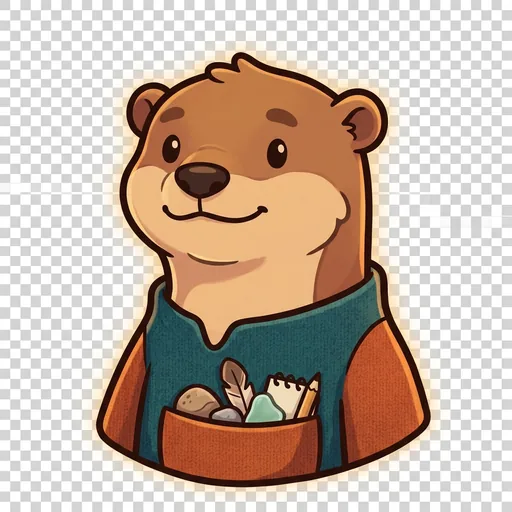
Roam
Open exploration + curiosity — the otter-tween with pocket-tunic full of found things who teaches that curiosity-without-destination is a valid mode ('curious feet learn more than busy feet')
-
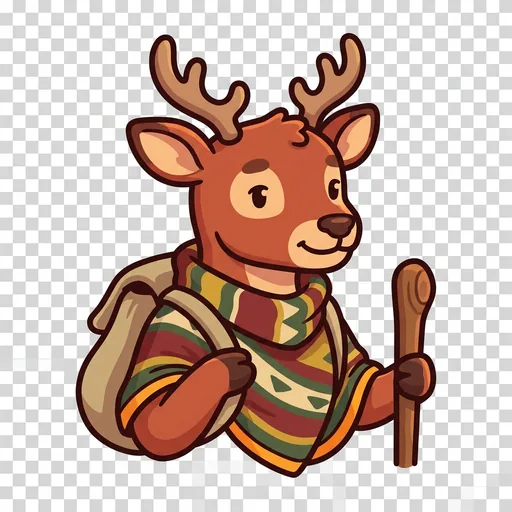
Trek
Movement + migration — the red-deer-tween in polysemic wool wrap with pack-and-walking-stick who dignifies all journey-reasons equally — seasons / scarcity / opportunity / safety / curiosity ('some journeys are choice; some are not; every traveler deserves welcome')
-
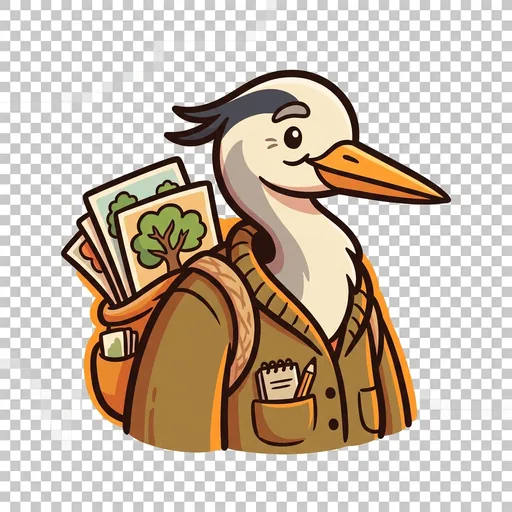
Origin
Cultural-heritage anchor — the heron-elder with bundle of family-trees and oral-history-cards who teaches that 'discovery' is a colonial word and every place has been home for someone, often for millennia ('before you visit, learn whose home this is; before you name, learn what it's already called')
-
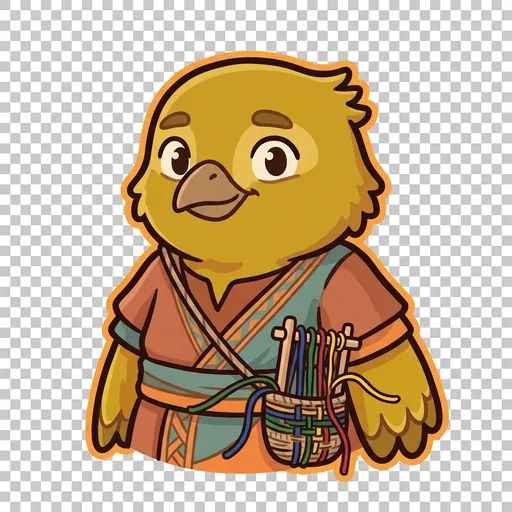
Braid
Cultural exchange — the weaverbird-tween with small loom-pouch whose threads-from-many-places stay distinct AND together; teaches anti-appropriation, exchange-not-extraction ('threads from many places — each keeps its color; together they make something new — together, not apart')
-
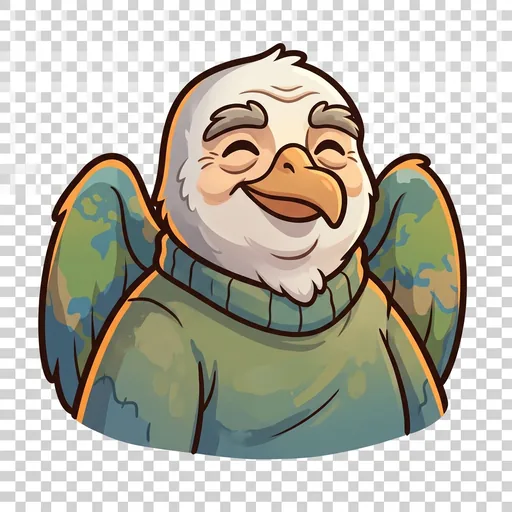
Reach
Planetary scale + interconnection — the albatross-elder with continent-patterned wings who teaches Earth-as-one-system, climate-justice, environmental-equity framing ('far is closer than you think; everywhere is somewhere's neighbor')
-
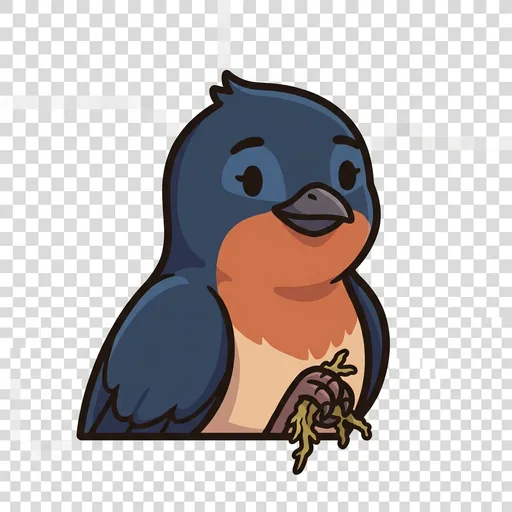
Haven
Shelter & reciprocity — a traveler needs rest, and gives it; the road is kinder when we shelter each other
-
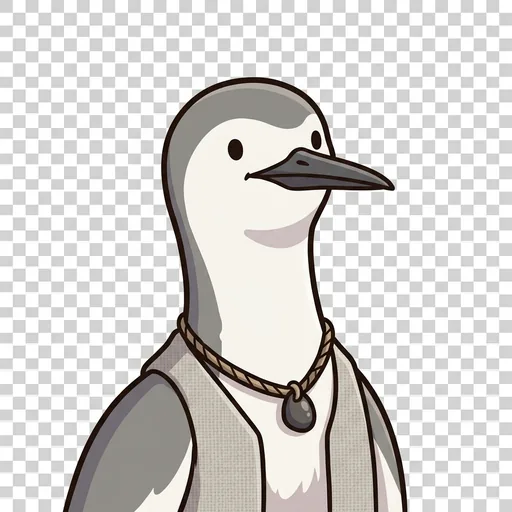
Lodestar
Wayfinding — the land and sky have always shown the way to anyone willing to read them; traditional knowledge passed down
-
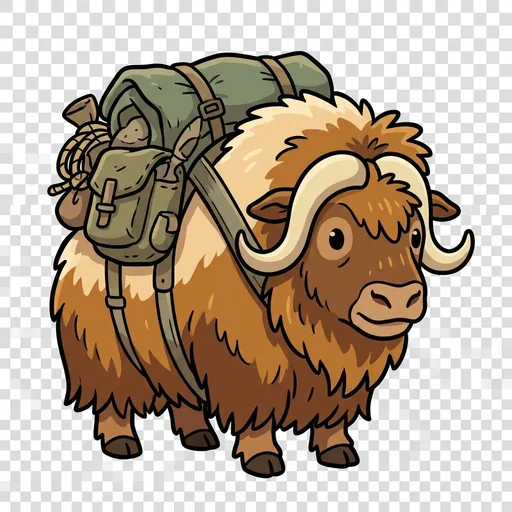
Portage
Perseverance — when the smooth road runs out, you shoulder the load and carry it the hard stretch yourself
-
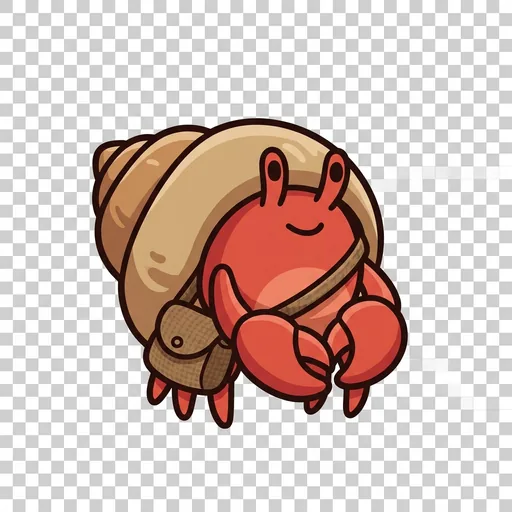
Stow
Pack light, leave no trace — carry only what you truly need, and leave a place as whole as you found it