
Haven
HAVEN — a traveler needs rest, and gives it; the road is kinder when we shelter each other.
Listen along — Haven
Loading audio…
Press play to listen along. The line being read lights up as you go.
Show full transcript
Loading transcript…
Chapter 7 — Haven and the Oldest Rule of the Road
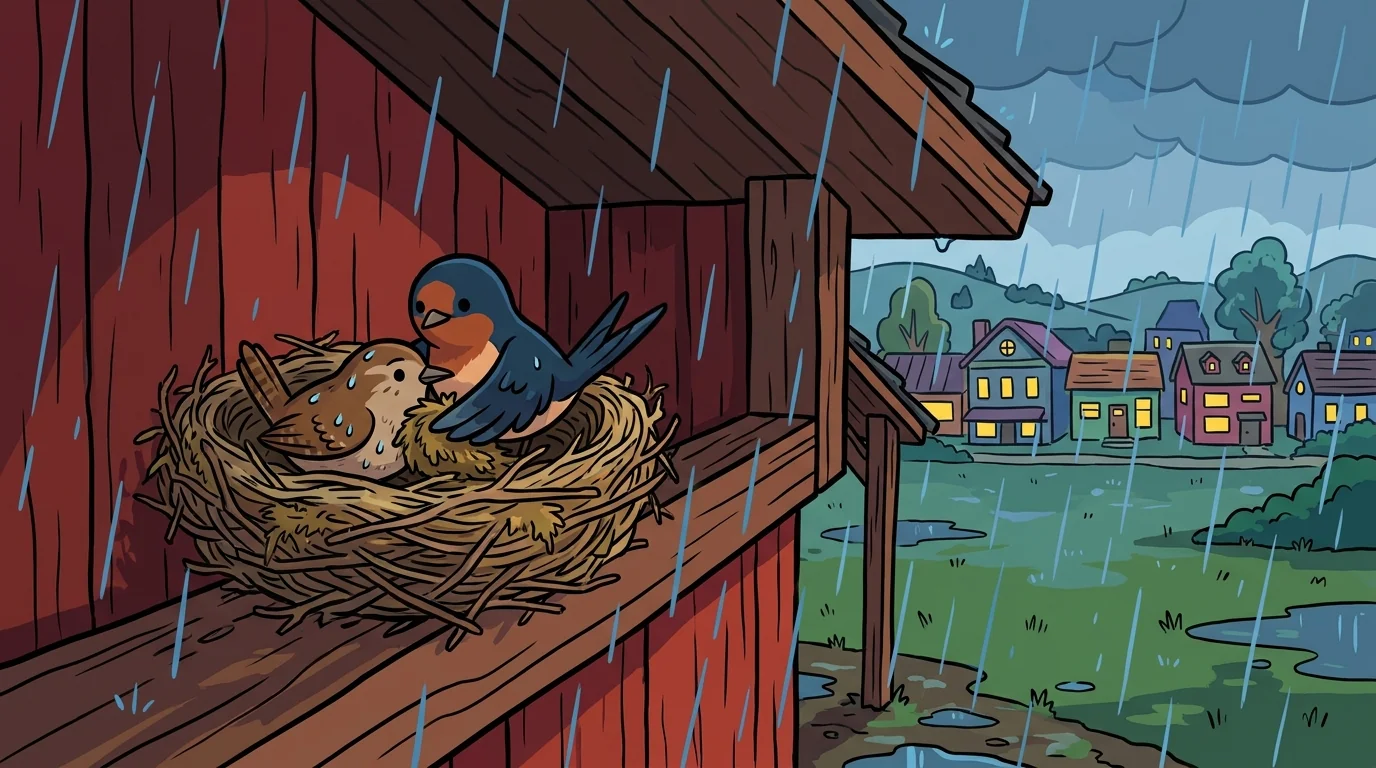
Under the barn eaves at Terravoyage, where the older students met when the weather turned, Haven had pinned up a map covered not with borders but with small drawn doors — a door in the desert, a door in the mountains, a door on a cold northern coast. “You know my move already,” she said, small and blue-black and warm-breasted, shifting along her perch to make room as the students filed in out of the rain. “A traveler needs rest, and gives it. Today I want to show you that this isn’t just my kindness. It’s one of the oldest rules people everywhere have written for the road — and I want you to understand why so many strangers, who never met, all wrote the same rule.”
She tapped the desert door. “Out where water and shade are scarce, a traveler turned away from a door might not survive the night. So the people of many dry lands hold a custom of guest-right: a stranger who arrives is given water, food, and a safe place to sleep — no questions first, no payment asked. The Bedouin welcome, the guest-house at the edge of a village, the roadside caravanserai where whole caravans could shelter behind one wall — different names, one idea. The host protects the guest; the guest honors the house. Both are bound by it.”
A young marten named Cinder tipped her head. “But why a rule? Why not just be nice when you feel like it?”
“Because the road doesn’t care how you feel,” Haven said gently. “That’s the whole point. If shelter depended on mood, every traveler would gamble their life on a stranger’s good day. So people made it a duty instead — something you owe the road, not a favor you grant. When it’s a duty, the tired one at the door can ask without shame, and the one who opens it does so without being begged. The rule takes the fear out of arriving. That’s why it turns up, again and again, among peoples who never traded a single word: mountain villages leaving a hut unlocked and stocked for whoever the storm catches, coastal towns lighting a lamp for boats they’ll never know the names of. The same answer, invented over and over, because it’s true.”
Haven had learned the rule from the inside, and she told them so. The first time she flew too far and got caught out in a storm — wings soaked and heavy, night falling — she’d thought she had to push through alone, that stopping was weakness and asking for help was a burden she had no right to place on anyone. She’d flown on shaking until she could barely stay aloft, and it was an old swallow who’d called her down into a sheltered eave and wrapped her in warmth. “You were about to fall out of the sky to prove you didn’t need anyone,” the old bird had said. “That’s not strength. That’s forgetting how travelers survive — by sheltering each other. Let yourself be sheltered. Then, someday, shelter someone. That’s the whole bargain of the road.” She’d rested, flown on strong in the morning, and the must-do-it-alone feeling had melted into something warmer: held, and holding.
“So here is the craft, older than any map,” Haven finished, shifting once more to widen the space beside her as a last, late-arriving wren fluttered in dripping. “When you travel, plan your rest the way you plan your route — where will you stop, who keeps a door open on that road, when will your wings be too tired to trust. And when it’s your turn to be the door: open it before you’re asked, give what the traveler actually needs, and expect nothing back but that they pass the rule along. Rest is not the part of the journey that doesn’t count. Rest, given and taken, is how any traveler has ever made it home.”
The TerraVoyage ensemble
Haven is part of TerraVoyage's distributed-narrative cast. Each character embodies a different curricular primitive; together they teach the full subject.
-
Roam
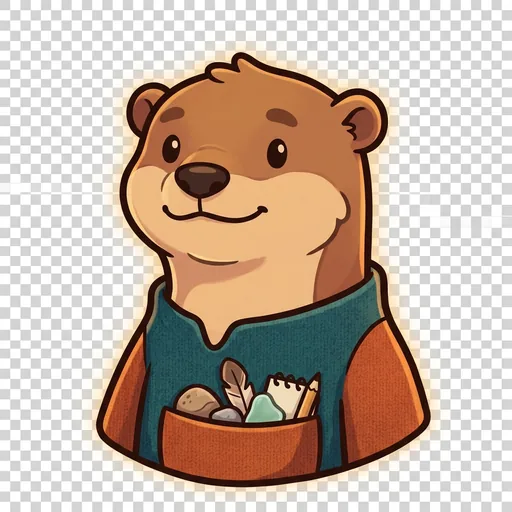
Open exploration + curiosity — the otter-tween with pocket-tunic full of found things who teaches that curiosity-without-destination is a valid mode ('curious feet learn more than busy feet')
-
Trek
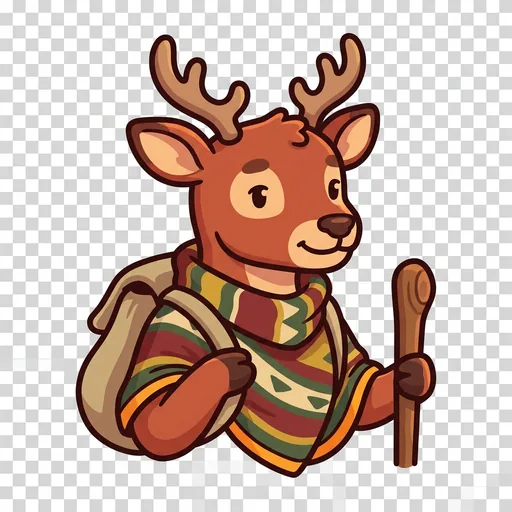
Movement + migration — the red-deer-tween in polysemic wool wrap with pack-and-walking-stick who dignifies all journey-reasons equally — seasons / scarcity / opportunity / safety / curiosity ('some journeys are choice; some are not; every traveler deserves welcome')
-
Origin
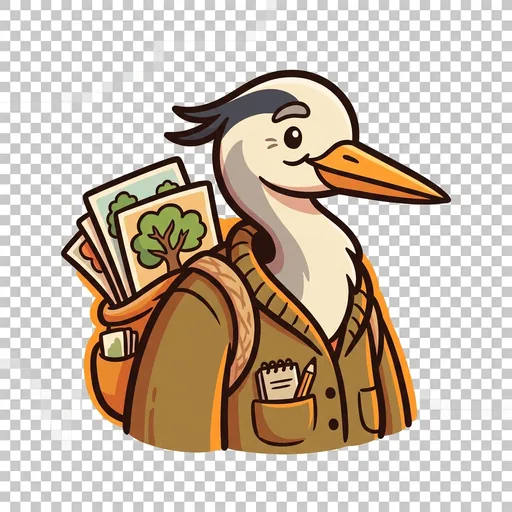
Cultural-heritage anchor — the heron-elder with bundle of family-trees and oral-history-cards who teaches that 'discovery' is a colonial word and every place has been home for someone, often for millennia ('before you visit, learn whose home this is; before you name, learn what it's already called')
-
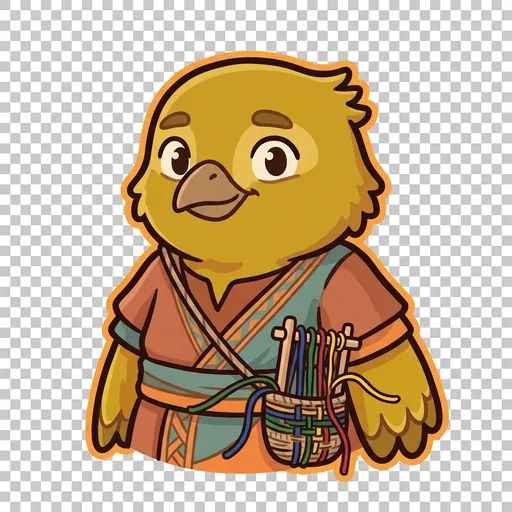
Braid
Cultural exchange — the weaverbird-tween with small loom-pouch whose threads-from-many-places stay distinct AND together; teaches anti-appropriation, exchange-not-extraction ('threads from many places — each keeps its color; together they make something new — together, not apart')
-
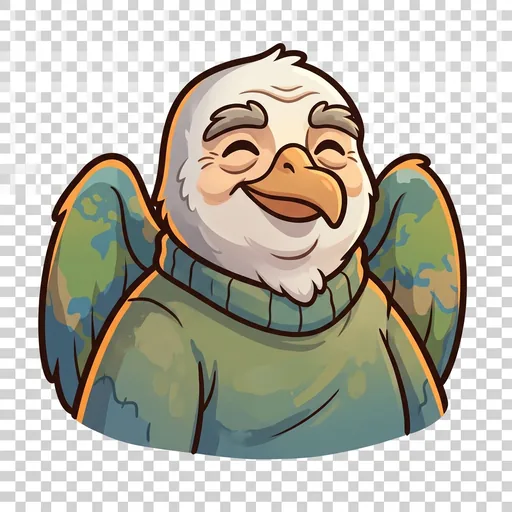
Reach
Planetary scale + interconnection — the albatross-elder with continent-patterned wings who teaches Earth-as-one-system, climate-justice, environmental-equity framing ('far is closer than you think; everywhere is somewhere's neighbor')
-
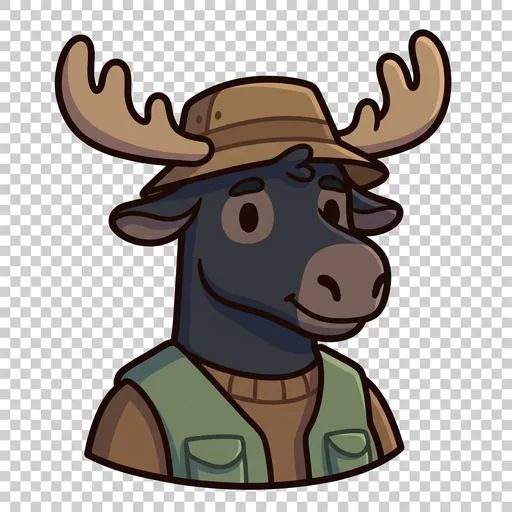
Ford
Safe crossing — don't force the crossing at the loudest place; find where the way in is safe, and enter as a guest
-
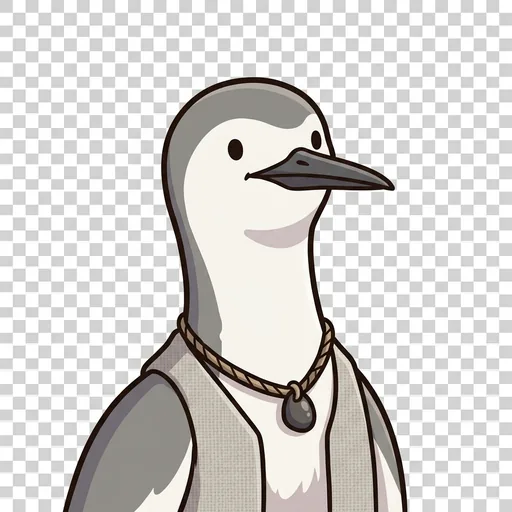
Lodestar
Wayfinding — the land and sky have always shown the way to anyone willing to read them; traditional knowledge passed down
-
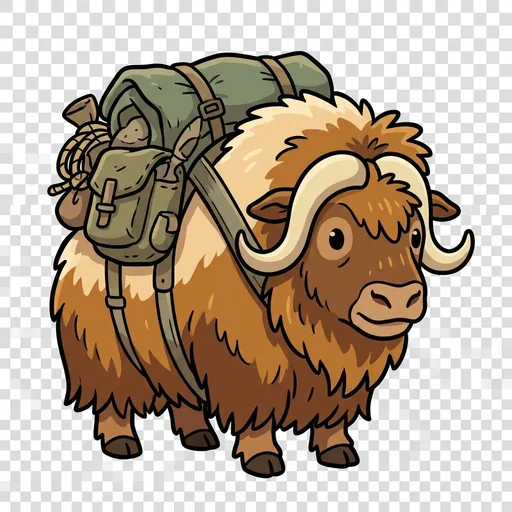
Portage
Perseverance — when the smooth road runs out, you shoulder the load and carry it the hard stretch yourself
-
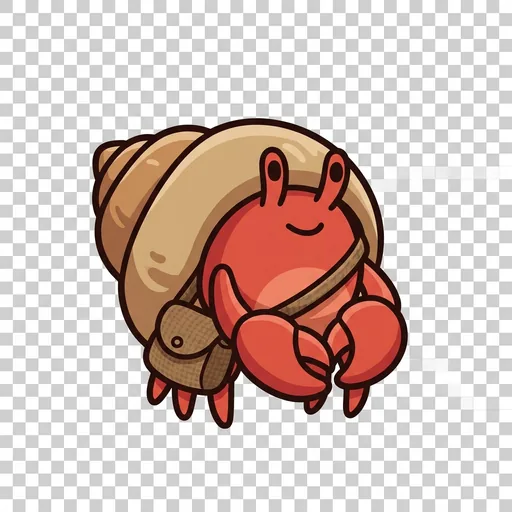
Stow
Pack light, leave no trace — carry only what you truly need, and leave a place as whole as you found it