
Lodestar and Ford
LODESTAR-AND-FORD — knowing which way to go is only half of arriving; you must also find the gentle way across what stands between. Direction and crossing, together.
Listen along — Lodestar and Ford
Loading audio…
Press play to listen along. The line being read lights up as you go.
Show full transcript
Loading transcript…
Chapter 15 — Lodestar and Ford and the Two Halves of Arriving
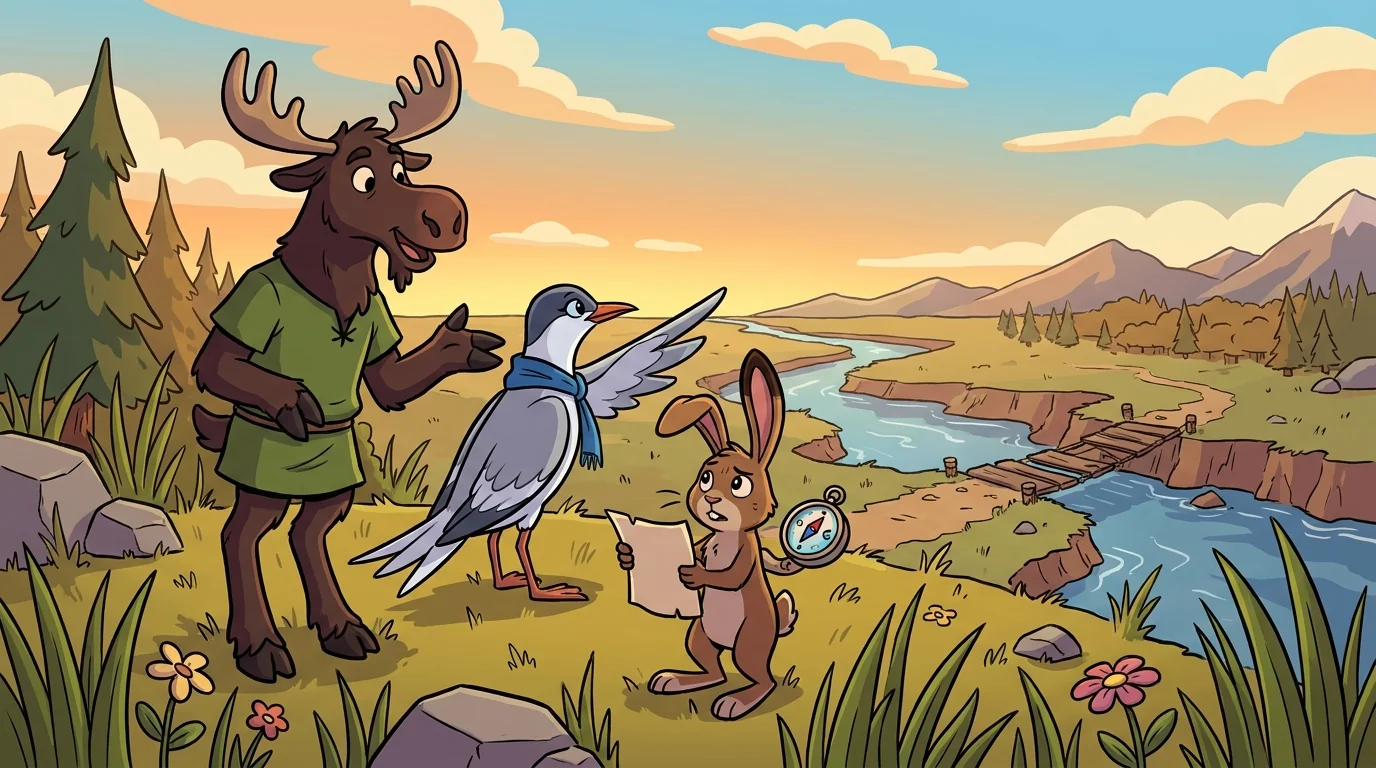
At the edge of a wide unknown country, Lodestar the tern and Ford the moose stood shoulder to shoulder over an unrolled map, and a young hare named Sprig could not work out why the sky-reader and the river-crosser were always paired. “If you know which way to go,” Sprig said, “don’t you just… go that way?” Lodestar and Ford traded a look — the patient look of two travelers who had learned, separately and then together, that the answer was no.
“Watch me set the direction first,” Lodestar said, tipping her face to the sky and land. “The pole star holds fixed in the north, so from it I know every bearing. The sun’s arc, the lean of the wind on the grass, the way that far headland always points the same way — I read them all at once and they agree.” She lifted a wing toward a distant blue ridge. “That way. That’s our there. I can name it to the degree.” Then she said the humble part she always said: “And I only know how to read these signs because wayfinders long before me learned them and passed them down. The bearing is a gift, not my cleverness. But Sprig — a bearing is only a direction. It’s a line drawn in the air. It doesn’t know what’s in the way.”
“And that,” said Ford, stepping forward, “is where I begin.” She swept a hoof toward the river that curled across the country between them and the blue ridge — white and roaring at its narrow throat, wide and quiet downstream. “Lodestar’s line runs straight through that river. But you can’t walk a straight line through fast water; the current would take you off your feet. So I read the water the way she reads the sky. The loud rapids are strong because they’re loud — the discharge squeezing through a narrow channel, speeding up. Downstream, where the river widens, it slows and shallows into a ford — a pale gravel bar under a low riffle, safe to cross. My skill doesn’t tell you which way. It tells you how to get past what stands between.”
Sprig looked from the sky to the water and back, and something clicked. “So if we only had Lodestar, we’d know the perfect direction — and walk straight into a river that knocked us flat. And if we only had Ford, we’d find a beautiful safe crossing — and have no idea whether the far bank was even the way we wanted to go.” Lodestar dipped her head. “Now you have it. I can be perfectly right about the bearing and still get you drowned. Ford can find a perfect crossing that carries you exactly the wrong way. Direction without crossing is a wish. Crossing without direction is a wander.” Ford added, “Arriving needs both — and it needs them in conversation. When my ford sits a little off Lodestar’s line, we don’t argue. She adjusts the bearing to aim for where I can safely cross, and I look for the crossing nearest her true direction. We meet in the middle, and the middle is the road.”
So the three of them traveled it together, and Sprig watched the two halves braid into one journey: Lodestar naming the ridge, Ford finding the wide slow reach a little downstream, Lodestar re-aiming for the far bank of that crossing, Ford leading them across the gravel bar as gentle guests, and then Lodestar picking up the bearing again on the other side. By dusk they stood on the blue ridge they’d only pointed at that morning. “You didn’t get here because one of us was right,” Lodestar told the hare. “You got here because knowing-the-way and getting-across kept handing the journey back and forth. That’s the whole secret of arriving — it was never one skill. It was two, side by side, trusting each other the whole way.”
The TerraVoyage ensemble
Lodestar and Ford is part of TerraVoyage's distributed-narrative cast. Each character embodies a different curricular primitive; together they teach the full subject.
-
Roam
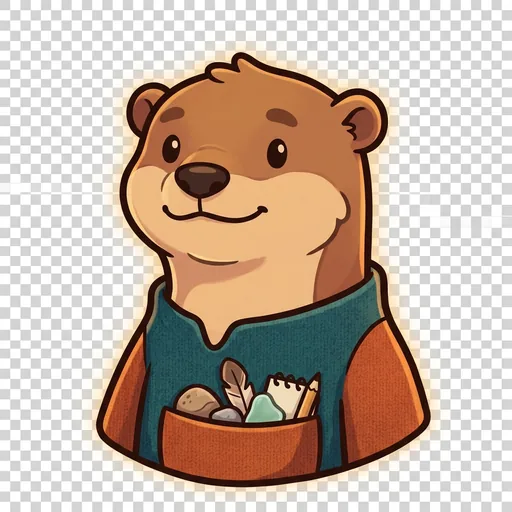
Open exploration + curiosity — the otter-tween with pocket-tunic full of found things who teaches that curiosity-without-destination is a valid mode ('curious feet learn more than busy feet')
-
Trek
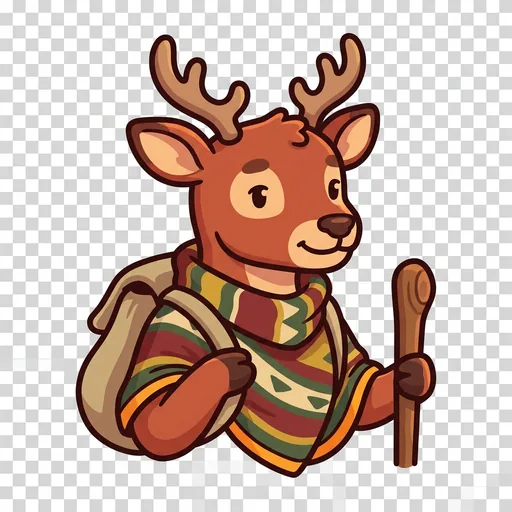
Movement + migration — the red-deer-tween in polysemic wool wrap with pack-and-walking-stick who dignifies all journey-reasons equally — seasons / scarcity / opportunity / safety / curiosity ('some journeys are choice; some are not; every traveler deserves welcome')
-
Origin
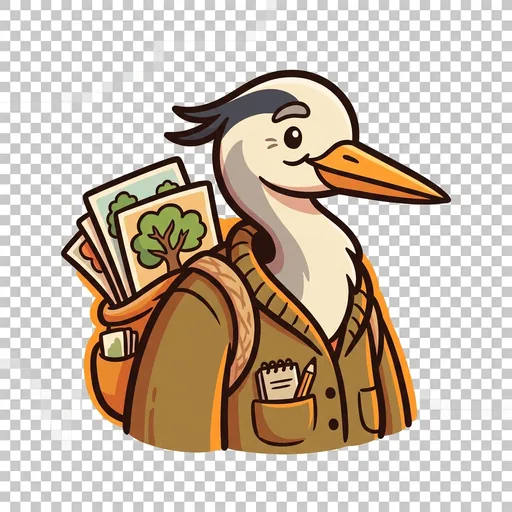
Cultural-heritage anchor — the heron-elder with bundle of family-trees and oral-history-cards who teaches that 'discovery' is a colonial word and every place has been home for someone, often for millennia ('before you visit, learn whose home this is; before you name, learn what it's already called')
-
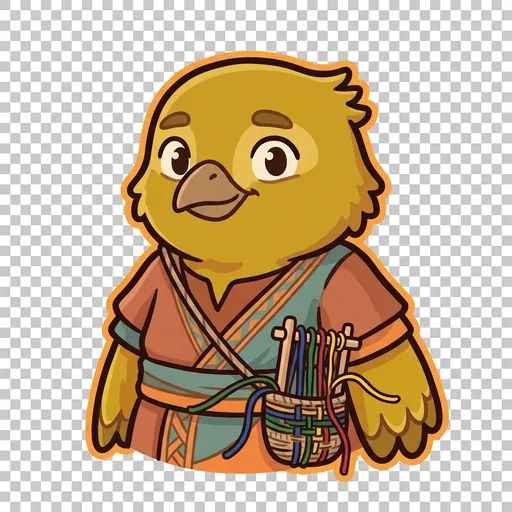
Braid
Cultural exchange — the weaverbird-tween with small loom-pouch whose threads-from-many-places stay distinct AND together; teaches anti-appropriation, exchange-not-extraction ('threads from many places — each keeps its color; together they make something new — together, not apart')
-
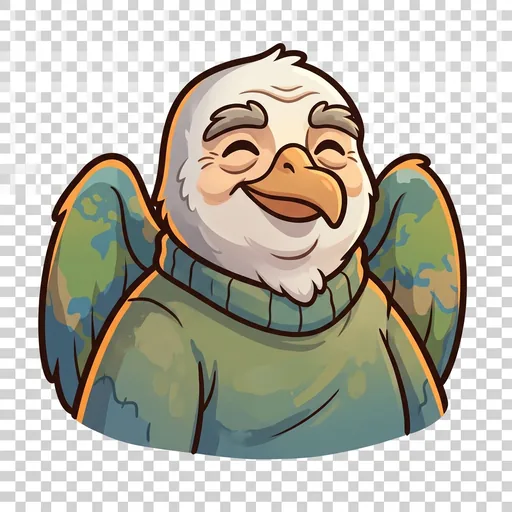
Reach
Planetary scale + interconnection — the albatross-elder with continent-patterned wings who teaches Earth-as-one-system, climate-justice, environmental-equity framing ('far is closer than you think; everywhere is somewhere's neighbor')
-
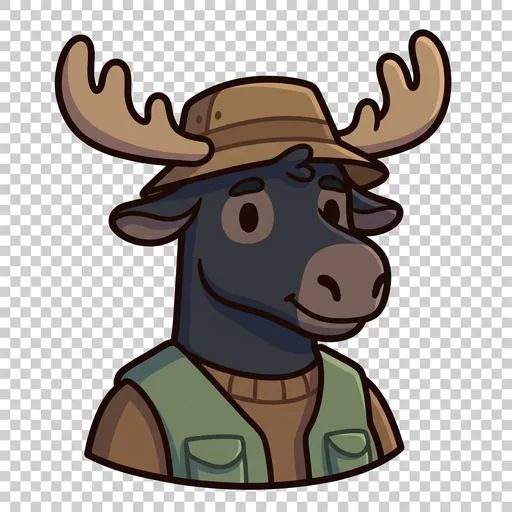
Ford
Safe crossing — don't force the crossing at the loudest place; find where the way in is safe, and enter as a guest
-
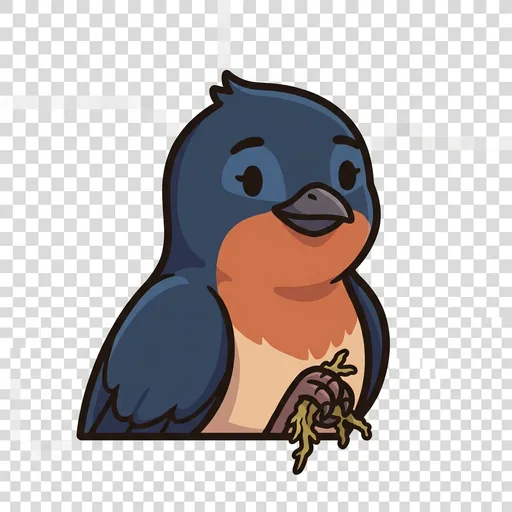
Haven
Shelter & reciprocity — a traveler needs rest, and gives it; the road is kinder when we shelter each other
-
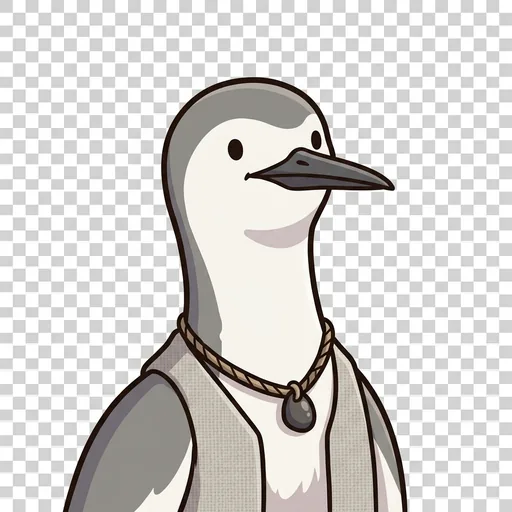
Lodestar
Wayfinding — the land and sky have always shown the way to anyone willing to read them; traditional knowledge passed down
-
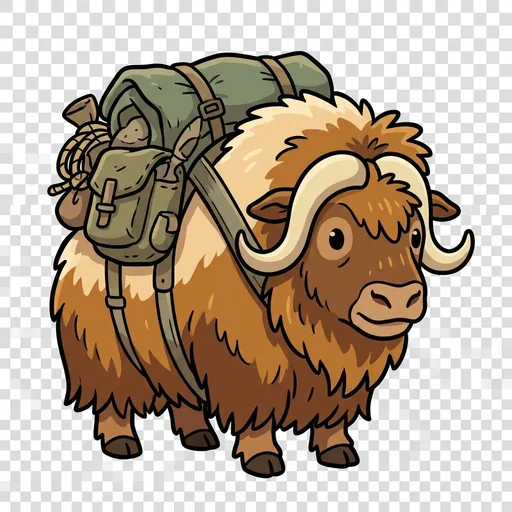
Portage
Perseverance — when the smooth road runs out, you shoulder the load and carry it the hard stretch yourself
-
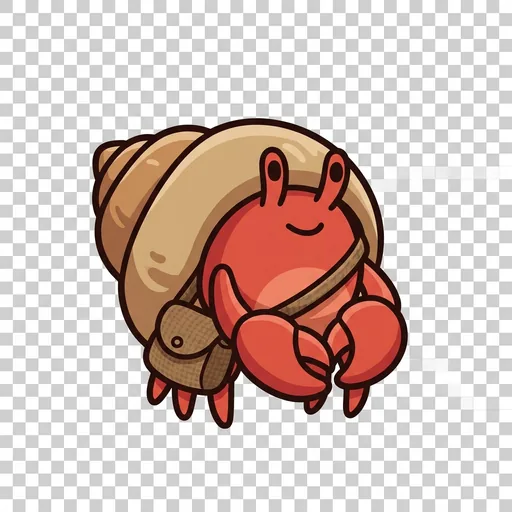
Stow
Pack light, leave no trace — carry only what you truly need, and leave a place as whole as you found it