
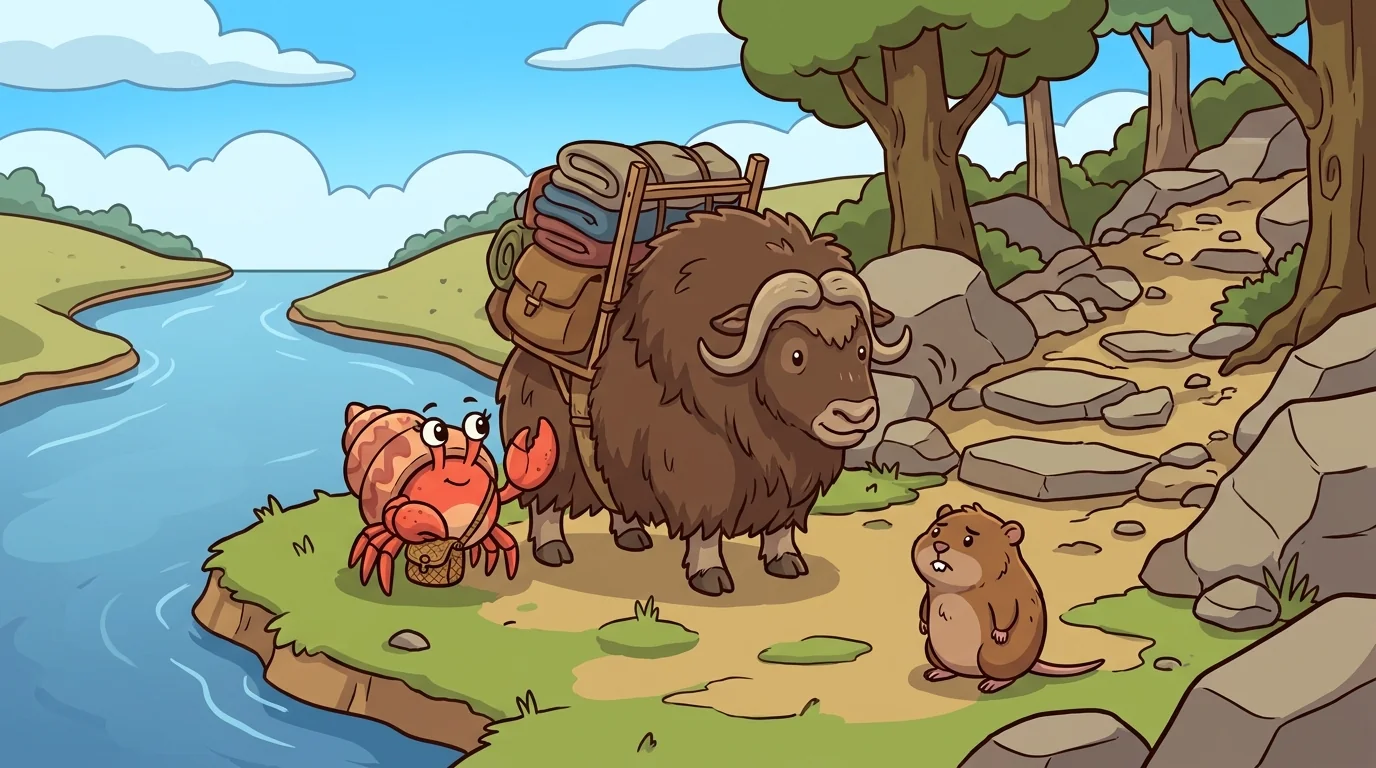
Stow and Portage
STOW-AND-PORTAGE — the lighter you pack, the more of the hard stretch you can carry; traveling light and carrying far are the same wisdom.
Listen along — Stow and Portage
Loading audio…
Press play to listen along. The line being read lights up as you go.
Show full transcript
Loading transcript…
Chapter 16 — Stow and Portage and the Light Pack for the Hard Stretch
Where the smooth training river ended in the rough overland country, Stow the hermit crab and Portage the musk ox stood together, and a young vole named Tuck couldn’t work out why the pack-light one and the carry-far one were always a pair. “Packing light and carrying far sound like opposite things,” Tuck said. Stow and Portage smiled at each other — the smile of two travelers who had each learned, the long way round, that they were really one lesson.
“Let me show you the light pack first,” Stow said, opening her small satchel. “Water. A bite of food. One warm layer. A way to mend, a way to make light. That’s nearly all of it.” She laid each item out, then pointed at the things she’d left behind — the second and third of everything, the just-in-cases, the keepsakes. “Every one of those is a stone I’d only have to lug. So I carry only what I truly need, and I leave every place whole, taking nothing. Light on my back — and light on the land.” She hefted the satchel easily. “You could stop the lesson here and think it’s just about tidiness. It isn’t. Tuck — ask Portage why my light pack matters so much to her.”
“Because I’m the one who carries the hard stretch,” Portage said, settling her carrying-strap across her broad back. “When the river breaks into rapids too rough to float, somebody has to lift the whole load and walk it overland to where the water’s kind again — that carry is a portage, and I measure it in poses, short carries with a rest between each. Here’s the thing the pack-light lesson doesn’t tell you on its own: everything Stow saved me from carrying is a pose I don’t have to make.” She looked at Tuck steadily. “A heavy load doesn’t just tire you on the smooth water where it barely matters. It crushes you exactly where the road turns hard — on the carry, where every extra stone is another trip across the broken ground. Stow’s discipline and mine aren’t opposites. Her light pack is what makes my hard carry possible.”
Tuck turned it over slowly. “So if Stow packs heavy… you can’t carry far. And if there were no hard stretch coming, Stow’s light pack would just be… neat, but it wouldn’t matter much.” “Now you have it,” Stow said. “Traveling light isn’t about owning less for its own sake. It’s about being able to carry what’s left across the part that’s hard.” Portage nodded. “And carrying far isn’t about being strong enough to haul anything. It’s about only having to haul what truly earned its place. The lighter Stow packs, the more of the hard stretch I can carry. Same wisdom — she works it before the journey, I work it in the middle of the journey, and it’s the one truth wearing two coats.”
So the three set out together, and Tuck watched the single wisdom braid through the whole day: Stow at the trailhead, setting down maybe after maybe until the load was light and true; Portage at the rapids, lifting that light-and-true load and breaking the overland carry into countable poses — this pose, rest, the next; and the far bank arriving, pose by pose, exactly as it never could have if the pack had been heavy. “You didn’t cross because one of us was clever,” Portage told the vole on the far side. “You crossed because we packed for the hard part before we reached it, and carried it a pose at a time when we did. Light and far were never opposites, Tuck. They were always the same road — just seen from the two ends of it.”
The TerraVoyage ensemble
Stow and Portage is part of TerraVoyage's distributed-narrative cast. Each character embodies a different curricular primitive; together they teach the full subject.
-
Roam
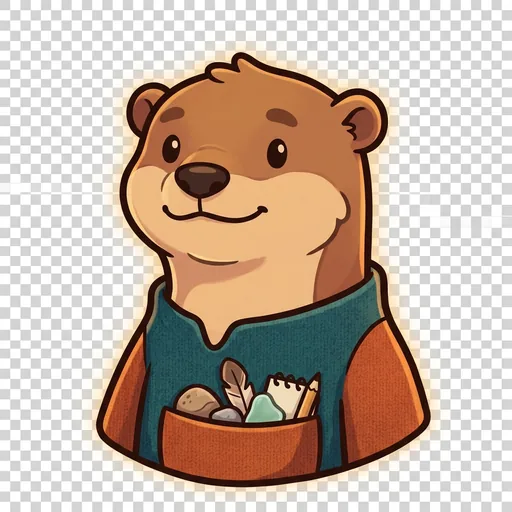
Open exploration + curiosity — the otter-tween with pocket-tunic full of found things who teaches that curiosity-without-destination is a valid mode ('curious feet learn more than busy feet')
-
Trek
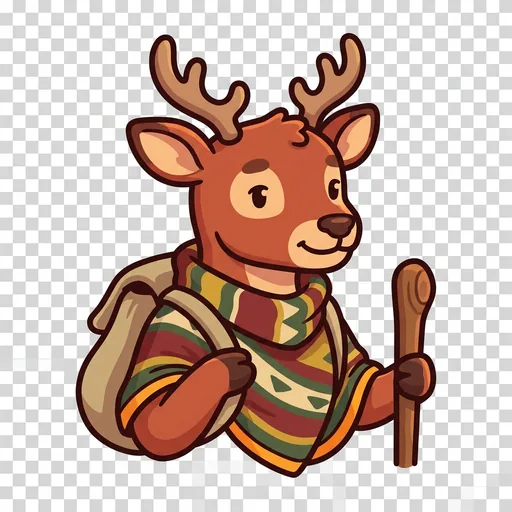
Movement + migration — the red-deer-tween in polysemic wool wrap with pack-and-walking-stick who dignifies all journey-reasons equally — seasons / scarcity / opportunity / safety / curiosity ('some journeys are choice; some are not; every traveler deserves welcome')
-
Origin
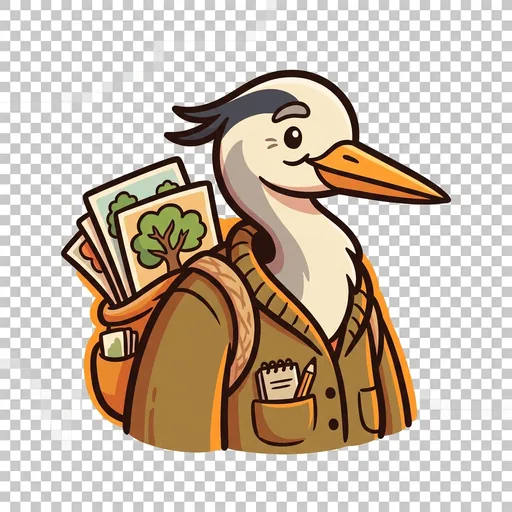
Cultural-heritage anchor — the heron-elder with bundle of family-trees and oral-history-cards who teaches that 'discovery' is a colonial word and every place has been home for someone, often for millennia ('before you visit, learn whose home this is; before you name, learn what it's already called')
-
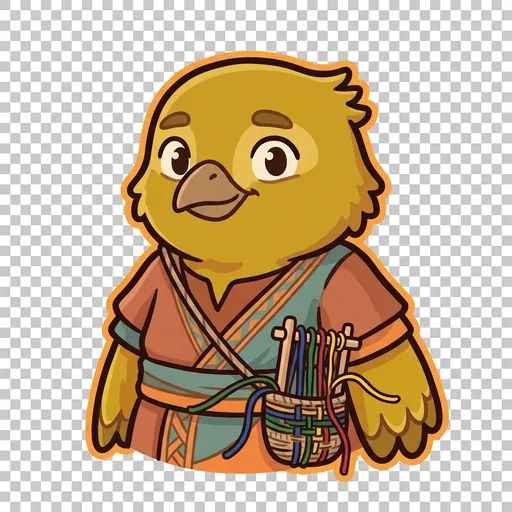
Braid
Cultural exchange — the weaverbird-tween with small loom-pouch whose threads-from-many-places stay distinct AND together; teaches anti-appropriation, exchange-not-extraction ('threads from many places — each keeps its color; together they make something new — together, not apart')
-
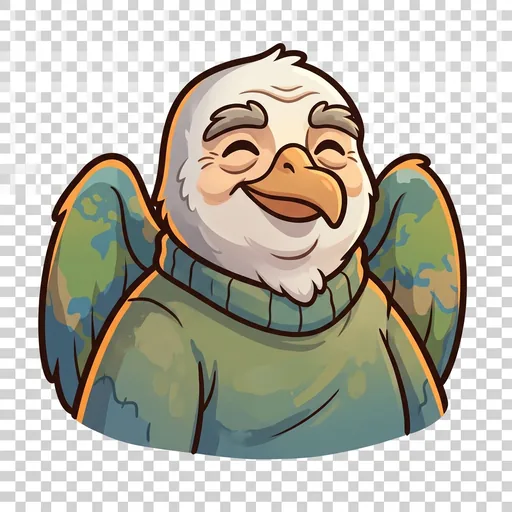
Reach
Planetary scale + interconnection — the albatross-elder with continent-patterned wings who teaches Earth-as-one-system, climate-justice, environmental-equity framing ('far is closer than you think; everywhere is somewhere's neighbor')
-
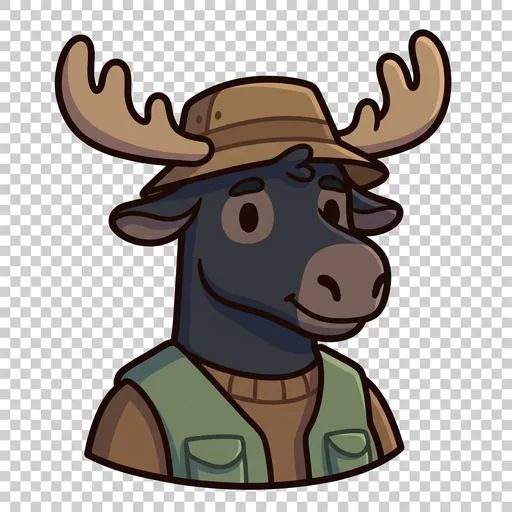
Ford
Safe crossing — don't force the crossing at the loudest place; find where the way in is safe, and enter as a guest
-
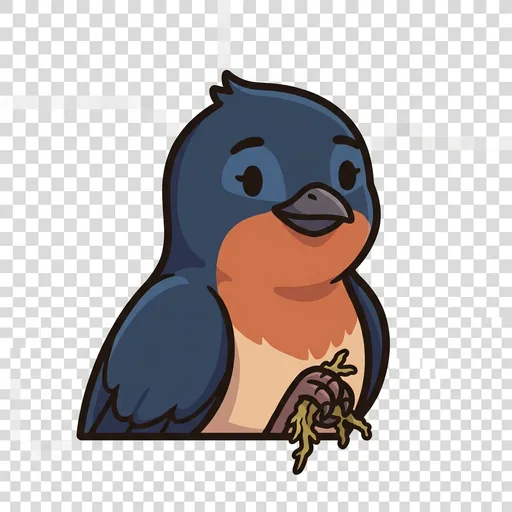
Haven
Shelter & reciprocity — a traveler needs rest, and gives it; the road is kinder when we shelter each other
-
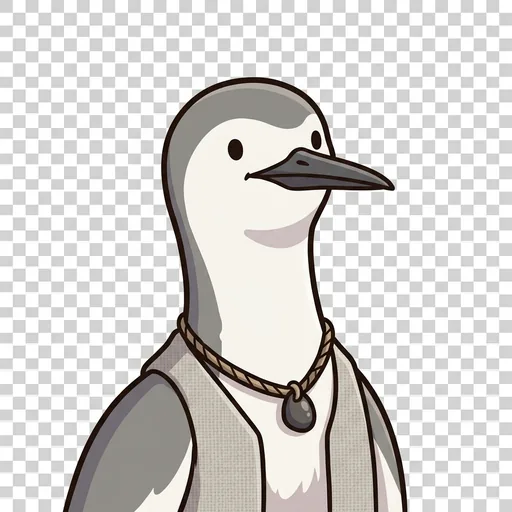
Lodestar
Wayfinding — the land and sky have always shown the way to anyone willing to read them; traditional knowledge passed down
-
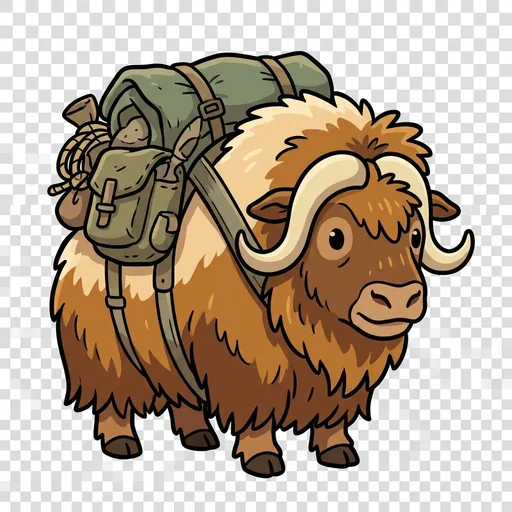
Portage
Perseverance — when the smooth road runs out, you shoulder the load and carry it the hard stretch yourself
-
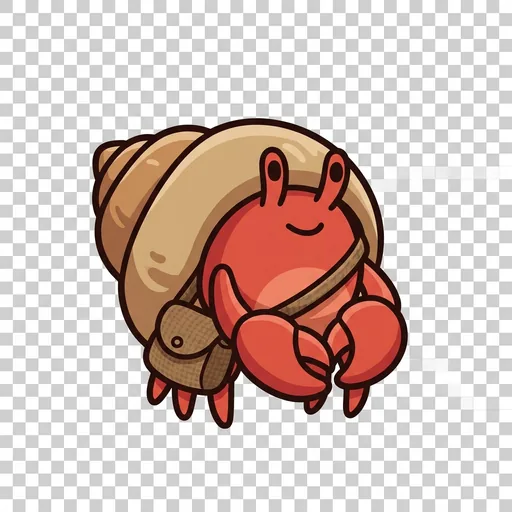
Stow
Pack light, leave no trace — carry only what you truly need, and leave a place as whole as you found it