
Stow
STOW — carry only what you truly need, and leave a place as whole as you found it.
Listen along — Stow
Loading audio…
Press play to listen along. The line being read lights up as you go.
Show full transcript
Loading transcript…
Chapter 7 — Stow and the Pack That Carries Only What Matters
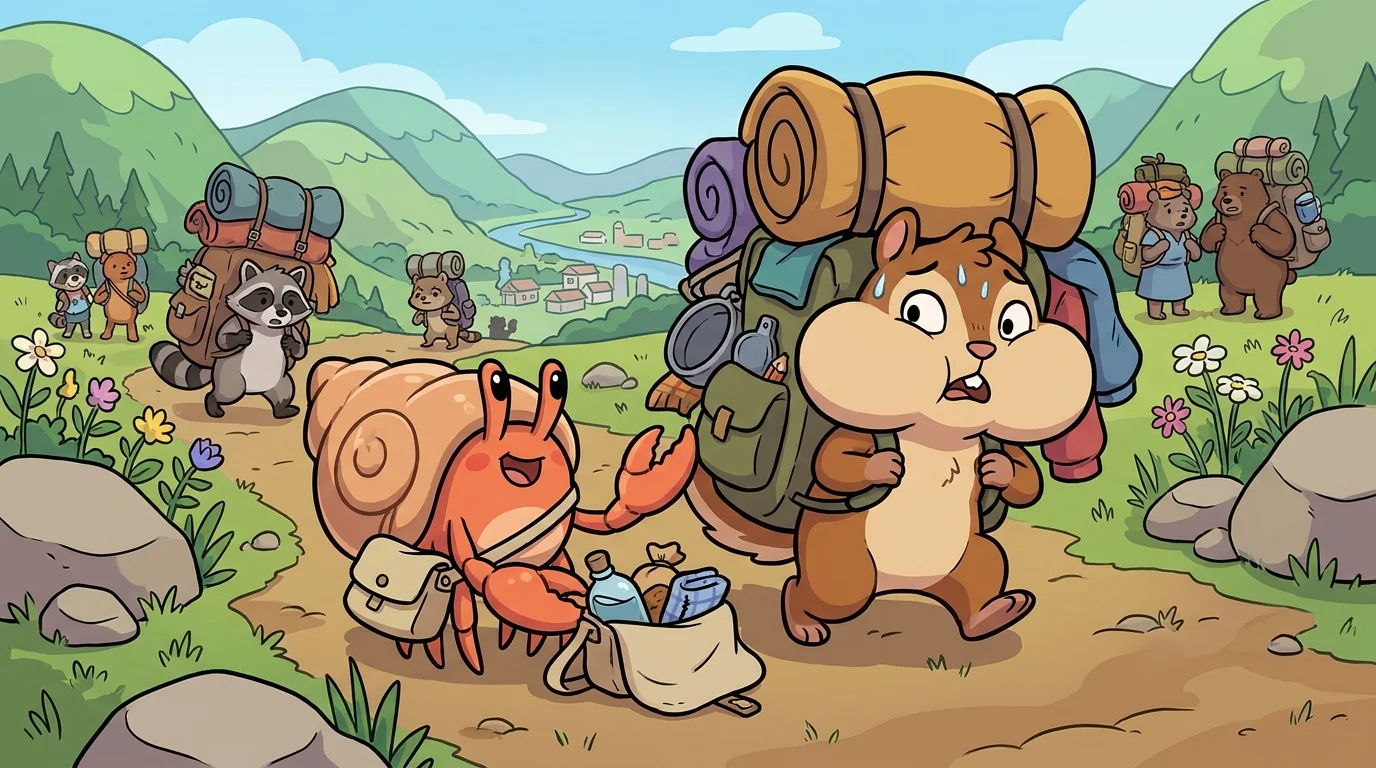
At the trailhead outside Terravoyage, Stow had every older student dump their day-pack onto a groundsheet, and she moved down the line in her tidy borrowed shell, small and unhurried, looking over the piles. “You know my move,” she said. “Carry only what you truly need, and leave a place as whole as you found it. Today I’ll show you the two disciplines hiding inside that — because travelers worked both of them out the hard way, and gave them names.”
She nudged a bulging pack with a claw. “First: travel light. Most people pack by fear — every what-if, every second and third of a thing, every just-in-case. But here’s the physics of it: everything you pack, you carry up every hill, across every ford, through every hard stretch. Weight isn’t preparation. Weight is the thing that stops you reaching the place you packed for. So the light traveler flips the question. Instead of what might I need, she asks what will I actually use, and what can I trust myself to make do without. She counts the trips a thing has earned. She picks the item that does two jobs over two items that each do one. ‘Ready’ and ‘heavy’ aren’t the same word — they’re opposites. The traveler who carries everything is too weighed down to go anywhere.”
A young dormouse named Fen looked guiltily at his mountainous pile. “So… less to carry.”
“And less to leave behind,” Stow said, “which is the second discipline. When you go into a place, you leave a mark — or you learn not to. Travelers who love wild country came to live by a principle they call Leave No Trace: pack out everything you pack in, take nothing that belongs to the place, walk on the durable ground so you don’t scar the soft, camp where others already have instead of breaking new ground, and leave what you find — the shell, the flower, the interesting stone — for the next traveler and for the place itself. It rests on one honest idea: a place isn’t scenery that exists for you to use up. It’s someone’s home — the marmot’s, the moss’s, the next traveler’s — and a good guest leaves it whole. The lightest pack in the world isn’t light if it empties a place to fill itself.”
Stow had learned the first discipline before she understood the second. The very first time she set out on her own, she’d packed everything — every shell, every keepsake, every just-in-case — until she could barely move, and she’d spent the whole journey exhausted and resentful, certain that being ready meant carrying more. It was her grandmother, an old crab in a smooth pale shell, who’d watched her stagger and settled beside her: “You’ve mistaken ‘ready’ for ‘heavy.’ They’re opposites. The traveler who carries everything is too weighed down to go anywhere. Ready is knowing what you actually need, and trusting yourself to make do with it. The lighter you go, the farther you get — and the more room you have to notice the world you came to see.” Stow had set the maybes down one by one until her load was light and true, and suddenly the walking was easy and her eyes were up instead of on her aching feet. The heavy, resentful feeling had lifted into a free, unburdened ease.
“So both disciplines are really one wisdom,” she finished, resettling her small satchel — water, a bite of food, one warm layer, a way to mend and a way to make light, and almost nothing else. “Carry little, so you can go far and see clearly. Take nothing and break nothing, so the place stays whole for whoever comes next. Ready was never heavy. It was knowing what mattered, letting the rest go — and leaving the country exactly as beautiful as you found it.”
The TerraVoyage ensemble
Stow is part of TerraVoyage's distributed-narrative cast. Each character embodies a different curricular primitive; together they teach the full subject.
-
Roam
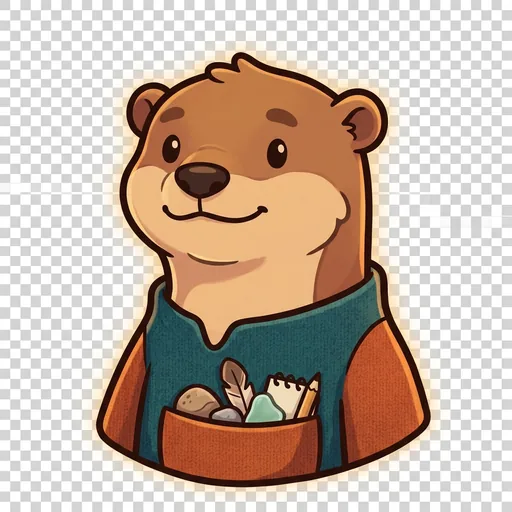
Open exploration + curiosity — the otter-tween with pocket-tunic full of found things who teaches that curiosity-without-destination is a valid mode ('curious feet learn more than busy feet')
-
Trek
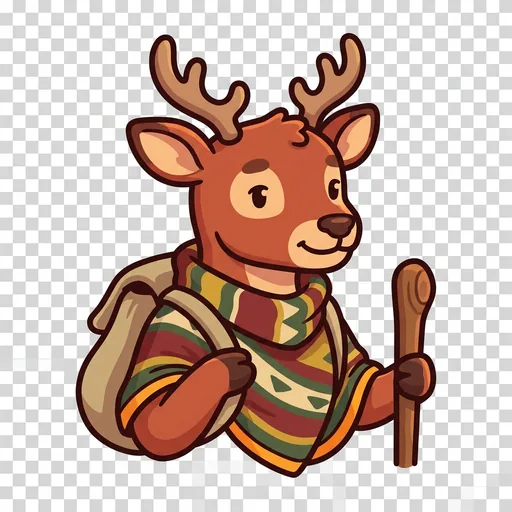
Movement + migration — the red-deer-tween in polysemic wool wrap with pack-and-walking-stick who dignifies all journey-reasons equally — seasons / scarcity / opportunity / safety / curiosity ('some journeys are choice; some are not; every traveler deserves welcome')
-
Origin
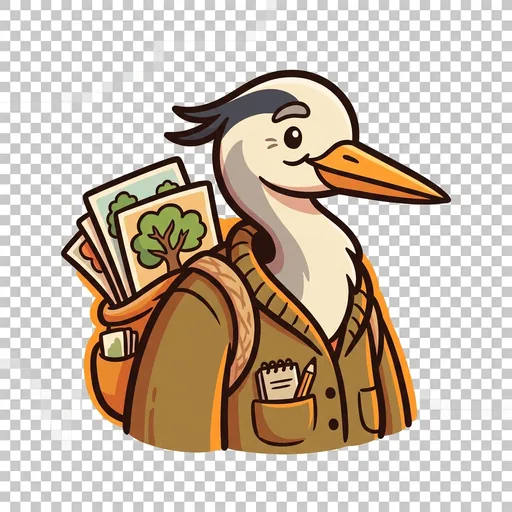
Cultural-heritage anchor — the heron-elder with bundle of family-trees and oral-history-cards who teaches that 'discovery' is a colonial word and every place has been home for someone, often for millennia ('before you visit, learn whose home this is; before you name, learn what it's already called')
-
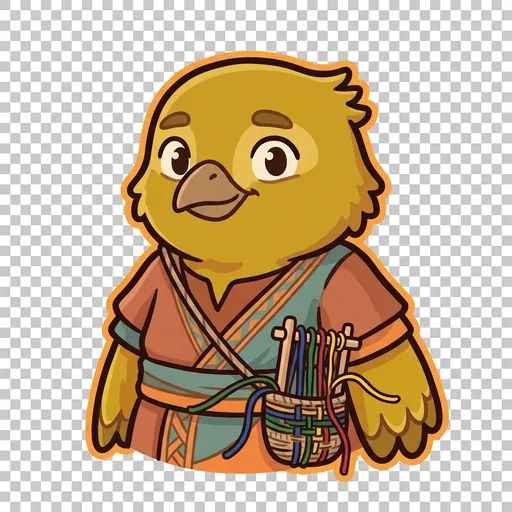
Braid
Cultural exchange — the weaverbird-tween with small loom-pouch whose threads-from-many-places stay distinct AND together; teaches anti-appropriation, exchange-not-extraction ('threads from many places — each keeps its color; together they make something new — together, not apart')
-
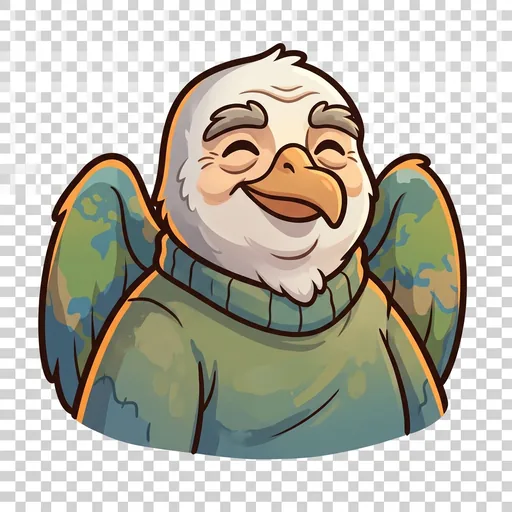
Reach
Planetary scale + interconnection — the albatross-elder with continent-patterned wings who teaches Earth-as-one-system, climate-justice, environmental-equity framing ('far is closer than you think; everywhere is somewhere's neighbor')
-
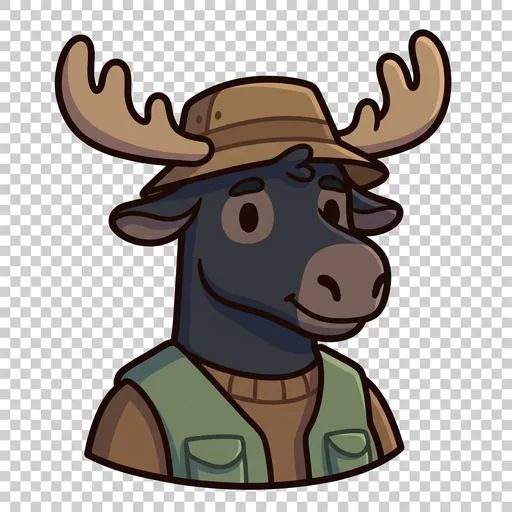
Ford
Safe crossing — don't force the crossing at the loudest place; find where the way in is safe, and enter as a guest
-
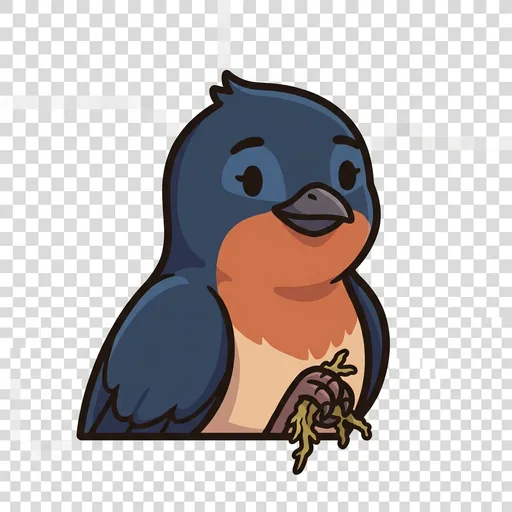
Haven
Shelter & reciprocity — a traveler needs rest, and gives it; the road is kinder when we shelter each other
-
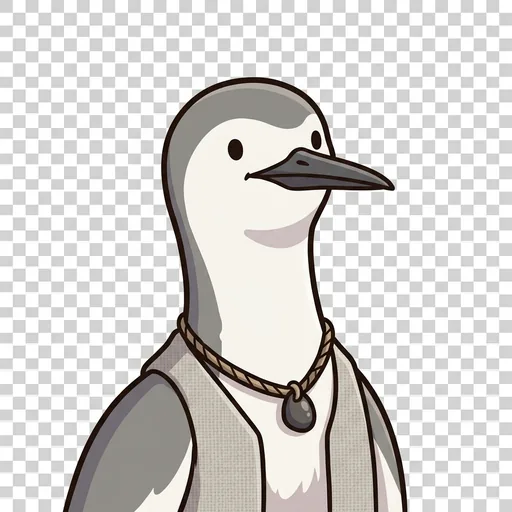
Lodestar
Wayfinding — the land and sky have always shown the way to anyone willing to read them; traditional knowledge passed down
-
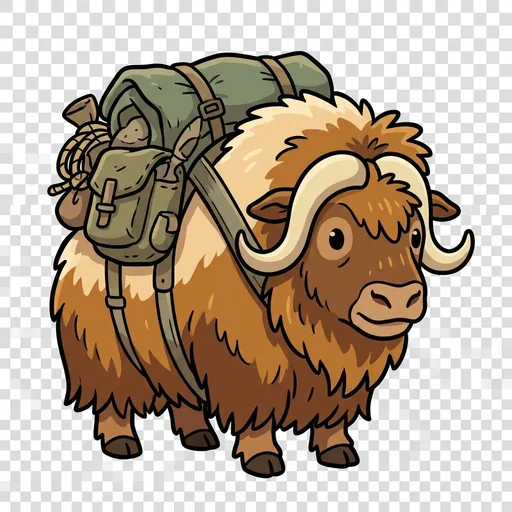
Portage
Perseverance — when the smooth road runs out, you shoulder the load and carry it the hard stretch yourself