Press
AIR PRESSURE + CIRCULATION
Loading audio…
Press play to listen along. The line being read lights up as you go.
Show full transcript
Loading transcript…
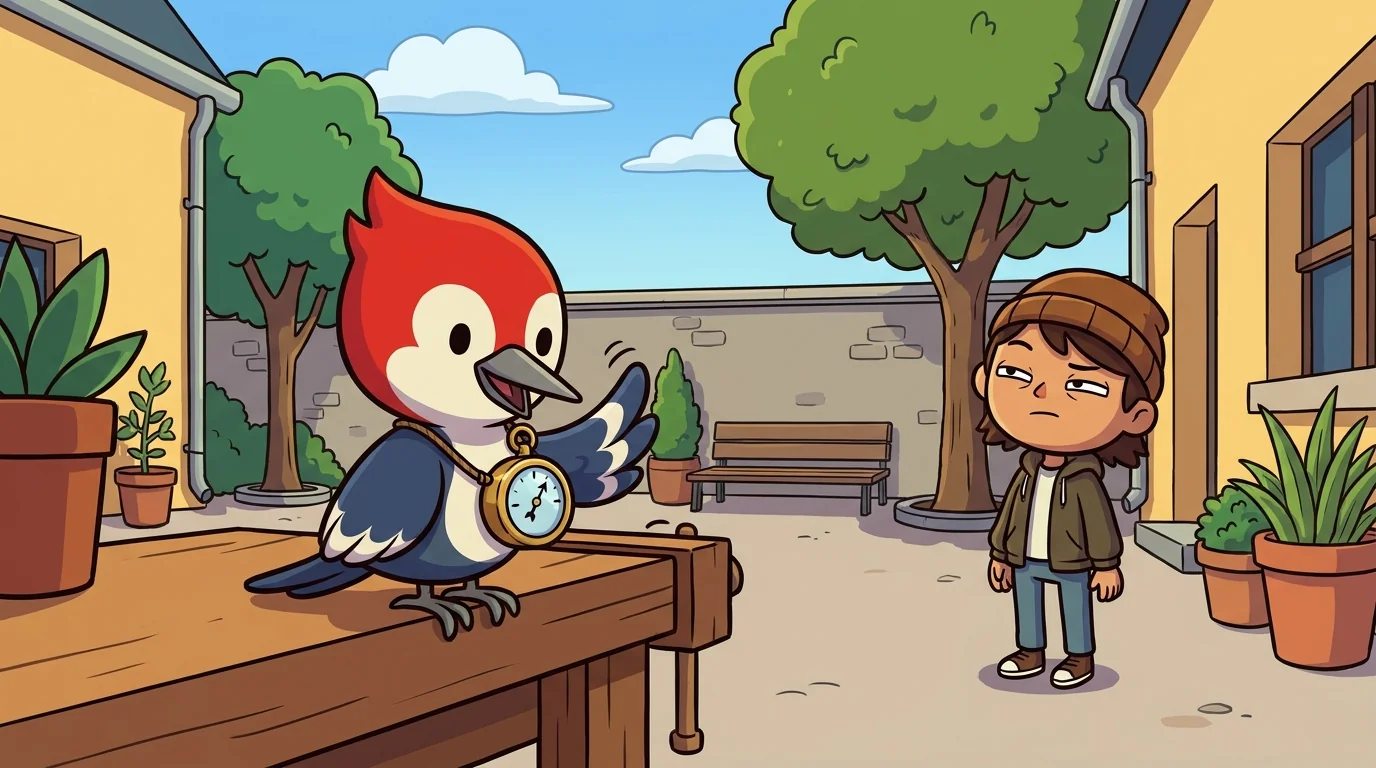
Press tapped the glass of the little brass barometer at her chest, watched the thin needle quiver and slide left, and grinned.
"Wind's coming," she announced to the empty courtyard. "By afternoon."
The courtyard did not look like wind was coming. The morning was flat and still, not a leaf stirring. A passing tween paused to squint at the sky. "How do you figure? It's dead calm."
"That's the fun part." Press was a small woodpecker with a bright red head, and she rapped her beak lightly against the workbench when she was thinking — tap, tap, tap. "Air piles up thick in some places — that's high pressure. It goes thin in others — that's low pressure. And air can't stand a difference. It flows from the thick place to the thin place." She nodded at the barometer. "My needle just told me the pressure's dropping right over us. Thin air, right here. So all that thick air out there" — she swept a wing at the horizon — "is about to come rushing in to fill the gap. That rushing is the wind."
The tween looked skeptical. Press only smiled and clipped the barometer back to her cord.
By afternoon, the courtyard was full of blowing leaves.
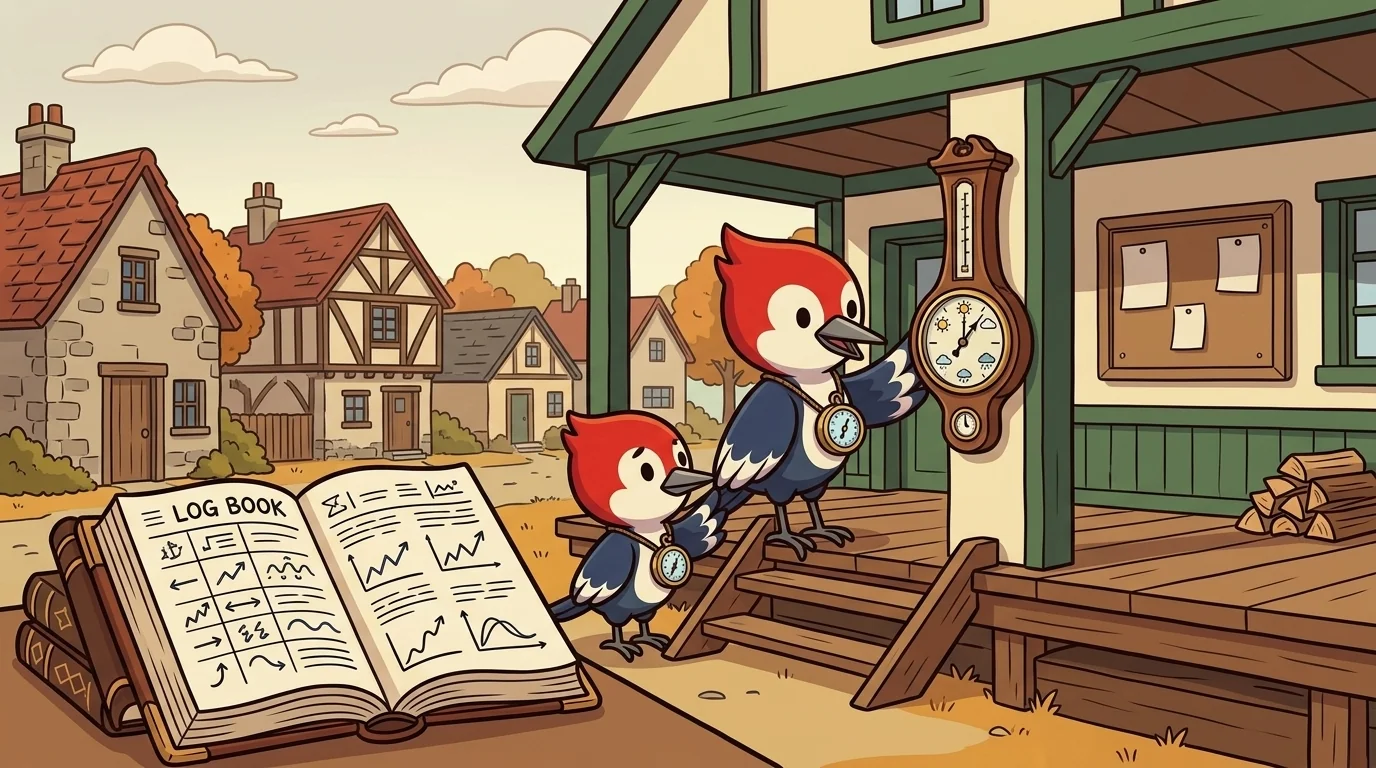
Press learned to read the needle in a village where her family kept the barometer that hung on the schoolhouse porch. Three times a day — dawn, noon, dusk — a woodpecker climbed up and read the number aloud, and someone wrote it in the log.
The autumn Press was six, her aunt let her read it for the first time. Press peered at the dial and announced the number proudly.
"Good," said her aunt. "Now — is that one number a forecast?"
Press hesitated. "...Yes?"
"No." Her aunt tapped the log book, thick with years of readings. "One number is just a number. The forecast is in the change. Yesterday it was higher. This morning it's lower. Falling means weather's on its way. Rising means it's clearing. Steady means steady." She closed the book. "That's why we read it three times a day for a hundred years. The barometer's a little fortune-teller — but only if you watch how it moves."
Press read it every dawn after that, and every dusk, and slowly the numbers stopped being numbers and started being a story: the slow fall before a storm, the quick rise after, the long steady stretch of fair weather. By the time she left the village she could feel the story coming before the needle finished settling.
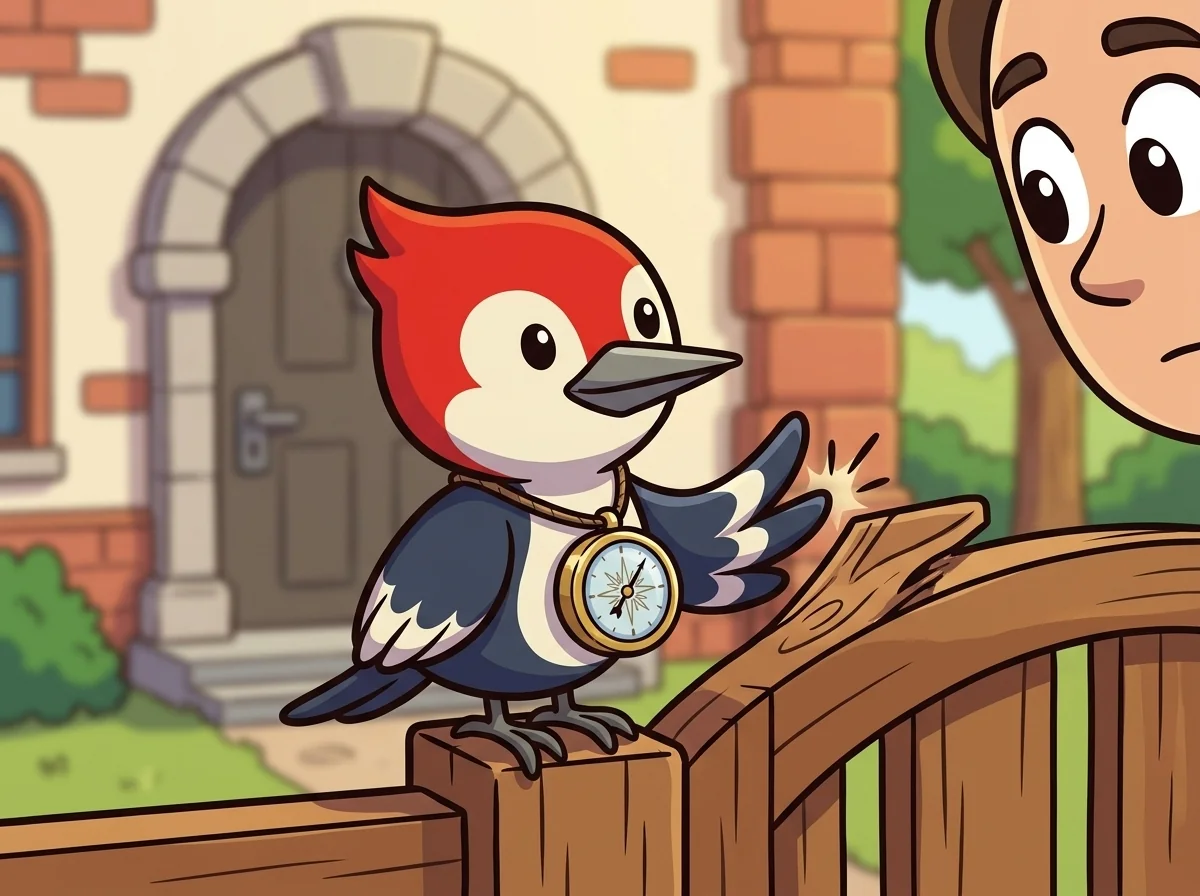
She walked to the WeatherForge academy the spring she turned twenty-two, the brass barometer swinging at her neck. Gale, the head of the academy, met her and asked the question.
"What is air pressure and circulation?"
Press answered without a pause, tapping her beak once against the gate post. "Air piles up where the pressure's high and thins out where it's low, and it flows from high to low to even things out. That flow is the wind." She glanced at her barometer. "A big difference makes a strong wind. A small difference, a light breeze. No difference, calm." She looked back at Gale. "And you don't read the number once. You track how it changes. Falling brings weather. Rising clears it."
Gale raised a brow. "And the fancy science degree behind all that?"
"There isn't one," Press said plainly. "It's careful watching and simple physics. Anyone patient enough can learn it. My whole village did." She tapped the glass. "I'd rather teach it that way than make kids think it's locked behind a diploma."
Gale smiled. "Then you belong here."
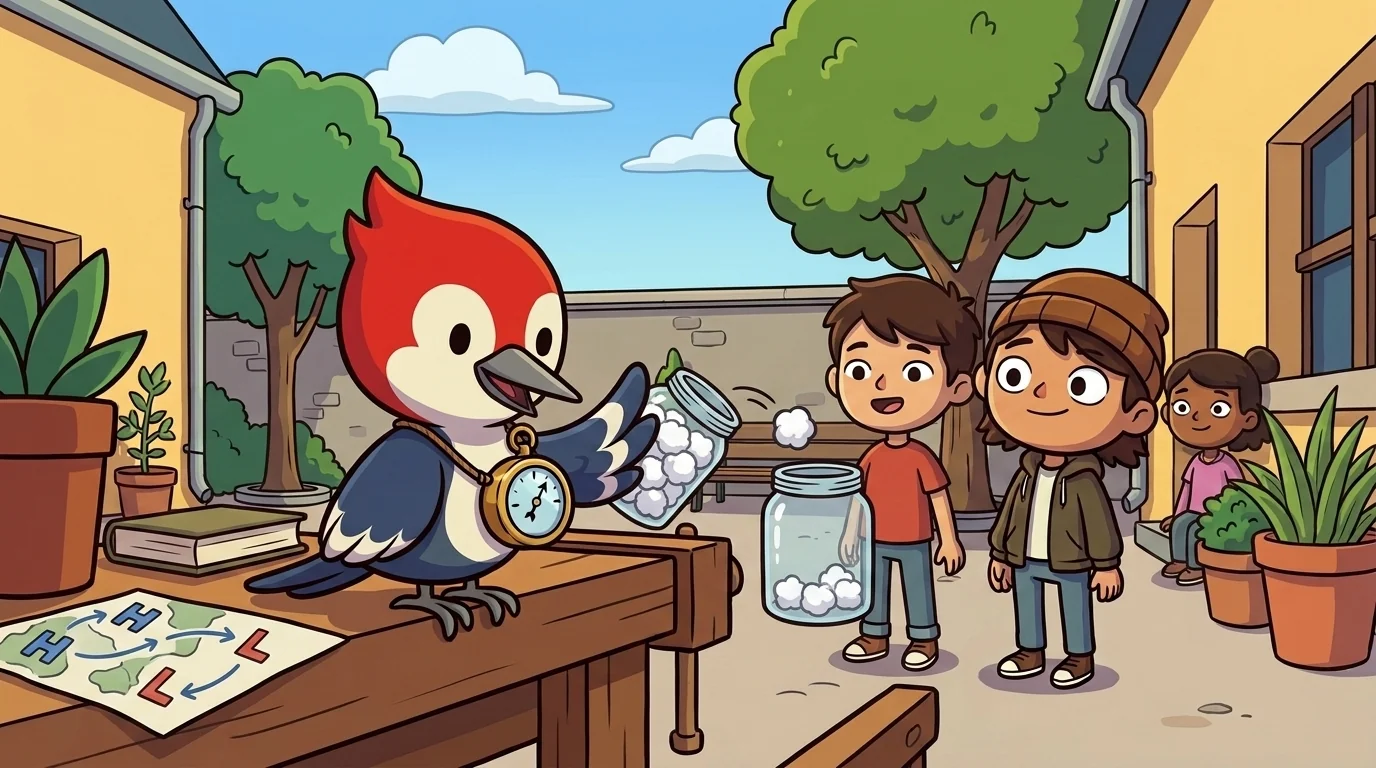
In her workshop, Press always started the same way: she unclipped the barometer, set it on the bench, and let the students watch the needle wobble and settle before she said a word.
"Alright," she said to a bench of new tweens. "Two little jars." She set out a jar packed tight with cotton balls and a jar with only a few. "Say this crammed jar is high pressure — air piled thick. This empty one's low pressure — air gone thin. If I connect them—" she tipped a cotton ball from the full jar toward the empty — "which way does it move?"
"High to low," a tween named Corbet said.
"Every time. And that moving air is the wind." She traced a curve with her wing. "One trick: because the Earth spins, the wind doesn't go straight from high to low up here in the north — it curves a little to the right. So the highs spin one way and the lows spin the other, and you can spot it on any weather map. H for high, L for low, wind flowing between them." She pointed at the barometer. "But start here, at the bench. Read the pressure. Track the change over hours and days. If those lines on the map crowd close together, the wind's strong. Far apart, it's gentle."
Corbet frowned. "What if you read it right and the weather still does something else?"
Press laughed, delighted. "Then you were forecasting."
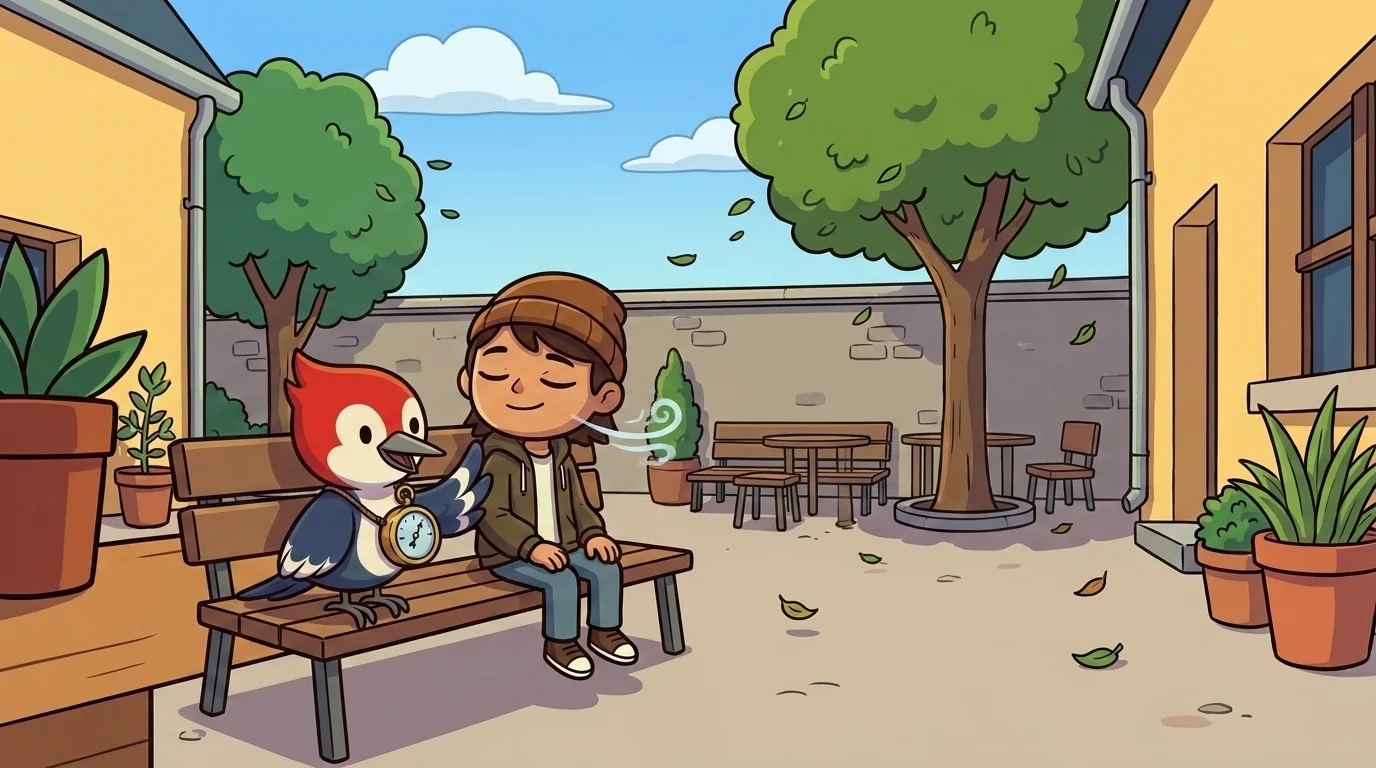
She said it lightly, but she meant it, and she saw Corbet not quite believe her. So Press sat down on the bench next to the barometer and told the truth.
"I get it wrong sometimes," she said. "I read a falling needle, I call for rain, and the clouds slide right past. It used to twist me up inside — my chest would go tight waiting to find out if I'd guessed right." She tapped the glass gently and the needle settled. "Then my aunt told me: pressure's only one piece. Mass and Loft and Brew each teach another. Read puts them together. The barometer starts the story — it doesn't finish the book."
She watched the needle hold steady. "So now, when I'm not sure, I don't hold my breath anymore. Not-knowing is just part of watching the sky." She glanced at Corbet, warm. "That was the thing that finally let my shoulders come down. Not getting it right every time. Getting to be okay with the waiting."
Corbet let out a breath he hadn't noticed he was holding, and felt something in his own chest go loose and easy, like calm air after the wind has passed.
Hear it as an audio drama
A short play starring Press, from WeatherForge. Different voices, same idea. Listen any time after you read.
Loading audio…
Read the drama script
- Narrator: From Spark and Anvil and WeatherForge — this is Press, in chapter 1 of the WeatherForge cast.
- Narrator: This drama uses an AI-generated voice. Voiced via Gemini 2.5.
- Narrator: Press is a small woodpecker-tween. Bright-red-headed and cream-bodied. Attentive-eyed. Quick-tapping — her woodpecker beak taps softly when she's thinking.
- Narrator: On a leather cord around her neck hangs a small brass barometer. About the size of a pocket-watch. Brass-cased. Glass face. The needle quivers gently as Press walks.
- Narrator: She consults it often. Taps the glass. Watches the needle settle. Notes the reading in a small notebook at her hip.
- Press: I am Press. What I teach is air pressure and circulation. The move is — read the pressure. Watch the change. Pressure differences make wind.
- Narrator: Press is all about air pressure and circulation. The meteorology craft of understanding that air moves from high pressure toward low pressure, and the movement is the wind.
- Press: Most novice weather-thinking treats wind as random. It's windy today because, you know, it's windy. That's not the model.
- Press: Wind has a cause. The cause is pressure difference. Air piles up in some places — high pressure. Air thins out in others — low pressure. Air flows from high to low. That flow is the wind.
- Press: The bigger the pressure difference, the faster the wind. The smaller the difference, the lighter. No difference at all — calm. That's the whole physics of wind, at its simplest.
- Narrator: Press unclips her barometer and places it on the workbench. The needle settles.
- Press: Standard sea-level pressure is about one-thousand-thirteen millibars. Or twenty-nine-point-nine-two inches of mercury. That's the baseline. Higher reading means a high-pressure system is overhead. Lower means a low-pressure system.
- Press: The current reading is data. The CHANGE over hours and days is the forecast.
- Press: Falling barometer — weather is coming. Rising — weather is clearing. Steady — conditions persisting. The needle is a forecaster in miniature.
- Narrator: Press walks the cast through reading weather maps.
- Press: Look for the H's and the L's. H is high. L is low. Wind flows from H toward L.
- Press: In the Northern Hemisphere, the wind curves to the right as it flows. That's the Coriolis effect — Earth's rotation acting on moving air. The curving makes highs spin clockwise and lows spin counter-clockwise.
- Press: Southern Hemisphere reverses. Highs counter-clockwise. Lows clockwise. Same physics. Different hemisphere. Different curve.
- Press: Highs equal sinking air equals clear skies. Lows equal rising air equals clouds plus precipitation. Most weather happens at the boundary between systems — fronts. Mass teaches those.
- Narrator: Press walks the cast through estimating wind from the map.
- Press: Look at the isobars. Lines of equal pressure. Where they're CLOSELY-spaced — strong pressure gradient — strong wind. Where they're WIDELY-spaced — weak gradient — light wind.
- Press: Wind direction roughly follows the isobars. With a slight inward turn toward the L. That's the curve plus the inward-pull of the low.
- Press: Once you can read isobars, you can estimate the wind across a whole region before any wind-arrows are added. The map shows the pressure. The pressure shows the wind. The wind shows the weather.
- Narrator: There's a part of Press's lesson that's especially important to her.
- Press: Reading a barometer is simple practice. Forecasting from a weather map is structured observation. Neither requires advanced degrees.
- Press: Meteorology is NOT advanced-science-gatekeeping. Farmers have read barometers for centuries. Sailors. Lighthouse-keepers. Village weather-watchers. The skills passed person-to-person, generation-to-generation.
- Press: You can build a school weather-station. Track pressure for a year. Notice the patterns. Make forecasts. Compare them to the actual weather. Refine. That's real meteorology. That's exactly what real meteorologists do, with bigger instruments.
- Press: I sometimes misread the trend. I think weather is coming and it doesn't. Or vice versa. That's not failure. That's forecasting. Pressure is one piece. Mass and Loft and Brew add more pieces. Read synthesizes them all. The barometer is a starting place — not a complete answer.
- Narrator: Press grew up in a small village where her family had been the village's barometer-readers. The woodpeckers who kept the village's communal barometer on the front porch of the schoolhouse and read it three times each day. Dawn. Noon. Dusk.
- Press: I learned by age six that the patterns emerged over days, not single readings. One reading was a snapshot. Three readings was a trend. A week of trends was a forecast.
- Narrator: She walked to WeatherForge at twenty-two. Gale, the mentor, asked her one question.
- Gale: What is air pressure and circulation?
- Press: Pressure differences make wind. Air piles up at highs. Thins at lows. Flows from high to low. The flow is the wind. Watch the barometer. Track the change. The needle is your forecaster.
- Gale: You are appointed.
- Press: When students ask me whether reading pressure is hard, I tell them — it is not hard. It is read plus track plus watch the change. Pressure differences make wind. The barometer tells you the pressure. The change tells you what's coming.
- Press: Pressure differences make wind. Read plus track plus watch the change. Falling barometer — weather coming. Rising — clearing. The flow from high to low is the wind.
- Narrator: Press taps the glass once more. The needle settles. The notebook waits. The next reading will tell the next chapter of the next day's weather.
- Narrator: Pressure differences make wind. The flow from high to low. The brass barometer that forecasts the air.
- Narrator: You've been listening to a Spark and Anvil chapter, written by the Spark and Anvil writing team for ages 9 to 14.
- Narrator: Apps stay free forever.
- Narrator: Curriculum aligned to Next Generation Science Standards.
- Narrator: Released under Creative Commons BY-NC-SA 4.0 for educational reuse. Visit Spark and Anvil for the full transcript.
The WeatherForge ensemble
Press is one of the friends in WeatherForge. Each friend shows you one idea by how they act; meet them all and you have the whole subject.
-

Mass
Air masses & fronts (warm vs cold, moist vs dry)
-

Loft
Water cycle & lifting (evaporation, condensation, precipitation)
-

Brew
Storm formation (instability + moisture + lifting)
-

Read
Forecasting & reasoning (synthesizing data into prediction)
-

Dew
Humidity + the dew point
-
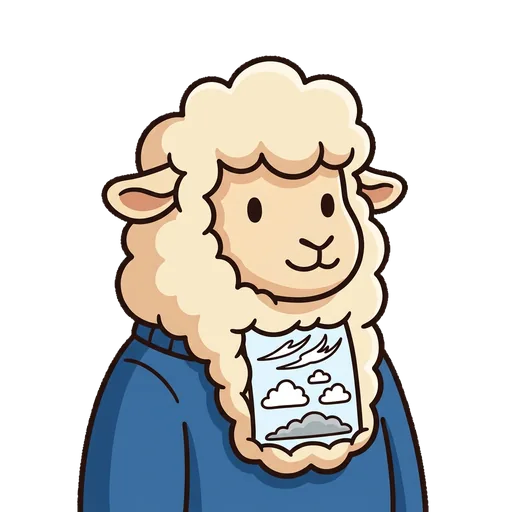
Fleece
Reading cloud types
-
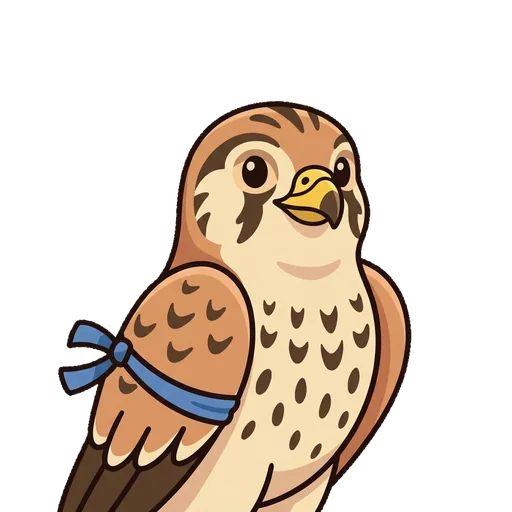
Gust
Wind near the ground / gusts and local winds
-

Halo
Sky optics as weather signs
-
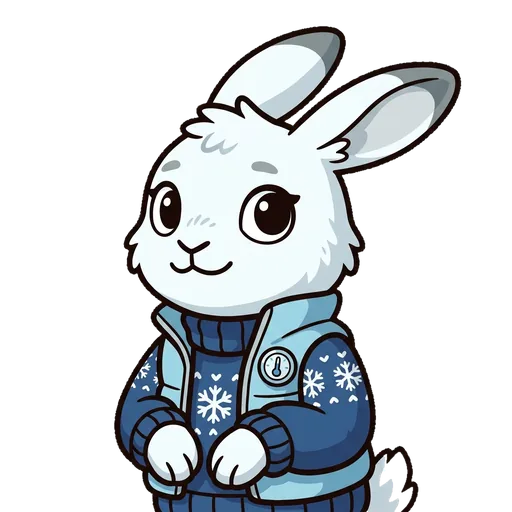
Rime
Frost and freezing