Start here
 The Design Lab Read a real study — predict whether it’s controlled, whether a confound sneaks in, or whether the result is signal or noise, then see the worked-out verdict.
 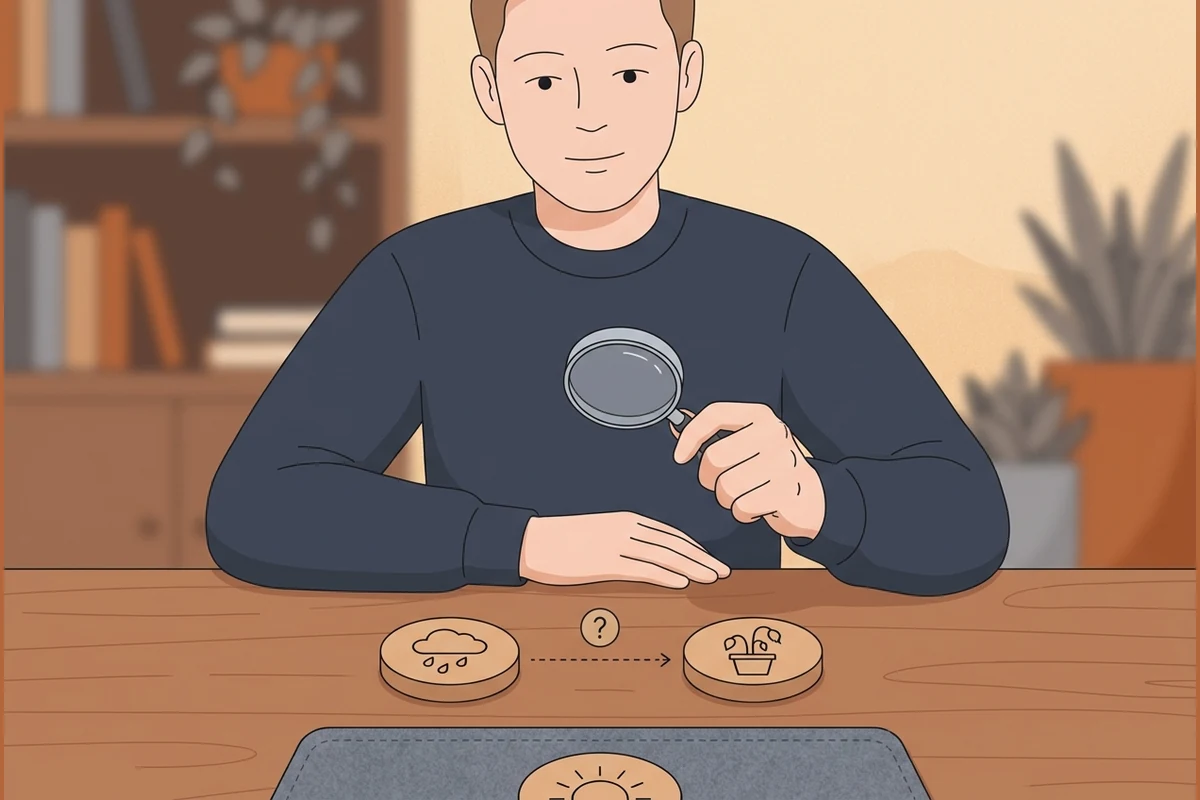 Causation Check Correlation isn’t cause. Predict whether a study supports a causal claim or only a correlation — the one fact that decides it: random assignment?
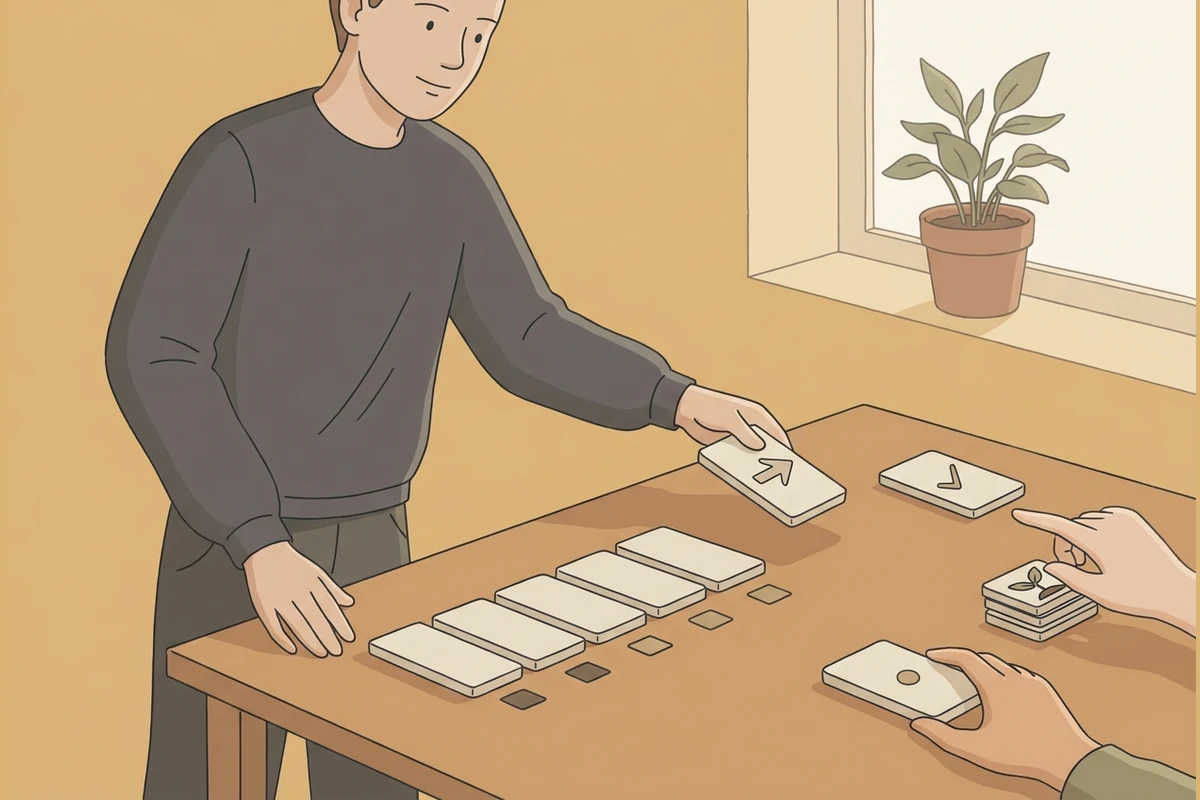
 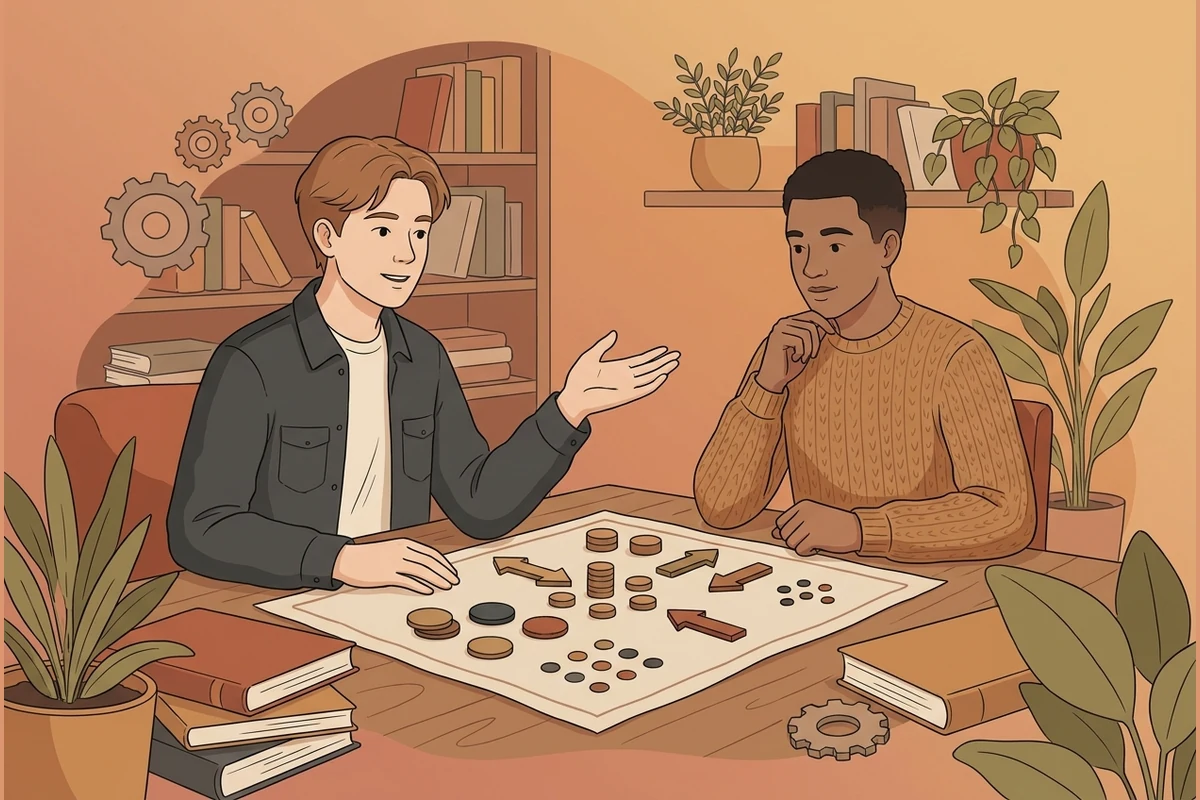 Teach the Cast Teach a research-design idea to a near-peer still learning it — teaching makes it stick.
 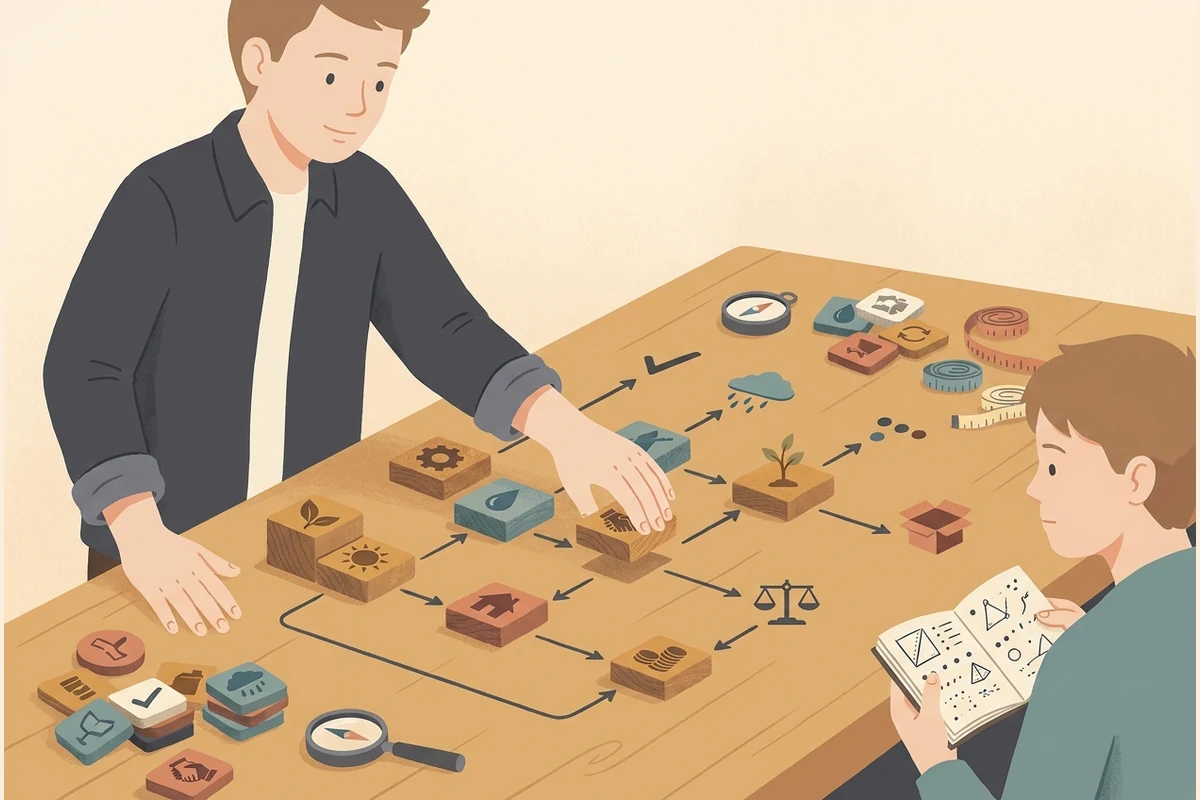 Concept Practice 16 kits from variables and hypotheses to controls, confounds, sampling & reading evidence.
 All activities
Design & reason
Practice & teach
Concept Kits — 16 kits of the scientific method
Kit 1: What Makes a Question Testable? Testable hypotheses; if-then · 25 questions Kit 2: Variables Independent / dependent / controlled · 25 questions Kit 3: The Controlled Experiment Change one thing, hold the rest · 25 questions Kit 4: Confounding Variables The hidden third variable · 25 questions Kit 5: Operationalizing & Measurement Turn a fuzzy idea into a measurable one · 25 questions Kit 6: Sampling & Bias Representative samples; selection bias · 25 questions Kit 7: Randomization & Fair Comparison Randomize; control groups · 25 questions Kit 8: Correlation vs Causation A link is not a cause · 25 questions Kit 9: Signal vs Noise Variability; is the difference real? · 25 questions Kit 10: Reading Graphs Honestly Axes, scales, misleading charts · 25 questions Kit 11: Replication & Reproducibility Does it hold? · 25 questions Kit 12: Claim, Evidence, Reasoning (CER) Support a claim with evidence · 25 questions Kit 13: Argumentation (ADI) Construct + critique arguments · 25 questions Kit 14: Experimental vs Observational When you can't randomize · 25 questions Kit 15: From Result to Conclusion Over-/under-claiming; limits · 25 questions Kit 16: Design & Defend a Study Design a full investigation + defend it · 25 questions
Who you’ll meet
- Hattie — changes one variable at a time (a controlled experiment)
- Cal — spots the confound — a second factor sneaking in
- Fenn — untangles who-vs-what in human studies
- Ravi — builds a control group to compare against
- Corvo — catches the hidden variable in a clinical trial
- Sana — tells real signal from random wobble
- Opal — knows a tiny effect in big noise could be chance
- Nia — flags the borderline result that needs more data
- Argus — remembers correlation isn’t causation
- Sol — the mentor — sets a question, tests it, guides reflection