
Before you start

Most popular
 Rhetoric Bench Predict which appeal carries a passage, then the bench annotates the argument on your device.
  Combine Sentences Merge short, choppy sentences into one clear one — and see exactly why each option works or fails. Spot the Flaw Read a short argument and catch the reasoning flaw — ad hominem, straw man, false dilemma, slippery slope and more — or judge it sound. Name the Device Read a passage and name the figure of speech — metaphor, anaphora, antithesis, hyperbole, allusion and more — or spot that it's plain.
 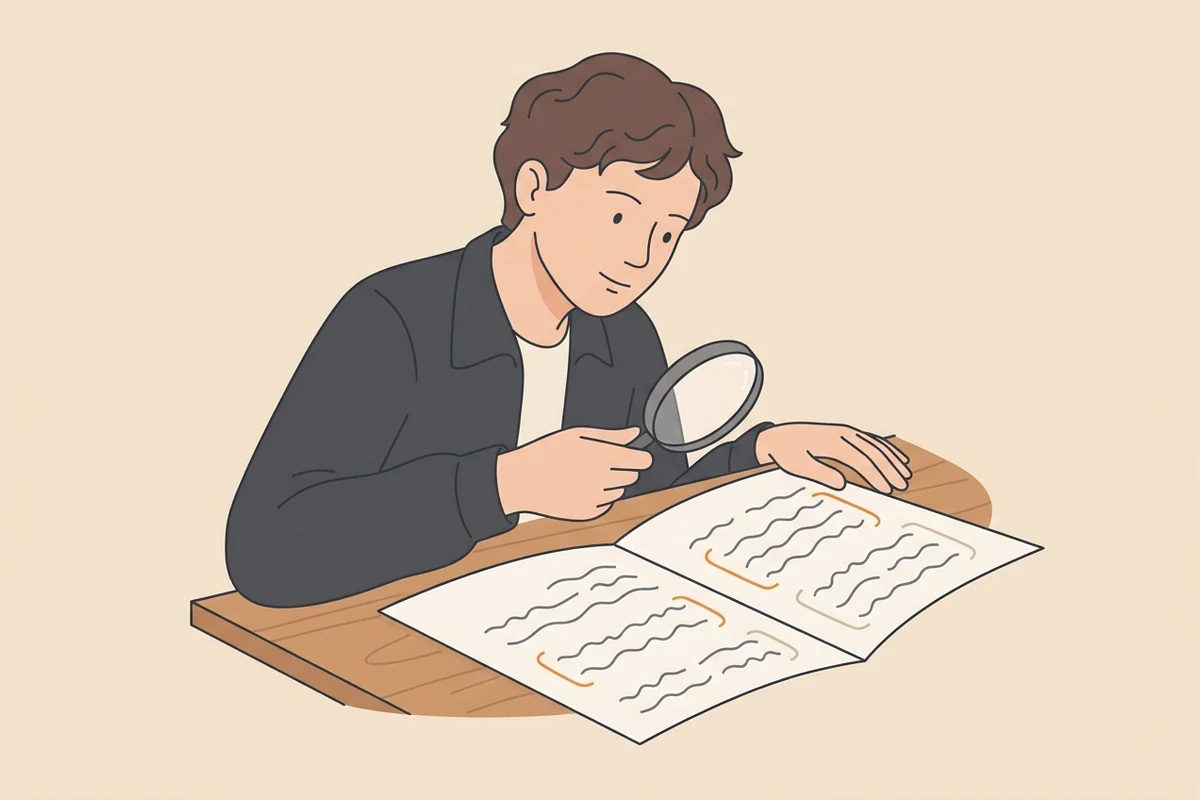 Close Reading Sixteen short kits across close reading, tone, syntax, argument, irony and more.
 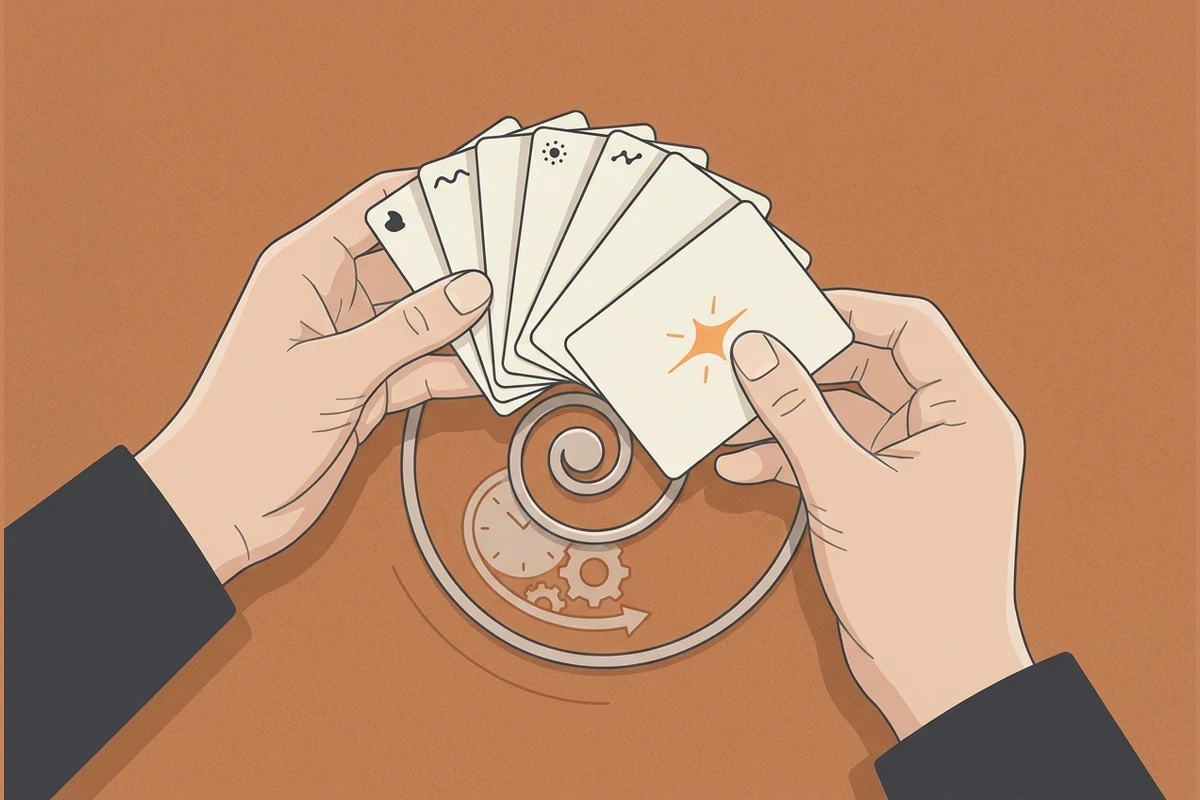 Mixed Practice A spaced round that brings back what you've learned across the kits, timed so it sticks.
 The Rhetoric Bench
Combine the Sentences
Who you’ll meet — the reader’s habits 10
- The Close Reader — grounds every claim in the exact words on the page (textual evidence)
- The Tone-Setter — hears the author’s attitude beneath the words (tone & mood)
- The Word-Weigher — feels the difference between "frugal" and "stingy" (diction & connotation)
- The Theme-Finder — names the insight a text is really about (theme, not topic)
- The Rhetor — spots ethos, pathos, and logos at work (rhetorical appeals)
- The Ironist — catches when appearance and reality diverge (irony)
- The Narratologist — asks who’s telling the story — and whether to trust them (point of view)
- The Argument-Judge — separates a claim from its evidence and warrant (evaluating argument)
- The Symbol-Reader — sees the meaning a recurring image carries (symbol & motif)
- Dr. Vane — the mentor — predict the move, read closely, then reconcile
Check what you know — all 16 concept kits
1. Close Reading & Textual Evidence 2. Tone & Mood 3. Diction & Connotation 4. Theme 5. Imagery & Figurative Language 6. Syntax & Structure 7. Point of View & the Unreliable Narrator 8. Irony 9. Rhetorical Appeals 10. Rhetorical Strategy & Purpose 11. Argument in a Text 12. Symbol & Motif 13. Genre Conventions 14. Ambiguity & Interpretation 15. Comparative Reading 16. Synthesis & Capstone Analysis