Before you start
Think it through first
Most popular
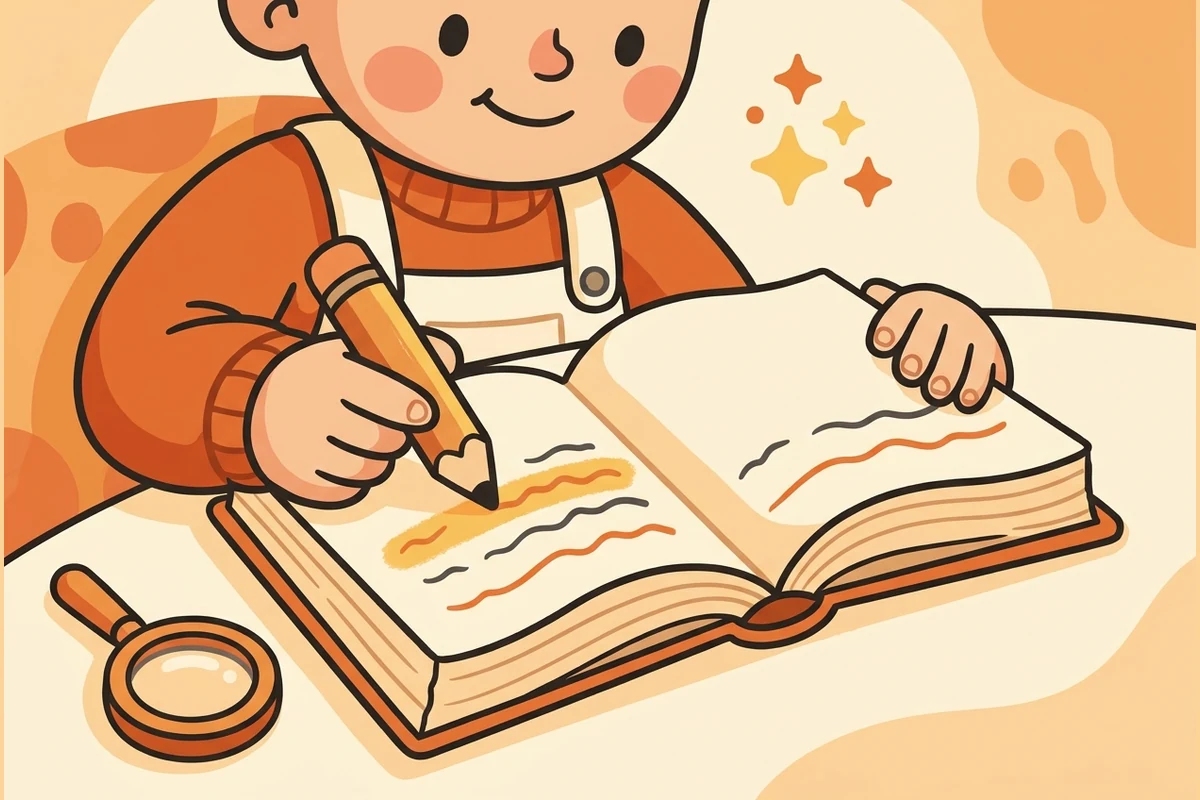 Close Read Read once for the gist, then again — tap sentences to highlight, add notes, and check your understanding. Rereading with a pencil is how strong readers dig in.
 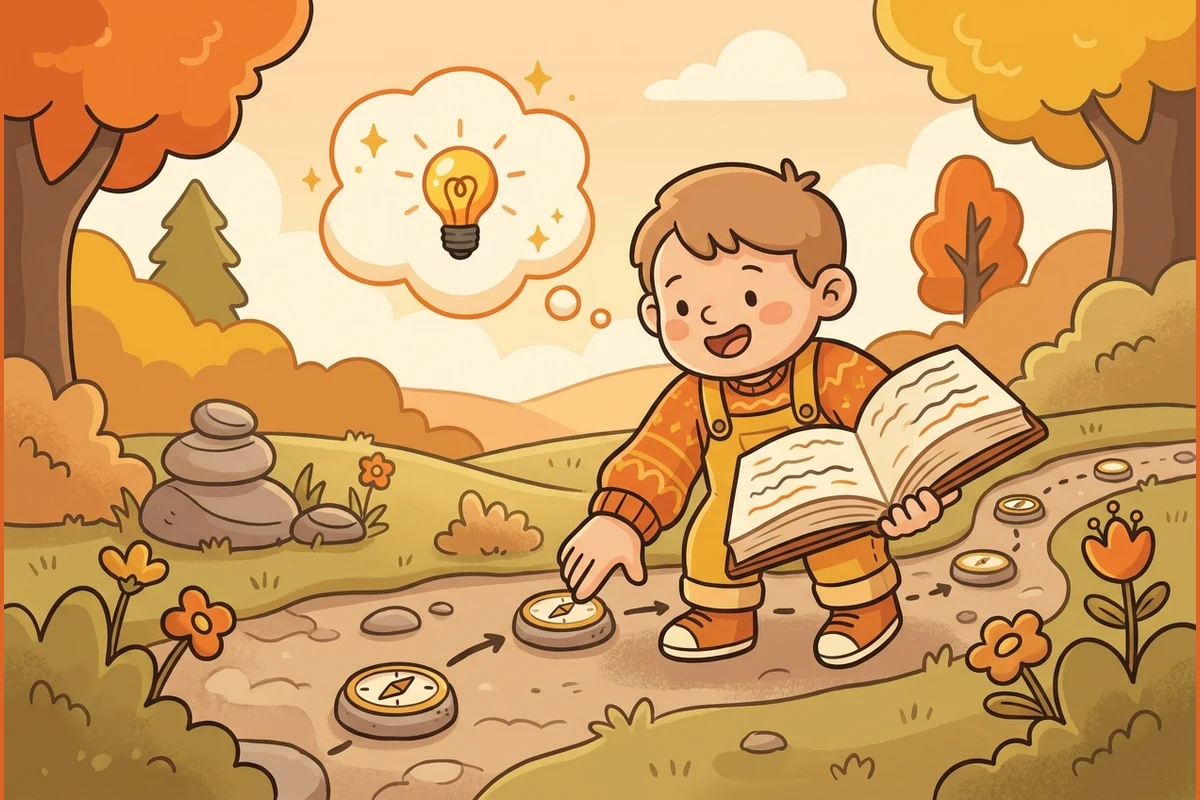 Guided Reading Read a passage one part at a time, with a quick thinking prompt at each step, then check your understanding with cast-voiced hints.
 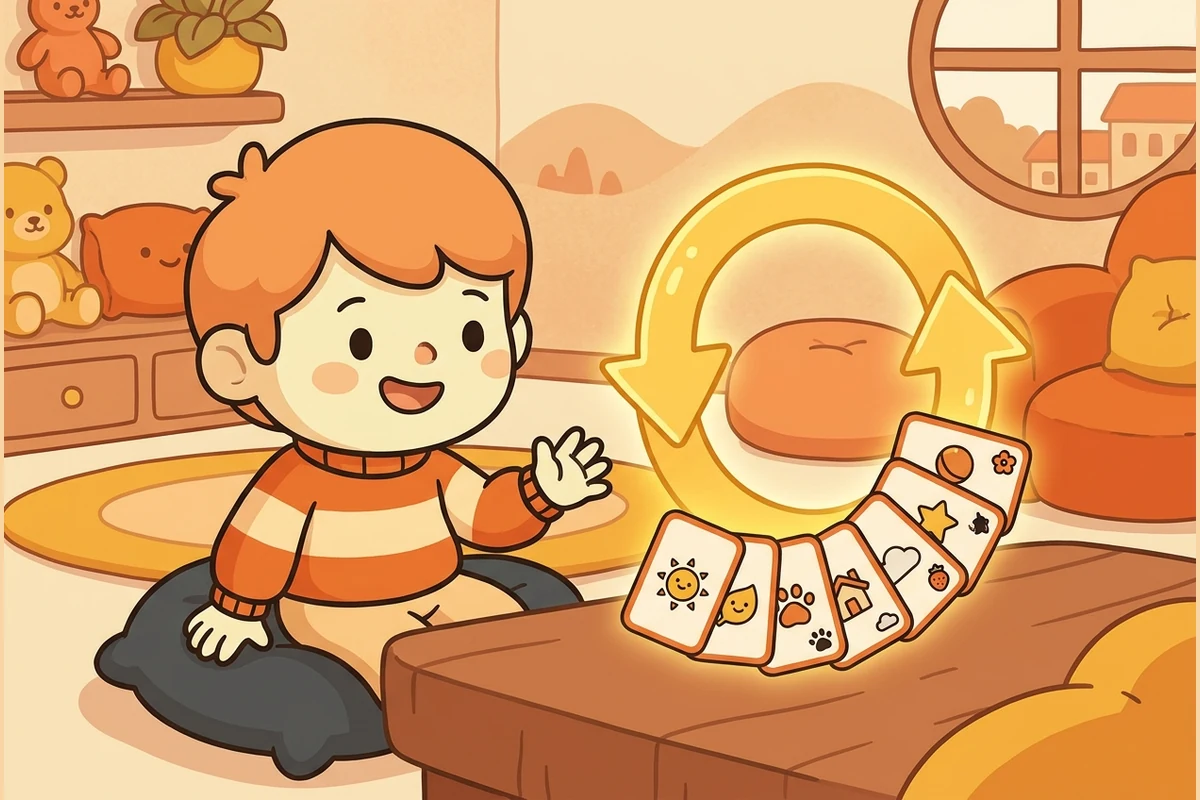 Mixed Practice A short round that shuffles questions from the sets you have played — brought back so it sticks.
 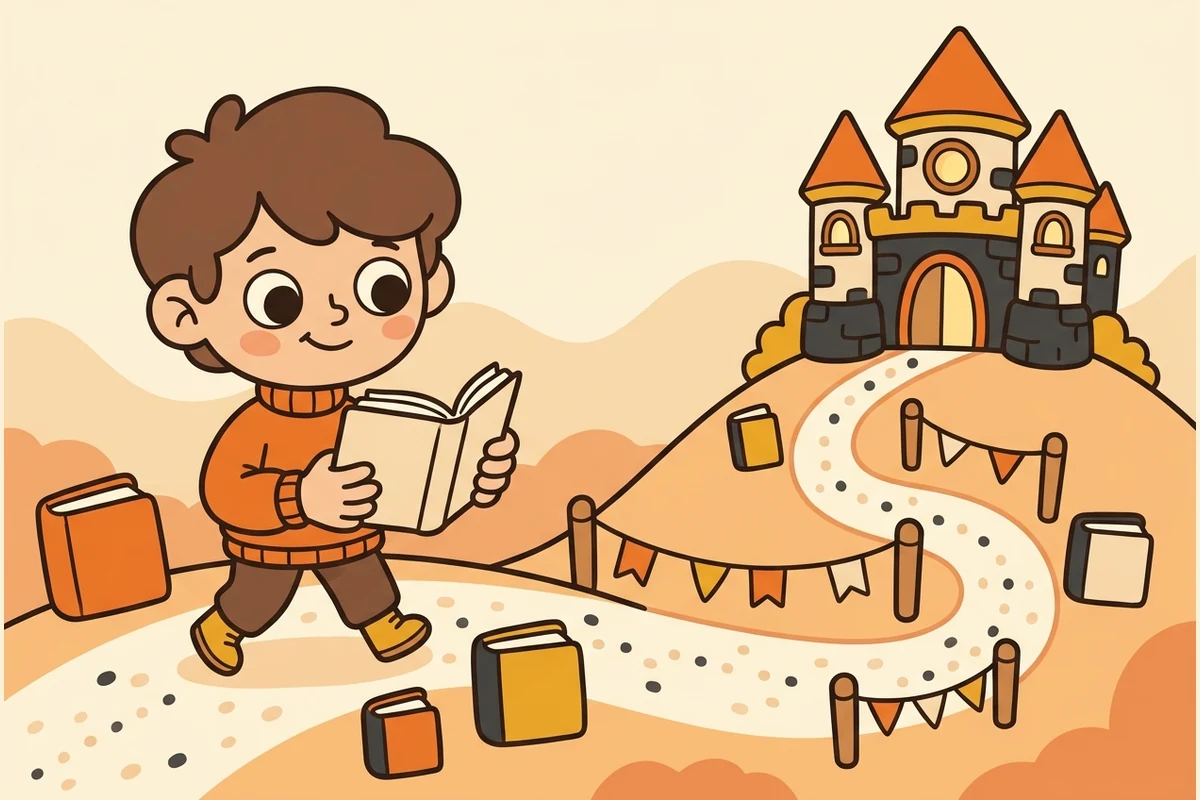 Reading Quest A quest map through all 16 reading sets — clear each stop, then move on.
 All activities
Read a passage
Learn & practice
Mixed Practice A short round shuffling questions from the sets you have played — spaced out so it sticks. Trick Questions Brain-teasers with a twist — spot why the obvious answer is a trap. Teach the Cast Teach a reading move to a cast member still learning it — teaching makes it stick. Progress Your levels, streak, and how each skill is coming along — saved on this device. Progress report For grown-ups — a private on-device snapshot mapped to the skill areas. Export a CSV or print. Reading Quest map A path through all 16 reading sets — clear each stop, then move on.
Reading Sets — fiction, nonfiction & reading skills
Kit 1: Main Idea: Informational Texts Nonfiction · grades 4-5 · 5 passages · 25 questions Kit 2: Main Idea: Literary Texts Fiction · grades 4-5 · 5 passages · 25 questions Kit 3: Inference from Text Evidence Nonfiction · grades 6-7 · 5 passages · 25 questions Kit 4: Vocabulary in Context Nonfiction · grades 6-7 · 5 passages · 25 questions Kit 5: Author's Purpose & Point of View Nonfiction · grades 6-7 · 5 passages · 25 questions Kit 6: Text Structure (Cause/Effect, Compare) Nonfiction · grades 6-7 · 5 passages · 25 questions Kit 7: Figurative Language in Literary Text Fiction · grades 8-9 · 4 passages · 25 questions Kit 8: Argument & Evidence Evaluation Nonfiction · grades 7-9 · 4 passages · 25 questions Kit 9: Compare & Contrast Texts Reading skills · grades 5-6 · 25 questions Kit 10: Theme & Central Message Reading skills · grades 5-6 · 25 questions Kit 11: Point of View & Narrator Reading skills · grades 6-7 · 25 questions Kit 12: Research & Synthesis Reading skills · grades 7-8 · 25 questions Kit 13: Cross-Topic Connections Reading skills · grades 5-6 · 25 questions Kit 14: Real-World Applications Reading skills · grades 6-7 · 25 questions Kit 15: Misconceptions & Reasoning Reading skills · grades 6-7 · 25 questions Kit 16: Advanced Synthesis Reading skills · grades 7-8 · 25 questions
More ways to play
😄 Brain break
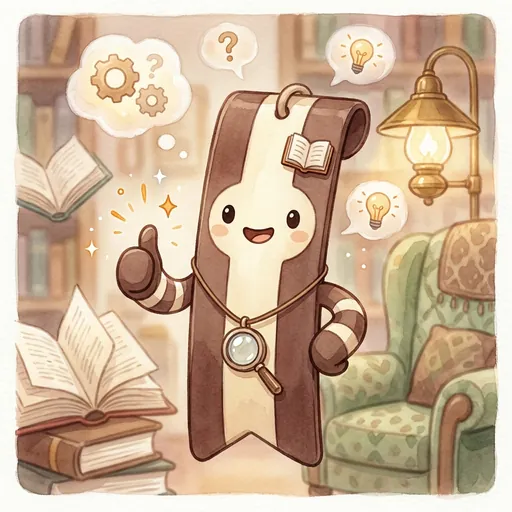
Meet the cast — the characters who teach this
-
 Crest Main idea / central message (the *peak* of the passage)
 -
 Hunch Inference (reading between the lines)
 -
 Anchor Evidence / textual citation
 -
 Plume Author's purpose / voice / tone
 -
 Frame Text structure (compare-contrast, sequence, cause-effect, problem-solution, description)
 -
 Pith Vocabulary in context (deriving word meaning from surrounding text)
 -
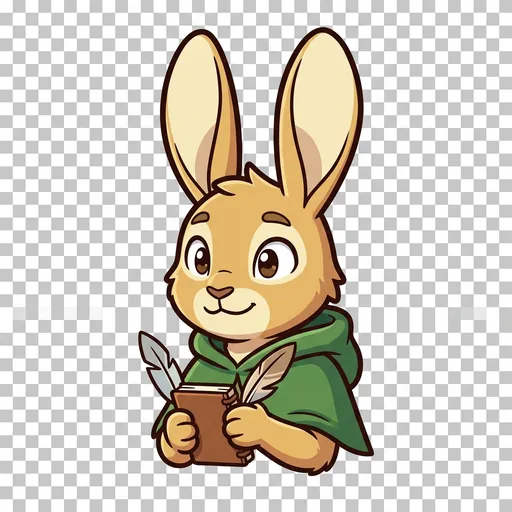 Yonder Predicting — alert young-hare creature who reads the trail's clues to guess what's around the bend; a wrong guess just means the story surprised you
 -
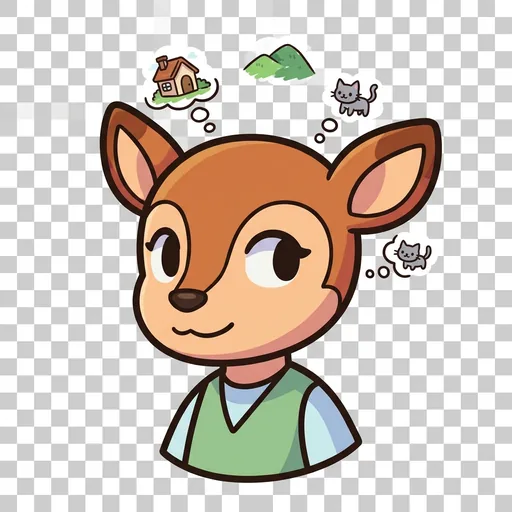 Vista Visualizing — dreamy young-deer creature who turns words into a movie in the mind; the writer gives the words, the reader gives the pictures
 -
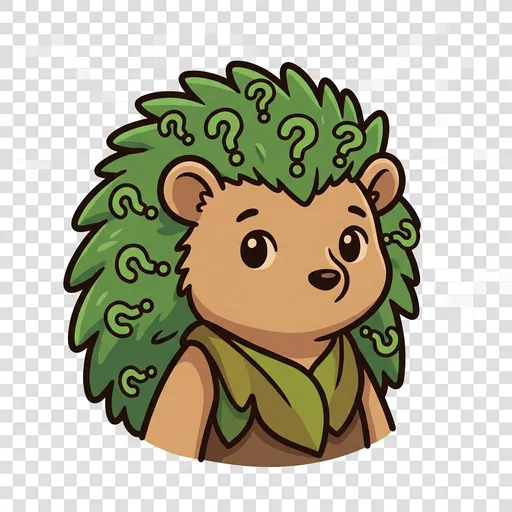 Nettle Questioning the text — question-quilled hedgehog who pokes a passage with why/how/what-if; asking questions means you're awake, not that you don't understand
 -
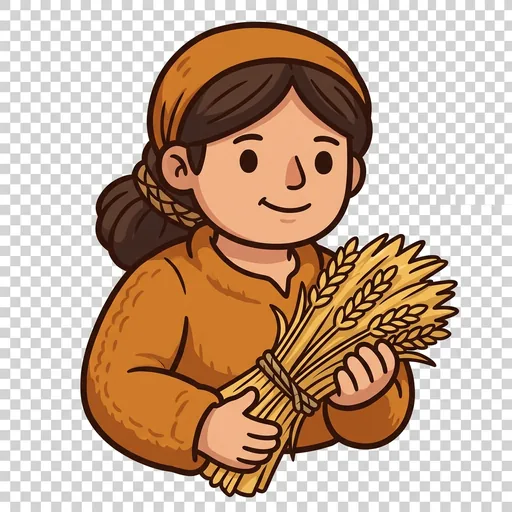 Sheaf Summarizing — warm-handed harvester who gathers a whole passage into one tidy armful, keeping the important middle and letting loose details fall
Ensemble stories — the cast together