Academics
LensQuest
A window was left open, a coat went missing, a crash rang out - and four kids each tell you what happened. Nobody's lying, but they stood in different places, so their stories don't all match. Which two agree? Which two can't both be true? Who's claiming something they couldn't possibly have seen? Read across all four, drop the guesses, keep what the real witnesses agree on - and write the fifth account: what actually happened. A tiny, deterministic point-of-view engine, no internet. Ages 9-14.
▶ Play it nowBuilt for sittings of about 20 minutes on the screen. That is our design budget, not a measurement.

Meet your mentor
Every Spark & Anvil app has a friendly mentor character that demonstrates, asks, and patiently scaffolds learning.
Mentored by Lens
#6a54c8 Characters who teach
Meet the cast
LensQuest's crew ARE four ways of seeing the same event - the cast IS the curriculum: each character IS one narrator's vantage, and reading across them teaches how corroboration works. Ravi stood at the window bench, so his account of who opened the window and the coat colour is a real observation. Mei was by the coat hooks near the side door, so she saw the coat and the door - but with her back to the window, her claim about who opened it is a guess. Sam watched from the hall doorway, so he saw the door and heard the crash, but the coat was too far to make out. Nella was painting in the far corner facing the wall, so she could only hear the hall - everything else she says is a guess, even when she happens to be right. Lens, the mentor, is the calm reader who never asks who is telling the truth, only who could actually see it and whether they agree. Nothing leaves the device.
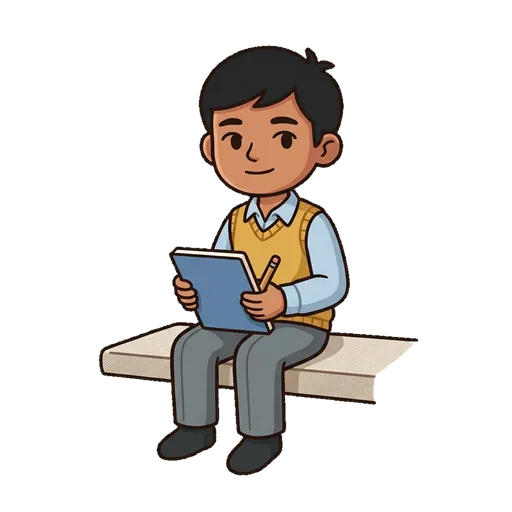
Ravi
Saw it for himself — sat facing the window and the coat hooks, so his account of both can be trusted
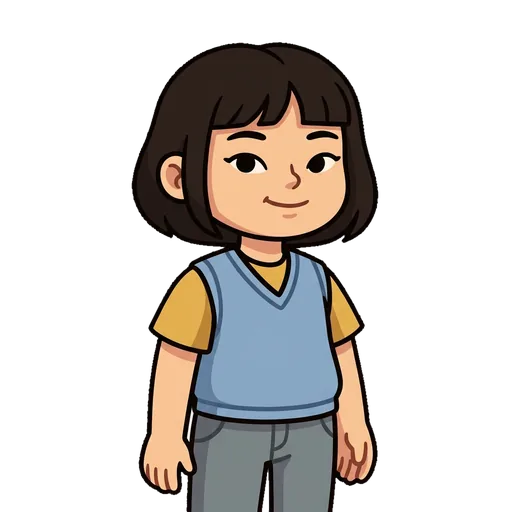
Mei
Half saw, half guessed — saw the coat and the door, but only guessed about the window behind her
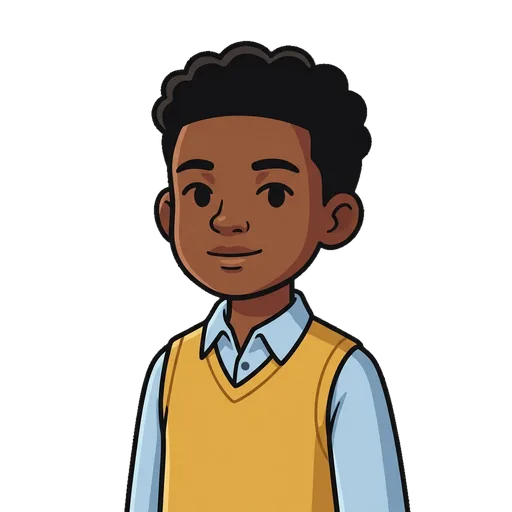
Sam
The narrator in the hall doorway - a real witness to the door and the crash, but too far to judge the coat's colour, so that claim is a guess
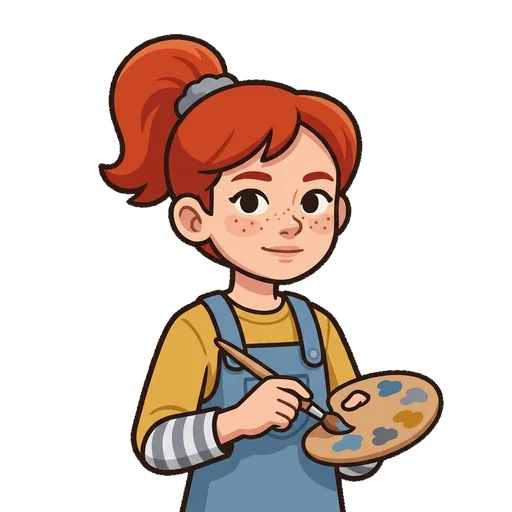
Nella
The narrator in the far corner facing the wall - could only hear the hall, so every other claim is a guess, teaching that being right by luck is not the same as knowing

Lens
Vantage, not volume — a detail is settled only when two people who could see it agree
What's inside
Learning goal
A window was left open, a coat went missing, a crash rang out - and four kids each tell you what happened. Nobody's lying, but they stood in different places, so their stories don't all match. Which two agree? Which two can't both be true? Who's claiming something they couldn't possibly have seen? Read across all four, drop the guesses, keep what the real witnesses agree on - and write the fifth account: what actually happened. A tiny, deterministic point-of-view engine, no internet. Ages 9-14.
Mentored by Lens — no data leaves the device.
How LensQuest handles your kid's data
- ✅ All progress, settings, and AI-generated content stays on the device
- ✅ No analytics, no tracking, no third-party SDKs
- ✅ Free — no ads, no in-app purchases
- ✅ No personal information collected from children — in line with COPPA (updated by the 2026 FTC amendments)
- ✅ No chat with strangers — play-together rooms use a short code and preset emotes, never typed messages