
Poise and Lunge
GROUND — a steady base is a strong base; balance is what lets the legs push, because you cannot drive force into the ground until you are steady on it — Poise finds the base, Lunge loads it, and neither works without the other.
Loading audio…
Press play to listen along. The line being read lights up as you go.
Show full transcript
Loading transcript…
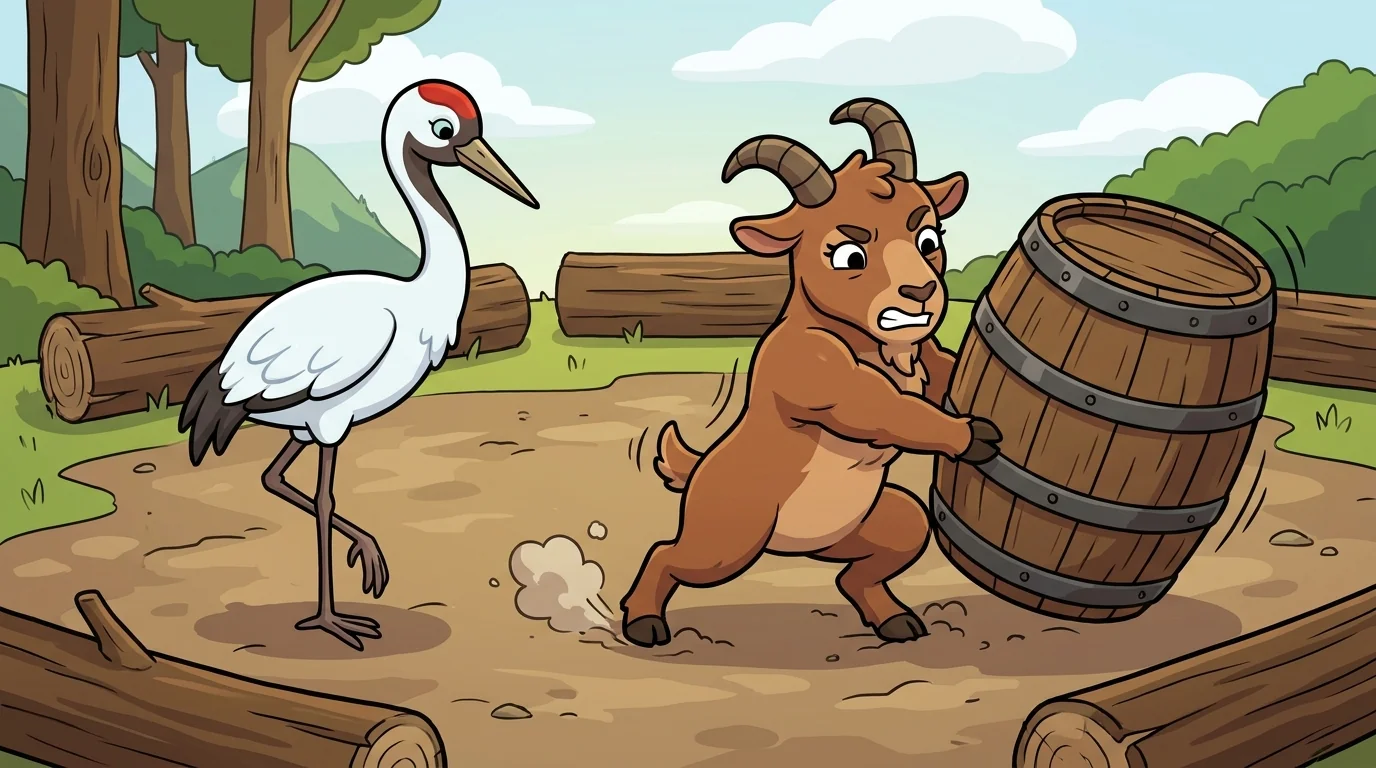
Poise the crane and Lunge the mountain-goat ran the ground-work station together, and the young athletes who came through slowly understood that the two teachers were really teaching one thing from two ends. Poise taught how to be steady. Lunge taught how to be strong. And it turned out you could not have the second without the first.
"Everybody wants the power," said Lunge, sinking into her deep, loaded stance. "They forget you can't push hard off ground you're falling off of."
"And everybody thinks balance is just for standing still," said Poise, planting her long foot. "It isn't. Balance is what gives you permission to push."
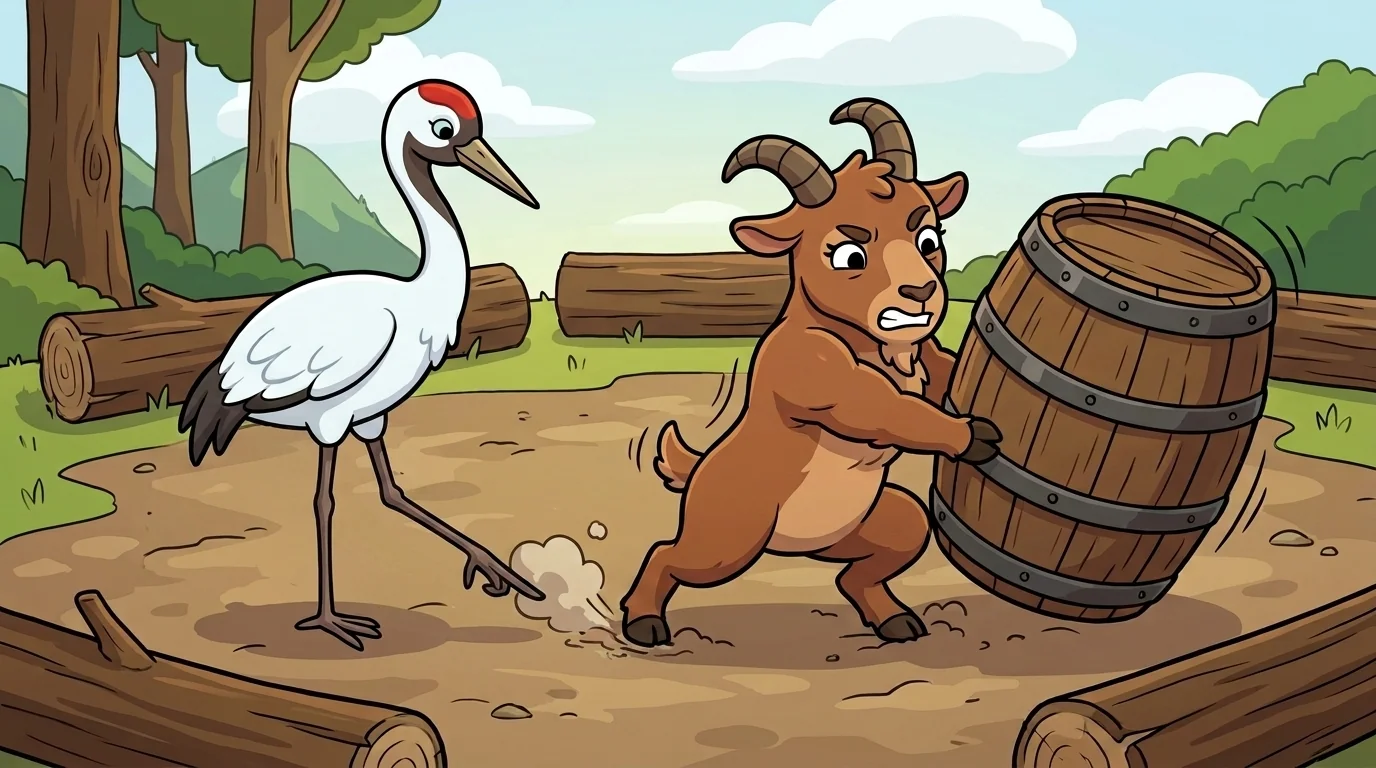
Poise went first, because her half comes first in every movement. "Before you can send any force into the ground," she said, "you have to be settled on it — your weight low, over a wide base, your joints soft and listening. Watch what happens without it." She stood a young otter up on a narrow, tippy stance and asked him to push a heavy sled. He shoved — and his own push knocked him backward off his feet; the sled barely moved. "See? All his force went into losing his balance instead of into the sled. You can't drive power through a base that's collapsing. Get steady first — wide, low, grounded — and the ground can finally push back."
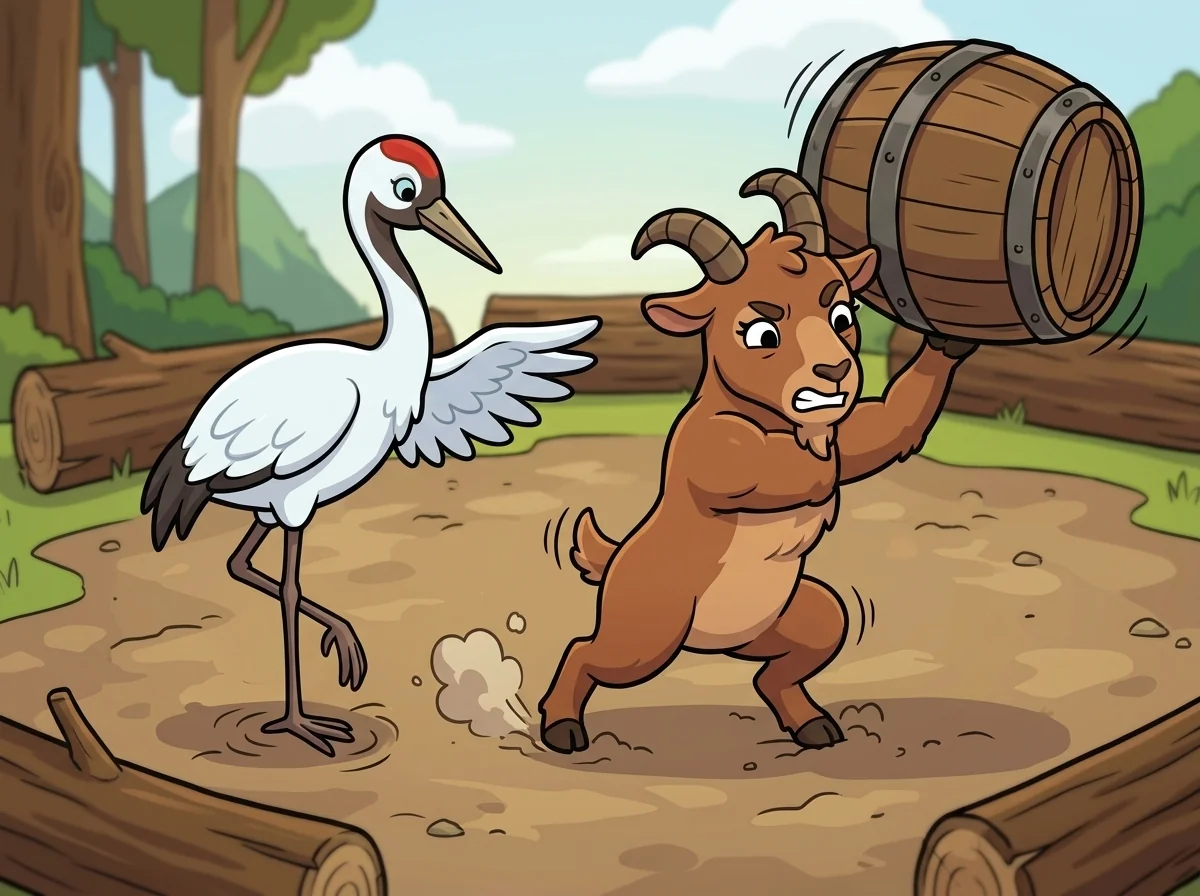
Then Lunge stepped in, because once the base is steady, her half turns it into power. "Now that he's settled," she said, "watch where the strength comes from." She widened the otter's stance, dropped his hips into a loaded sink, back leg long — steady and loaded now — and said, "Push." He drove through his legs, and this time the force went into the sled, and it slid. "That's the whole secret of the pair," said Lunge. "Poise made him steady, so my loaded legs had something to push against. There's a law under it — every push you make, the ground pushes back exactly as hard, but only if you're planted. A steady base isn't the opposite of power. It's the thing that lets power out. Wobble, and the ground gives you nothing back."
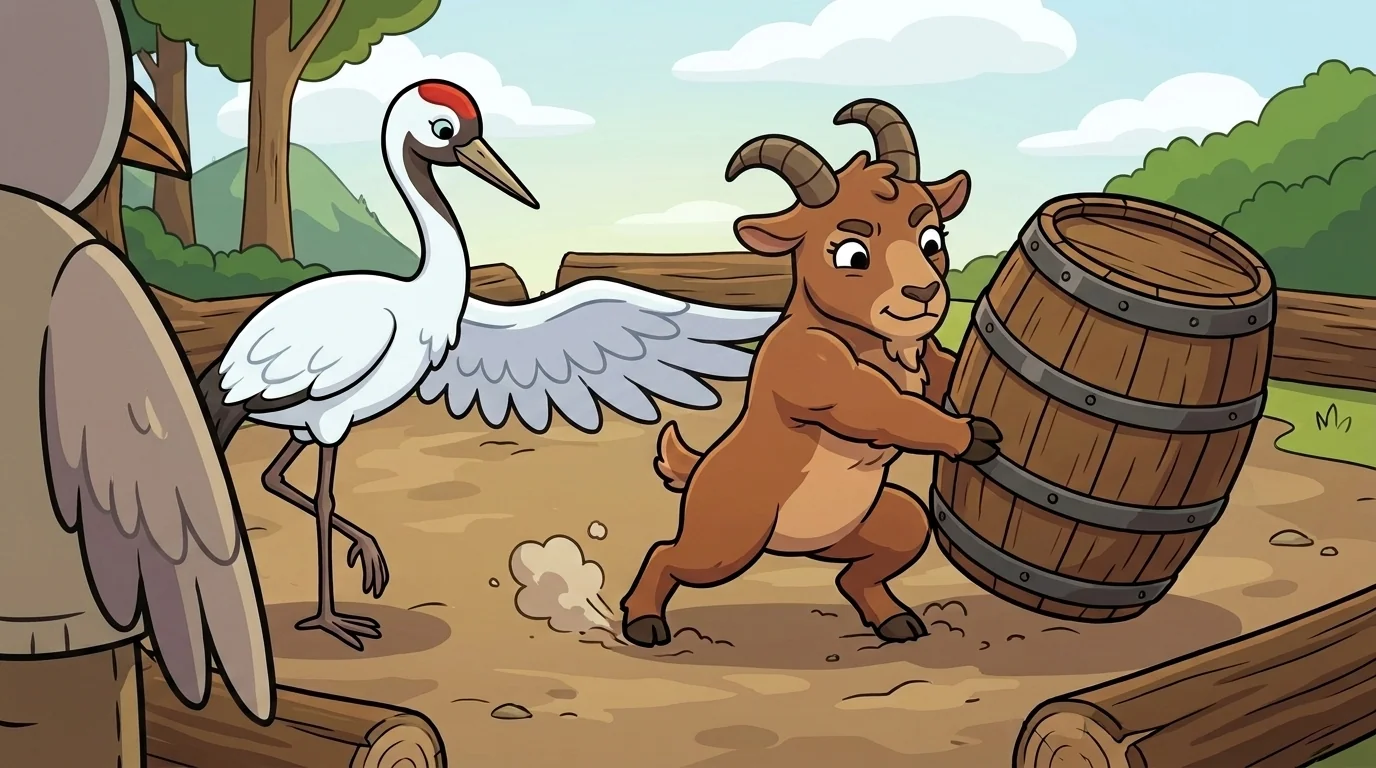
The otter, now steady and driving the sled easily, said the thing they'd been waiting for: "So balance isn't just for standing still — it's what makes my push actually work."
"That's the whole of it," said Poise.
"Steady first, strong second — and the second needs the first," said Lunge. "It's why a good stance in any sport starts the same way: feet planted wide, weight low, base set — and only then the force. A boxer's stance, a wrestler's, a rower's catch, a thrower's plant. All of them get steady before they get strong, because a base you're steady on is the only base you can push from. Poise gives you the ground. I give you the drive. Neither of us is any use alone."
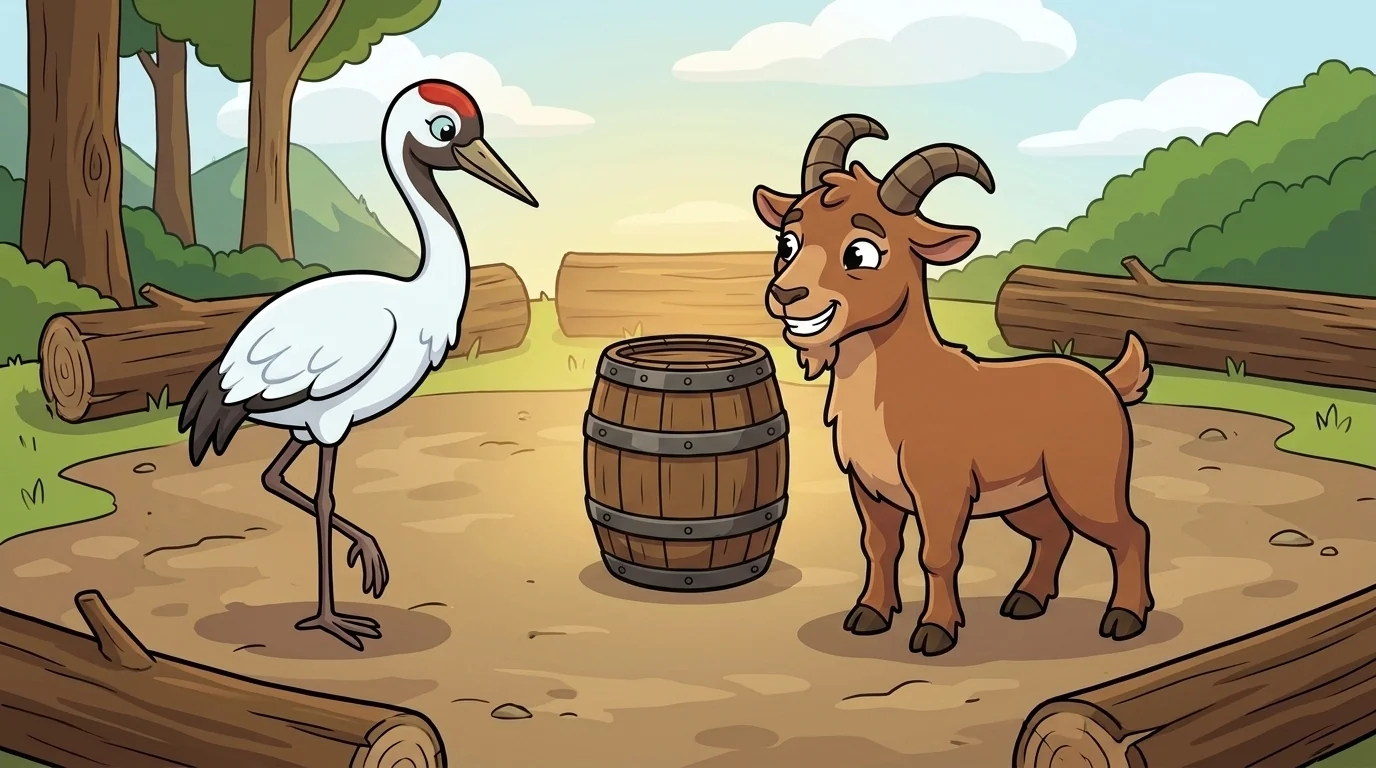
And so the young athletes stopped treating balance and power as two different, unrelated skills — one for careful kids, one for strong kids. They learned the two are a single chain: get steady on the ground, then drive force into it. Poise's steady base is not a gentler alternative to Lunge's power — it is the precondition for it. You cannot push hard off ground you are falling off of, and you cannot make your loaded legs matter until your base will hold.
"Find the base," said Poise.
"Then load it," said Lunge.
There is a grounded, grown-up steadiness in learning that the quiet skill and the powerful one are partners, not rivals — that the careful, listening work of getting balanced is not the opposite of strength but the very thing that unlocks it. The steadiest athlete and the strongest one are, it turns out, doing the same thing in the right order: settling onto the ground so completely that when they finally push, every ounce of it goes where they meant it to. Find the base; then load it. Neither, alone, is the whole of moving well.
The ActiveForge ensemble
Poise and Lunge is part of ActiveForge's distributed-narrative cast. Each character embodies a different curricular primitive; together they teach the full subject.
-

Throw
Overhand-projection motor pattern — targeted-force-at-distance trained-through-practice never-aptitude-test
-

Kick
Lower-body projection — foot-language with five-different-parts-of-foot for different kicks
-
Dodge
Spatial-perception + agility — read-the-space-and-move-EARLIER not-faster; perception-game not speed-game
-
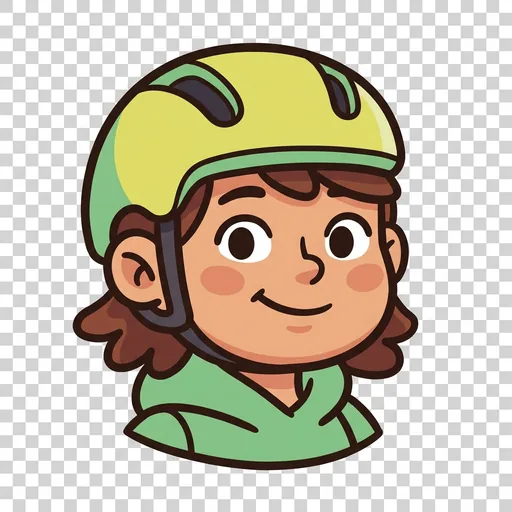
Roll
Tumbling + safe-fall + parkour-shoulder-roll — visible adaptive-PE helmet signals all-bodies-belong
-
Cheer
Sportsmanship + bystander-presence-in-play — learnable-skill not personality-trait
-
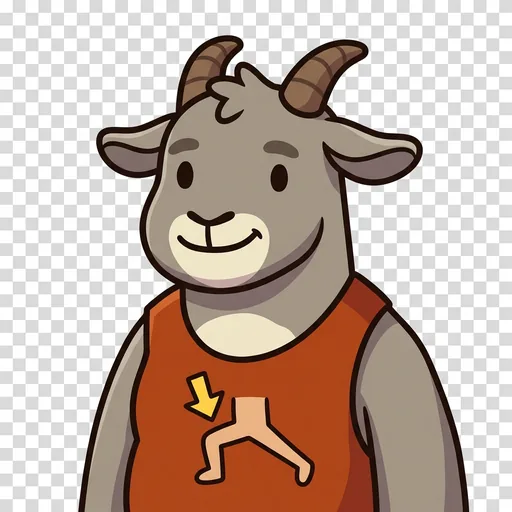
Lunge
Lunge — power lives low: sink the hips, load the back leg, then rise
-
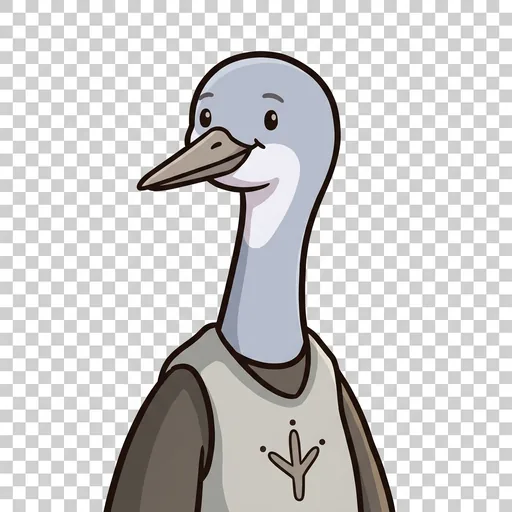
Poise
Poise — stillness is a move: find the base, then you can go anywhere
-
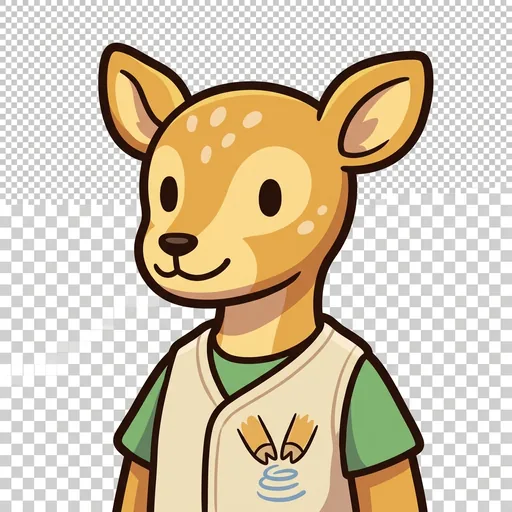
Prance
Prance — land light, spring high; heavy feet can't fly
-
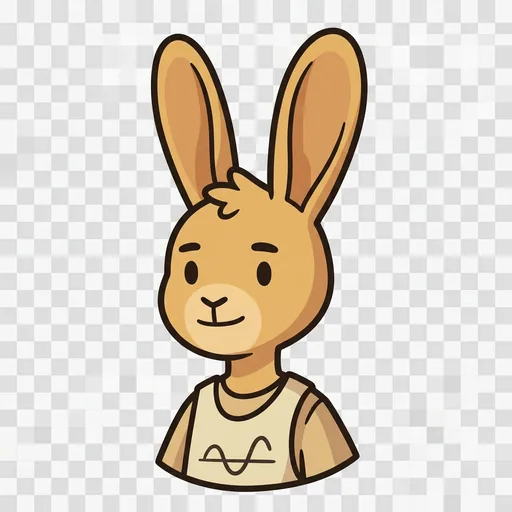
Rally
Rally — the second wind is real: spend, recover, spend again
-
Swing
Swing — let the limb fall and rise like a rope; momentum is free power