Lunge
LUNGE — *power lives low. sink the hips, load the back leg, then rise.*
Loading audio…
Press play to listen along. The line being read lights up as you go.
Show full transcript
Loading transcript…
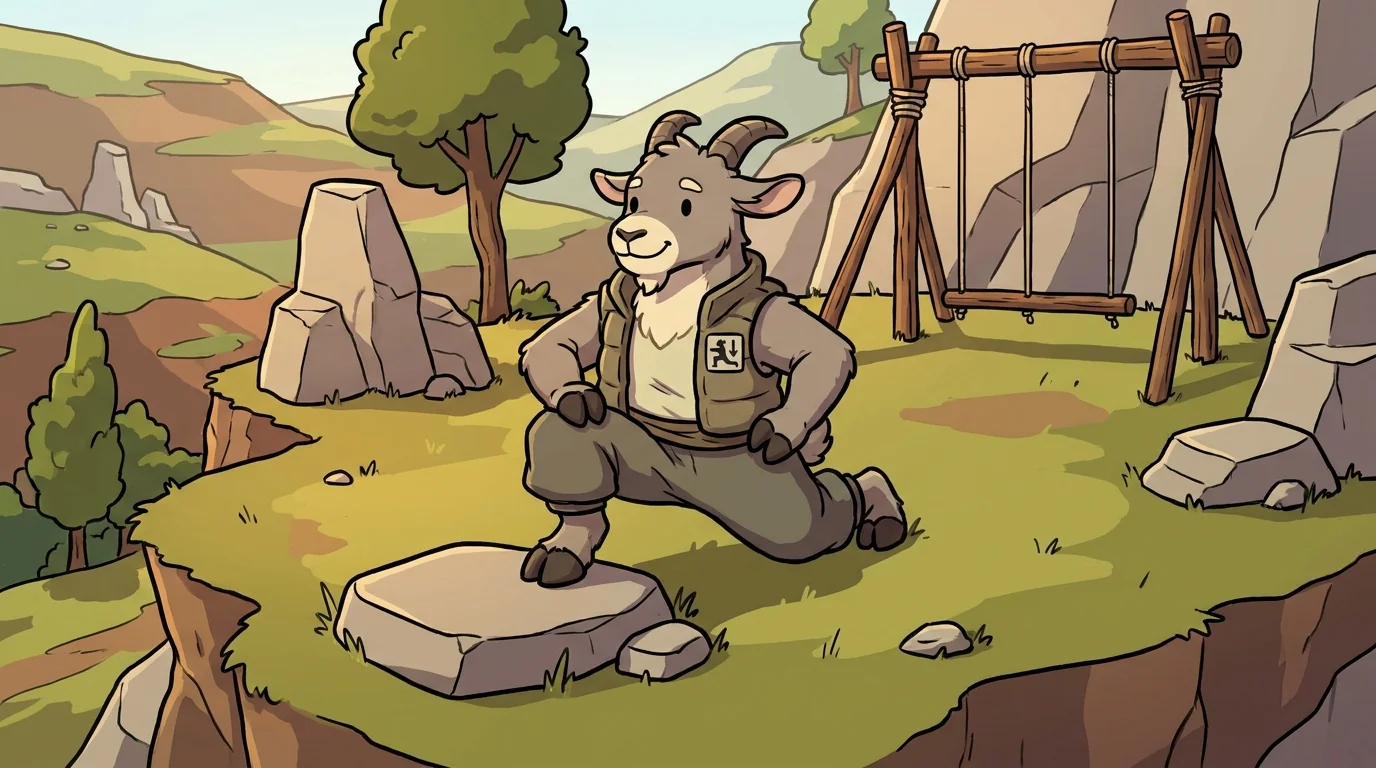
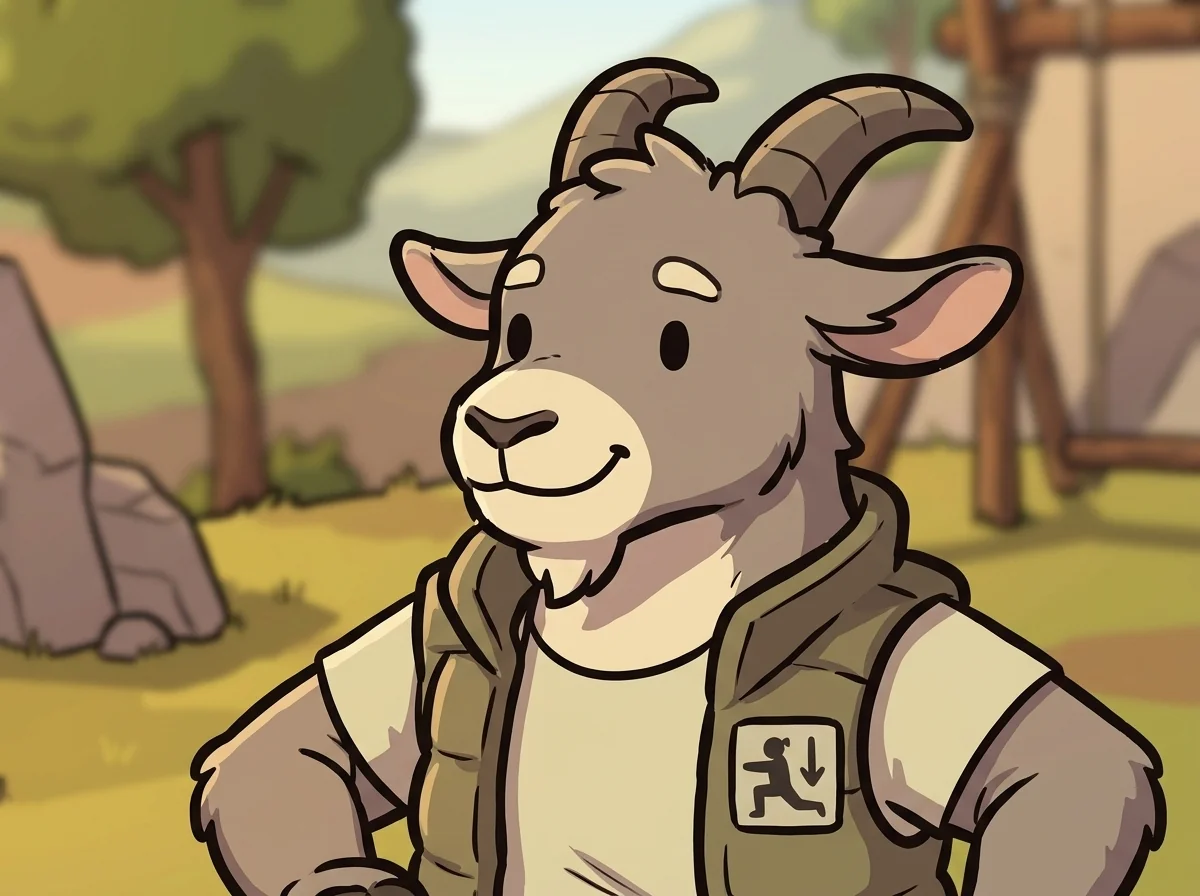
Lunge is a mountain-goat kid — sturdy and calm, warm grey with a pale cream chest — in loose comfy clothes and a chunky practice vest. On the vest is a little picture of two legs, one bent deep in front and one stretched long behind, with a bright arrow pointing down into the front knee: her load-map, showing where the power gathers.
Lunge never grabs at anything with just her arms. She sinks first — drops one knee toward the ground, hips low, back leg long — and only then does she push, lift, or spring. "Power lives low," she says. "Sink the hips, load the back leg, then rise." She teaches the loaded base — the idea that your legs are the biggest engine you own, and most kids forget to switch it on. "Everybody reaches with their arms," she says. "But the strong part of you is down here, waiting. You just have to remember to bend before you ask it to work."
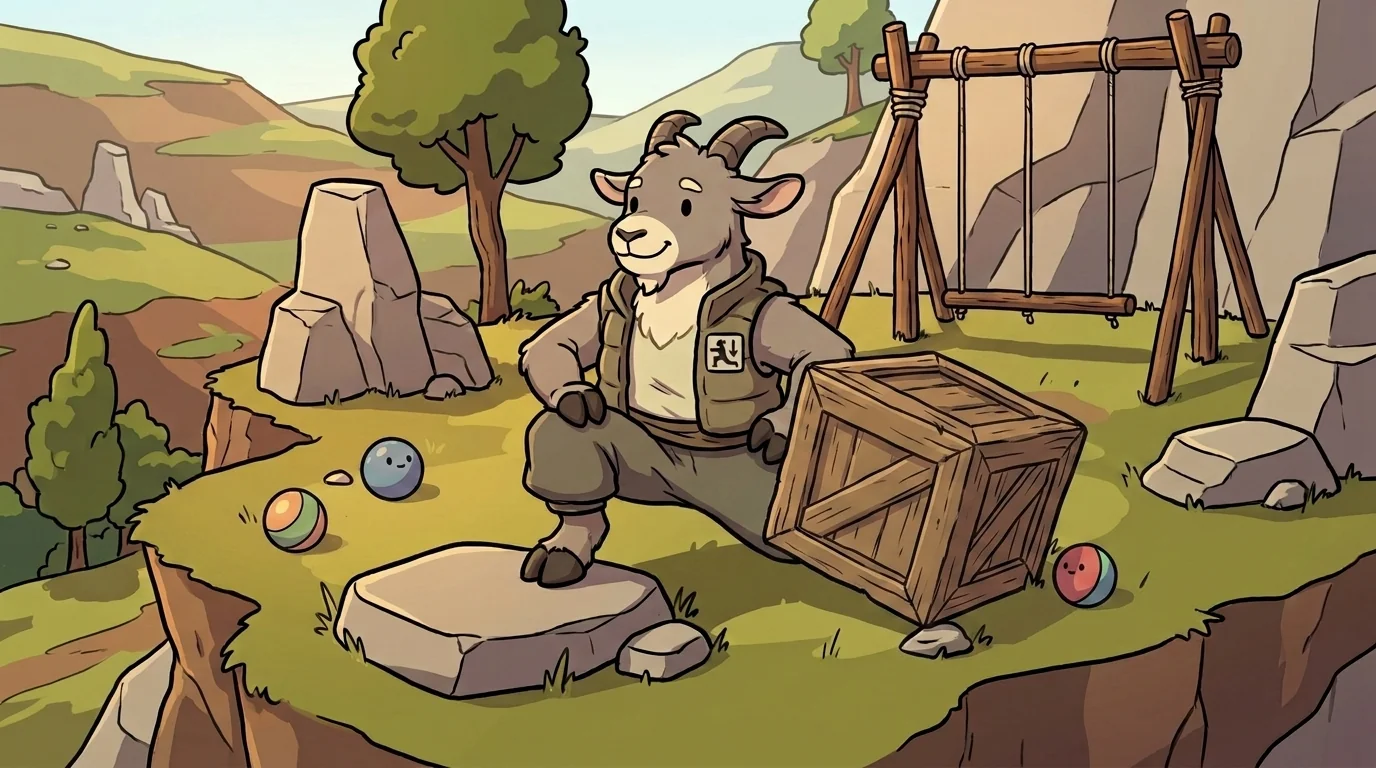
Lunge learned the low power the hard way, from a stubborn wooden crate.
"When I was little," she says, "there was a crate of practice balls I wanted to move, and I bent over from my back and heaved with my arms — and it barely budged, and my back ached all evening. I decided I was just a small kid, not a strong one." She'd started to believe strength was a size you were born, not a shape you could make.
Then an old goat named Grandpa Scree showed her something. He didn't touch the crate with his arms at all. He stepped one hoof forward, sank straight down until his front knee bent deep and his back leg stretched long behind, kept his chest tall — and then he simply stood up, and the crate rose with him like it weighed nothing. "I gasped," Lunge says. "He wasn't bigger than me. He'd just put the whole job on his legs instead of his back. The legs were the engine the whole time — I'd been trying to do it all with the little muscles." That was the day Lunge decided her job would be to remind people — because the loaded base isn't a thing only big kids have. It's an engine every body carries, low and patient, waiting to be switched on.
One breezy afternoon the cast was setting up for practice, and Throw was trying to drag a heavy tumbling mat across the grass. He yanked at it with both arms, leaning way back, red in the face. "This… mat… weighs… a ton!" he grunted. He gave one big pull, his feet slipped, and he sat down hard in the grass with a thump. He blew out a breath and glared at the mat.
Lunge had been watching his feet, her calm goat eyes steady. She walked over. "You're pulling with your back and your arms," she said gently. "The engine's still off."
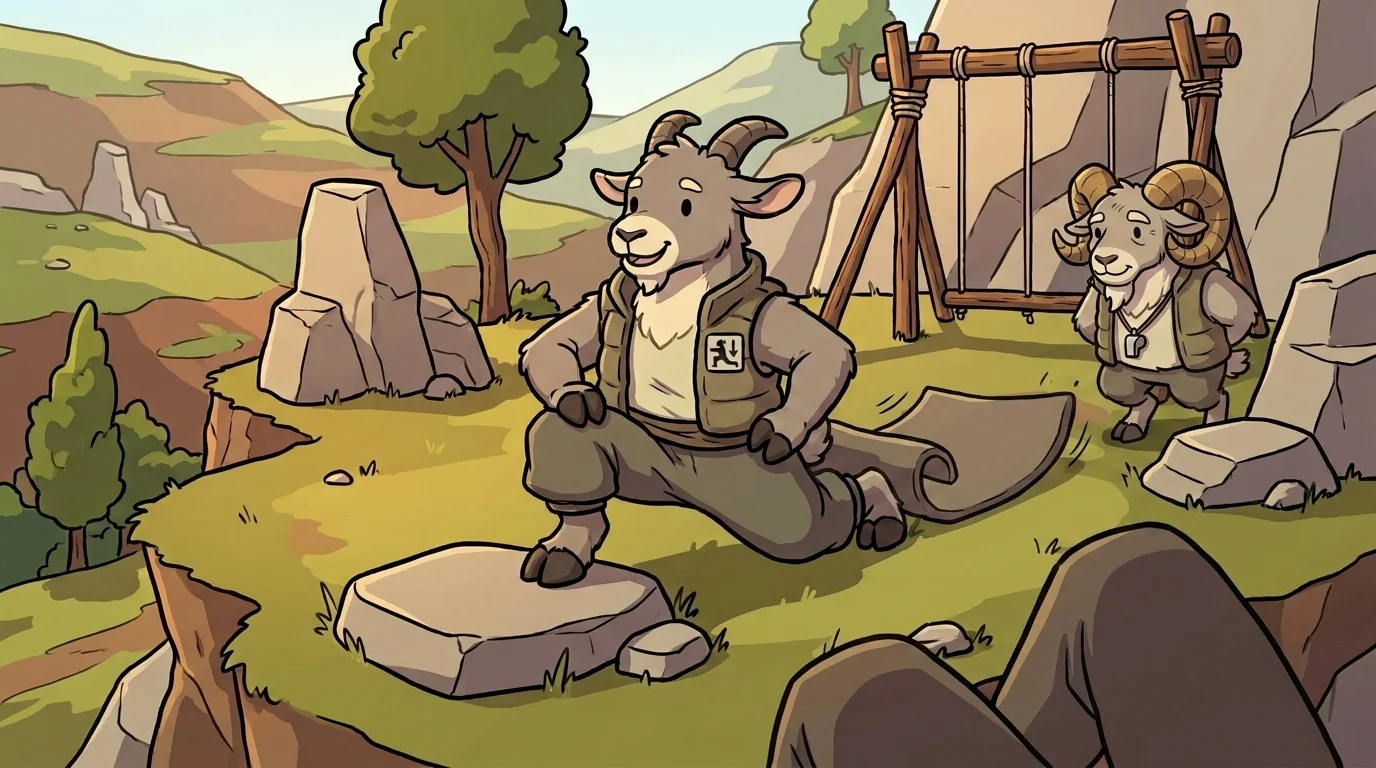
Throw looked down at his legs, surprised — he hadn't even thought about them, he'd just grabbed and heaved. "Get low first," Lunge said, and stepped up to show him: she planted one foot forward, sank straight down until her front knee bent deep and her back leg reached long behind her, chest tall and proud, then gripped the mat and simply rose — and the heavy mat lifted and slid with her, smooth and easy. It looked almost lazy, it was so smooth. Throw set his feet the same way, sank low, felt a little silly bending so deep — then pushed up through his legs, and the mat came with him, light as anything. His eyes went wide and he laughed out loud: "It moved! And my back doesn't even hurt!" "Most kids skip the sink," Lunge shrugged. "Bending down looks weak, so nobody wants to do it. But the bend is where the power loads. Skip the bend, you're stuck using the little muscles." Coach Echo nodded from the sidelines: "The loaded base — the strongest engine you own, hiding below your belt." And it belongs to everyone, Lunge made sure to say — every kid has the same big leg muscles, so it's never about being born big; it's about remembering to bend. People all over the world know this low power: a weightlifter in a squat, a farmer lifting a sack, a dancer sinking into a deep plié before a jump. All different, all the same secret.
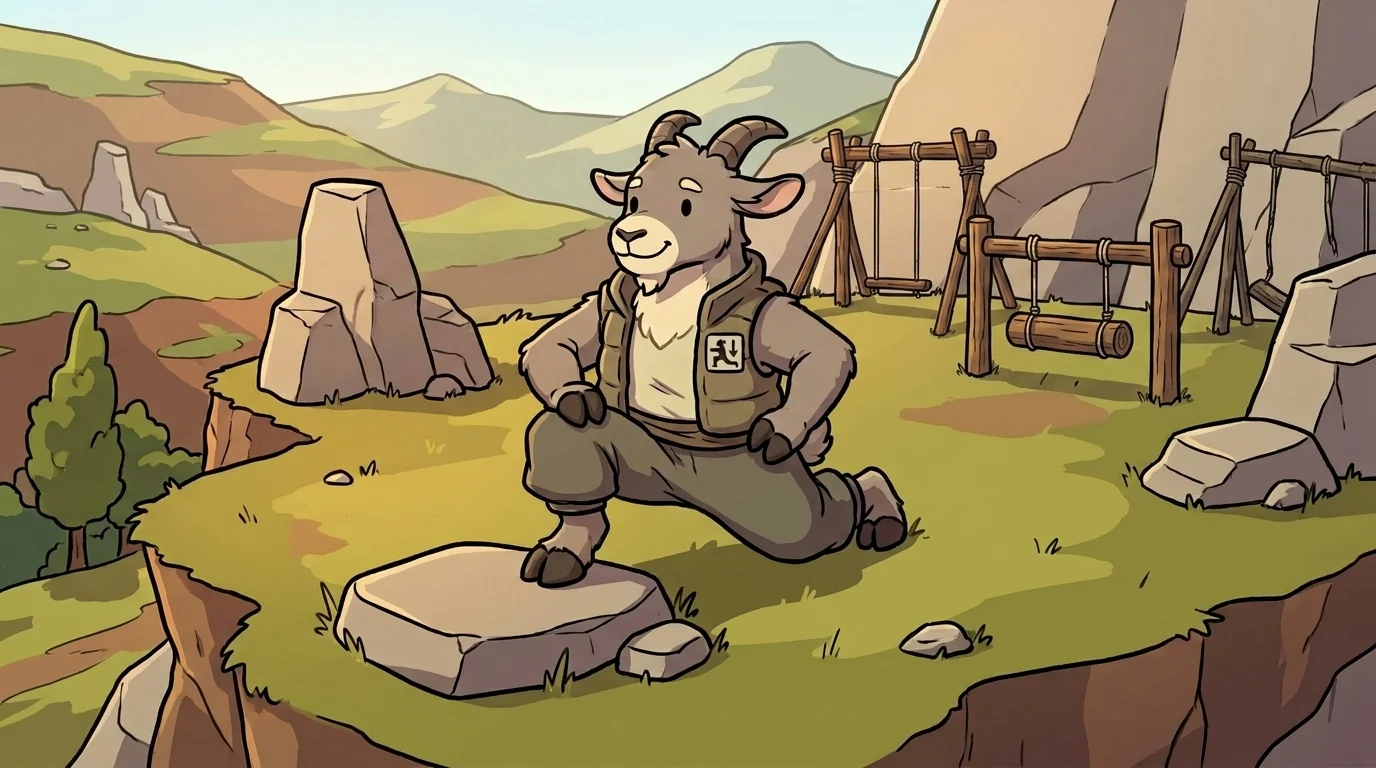
"So I'm not weak?" Throw asked, rubbing his arms and grinning. "You were just leaving your best muscles turned off," Lunge said warmly. "Nobody's weak. Some kids just forgot to switch on the engine."
Throw sank into a low lunge one more time, just to feel his legs take the weight — and a warm, solid feeling rose up through him, steady from the ground. It wasn't about being the biggest kid anymore, or heaving till his face went red. It felt good — low and grounded and capable — to feel where his real strength had been waiting all along. That warm, rooted, I've-got-this feeling — a whole body finally working together from the ground up — was, to Lunge, the very best thing to hand a friend.
The ActiveForge ensemble
Lunge is part of ActiveForge's distributed-narrative cast. Each character embodies a different curricular primitive; together they teach the full subject.
-
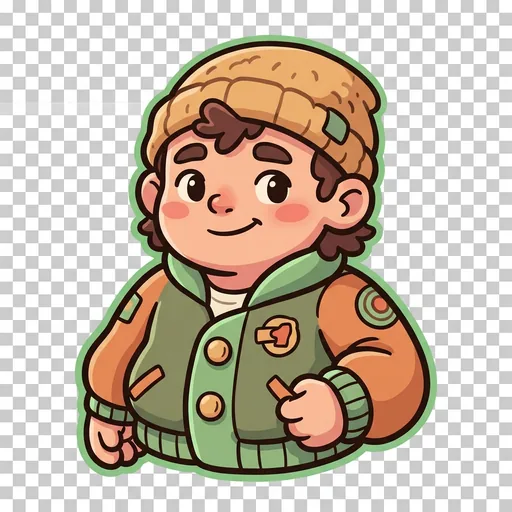
Throw
Overhand-projection motor pattern — targeted-force-at-distance trained-through-practice never-aptitude-test
-

Kick
Lower-body projection — foot-language with five-different-parts-of-foot for different kicks
-
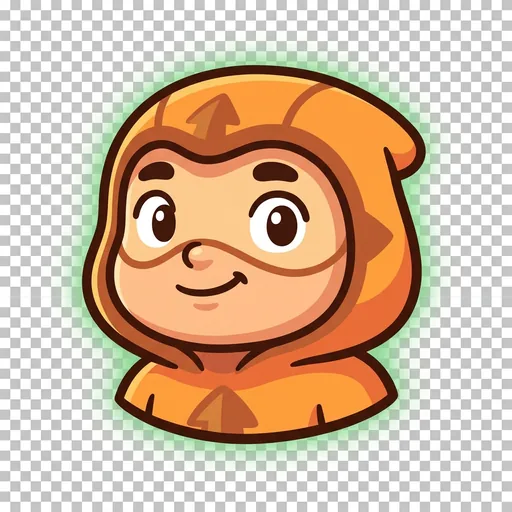
Dodge
Spatial-perception + agility — read-the-space-and-move-EARLIER not-faster; perception-game not speed-game
-
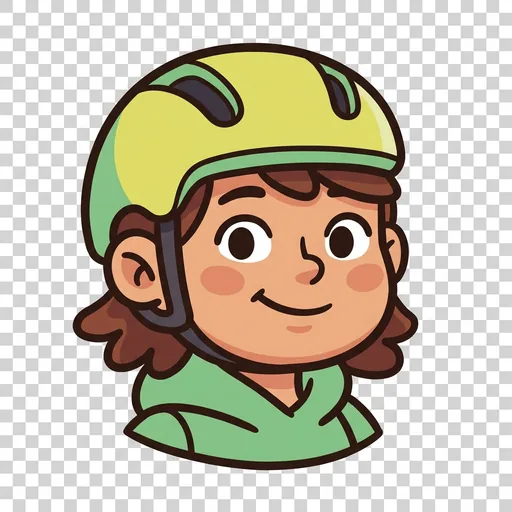
Roll
Tumbling + safe-fall + parkour-shoulder-roll — visible adaptive-PE helmet signals all-bodies-belong
-
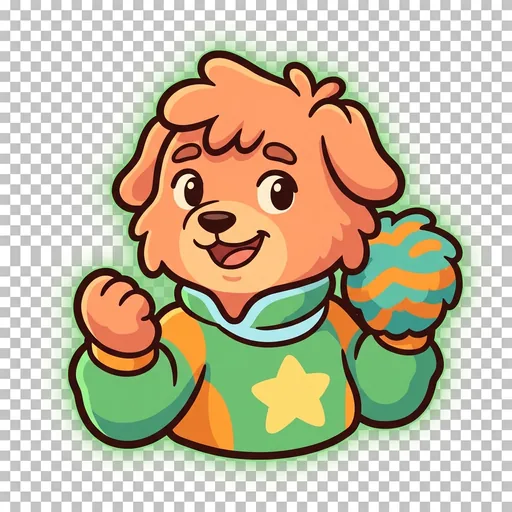
Cheer
Sportsmanship + bystander-presence-in-play — learnable-skill not personality-trait
-
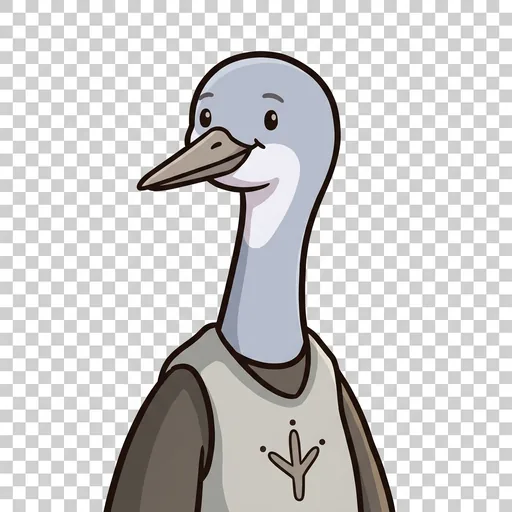
Poise
Poise — stillness is a move: find the base, then you can go anywhere
-
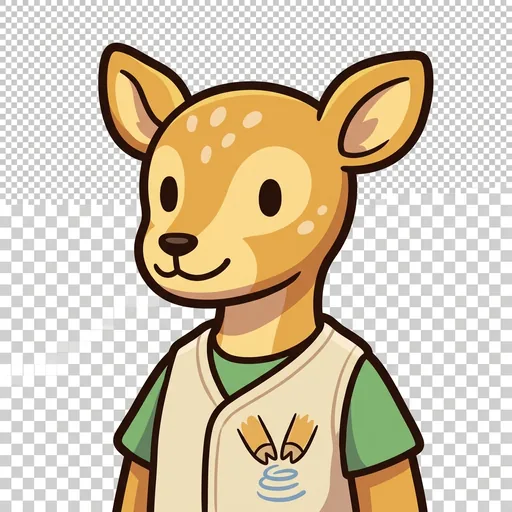
Prance
Prance — land light, spring high; heavy feet can't fly
-
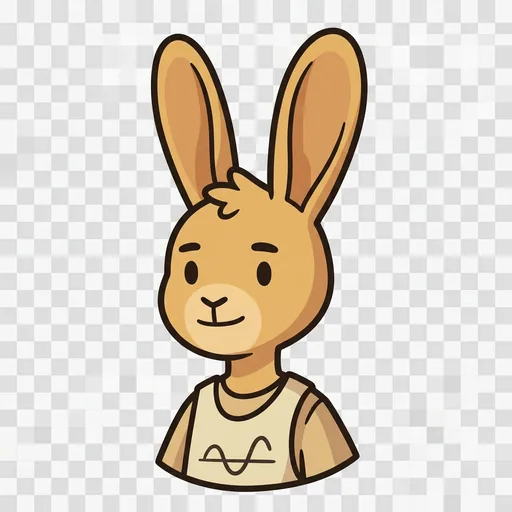
Rally
Rally — the second wind is real: spend, recover, spend again
-
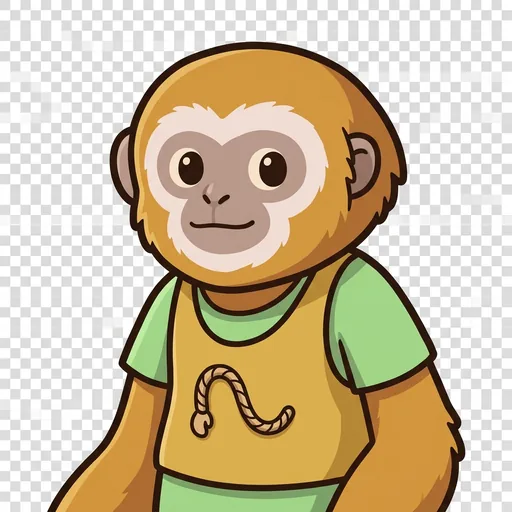
Swing
Swing — let the limb fall and rise like a rope; momentum is free power