Beano
A MARKER MEANS WHAT WE AGREE
Listen along — Beano
Loading audio…
Press play to listen along. The line being read lights up as you go.
Show full transcript
Loading transcript…
Beano and the Two Kinds of Pebble
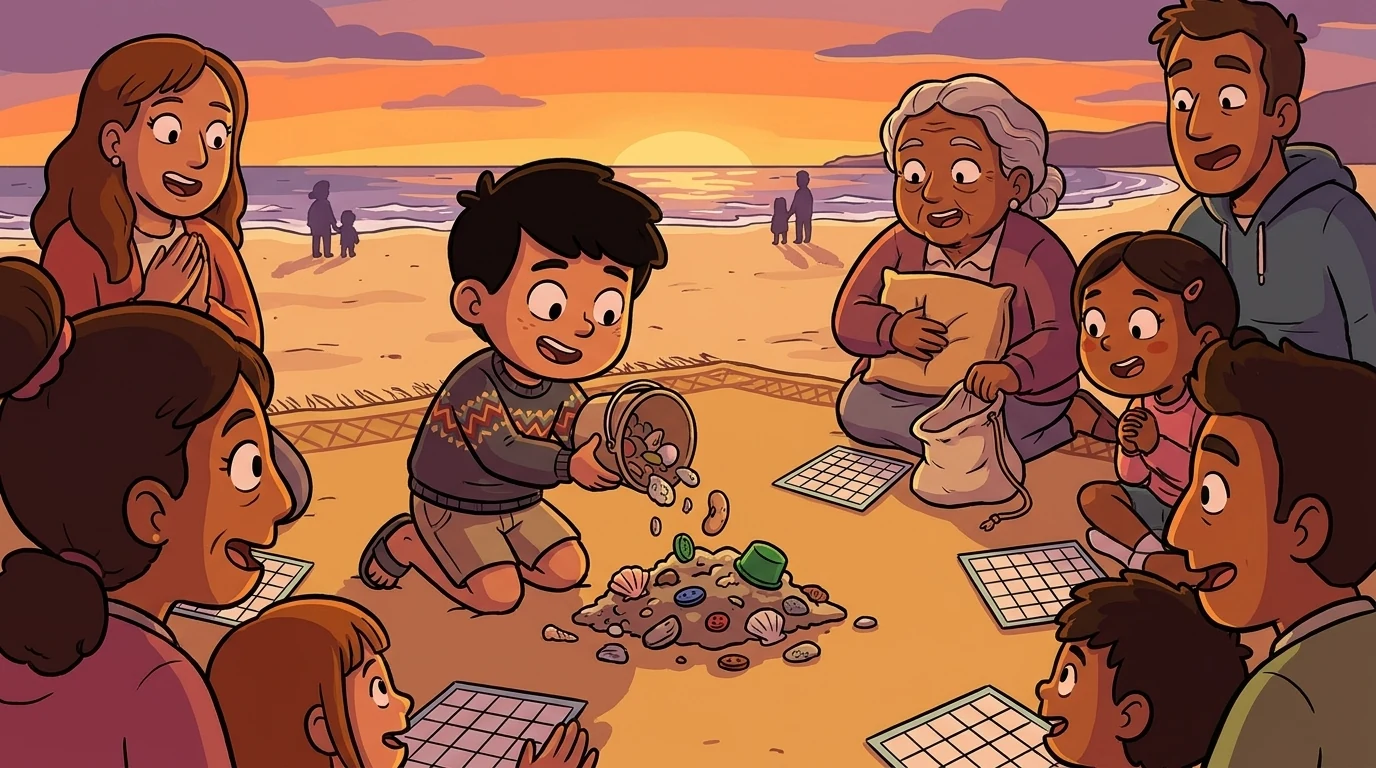
The second time the cage brought them back to the seaside town, the beach game had grown. Word had gone round. Now there were two long blankets laid end to end on the sand, and two groups of families, and Beano marching between them with a bucket on each arm like a man selling ice cream.
“Shells, pebbles, bottle caps, buttons,” he announced. “Free markers. One each per number. Take what you like.”
Ama turned the cage. Tam called. For twenty balls everything went smoothly. Then the game fell apart.
“Line!” called a girl on the left-hand blanket.
“She can’t have a line,” said a man on the right-hand blanket, loudly. “Look at her card. She’s got pebbles on numbers that haven’t been called.”
The girl’s father stood up. “Those pebbles don’t mean called. Shells mean called. The pebbles are for the numbers she’s waiting for.”
“Waiting for?” said the man. “On our blanket, pebbles mean called. Everyone knows that.”
“Everyone on your blanket,” said the girl’s father.
Voices rose. Ama looked down at the girl’s card and felt her stomach twist. It was true: some of the girl’s numbers had shells on them and some had pebbles. If pebbles meant called, she had a line. If pebbles meant waiting, she didn’t.
Beano put down both buckets.
“Stop,” he said, and he said it so firmly for a ten-year-old that people actually stopped. “Nobody’s cheating. You’re just speaking two languages.”
He walked to the middle where the blankets met and crouched down. “On this side,” he pointed left, “you’ve been using two markers. Shells for called, pebbles for hoping. On that side, pebbles for called and nothing for hoping. Both ways work. But they don’t work together unless somebody says so.”
“So who’s right?” said the man.
“Nobody,” said Beano. “A pebble doesn’t mean anything. It’s a pebble. It means what we agree it means. You agreed one thing over there and they agreed another thing over here, and nobody said it out loud because everybody thought it was obvious.”
Ama remembered the first beach game, when she had written in the call book everyone agrees what it means. She had thought that was easy. It had been easy, with one blanket and one family. It was not easy with two.
“Then let’s say it out loud,” she said, standing up. “Now. Before the next ball.”
Beano grinned at her. “Go on, then.”
Ama took a breath. “For the rest of tonight, on both blankets,” she said, in her loudest calling voice, “a shell means called. Only a shell. If you want to mark a number you’re waiting for, use a button. Pebbles go back in the bucket.”
A few people grumbled about having to swap. But then the girl’s father laughed and began scooping his daughter’s pebbles off her card, and the man on the right did the same with his, and in a minute every card on both blankets told the same story.
The girl did not have a line. She had four shells in a row and a button on the fifth. Two balls later, Tam called that number, and the girl turned her button over into a shell herself, and shouted “Line!” again. This time nobody argued.
Then there was the second problem.
A gust of wind came off the sea and half the buttons on the left-hand blanket rolled. Round, smooth buttons on a sloping blanket. One rolled onto the next number. One disappeared into the sand. A little boy burst into tears because he couldn’t remember which numbers his had been on.
Beano went quiet, and Ama could see him thinking.
“Buttons were a bad idea,” he said at last. “Not because of what they mean. Because they don’t stay put.” He tipped out the bottom of a bucket and sorted through it. “Flat shells. Bottle caps upside down. Dried beans. Things with a flat side that won’t roll off. A marker that moves is worse than no marker, because it tells you something wrong.”
Together they replaced every round marker with a flat one and helped the little boy check his card against Ama’s call book, number by number, until his markers were all back where they belonged.
By the time the sun touched the water, the game was calm again. Two blankets, one set of meanings, every marker lying still.
Afterwards Beano and Ama sat on an upturned boat while the families packed up.
“I thought my job was finding markers,” said Beano. “It’s not. Anyone can find markers. The hard part is making sure everyone means the same thing by them.”
“And that they don’t roll away,” said Ama.
“And that they don’t roll away.” He laughed. “My nan used to say the beans in the old days were the best markers ever made. I always thought it was because they were cheap. Maybe it’s because they’re flat on one side.”
Ama opened the call book and, under the date, wrote it down properly this time, as if writing the rules for a stranger:
Before playing: say out loud what each marker means. One meaning per marker, the same on every table. Use markers that stay where they’re put.
Beano read it over her shoulder and nodded, very serious, the way he always did when something mattered.
The CallerTales ensemble
Beano is one of the friends in CallerTales. Each friend shows you one idea by how they act; meet them all and you have the whole subject.
-
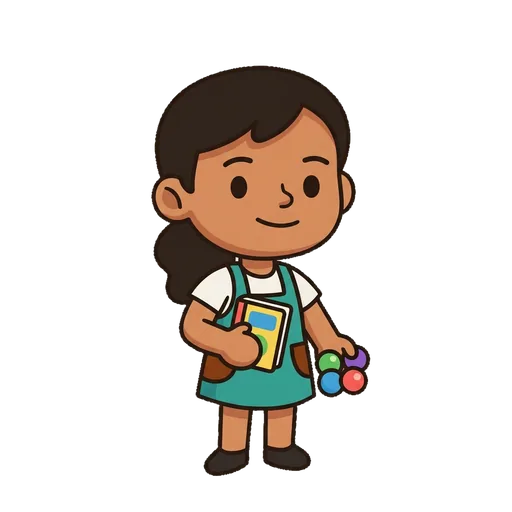
Ama
Draws the balls and keeps the call book
-
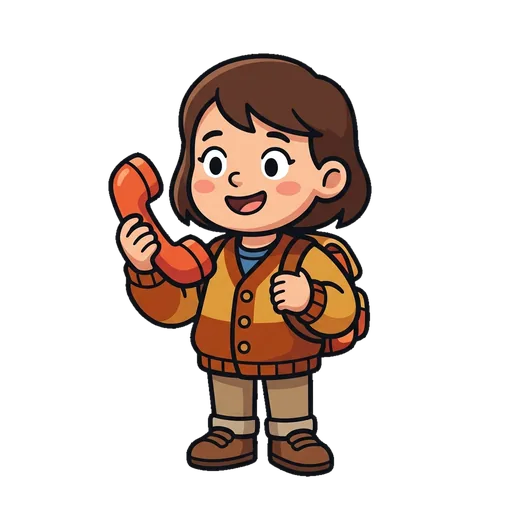
Tam
Reads every call aloud, and gets braver each stop
-
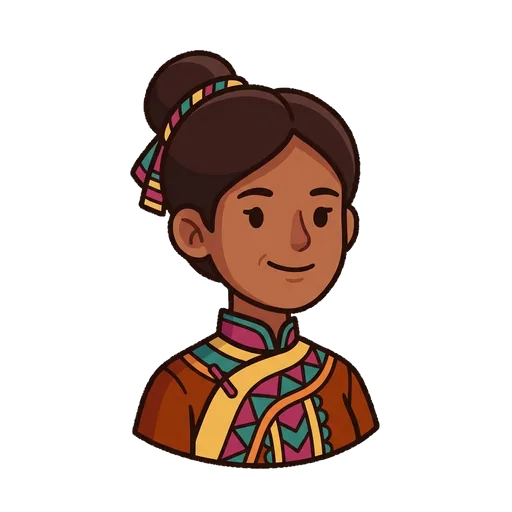
Rima
Ends every call on a rhyme, as lô tô singers do
-
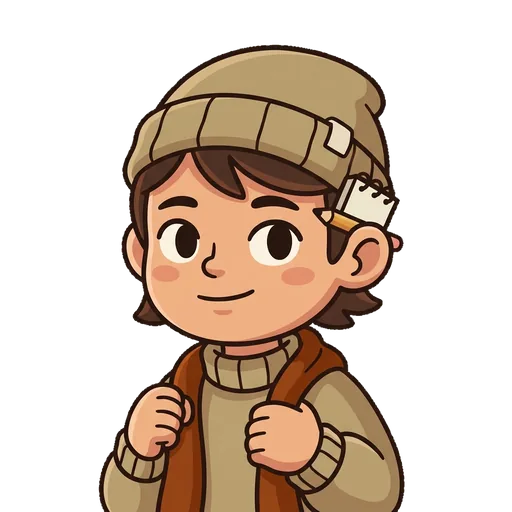
Riddla
Never names a thing — only riddles it, like a cantor
-
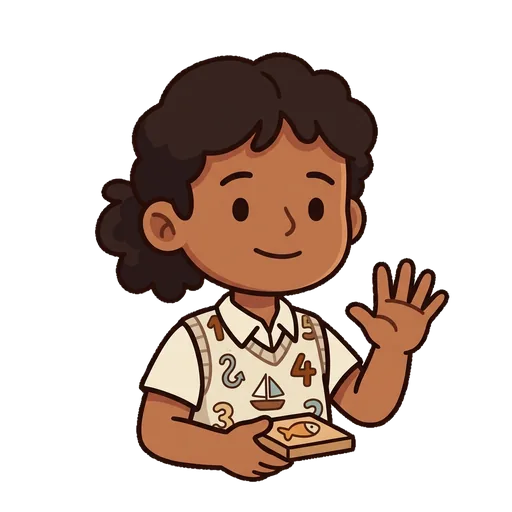
Smorfia
Sees a picture in every number, as tombola players do
-
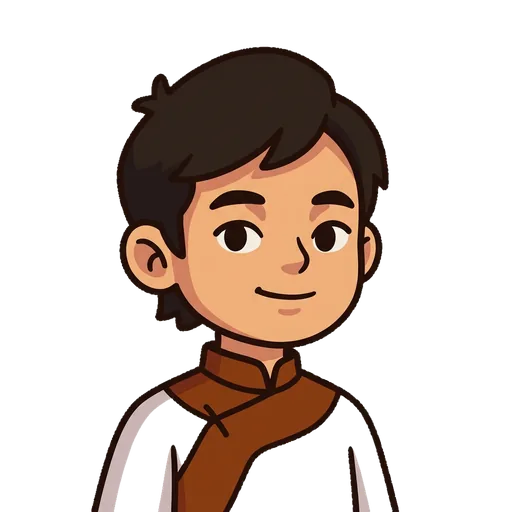
Hiệu
Sings the hint before the card, the way bài chòi is sung
-
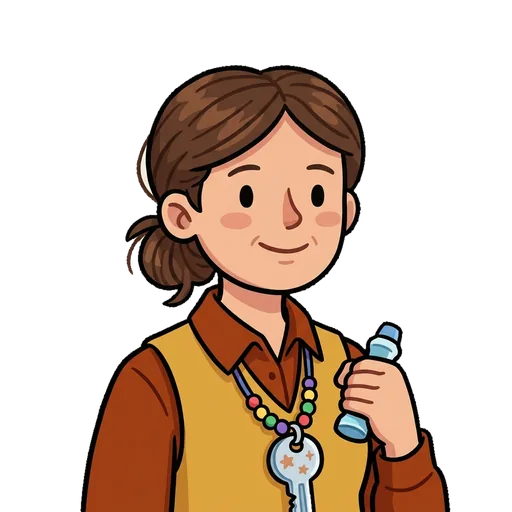
Kelly
Gives every number a nickname, like a housie caller
-
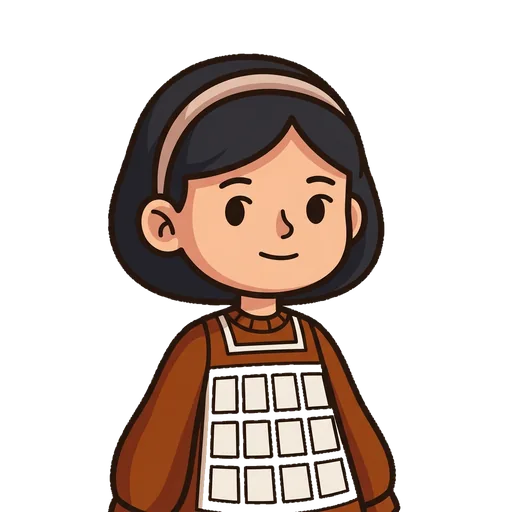
Cartella
Is a tombola card: three rows, five numbers each, every column its own decade
-
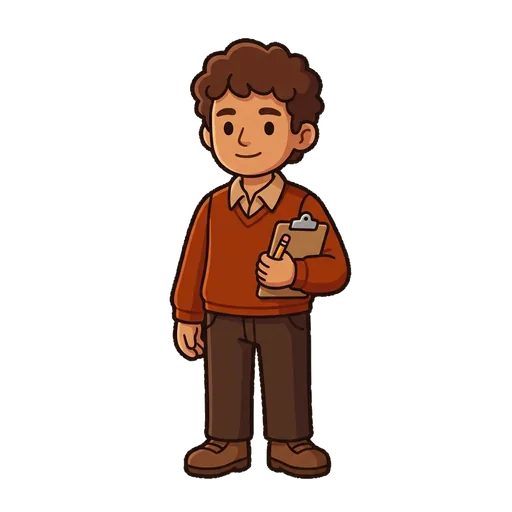
Quina
Shouts the moment five in a line are marked, and checks the line twice