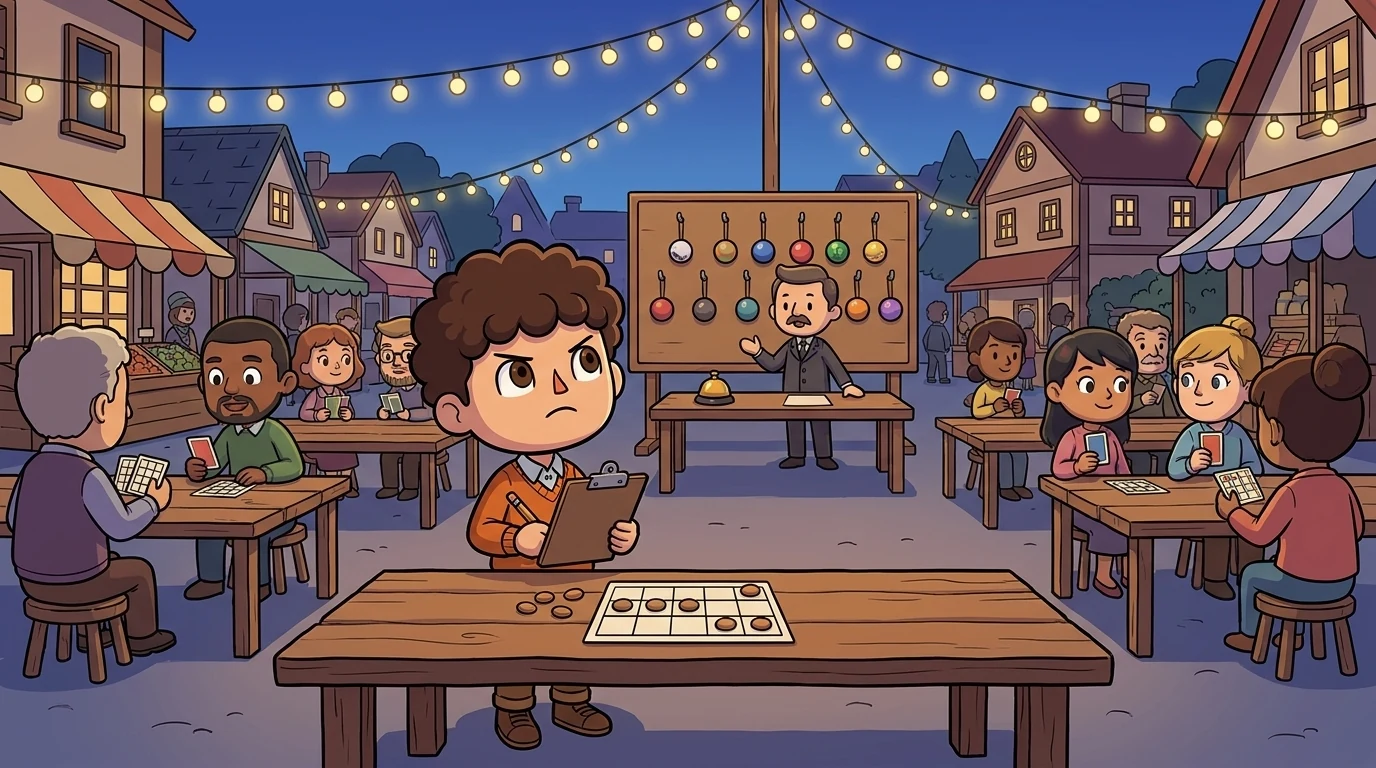
Quina
A CHECK THAT IS THE SAME FOR EVERYONE
Listen along — Quina
Loading audio…
Press play to listen along. The line being read lights up as you go.
Show full transcript
Loading transcript…
Quina Becomes the Checker
At the end of the tombola season, on the last night in the square, the old caller asked Quina to be the checker.
“Me?” said Quina. He was holding his clipboard so tightly his knuckles were white.
“You,” said the caller. “You check twice. Everybody saw you do it last year and the year before. Tonight you check everyone.”
Ama and Tam sat at the nearest table and watched him take his place beside the caller’s board, where every called number hung on its little brass hook. He looked terrified.
The first claim came quickly. “Ambo!” called a girl at the back. Two in a line, the smallest prize. Quina walked over, took her card, and turned it so she could see it too.
“Read me the two,” he said.
“Twelve and sixty.”
Quina didn’t look at her. He looked at the board. Twelve: on its hook. Sixty: on its hook. Then he did it again. “Ambo,” he said, and the caller rang the little bell.
“Why didn’t you just believe her?” Tam whispered when he came past their table.
“Because I’m not checking her,” Quina whispered back. “I’m checking the numbers against the board. If I check what she remembers, I’m only checking her memory, and memories are wrong all the time. Mine certainly is.”
The trouble came at the cinquina.
A tall man in a smart coat stood up. “Cinquina!” His friend beside him whooped. Quina went over and took the card.
“Read me the five.”
“Seven, nineteen, forty-four, sixty-two, eighty-one.”
Quina checked. Seven, yes. Nineteen, yes. Forty-four… The hook for forty-four was empty. Forty-one was there. Forty-seven was there. Not forty-four.
He checked again, slowly, from the start. Still empty.
The man was watching him. So was the man’s friend, and half the square.
Ama saw Quina’s ears go red, and she knew he was remembering his own failed cinquina, the one he had told them about, when everybody had stared and he had wanted the ground to swallow him.
Quina stepped close to the man, so that what he said wasn’t for the whole square.
“Forty-four hasn’t been called yet,” he said quietly. “I think you might have heard forty-one, it was called just before. Your card’s still really close. Four out of five.”
The man frowned at the board. Then his shoulders dropped, and he laughed at himself. “Forty-one. You’re right.” He sat down. His friend clapped him on the back, and the square turned back to the game as if nothing had happened.
“You made that look easy,” Ama said to Quina later, at the break.
“It wasn’t easy,” said Quina. “My heart was going like a drum. But I remembered what it felt like to be wrong in front of everyone, and I thought: the checking is the same either way. Board, not memory. Twice. What I can choose is how I say it.”
Then came the hardest moment of the night, and it had nothing to do with anyone shouting.
Quina’s little cousin Lucia, who was seven and adored him, called “Terno!” from the front table. Three in a line. She held up her card, beaming at him.
Quina took it, read it out, and checked it against the board exactly as he had checked the stranger’s. Every number. Then again.
“Why are you checking mine?” Lucia asked, hurt. “I’m your cousin. You know I wouldn’t lie.”
“I know you wouldn’t lie,” said Quina gently. “That’s not what checking is for. I checked the man in the coat and he wasn’t lying either. He just heard wrong. Anyone can hear wrong. If I check strangers and skip you, then my checking isn’t fair any more. It only works if it’s the same for everybody.”
He handed the card back. “Terno,” he said, and the caller rang the bell, and Lucia’s face lit up again, because now everyone knew her terno was real.
Near the end of the night, when the tombola itself was claimed, two people called at once. Quina didn’t decide alone. He asked the caller to read the board aloud while he read each card, two voices, two lists, each checking the other, the way Ama and Tam had done with the book and the tally back at the river fair.
Both cards were good. They shared the prize.
When the lights were coming down, the old caller shook Quina’s hand.
“You’ll do,” she said. “A checker’s job is not to catch people out. It’s to make sure every win is real and every mistake is small.”
Ama wrote it in the call book that night, under the last date of the season:
The checker checks against the board, never against what someone remembers. Same steps for everyone, even family. Two people reading for the big claims. Tell a failed claim quietly and kindly.
The CallerTales ensemble
Quina is one of the friends in CallerTales. Each friend shows you one idea by how they act; meet them all and you have the whole subject.
-
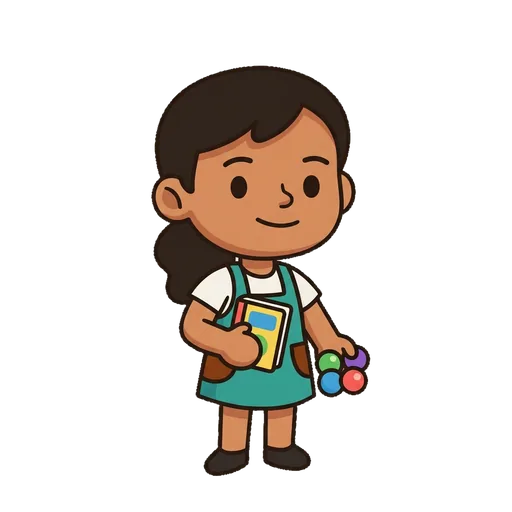
Ama
Draws the balls and keeps the call book
-
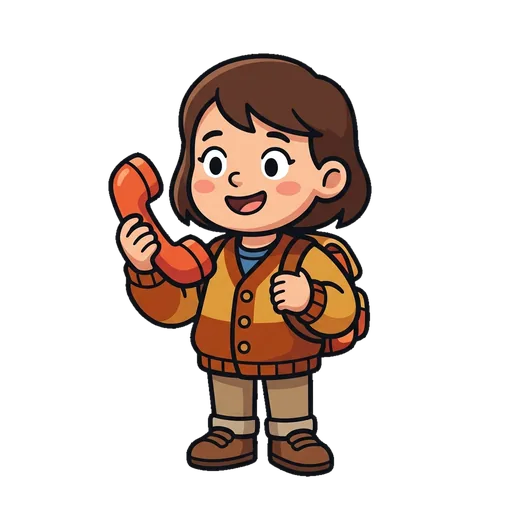
Tam
Reads every call aloud, and gets braver each stop
-

Rima
Ends every call on a rhyme, as lô tô singers do
-

Riddla
Never names a thing — only riddles it, like a cantor
-
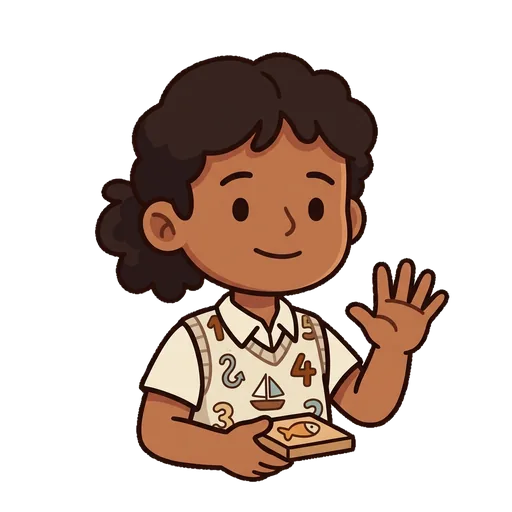
Smorfia
Sees a picture in every number, as tombola players do
-
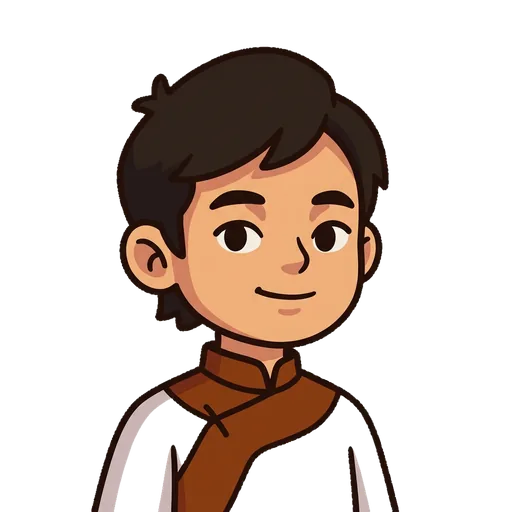
Hiệu
Sings the hint before the card, the way bài chòi is sung
-
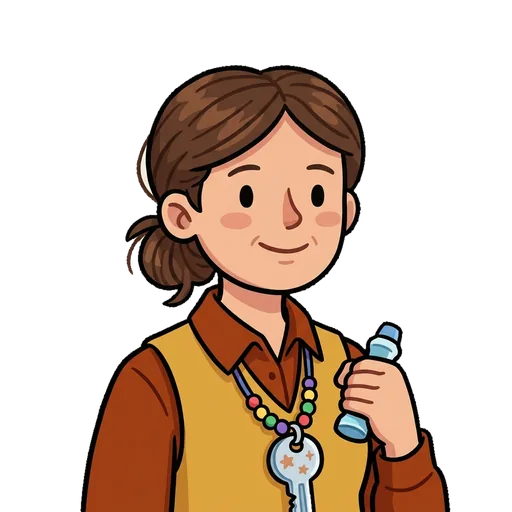
Kelly
Gives every number a nickname, like a housie caller
-

Beano
Marks with whatever is to hand — beans, bottle caps, buttons
-
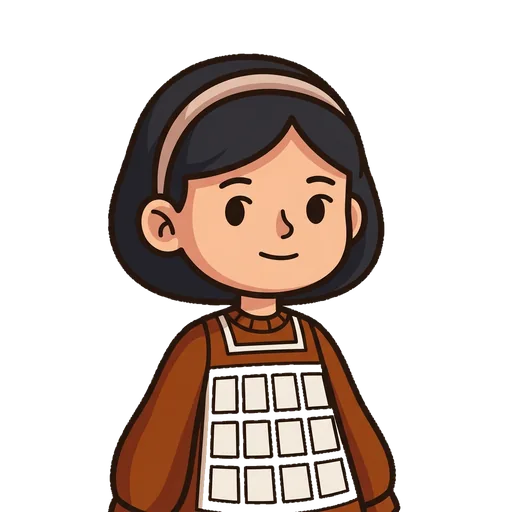
Cartella
Is a tombola card: three rows, five numbers each, every column its own decade