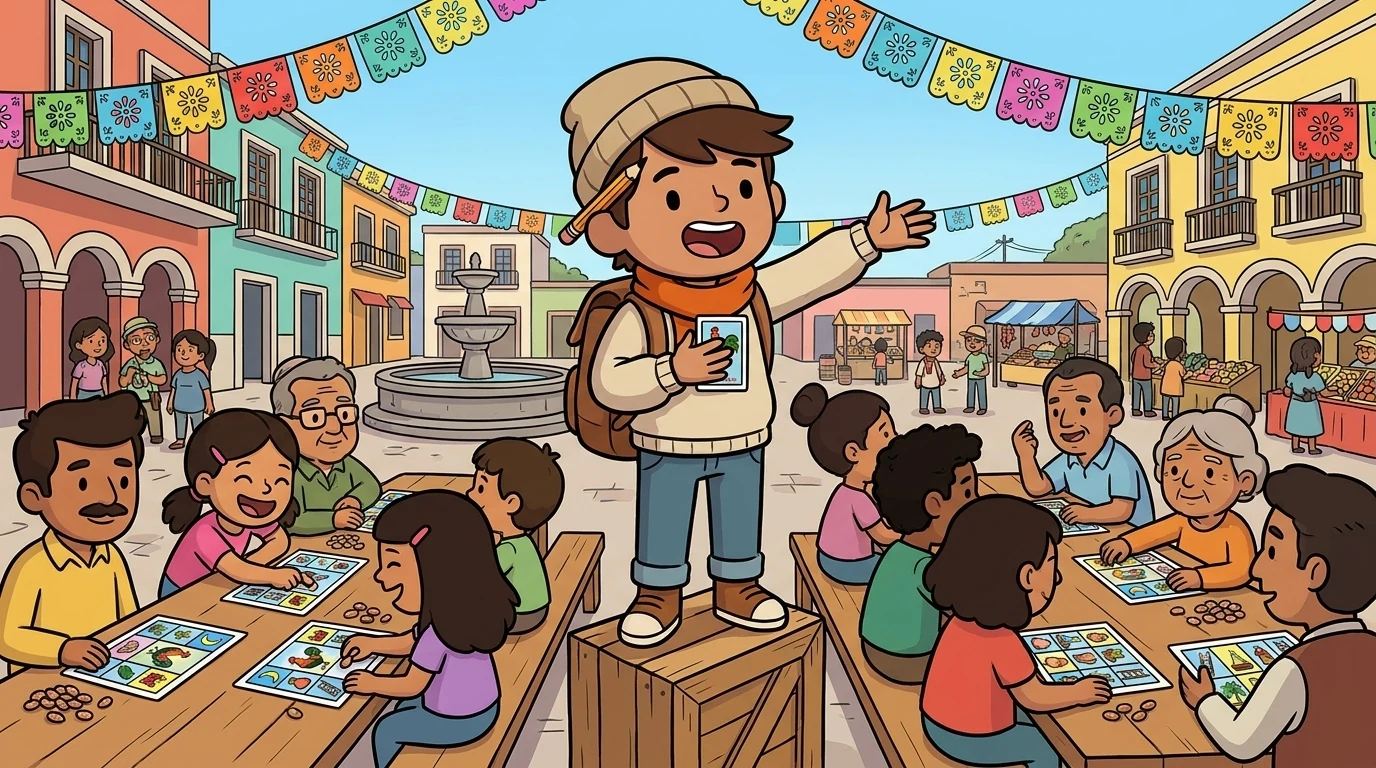
Riddla
ONE ANSWER, FOR THESE CARDS AND THESE LISTENERS
Listen along — Riddla
Loading audio…
Press play to listen along. The line being read lights up as you go.
Show full transcript
Loading transcript…
Riddla Tests Every Card
On the second visit to the plaza, Riddla was in a bad mood.
“My best riddle,” he told Ama and Tam, kicking his heel against the fountain. “My best one ever. And last night it broke.”
“How?”
“I’ll show you.” He drew a card, hid it, and said the riddle in his cantor’s voice. “The one who goes up the stairs and never comes down.”
Ama thought hard. A ladder? Stairs? Smoke? Tam shrugged.
Riddla turned the card over. It was the ladder. “Last night,” he said, “the kids from this street all got it straight away, because the old man who sells ices here climbs a ladder to his roof every evening and he’s done it for twenty years. Everyone round here calls him the one who goes up. But the family from the next town had no idea what I meant. Some of them put a bean on the bird. Some of them put a bean on nothing. It worked perfectly for half the plaza and not at all for the other half.”
“So it fitted one card,” said Tam slowly, “but only if you knew the ice-cream man.”
“Exactly.” Riddla pulled his beanie down. “I’ve always said a riddle has to point at one card. I forgot that it has to point at one card for everyone listening. If it leans on something only some people know, it isn’t fair. It’s a secret handshake.”
Ama remembered Kelly on the ferry saying almost the same thing about nicknames. Inside jokes were lovely when you were inside.
“So how do you make a riddle fair for everyone?” she asked.
Riddla jumped up. “Come on. I’ll show you how I test them now.”
He spread the whole deck out on the edge of the fountain. Fifty-four picture cards: the rooster, the moon, the boat, the ladder, the heart, the umbrella, the bottle, the tree, the drum, the scorpion and dozens more. Then he took out a notebook.
“First I write the riddle,” he said. “Then I go through every single card, one at a time, and ask: does this card fit? Not just the card I’m thinking of. Every card. If two fit, the riddle’s broken.”
He wrote: I keep you dry, but I’m always wet.
“Umbrella,” said Tam at once.
“Check every card,” said Riddla.
Ama and Tam went along the row together. Rooster: no. Moon: no. Boat: hmm. A boat keeps you dry, sort of. And it’s always wet underneath. Ama held it up.
“See?” said Riddla, delighted, as if catching his own mistake was the best thing in the world. “If I’d called that, someone with the boat would have argued, and they’d have had a point. So I add a clue.”
He wrote: I keep you dry, but I’m always wet, and you fold me up when the rain has gone.
They checked every card again. Only the umbrella folded up. Riddla drew a tick.
“Second test,” he said. “Does it lean on anything only some people know?”
Tam thought. “Everyone knows what an umbrella does.”
“Everyone here, at least. If I were calling for a group of people who’d never seen rain, I’d need a different riddle.” He grinned. “It’s not just about the cards. It’s about the cards and the people.”
Then Ama tried. She picked the heart card and wanted to be clever. I’m red, and when you’re in love I go fast.
They checked. The rooster was red, but it didn’t go fast in love. The scorpion was red on this deck, but no. The heart. Only the heart.
“Fair for everyone?” asked Riddla.
Ama hesitated. “I think so. Everyone has a heart. Everyone’s felt it go fast, even if it wasn’t love. When you’re scared, or running.”
“Then change love to scared or running,” said Riddla. “Then even somebody who’s never been in love gets it.”
Ama changed it. I’m red, and I beat faster when you run or when you’re scared. It felt better already.
That evening, Riddla called his game with the new riddles. When he got to the ladder, he didn’t say the one who goes up the stairs. He said, “I have legs but I can’t walk, and I help you reach what’s high.”
The family from the next town got it this time. So did Ama and Tam. And on the street side of the plaza, where the old ice-cream man was packing up his cart, a boy called out, “That’s Señor Ruiz!” and everyone laughed, the whole plaza together this time, not just half of it.
On the walk back, Tam said, “You could keep the old one for the kids on this street.”
“Maybe,” said Riddla. “For a game with just them. Then it’s fair, because everyone listening knows the ice-cream man.” He shrugged. “A riddle isn’t fair or unfair on its own. It depends who’s at the table.”
In the call book, Ama wrote: Lotería, again. Test a riddle against every card on the table: only one may fit. Then test it against the people: everyone listening must be able to get it.
The CallerTales ensemble
Riddla is one of the friends in CallerTales. Each friend shows you one idea by how they act; meet them all and you have the whole subject.
-
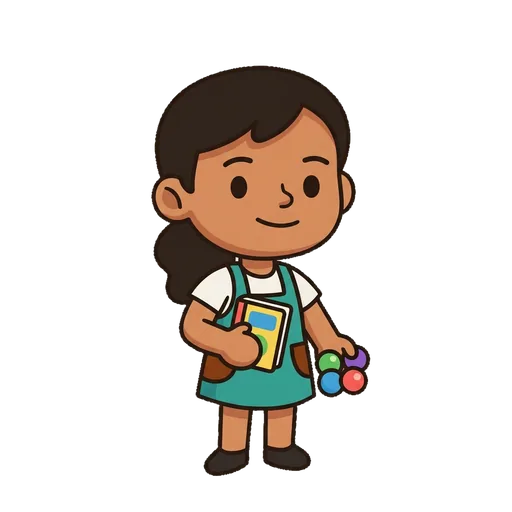
Ama
Draws the balls and keeps the call book
-
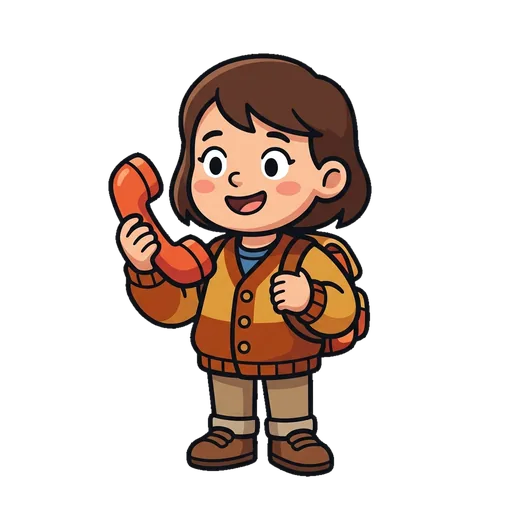
Tam
Reads every call aloud, and gets braver each stop
-

Rima
Ends every call on a rhyme, as lô tô singers do
-
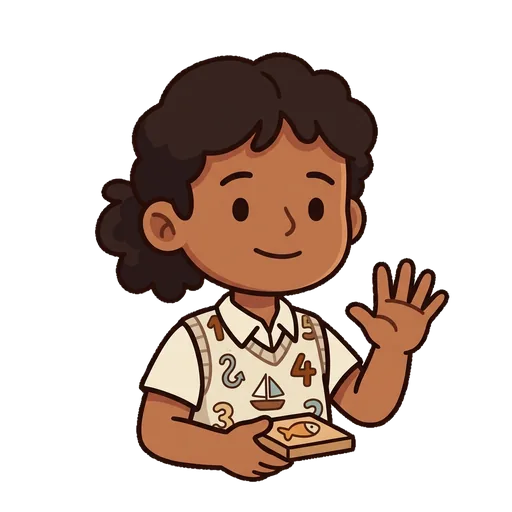
Smorfia
Sees a picture in every number, as tombola players do
-
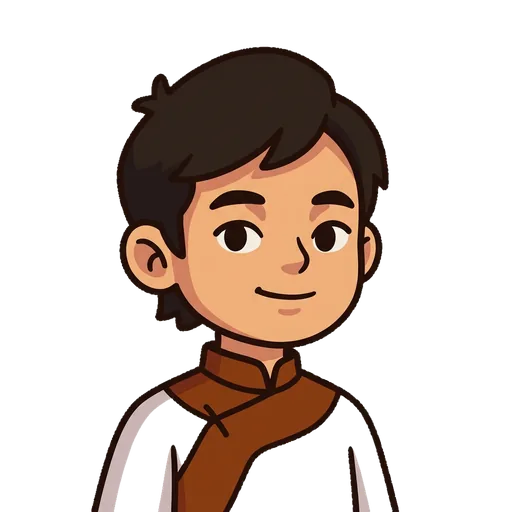
Hiệu
Sings the hint before the card, the way bài chòi is sung
-
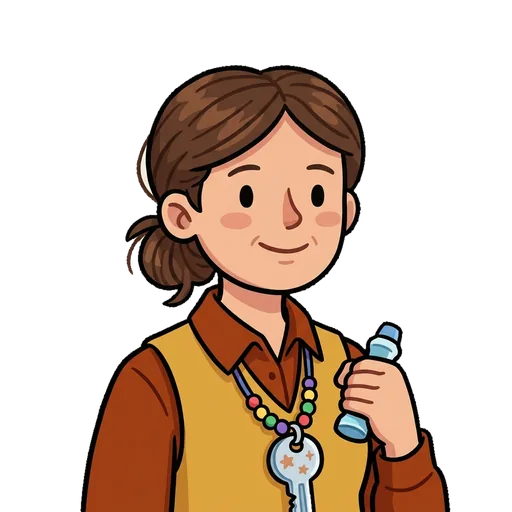
Kelly
Gives every number a nickname, like a housie caller
-

Beano
Marks with whatever is to hand — beans, bottle caps, buttons
-
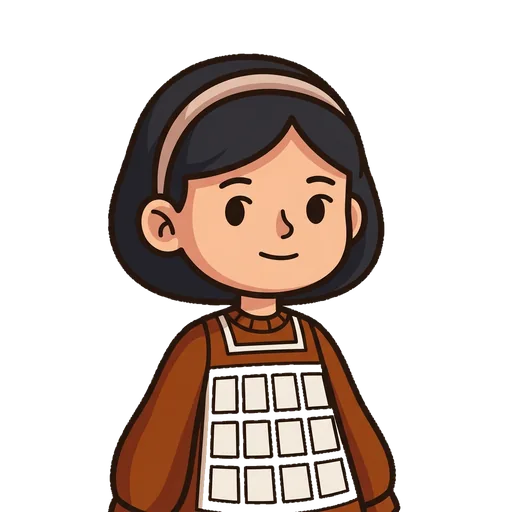
Cartella
Is a tombola card: three rows, five numbers each, every column its own decade
-
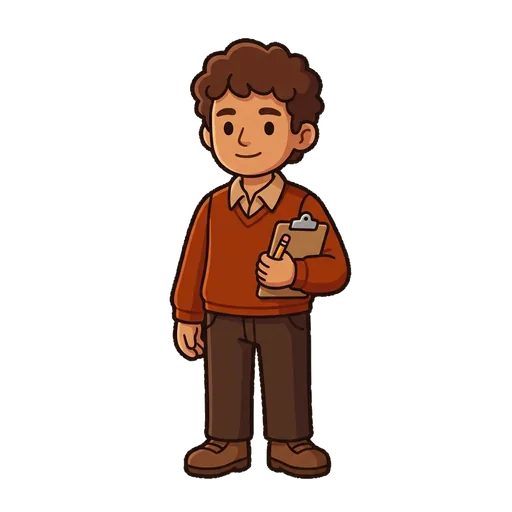
Quina
Shouts the moment five in a line are marked, and checks the line twice