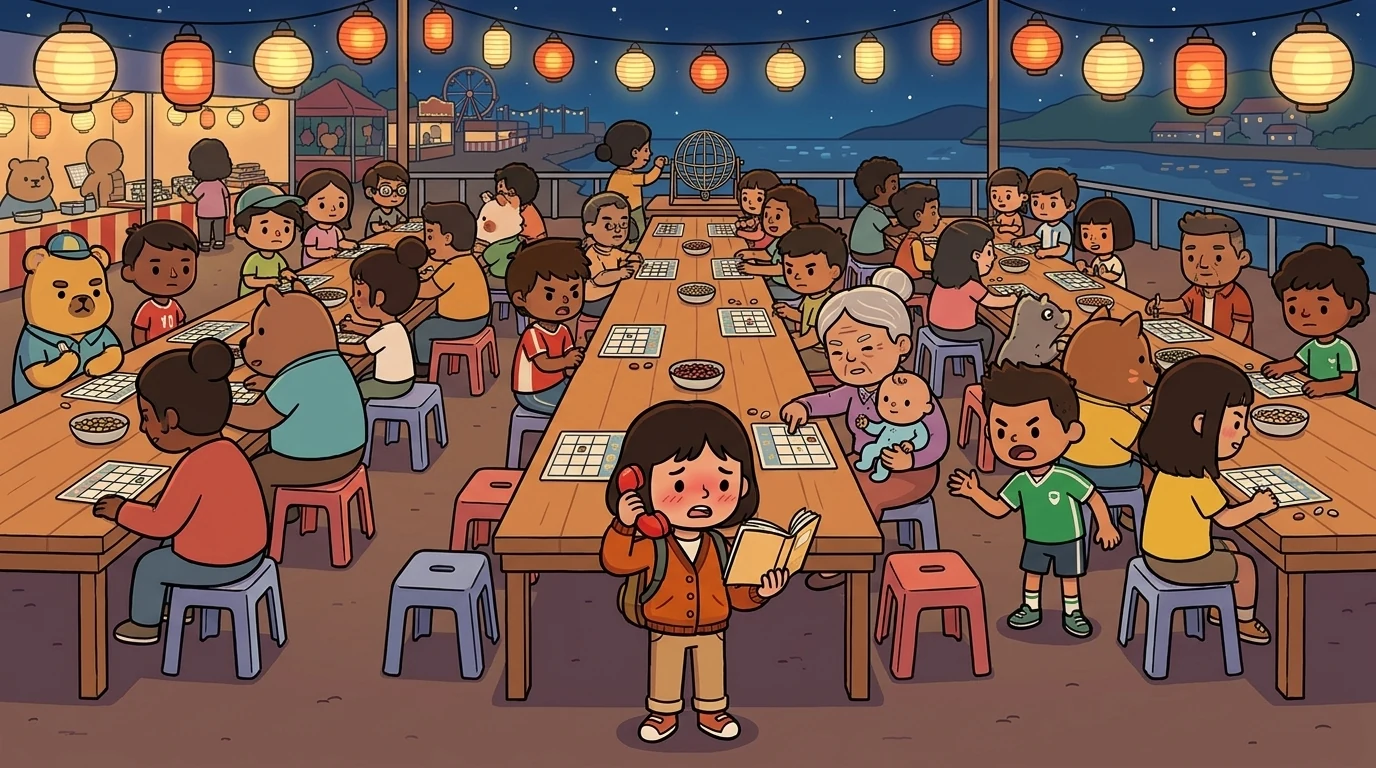
Tam
A CALL EVERYONE CAN CATCH
Listen along — Tam
Loading audio…
Press play to listen along. The line being read lights up as you go.
Show full transcript
Loading transcript…
Tam Calls in the Wind
The harvest fair was on a hill, in a field, with no walls and no roof and nothing to stop the wind. Ama said it was the biggest crowd they had ever called for. Two hundred people, Rima guessed, on hay bales and folding chairs, all the way back to the hedge.
“You call,” Rima said to Tam.
Tam’s stomach turned over, the old way. But she nodded. She had called at the river fair, on the ferry deck, in the plaza. She could do it here.
The first ball came out. “Twenty-six!” Tam called, as loudly as she could.
“WHAT?” came a shout from the back.
The wind had taken it. She called again, louder, and the front rows winced. Louder wasn’t working. By the fifth ball people at the back were standing up and cupping their ears, and a man near the hedge called out, “Can’t hear a thing back here!” Tam’s face burned. The scared feeling, which had got smaller and smaller every time she called, suddenly felt as big as it had on the very first night.
Rima came and stood beside her, but she didn’t take the cage.
“Stop shouting,” she said quietly. “Shouting just makes it blurry. Think about who you’re calling for.”
Tam looked out. Then she saw the grandfather.
He was at the end of the second table, a small man in a flat cap, and he wasn’t cupping his ear. He was watching her face, hard, the way you watch someone’s lips when you’re trying to read them. When she’d turned to look at the back rows, he’d frowned and looked lost.
Tam turned back to face the tables. All of them. She slowed down.
“The next number,” she said, clearly, and paused, so everyone knew a number was coming. “Four. Seven.” Another pause. “Forty-seven.”
Then she held the wooden ball up high, so the number painted on it faced the crowd.
The grandfather in the flat cap smiled and put his bean down.
“Again,” said Rima. “Exactly like that.”
Tam found a rhythm. Face the tables, not the cage. Say the next number. Pause. Say the digits, then the number. Hold the ball up. Count two in her head before drawing the next one, so the slow markers could catch up.
“Six. Two. Sixty-two.”
Ama, beside her, had an idea. She took the big chalkboard from the cake stall, borrowed a stick of chalk, and stood it on an easel beside the stage. Every time Tam called, Ama wrote the number up in huge figures. The wind could take Tam’s voice, but it couldn’t take the chalk.
By the twentieth ball, nobody at the back was shouting “What?” any more. They were watching the board and listening for the pause. By the thirtieth, Tam’s voice had stopped shaking.
At the break, the grandfather in the flat cap came up to the stage, leaning on a stick.
“Thank you for turning round,” he said. His voice was soft. “I hear best when I can see someone’s face. Most callers look at their cage. You looked at us.”
“I was looking at the cage at first,” said Tam. “I didn’t know.”
“Well, now you do,” said the grandfather, and patted her hand.
When he’d gone back to his seat, Tam sat down hard on a hay bale.
“I thought being a good caller meant being loud,” she said.
“It means being caught,” said Rima. “Every person at those tables catches a call differently. Some catch it with their ears. Some catch it with their eyes, from your face or from the ball or from Ama’s board. Some need a moment longer to find the number. A good call gives everyone a way to catch it.”
“Face them,” said Tam slowly, counting on her fingers. “Pause before the number. Say it two ways. Show it. Give people time.”
“That’s it. And none of it needs you to shout.”
After the fair, when the field was empty and the hay bales were being stacked onto a trailer, Tam did something she had never done before. She went back to the stage on her own and called a whole game to nobody. To the hedge and the empty chairs and the birds in the field. Face front. Pause. Digits, then number. Ball held high.
Ama watched from the trailer, but didn’t say anything.
“Practising?” she asked, when Tam came back.
“The scared came back today,” said Tam. “Bigger than ever. And then it went small again, because I had something to do instead of being scared. So I’m practising the doing.”
That night, Tam took the call book from Ama and wrote in it herself:
Calling outside: face the people, not the cage. Say “the next number”, then pause. Say the digits, then the number: four, seven, forty-seven. Hold up the ball. Write it big where everyone can see. Count two before the next ball. Don’t shout.
Underneath, in smaller writing, she added: Practise when nobody is watching. Then it’s ready when everybody is.
The CallerTales ensemble
Tam is one of the friends in CallerTales. Each friend shows you one idea by how they act; meet them all and you have the whole subject.
-
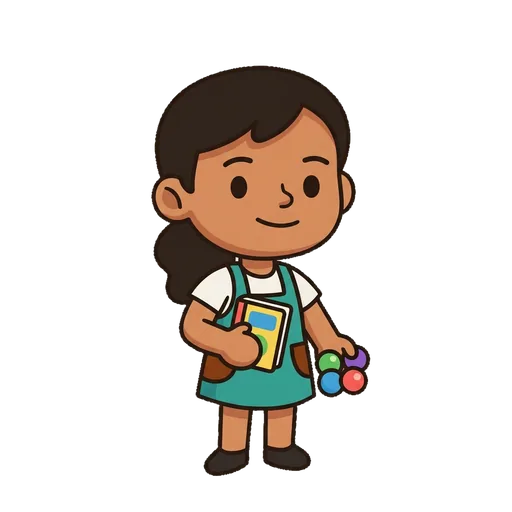
Ama
Draws the balls and keeps the call book
-

Rima
Ends every call on a rhyme, as lô tô singers do
-

Riddla
Never names a thing — only riddles it, like a cantor
-
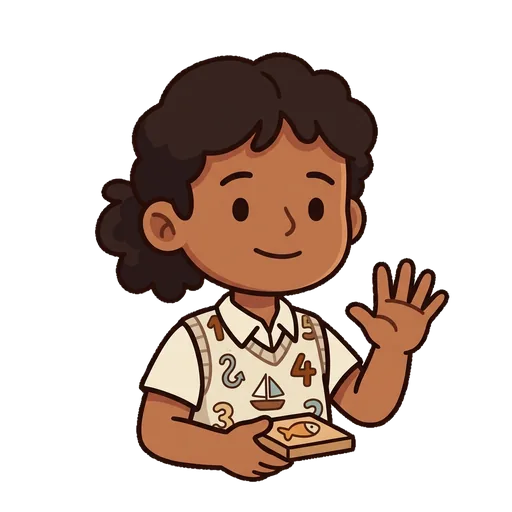
Smorfia
Sees a picture in every number, as tombola players do
-
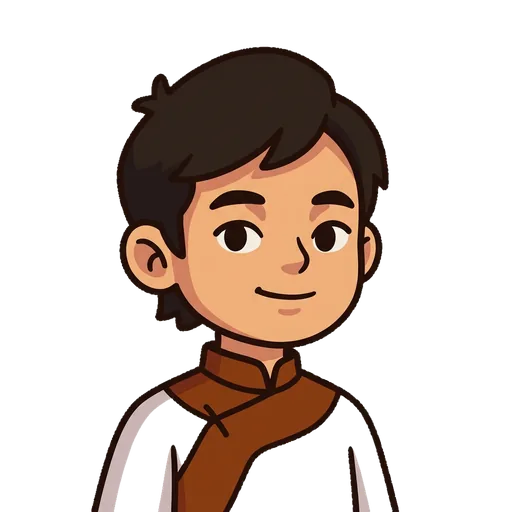
Hiệu
Sings the hint before the card, the way bài chòi is sung
-
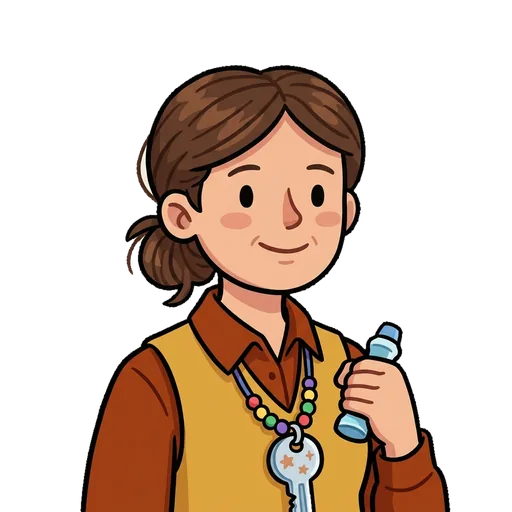
Kelly
Gives every number a nickname, like a housie caller
-

Beano
Marks with whatever is to hand — beans, bottle caps, buttons
-
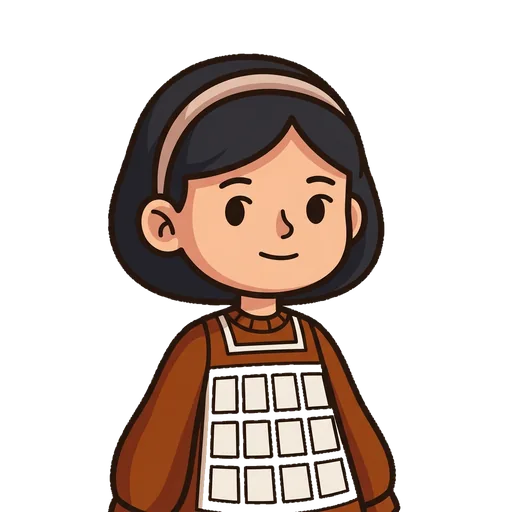
Cartella
Is a tombola card: three rows, five numbers each, every column its own decade
-
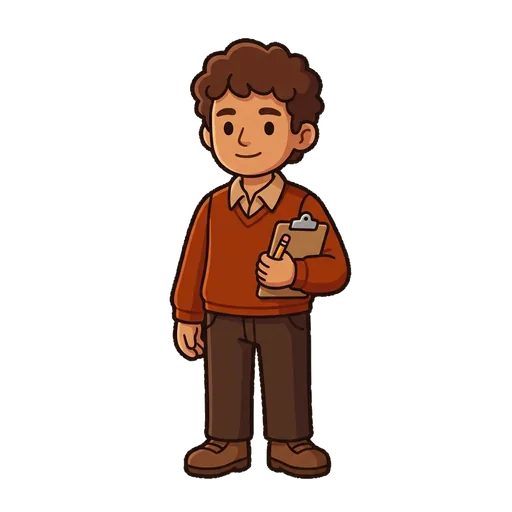
Quina
Shouts the moment five in a line are marked, and checks the line twice