
Ansel
REPORT HONESTLY — *tell what worked AND what flopped; a report that hides the flops teaches no one and can't be trusted.*
Loading audio…
Press play to listen along. The line being read lights up as you go.
Show full transcript
Loading transcript…
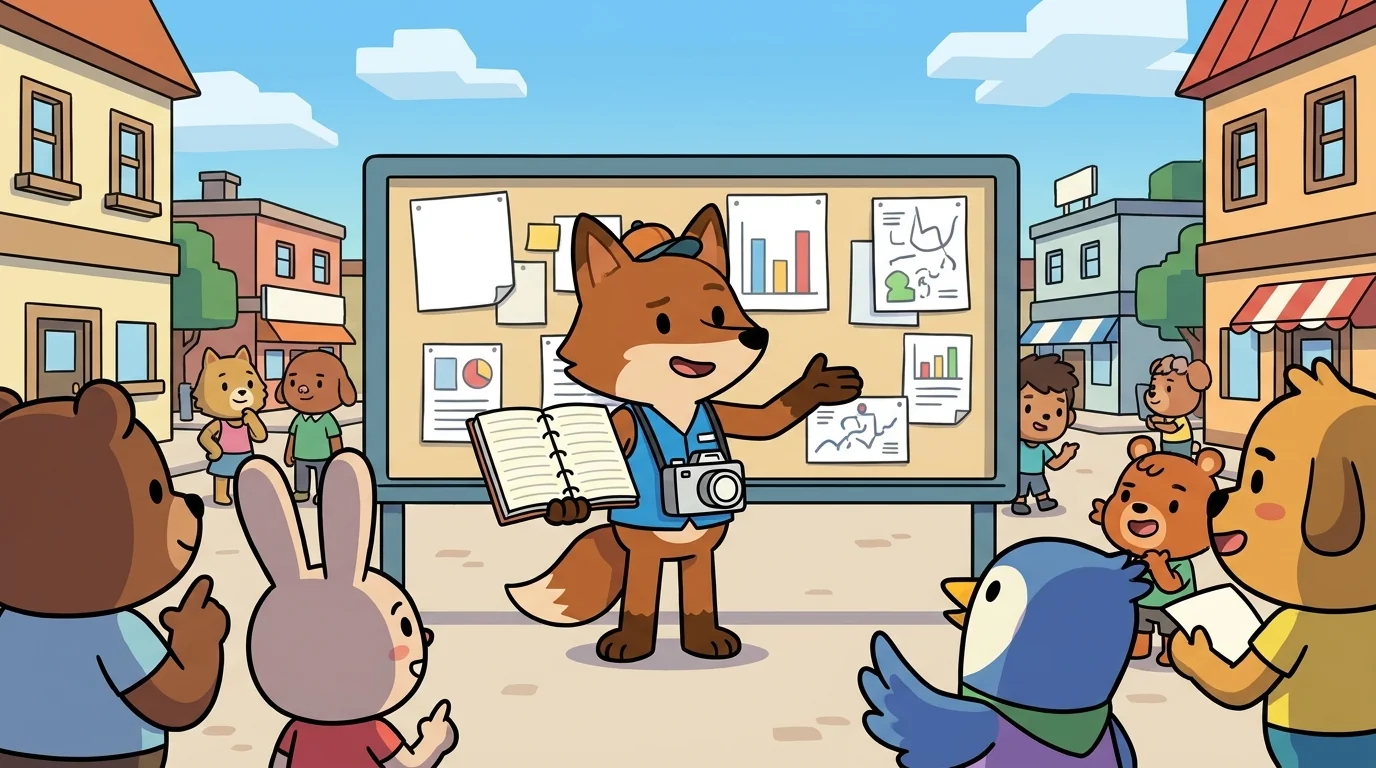
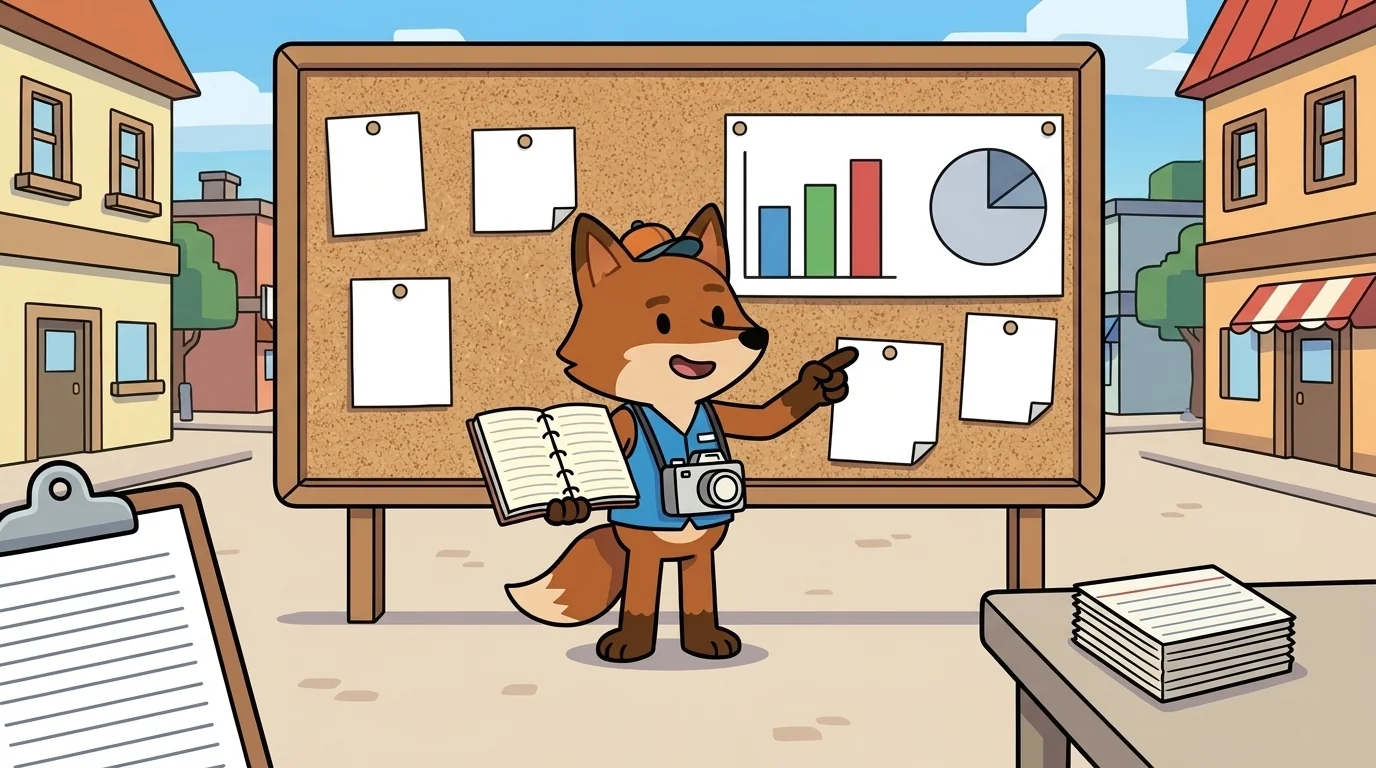
The bench went in. The shade went up. And now the Change Lab kids had to report back — to the class, the parks office, the neighbour. Most of them wanted to shape it into a clean, shining success. Ansel felt that pull as strongly as anyone; the wish to be seen having won is powerful. But Ansel is the friend who writes down what actually happened, and he had learned a hard thing about credibility: a report is only as trustworthy as its willingness to name what went wrong.
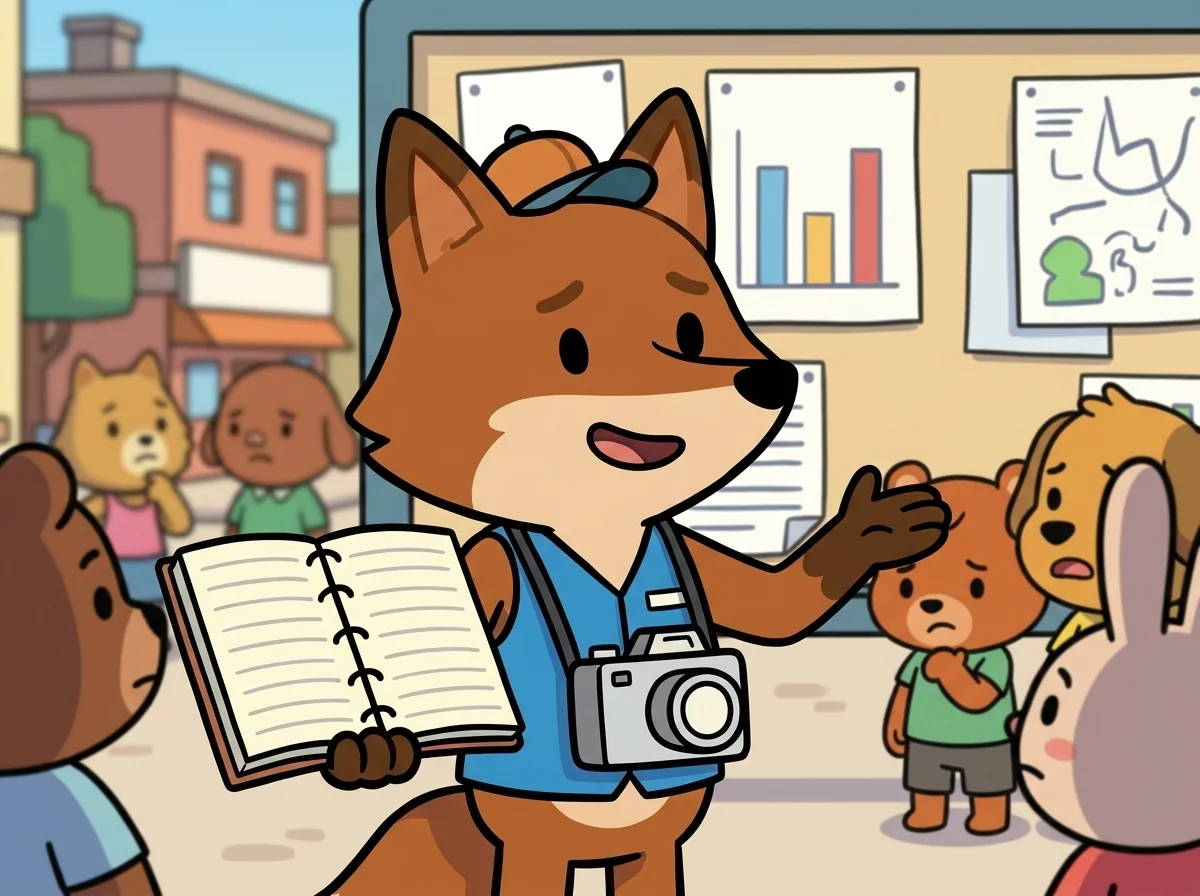
So as they drafted, Ansel gently insisted the flops stay in. "The bench is a hit and kids love the shade — lead with that, it's true," he said. "But we also guessed the timing wrong. We assumed the corner was hottest at noon; it's actually worst around three, and our shade sail is angled for the wrong hour." A couple of kids winced — did the mistake really have to go in the document? Ansel nodded, warmly. "Especially that. Bury it, and the next group pays full price to re-learn it. And once a reader catches one hidden flop, they stop trusting the wins, too."
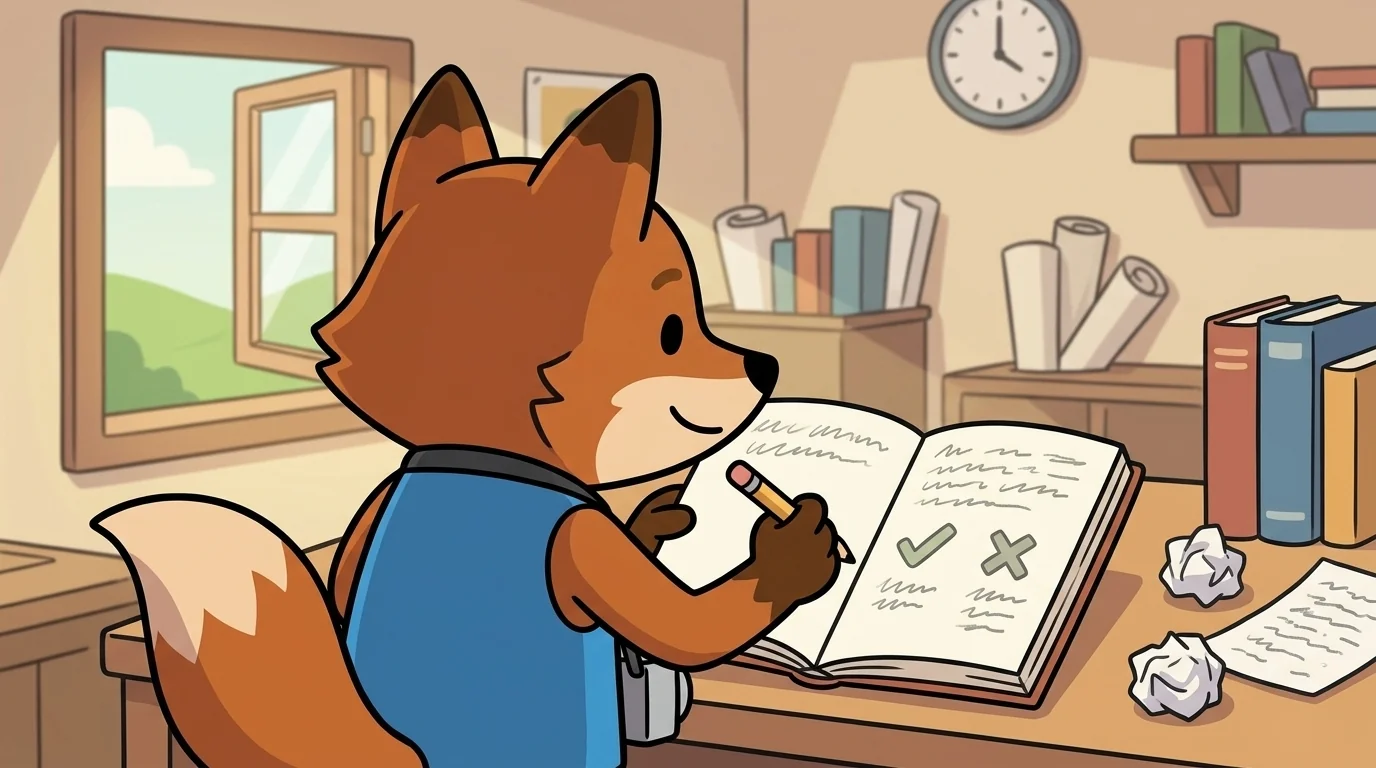
Here is what Ansel grasps that many adults don't: a report that is all wins isn't a report, it's an advertisement, and people can smell the difference from across the room. A document that says this worked, this flopped, here's what we'd change next time is something a decision-maker can actually act on — and, paradoxically, the honest negative makes the true positives shine brighter, because now every claim in the report is believable. Ansel felt something physically loosen as they wrote the honest version; a whole truth is lighter to carry than a polished half-truth you must keep propping up.
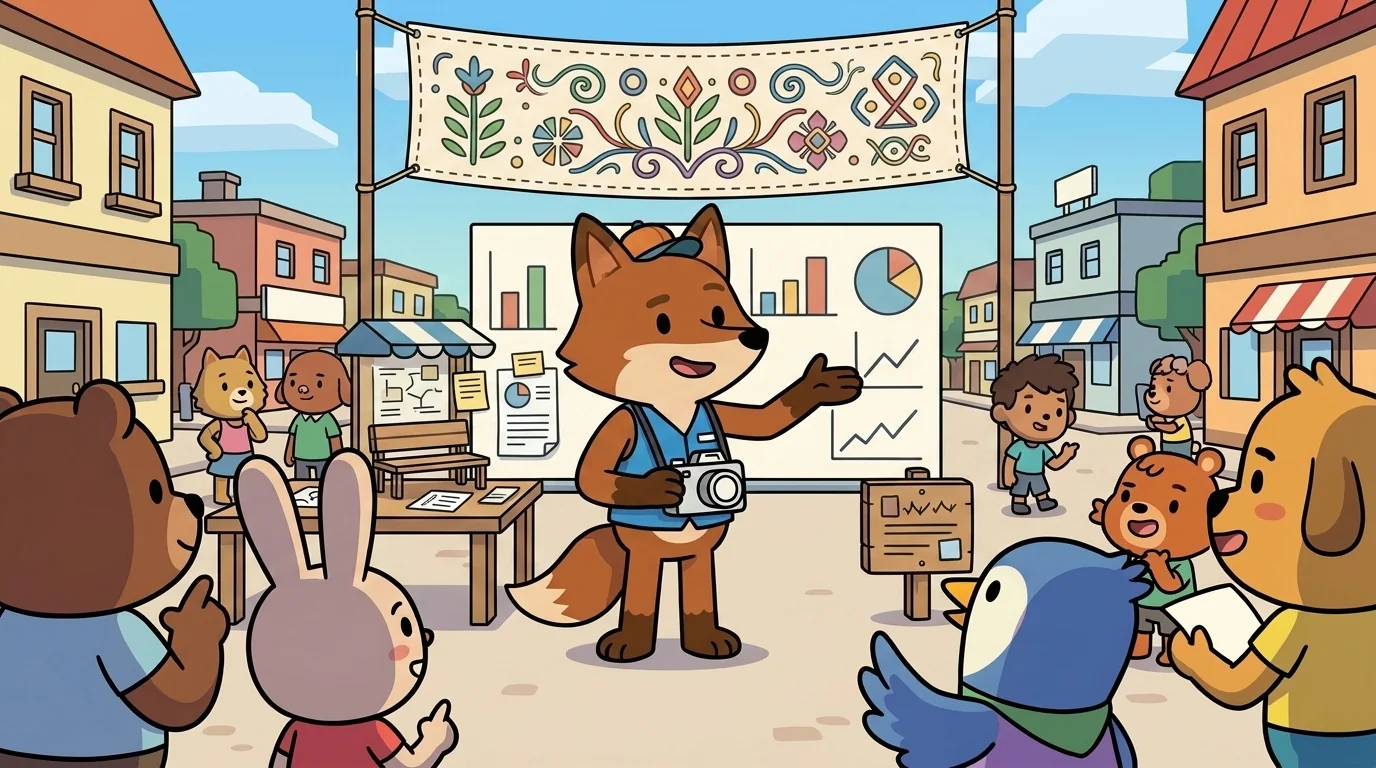
The finished report said the bench was a success, the shade helped, the afternoon angle was wrong, and the fix would be cheap. The parks office thanked them — precisely because the report was candid enough to be useful. Say it with Ansel, out loud: "Tell what worked and what flopped — both are true." The kid who'd wanted to hide the mistake said it, and looked, for a moment, unmistakably relieved.
That is honest reporting, and underneath it is a form of respect — for the people reading now, and for the next changemakers who will build on your work. Ansel never dresses a result up. State what worked, state what flopped, state what you'd change — and your report stops being a brag and becomes a gift. The whole truth, negatives included, is the single most useful thing you can hand the person who comes after you.
The CauseQuest ensemble
Ansel is part of CauseQuest's distributed-narrative cast. Each character embodies a different curricular primitive; together they teach the full subject.
-

Kwesi
the issue-framer — names a fixable mechanism to fix, never a person to blame
-

Bijan
the evidence-checker — spots the spin and checks who is behind a source
-

Wrenna
the stakeholder-mapper — asks who is affected AND who can decide
-
Tavi
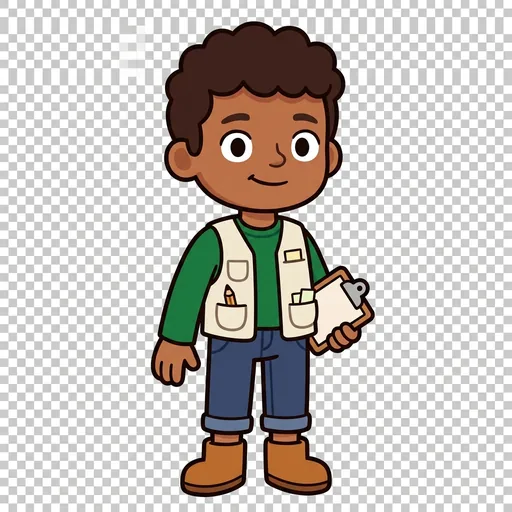
the feasibility-checker — turns a big wish into a real first step
-

Miko
the fair listener — hears the other side and makes the plan better