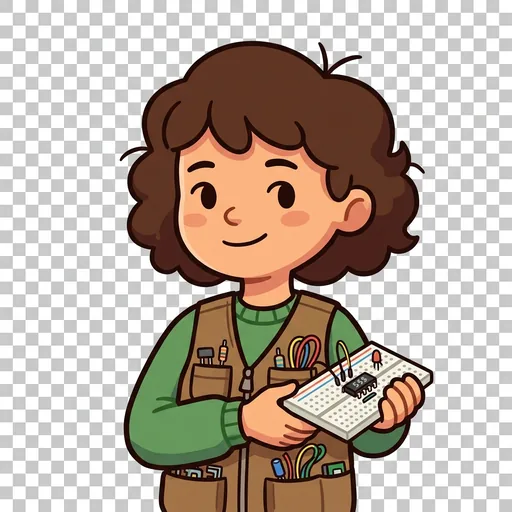
Kwesi
FRAME THE FIXABLE — *point at the thing you can change, not a person to blame; a good question names a mechanism, not a villain.*
Loading audio…
Press play to listen along. The line being read lights up as you go.
Show full transcript
Loading transcript…
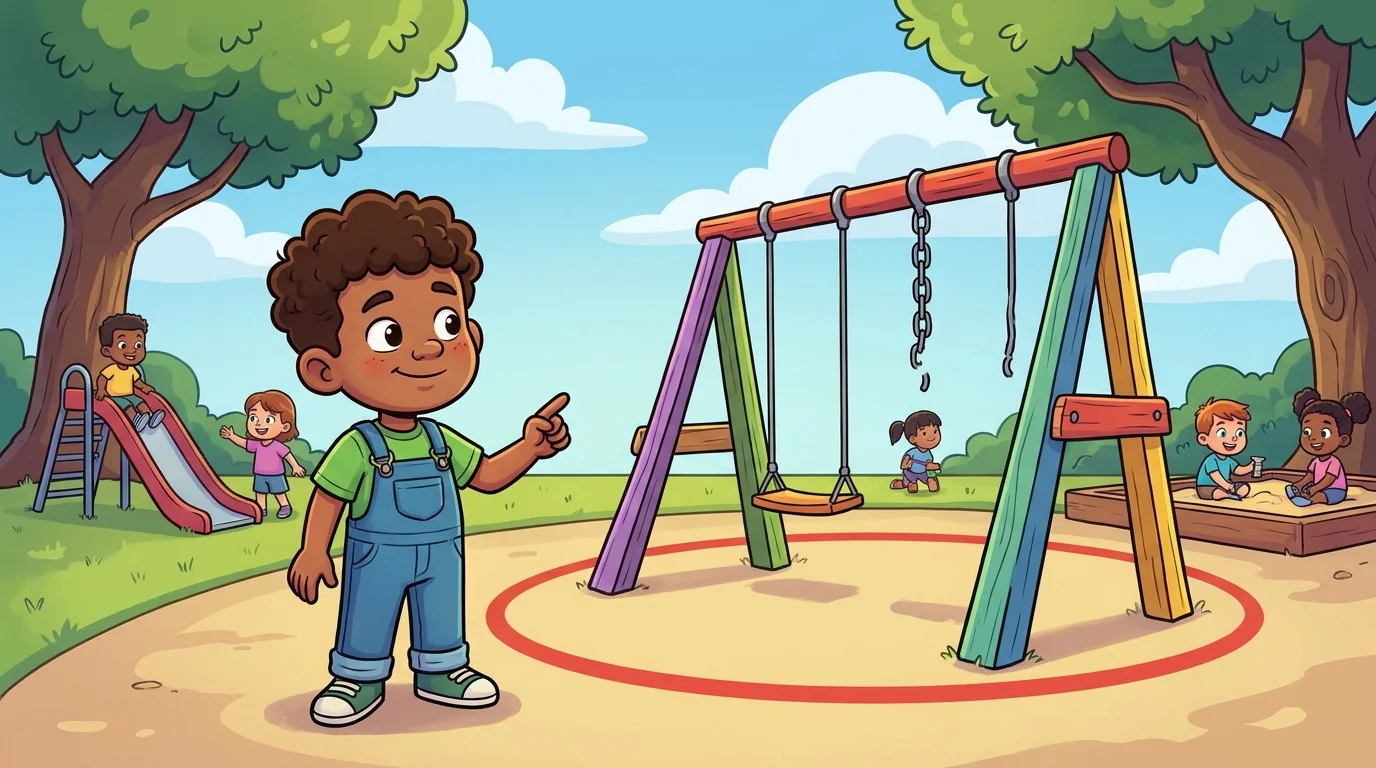
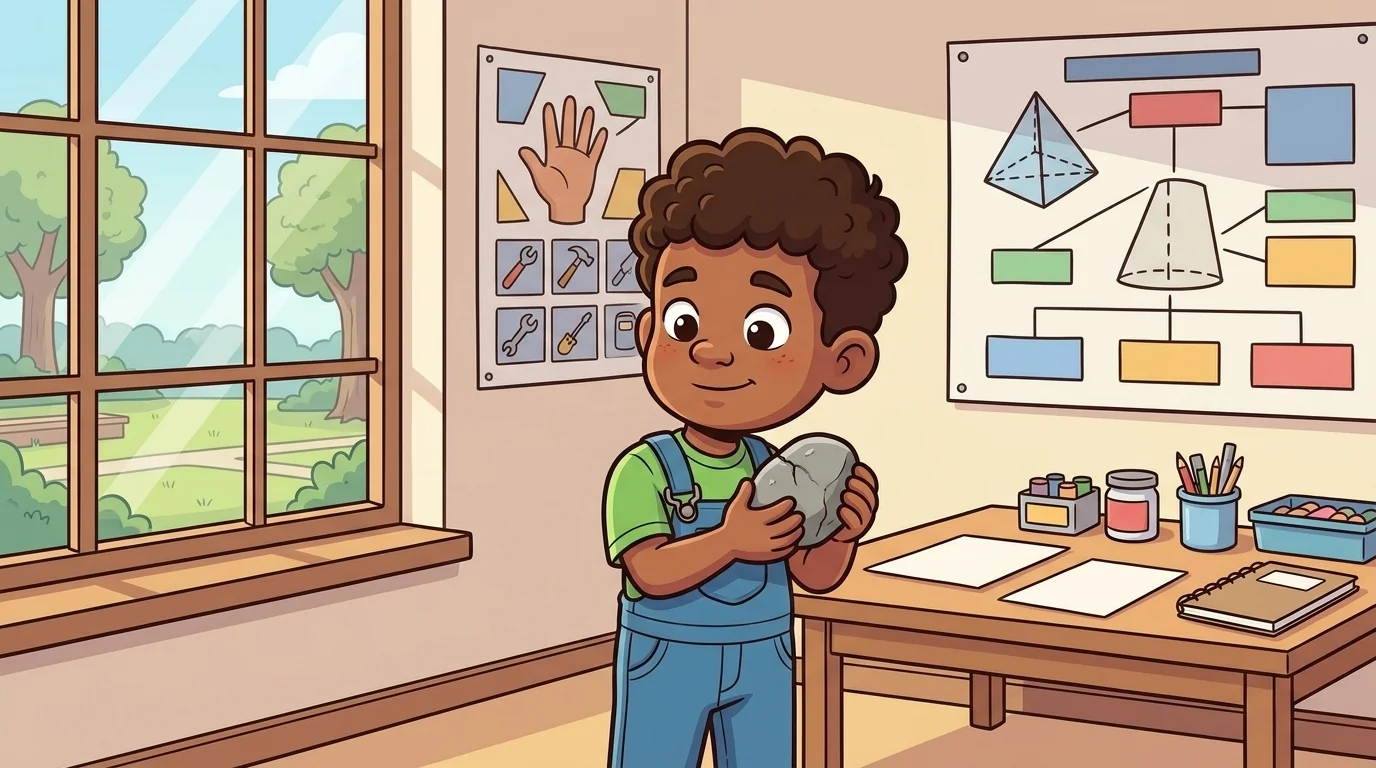
The Change Lab is a bright corner room where kids bring the things that bug them about their school or park, and try to actually fix one. Kwesi is the friend who taught everyone how to start. He shows up with a notebook and a calm face, and the first thing he does with any complaint is turn it over in his hands like a stone, looking for the part that can change.
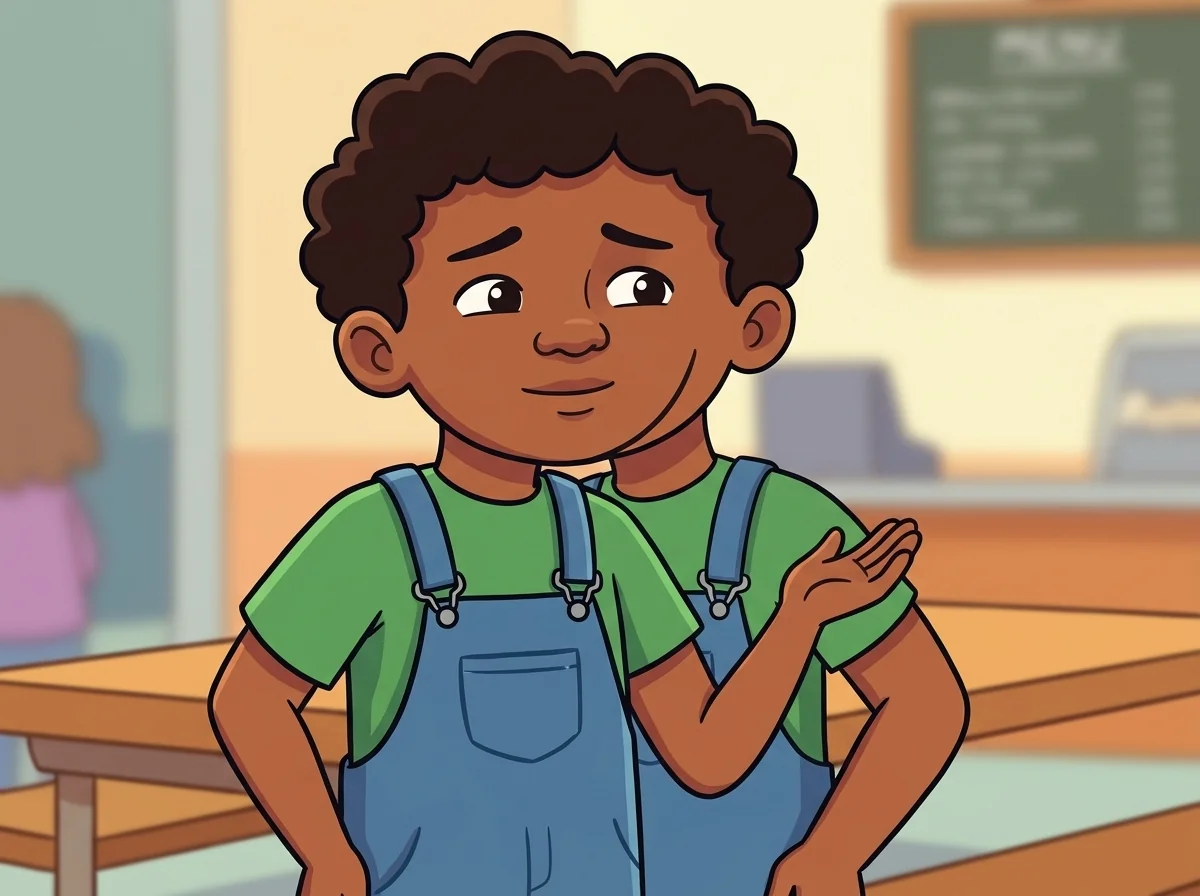
One Monday a kid stormed in, arms crossed, and said, "The lunch line is the worst and it's all because the monitors are so slow." You could feel the heat coming off the words. Kwesi didn't argue and he didn't take sides. He just felt the frustration sitting in the room and gently made space for it. "That sounds really annoying — waiting when you're hungry," he said. "Can I try asking it a different way?" He wrote on the board: Why does the lunch line take so long? No monitors, no blame. Just the thing itself.
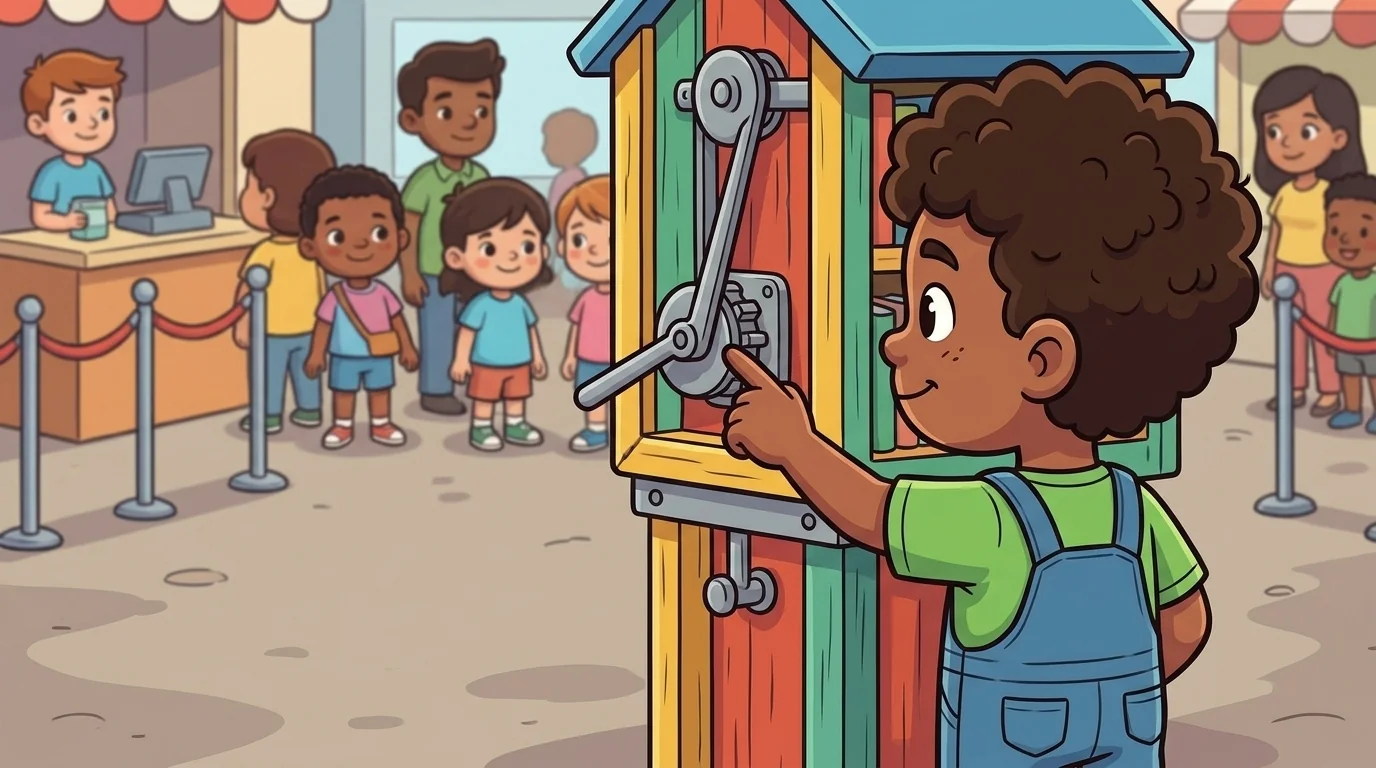
That small swap changed everything, and Kwesi could feel his own shoulders drop when he made it. Blaming a person is a dead end — you can't fix a person, and it only starts a fight. But "why does the line take so long" is a door. Maybe there's one cash register for four hundred kids. Maybe the trays are stacked across the room. Those are knobs — things a person could actually turn. Kwesi loves that feeling, the quiet click of a problem turning from a wall into a door.
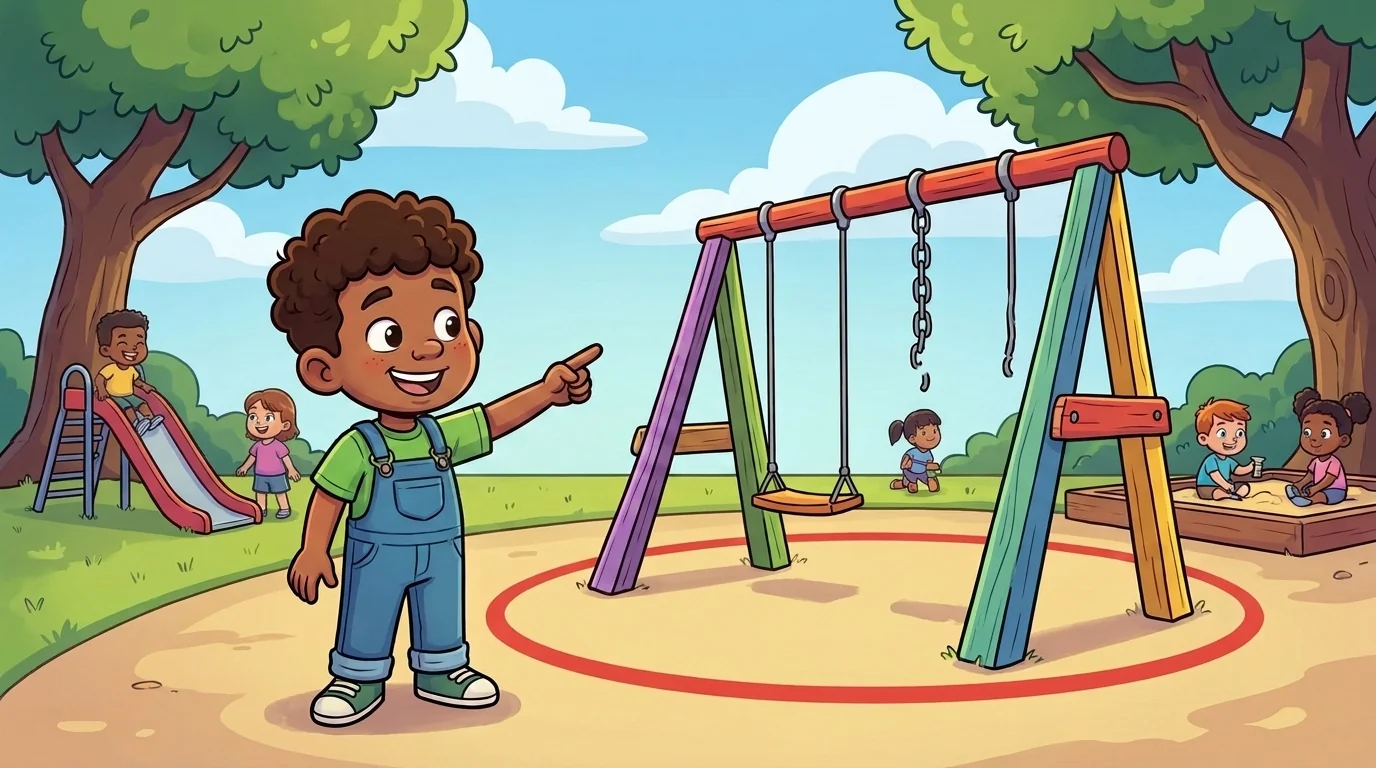
The kid uncrossed their arms and stared at the new question. "So... it's not that they're slow. It's that there's only one register." "Maybe!" said Kwesi, grinning. "Now we have something to check. And nobody has to be the bad guy." Say it with Kwesi, out loud: "Name the thing you can fix, not a person to blame." The kid said it, half-laughing, and you could hear the anger let go of them a little.
That is framing the fixable, and it is really a way of aiming your energy at something that can move. Kwesi never pretends a feeling isn't real — being mad is allowed. He just doesn't leave the mad pointed at a person, where it can't do any good. Point it at the mechanism, at the knob, at the why, and suddenly a complaint becomes a question a group of kids can chase together. Start there, and the fixing can actually begin.
The CauseQuest ensemble
Kwesi is part of CauseQuest's distributed-narrative cast. Each character embodies a different curricular primitive; together they teach the full subject.
-

Bijan
the evidence-checker — spots the spin and checks who is behind a source
-

Wrenna
the stakeholder-mapper — asks who is affected AND who can decide
-
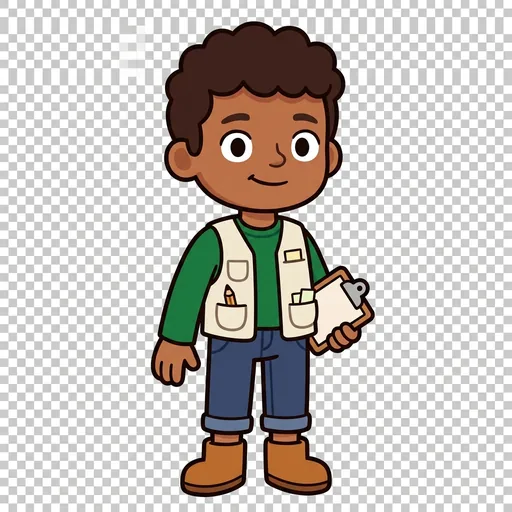
Tavi
the feasibility-checker — turns a big wish into a real first step
-

Miko
the fair listener — hears the other side and makes the plan better
-

Ansel
the honest reporter — shares what happened, including what did not work