
Miko
STEELMAN — *say the other side's best point out loud, honestly, and let it make your own plan stronger instead of weaker.*
Loading audio…
Press play to listen along. The line being read lights up as you go.
Show full transcript
Loading transcript…
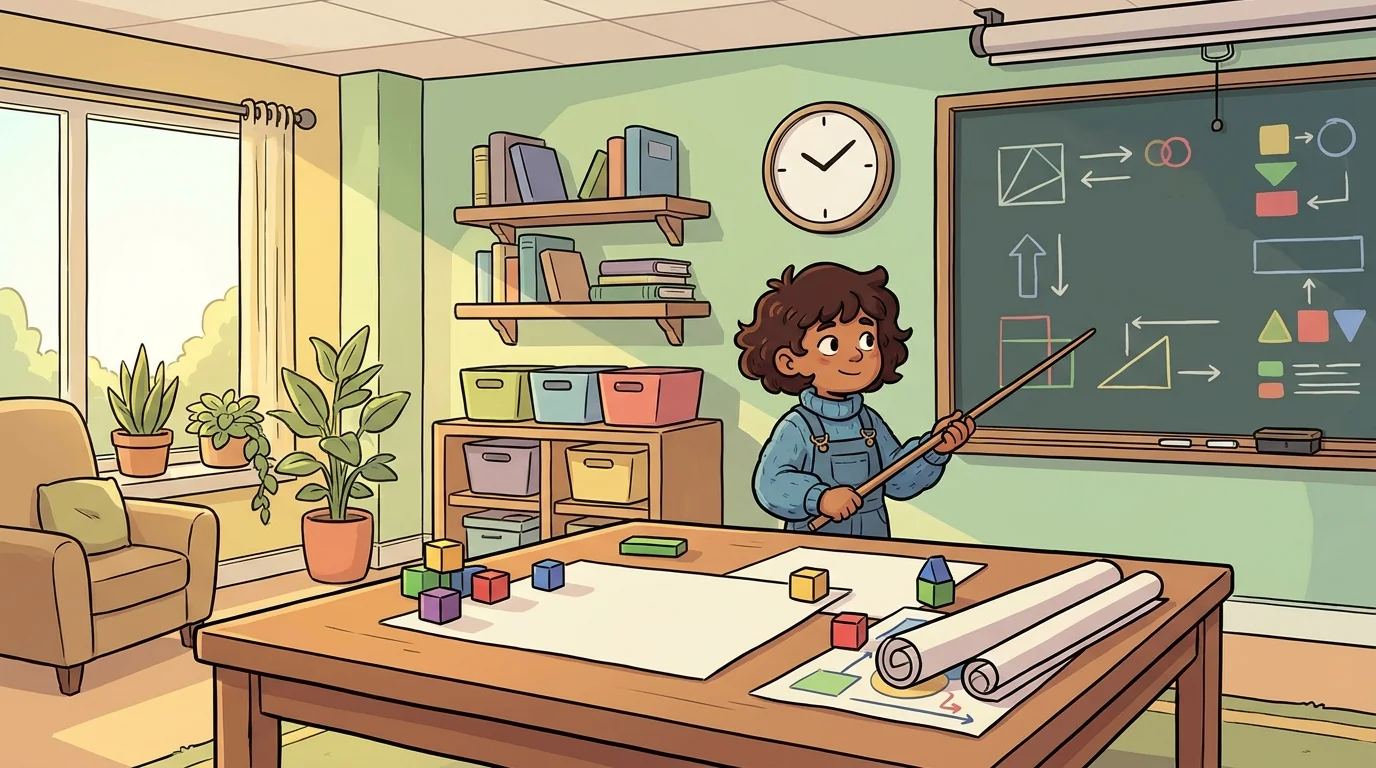
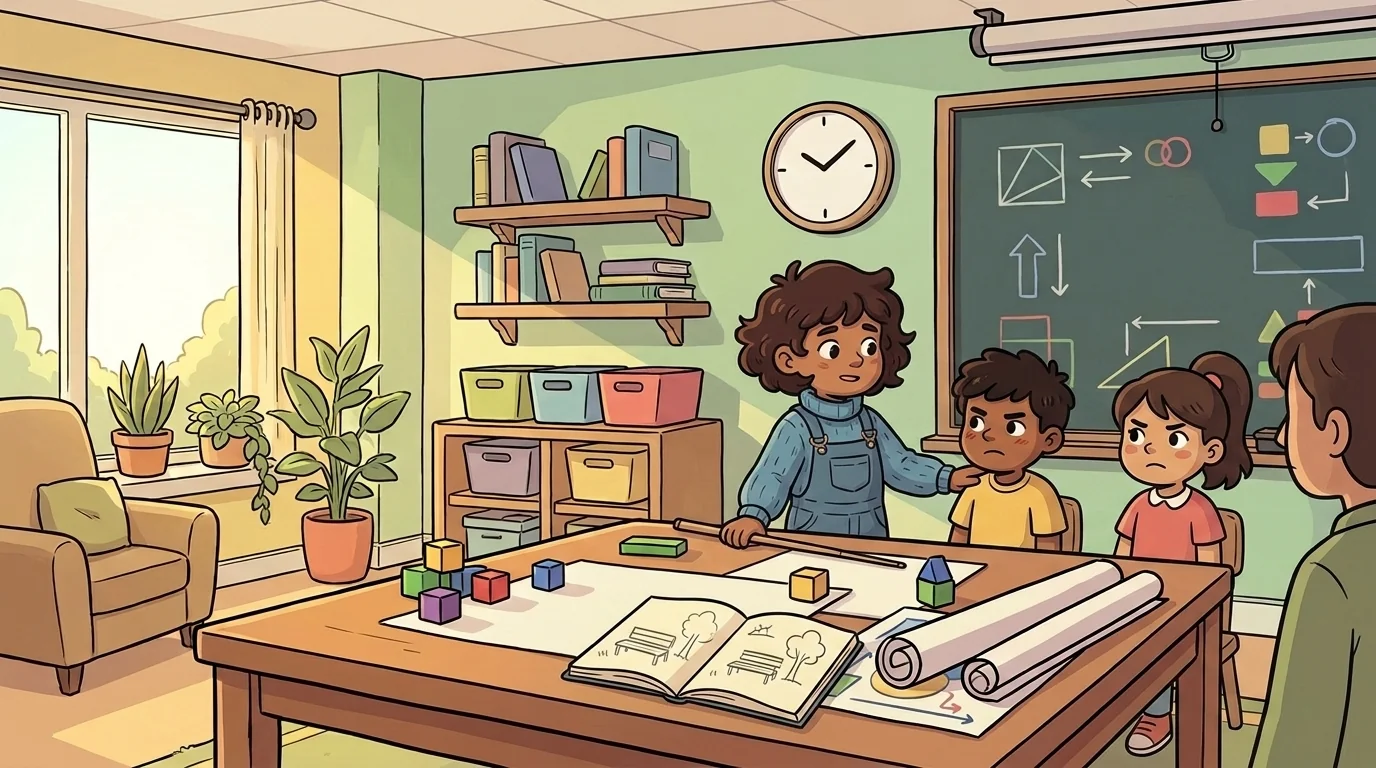
The Change Lab kids were ready to ask the parks office for a bench and shade — until the neighbor whose window faced the corner said, flatly, "No. Kids will gather there at night and make noise." A few kids groaned; one wanted to counter-argue immediately. Miko felt the room tense, and Miko does the counter-intuitive thing when a room tenses: he leans toward the disagreement rather than away, because he has learned that an objection is data about where a plan is weak, and data is not the enemy.
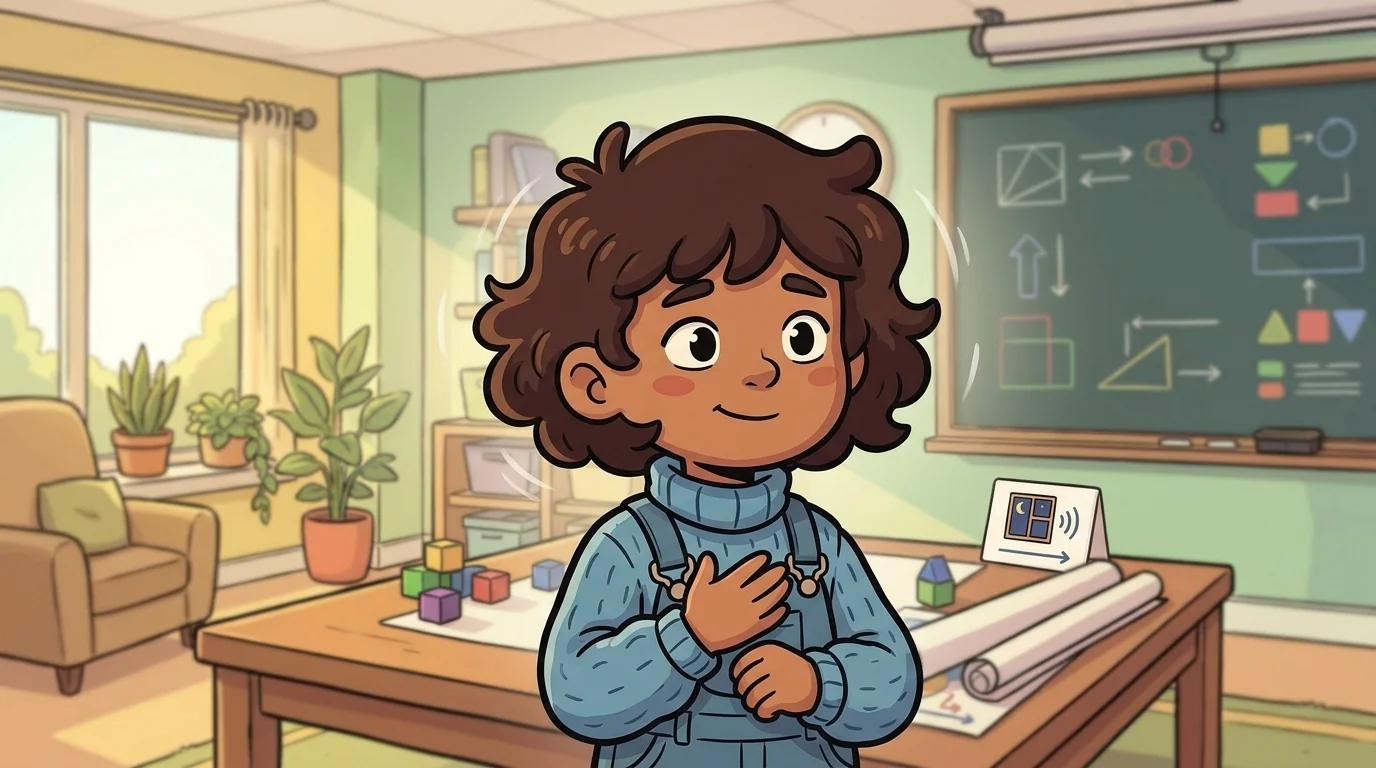
He didn't fire back and he didn't fold. He asked the neighbor to say more, and he listened in the demanding way — trying to reconstruct her reasoning rather than waiting for his turn to talk. Then he did the bravest small thing in the whole project: he restated her point in its strongest form. "So the worry isn't the bench itself — it's noise at night, right under your window, when you're trying to sleep. That's a fair thing to protect. I'd hate that too." Saying it honestly cost him nothing and steadied him, because a vague threat had just become a specific, solvable constraint.
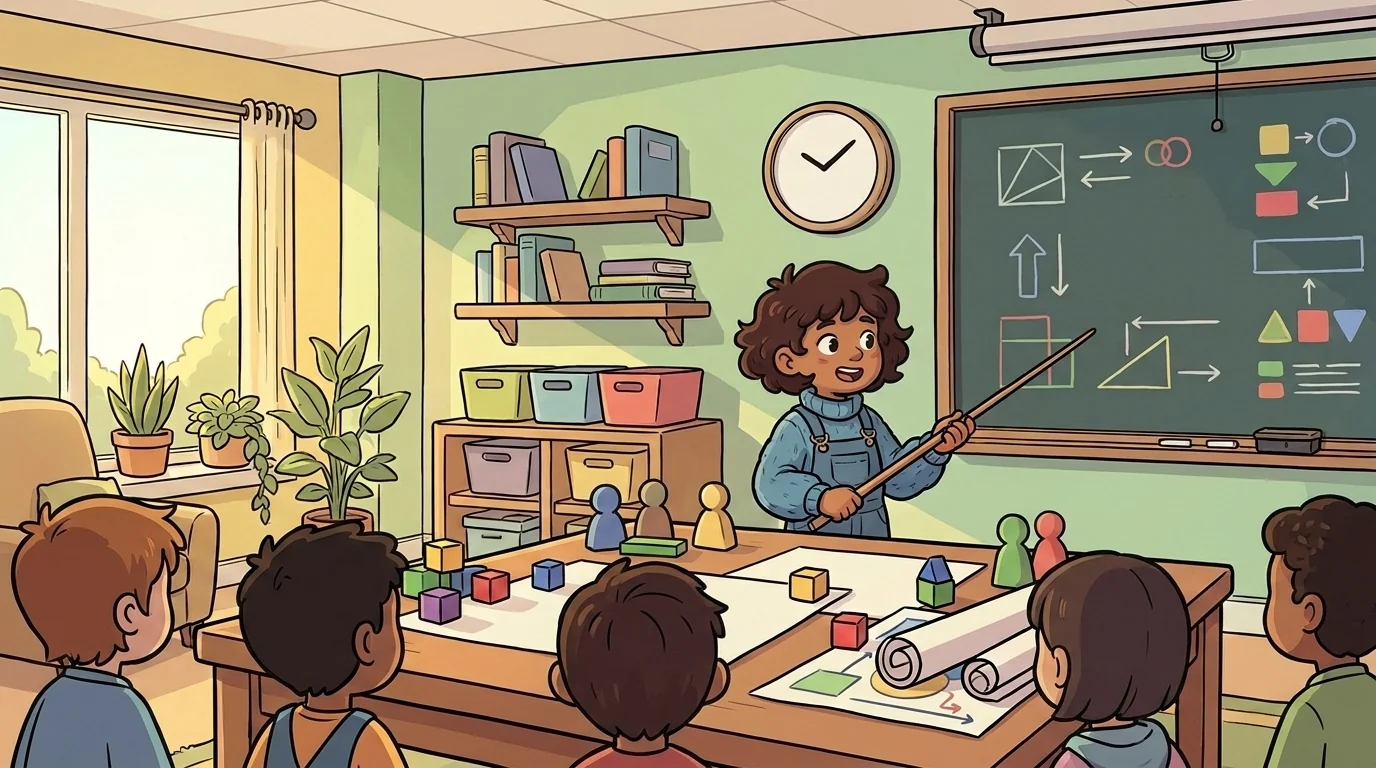
This is the move Miko prizes, and it has a name: steelmanning, the opposite of the far more common straw-man. To straw-man is to repeat an opponent's flimsiest version so it topples at a touch — satisfying, and useless. To steelman is to build their case up to its most reasonable form and then test your plan against that, on the logic that a plan which can't survive the best objection was never actually ready. "We're not here to win the argument," he reminded the group, kindly. "We're here to build something that works for the corner — her included."
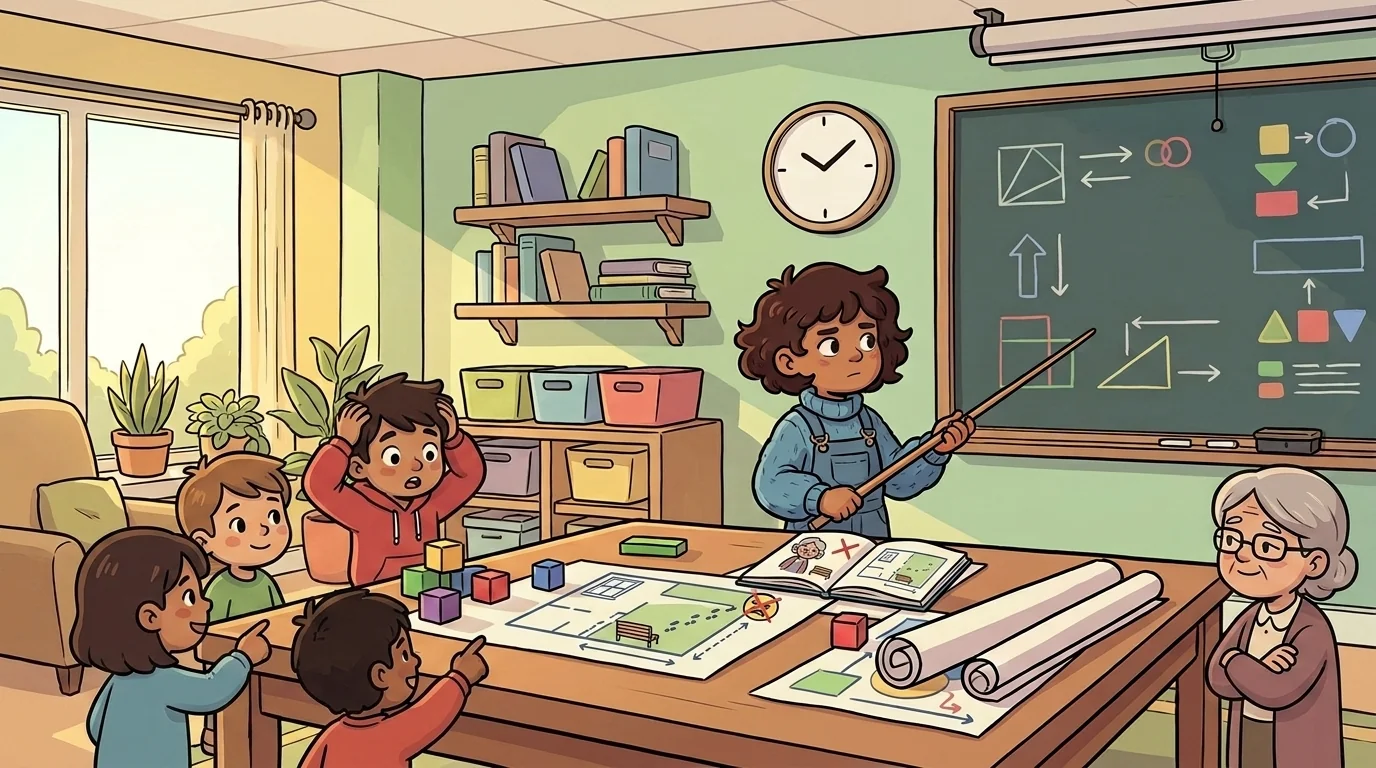
And here is what the strong objection did: it improved the design. The kids added "no lights after dusk" and shifted the bench several steps further from the window. The neighbor, braced for a fight, softened — because someone had genuinely represented her, not caricatured her. Say it with Miko, out loud: "Hear the other side; it makes your plan wiser." The kid who'd wanted to argue said it slowly, and you could watch him realize that listening hadn't cost him the plan — it had load-tested it.
That is fair listening, and underneath it is a form of courage most people mistake for weakness. Miko isn't being wishy-washy and he isn't surrendering his goal; he is confident enough to let a good objection sharpen his own idea. State the other side's best point out loud, mean it, and then engineer a plan that answers it. You don't lose ground by listening — you end up with something sturdy enough to stand where a flimsier version would have fallen.
The CauseQuest ensemble
Miko is part of CauseQuest's distributed-narrative cast. Each character embodies a different curricular primitive; together they teach the full subject.
-
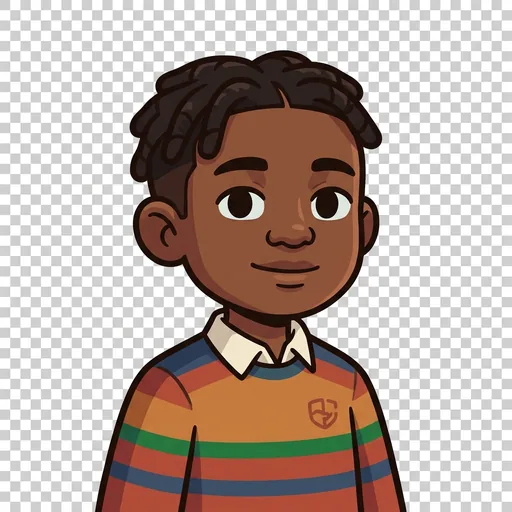
Kwesi
the issue-framer — names a fixable mechanism to fix, never a person to blame
-
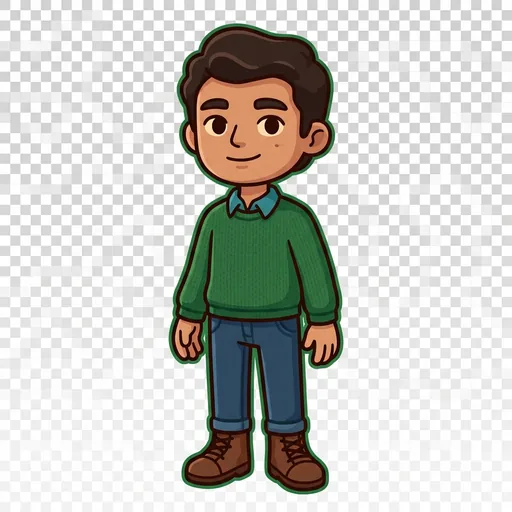
Bijan
the evidence-checker — spots the spin and checks who is behind a source
-
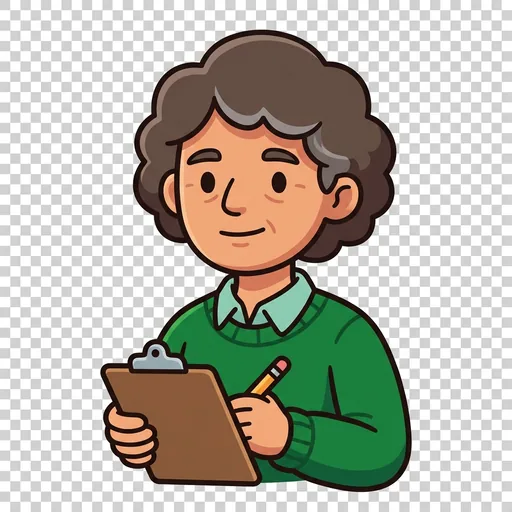
Wrenna
the stakeholder-mapper — asks who is affected AND who can decide
-
Tavi
the feasibility-checker — turns a big wish into a real first step
-
Ansel
the honest reporter — shares what happened, including what did not work