
Wrenna
MAP WHO — *list everyone the issue touches AND the person who can actually say yes; a plan that skips the decider stays a wish.*
Loading audio…
Press play to listen along. The line being read lights up as you go.
Show full transcript
Loading transcript…
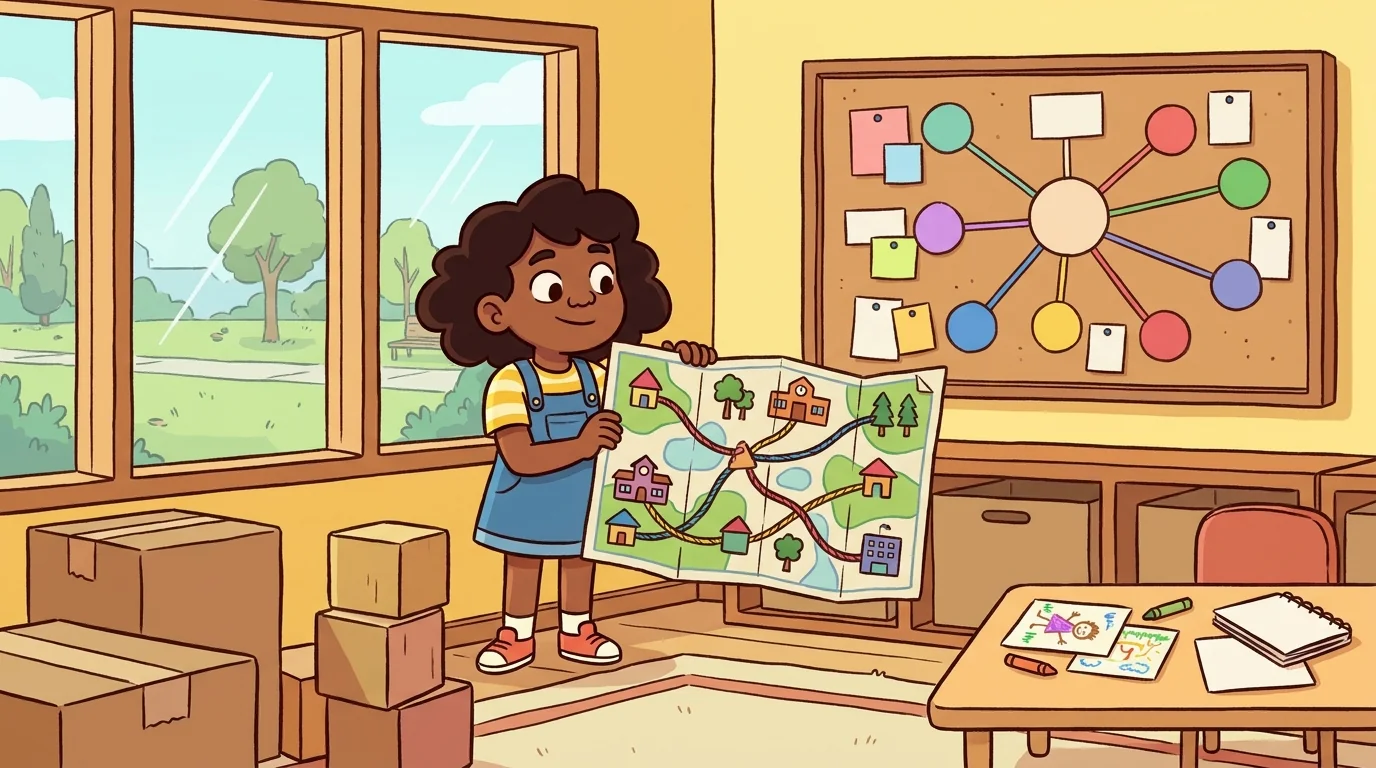
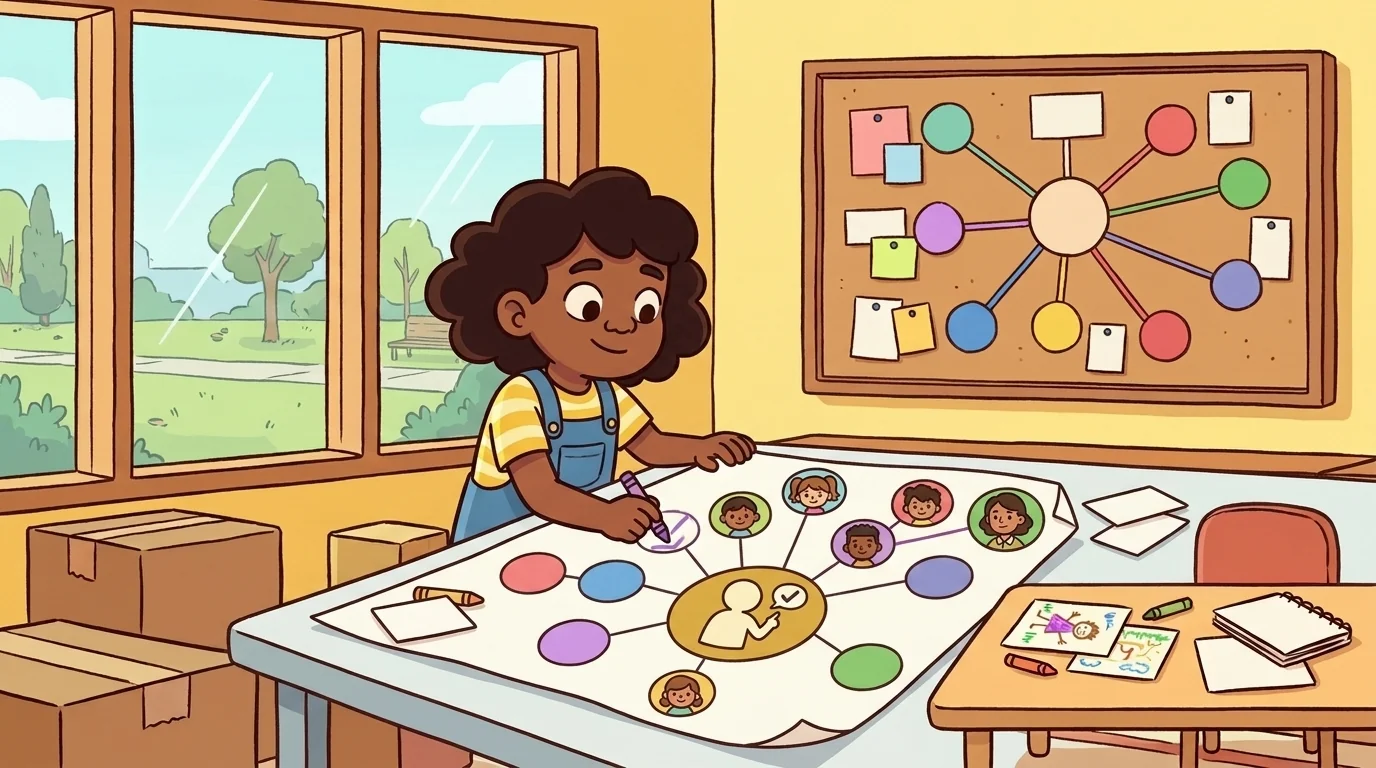
The Change Lab kids had a sharp question and real facts, and now they wanted to act — put a bench and some shade at the park's hot corner. That is exactly where Wrenna leaned in. She keeps a habit that looks slow and saves everyone downstream: before anyone designs a single thing, she maps not the place but the people — the full set of parties a change will touch, and, separately, the one who holds the authority to approve it.
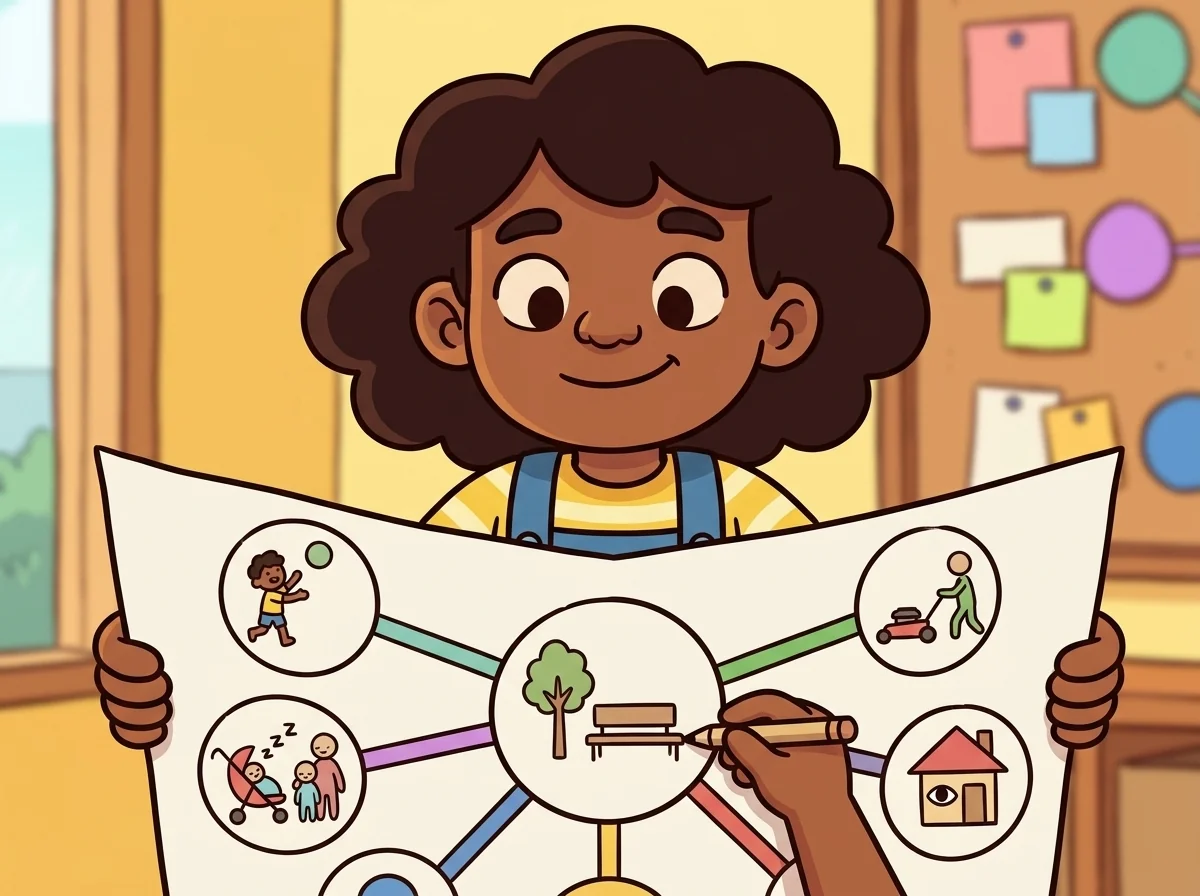
She spread a big sheet, wrote the issue in the centre, and began circling names around it. "Who does this touch?" she asked, and her voice was warm, as if she genuinely wanted to meet each of them. Kids who play there. Toddlers who nap in strollers. The groundskeeper who'd have to mow around a new bench. The neighbour whose window faces the corner. With every name the picture widened, and Wrenna liked the feeling of the plan getting truer — a design that has accounted for who it affects is a design far less likely to be ambushed later.
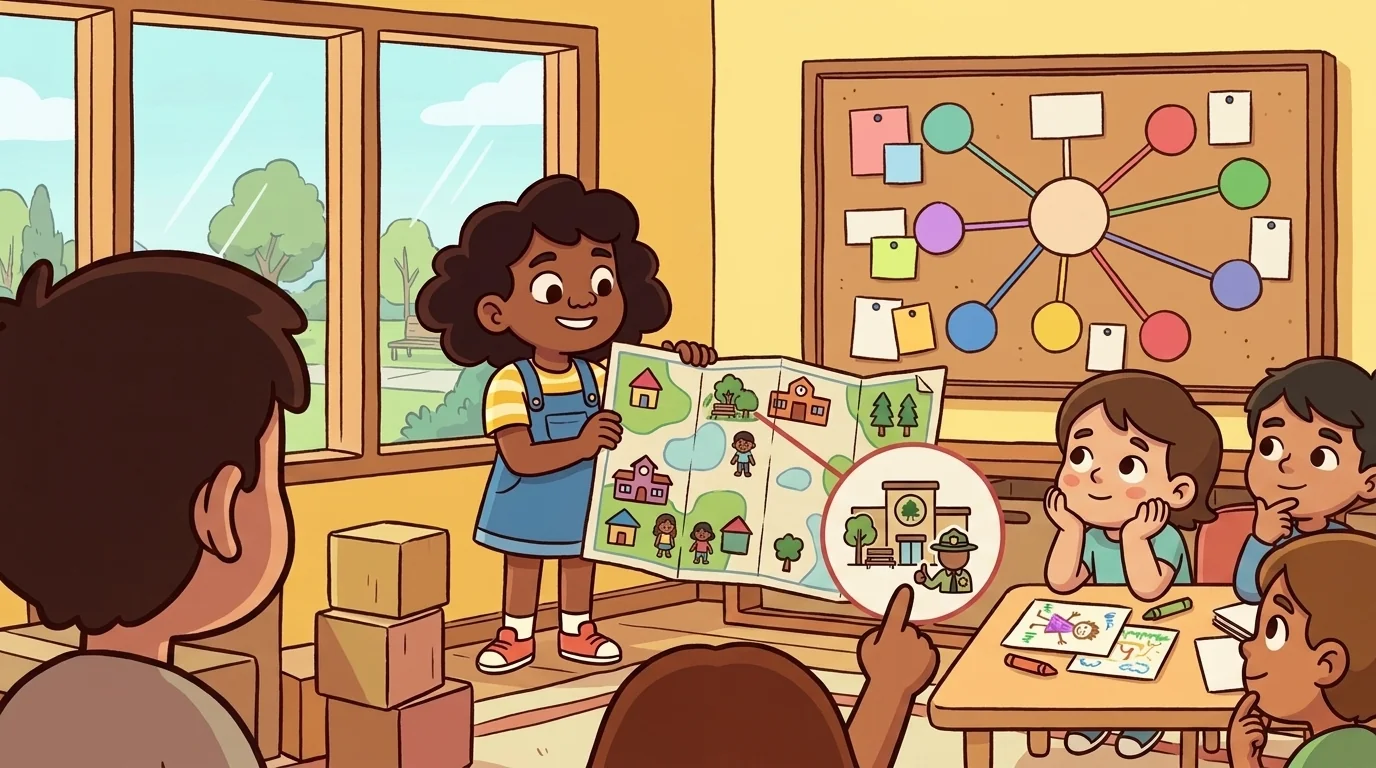
Then she drew a second kind of circle, set apart, and this one carried the most weight. "And who can actually say yes?" The group had been on the verge of marching up to a teacher — but the park wasn't the school's; it belonged to the town, and the person empowered to approve a bench worked at a parks office none of them had once pictured. Distinguishing everyone affected from the one who can decide is the difference between a petition that lands on the right desk and one that never leaves the building. Wrenna made nobody feel foolish for missing it. "This is the step almost everyone skips," she said. "A plan with no decision-maker is just a very well-researched wish."
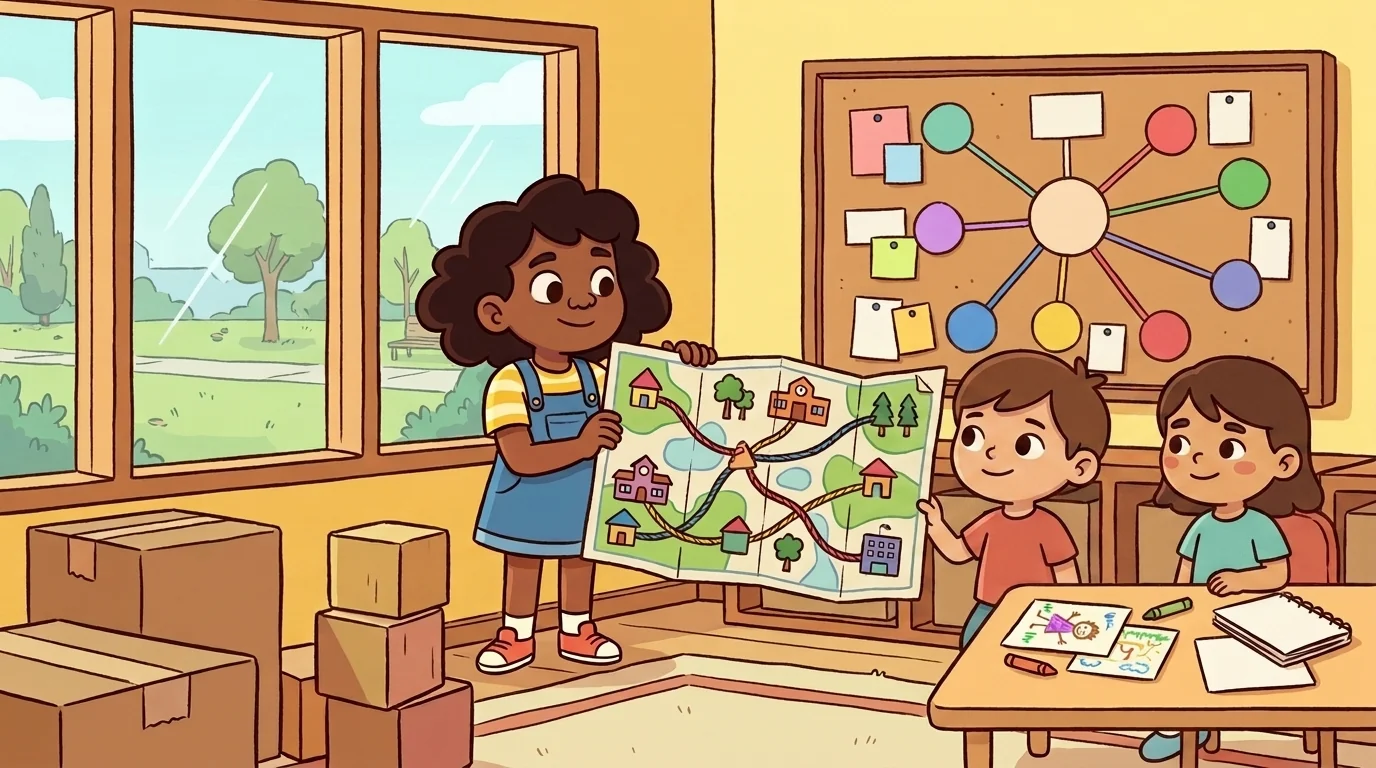
One kid frowned: "But the neighbour might hate the whole idea. Do we still put her on the map?" "Especially her," Wrenna said, and meant it gently. "If she's on the map, we can talk to her first instead of being blindsided later. The map isn't there to take a side — it's there so no one gets left out of the conversation, whichever way they lean." Say it with Wrenna, out loud: "Who does it touch, and who can say yes?" Saying it, the kid's frown eased; a tangle had resolved into a list.
That is mapping the stakeholders, and underneath it is a way of being fair and effective in the same motion. Wrenna's map keeps a group from charging at the wrong person, and it keeps them from forgetting the quiet people a change would quietly touch. Name everyone it affects, then locate the one who can decide — and a good idea finally knows where to go. Once the whole map is on the page, the worry shrinks, because nothing important is left hiding in the margins.
The CauseQuest ensemble
Wrenna is part of CauseQuest's distributed-narrative cast. Each character embodies a different curricular primitive; together they teach the full subject.
-
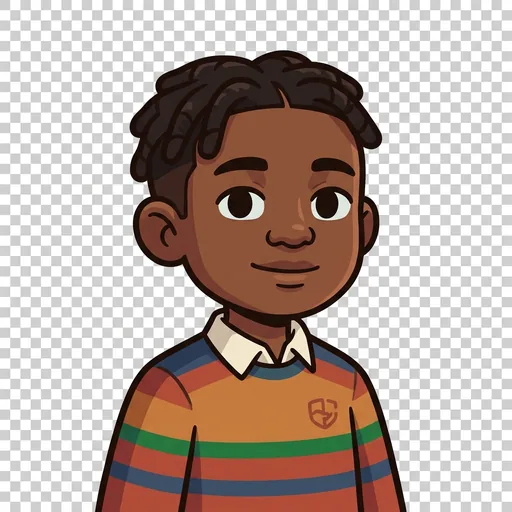
Kwesi
the issue-framer — names a fixable mechanism to fix, never a person to blame
-
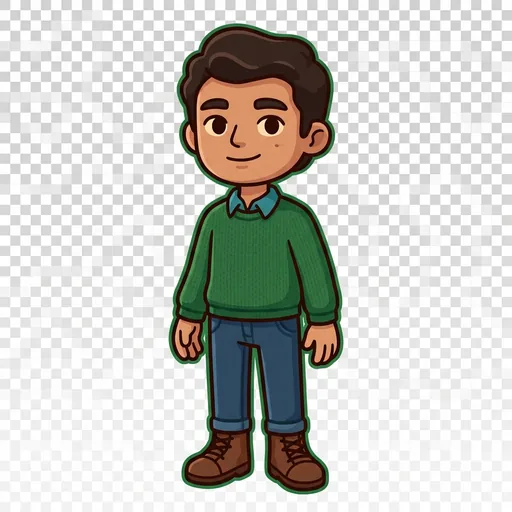
Bijan
the evidence-checker — spots the spin and checks who is behind a source
-
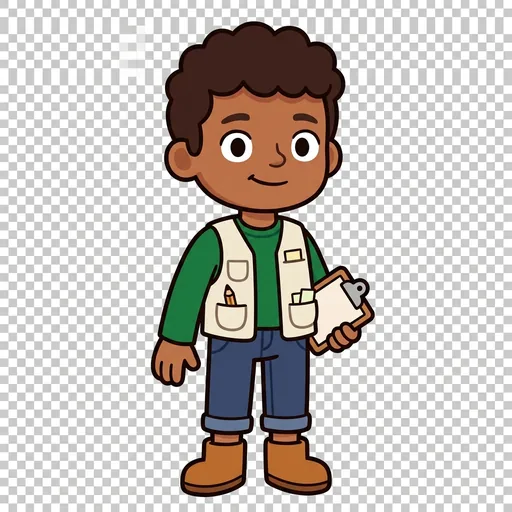
Tavi
the feasibility-checker — turns a big wish into a real first step
-
Miko
the fair listener — hears the other side and makes the plan better
-
Ansel
the honest reporter — shares what happened, including what did not work