Ask
ASK — *whose story is this and who gets to tell it? descendant-community partnership.*
Loading audio…
Press play to listen along. The line being read lights up as you go.
Show full transcript
Loading transcript…
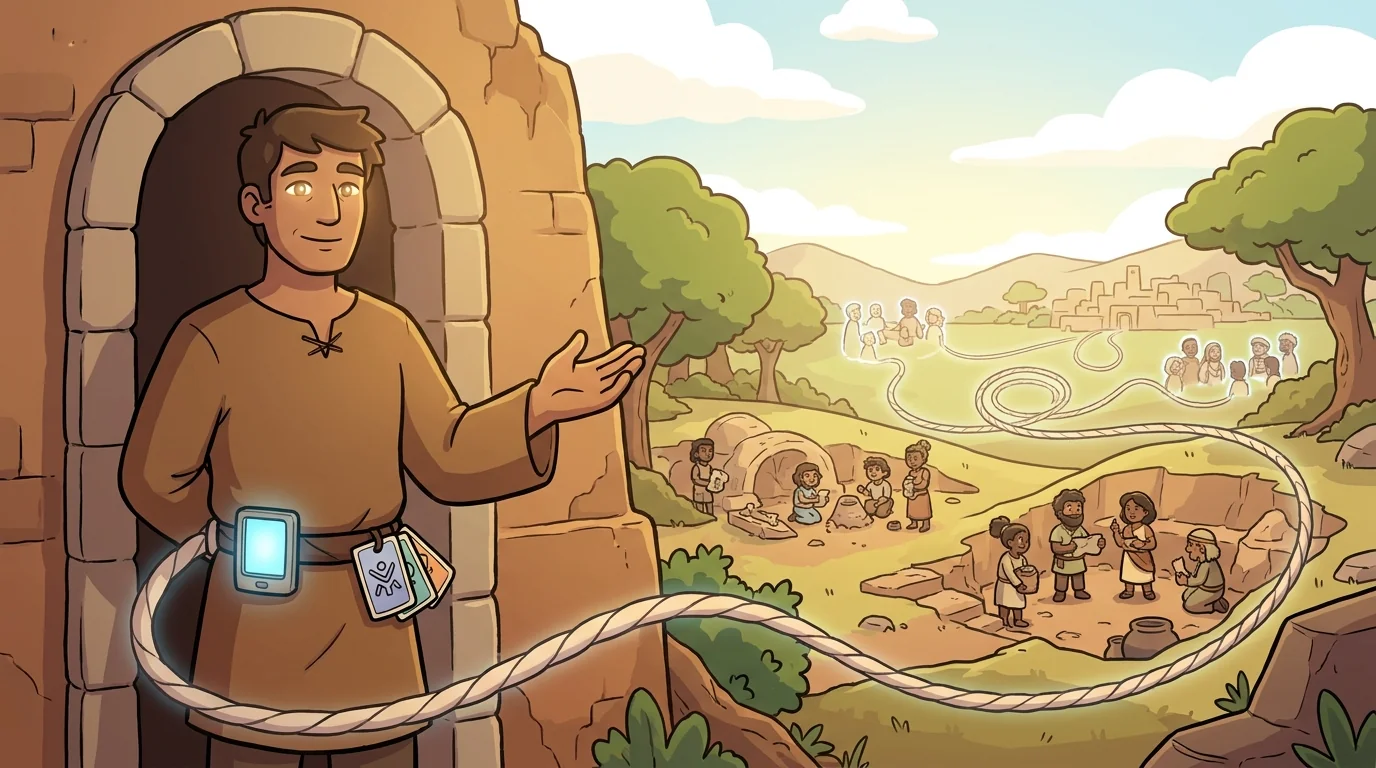
Ask is a grown-up — tall, kind, always seeming to stand in a doorway, ready to welcome. They wear a simple comfy tunic, and their eyes hold a steady, warm light. They carry a set of partnership-cards, a small glowing screen on their belt that shows the important rules, and a long soft line stretching from it that seems to connect them to many faraway communities.
Ask's whole craft is the question that comes before every other question: descendant-community partnership. "Whose story is this?" they say. "And who gets to tell it?" Most people picture archaeology as just digging up old things — and old communities as people you ask for help. Ask knows it's the reverse. The people whose ancestors lived in a place first have the first say about what's found there. "Before you dig, you ask," Ask says gently. "Before you touch ancestors' bones, you stop — rules like NAGPRA and UNDRIP say those bones are not yours, and sacred objects are not yours. Before you tell the story, you ask whose story it is. This question goes before every other question."
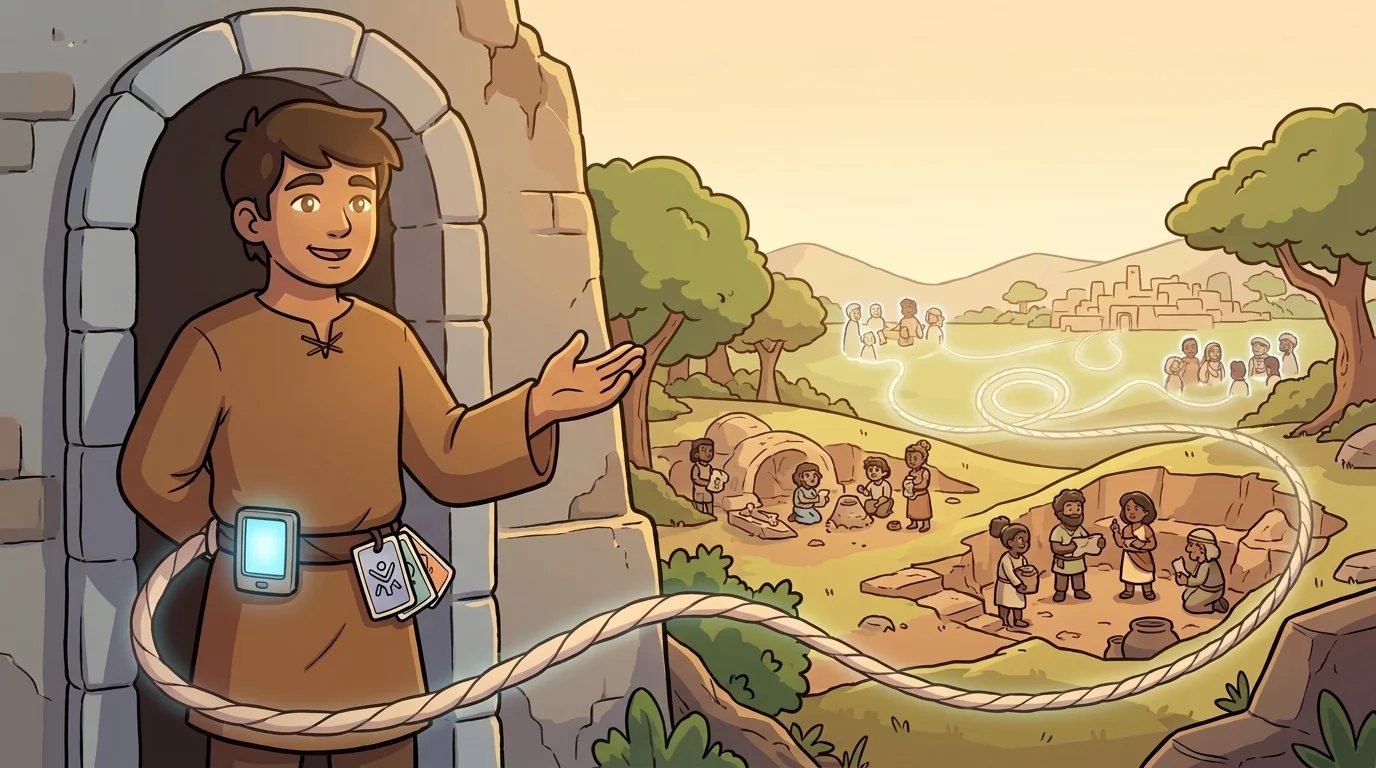
Ask learned this at a doorway, long before they ever held a partnership-card.
"My family always guarded doorways," Ask says — "not wooden doors, but the idea of them." "The doorway is where you start," their grandmother used to say, standing in one. "Whose space is this? Whose story? Who gets to decide?" Ask carried those three questions everywhere.
And they learned why the questions mattered by learning what happened when nobody asked. Long ago, some diggers didn't ask — they dug up burial sites, took ancestors' bones and sacred objects, and shipped them to faraway museums, never asking the families, never saying sorry. "Imagine strangers digging up your great-great-great-grandparents," Ask says quietly, "and carrying them away, and no one asking you." That wrong was done by the people with the shovels and the power — never the fault of the communities it was done to — and it caused deep grief that lasted generations. "That," Ask says, "is why the question has to come first."
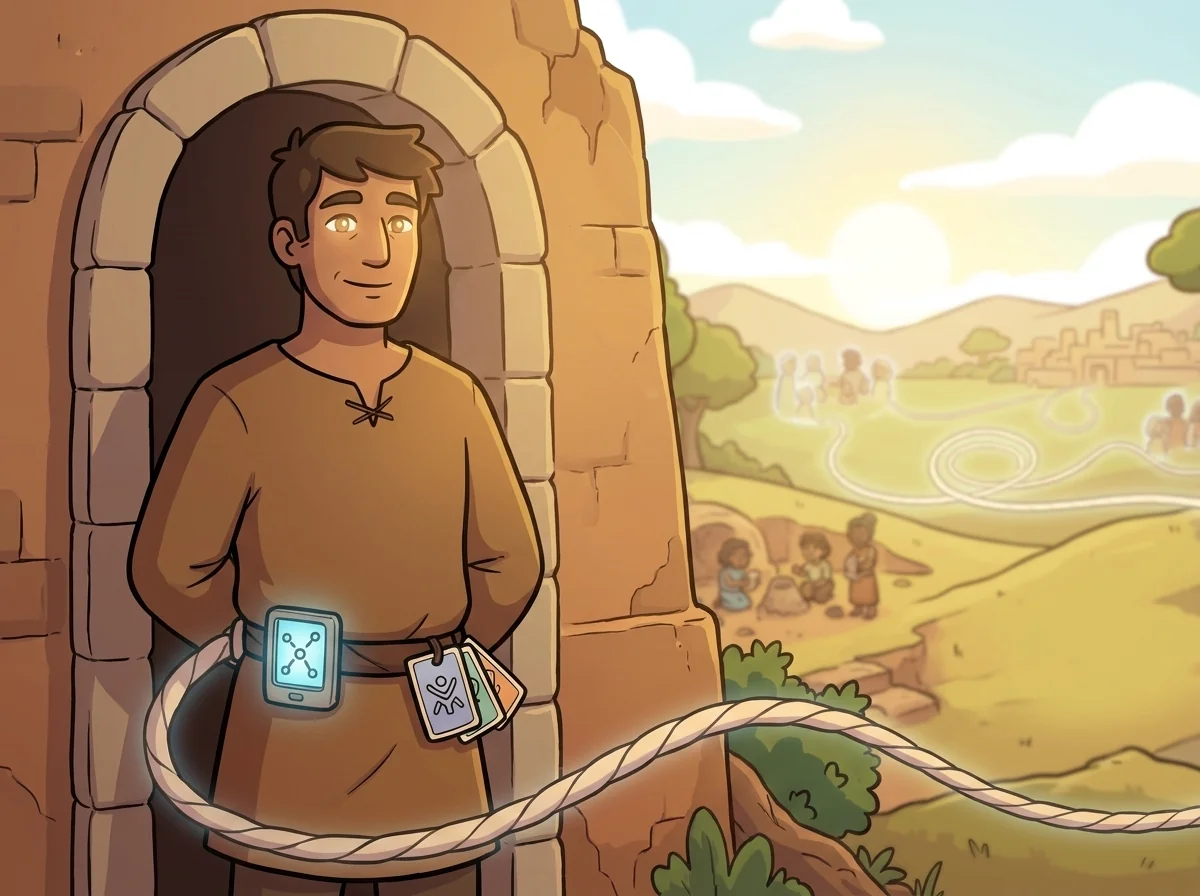
One day Ask walked to DigQuest, where Trowel, the wise old mentor, was waiting.
"What is the very first question?" Trowel asked.
Ask looked Trowel in the eye. "Whose story is this — and who gets to tell it? Descendant-community partnership. It's about doing what's right."
Trowel nodded slowly. "You are the one. You'll make sure everyone remembers this — you close the whole story."
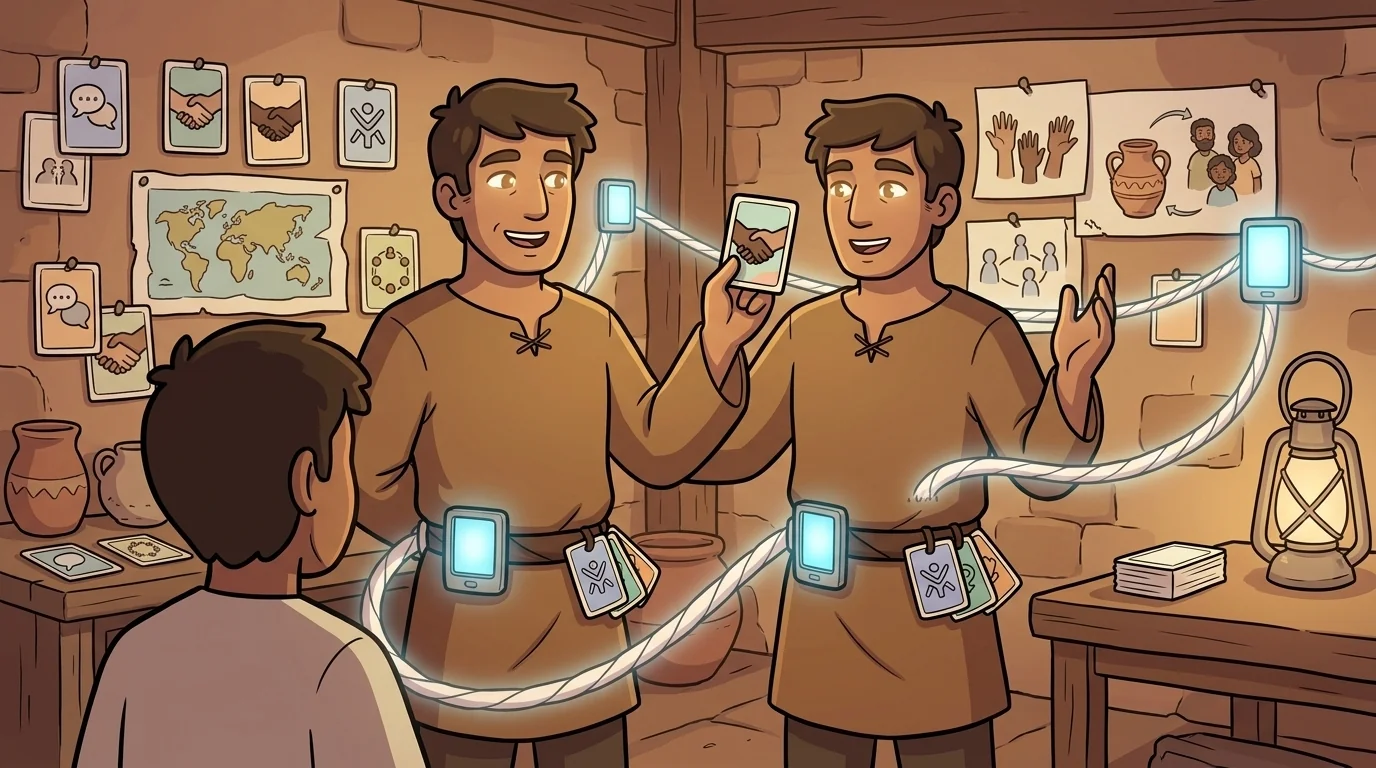
Ask's workshop is a cozy place, cards of people talking and hands shaking pinned to the walls, the little belt-screen humming softly on its long line to many places. "Watch closely," Ask said, lifting a card that showed a map. "Before you even pick up a shovel, you find out who lived here — and whose descendants are still here today." They tapped a second card, two people talking. "Then you talk to them. You ask permission. You make the plan together: what to dig, what to leave, how to share what's found, what happens to everything." Then Ask taught the whole framework as one flowing conscience: NAGPRA — the US law that means you consult communities and return ancestors' remains and sacred objects; UNDRIP — the world agreement that Indigenous peoples have rights to their own culture and history; ask before digging, not after; share the storytelling so communities decide how their own history is told; return what was taken long ago; listen to the living traditions and knowledge that already carry the past; and partner from the very beginning, not at the end. And Ask named, plainly, what not to do: no taking without asking; no "it's just for science" (science never overrides people's rights); no fake asking — real partnership means truly sharing power; and no "Indiana Jones" adventure-treasure-hunting, which caused enormous harm. "Layer, Shape, Past, and Keep," Ask said, gesturing to the other cards, "only become ethical archaeology if Ask comes first."
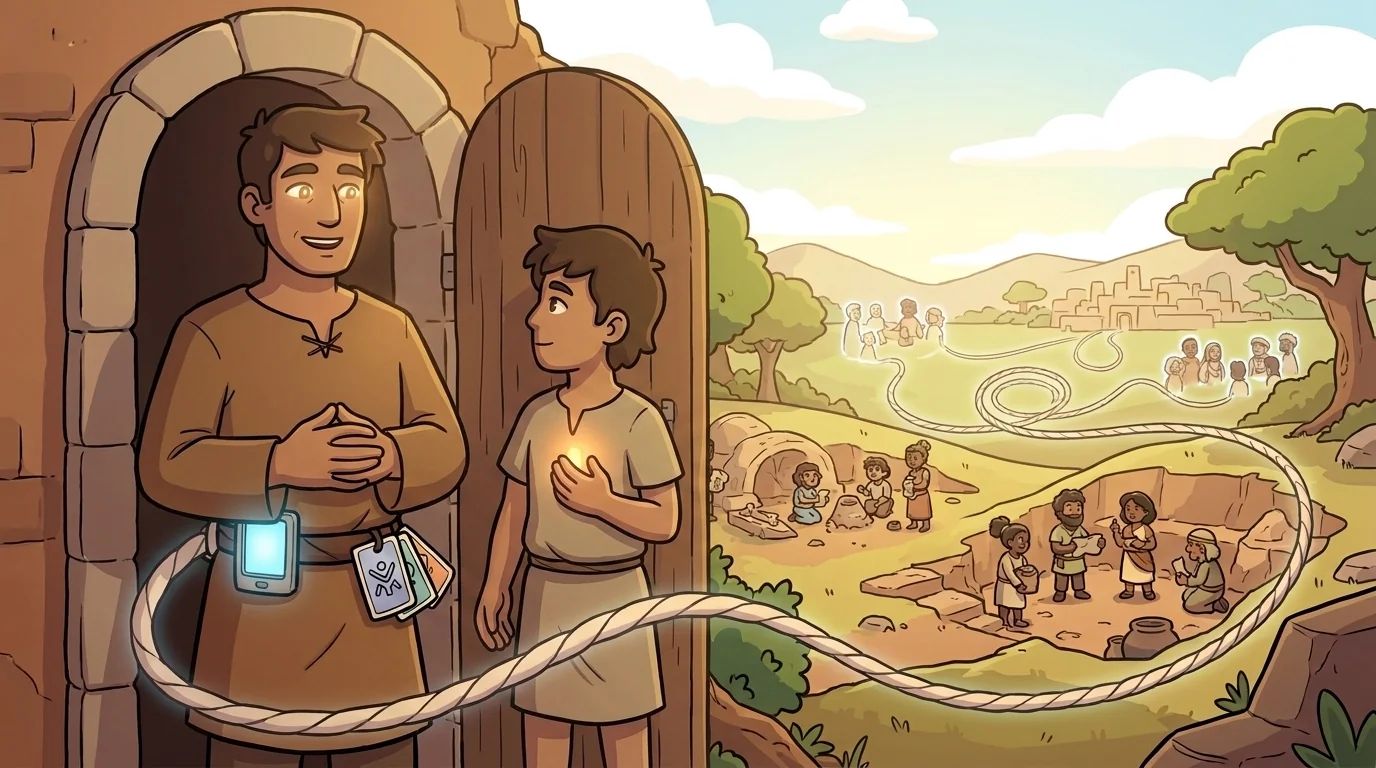
"So the very first thing — before the shovel, before the science — is just… asking?" a student said softly.
"The very first thing," Ask agreed, warm eyes softening. And they watched the student pause at the workshop's own doorway, and ask before stepping in — a small thing, but real. "When you ask first, and you truly listen," Ask said quietly, "something inside you goes calm and steady. It feels like standing in a doorway someone kindly opened for you." The student felt it then: not the grabby rush of wanting-the-treasure, but a slow, careful, warm-in-the-chest steadiness — the quiet of hands that touch nothing until they're welcomed. That gentle, asked-first, standing-in-an-opened-doorway feeling — the exact opposite of taking — was, to Ask, how you knew, all the way down, that you were finally doing it right.
The DigQuest ensemble
Ask is part of DigQuest's distributed-narrative cast. Each character embodies a different curricular primitive; together they teach the full subject.
-
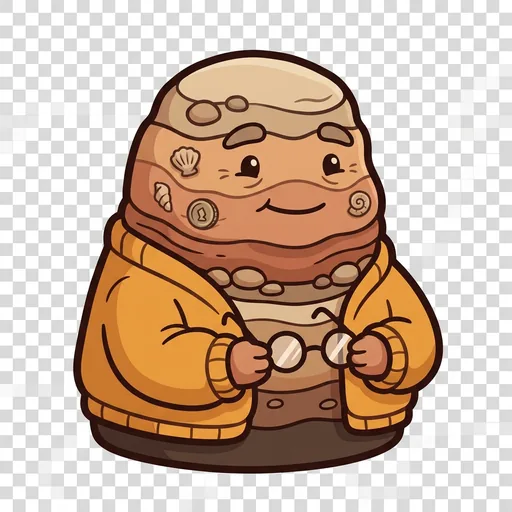
Layer
Stratigraphic context — where in the layered earth? (vertical chronology, context integrity)
-
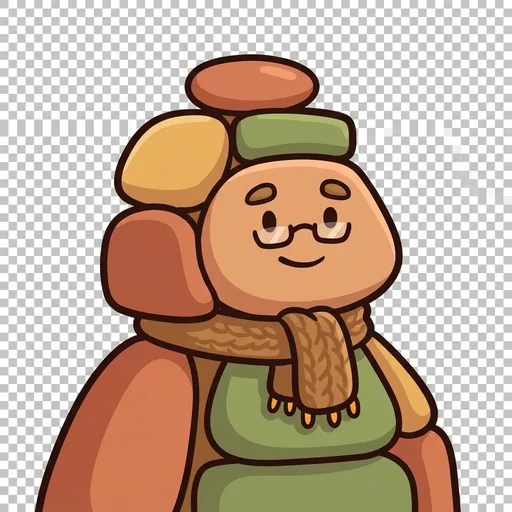
Shape
Artifact-typological analysis — what family of object? (comparative typology, craft traditions)
-
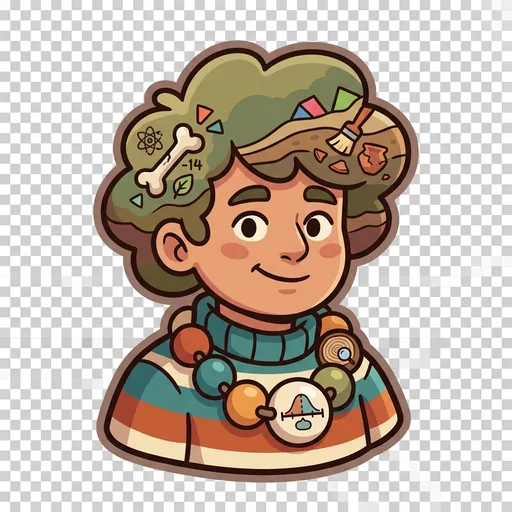
Past
Dating techniques — when by which method? (dates as ranges with confidence intervals)
-
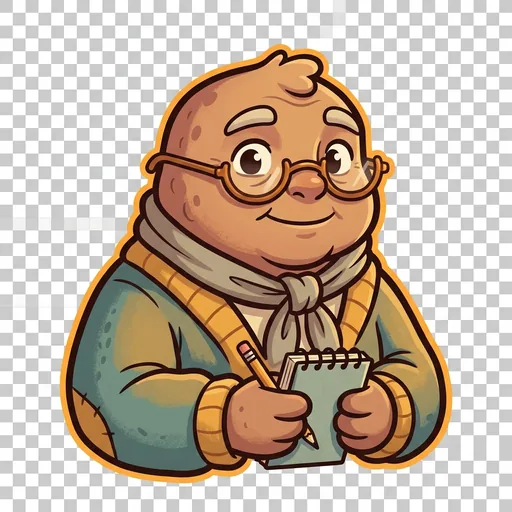
Keep
Cultural-context inference — keep-what-people-said, not invent-what-they-must-have-meant
-
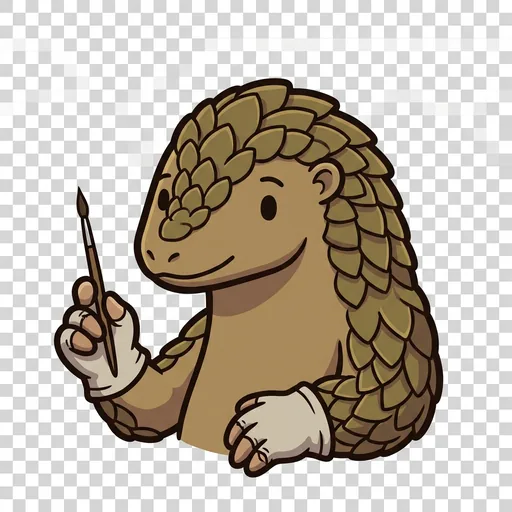
Grit
Conservation — keep it, don't fix it; a fragile find is stabilized gently, never scrubbed shiny or restored into something it never was
-
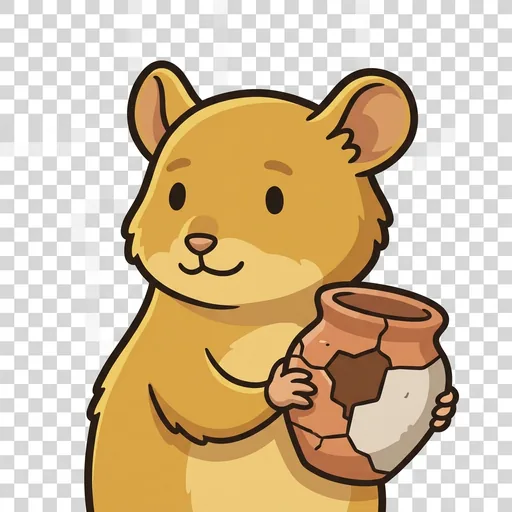
Join
Reconstruction — fit the pieces you have, never invent the ones you don't; a rebuilt pot shows its gaps honestly
-
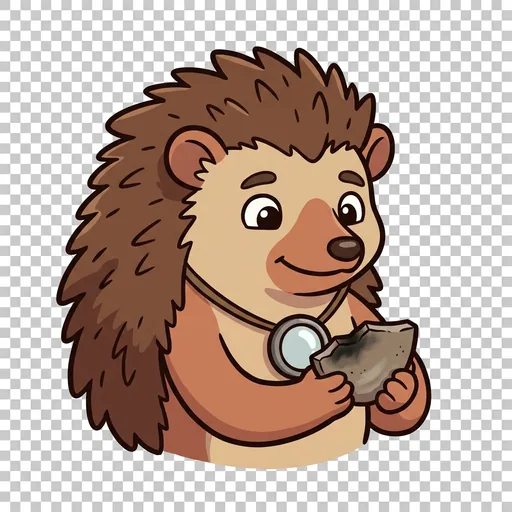
Sherd
The ordinary object — the broken cooking pot tells you more than the gold crown; how people lived is written in humble everyday things
-
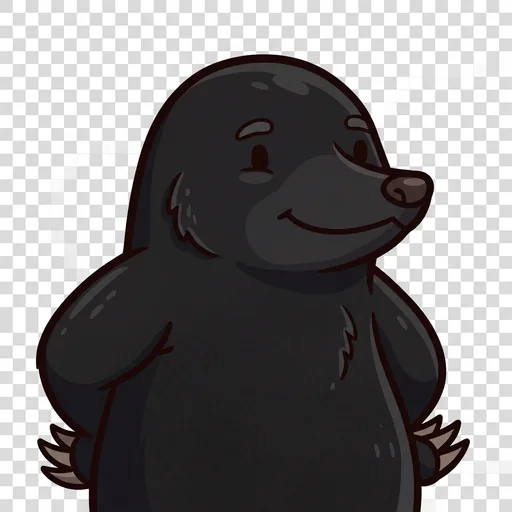
Spare
Leave it — you don't dig everything; some of the site stays untouched for future diggers, and some because the people it belongs to want it left
-
Void
Absence — what isn't there can mean three things; never read a gap as a fact too quickly