Spare
LEAVE IT — *you don't dig everything. some of the site stays untouched for future diggers with better tools, and some stays because the people it belongs to want it left where it lies.*
Loading audio…
Press play to listen along. The line being read lights up as you go.
Show full transcript
Loading transcript…
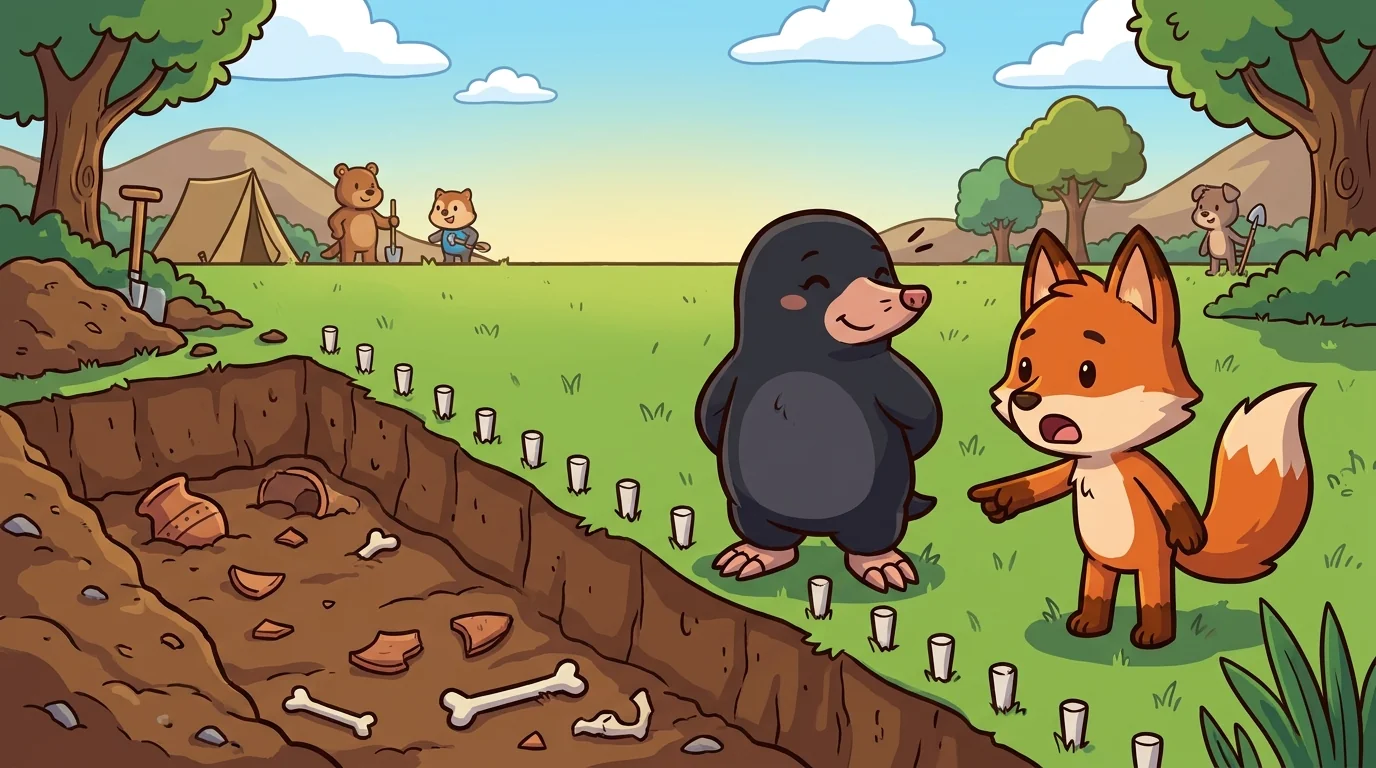
Spare stood at the edge of a dig where half the ground had been carefully opened and half lay still under the grass, and she had drawn a firm line between them with a row of small white stakes. She was a mole, velvet-black, with strong digging paws she deliberately kept folded behind her back. Beyond the stakes, the untouched half waited, quiet.
A young fox trotted up, tail high. "You're done digging that side? Why'd you stop? There's got to be more under there!"
"There is," Spare said. "And I'm leaving it exactly where it is." The fox's jaw dropped. Spare nodded toward the untouched half. "Digging destroys as it discovers — once I've dug a layer, it's gone forever; I can't put the earth back the way the centuries laid it. So I dig only what I truly need to answer my question, and I leave the rest." She rested a paw on a stake. "In a hundred years, someone will have tools I can't imagine — ways to read this ground that don't even exist yet. If I dig it all now, with only what I've got, I steal that from them. The undug corner isn't a failure. It's a gift I'm leaving to the future."
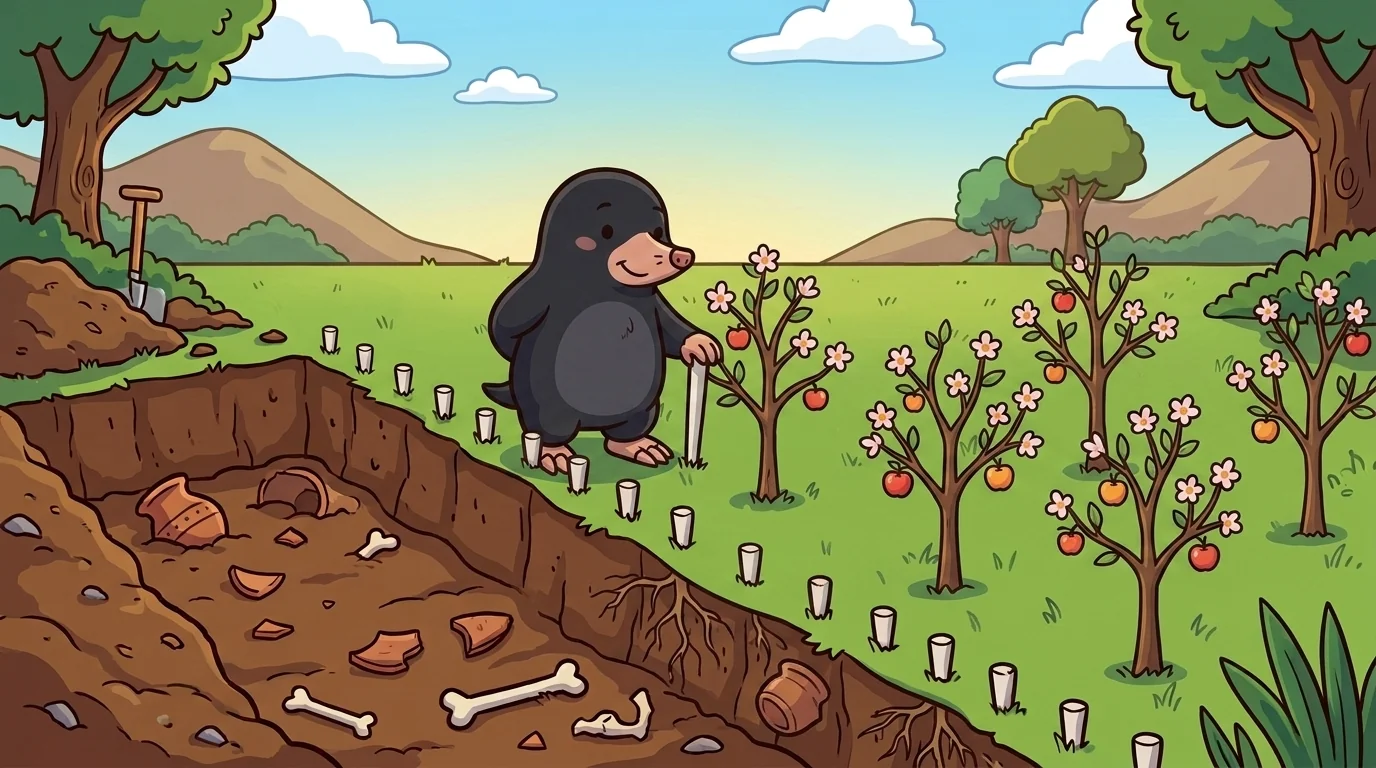
Spare had grown up in an orchard-keeping family, who tended the old fruit trees along the valley.
"Never strip a tree bare," her mother taught her at harvest. "Leave fruit on the high branches." Young Spare didn't see why — wasn't more always better? Her mother pointed up at the fruit they always left. "Some's for the birds. Some drops and seeds the next trees. And some we leave simply because a tree stripped bare every single year gives out and dies." She filled her basket only partway, on purpose. "Taking everything feels like winning. But the orchard that lasts is the one you don't empty. Restraint isn't going without — it's making sure there's still an orchard for the ones who come after us." She looked at her small daughter. "The greediest harvest is the one that leaves nothing behind."
Spare carried the orchard with her to the digs. When her strong paws itched to open the whole ground at once, she folded them behind her back and left fruit on the branch.
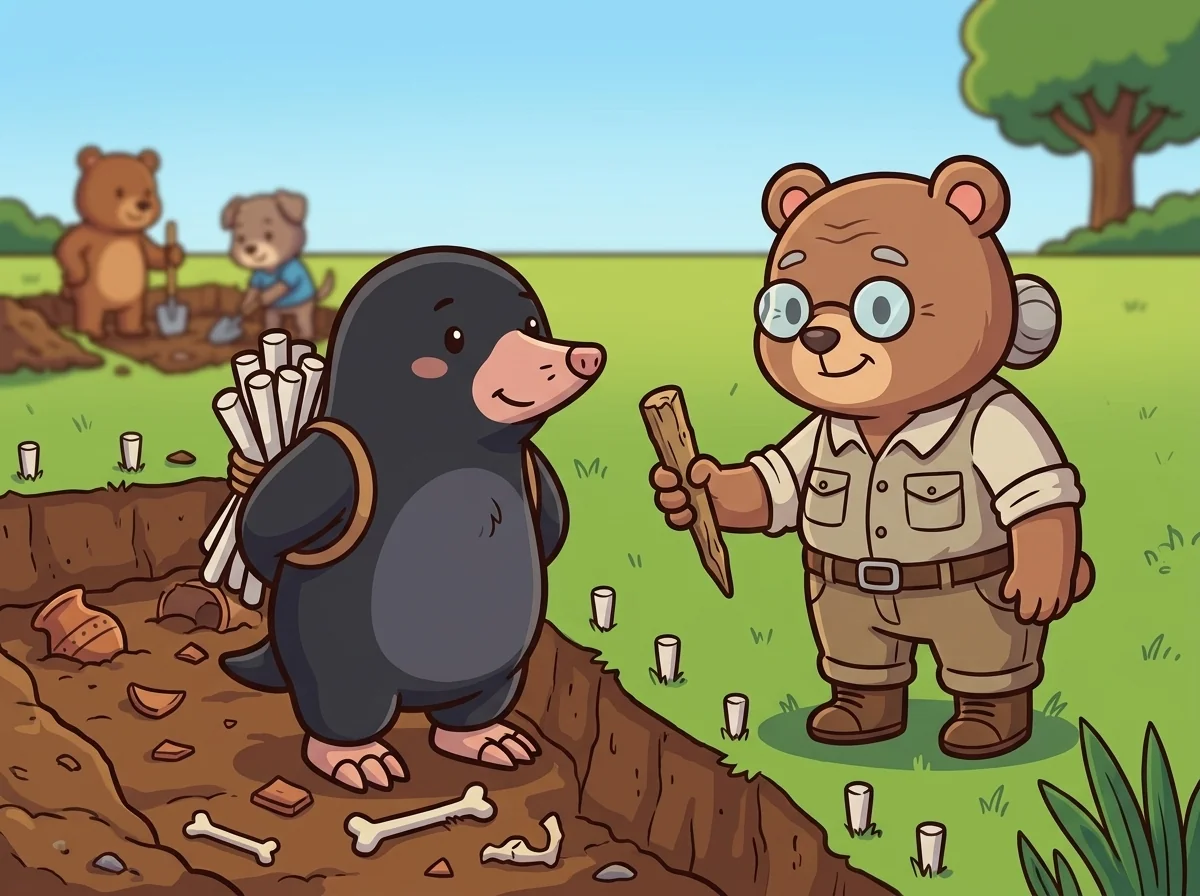
When Spare was grown she walked the long road to DigQuest, her white stakes bundled on her back. Trowel, who ran the digs, met her and asked one question.
"When do you stop digging?"
Spare thought of the orchard. "Before I've taken everything," she said. "I dig what my question needs and leave the rest — for the future's better tools, and for the people whose ground it is, if they want it left. Digging can't be undone, so I do less of it than I could."
Trowel was quiet a moment, then handed Spare a single stake, smooth from long use. "Then you'll know where to stop," she said.
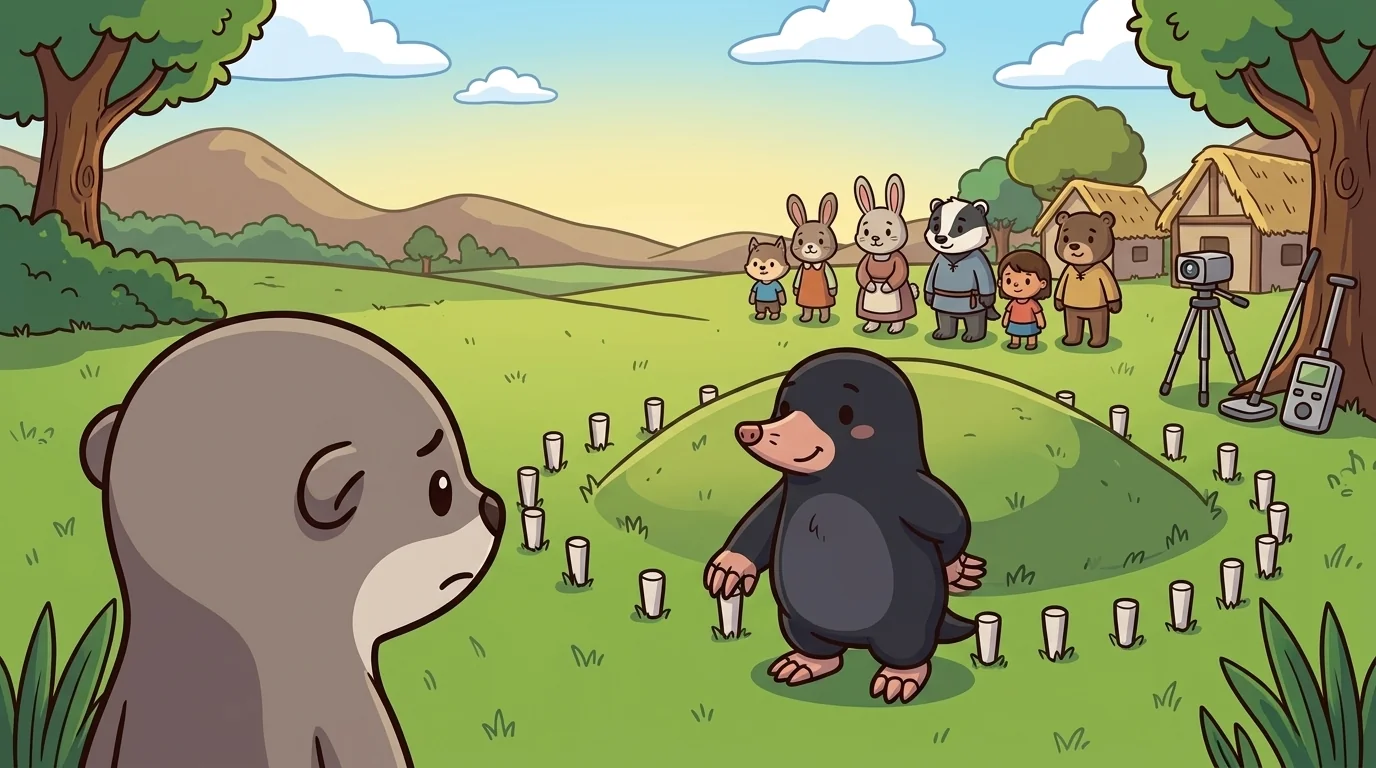
At a dig near an old village, a young otter named Pell was frantic with excitement. "The ground-readings show something big under the far mound! Let's open the whole thing!"
"Let's ask first," said Spare, "who the mound belongs to." She walked Pell to the families who lived along the valley — the descendants of the very people who had raised that mound long ago. They listened, and they were clear: the mound held their ancestors. They did not want it dug.
Pell's ears fell. "But we might learn so much."
"We might," Spare agreed gently, "and it isn't ours to open. It's theirs." She set a ring of white stakes around the whole mound, marking it untouched. "Here's what we can do instead: read it from above, without a single spade — the ground-sensing tools that don't disturb the earth. We learn what we can without taking, and we leave their ancestors resting, because that's what they've asked." She looked at Pell kindly. "Knowing a thing isn't worth taking what isn't yours. Sometimes the most respectful dig is the one you don't do."
Pell looked at the ringed mound a long time. "So leaving it," he said slowly, "is part of the work too. Not just the not-getting-to."
"It's the heart of the work," said Spare.
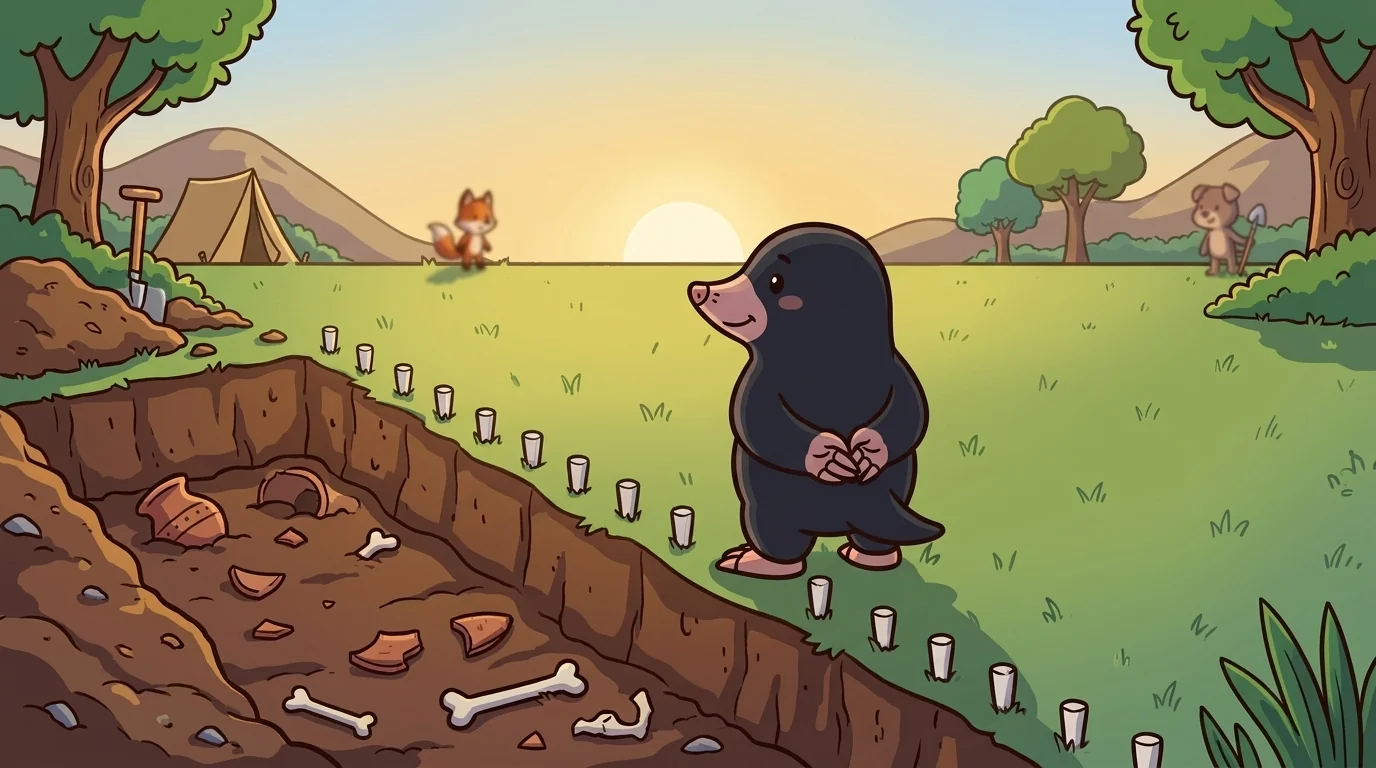
That evening Spare walked the line of her stakes, the dug half on one side, the still, grassed, untouched half on the other, quiet under the low sun. She folded her strong paws behind her back the way she always did and stood there, breathing the cool air.
A calm, full gladness settled through her chest — not the sharp thrill of finding, but the deeper, steadier warmth of leaving. She had not emptied the ground. She had answered her question and no more, and left the rest whole — for hands with better tools, for the families whose valley this was, for a hundred years she would never see.
Her breath came slow and even.
"That feeling," she said softly to the untouched grass, "is why I leave the corner. You don't dig everything. The greediest dig is the one that leaves nothing behind."
The DigQuest ensemble
Spare is part of DigQuest's distributed-narrative cast. Each character embodies a different curricular primitive; together they teach the full subject.
-
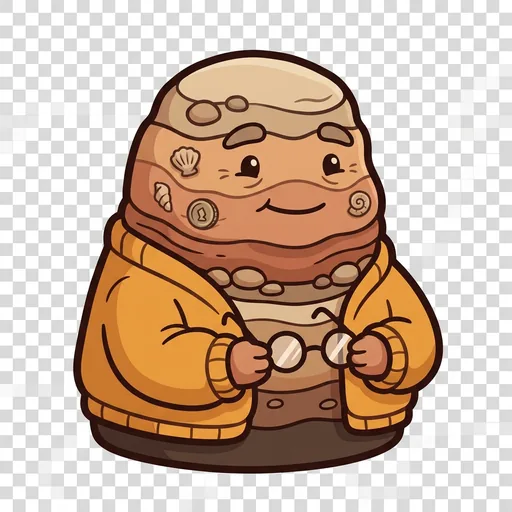
Layer
Stratigraphic context — where in the layered earth? (vertical chronology, context integrity)
-
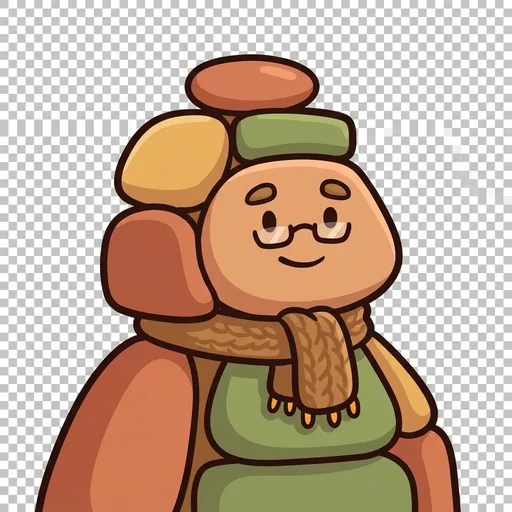
Shape
Artifact-typological analysis — what family of object? (comparative typology, craft traditions)
-
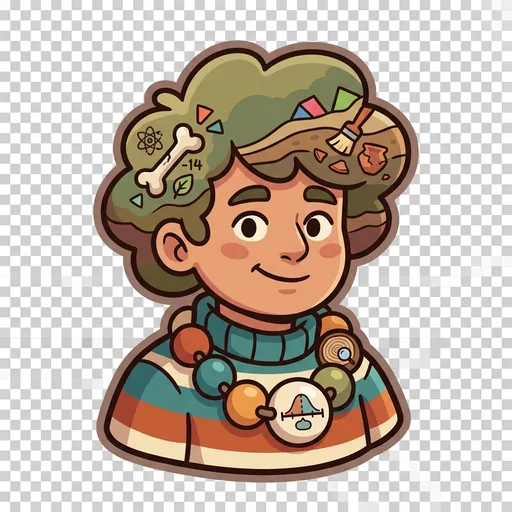
Past
Dating techniques — when by which method? (dates as ranges with confidence intervals)
-
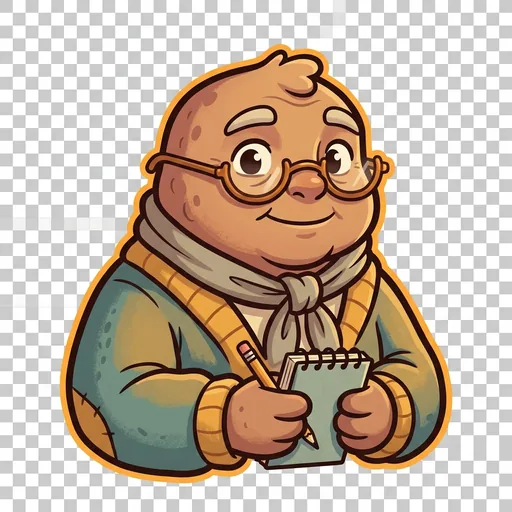
Keep
Cultural-context inference — keep-what-people-said, not invent-what-they-must-have-meant
-
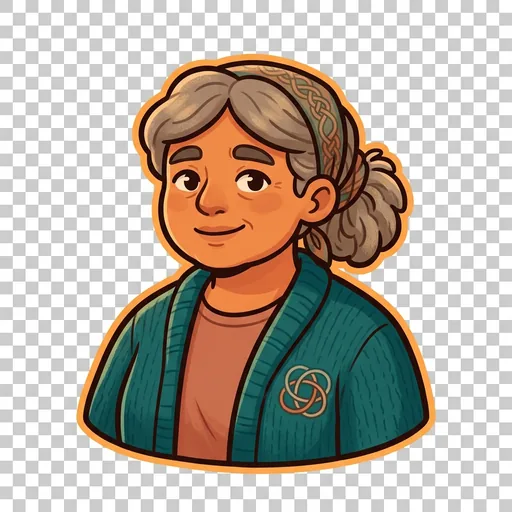
Ask
Community-partnership ethics — whose story is this and who gets to tell it? (NAGPRA + UNDRIP-grounded, descendant-community partnership)
-
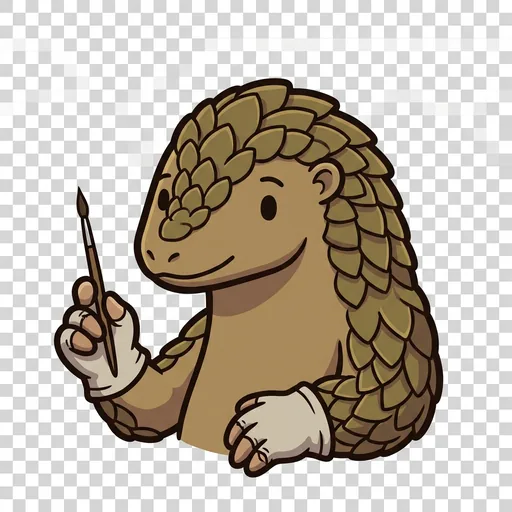
Grit
Conservation — keep it, don't fix it; a fragile find is stabilized gently, never scrubbed shiny or restored into something it never was
-
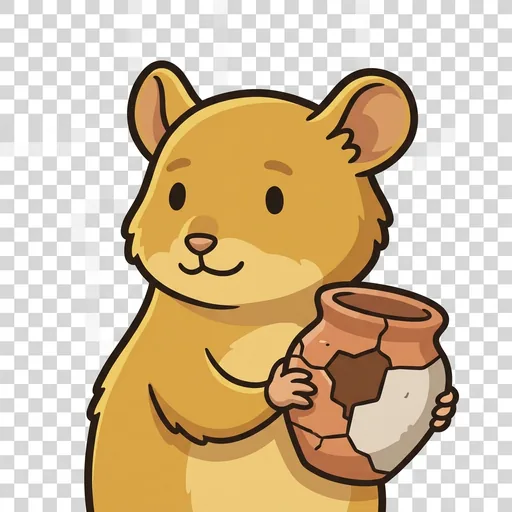
Join
Reconstruction — fit the pieces you have, never invent the ones you don't; a rebuilt pot shows its gaps honestly
-
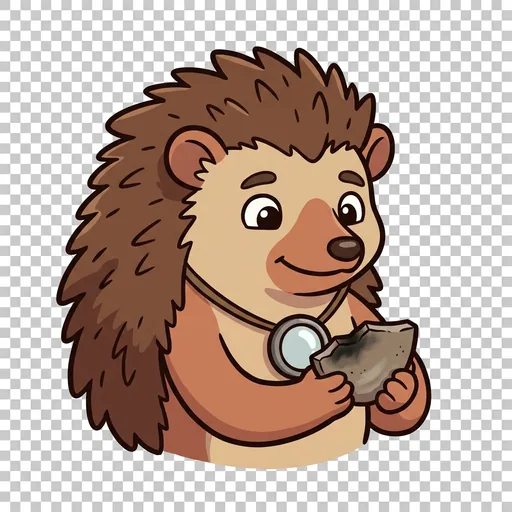
Sherd
The ordinary object — the broken cooking pot tells you more than the gold crown; how people lived is written in humble everyday things
-
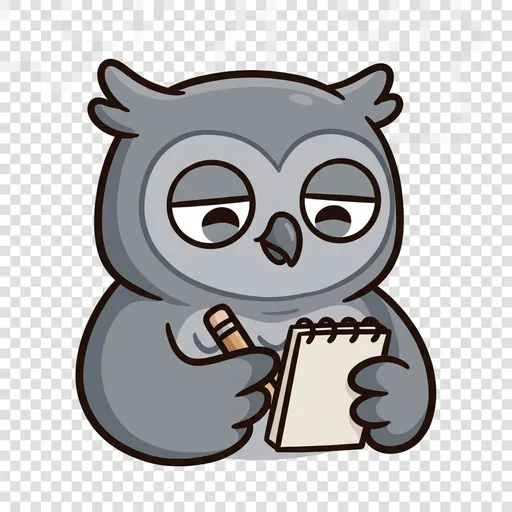
Void
Absence — what isn't there can mean three things; never read a gap as a fact too quickly