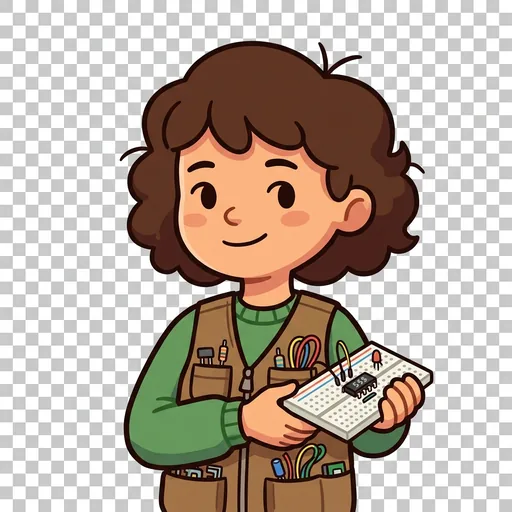
Abide
BELIEVE — the ally-move of *taking someone at their word about their own experience* — the first time, without demanding proof, arguing them out of it, or measuring their difficulty against your own. they are the authority on what is hard for them; your job is to believe it and act on it.
Loading audio…
Press play to listen along. The line being read lights up as you go.
Show full transcript
Loading transcript…
Abide was the kind of listener who believed you before you finished the sentence, and she'd learned that this was rarer, and more precious, than it should be.
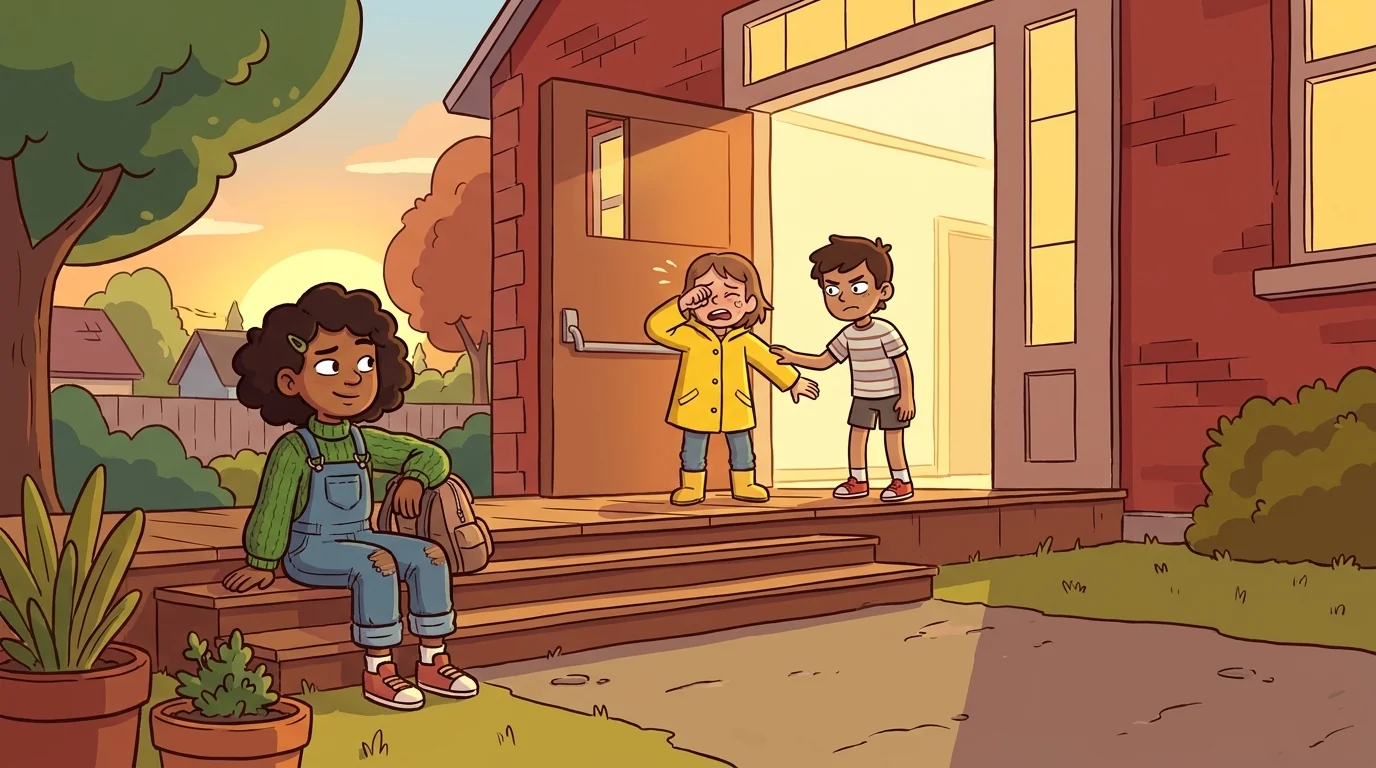
She was sitting on the steps of the community hall when a kid came out, blinking hard, and said to a friend, "I have to go — the lights in there hurt, they make my head pound, I can't think." And the friend, meaning well, said the thing Abide had heard a thousand times: "Really? They seem fine to me. Are you sure it's the lights? Maybe you just need to push through."
The kid's shoulders dropped — that particular collapse of someone who's just been quietly told they're wrong about their own head.
Abide, a patient tween who listened like it was her whole job, stepped over gently. "The lights hurt you," she said — not a question. "Okay. Then let's get you somewhere they don't." And she simply walked the kid to a dim, quiet corner, no arguing, no are you sure, no proof required.
Later the friend found Abide, a little defensive. "I wasn't being mean. The lights really did seem fine to me. How was I supposed to know?"
"You weren't supposed to know," Abide said kindly. "You were supposed to believe. You don't live behind their eyes. The lights being fine for you tells you exactly nothing about what they do to them. When someone says this hurts me, the ally-move isn't to check it against your own head. It's to take them at their word — the first time — and help. Believing them costs you almost nothing. Doubting them costs them the one thing they most needed: to be trusted about their own life."
Abide grew up in a family of memory-keepers — the ones the neighborhood trusted to remember things right: who was owed what, what happened when, the true version of the old stories. When people disagreed about the past, they came to Abide's family, because Abide's family had listened, the first time, and held the account faithfully.
And young Abide had learned, painfully, what it felt like to not be believed. She'd been small, and had told the grown-ups about the footbridge on the shortcut home — it was out, half of it washed into the creek, she'd seen it, she knew — and they'd waved her off. You're young. You must be mistaken. That bridge has always been there. They'd taken the shortcut anyway, on their own certainty over her word, and found the bridge gone, exactly as she'd said, and lost the whole long way around in the dark.
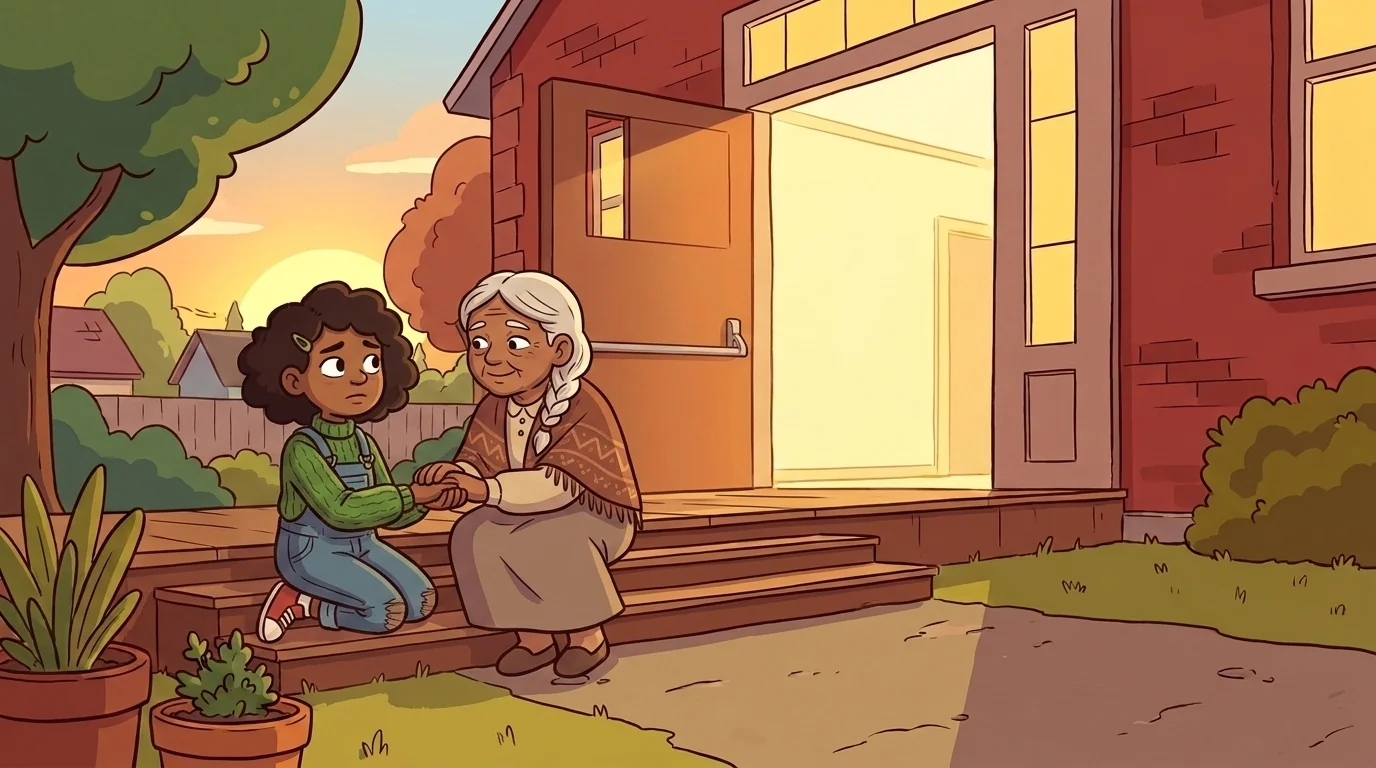
Her grandmother, oldest of the memory-keepers, had come to her after. "They didn't believe you," she said, "because believing you meant changing their plan, and doubting you was easier. That's the whole ugly trick of it. It's always easier to decide someone's mistaken about their own eyes than to let their word rearrange your certainty." She'd taken Abide's hands gently in hers. "Remember how this feels, little one. Remember the smallness of not being believed about a thing you knew. And then spend your life being the one who believes — because people who doubt each other walk onto broken bridges, again and again, all because they wouldn't take a true word as true."
Abide never forgot the smallness. And she grew up to be the opposite of it: the one who takes your word about your own experience and acts on it, the first time, without making you prove the thing you already know.
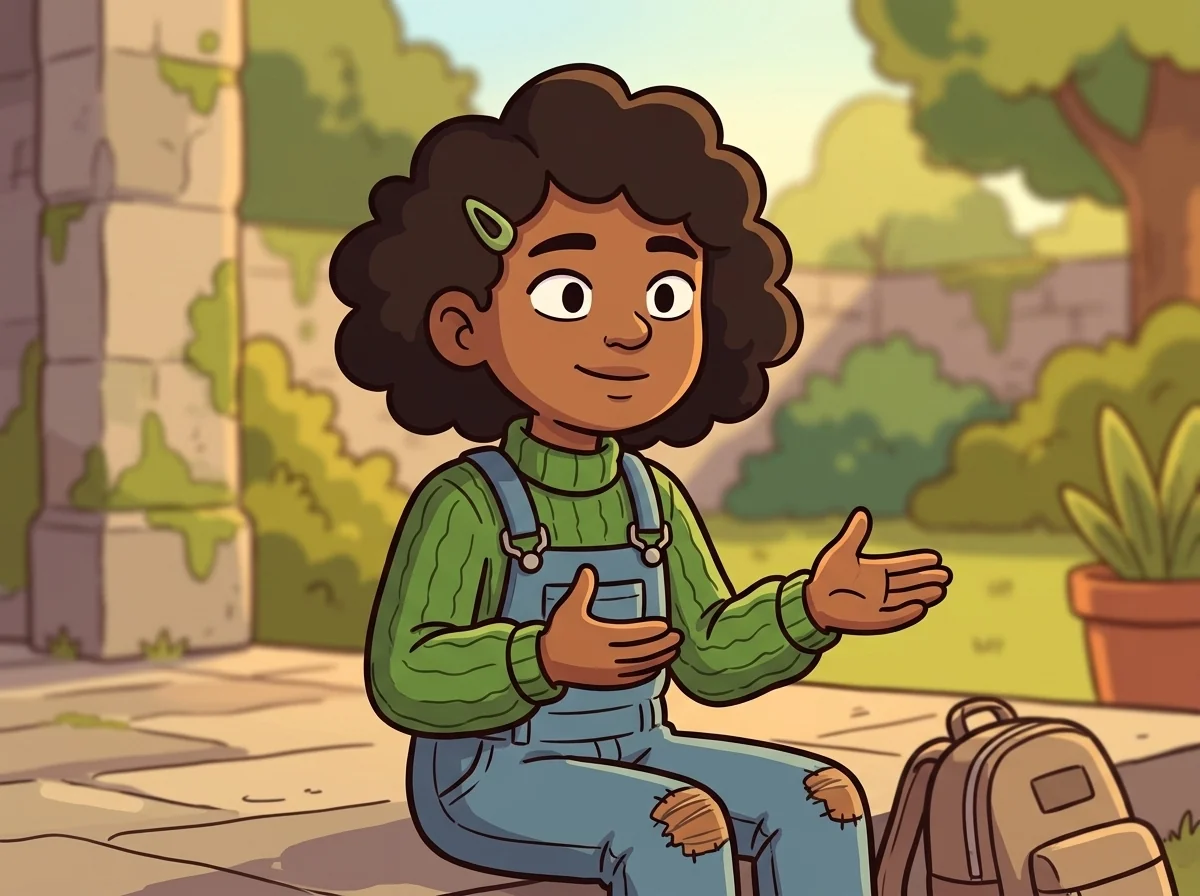
Abide was grown the day she walked to the InclusionForge academy, already tuned to listen.
Beacon, the academy's mentor, met her at the courtyard and asked, "Tell me — what is the believe move?"
Abide thought about the broken footbridge, and the smallness, and her grandmother's hands around hers.
"It's taking someone at their word about their own experience," she said. "The first time. Without proof, without argument, without holding it up against your own." She spread her hands, open. "When someone says this is hard for me — this sound, this task, this room, this pain — the tempting thing is to measure it against yourself. It's fine for me. It doesn't look that bad. Are you sure you're not exaggerating? And every one of those is really just I don't believe you." Her voice went firm and gentle at once. "But they're the authority on their own life, not you. You've never once been inside their head. So the move is simple, and hard: believe them. The first time. And then help. Their word about their own experience is enough."
Beacon was quiet the way people are quiet when they've heard something true. "Then this work is yours," Beacon said.
Abide felt something in her chest settle warm and steady — the relief of someone who'd been doubted, and had turned it into the discipline of believing.
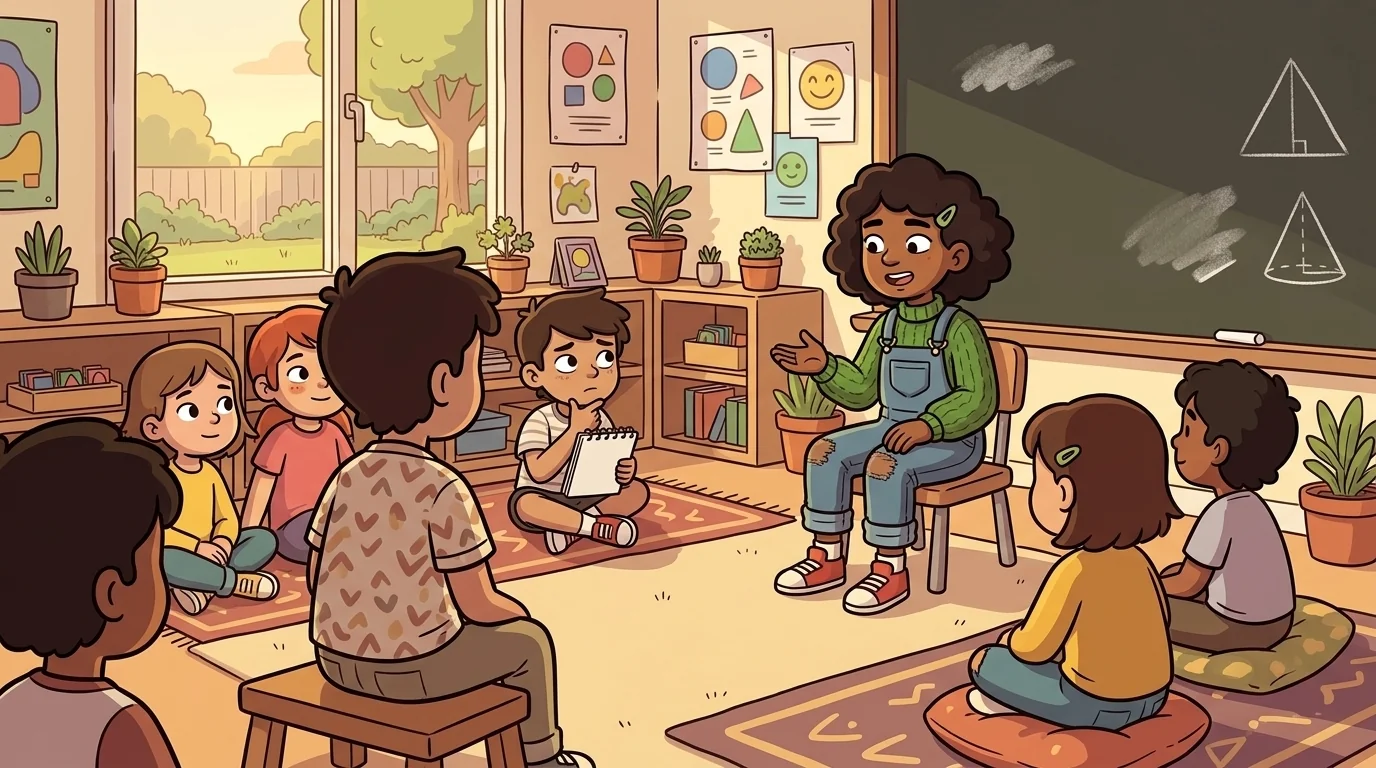
On her first day, Abide's students expected her to teach them how to tell when someone really needed help. Instead she taught them to stop needing to be sure.
"You'll want proof," she said, leaning in. "When someone tells you a thing is hard for them that seems easy to you, some part of you will want evidence — a reason, a visible sign, a difficulty you can measure. That wanting feels reasonable. It is not kind." She let that sit. "Because the harder someone's struggle is to see — a pain with no bruise, a sound only they find unbearable, a task that looks simple and isn't — the more they've already had to fight just to be believed. And if you make them prove it before you'll help, you've added your doubt to their difficulty. You've made them carry the hard thing and the argument about whether the hard thing is real."
A careful student named Wick asked, "But what if someone's... wrong? Or using it to get out of something?"
"An honest question, and here's the honest answer," Abide said. "It happens, rarely — and believing-first is still the right bet. Think about the two mistakes. If you believe someone who was fine, you helped a little more than you needed to — a small cost, easily borne. But if you doubt someone who was truly struggling, you've done real harm: you've told a hurting person that their own word about their own life isn't good enough, which is one of the loneliest things there is. Those two mistakes are not equal." She opened her hands. "So you round toward belief. Not because you're naive — because the cost of wrongly doubting is so much crueler than the cost of wrongly believing. Take the word. Help. Sort out the rare exception gently and later, never by making the many prove themselves first."
Wick nodded slowly, something in his face relaxing.
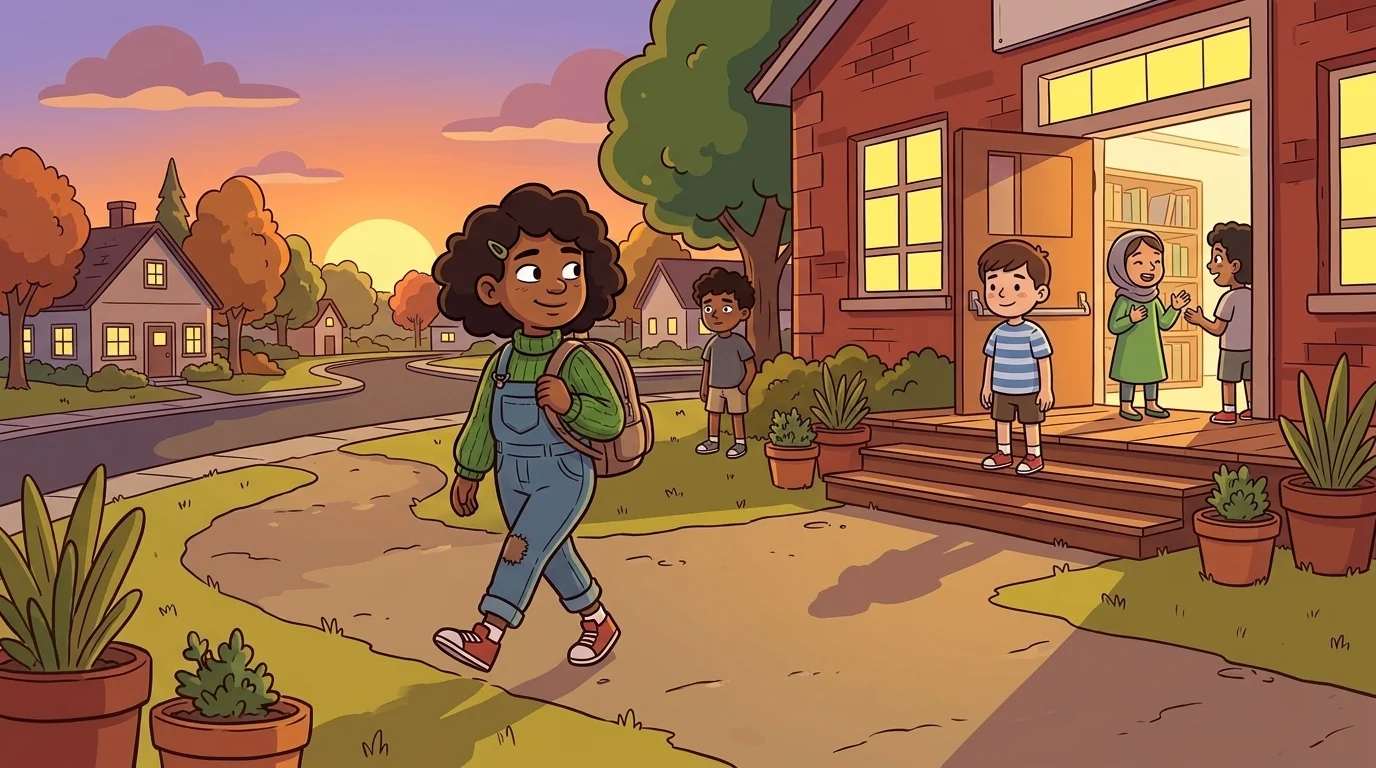
At the end of the day, Wick caught up to her. "Is it hard?" he asked. "Just... believing, without knowing for sure?"
Abide considered it honestly.
"Letting go of being sure is the hard part," she said. "Some part of me, like anyone, wants certainty before I act. And I won't pretend it's always comfortable to trust a thing I can't see for myself." She tilted her head, thinking. "But then I remember the broken footbridge, and how small it felt to know something and be waved off. And I think about how much lighter a person goes when they say this hurts and the answer is just okay, I believe you, let's fix it — no cross-examination, no proving, no earning. That relief is enormous. You can watch it land — the shoulders coming down, the bracing letting go." She smiled, warm. "Believing someone about their own life is one of the cheapest gifts there is to give and one of the rarest to receive. I'd rather be wrong a few gentle times in the direction of trust than ever again make someone prove a true thing to be allowed a little help."
Wick looked up at her steady, patient face, and something in his own shoulders came down.
Abide started slowly home, still listening to the evening. Someone else would say this is hard for me tomorrow and brace for the argument; there always was someone. But she wasn't weary. She felt, instead, that warm, rooted gladness she got whenever she'd taken a word at its word: the quiet certainty that today, at least one person had learned that when they name what's hard, somebody believes them the first time — and that being that somebody is one of the kindest, simplest trusts a person can offer.
The InclusionForge ensemble
Abide is part of InclusionForge's distributed-narrative cast. Each character embodies a different curricular primitive; together they teach the full subject.
-

Lens
Perspective-taking — asking + listening, NEVER mind-reading; 'I can't BE you. But I can ASK what it's like.'
-
Notice
Barrier-identification — barriers as PROPERTIES OF SPACES never PROPERTIES OF PEOPLE; 'It's not the wheel. It's the stair.'
-

Ask
Ask-don't-assume + amplify — makes SPACE for voices, never replaces them; 'What would feel right TO YOU? I'll listen.'
-
Design
Universal Design — multi-modal solutions; never one-size-fits-most; 'Three doors. Different doors. All doors.'
-
Repair
Repair-and-reflect — mistakes as PART OF the work; never self-flagellating (renamed from Mend — MendMates mentor collision)
-
Bolster
With-not-for — follows the lead of those most affected, backs their plan instead of taking over; 'Hold the ladder; don't grab the beam.'
-
Rally
Upstander — steps in when exclusion happens, joining beside not rescuing; 'I didn't have to fix the whole world. I just had to not stand there.'
-
Uphold
Follow-through — keeps access working after it's built; 'Belonging isn't a thing you finish. It's a promise you keep.'
-
Uplift
Asset-not-deficit — celebrates what someone brings, not only what's in their way; 'Belonging isn't only the absence of walls. It's the presence of glad.'