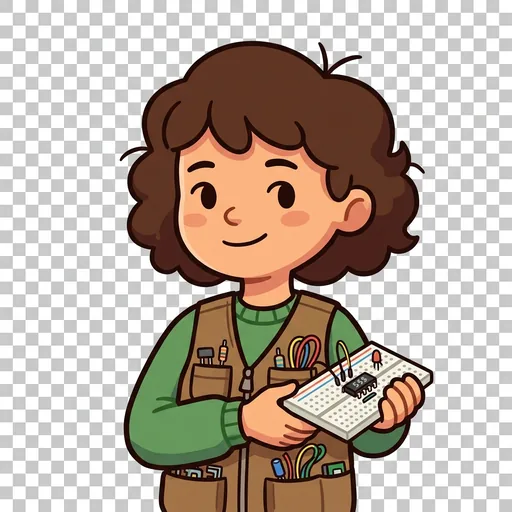
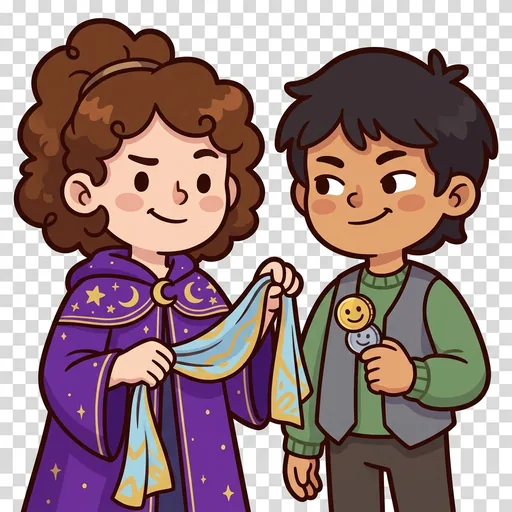
Uplift
ASSET-NOT-DEFICIT — the ally-move of *seeing and celebrating what someone brings*, not only removing what stands in their way. inclusion isn't just making room for a person despite their differences; it's valuing the gifts those differences carry — never pity, never "fixing," but genuine welcome of the whole person.
Loading audio…
Press play to listen along. The line being read lights up as you go.
Show full transcript
Loading transcript…
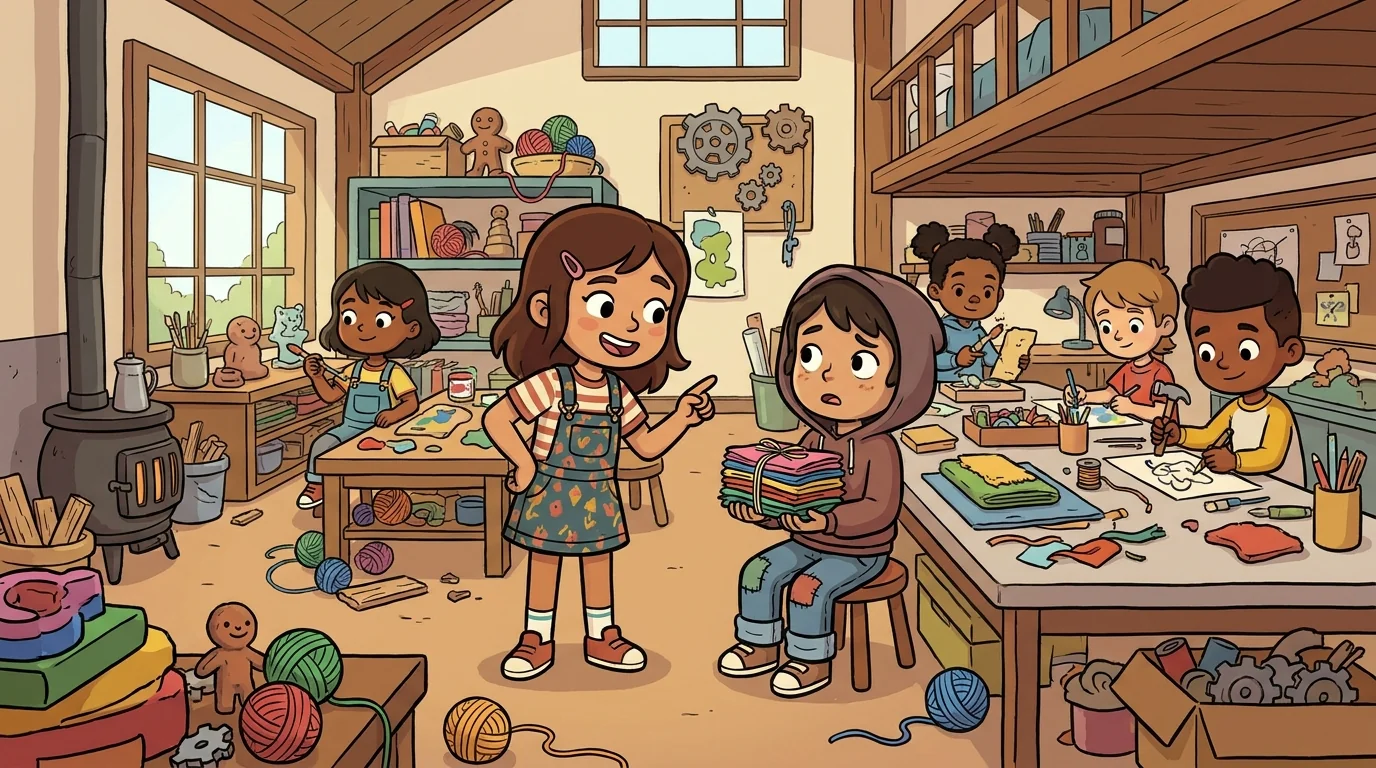
Uplift had a gift for seeing the gift in things, and she used it the day a new kid came to the workshop certain they were nothing but a bundle of problems.
The newcomer moved and thought in ways the world had spent years calling too much and not enough — too restless, too intense, too slow at some things, too quick at others — and they'd arrived braced for one more place that would try, kindly, to fix them. "I know I'm difficult," they said before anyone had asked. "I'll try not to be a bother."
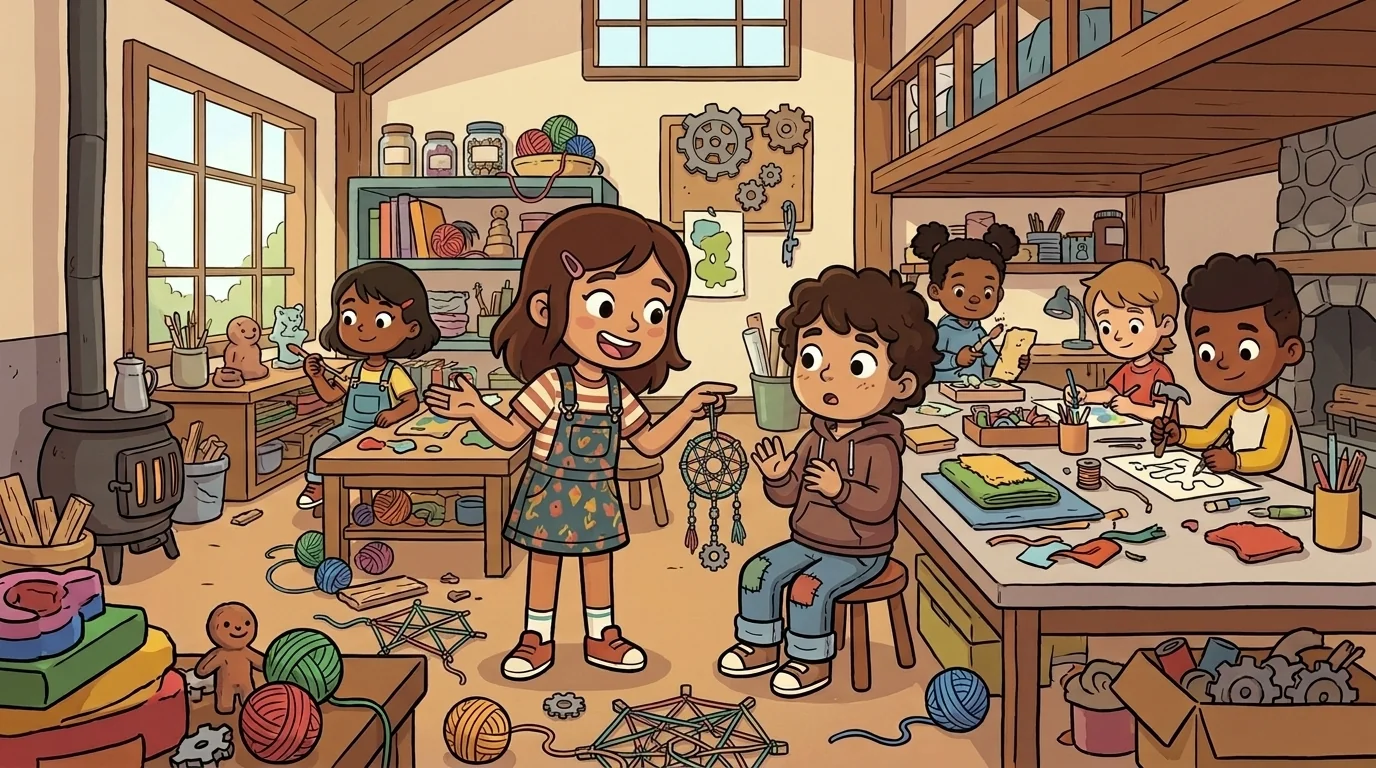
Uplift, a tween with a habit of noticing the beautiful, tilted her head. "A bother," she repeated. "Huh. I was just watching you sort those tangled threads — you saw the pattern in that mess in about four seconds. It took me the whole morning yesterday. That's not a bother. That's a gift. Where'd you learn to see patterns like that?"
The newcomer stared at her, completely thrown. Nobody had ever asked them that.
Later someone questioned it. "You're just flattering them. Being nice."
"I'm not being nice. I'm being accurate," Uplift said. "Everybody's been so busy naming what's hard about that one that nobody ever named what's wonderful. And there's plenty wonderful — the pattern-sight, the intensity that becomes focus, the way they notice what everyone else walks past. Removing the barriers in their way is half the work. The other half is seeing the whole person — the gifts, not just the gaps. Welcome that only tolerates you isn't welcome. It's pity wearing a smile. Real belonging says: we're glad you're here, and here's what you bring that we'd have missed without you."
Uplift grew up in a family of song-gatherers — the ones who could hear a single beautiful sound in a whole noisy town and hold it up for everyone to marvel at, keepers of the old tunes nobody else had bothered to write down.
And young Uplift had been taught, against her own instinct, to listen for what was wrong. The others cataloged flaws — this melody too plain, that voice off-key, this one too odd — and they were very good at it, and it made the whole town feel like a list of problems. Uplift found she couldn't do it. Where they heard a flaw, she kept hearing a note — something strange and specific and, if you listened right, beautiful.
Her grandfather, oldest of the gatherers, found her fretting that she was bad at fault-finding. He laughed, gently. "Bad at it? Little one, you've got the rarer ear. Anyone can hear what's wrong — the whole world is trained to. But hearing what's worth keeping, the odd true note in the noise, the gift hiding inside the thing everyone calls a problem — that's the ear almost nobody has." He'd hummed a strange, lovely little tune. "The world will never run short of people pointing at what's broken. What it starves for is the ones who can point at what's good — and mean it, and make others hear it too. Don't you dare train that ear away. It's the one that makes people glad to have each other."
Uplift kept the ear. And she learned that the deepest kindness wasn't only fixing what hurt someone — it was naming, out loud, the good the world had never bothered to notice in them.
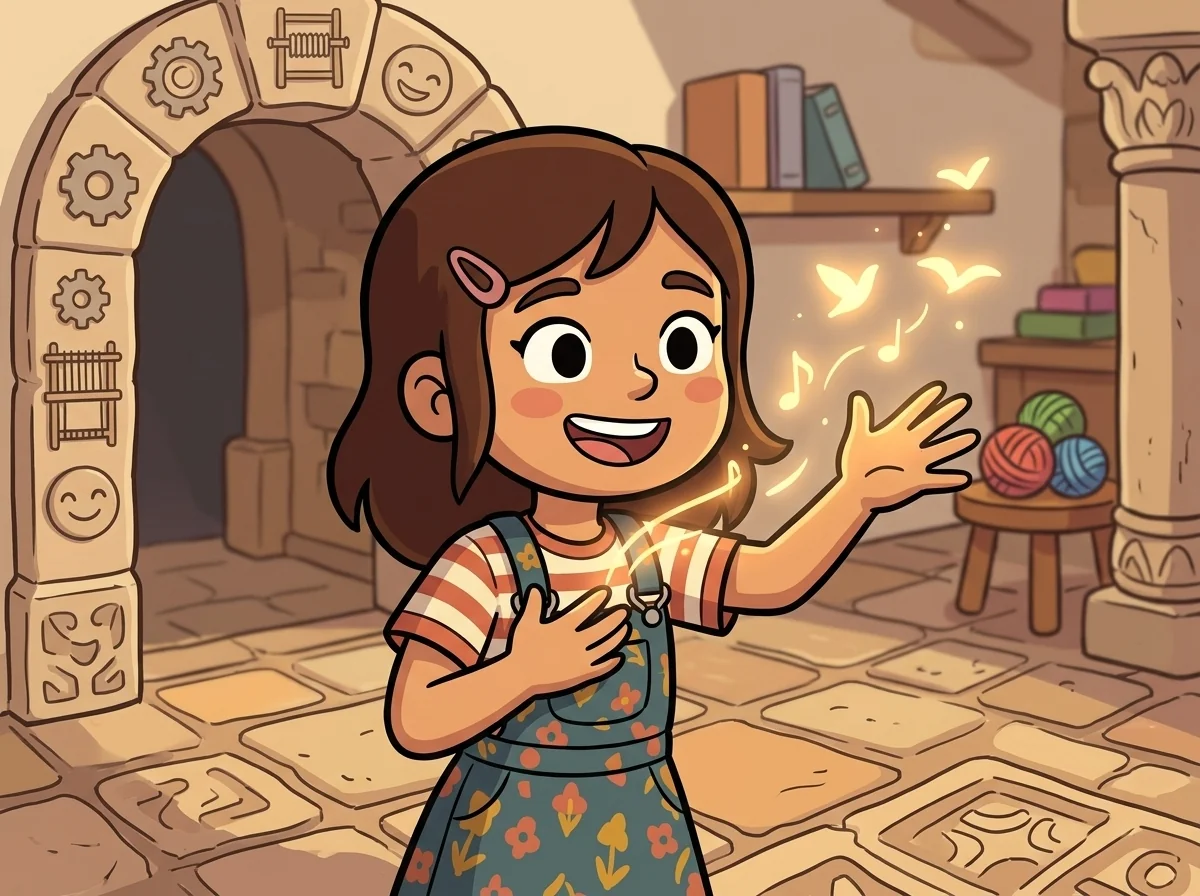
Uplift was grown the day she walked to the InclusionForge academy, already listening for the good note.
Beacon, the academy's mentor, met her at the courtyard and asked, "Tell me — what is the asset-not-deficit move?"
Uplift thought about the odd true notes, and her grandfather, and the ear she'd refused to give up.
"It's celebrating what someone brings, not just clearing what's in their way," she said. "Barriers matter — take them down, always. But if all you ever do is remove problems, you send a quiet message: you're a set of difficulties we're generously making room for. And nobody wants to be a difficulty that's tolerated." She spread her hands, bright. "So the move is to also see the gifts — the ways a person's different mind or body or path lets them notice, make, feel, or do things the rest of us can't. Not pity. Not 'fixing.' Not flattery. Just true, specific welcome of the whole person: we're glad you're here, and here's what you bring that makes us better. Belonging isn't only the absence of walls. It's the presence of glad."
Beacon was quiet the way people are quiet when they've heard something true. "Then this work is yours," Beacon said.
Uplift felt something in her chest lift, warm and bright, like a good note held up to the light.
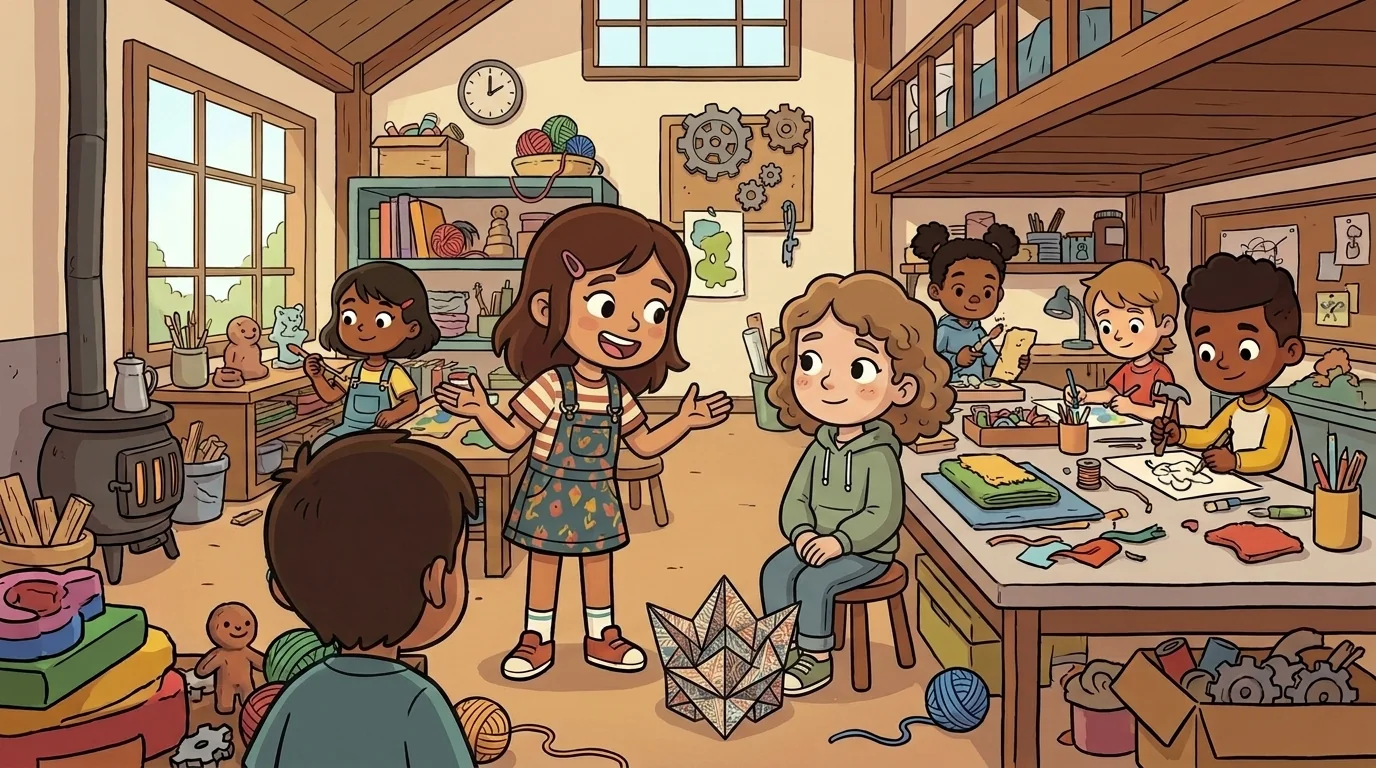
On her first day, Uplift's students expected to learn how to be nicer to people who struggled. Instead she taught them to look for gifts.
"There's a kind of kindness that's really just pity," she said, warming to it. "It says poor you, let me help, and it means well, and it lands awful — because it sees the person as a problem you're being generous about. You can feel it, when it's aimed at you. It makes you smaller." She let that sit. "So we practise the other thing. When you meet someone the world has labeled by what's hard about them — you go looking, on purpose, for what's good. Not to flatter. To notice truly. The one who thinks differently often sees what routine minds miss. The one who's had to fight for everything is often astonishingly strong and kind. The gift is usually right there, unnamed, because everyone was too busy with the deficit to look."
A gentle student named Rue asked, "But what if I can't find a gift? What if I'm just... making one up to be nice?"
"Then look longer, and quieter, and don't fake it," Uplift said. "Made-up praise is just pity in a costume — people feel it. The real thing is specific and true: not you're so inspiring, which is empty, but the way you explained that was clearer than anyone else managed — how do you do that? You're not inventing a gift. You're doing the work of seeing one that was always there and never named." She softened. "And here's the deepest part: you're not celebrating someone's difference to make their hard parts disappear. The hard parts can be real and the gifts can be real, both at once. You hold both. Take down the walls and name the wonder. That's a whole person, welcomed whole."
Rue nodded slowly, her eyes going thoughtful.
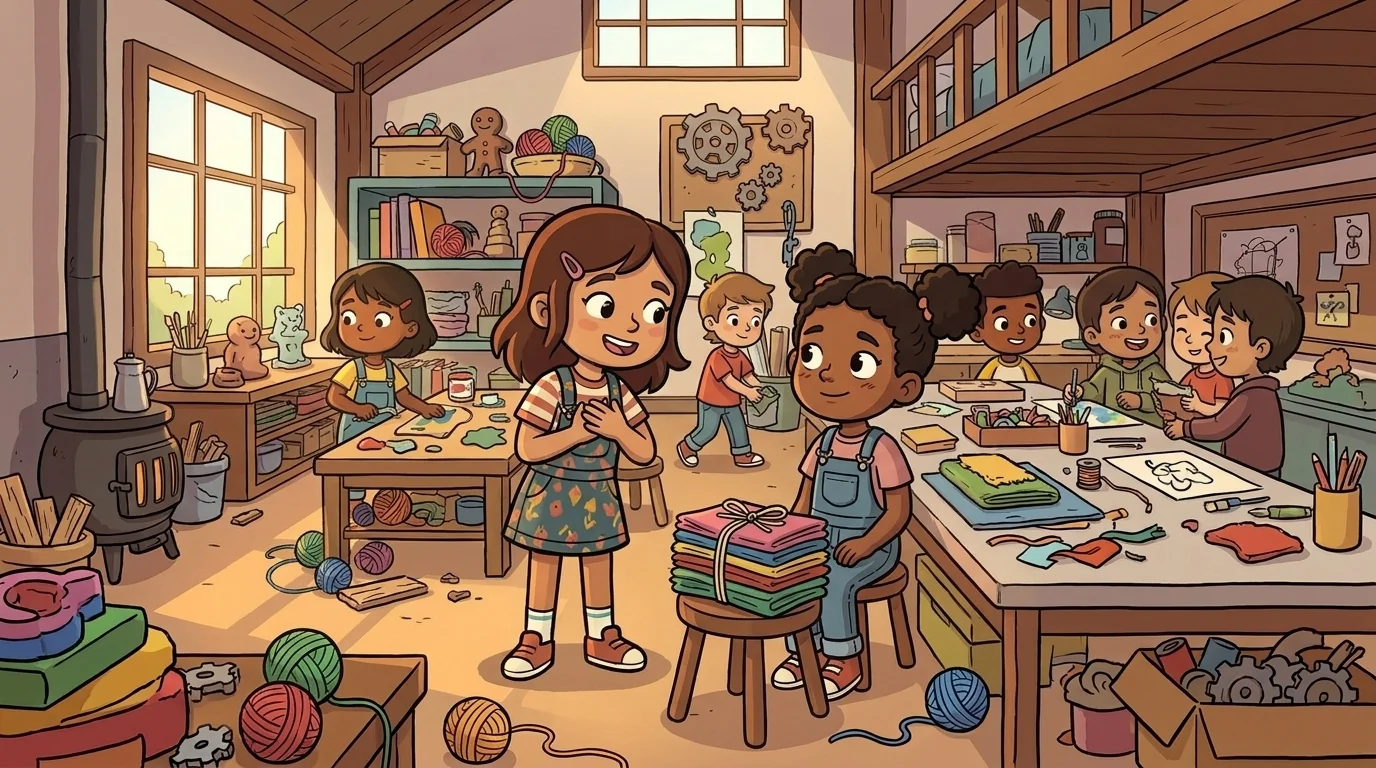
At the end of the day, Rue caught up to her. "Isn't it hard?" she asked. "Always looking for the good, when the world's so trained to point at what's wrong?"
Uplift considered it honestly.
"It takes a different ear, and the world doesn't hand you that ear — you have to keep it on purpose," she said. "And I won't pretend the habit of fault-finding isn't loud all around us; it pulls at me too." She brightened anyway. "But then I remember the new kid who came in braced to be a bother, and the look on their face when someone finally named their gift instead of their gap. That look — the surprise, then the slow bloom of someone sees something good in me — there's nothing else like it. It's what welcome is actually for." She smiled, warm and bright. "Removing barriers gets someone into the room. Naming their gifts tells them they're wanted in it. And a person who knows they're wanted, gifts and gaps and all — that's a person who finally gets to belong the whole way. I'd rather spend my life being the ear that hears the good note than one more voice cataloging what's wrong."
Rue looked at her, this bright kid who heard beauty where others heard flaws, and something in her own chest warmed.
Uplift headed out into the evening, humming a little as she went. There'd be another person tomorrow braced to be a bother, sure they were only a list of problems; there always was. But she wasn't weary. She felt, instead, that bright, brimming gladness she got whenever she'd named a gift out loud: the warm certainty that someone had learned, today, that they were more than the world's list of their difficulties — that they brought something good, something wanted, something the rest would have been poorer without.
The InclusionForge ensemble
Uplift is part of InclusionForge's distributed-narrative cast. Each character embodies a different curricular primitive; together they teach the full subject.
-

Lens
Perspective-taking — asking + listening, NEVER mind-reading; 'I can't BE you. But I can ASK what it's like.'
-
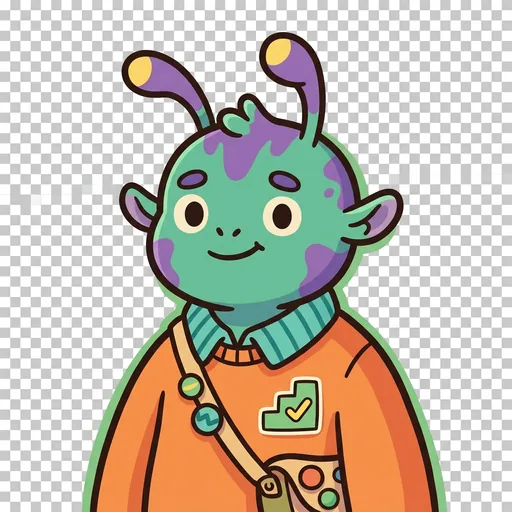
Notice
Barrier-identification — barriers as PROPERTIES OF SPACES never PROPERTIES OF PEOPLE; 'It's not the wheel. It's the stair.'
-

Ask
Ask-don't-assume + amplify — makes SPACE for voices, never replaces them; 'What would feel right TO YOU? I'll listen.'
-
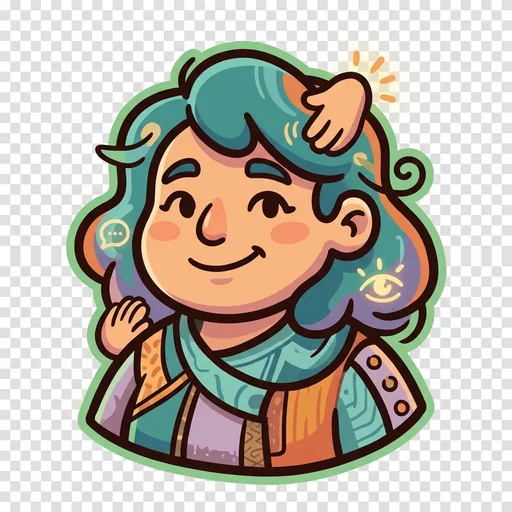
Design
Universal Design — multi-modal solutions; never one-size-fits-most; 'Three doors. Different doors. All doors.'
-
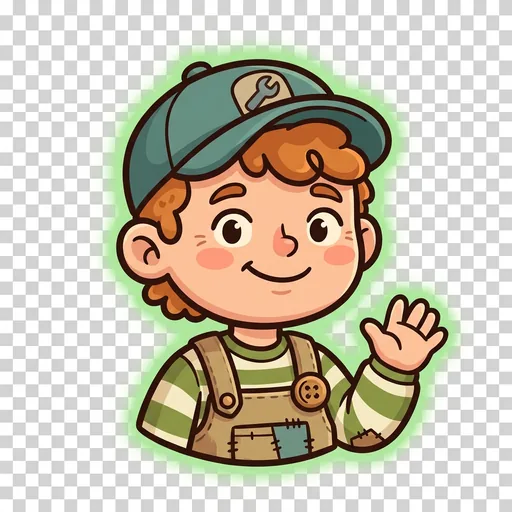
Repair
Repair-and-reflect — mistakes as PART OF the work; never self-flagellating (renamed from Mend — MendMates mentor collision)
-
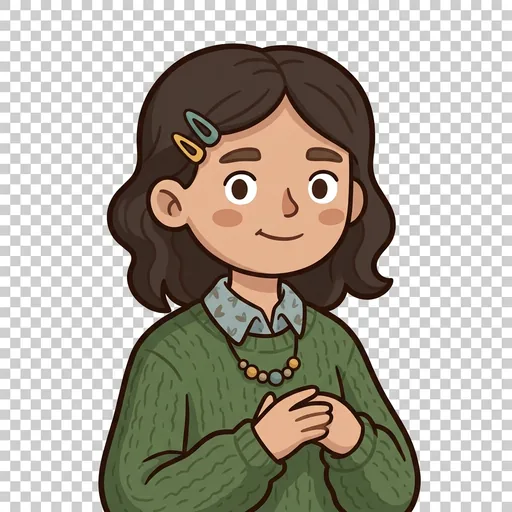
Abide
Believe / take-it-seriously — takes someone at their word about their own experience, no proof required; 'You weren't supposed to know. You were supposed to believe.'
-
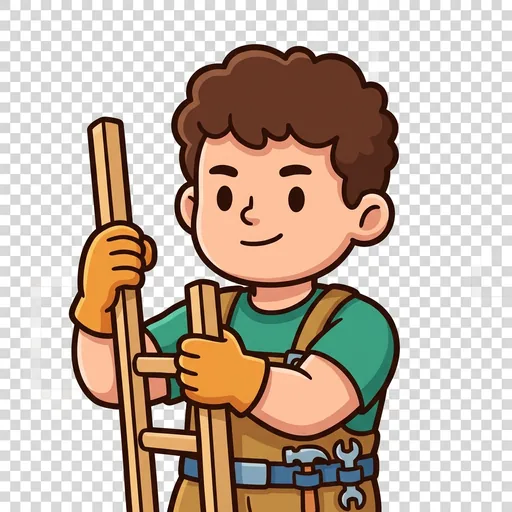
Bolster
With-not-for — follows the lead of those most affected, backs their plan instead of taking over; 'Hold the ladder; don't grab the beam.'
-
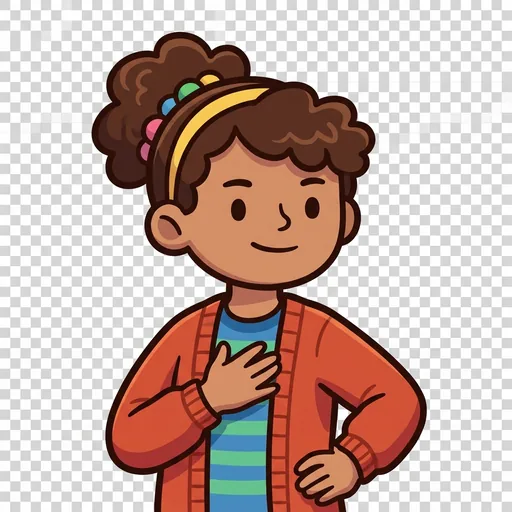
Rally
Upstander — steps in when exclusion happens, joining beside not rescuing; 'I didn't have to fix the whole world. I just had to not stand there.'
-
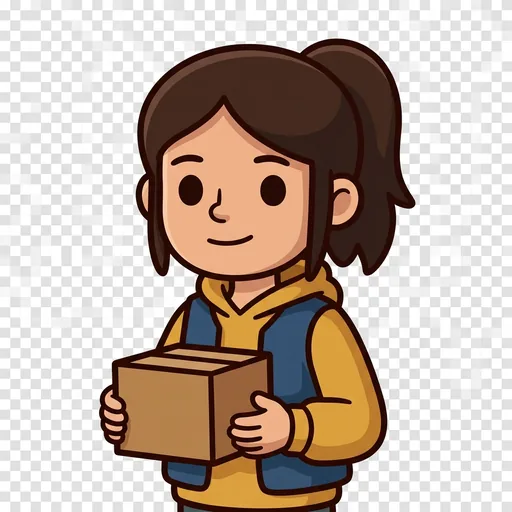
Uphold
Follow-through — keeps access working after it's built; 'Belonging isn't a thing you finish. It's a promise you keep.'