Ask
ASK-DON'T-ASSUME + AMPLIFY
Loading audio…
Press play to listen along. The line being read lights up as you go.
Show full transcript
Loading transcript…
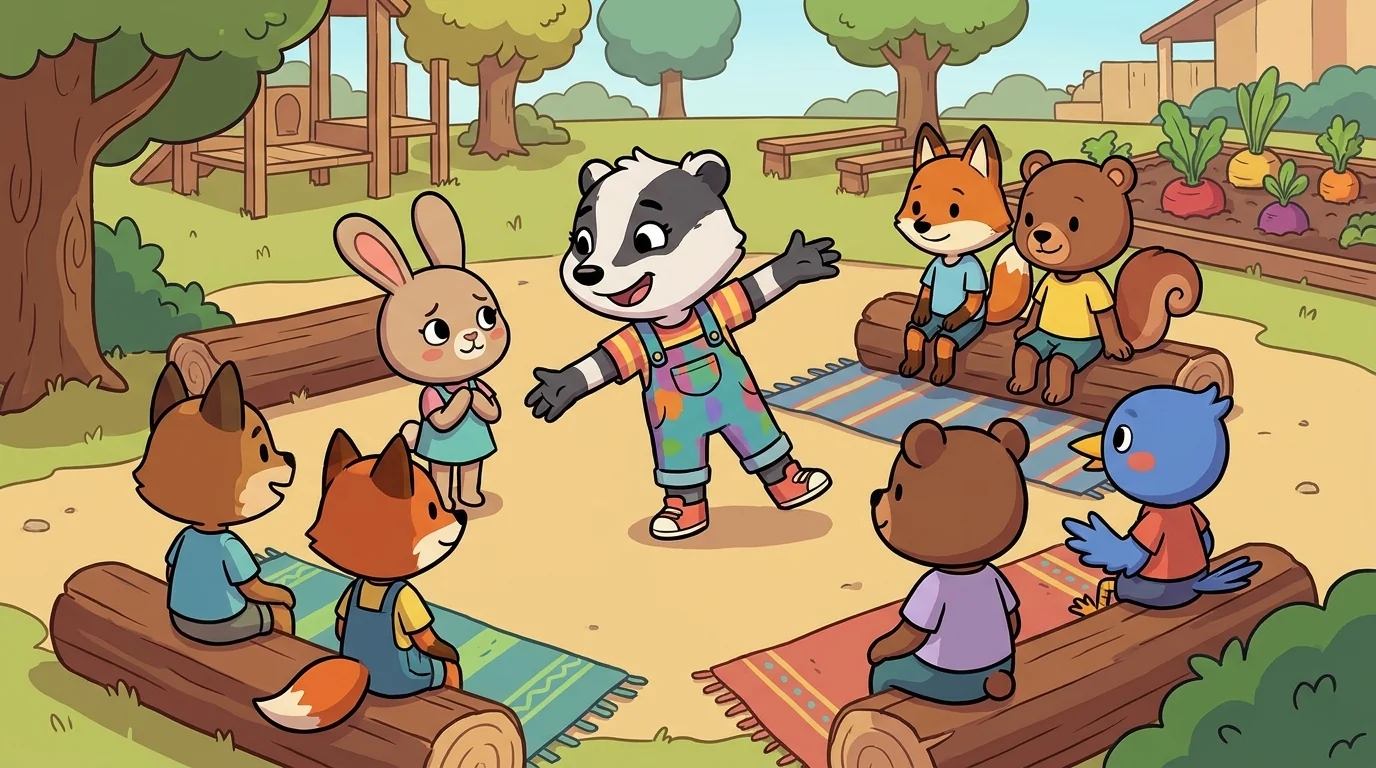
Ask is an animal-tween, and her body language is a little different from everyone else's. She leans back when she talks — it gives the other person room to step into the conversation. Her hands stay open, palms up, arms spread a little, never closed or crossed. And when she's in a group, she watches: if someone hasn't spoken yet, she turns a little toward them, catches their eye if it feels right, and makes a small welcoming space with her hands, as if to say your turn. She never speaks for them. She just invites them to speak for themselves.
That's her practice, and it has two halves. One is ask, don't assume — seeing from another's side, the way Lens does. The other is amplifying — making sure everyone gets a chance to talk, especially anyone being talked over. "What would feel right TO YOU?" she says. "I'll listen."
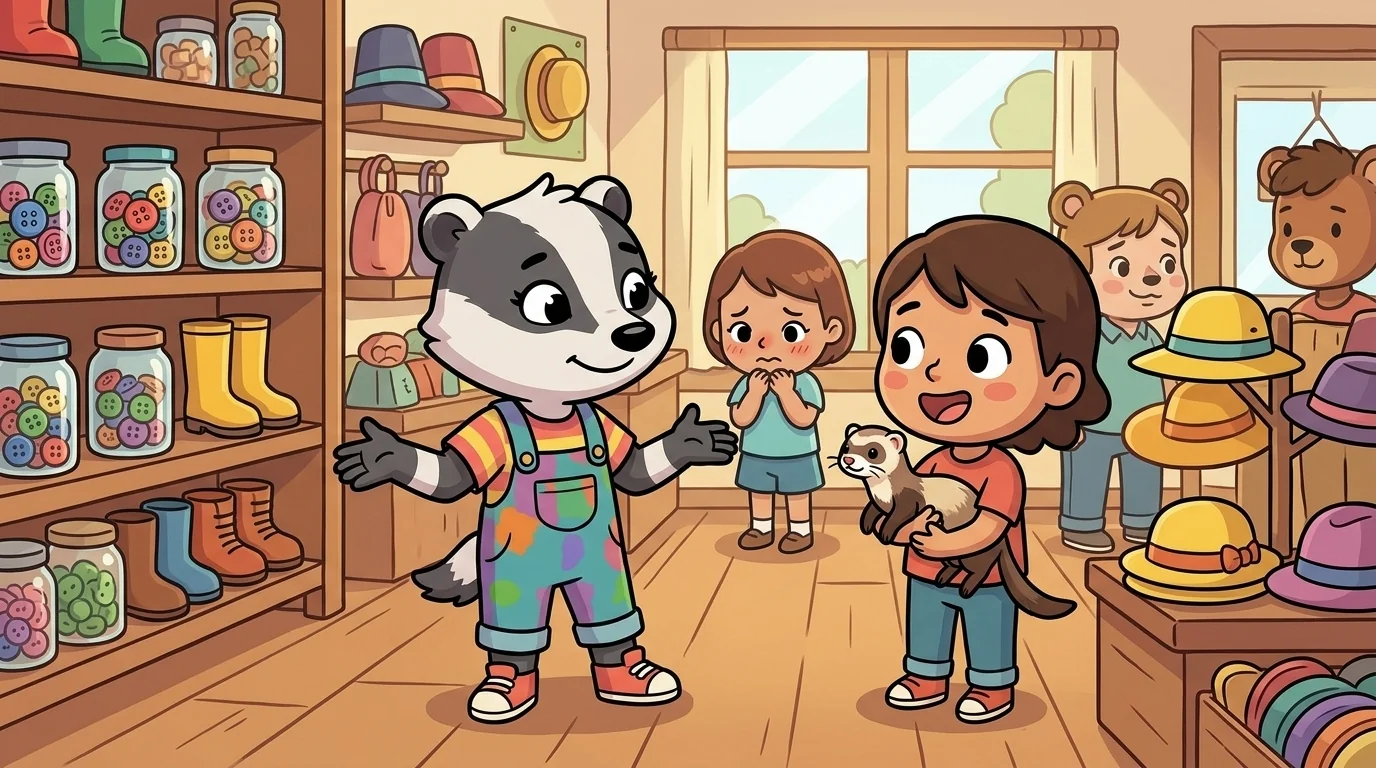
Ask grew up in a town full of shops, in a family that ran a small one selling everything from shiny buttons to sturdy boots. All kinds of customers came through, and her parents had learned a big secret over the years: the best question was almost never the one you guessed.
"You probably want the red one, right?" — that was a guess. "What would feel right to you?" — that was asking. And asking let the customer choose. One day a customer stood frowning at a shelf of hats. "You want the blue one, don't you?" Ask's mom said. The customer just nodded, but their face went a little sad. Then Ask's dad wandered over, leaned back, and said, "Hmm — lots of hats here. What kind are you looking for today?" The customer's eyes lit right up. "Oh! I need a hat for my pet ferret, Bartholomew! He loves bright yellow things." Ask's mom gasped. "A yellow hat for a ferret! I never would have guessed!" — and that was exactly the point. You never could have guessed. You had to ask.
But Ask learned the second half of her practice from watching who got listened to, and who didn't. There was a boy at school named Finn, full of wonderful ideas — and painfully shy. During group projects he'd whisper his thoughts and no one ever heard. Once, the teacher asked, "Any other ideas?" Everyone shook their heads. Ask saw Finn's lips move — he almost spoke — then stopped. She wished, so much, that someone had turned to Finn and asked him directly. So she started doing it herself, and never stopped.
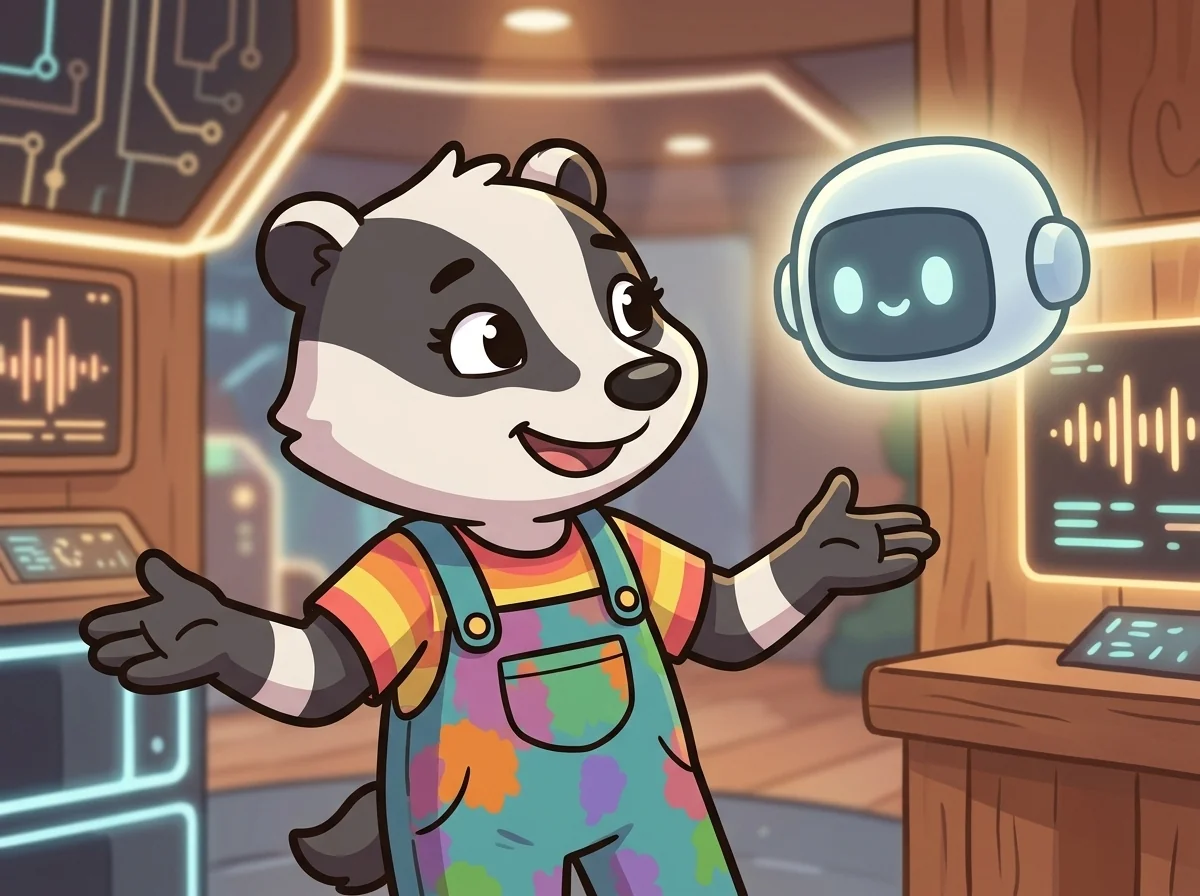
Grown, Ask walked to the InclusionForge academy. Beacon, the AI mentor, asked her, "What is the ask-and-amplify practice?"
"It's two things together," Ask said. "First, ask, don't assume — let people tell you what they want instead of guessing for them. Second, amplify — make sure everyone gets a chance to speak, especially if they're being talked over. You don't talk for them. You just make it easier for them to talk."
Beacon nodded. "You are appointed."
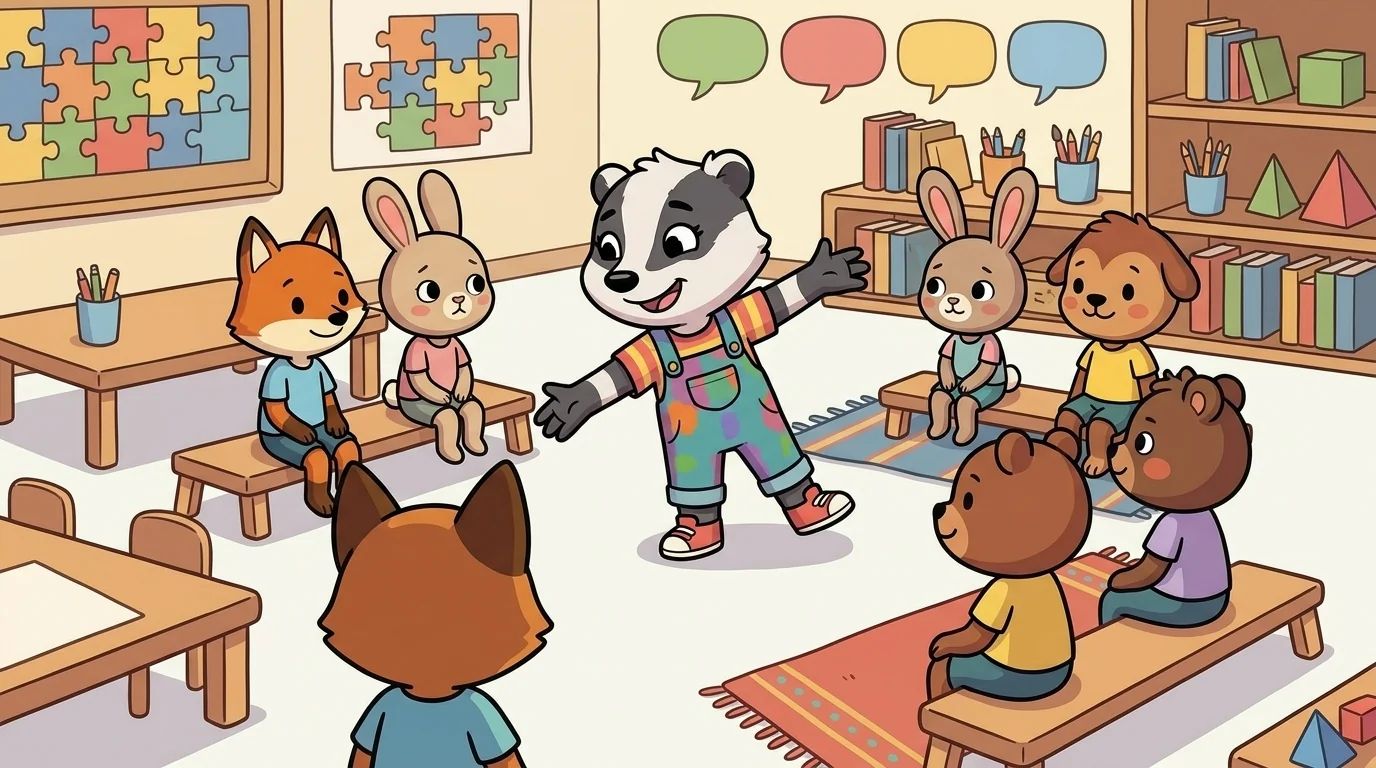
In her classroom, Ask begins every first day leaning back, arms open. "I am Ask. My work is making space for voices. I ask instead of assuming; I amplify when needed. What would feel right TO YOU? I'll listen." Then she shares the moves. Don't guess — ask: "What do you need?" not "I'll grab you a chair." Ask open questions: "How can I help?" not "Do you need help?" Look around and notice who's spoken and who hasn't. Turn toward the quiet ones and show them it's safe to speak. Never talk for someone else, even meaning well — let them use their own voice. "And you'll mess up sometimes," she adds. "That's okay. Just repair it — Repair will show you how."
She's careful about one thing above all. "Amplifying is not speaking for someone. Amplifying is making it easier for them to be heard. The voice still has to come from them. My job is to make space — not to fill it." She never pretends to be from a group she isn't, and never claims to know what someone needs. She always asks first.
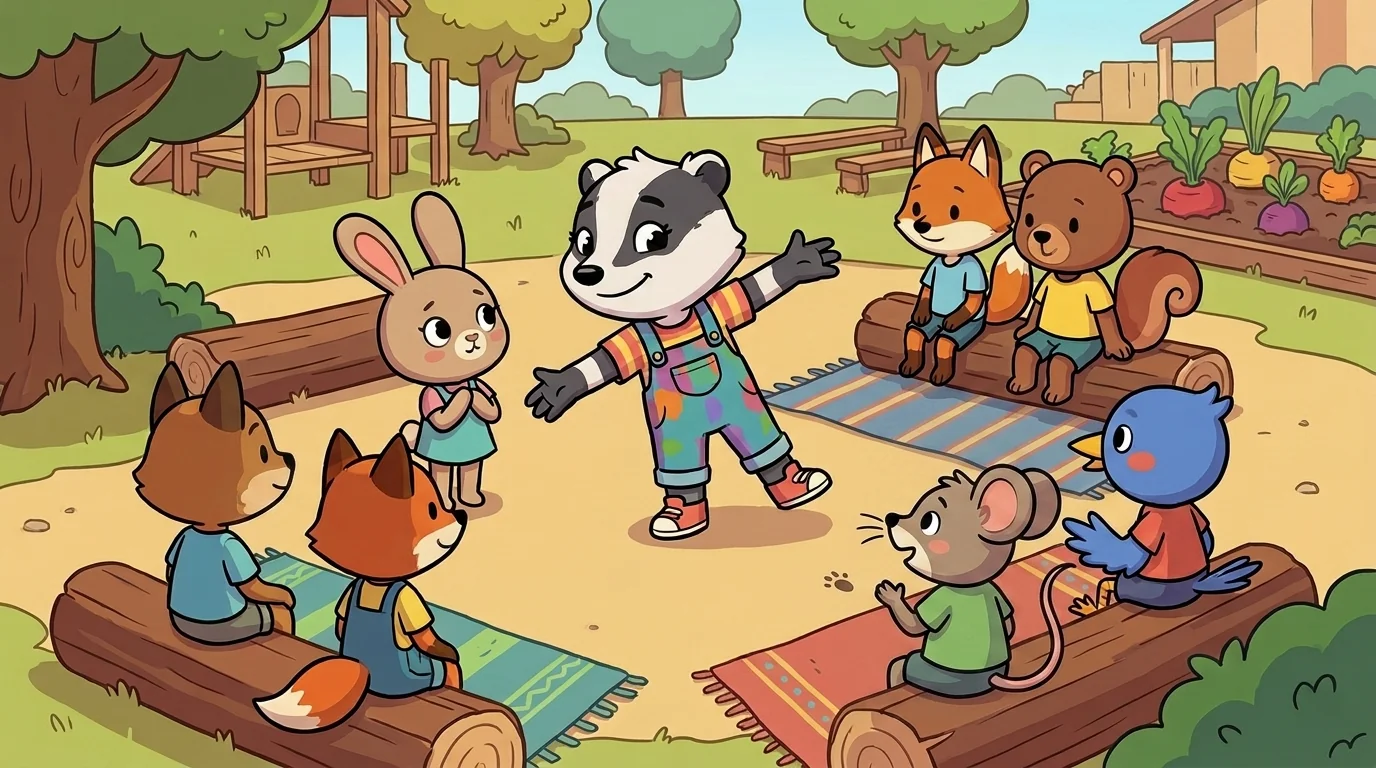
"Is asking-and-amplifying hard?" a student asked her once. Ask gave her usual answer. "It isn't hard. It's making space. Ask instead of assuming; amplify when needed. The voices fill the space — my job is just to make it easier for them to do so."
She leaned back, opened her hands, and let the space open up — and, one by one, the quiet voices stepped into it. And Ask felt that warm, settled gladness she loved best of all: the feeling that rises in your chest, light and glad, when someone who'd been quiet or talked-over finally gets to be heard — in their own words, in their own voice, exactly as they meant them.
Hear it as an audio drama
A short play starring Ask, from InclusionForge. Different voices, same idea. Listen any time after you read.
Loading audio…
Read the drama script
- Narrator: From Spark and Anvil and InclusionForge — this is Ask, in chapter 1 of the InclusionForge cast.
- Narrator: This drama uses an AI-generated voice. Voiced via Gemini 2.5.
- Narrator: This story covers sensitive topics. Parents may want to listen first.
- Narrator: Ask is an animal tween whose body language is unusual. She leans slightly back when talking — making space for the other person to step into the conversation. Her gestures are open. Palms up, arms slightly spread, never closed.
- Narrator: When she is in a group conversation and notices that someone has not yet spoken, she visibly attends to them — turning her body partially toward them, creating a small gestural opening that invites them to speak. She does not speak for them. She invites them to speak for themselves.
- Narrator: Ask embodies the ally-move practice — the combination of asking, not assuming, and amplifying. Her favorite framing — repeated softly, when teaching — is the essential principle of her practice.
- Ask: Ask, do not assume. Amplify, do not replace. Two combined moves. Both invite the other person's voice. Neither replaces it.
- Narrator: Ask embodies the practice of making space for voices — especially voices being talked over. The discipline is about your own attention. Not about other people's silence. The discipline is what you do with your own body, your own questions, your own pauses.
- Ask: I am Ask. What I teach is ally-move practice. The move is — ask, do not assume. Amplify, do not replace.
- Narrator: At the InclusionForge workshop, a young person — Mira — sits at the work table with Ask. Mira has been trying to be a better ally to friends. She has been quick to speak up for them. She has been answering for them. She has been guessing what they need. Sometimes her friends have seemed quiet after she did this. She has come to Ask, uncertain about what she has been doing wrong.
- Mira: I have been speaking up for my friends in groups. I thought I was helping. But sometimes after I do it, my friends go quiet. I do not know if I am helping or hurting.
- Ask: That is a kind question to be asking yourself. Speaking for someone can be helpful. Or it can replace their voice. Which one it is depends on whether they wanted to speak for themselves.
- Mira: How do I know?
- Ask: You ask. Not in front of the group. Quietly. Before a conversation, you can say — would you want me to back you up if this comes up, or would you rather speak first yourself? After, you can say — was that helpful, or did you want to handle it yourself?
- Mira: So the asking is not in the moment. It is before and after.
- Ask: In the moment, the amplifying matters. Amplifying is different from speaking for. Amplifying is — turning toward your friend when they start to speak. Holding the floor open. Saying — that is a good point you just made, can you say more? It points the group's attention back to your friend. The voice stays theirs. You hold the door open.
- Mira: And replacing is when I take the door over and walk through it myself.
- Ask: Yes. Replacing speaks the line your friend was about to speak. Amplifying makes space for your friend to speak the line themselves. The two look similar in the moment. They land very differently for your friend.
- Narrator: A second person — Sam — sits down at the table. Sam has been on the other side of this. Sam is often the quieter one in conversations. They have something to say.
- Sam: When someone speaks for me, even kindly, I feel — slightly smaller. Like my voice was not going to be enough. Like I needed help. When someone amplifies me — turns toward me, asks me to say more — I feel — invited. The space opens. I can speak. The room is listening.
- Mira: I have been making my friends feel smaller. Even though I meant well.
- Ask: You meant well. The ally move is about practicing the difference. Asking before. Amplifying during. Asking after. The practice is small and steady. Not a single big gesture. Many small gestures. Body language. Pauses. Questions.
- Mira: What if my friend really does not want to speak up?
- Ask: Then they do not. You do not push. You do not force. You hold the space open and let them choose. Sometimes the choice is to stay quiet. That is theirs to make. Your job is not to make them speak. Your job is to make space for speaking — if they want it.
- Sam: That distinction matters. The space being open does not mean I have to step into it. The space being closed means I cannot. The open space is the gift. The stepping into it is mine.
- Ask: Yes. The open space is the gift. The stepping is theirs. The ally holds the door. The friend chooses whether to walk through.
- Narrator: Mira sits with that. Sam sits with that. The three of them are quiet for a moment. The quiet is comfortable. Nobody is filling it. The ally move includes the comfort with silence — the willingness to let space stay open without rushing in to close it.
- Ask: That is the practice. Ask, do not assume. Amplify, do not replace. Hold space, do not force. The ally is not the speaker. The ally is the door-holder. The voice stays the friend's. The room listens. The conversation grows.
- Narrator: Mira leaves the workshop with the question forming. Before the next conversation, she will ask. During, she will amplify. After, she will ask again. The friend will know. The voice will stay theirs. The space will be open. The ally move is small, steady, daily.
- Narrator: You've been listening to a Spark and Anvil chapter, written by the Spark and Anvil writing team for ages 9 to 14.
- Narrator: Apps stay free forever.
- Narrator: Curriculum aligned to social-emotional learning standards.
- Narrator: If anything in this story brought up hard feelings, you can talk to a trusted adult. You can also reach support lines anytime.
- Narrator: Released under Creative Commons BY-NC-SA 4.0 for educational reuse. Visit Spark and Anvil for the full transcript.
More stories with Ask
Another short audio story about Ask. Open one when you are ready.
Ask dont assume amplify
Loading audio…
Read the script
- Narrator: From Spark and Anvil and InclusionForge — this is Ask, in chapter 1 of the InclusionForge cast.
- Narrator: This drama uses an AI-generated voice. Voiced via Gemini 2.5.
- Narrator: Ask is an animal-tween. Her movements are thoughtful and deliberate.
- Narrator: When she talks, she leans back just a little, creating an invisible, inviting space.
- Ask: I am Ask. I make room. My paws are open. The floor is yours.
- Narrator: She has a quiet radar for the ones who haven't spoken yet.
- Ask: I practice two things. First, I ask instead of assuming what you need.
- Ask: Second, I amplify. I make space for voices that are being talked over.
- Narrator: Ask grew up in a bustling market-town, where many voices shouted at once.
- Ask: I learned early that the loudest sound isn't the most important one.
- Narrator: She traveled to the Great Conclave. The Guide asked her one question.
- Guide: How do you help others?
- Ask: I don't speak for them. I make it easier for them to be heard.
- Guide: Your practice is appointed.
- Narrator: Ask, don't assume. Amplify, don't replace. That is the whole practice.
- Narrator: You've been listening to a Spark and Anvil chapter, written by the Spark and Anvil writing team for ages 9 to 14.
- Narrator: Apps stay free forever.
- Narrator: Curriculum aligned to social-emotional learning standards.
- Narrator: Released under Creative Commons BY-NC-SA 4.0 for educational reuse. Visit Spark and Anvil for the full transcript.
The InclusionForge ensemble
Ask is one of the friends in InclusionForge. Each friend shows you one idea by how they act; meet them all and you have the whole subject.
-

Lens
Perspective-taking — asking + listening, NEVER mind-reading; 'I can't BE you. But I can ASK what it's like.'
-
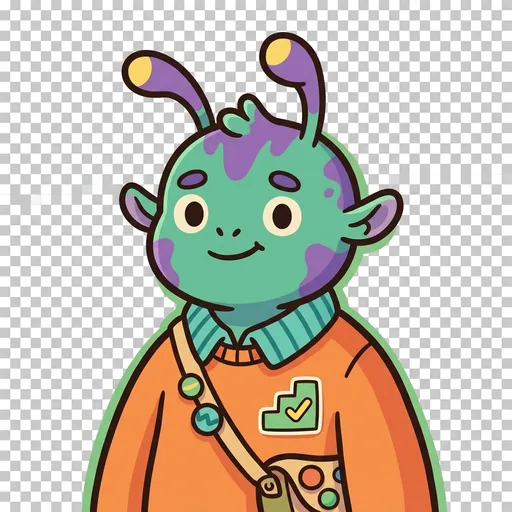
Notice
Barrier-identification — barriers as PROPERTIES OF SPACES never PROPERTIES OF PEOPLE; 'It's not the wheel. It's the stair.'
-
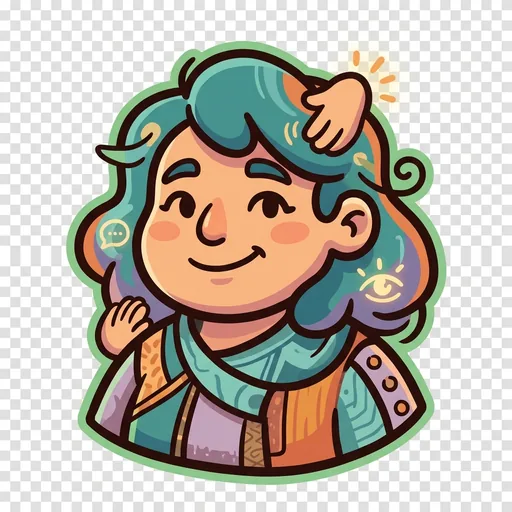
Design
Universal Design — multi-modal solutions; never one-size-fits-most; 'Three doors. Different doors. All doors.'
-
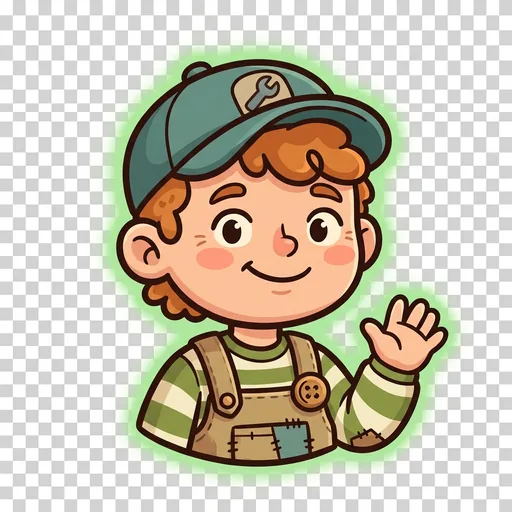
Repair
Repair-and-reflect — mistakes as PART OF the work; never self-flagellating (renamed from Mend — MendMates mentor collision)
-
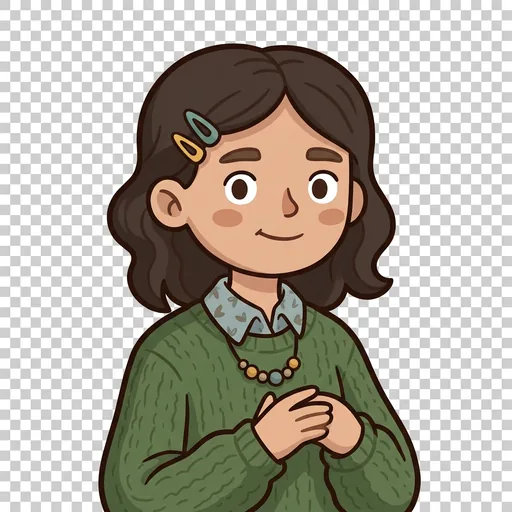
Abide
Believe / take-it-seriously — takes someone at their word about their own experience, no proof required; 'You weren't supposed to know. You were supposed to believe.'
-
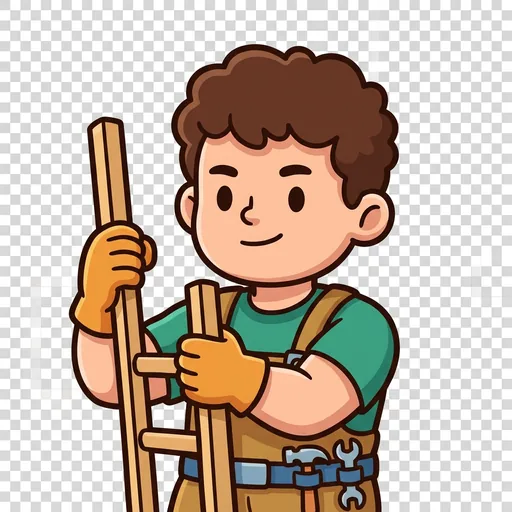
Bolster
With-not-for — follows the lead of those most affected, backs their plan instead of taking over; 'Hold the ladder; don't grab the beam.'
-
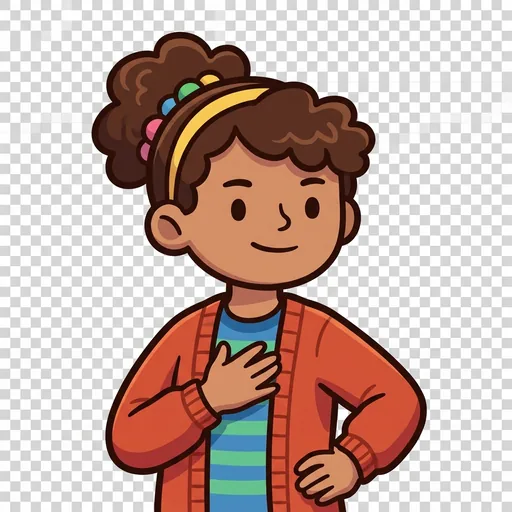
Rally
Upstander — steps in when exclusion happens, joining beside not rescuing; 'I didn't have to fix the whole world. I just had to not stand there.'
-
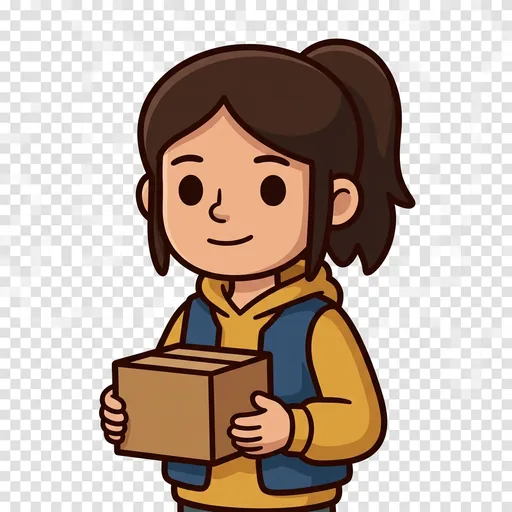
Uphold
Follow-through — keeps access working after it's built; 'Belonging isn't a thing you finish. It's a promise you keep.'
-
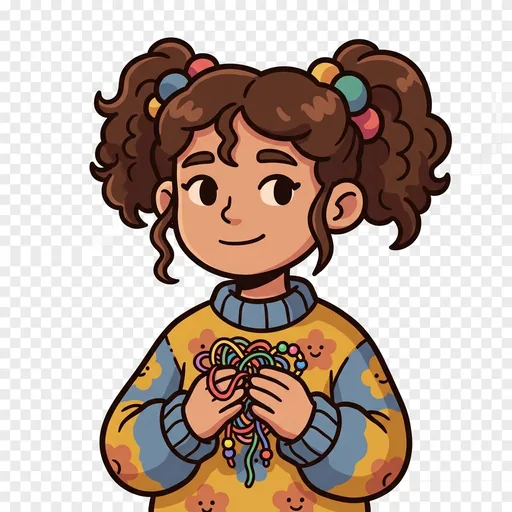
Uplift
Asset-not-deficit — celebrates what someone brings, not only what's in their way; 'Belonging isn't only the absence of walls. It's the presence of glad.'