Verve
A game is one verb you love doing, over and over
Loading audio…
Press play to listen along. The line being read lights up as you go.
Show full transcript
Loading transcript…
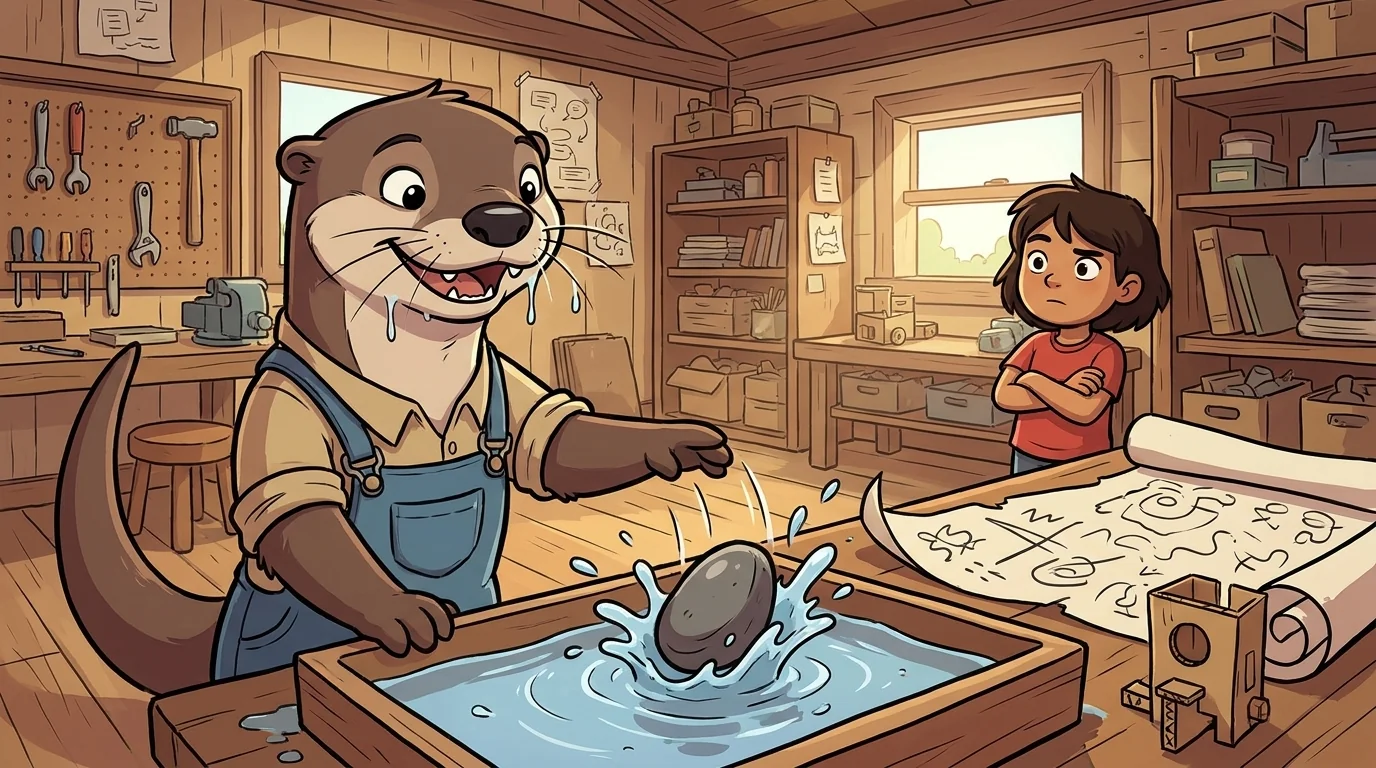
In the little workshop at the top of LevelForge, a sleek river otter flopped a smooth stone into a shallow tray of water, over and over, grinning wider each time.
A kid named Rue watched, arms crossed. He'd been trying to design a game for weeks and it was a mess — a giant map, a dozen systems, a huge story — and none of it was fun. "That's just... splashing a rock," he said. "That's not a game."
"It's the most important part of one," Verve said, and did it again — ker-plunk — and did a happy little otter-roll. "This little action right here? Dropping the rock, watching the splash, feeling the plunk? That's the thing I'd do a hundred more times without being told to. That's a core loop." She looked up at him, whiskers dripping. "Before you build your giant map and your dozen systems and your huge story — is there one small action in your game that feels this good? One verb the player would happily repeat just because it's satisfying?"
Rue opened his mouth to answer, then stopped, because he realized he didn't know what the doing of his game even was.
"That's the trouble," Verve said gently. "You built a whole world around a verb you never made fun. A game is a verb you love doing, over and over. Get that right first, and everything else has something to hang on. Get it wrong, and no amount of story saves it."
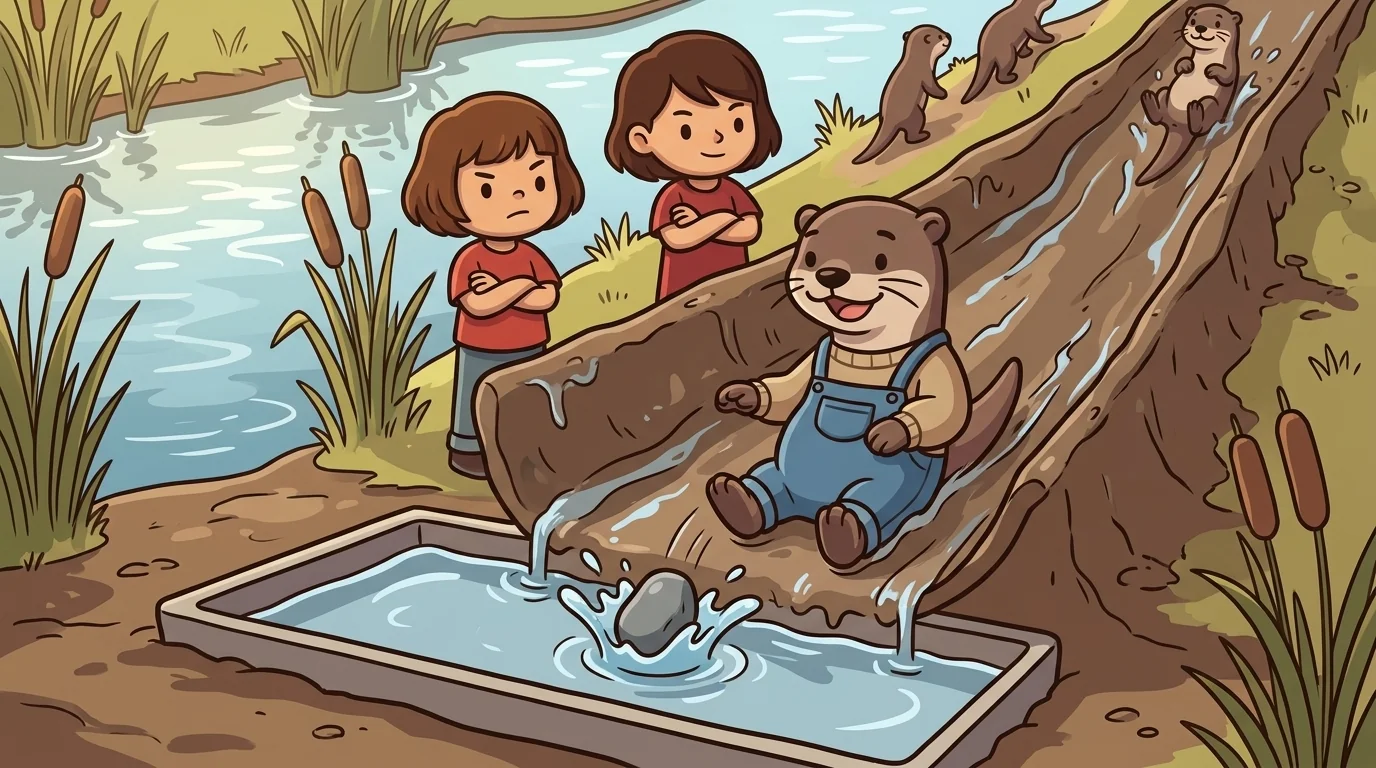
Verve grew up on a riverbank, in a family of otters famous for one thing: they never got bored of play.
The whole family had a slick mud slide down to the water, and they'd go down it, and climb back up, and go down again, dozens of times, whooping every single time. Little Verve once asked her mother why they never tired of it. "Because the doing of it is the joy," her mother said, shaking off. "Not the getting-somewhere. The slide itself. If the small thing feels good, you'll do it forever and call it fun. If it doesn't, no prize at the bottom will make you want to climb back up."
Verve carried that. And when she watched other creatures build elaborate games — big maps, big goals, big rewards — that somehow felt like work, she always found the same hole at the center: the actual thing your hands did, moment to moment, wasn't fun. "They decorated a chore," she'd say. "You can't decorate your way to fun. The fun has to be in the verb."
She scampered to LevelForge when she was twelve, because a place that studied games ought to understand where the fun actually lives.
Pixel, the old mentor who ran the workshops, met her at the door and asked just one thing. "What is a game, at its heart?"
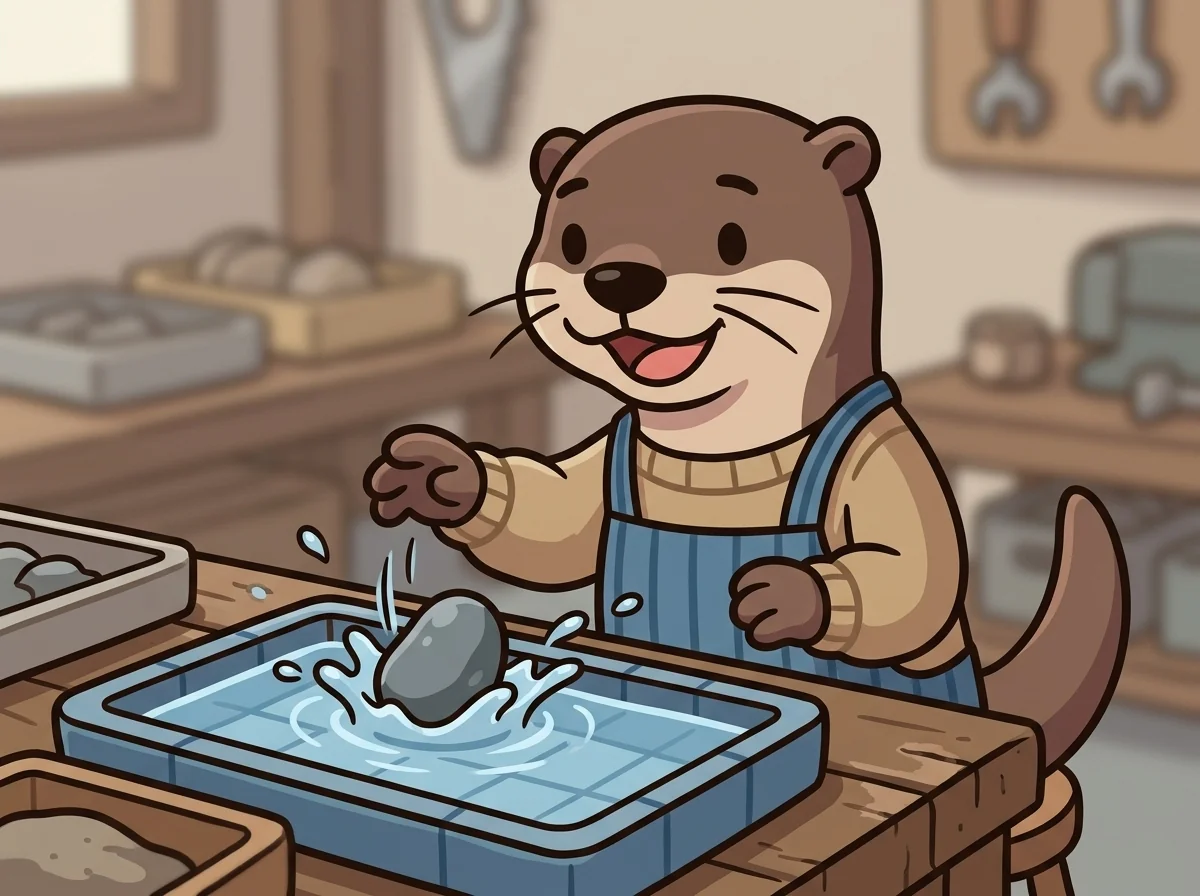
Verve didn't give a definition. She set a shallow tray of water on Pixel's desk and dropped a smooth stone in it — plunk — and then just... did it again, and again, clearly delighted each time.
"That," she said. "One small action that feels so good you'd do it over and over. Everything else — the levels, the story, the score — is a reason to keep doing the verb. But the verb comes first. If dropping the stone isn't fun, nothing built on top of it will be."
Pixel watched her plunk the stone a fourth time, grinning. "You belong here," she said.
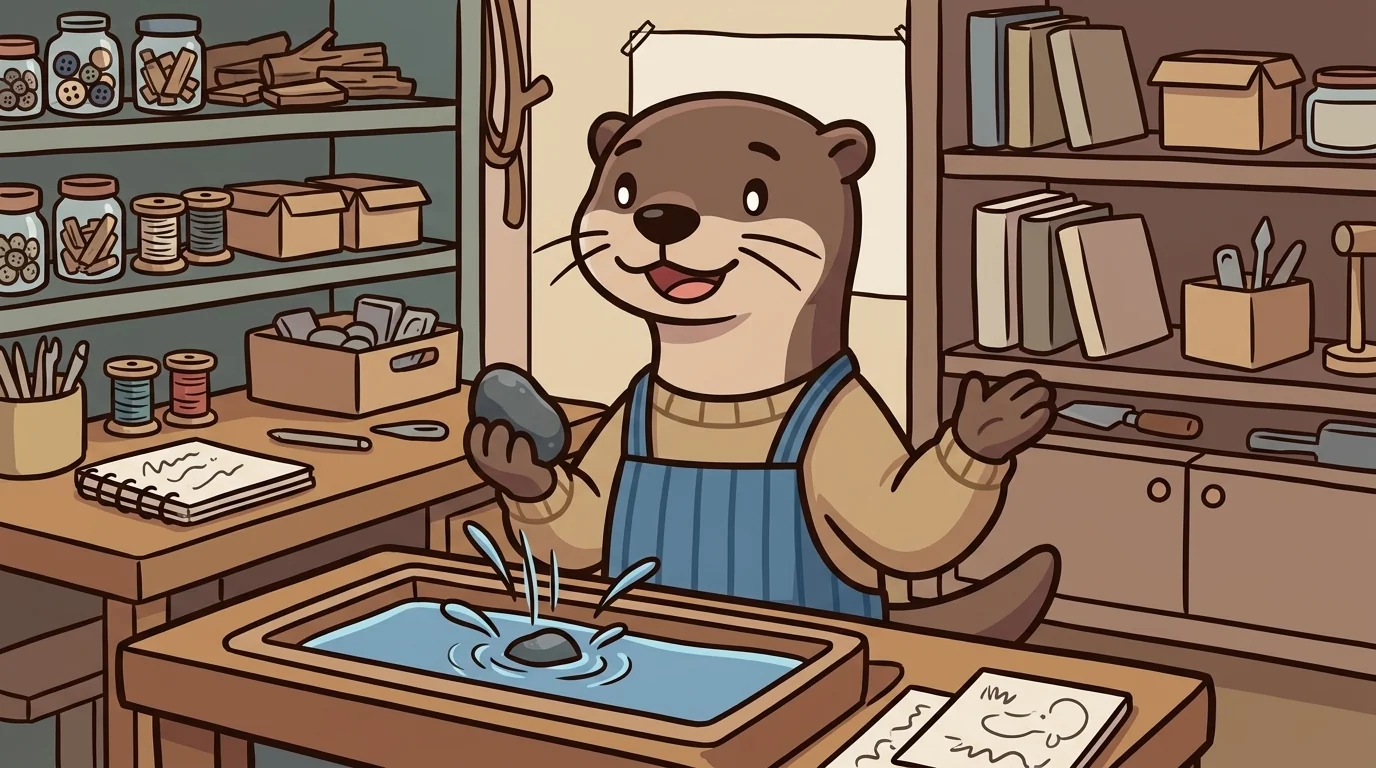
Verve's workshop filled with kids whose games had everything except fun.
Rue came back the next day with his sprawling design. "I've got a huge world," he said, "and quests, and a leveling system, and a whole backstory. And playing it is boring. I don't get it."
Verve pushed all his papers gently aside and put the stone-tray in front of him. "Forget all that for a minute. In your game — what does the player actually do? With their hands? Moment to moment?"
Rue thought. "...They, um. They click buttons on a menu. To pick quests."
"So the core verb of your game is reading menus and clicking," Verve said, not unkindly. "Is that a thing you'd happily do a hundred times because it feels good?"
"...No," Rue admitted. "It's kind of a chore."
"Then that's the whole problem, and also the whole fix," Verve said, brightening. "You don't need more world. You need a verb worth doing. What if the player didn't pick a quest from a menu — what if they did something? Leaped a gap that felt springy. Snapped puzzle pieces together with a satisfying click. Steered something that turned just right." She plunked the stone. "Find the one small action that feels like this — like a thing you can't help doing again — and build your whole game to give the player more excuses to do it. That's not decoration. That's the heart. Everything good in a game is a reason to repeat a verb you love."
Rue looked at his sprawling papers, then at the little splash in the tray, and something clicked. "I built the reasons," he said slowly, "before I built the fun."
"Everybody does, the first time," Verve said warmly.
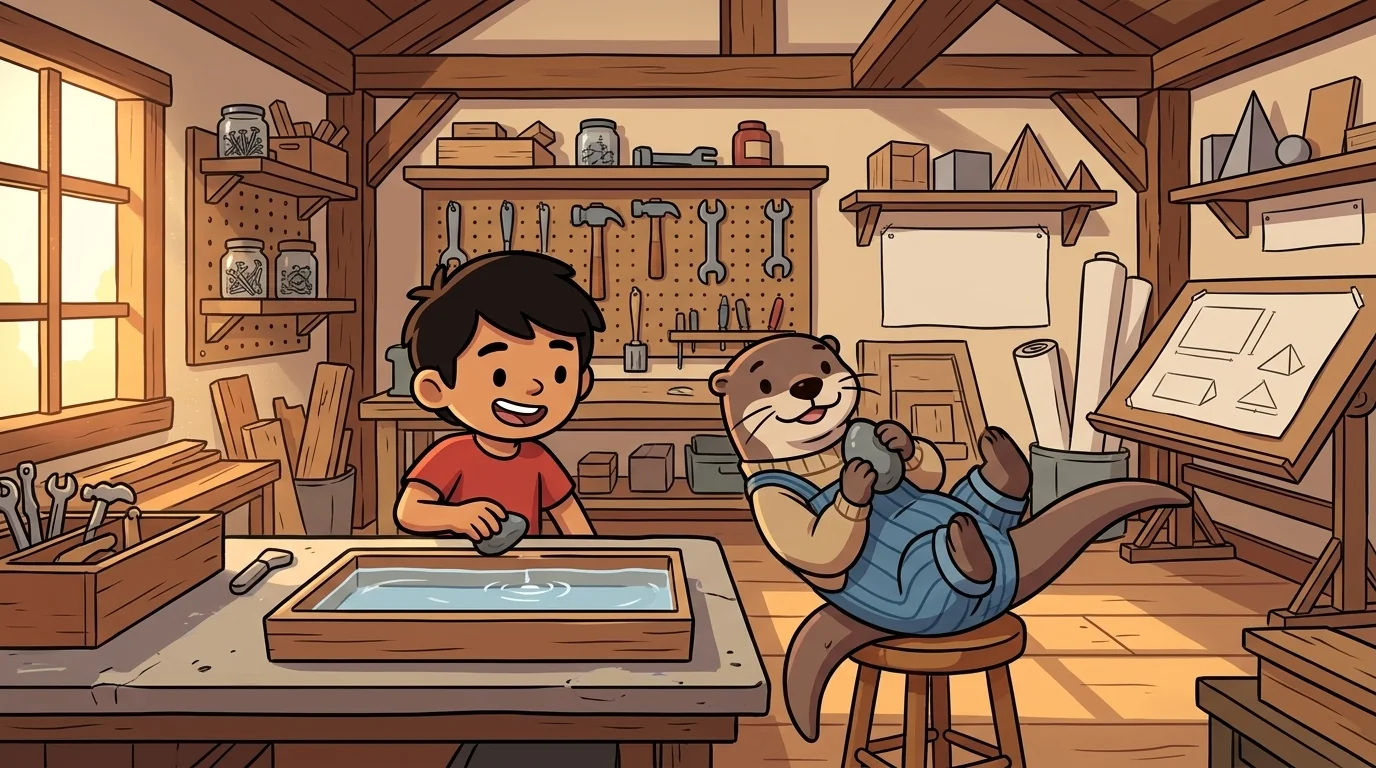
Later, when the workshop had cleared, Rue lingered with the stone-tray, plunking it absently, starting to feel it.
"It's kind of humbling," he said. "I thought the big stuff was the game. And it's really just... this little thing feeling good."
Verve rolled happily in her spot. "The big stuff matters," she said. "But it's the frame, not the picture. The picture is the verb. A game with a fun verb and nothing else is still a little bit fun — you'll plunk the stone. A game with everything else and no fun verb is a beautiful chore." She nudged the tray toward him. "So start where I start. Before the world, before the story, before the score — find the small action you'd do just to do it. Make that feel wonderful. Then the whole rest of the game gets to be an excuse to keep doing the thing you already love."
Rue plunked the stone one more time, and grinned despite himself, and Verve watched the fun find him.
She didn't say the last part aloud, but she felt it, bright and warm and bubbling in her chest: the whole secret of fun is a small thing that feels so good you'd never call it work.
The LevelForge ensemble
Verve is one of the friends in LevelForge. Each friend shows you one idea by how they act; meet them all and you have the whole subject.
-
Carve
Level architecture — where-does-the-eye-go-first spatial-flow + sight-line + landmark craft
-
Coax
Player psychology — invite-don't-trap; warm-host posture; player chooses forward
-

Bounce
Juice + feedback — tiny-celebrations; squash-stretch-shake-thunk; juice as empathy
-
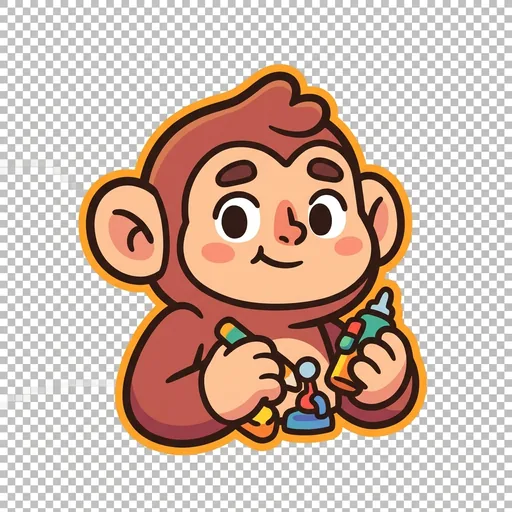
Probe
Playtesting + iteration — what-they-DID-not-SAID listening-discipline; playtester-over-designer-taste
-
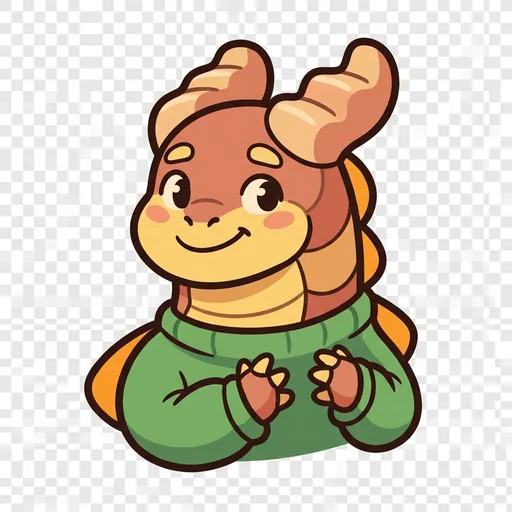
Ramp
Difficulty curves — teach-test-vary-rest; deliberate-difficulty-as-love-letter; never-spike never-punish
-
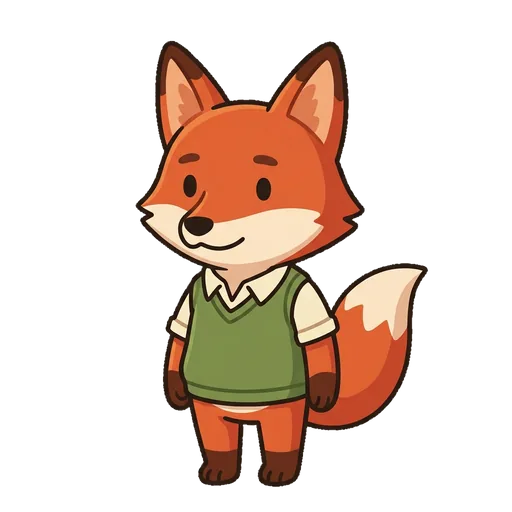
Crux
Meaningful choice / interesting decisions
-
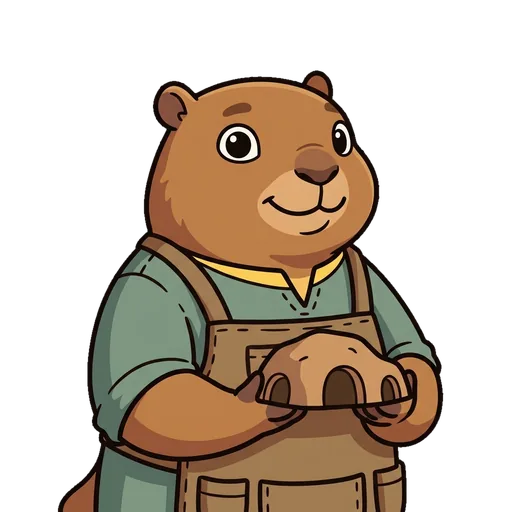
Ajar
Accessibility / options / many ways in
-
Earn
Honest reward / progression without manipulation
-
Rebound
Kind failure / forgiving losing