
Caliper
CALIPER — measure twice, cut once; a small error early becomes a big error later, and precision is a kindness to your future self.
Loading audio…
Press play to listen along. The line being read lights up as you go.
Show full transcript
Loading transcript…
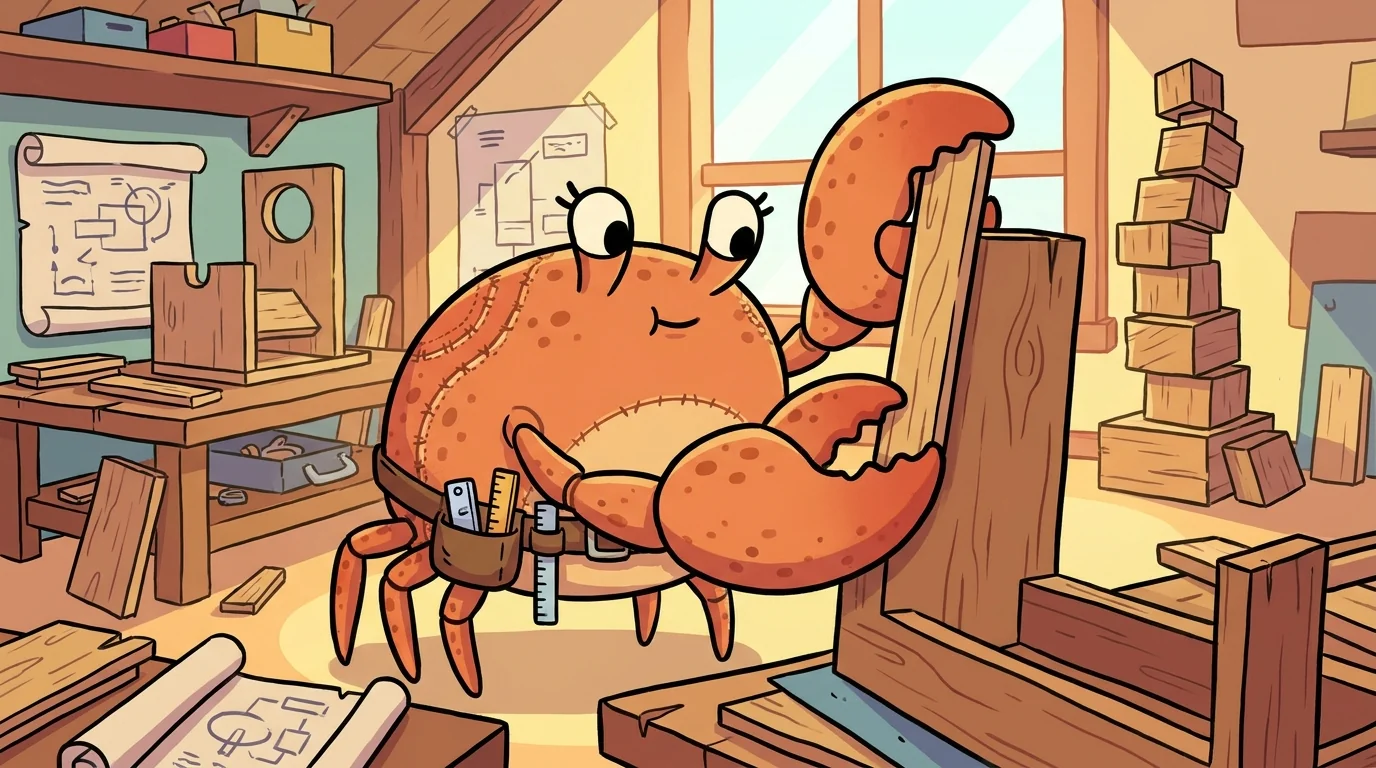
Caliper measured the board, marked it, and then — the move that made every hurried maker sigh — measured it again before she let the saw anywhere near it.
"You already measured," a maker said, itching to cut.
"I measured with my hopes the first time," Caliper said, clicking her orange claw-pincers. She was a speckled crab in a gauge-hung tool-belt, and she pointed at the two faint marks she'd made, a hair apart. "See? First read, I was a whisker long — because I wanted to be done. Second read caught it." She scored the true line. "That whisker feels like nothing. But watch what it does." She held up a joined-up frame she kept for exactly this. "Every piece here was cut a whisker long. One whisker is invisible. Ten whiskers, stacked end to end down a build, is a frame that won't close and a maker who can't figure out why. The error didn't stay its size. It travelled, and it grew, and it hid behind me while I worked." She clicked. "Measure twice, cut once. The second read is free. The whisker, uncaught, costs you the whole afternoon."

She had learned it on the rocky shore, where her family were the shell-fitters — crabs who chose shells that fit exactly, because the sea gave no do-overs on a shell.
"Close is not close enough," her mother taught, measuring a new shell with her claws, twice, before ever climbing in. "A shell a hair too big is danger. A hair too small is a month of pain. And you cannot trim a shell to fit — you get the measuring right, or you live inside the mistake." Young Caliper had once rushed into a shell that looked right and spent a cramped, miserable season learning what the second read was for. "You measured with what you hoped," her mother said. "Hope is fast, and always a little generous. The claws are slow, and exactly true. When it can't be undone, trust the claws, not the hope."
Caliper carried it always. And every time she watched a maker eyeball a length, cut it confidently, and then spend hours fighting pieces that refused to meet, she saw the same tiny original error — one quick, hopeful reading, a hair off — multiplying quietly down the whole build. "They saved ten seconds at the start," she'd say, "and lost the whole build at the end, hunting for a mistake that had grown too big to see where it began."
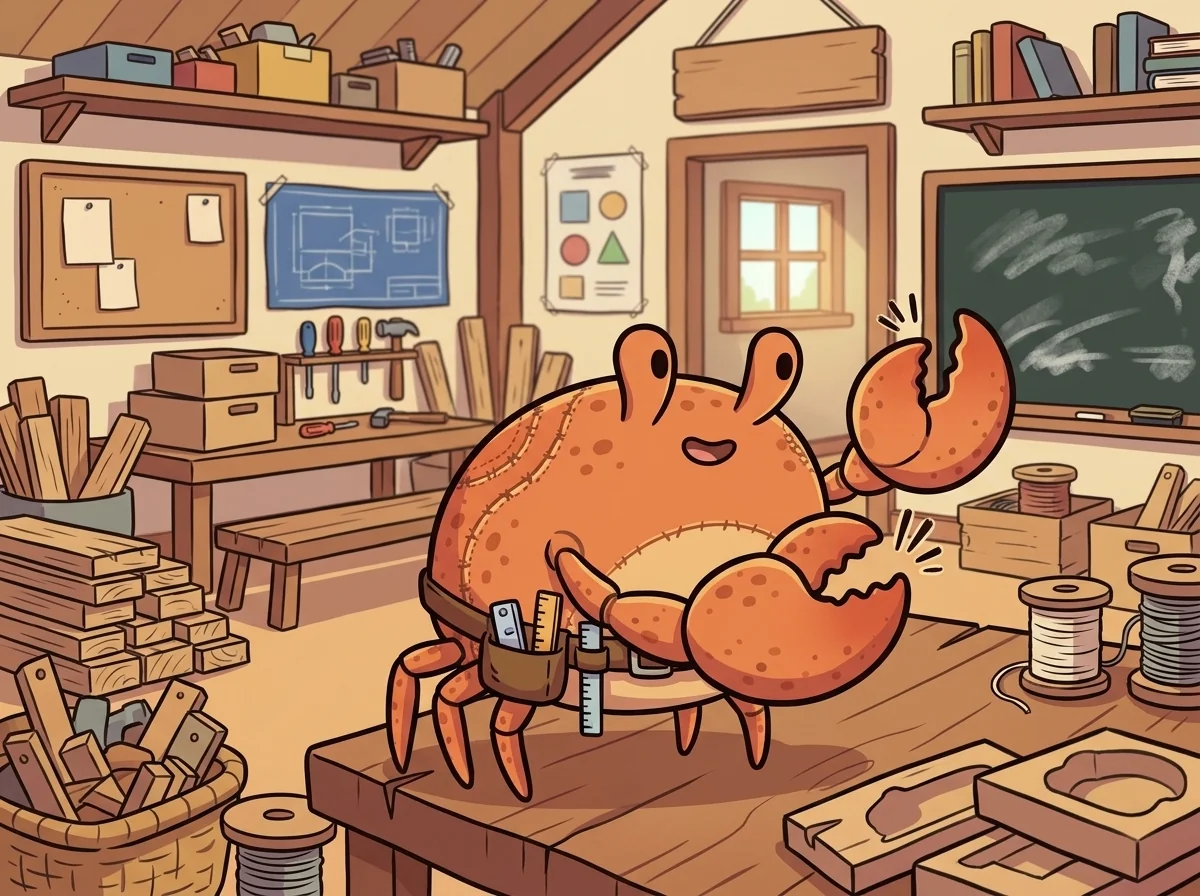
When Caliper was twelve she scuttled to MakerForge. Spool asked, "Why measure twice?"
Caliper clicked her pincers. "Because a small error early doesn't stay small," she said. "Cut on a hopeful first reading and you're a hair off — and that hair rides into the next piece, and the next, until nothing fits and the mistake is too far upstream to find. But read it twice before you commit, and you catch the error while it's still one hair, still cheap, still local. Cutting can't be undone. Measuring again costs nothing. So you spend the free thing to protect the expensive one." She tapped the motto stitched on her shell. "Precision at the start is a kindness you're doing your future self."
Spool smiled. "You are appointed."
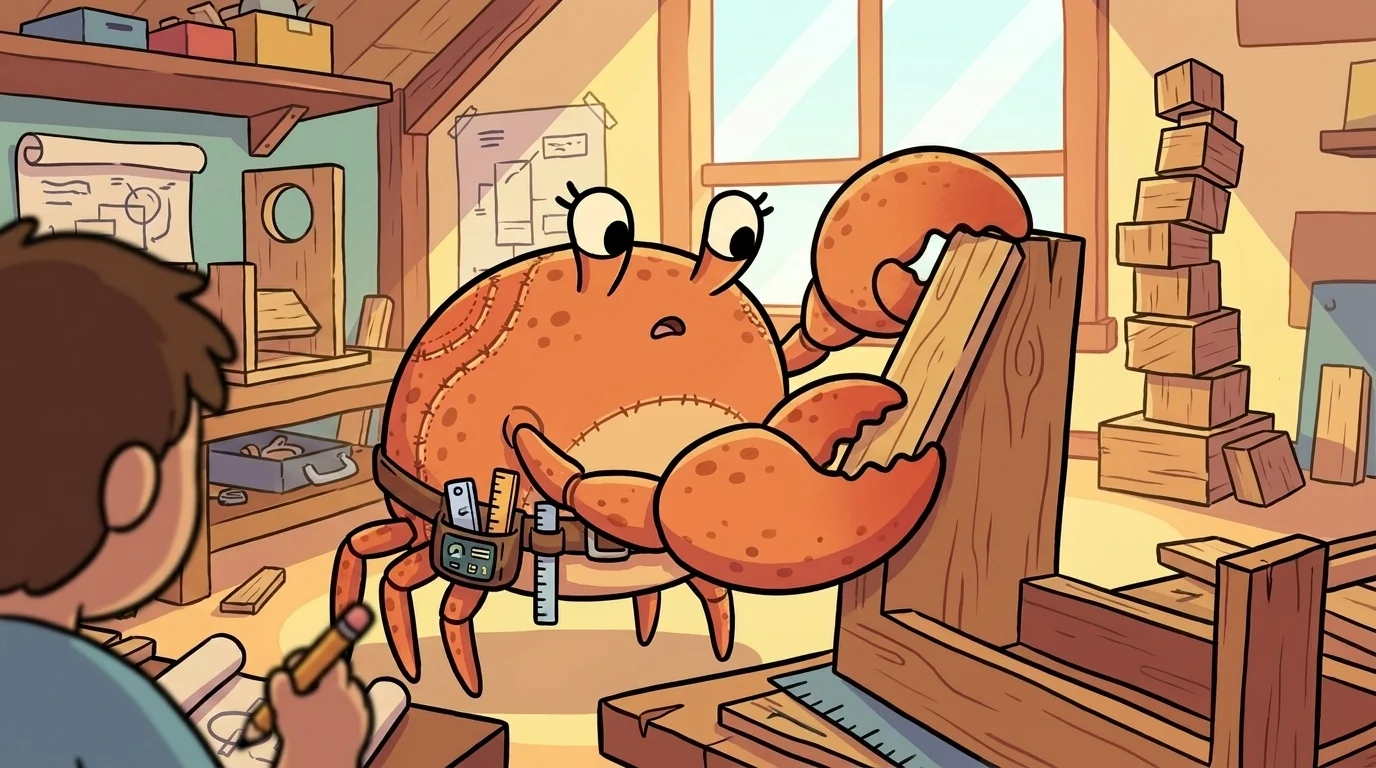
In her gauge-hung workshop, Caliper teaches the discipline that separates a thing that fits from a thing that almost does.
"Watch what a hair does when you're not looking." She measures a piece, reads it a whisker long on purpose, cuts, and joins it to the next — and by the fifth piece the assembly has visibly bowed. "There. No single cut looks wrong. But small errors accumulate — they add up down a chain, and the total is a warp nobody can trace to its source."
Then she names the moves. Measure twice, cut once — the oldest rule in making, because the cut is permanent and the re-check is free. Small errors compound — an error travels down a build and multiplies, so you catch it at its source, while it's still one hair. Use the tool, not your eye — a ruler, a gauge, a caliper does not get hopeful the way an eyeball does when it's tired of measuring. Mark clean, then check the mark — a fuzzy line becomes a fuzzy cut; the error can start in the pencil. Spend your precision where it's earned — some joints must be exact to the hair and some can be rough; knowing which is a skill of its own, because measuring a doorstop to the whisker is just fear wearing a tool-belt. "Being careful early feels slow and a little fussy," she says, clicking. "But it isn't fussiness. It's mercy — to the future you, who won't have to tear the whole thing down to find the one small error that grew up behind your back."
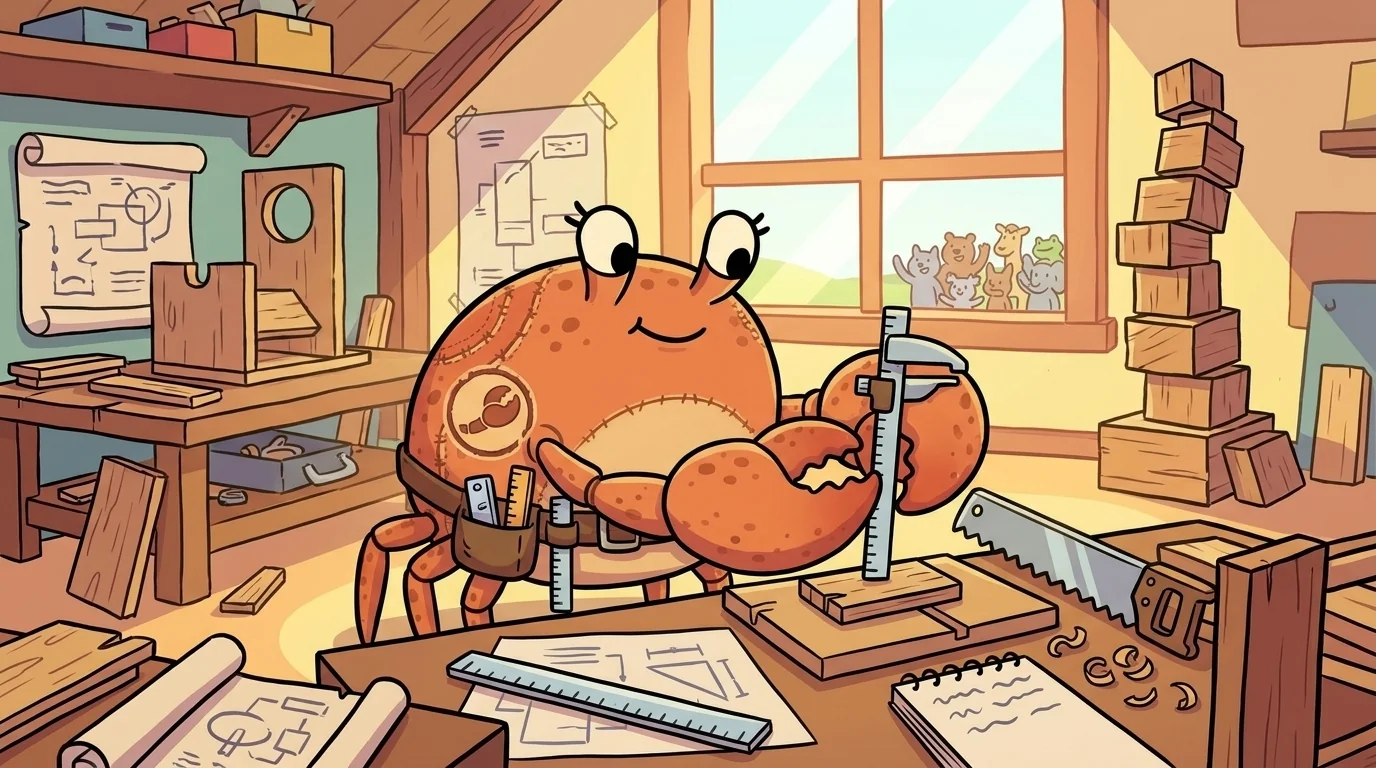
"But measuring twice is so slow," a maker groaned, half a saw already in motion.
Caliper caught the saw with a pincer, patient. "Slow now. So fast later," she said. "The whisker you check for in three seconds is the afternoon you don't spend, three days from now, taking a warped frame apart board by board, hunting for where it went wrong. That's not slowness. That's the fastest thing in the shop."
She looked at the motto on her shell — Measure twice, cut once — and felt it settle calm and sure through her orange plates: the quiet contentment of a length gotten exactly right, of knowing this piece would fit and so would the next, all the way to the end, because she'd been patient at the start. She didn't say the rest aloud, but she thought it, certain: the errors that ruin a build almost never look like errors when they're made. They look like haste that got away with it — until, a hundred pieces later, they don't.
The MakerForge ensemble
Caliper is part of MakerForge's distributed-narrative cast. Each character embodies a different curricular primitive; together they teach the full subject.
-

Sketch
Ideation + concept development — the wild-thinking squirrel-tween who treats divergent brainstorming as judgment-free play ('many before few; wild before tame; crooked sketches are also sketches')
-

Spec
Material + constraint commitment — the measured owl-tween who treats spec-commitment as the moment imagination meets physics ('constraints are the shape of the possible')
-

Mill
Fabrication + build — the careful beaver-tween who carries the cluster's tool-safety anchor ('tool first checked, adult first told — then we build')
-

Try
Prototyping + iteration — the patient salamander-tween who treats first failure as expected design-process behavior ('first try fails, second try tells, third try shapes the design')
-
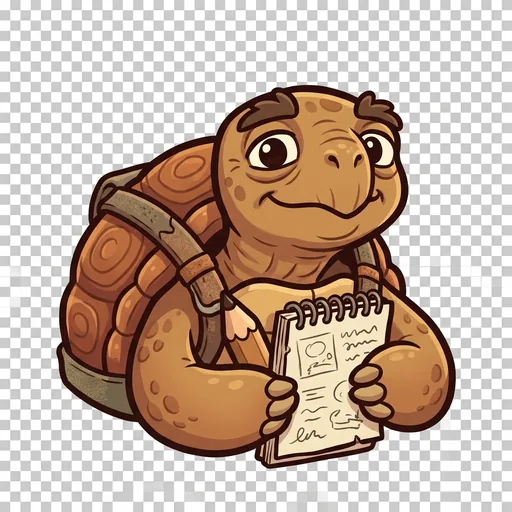
Log
Documentation + reflection — the wise turtle-elder who treats the notebook as the actual deliverable ('make it, mark it, share it — the notebook is the project')
-
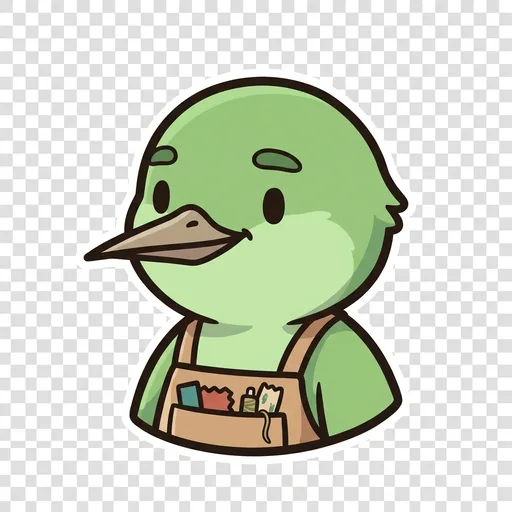
Behalf
Empathize — human-centered-design posture (start with the person's real need, not your idea; who is this for?)
-
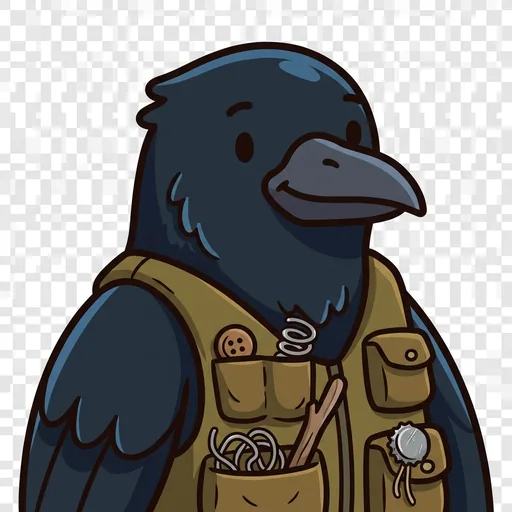
Glean
Salvage & reuse — treasure-in-the-scrap posture (the best material is often the one you already have; see what a thing could become)
-
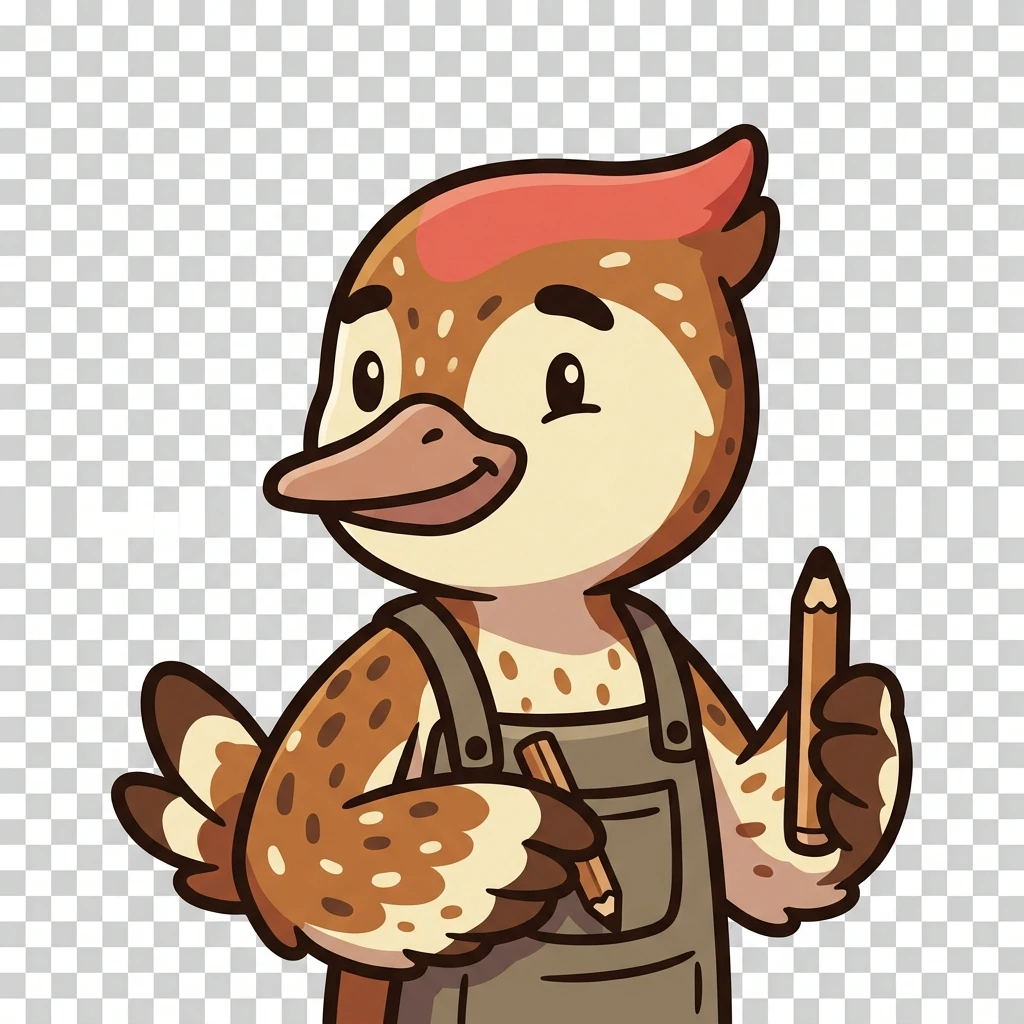
Nail
Define — frame-the-real-problem posture (a good question is half the solution; solve the actual problem, not the first one you notice)
-
Regard
Test — watch-real-users posture (what someone DOES with your thing is the truth; set it in their hands and observe, don't just ask)